
Creating a Supportive Environment: Mental Health in Sports Culture

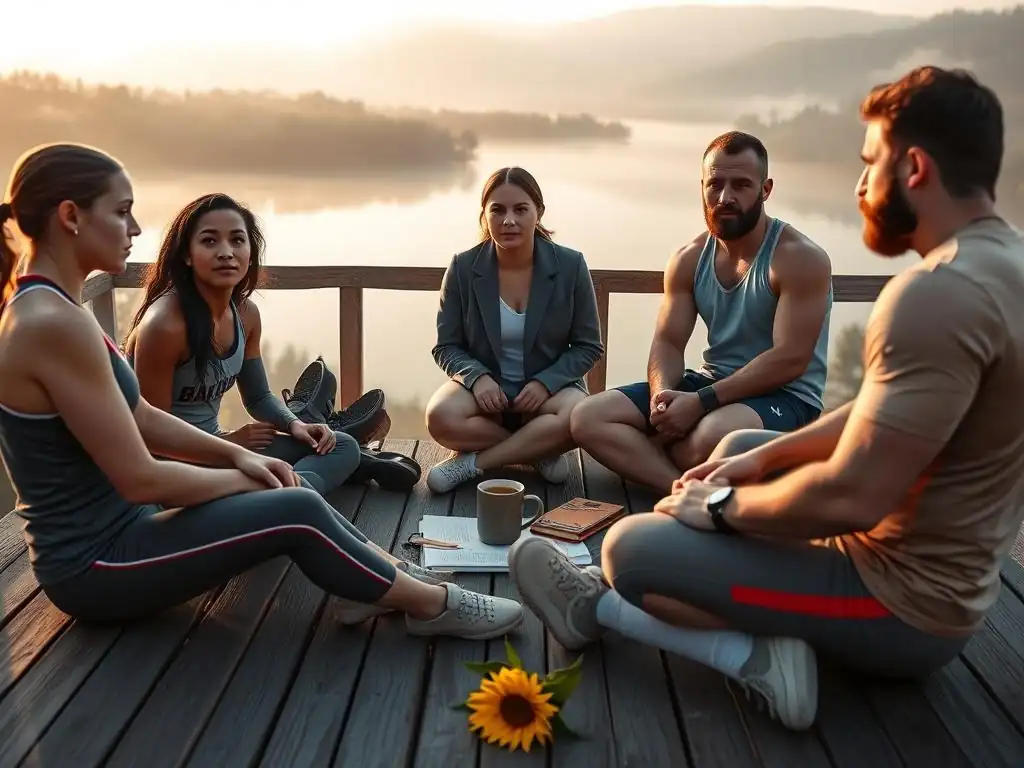
Welcome to Mind Care Guide, a sanctuary for your mental well-being.
Are you, or someone you know, feeling the pressure within the competitive world of sports? You're not alone. We understand the unique mental health challenges faced in sports culture. Our latest article, "Creating a Supportive Environment: Mental Health in Sports Culture," delves deep into sports culture mental health support, offering practical strategies and resources. Discover how to foster a more understanding and compassionate environment, starting now. What if there was a better way to navigate the pressures? Let's explore it together...
- Understanding the Mental Health Landscape in Collegiate Athletics
- The Impact of Athletic Culture on Student-Athlete Wellbeing
- Fostering a Supportive Athletic Culture: Practical Strategies
- Building Resilience and Mental Toughness in Student-Athletes
- The Role of Academic Advisors and Faculty in Supporting Student-Athlete Mental Health
- Changing the Narrative: Celebrating Mental Wellbeing in Collegiate Sports
- Long-Term Strategies for Sustainable Mental Health Support in Collegiate Athletics
- Resources for Student-Athletes, Coaches, Faculty, and Families
-
Frequently Asked Questions
- What are the primary mental health challenges faced by athletes within sports culture?
- Why is addressing mental health in sports culture crucial?
- What role can coaches play in fostering a supportive environment for athletes' mental health?
- What resources are available to athletes seeking mental health support within sports culture?
- How can sports culture shift to prioritize mental well-being alongside physical performance?
- Final Reflection: Cultivating Resilience: The Future of Mental Health in Sports
- Unleash Your Team's Potential: Cultivate Mental Wellness Today!
Understanding the Mental Health Landscape in Collegiate Athletics
Collegiate athletics represents a unique and demanding environment where young adults balance rigorous academic pursuits with intense athletic training and competition. This dual commitment, while fostering discipline and teamwork, can also place significant strain on mental wellbeing. Understanding the specific challenges faced by student-athletes is the first step toward building effective sports culture mental health support systems.
The Unique Pressures Faced by Student-Athletes
Student-athletes navigate a complex web of pressures that extend beyond typical college life. They face the constant demand to perform at a high level in their sport, often under public scrutiny and with scholarship implications. This performance pressure is compounded by the need to maintain academic eligibility, manage a highly structured schedule with limited free time, and adapt to living away from home, sometimes for the first time. The expectation to embody resilience and toughness, often perceived as essential traits in sports culture, can inadvertently discourage vulnerability and the acknowledgment of mental health struggles.
These pressures can manifest in various ways, including chronic stress, anxiety, and feelings of isolation. Unlike the general student population, student-athletes have their lives heavily dictated by practice schedules, travel, and competition, leaving little room for spontaneous social activities or recovery. The constant evaluation by coaches, teammates, media, and fans adds another layer of intensity. Developing robust sports culture mental health support requires recognizing that these individuals are not just athletes, but students and young adults navigating a critical developmental period under extraordinary circumstances.
Prevalence of Mental Health Challenges in Collegiate Athletics
Research and surveys consistently indicate that mental health challenges are prevalent among collegiate athletes, often at rates comparable to or even higher than their non-athlete peers in some areas. Studies have shown that a significant percentage of student-athletes report experiencing symptoms of anxiety or depression. For example, a 2015 NCAA survey found that approximately 30% of student-athletes reported feeling so depressed that it was difficult to function, and about half reported feeling overwhelming anxiety. While these numbers might vary slightly depending on the study and population, they underscore a persistent issue requiring dedicated sports culture mental health support.
Specific conditions like eating disorders, burnout, and sleep disorders are also concerns within the athletic population, potentially exacerbated by body image pressures inherent in certain sports or the demanding training schedules. The transition into college, injuries, and the eventual transition out of sport are also critical periods associated with increased risk for mental health issues. Addressing this prevalence effectively requires proactive screening, education, and accessible mental health resources integrated directly into the athletic department and wider university system, fostering a sports culture that prioritizes wellbeing.
Stigma and Silence: Barriers to Seeking Help on Campus
Despite the documented prevalence, many student-athletes face significant barriers when it comes to seeking help, with stigma being a primary factor. The traditional sports culture often equates mental toughness with suppressing emotions and pushing through difficulties without complaint. Admitting to struggling with anxiety, depression, or other mental health issues can be perceived as a sign of weakness, potentially jeopardizing playing time, relationships with coaches and teammates, or even future athletic opportunities. This fear of judgment or negative repercussions creates a climate of silence around mental health.
This deeply ingrained stigma makes it challenging for student-athletes to open up, even when resources are available. They may worry about being misunderstood by coaching staff who might prioritize physical readiness over mental wellbeing, or fear that teammates might lose confidence in them. Effective sports culture mental health support must actively work to dismantle this stigma through open conversations, leadership from coaches and administrators, and visible examples of athletes who have successfully navigated mental health challenges. Creating a safe space where vulnerability is accepted, not penalized, is paramount.
The Impact of Athletic Culture on Student-Athlete Wellbeing
The very environment designed to foster physical prowess and teamwork can, paradoxically, contribute to mental health strain if not carefully managed. The inherent competitiveness, hierarchical structures, and demanding schedules within athletic programs shape a specific culture that profoundly impacts student-athlete wellbeing. Understanding these cultural dynamics is crucial for implementing effective sports culture mental health support initiatives.
Performance Anxiety and Academic Stress
Performance anxiety is a common challenge among student-athletes, driven by the constant pressure to meet expectations, avoid mistakes, and secure playing time. This can manifest as intense nervousness before competitions, difficulty sleeping, or even physical symptoms. This anxiety is often intertwined with academic stress; student-athletes must maintain a minimum GPA to remain eligible, adding another layer of pressure to an already packed schedule. Failing in either domain can have significant consequences, increasing feelings of inadequacy and stress.
The structure of collegiate sports, with its emphasis on outcomes and rankings, can heighten these anxieties. A poor performance or a challenging academic course can feel amplified when balanced against athletic demands. Effective sports culture mental health support needs to address both performance-related stress and academic pressures holistically, providing strategies for managing anxiety in both arenas. This includes teaching coping skills, time management, and offering academic support tailored to the unique needs of student-athletes.
The Role of Coaches and Team Dynamics in Mental Health
Coaches hold significant influence over the mental wellbeing of their athletes. Their leadership style, communication, and overall approach to athlete development play a crucial role in shaping the team's culture. A coach who prioritizes athlete wellbeing, encourages open communication about struggles, and models healthy coping mechanisms can create a supportive environment. Conversely, coaches who rely on intimidation, dismiss mental health concerns, or foster an overly critical or competitive internal environment can exacerbate stress and anxiety among athletes.
Team dynamics also profoundly impact mental health. A cohesive team with strong peer support can act as a protective factor, providing a sense of belonging and shared experience. However, negative dynamics such as bullying, exclusion, or excessive internal competition can be detrimental. Building positive team dynamics and training coaches to be sensitive to mental health issues are fundamental components of developing strong sports culture mental health support. Coaches need training not only in sport-specific skills but also in recognizing signs of distress and knowing how to appropriately respond or refer athletes for help.
Time Demands and Sleep Deprivation: Risks to Mental Wellbeing
The collegiate athlete's schedule is notoriously demanding, often involving early morning practices, classes throughout the day, evening study sessions, and weekend competitions or travel. This leaves minimal time for rest, recovery, social activities outside of the team, or even adequate sleep. Chronic sleep deprivation is a significant risk factor for various mental health issues, including increased irritability, difficulty concentrating, impaired judgment, and heightened anxiety and depression.
The sheer volume of commitments can also lead to burnout, a state of emotional, physical, and mental exhaustion caused by prolonged stress. Athletes may feel overwhelmed, lose motivation, and experience decreased performance. Addressing these time demands requires collaboration between athletic departments, academic advisors, and coaching staff to optimize schedules where possible and educate athletes on the importance of sleep hygiene and recovery. Prioritizing rest and recognizing the physical toll of the schedule are vital aspects of promoting mental wellbeing within the sports culture.
Fostering a Supportive Athletic Culture: Practical Strategies

Creating a truly supportive environment for mental health in collegiate athletics requires intentional effort and the implementation of practical strategies across all levels of the university and athletic department. It's not enough to simply have resources available; the culture itself must encourage their use and destigmatize seeking help. Building effective sports culture mental health support involves education, open communication, and accessible services.
Education and Awareness Programs for Student-Athletes and Coaches
Education is a foundational element in fostering a supportive sports culture mental health support system. Both student-athletes and coaches need to be equipped with knowledge about mental health. Programs should cover common conditions, the unique stressors faced by athletes, and the importance of mental wellbeing as an integral part of overall health and performance. These sessions should be mandatory and recurring, not just a one-time event.
Understanding Mental Health Conditions: Depression, Anxiety, and Eating Disorders
Educational programs must provide clear, accessible information about common mental health conditions prevalent in the collegiate population, such as depression, anxiety disorders, and eating disorders. This includes explaining symptoms, causes, and the fact that these are treatable conditions, not character flaws. Providing accurate information helps to demystify mental illness and reduce fear and misunderstanding. Understanding these conditions is the first step in building empathy and promoting help-seeking behaviors within the sports culture.
Recognizing the Signs of Mental Distress in Teammates and Self
Equipping athletes and coaches with the ability to recognize the signs and symptoms of mental distress in themselves and others is critical for early intervention. Training should cover observable changes in behavior, mood, performance, sleep patterns, and social interaction that might indicate a struggle. This empowers individuals to check in with teammates, approach coaches or staff, or recognize the need to seek help for themselves. This proactive approach is essential for a responsive sports culture mental health support network.
Creating Open Communication Channels
A culture of silence around mental health is detrimental. Establishing and promoting open communication channels is vital to ensure student-athletes feel safe and comfortable discussing their struggles without fear of negative repercussions. This involves creating environments where athletes feel heard and validated.
Encouraging Student-Athletes to Share Their Struggles with Coaches and Support Staff
Coaches and athletic support staff (like athletic trainers and academic advisors) should be trained on how to have empathetic and non-judgmental conversations about mental health. Athletes need to know who they can talk to and feel confident that these conversations will be handled with confidentiality and care. Coaches can explicitly state their commitment to supporting athlete wellbeing, signaling that it's okay to not be okay. This direct encouragement is a powerful tool in fostering sports culture mental health support.
Implementing Regular Check-ins with Athletic Trainers and Team Physicians
Athletic trainers and team physicians are often the first point of contact for athletes dealing with physical ailments, but they can also play a crucial role in identifying mental health concerns. Implementing regular, informal check-ins during training room visits or physicals allows staff to ask open-ended questions about how athletes are coping overall. These brief interactions can provide opportunities for athletes to express stress or concerns they might not otherwise voice, facilitating early identification and connection to sports culture mental health support resources.
Promoting Mental Health Resources and Support Systems
Awareness of available resources is useless if athletes don't know how to access them or feel comfortable doing so. Universities and athletic departments must actively and visibly promote the mental health support systems available to student-athletes, ensuring they are easily accessible and tailored to their unique needs.
Access to University Counseling Services and Sports Psychologists
Highlighting the availability and accessibility of university counseling services is essential. Furthermore, emphasizing that these services include sports psychologists or counselors with experience working with athletes can help normalize seeking professional help within the sports context. Information about scheduling appointments, confidentiality policies, and location should be readily available through multiple channels, including team meetings, locker rooms, and athletic department websites, reinforcing the availability of sports culture mental health support.
Confidential Mental Health Services Tailored for Student-Athletes
Student-athletes may have specific concerns about confidentiality, particularly regarding how information might be shared with coaches or impact their athletic standing. Ensuring that mental health services are confidential and provided by professionals who understand the demands of collegiate athletics is crucial. Some universities offer dedicated athletic department psychologists or partnerships with external providers specializing in athlete mental health to address these specific needs and build trust in the available sports culture mental health support.
Building Resilience and Mental Toughness in Student-Athletes
While fostering a supportive environment is key, empowering student-athletes with tools to manage stress, anxiety, and challenges is equally important. Building resilience and genuine mental toughness involves developing healthy coping mechanisms and psychological skills that extend beyond the athletic arena, contributing to long-term wellbeing. These skills are integral to effective sports culture mental health support.
Mindfulness Techniques for Stress Management and Focus
Mindfulness practices, such as meditation, deep breathing exercises, and body scans, can be powerful tools for student-athletes to manage stress, reduce anxiety, and improve focus. These techniques help athletes become more aware of their thoughts and feelings without judgment, enabling them to respond to pressure more effectively. Integrating short mindfulness exercises into practice routines or offering workshops on mindfulness can provide athletes with practical skills they can use both on and off the field.
Teaching mindfulness also helps athletes stay present and engaged, rather than getting overwhelmed by past mistakes or future outcomes. For an athlete experiencing performance anxiety, focusing on their breath or the immediate task can help ground them in the moment. Incorporating these techniques into training demonstrates a commitment to holistic athlete development within the sports culture mental health support framework.
Cognitive Behavioral Therapy (CBT) for Performance Anxiety and Perfectionism
Cognitive Behavioral Therapy (CBT) is a highly effective therapeutic approach for addressing common athlete challenges like performance anxiety, perfectionism, and negative self-talk. CBT helps individuals identify and challenge unhelpful thought patterns and develop more constructive ways of thinking and behaving. For an athlete struggling with perfectionism, CBT can help them set more realistic expectations and cope with setbacks.
Access to CBT-informed counseling, particularly from sports psychologists, can provide athletes with strategies to reframe negative thoughts ("If I make a mistake, I'm a failure") into more balanced ones ("Mistakes happen, I can learn from this"). This type of therapy directly targets the psychological roots of performance-related stress and contributes significantly to building mental resilience and enhancing sports culture mental health support.
Developing Healthy Coping Mechanisms and Time Management Skills
Beyond clinical interventions, teaching student-athletes healthy, everyday coping mechanisms is vital. This includes promoting adequate sleep, balanced nutrition, regular physical activity (outside of structured training), and engaging in enjoyable hobbies or social activities that provide respite from athletic demands. Helping athletes develop effective time management skills is also crucial given their packed schedules.
Workshops or individual coaching on time management, prioritizing tasks, and setting boundaries can empower athletes to better balance their multiple commitments and reduce feelings of overwhelm. Encouraging athletes to identify and utilize their personal support networks (family, friends outside of sport) and engage in stress-reducing activities are fundamental aspects of promoting long-term wellbeing and strengthening the overall sports culture mental health support system.
The Role of Academic Advisors and Faculty in Supporting Student-Athlete Mental Health
Academic advisors and faculty members are integral parts of the student-athlete's support network, often interacting with them in environments distinct from the athletic sphere. Their awareness and understanding of the unique pressures faced by student-athletes are crucial for providing comprehensive support and contributing to a robust sports culture mental health support system.
Academic advisors and faculty are often the first to notice changes in a student-athlete's academic performance, attendance, or engagement that might signal underlying stress or anxiety. A student who is typically engaged but suddenly becomes withdrawn, misses classes, or experiences a significant drop in grades might be struggling with academic pressure, athletic demands, or other personal issues impacting their mental health. Being attuned to these shifts allows for early identification and intervention.
Faculty members who understand the student-athlete's schedule and commitments can also be more empathetic and flexible where appropriate, without compromising academic standards. Their ability to recognize signs of distress related to academic load or performance is a critical layer of the sports culture mental health support network, providing a different perspective than coaches or trainers.
Communicating Effectively with Coaches and Athletic Support Staff
When academic advisors or faculty members identify a student-athlete who appears to be struggling, effective communication with athletic support staff (such as academic liaisons, compliance officers, or even coaches, with appropriate privacy considerations) is essential. Establishing clear protocols for communication allows relevant parties to share concerns and coordinate support efforts. This doesn't mean sharing confidential mental health details, but rather flagging that a student might need additional support or resources.
Building strong working relationships between academic and athletic departments facilitates a more integrated approach to student-athlete wellbeing. Regular meetings or clear communication channels ensure that academic and athletic staff are aligned in their support, preventing student-athletes from falling through the cracks and reinforcing the comprehensive nature of sports culture mental health support.
Advocating for Academic Accommodations When Necessary
In some cases, student-athletes facing significant mental health challenges may require academic accommodations to succeed. Academic advisors and faculty play a key role in advocating for these accommodations, working with disability resource centers and athletic department staff. This might involve flexibility with assignment deadlines, adjustments for missed classes due to mental health appointments, or other support tailored to the individual student's needs.
Understanding the university's policies regarding accommodations and being willing to collaborate ensures that student-athletes receive the necessary support to manage both their academic responsibilities and their mental health. This advocacy is a vital component of holistic sports culture mental health support, recognizing that academic success and mental wellbeing are interconnected.
Changing the Narrative: Celebrating Mental Wellbeing in Collegiate Sports

Moving beyond simply addressing crises, a truly supportive sports culture actively celebrates and champions mental wellbeing as a strength, not a weakness. Changing the narrative around mental health in collegiate athletics is essential for dismantling stigma and creating an environment where seeking help is normalized and encouraged. This requires visible leadership and peer-to-peer initiatives to bolster sports culture mental health support.
Highlighting Student-Athletes Who Champion Mental Health Awareness
Showcasing student-athletes who are willing to share their stories and advocate for mental health awareness can have a powerful impact. When prominent athletes speak openly about their struggles and the importance of seeking help, it sends a message to their peers that it is acceptable and courageous to address mental health challenges. These individuals become role models, breaking down the perception that athletes must suffer in silence.
Featuring these athletes in university publications, social media campaigns, or campus events helps to normalize conversations around mental health. Their willingness to be vulnerable can inspire others to seek the sports culture mental health support they need, demonstrating that prioritizing mental health is compatible with athletic success.
Breaking Down Stigma Through Peer Support Programs
Peer support programs can be incredibly effective in creating a supportive sports culture. Having fellow athletes trained to listen, offer support, and connect teammates with resources can make a significant difference. Athletes often feel more comfortable opening up to peers who understand the unique demands of their lives. These programs provide a safe space for sharing experiences and reducing feelings of isolation.
Training peer mentors in active listening, basic mental health literacy, and referral processes empowers them to provide valuable support. These programs reinforce the idea that mental health is a team issue and that supporting one another is part of the sports culture mental health support framework. Examples of successful peer support initiatives exist at various universities, demonstrating their positive impact.
Creating a Culture of Empathy and Understanding Within Teams and the Athletic Department
Ultimately, fostering a supportive sports culture comes down to cultivating empathy and understanding at all levels. This means coaches, staff, and athletes actively listen to one another, offer support without judgment, and recognize that everyone faces challenges. It involves moving away from a win-at-all-costs mentality towards one that prioritizes the holistic wellbeing of the individual athlete.
Team-building activities that encourage vulnerability and trust, workshops on empathy and communication, and leadership from the athletic department promoting a caring environment all contribute to this cultural shift. When empathy is embedded in the sports culture, student-athletes feel safer, more connected, and more likely to seek and receive the mental health support they need.
Long-Term Strategies for Sustainable Mental Health Support in Collegiate Athletics
Ensuring that mental health support is not just a temporary initiative but a sustainable part of the collegiate athletic experience requires long-term planning, policy implementation, and ongoing commitment. These strategies aim to embed mental health support into the very fabric of the athletic department and university.
Implementing Mental Health Policies at the NCAA and University Level
Formal policies regarding mental health are crucial for ensuring consistent and comprehensive support. The NCAA has taken steps to recommend best practices and guidelines for member institutions, and universities should translate these into specific, actionable policies. This includes policies on access to care, confidentiality, mental health screenings, and protocols for responding to mental health crises.
University-level policies should clearly outline the responsibilities of coaches, athletic staff, and administrators regarding student-athlete mental health and the integration of mental health services with athletic programs. These policies provide a framework for accountability and ensure that sports culture mental health support is prioritized institutionally.
Ongoing Training and Education for Coaches, Staff, and Faculty
Mental health is an evolving field, and the challenges faced by student-athletes can change over time. Therefore, ongoing training and education for all staff who interact with athletes are essential. This includes refreshers on recognizing signs of distress, updated information on resources, training on cultural competence, and strategies for creating inclusive and supportive environments.
Regular training ensures that coaches, athletic trainers, academic advisors, and faculty remain equipped to support student-athletes effectively. This continuous learning is vital for maintaining a high standard of sports culture mental health support and adapting to new challenges and best practices.
Monitoring and Evaluation of Mental Health Programs and Resource Utilization
To ensure the effectiveness and sustainability of mental health support programs, ongoing monitoring and evaluation are necessary. This involves tracking the utilization rates of counseling services, gathering feedback from student-athletes and staff, assessing the impact of educational programs, and evaluating the accessibility of resources.
Data collected from monitoring and evaluation can inform adjustments to programs, identify gaps in services, and demonstrate the value of investing in sports culture mental health support. This data-driven approach helps athletic departments and universities make informed decisions to continuously improve the mental health support available to student-athletes.
Resources for Student-Athletes, Coaches, Faculty, and Families
Navigating mental health challenges requires knowing where to turn for help. Below are types of resources that can provide crucial support.
- Information on NCAA best practices and guidelines for mental health.
- Contact details for university counseling centers, sports psychology services, and specific athletic department mental health staff.
- National and local crisis hotlines and text-based support services available 24/7 for immediate assistance.
Frequently Asked Questions
What are the primary mental health challenges faced by athletes within sports culture?
Athletes often experience heightened stress and anxiety due to pressure to perform, intense competition, and fear of failure. This can lead to issues like burnout, depression, and eating disorders.
Why is addressing mental health in sports culture crucial?
Ignoring mental health can negatively impact an athlete's overall well-being, leading to decreased performance, increased risk of injury, and potentially long-term psychological damage. It's crucial for athlete success and health.
What role can coaches play in fostering a supportive environment for athletes' mental health?
Coaches can create a safe space by promoting open communication, emphasizing effort over outcome, and being attentive to athletes' emotional needs. They should also be trained to recognize signs of mental distress.
What resources are available to athletes seeking mental health support within sports culture?
Many sports organizations are now offering mental health professionals, confidential counseling services, and educational programs. Athletes can also seek support from external therapists or mental health advocates.
How can sports culture shift to prioritize mental well-being alongside physical performance?
This requires a cultural shift that challenges the stigma surrounding mental health, promotes open dialogue, and integrates mental health training into all levels of sports. Encouraging vulnerability and support is key.
Final Reflection: Cultivating Resilience: The Future of Mental Health in Sports
The pervasive pressure to perform in elite sports often overshadows the critical need for robust mental health support. This article has explored the multifaceted challenges faced by athletes, from the intense competition and public scrutiny to the unique pressures of training and injury recovery. Ignoring these realities is not only detrimental to individual well-being but also undermines the very fabric of athletic success.
The normalization of mental health struggles within sports culture is a journey, not a destination. We've seen a gradual shift in recent years, with more athletes bravely sharing their stories and advocating for change. Yet, significant work remains. The greatest victory is not winning, but fighting well.
– Pierre de Coubertin. This quote, while traditionally associated with athletic competition, speaks to a deeper truth: the strength and resilience developed through facing adversity, both physical and mental. My own research into this topic has underscored the importance of creating a culture of empathy and understanding, where athletes feel empowered to seek help without fear of judgment or reprisal.
You, the reader, now hold the power to contribute to this vital change. Consider how you can support athletes in your life – whether it's a friend, family member, or someone you admire from afar. Actively listen, offer empathy, and encourage them to seek professional help if needed. Let's collectively build a sports culture where mental well-being is not just acknowledged, but prioritized and celebrated as an integral part of athletic excellence. The future of sports depends on it.
Unleash Your Team's Potential: Cultivate Mental Wellness Today!
Thanks for investing your time in understanding the vital role of mental health in sports. You've gained valuable insights into creating a supportive and thriving athletic environment. Now, let's put that knowledge into action!
- Prioritize a single mental wellness initiative: Choose one practical step from the article—whether it's implementing a mindfulness program, organizing team discussions, or simply encouraging open communication—and commit to it this week.
- Share this article with your team or coaching staff: Let's spread awareness and build a stronger, more supportive sports community together.
- Consider implementing a mental health check-in system: This could be as simple as a brief, anonymous survey or regular check-ins with individual athletes.
What small change can you make today to foster a more supportive mental health environment for your athletes?