
The Role of Creativity in Fostering Emotional Balance

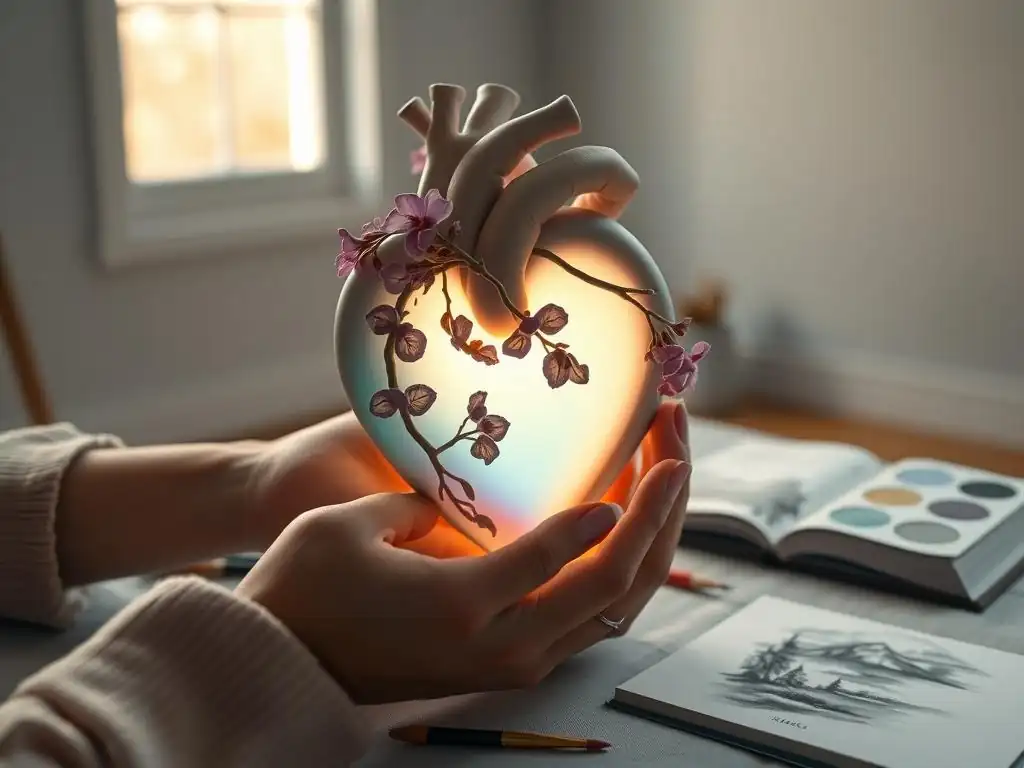
Welcome to Mind Care Guide, a space dedicated to nurturing your inner peace and understanding your mental well-being.
Feeling overwhelmed? You're not alone. We believe that even in challenging times, there's a path to reclaiming your emotional equilibrium. That's why we're diving deep into how creative expression boosts emotional balance. Explore with us as we unravel the powerful connection between art, self-discovery, and finding your center. Ready to unlock your creative potential and cultivate a more balanced you?
The Role of Creativity in Fostering Emotional Balance
- Understanding the Link Between Creative Expression and Emotional Well-being
- Creative Outlets for Enhancing Emotional Balance: A Practical Guide
- The Benefits of Creative Expression for Emotional Balance
- Overcoming Barriers to Creative Expression
- Integrating Creative Practices into Daily Life for Sustained Emotional Balance
- The Long-Term Impact of Creative Expression on Emotional Health
- Seeking Professional Support: When to Consult a Therapist
-
Frequently Asked Questions
- How does engaging in creative activities help improve emotional balance?
- What types of creative activities are most effective for promoting emotional balance?
- How often should I engage in creative expression to see a noticeable improvement in my emotional well-being?
- Can creative expression help with specific mental health challenges, such as anxiety or depression?
- Is it necessary to be "good" at a creative activity to experience its emotional benefits?
- Final Reflection: Unleashing the Healing Power of Creativity
- Unleash Your Inner Artist: Cultivate Emotional Well-being
Understanding the Link Between Creative Expression and Emotional Well-being
Defining Emotional Balance and Its Importance for Mental Health
Emotional balance refers to the ability to recognize, understand, and manage one's emotions effectively. It doesn't mean the absence of negative emotions, but rather the capacity to experience a full range of feelings – joy, sadness, anger, fear – in a healthy, adaptable way. This involves navigating emotional highs and lows without becoming overwhelmed or stuck in extreme states. Achieving emotional balance is fundamental to mental health, acting as a buffer against stress, anxiety, and depression. It allows individuals to maintain stable relationships, make sound decisions, and function effectively in daily life.
Individuals with strong emotional balance are often more resilient, bouncing back from adversity more readily. They possess a greater capacity for self-compassion and empathy towards others, contributing to a more positive outlook and improved overall well-being. When emotions are regulated, cognitive functions such as focus and problem-solving are enhanced. Conversely, chronic emotional dysregulation can contribute significantly to the development or exacerbation of mental health conditions, highlighting the critical importance of nurturing this inner equilibrium.
Exploring the Science Behind Creativity and Emotional Regulation
The connection between creative expression and emotional regulation is increasingly supported by neuroscience and psychological research. Engaging in creative activities stimulates various brain regions, including those involved in emotion processing, reward, and self-reflection. For instance, the prefrontal cortex, crucial for executive functions and emotional control, shows increased activity during creative tasks. This neurological engagement helps individuals process complex feelings in a non-verbal, often more accessible way than purely cognitive analysis.
Furthermore, creative activities can trigger the release of neurotransmitters like dopamine, associated with pleasure and reward, which can improve mood and motivation. Studies have shown that activities like drawing or playing music can lower cortisol levels, the body's primary stress hormone, indicating a direct physiological impact on stress reduction. This biological mechanism suggests that creative expression boosts emotional balance by providing a natural pathway for stress relief and mood enhancement, offering a tangible benefit for mental well-being.
Creative Outlets for Enhancing Emotional Balance: A Practical Guide
Art Therapy: Harnessing Visual Arts for Emotional Processing
Art therapy is a recognized therapeutic approach that uses the creative process of making art to improve a person's physical, mental, and emotional well-being. It's not about artistic talent, but about the process of creation itself, which provides a non-verbal means of expression. Through painting, drawing, sculpting, or collage, individuals can externalize internal states, giving form and color to feelings that may be difficult to articulate verbally. This externalization can create distance from overwhelming emotions, making them easier to examine and understand.
In art therapy, a trained therapist guides the individual in exploring the emotions, thoughts, and experiences that emerge through the art-making process. For example, someone struggling with anxiety might create a piece that visually represents their feelings of being overwhelmed, using chaotic lines or dark colors. Discussing the artwork with the therapist can provide insights into the root causes of the anxiety and develop coping strategies. This form of creative expression boosts emotional balance by offering a safe space to process trauma, grief, or stress, facilitating healing and self-discovery.
Benefits of Painting, Drawing, and Sculpting for Emotional Release
Engaging in painting, drawing, or sculpting offers unique benefits for emotional release. The tactile experience of working with materials like clay or paint can be grounding and meditative, providing a sense of presence and focus that distracts from anxious thoughts. The act of choosing colors, textures, and forms allows for symbolic representation of internal states, enabling individuals to communicate complex emotions that words might fail to capture.
For instance, someone dealing with anger might find catharsis in vigorously applying paint to a canvas or aggressively molding clay. Conversely, someone seeking calm might use soft pastels and gentle strokes. This physical engagement with the medium provides a powerful outlet for pent-up energy and emotion. Through these visual arts, individuals can externalize their feelings, gain new perspectives on their challenges, and experience a sense of relief and clarity, demonstrating how creative expression boosts emotional balance.
Using Art to Express Difficult Emotions and Experiences
Art provides a powerful, non-threatening channel for expressing emotions and experiences that are painful, confusing, or traumatic. For individuals who find it hard to talk about difficult subjects, such as trauma survivors or those with communication difficulties, art offers an alternative language. A drawing might depict fragmented images representing dissociation, or a sculpture could embody the weight of grief. This allows the individual to approach the difficult material at their own pace, within the safety of the creative process.
Sharing and discussing the artwork with a therapist or in a supportive group setting can further facilitate healing. The art piece serves as a tangible object that can be discussed, analyzed, and processed collaboratively, rather than solely relying on verbal recall which can be re-traumatizing. This ability to transform internal pain into external form is a core way that creative expression boosts emotional balance and facilitates recovery from challenging life events.
Music and Emotional Regulation: Finding Harmony Through Sound
Music has a profound and immediate impact on our emotions, making it a potent tool for emotional regulation. Whether listening to a favorite song, singing along, or playing an instrument, music can shift our mood, evoke memories, and provide comfort or energy. Different genres and tempos can be used intentionally to match or alter our emotional state – upbeat music for motivation, calm melodies for relaxation, or melancholic tunes for processing sadness.
The therapeutic use of music, known as music therapy, employs these properties in a structured way to address emotional needs. For example, rhythm can be used to regulate physiological responses associated with anxiety, such as rapid heart rate. Singing in a group can foster a sense of connection and belonging, reducing feelings of isolation. Engaging with music, either passively or actively, provides a direct pathway to emotional processing and release, illustrating how creative expression boosts emotional balance through auditory means.
The Therapeutic Power of Singing, Playing Instruments, and Listening to Music
Active engagement with music, such as singing or playing an instrument, offers unique therapeutic benefits. Singing, especially in a choir or group, can release endorphins and promote deep breathing, which is calming. It also requires coordination and focus, providing a positive distraction from worries. Learning to play an instrument demands discipline and patience, and the act of creating sound can be incredibly rewarding and stress-relieving.
Passive engagement, like listening to music, is also highly effective. Music can help individuals access and process emotions, serving as a soundtrack to their internal world. A specific piece of music might validate feelings of sadness, allowing for catharsis, or it might uplift the spirit during times of low energy. This versatile application of music, from active creation to passive reception, highlights its power in modulating mood and promoting emotional well-being. Studies often show that listening to preferred music can significantly reduce perceived stress levels, sometimes by 30% or more, underscoring how creative expression boosts emotional balance.
How Music Can Reduce Stress and Anxiety
Music has a well-documented ability to reduce stress and anxiety. Listening to calm, slow-tempo music can lower heart rate, blood pressure, and muscle tension, triggering the body's relaxation response. Instrumental music, particularly classical or ambient genres, is often used in clinical settings and mindfulness practices to promote a state of calm. The predictable patterns and harmonies provide a sense of order and safety.
Beyond passive listening, actively creating music can be even more impactful. Drumming, for example, can be a powerful release for pent-up energy and frustration. Writing lyrics or composing music allows individuals to channel their anxieties into a structured form, providing a sense of control and expression. Engaging with music in these ways provides a direct outlet for stress, helping individuals regulate their nervous system and achieve a greater sense of calm, confirming that creative expression boosts emotional balance by mitigating the effects of stress and anxiety.
Writing as a Tool for Emotional Clarity and Self-Discovery
Writing is a deeply personal and accessible form of creative expression that can be incredibly effective for processing emotions and gaining self-awareness. Putting thoughts and feelings into words externalizes them, making them easier to examine objectively. The act of writing provides a space for reflection, allowing individuals to explore their internal landscape without interruption or judgment.
Whether through journaling, poetry, fiction, or essays, writing offers a structured way to make sense of chaotic emotions and experiences. It can help identify patterns in thoughts and behaviors, uncover underlying beliefs, and gain new perspectives on challenges. This process of articulation and exploration through writing is a powerful method by which creative expression boosts emotional balance, leading to greater clarity and understanding of oneself.
Journaling for Emotional Processing and Insight
Journaling is perhaps the most direct form of writing for emotional processing. Simply writing down thoughts and feelings as they occur can provide immediate relief and help to offload mental burdens. It's a private space where one can be completely honest, exploring difficult emotions like anger, fear, or sadness without fear of consequence. Regular journaling can help identify triggers for negative emotions and track mood patterns over time.
Beyond simple catharsis, journaling can be used for deeper insight. Prompts can guide reflection on specific emotions, relationships, or past events. Analyzing journal entries later can reveal recurring themes or emotional responses, offering valuable insights into one's psychological landscape. This consistent practice of emotional processing through writing is a fundamental way that creative expression boosts emotional balance and fosters self-awareness.
Creative Writing Techniques for Exploring Feelings
Beyond straightforward journaling, creative writing techniques offer alternative ways to explore emotions. Writing poetry, for instance, allows for the use of metaphor and imagery to capture the essence of a feeling that might be hard to describe directly. Writing a short story or a scene from a play can provide distance from personal experiences by placing them in a fictional context, allowing for exploration from a safer perspective.
Creating characters who embody certain emotional struggles can also be illuminating. By writing dialogue or internal monologues for these characters, individuals can explore different facets of an emotion or a situation. This imaginative play with narrative and form provides a powerful, often less intimidating, way to confront and understand complex feelings. Utilizing creative writing techniques is a sophisticated method by which creative expression boosts emotional balance through narrative exploration.
Movement and Dance: Embodied Expression for Emotional Release
Movement and dance are powerful forms of embodied creative expression that connect directly with physical sensations and emotions. Our bodies often hold onto tension and unprocessed feelings, and movement provides a way to release this stored energy. Unlike verbal or visual arts, dance engages the entire physical self in the act of expression, making it a primal and potent tool for emotional release.
Engaging in dance or conscious movement allows individuals to explore emotions non-verbally through gesture, posture, and rhythm. A slow, flowing dance might express sadness or introspection, while vigorous, percussive movements could release anger or frustration. This physical dialogue with one's internal state helps to integrate mind and body, promoting a sense of wholeness and facilitating the release of emotional blockages. This physical form of creative expression boosts emotional balance by addressing emotions held within the body.
The Connection Between Body and Emotion
The connection between the body and emotion is fundamental. Emotions are not just psychological states; they are accompanied by physiological changes – a racing heart with fear, clenched fists with anger, a heavy chest with sadness. Embodied practices like movement and dance acknowledge and work with this connection. By moving the body, individuals can directly influence their emotional state and release physical tension associated with certain feelings.
For example, shaking movements can help discharge nervous energy, while grounding exercises can promote a sense of safety and stability. Consciously moving the body in ways that feel congruent with an emotion can help process it, while moving in contrasting ways can help shift the emotional state. This direct engagement with the physical manifestation of emotion through movement is a core aspect of how embodied creative expression boosts emotional balance.
Different Dance Styles for Emotional Exploration
Various dance styles offer different avenues for emotional exploration. Freeform or improvisational dance allows individuals complete freedom to move however their body feels, responding intuitively to internal sensations or music. This unstructured approach is excellent for spontaneous emotional release and self-discovery. Structured dance forms like ballet, contemporary, or hip-hop, while requiring technique, can still be highly expressive and therapeutic, allowing individuals to channel emotions through choreographed movements or performance.
Even simple, mindful movement practices, not traditionally considered dance, like conscious walking or stretching with attention to internal sensations, can be powerful for emotional processing. The key is intentional movement that connects with the body's internal state. Exploring different styles or approaches helps individuals find the form of embodied creative expression that best resonates with them, demonstrating how creative expression boosts emotional balance through physical means.
The Benefits of Creative Expression for Emotional Balance
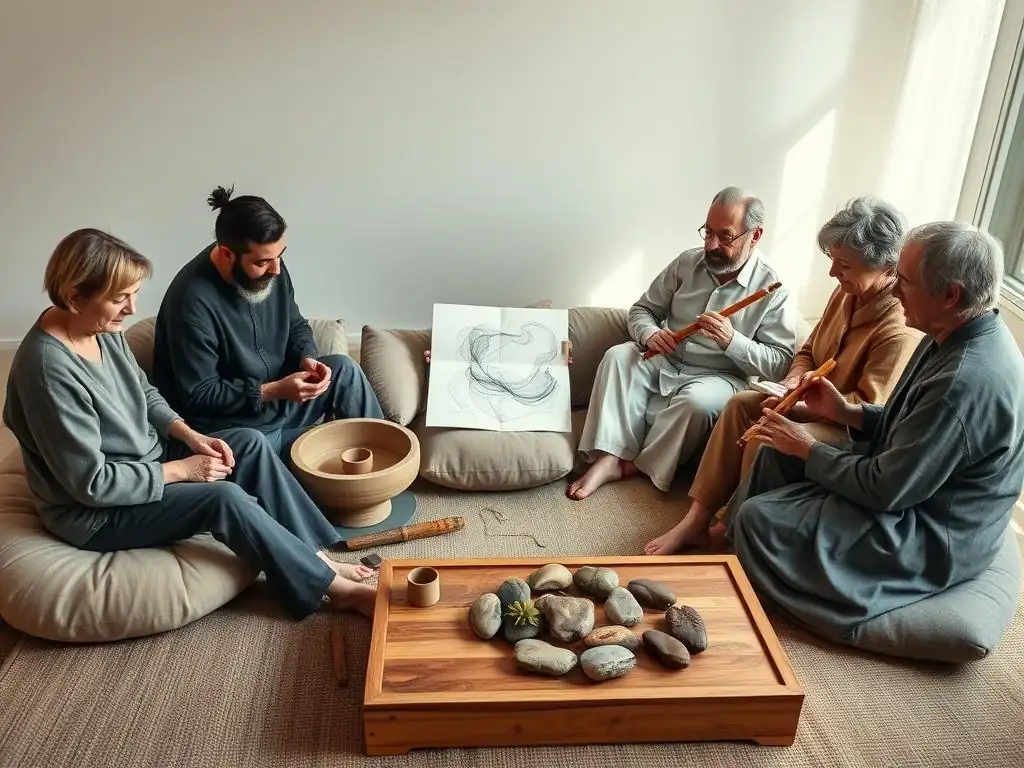
Reducing Stress and Anxiety Through Creative Activities
Engaging in creative activities is a well-established method for reducing stress and anxiety. The focused nature of creative tasks, whether painting, writing, or playing music, can act as a form of mindfulness, drawing attention away from worries and into the present moment. This absorption in the creative process can quiet the "monkey mind" that often fuels anxiety.
Studies have shown that just 45 minutes of creative activity can significantly lower cortisol levels, the body's stress hormone. For example, research involving adult participants found that making art, regardless of skill level, led to notable reductions in stress markers. This physiological response, combined with the psychological benefits of expression and distraction, makes creative pursuits a powerful antidote to stress and anxiety, underscoring how creative expression boosts emotional balance by providing a natural stress relief mechanism.
Boosting Self-Esteem and Confidence Through Creative Accomplishments
Completing a creative project, no matter how small, can provide a significant boost to self-esteem and confidence. The act of bringing something new into existence, of mastering a technique, or simply expressing oneself authentically, validates one's abilities and worth. It shifts focus from perceived flaws or failures to accomplishments and strengths.
Receiving positive feedback from others, or even just personal satisfaction in a finished piece, reinforces a sense of competence and capability. For individuals struggling with low self-worth, creative expression offers a tangible area where they can experience success and positive reinforcement. This accumulation of small creative triumphs builds a foundation of confidence that can spill over into other areas of life, demonstrating how creative expression boosts emotional balance by enhancing self-perception.
Enhancing Self-Awareness and Emotional Intelligence
Creative expression is a powerful tool for enhancing self-awareness and emotional intelligence. By externalizing internal thoughts and feelings through art, music, writing, or movement, individuals gain a clearer view of their emotional landscape. An abstract painting might reveal a pattern of anxiety that wasn't consciously recognized, or a piece of writing might uncover hidden beliefs about relationships.
This process of bringing the unconscious into conscious awareness through creative work facilitates deeper insight into one's motivations, triggers, and emotional responses. Increased self-awareness is a cornerstone of emotional intelligence, enabling individuals to better understand their own emotions and how they impact behavior. This improved understanding then extends to better empathy and understanding of others, showing how creative expression boosts emotional balance by fostering emotional intelligence.
Fostering Resilience and Coping Mechanisms
Regular engagement with creative activities helps build emotional resilience and develop healthy coping mechanisms. Creativity provides a safe outlet for processing difficult experiences and emotions instead of suppressing them. It offers a way to navigate challenges by transforming pain into expression, finding meaning in adversity, or simply providing a much-needed distraction and source of joy during tough times.
When faced with stress or setbacks, individuals with creative practices often have a readily available tool to help them cope. Turning to journaling after a conflict, playing an instrument to release frustration, or engaging in movement to process grief provides constructive ways to handle difficult feelings. This consistent practice of using creative outlets during challenges strengthens the ability to bounce back, proving that creative expression boosts emotional balance by building robust coping skills.
Overcoming Barriers to Creative Expression
Addressing Fear of Judgment and Perfectionism
Many people hesitate to engage in creative activities due to a fear of being judged, either by others or by themselves. Perfectionism, the belief that one's work must be flawless, is a significant barrier. This fear can stem from past negative experiences, societal pressures, or an internalized harsh critic. Overcoming this requires a shift in mindset: focusing on the process and the therapeutic benefits, rather than the final product or its perceived quality.
One strategy is to start small and privately, where there is no audience to judge. Another is to embrace the concept of "process over product," reminding oneself that the goal is emotional release and self-discovery, not creating a masterpiece. Engaging in creative activities specifically for the joy of it, without any expectation of showing it to others, can help dismantle the fear of judgment and free the individual to explore more openly. This focus on the intrinsic value of creativity helps demonstrate how creative expression boosts emotional balance even when initial attempts feel imperfect.
Finding Time and Space for Creative Pursuits
In busy modern lives, finding dedicated time and space for creative pursuits can be challenging. The demands of work, family, and other responsibilities often push creative activities to the bottom of the priority list. Overcoming this barrier requires intentionality and planning. It might involve scheduling short bursts of creative time, even just 15-20 minutes a day, rather than waiting for large blocks of free time that may never materialize.
Creating a designated space, even a small corner, that is readily available for creative work can also reduce friction. Having materials easily accessible makes it more likely that creative moments will be seized. It's about integrating creativity into the existing rhythm of life, recognizing its importance for well-being and treating it as a necessary part of self-care, similar to exercise or healthy eating. Prioritizing this time reinforces the belief that creative expression boosts emotional balance and is worthy of investment.
Cultivating a Supportive and Encouraging Environment
A supportive environment can significantly impact one's willingness to engage in creative expression. This includes both external support from friends, family, or creative communities, and internal self-compassion. Sharing creative work, even if imperfect, with trusted individuals who offer encouragement can build confidence. Conversely, critical or dismissive feedback can be detrimental.
Building an internal environment of acceptance involves silencing the inner critic and approaching creative endeavors with curiosity and kindness rather than harsh self-judgment. This might involve positive affirmations or reframing negative thoughts about one's creative abilities. Surrounding oneself with supportive people and fostering a gentle internal dialogue creates fertile ground for creative exploration and consistency, making it easier to realize how creative expression boosts emotional balance over time.
Integrating Creative Practices into Daily Life for Sustained Emotional Balance
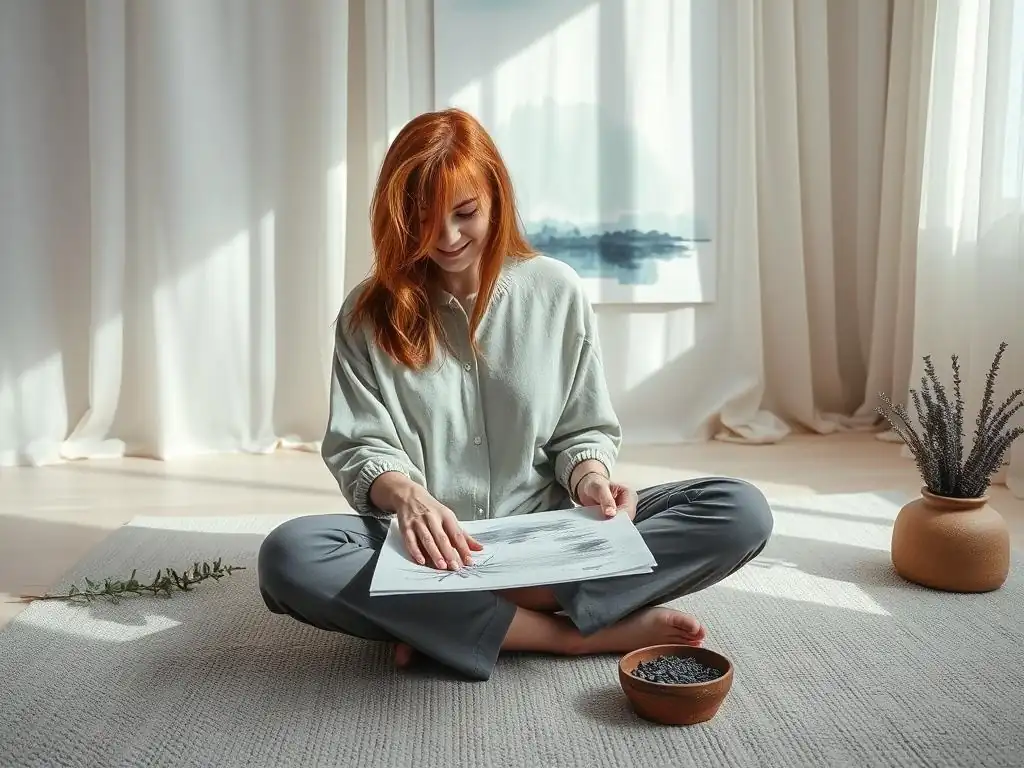
Creating a Daily Routine that Includes Creative Activities
Integrating creative practices into daily life requires intentionality and consistency. It's less about finding large chunks of time and more about weaving small moments of creativity throughout the day or week. This could be as simple as sketching during a lunch break, listening mindfully to music during a commute, writing a few journal entries before bed, or taking a few minutes to move freely in the morning.
Starting small makes it easier to build a habit. Even 5-10 minutes of focused creative activity can be beneficial. The key is regularity. Just as consistent exercise is better than occasional intense workouts, regular small doses of creativity provide sustained benefits for emotional well-being. Making creativity a non-negotiable part of the routine signals its importance for mental health, reinforcing the understanding that consistent creative expression boosts emotional balance.
Joining Creative Communities and Workshops
Connecting with others through creative communities and workshops can provide inspiration, support, and accountability. Sharing creative interests with like-minded individuals can reduce feelings of isolation and foster a sense of belonging. Workshops offer structured opportunities to learn new skills, explore different mediums, and receive constructive feedback in a supportive setting.
These communities can range from local art classes and writing groups to online forums and social media groups dedicated to specific creative pursuits. The shared experience of creating alongside others can be motivating and enriching, adding a social dimension to the benefits of creativity. Engaging with a creative community reinforces the positive impact of creative expression boosts emotional balance through connection and shared purpose.
Exploring Different Creative Mediums and Finding What Resonates
Emotional expression is not limited to one form. Exploring different creative mediums is crucial to finding what resonates most deeply and effectively for individual emotional processing. Someone who finds painting frustrating might discover solace and release in playing a musical instrument, or someone who struggles with writing might find freedom in movement and dance.
Experimentation is key. Trying out various forms of art, music, writing, craft, or movement allows individuals to discover the specific activities that best facilitate their emotional release, reflection, and regulation. What works at one point in life might change, so revisiting different mediums over time can also be beneficial. Finding the right creative fit ensures that the practice is enjoyable and sustainable, maximizing the benefits of creative expression boosts emotional balance.
The Long-Term Impact of Creative Expression on Emotional Health
Building Emotional Resilience and Coping Skills
Consistent engagement in creative expression over the long term significantly builds emotional resilience. By regularly processing emotions in a safe and constructive manner, individuals become better equipped to handle stress, setbacks, and trauma. Creative practices provide a reliable internal resource to turn to during difficult times, reducing reliance on less healthy coping mechanisms.
Over time, the practice of transforming emotional experiences into creative form strengthens the individual's capacity to adapt and recover from adversity. Each act of creative processing reinforces the ability to navigate complex feelings, making the individual more robust in the face of life's challenges. This sustained practice confirms that creative expression boosts emotional balance by embedding resilience and effective coping skills.
Fostering a Sense of Purpose and Meaning
Engaging in creative pursuits can foster a deep sense of purpose and meaning in life. The act of creation, of bringing something unique into the world, can be inherently fulfilling. Whether it's completing a novel, mastering a musical piece, or creating a piece of art, the process and the outcome can provide a sense of accomplishment and contribution.
For many, creativity becomes a core part of their identity and a source of sustained passion. This sense of purpose provides motivation and direction, contributing significantly to overall well-being and acting as a protective factor against feelings of emptiness or despair. This deeper connection to oneself and the world through creativity is a profound way that creative expression boosts emotional balance over the long term.
Achieving Greater Overall Well-being Through Creative Living
Integrating creative expression into one's lifestyle contributes to greater overall well-being that extends beyond emotional balance. The benefits ripple outwards, positively impacting physical health (reduced stress), cognitive function (enhanced problem-solving), social connections (through creative communities), and a sense of joy and fulfillment.
A life that embraces creativity is often richer, more vibrant, and more adaptable. It encourages curiosity, open-mindedness, and a playful approach to challenges. Over years, consistent creative practice cultivates a lifestyle that prioritizes emotional health, self-discovery, and meaningful engagement with the world. This holistic impact demonstrates the profound and lasting ways that creative expression boosts emotional balance and contributes to a flourishing life.
Seeking Professional Support: When to Consult a Therapist
Recognizing the Signs of Emotional Distress
While creative expression is a powerful tool for emotional well-being, it is not a substitute for professional mental health care when needed. It's important to recognize the signs that indicate a need for professional support. These signs can include persistent feelings of sadness, anxiety, or hopelessness that interfere with daily life for weeks or months; significant changes in sleep patterns or appetite; difficulty concentrating; loss of interest in activities previously enjoyed; withdrawing from social contact; or experiencing overwhelming emotions or thoughts that feel unmanageable.
If creative activities feel insufficient to cope with the intensity or persistence of emotional distress, or if symptoms are worsening, consulting a mental health professional is crucial. A therapist can provide diagnosis, tailored treatment plans, and coping strategies that go beyond what creative expression alone can offer.
How Art Therapy Can Complement Traditional Therapy
For many, art therapy can serve as a powerful complement to traditional talk therapy (like CBT or psychotherapy). It offers an alternative or parallel pathway for processing difficult emotions and experiences that may be hard to access or articulate verbally. While talk therapy provides cognitive insight and behavioral strategies, art therapy allows for non-verbal expression, exploration of unconscious material, and release of embodied emotions.
Working with an art therapist can help individuals gain new perspectives on issues discussed in talk therapy, providing a more holistic approach to healing. The art itself can serve as a visual record of progress or a tangible representation of internal shifts. This integrated approach leverages the unique benefits of both modalities, often leading to deeper processing and more sustainable change.
Finding a Qualified Art Therapist or Creative Arts Therapist
If you are interested in exploring art therapy or other creative arts therapies (like music therapy, dance/movement therapy, or drama therapy) as part of your mental health journey, it's essential to find a qualified practitioner. Look for therapists who are board-certified (e.g., ATR-BC in the US for art therapists) or registered with relevant professional bodies in your country. These credentials ensure they have met specific educational and clinical standards.
You can search directories provided by professional associations for art therapy, music therapy, dance/movement therapy, etc. Consider scheduling an initial consultation to ensure the therapist's approach and personality are a good fit for you. A qualified creative arts therapist can guide you safely and effectively in using creative expression boosts emotional balance within a therapeutic framework, complementing other forms of support you may be receiving.
Frequently Asked Questions
How does engaging in creative activities help improve emotional balance?
Creative expression allows for the safe exploration and release of emotions, offering a non-verbal outlet for feelings that might be difficult to articulate directly. This can lead to a greater sense of emotional regulation.
What types of creative activities are most effective for promoting emotional balance?
There is no single "best" activity. The most effective ones are those that are personally engaging and enjoyable, such as painting, writing, music, dance, or crafts. The key is to find what resonates with you.
How often should I engage in creative expression to see a noticeable improvement in my emotional well-being?
Consistency is important, but even short bursts of creativity can be beneficial. Aim for at least a few times a week, even if it's just for 15-20 minutes, to maintain a positive impact.
Can creative expression help with specific mental health challenges, such as anxiety or depression?
Yes, creative expression can be a valuable tool in managing symptoms of anxiety and depression. It can promote mindfulness, reduce stress hormones, and foster a sense of accomplishment, all of which contribute to improved mental health.
Is it necessary to be "good" at a creative activity to experience its emotional benefits?
Absolutely not! The focus should be on the process of creation, not the product. The goal is to express yourself and enjoy the experience, regardless of skill level or perceived talent.
Final Reflection: Unleashing the Healing Power of Creativity
The ability to creatively express ourselves is not merely a pastime; it's a fundamental human need directly impacting our emotional well-being. In a world increasingly demanding conformity and suppressing authentic self-expression, the importance of nurturing our creative spirit has never been more critical. The research and insights presented in this article highlight the profound connection between creative outlets and emotional resilience, offering a powerful pathway to navigate the complexities of modern life.
The exploration of creative expression's influence on emotional balance has been a deeply personal journey for me, revealing the transformative power of art, music, writing, and other creative pursuits. The creative adult is usually a child who survived.
This quote, often attributed to Carl Jung, perfectly encapsulates the liberating and healing potential of reconnecting with our inner child through creative exploration. It's a reminder that the capacity for creativity is inherent within us all, waiting to be rediscovered and nurtured. The ongoing societal shift towards valuing mental health underscores the vital role creative expression plays in fostering emotional well-being, offering a tangible and accessible tool for self-care and personal growth.
Now, I invite you to consider your own creative potential. What sparks joy within you? What dormant passions are waiting to be ignited? Take a moment to reflect on how you can integrate more creative expression into your daily life, even in small ways. Whether it's through journaling, painting, playing music, dancing, cooking, or simply engaging in mindful activities that foster imagination, the journey towards emotional balance begins with the courageous act of embracing your creativity. Let your inner artist shine, and discover the profound impact it can have on your overall well-being.
Unleash Your Inner Artist: Cultivate Emotional Well-being
Thanks for exploring the powerful connection between creativity and emotional balance! We hope you gained valuable insights into nurturing your inner peace. Ready to put these ideas into practice?
- Embrace a creative outlet: Dedicate just 15 minutes today to a creative activity – painting, writing, playing music, anything that sparks joy! This is your primary step towards fostering emotional resilience.
- Share your creative journey: Connect with others by sharing your creative process or finished work – even a simple photo on social media can make a difference.
- Explore a new creative medium: Try something entirely new you've never considered before. What unexpected avenues of self-expression might you discover?
What small creative act will you commit to today to enhance your emotional well-being?