
The Uniqueness of TM Mantras: Why They Aren't Shared Publicly

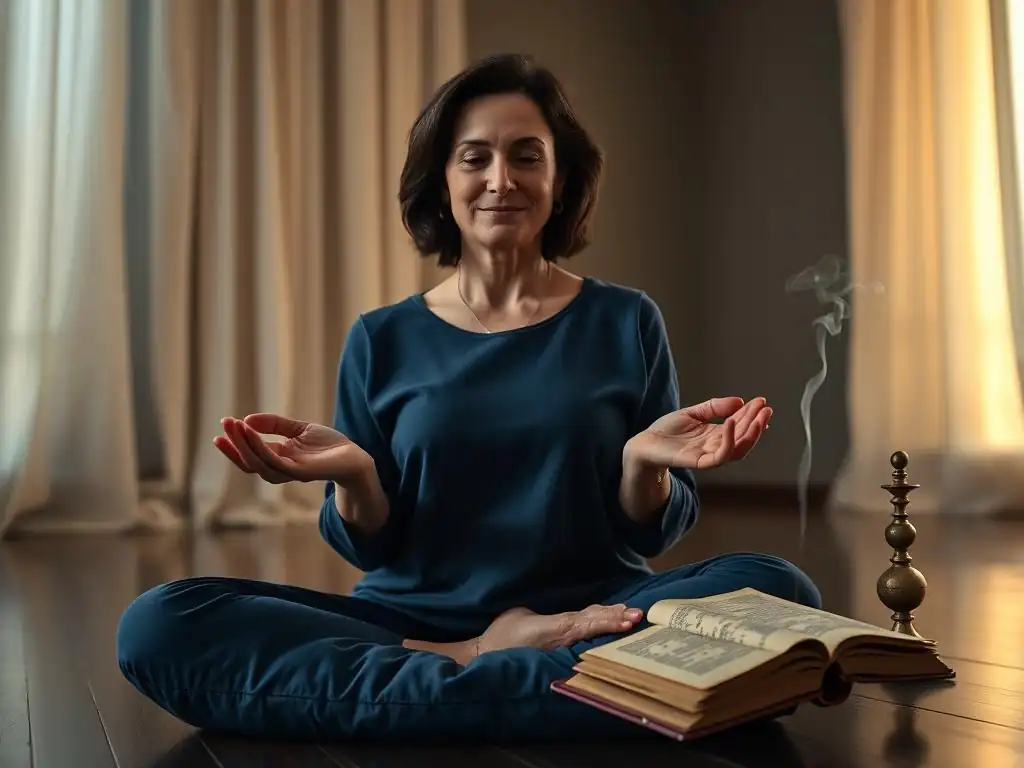
Welcome to Mind Care Guide, a sanctuary dedicated to your mental well-being. Feeling curious about the world of meditation and perhaps a little puzzled about its practices? You're not alone. Many wonder why certain techniques, like the specific TM mantras private practice discussed here, aren't widely shared. Discover the unique reasons behind this approach and unlock a deeper understanding of mindfulness and meditation. Let's explore this fascinating topic together and see how it might benefit your journey to inner peace.
The Uniqueness of TM Mantras: Why They Aren't Shared Publicly
- Understanding Transcendental Meditation (TM) and its Core Principles
- The Sacred Nature of TM Mantras: Why Privacy Matters
- TM Mantras Private Practice: Protecting the Integrity of the Technique
- Why Public Sharing of TM Mantras is Discouraged: Addressing Common Concerns
- TM Mantras vs. Publicly Available Mantras: A Comparison
- The Value of the TM Initiation Process: Learning Proper Technique
- Alternatives to Public TM Mantras: Exploring Safe and Effective Practices
- Debunking Myths About TM Mantra Secrecy: Addressing Misconceptions
- Conclusion: Respecting the Tradition and Benefits of TM Mantra Privacy
-
Frequently Asked Questions
- ### Why are TM mantras kept private and not shared publicly?
- ### How does the privacy of TM mantras relate to a successful private practice teaching TM?
- ### What makes TM mantras different from other types of mantras that are readily available?
- ### Can I learn Transcendental Meditation and receive a TM mantra without attending a private practice or formal course?
- ### If TM mantras are so effective, why aren't they more widely accessible, even if not publicly shared, perhaps through online private practice sessions?
- Final Reflection: The Sacred Silence of Personal Transformation
- Unlock Your Inner Peace: Take the Next Step with TM
Understanding Transcendental Meditation (TM) and its Core Principles
What is Transcendental Meditation and How Does it Differ From Other Meditation Techniques?
Transcendental Meditation (TM) is a specific form of mantra meditation that originated in India and was introduced to the West by Maharishi Mahesh Yogi in the mid-20th century. Unlike some other meditation practices that involve focusing or concentrating on a thought, object, or sensation, TM is described as an effortless technique.
The goal is not to empty the mind or control thoughts, but rather to allow the mind to settle down naturally to a state of deep rest and expanded awareness, often referred to as "transcending." This state is said to be different from sleep or ordinary waking consciousness, providing profound physiological and psychological benefits.
The distinction lies primarily in the approach. Mindfulness meditation, for instance, typically involves observing thoughts and feelings without judgment. Concentrative meditation focuses the mind on a single point.
TM, conversely, uses a specific type of mantra and a unique process to allow the mind to move beyond the active thinking process to a quiet, settled state. Participants typically practice for 20 minutes twice a day, sitting comfortably with eyes closed. Research, such as studies published in the American Journal of Cardiology, has indicated that regular TM practice can lead to significant reductions in blood pressure, sometimes comparable to the effects of medication for mild hypertension.
The Role of Mantras in TM: A Foundation for Deep Relaxation
In Transcendental Meditation, a mantra is not used as a tool for concentration or affirmation, but rather as a vehicle to facilitate the mind's natural tendency to move towards quieter states. The specific Sanskrit sound, or TM mantra, is introduced and enlivened during a personal instruction session with a certified teacher. The mantra itself is considered meaningless in its intellectual sense, serving purely for its sound vibration and its reported effect on the nervous system. The technique involves using the mantra in a specific, effortless way that allows the mind to settle inward spontaneously.
The mantra acts as a gentle, silent thought that the mind effortlessly returns to when it gets distracted. This allows the meditator to experience increasingly subtler levels of thinking until the mind transcends thought altogether, reaching a state of deep inner silence and alertness.
Physiological studies have shown that during TM practice, metabolic rate decreases significantly – sometimes by as much as 16% – and breath rate slows, indicating a state of profound rest that is deeper than ordinary relaxation or sleep. This deep rest is believed to dissolve stress and fatigue, leading to improved mental clarity and physical well-being.
The Sacred Nature of TM Mantras: Why Privacy Matters
TM Mantras as Personalized Tools for Mental Well-being
The specific TM mantra given to an individual during their instruction is considered a deeply personal tool. It is not a generic sound assigned randomly, but rather one of a specific set of ancient Sanskrit sounds used within the TM tradition.
The process of receiving the mantra and the initial instruction is designed to create a personal connection between the meditator and the technique, establishing the foundation for a lifetime of effective TM mantras private practice. This personalization is paramount because the mantra is intended to resonate with the individual's unique mental and physiological makeup, facilitating the effortless process of transcending.
The privacy surrounding TM mantras is rooted in the understanding that the mantra's power lies not just in the sound itself, but in how it is introduced and used within the context of the TM technique. Receiving the mantra from a certified teacher, in a specific ceremonial context (the Puja), is considered essential for its effectiveness.
This personal, private introduction helps establish the correct mental approach – one of effortlessness and allowing – which is crucial for the technique to work. Sharing the mantra publicly or learning it outside of this structured, private setting is believed to diminish its effectiveness and potentially lead to incorrect practice.
The Importance of Individuality in Mantra Selection: Assessing Suitability Based on Sound Qualities and Individual Tendencies
While there isn't a public list of TM mantras and a public explanation of how they are selected, the tradition holds that the specific mantra assigned to an individual is chosen based on factors related to their age and, traditionally, sometimes other personal characteristics assessed by the teacher during the initiation process. The sounds are ancient and are believed to have specific qualities that facilitate the effortless settling of the mind. The teacher, trained in the tradition, selects the appropriate mantra from a specific set designated for the TM technique.
This individualized approach underscores the private nature of TM instruction and TM mantras private practice. It highlights that the technique is not a one-size-fits-all approach, but is tailored to the individual from the outset. The specific sound qualities of the assigned mantra are intended to be the most suitable for that person's nervous system, helping them to transcend thought most effectively. While the exact science behind this specific selection process isn't publicly detailed, the emphasis is on the personal suitability of the mantra to promote the deepest possible state of rest and awareness during meditation.
TM Mantras Private Practice: Protecting the Integrity of the Technique
Maintaining the Efficacy of TM: The Rationale Behind Mantra Secrecy
The primary reason why TM mantras are kept private and not shared publicly is to preserve the integrity and efficacy of the Transcendental Meditation technique. The method of using the mantra – effortlessly and without concentration – is as crucial as the mantra itself.
Learning the mantra outside the structured, personal instruction offered by a certified TM teacher risks the individual adopting an incorrect approach, such as trying to concentrate on the sound or expecting specific results. This improper use can prevent the mind from settling deeply, thereby diminishing or negating the profound benefits associated with authentic TM practice, like significant reductions in stress hormones such as cortisol (studies have shown up to a 30% reduction in regular practitioners).
The privacy ensures that individuals receive the mantra within the context of the correct instruction and guidance. This personalized teaching ensures that the meditator understands the mechanics of effortless transcending and has the opportunity to ask questions and have their practice checked by a qualified teacher. Without this essential guidance, someone might inadvertently turn the TM mantra into a tool for concentration or contemplation, which are different meditation styles and will not lead to the unique state of restful alertness characteristic of TM. Protecting the TM mantras private practice model safeguards the authentic experience.
Preventing Misuse and Dilution: Safeguarding the Authentic TM Experience
Publicly sharing TM mantras could lead to widespread misuse and dilution of the technique. People might try to learn TM from books, websites, or friends who haven't received proper training, leading to countless individuals practicing incorrectly.
This not only prevents them from experiencing the full benefits of TM – such as improved cardiovascular health or enhanced cognitive function, reported in numerous studies – but it could also potentially lead to frustration or the incorrect conclusion that TM is ineffective. The privacy of the mantras and the insistence on learning from certified teachers are measures to protect the quality control of the practice globally.
Moreover, the secrecy helps maintain the purity of the tradition and the specific methodology developed by Maharishi Mahesh Yogi. It prevents the mantras from being incorporated into other meditation styles or spiritual practices in ways that were not intended, which could confuse practitioners and dilute the unique effects of TM. By requiring personal instruction for TM mantras private practice, the organization ensures that each new meditator is introduced to the technique in a standardized, effective way, preserving the method that has been taught consistently for decades and has been the subject of extensive scientific research.
Why Public Sharing of TM Mantras is Discouraged: Addressing Common Concerns

The Potential for Ineffective Practice: Understanding the Risks of Unsupervised TM
Attempting to practice Transcendental Meditation using a mantra obtained outside of the official instruction process carries a significant risk of practicing incorrectly, leading to ineffective results. The TM technique involves a subtle, effortless approach to using the mantra that is best learned under the guidance of a trained teacher. Without this guidance, individuals might fall into common pitfalls, such as trying to force the mind to be silent, concentrating on the mantra, or analyzing its meaning. These efforts are counterproductive to the TM process of effortless transcending.
When TM is practiced correctly, research indicates it can lead to measurable physiological changes, including decreased sympathetic nervous system activity and increased parasympathetic activity, promoting a state of deep calm. For example, some studies have shown a significant reduction in anxiety levels among regular practitioners, sometimes decreasing by 40% or more over several months.
However, if the technique is not learned properly through TM mantras private practice with a certified teacher, these benefits are unlikely to materialize. The unsupervised individual may simply experience a mild relaxation, similar to resting, but not the unique state of restful alertness that dissolves deep-seated stress.
Misinterpretations and Improper Application: Avoiding Common Pitfalls
Beyond just being ineffective, unsupervised attempts at TM using publicly available mantras can lead to misinterpretations of the experience and improper application of the technique. Without a teacher to explain the process and normalize experiences that may arise during meditation (like spontaneous thoughts, feelings, or physical sensations), a new meditator might become confused, frustrated, or even worried. They might believe they are "doing it wrong" if their mind is active, when in fact, an active mind is a natural part of the TM process, and the effortless use of the mantra is designed to handle this.
A certified TM teacher is trained to guide individuals through these experiences, providing reassurance and correcting any subtle errors in the technique that could hinder progress. They ensure that the student understands that the goal is not to control the mind but to allow it to settle naturally. This guidance is a critical component of the TM mantras private practice model. Without it, a person might give up on meditation entirely, mistakenly believing it doesn't work for them, when the real issue was improper instruction and application. The structured learning environment prevents these common pitfalls.
TM Mantras vs. Publicly Available Mantras: A Comparison
The Significance of Teacher Guidance in Transcendental Meditation
The fundamental difference between TM mantras and those found publicly or used in other meditation styles lies not just in the sound itself, but in the method of use and the context of learning. TM requires personal instruction from a certified teacher because the technique is precise and subtle. A teacher ensures that the meditator understands the effortless nature of the practice and is using the mantra correctly to allow the mind to transcend. This one-on-one guidance is essential for establishing an effective and enjoyable meditation routine.
Publicly available mantras, often found online or in books, are typically intended for different purposes or used within different meditative frameworks, such as concentration, affirmation, or devotional chanting. While these practices can be beneficial, they differ fundamentally from the TM technique. Without the specific instruction on how to use the mantra effortlessly to achieve the state of transcending, simply using a sound labeled as a "TM mantra" will not yield the same results. The value of TM mantras private practice lies in the expert guidance that unlocks the full potential of the technique.
The Unique Benefits of TM Under Trained Instruction: Reduced Anxiety, Improved Focus, and Enhanced Self-Awareness
Learning Transcendental Meditation from a certified teacher ensures that the practitioner gains access to the full range of scientifically validated benefits. Research consistently shows that regular TM practice leads to significant reductions in stress and anxiety. For example, a meta-analysis of studies indicated that TM practice is more effective at reducing trait anxiety than many other relaxation techniques. Practitioners often report feeling calmer, more centered, and less reactive to stressors in daily life.
Beyond stress reduction, trained TM instruction facilitates improvements in cognitive function, including enhanced focus and concentration. Many meditators experience increased creativity and problem-solving abilities. Furthermore, the practice is associated with enhanced self-awareness and a greater sense of inner peace. These profound benefits are directly linked to the unique state of restful alertness achieved through the correct, effortless use of the TM mantras as taught in the private, personalized instruction sessions. Attempting to replicate this without proper training is unlikely to produce the same depth of experience or results.
The Value of the TM Initiation Process: Learning Proper Technique
The Role of a Certified TM Teacher: Ensuring Correct Practice and Maximizing Benefits
The initiation process for learning Transcendental Meditation involves several stages, beginning with introductory talks, followed by a personal interview, and culminating in the actual instruction session where the TM mantra is given. This entire process is led by a certified TM teacher who has undergone rigorous training (often several months or even years) to learn the technique themselves and master the art of teaching it effectively to others. Their role is crucial in ensuring that the student learns the technique correctly from the very first session.
A certified teacher provides step-by-step guidance on how to use the mantra effortlessly and how to handle thoughts and distractions that arise during meditation. They ensure the student understands the mechanics of transcending and can access the deep state of rest and alertness. Following the initial instruction, the teacher provides follow-up sessions to check the meditator's practice, answer questions, and ensure they are gaining the maximum benefits. This personalized support is a cornerstone of the TM mantras private practice model and is essential for long-term, effective practice.
Personalized Instruction and Ongoing Support: The Advantages of Formal TM Training
One of the key advantages of learning TM through formal instruction is the personalized nature of the teaching. While the technique is standardized, the teacher tailors the instruction to the individual, addressing their specific questions and experiences. The initial session where the TM mantra is given is a private, one-on-one meeting, creating a supportive and focused learning environment. This ensures the student feels comfortable and confident in their ability to practice correctly.
Furthermore, the TM organization typically offers ongoing support for meditators, often including group meditations, advanced lectures, and opportunities to have one's practice checked periodically by a teacher. This continued connection with the TM community and access to qualified guidance helps meditators maintain consistency in their practice and deepen their understanding of the technique over time. This model of TM mantras private practice followed by ongoing support is designed to empower individuals to meditate effectively for life, reaping cumulative benefits for their mental and physical health.
Alternatives to Public TM Mantras: Exploring Safe and Effective Practices

Guided Meditations and Mindfulness Exercises: Focused Breathing, Body Scan Meditations, and Loving-Kindness Practices
For those interested in exploring meditation but not ready to commit to the specific structure and privacy requirements of learning TM mantras, there are numerous publicly available and highly effective meditation and mindfulness practices. Guided meditations, often found online or through apps, can introduce individuals to techniques like focused breathing, where attention is gently held on the sensation of the breath. This practice can help calm the nervous system and improve concentration.
Body scan meditations involve systematically bringing awareness to different parts of the body, noticing physical sensations without judgment. This helps cultivate present moment awareness and can reduce physical tension. Loving-kindness meditation (Metta) involves cultivating feelings of warmth and compassion towards oneself and others. These practices, unlike TM, often involve a degree of focus or contemplation and are widely taught in group settings or through public resources. While their mechanisms and goals differ from TM's effortless transcending with a private mantra, they offer valuable tools for stress reduction, emotional regulation, and enhancing well-being.
The Importance of Seeking Qualified Instruction: Finding the Right Meditation Approach
Regardless of the type of meditation one chooses to explore, seeking qualified instruction is paramount for safe and effective practice. For practices like mindfulness or guided meditations, qualified instructors can provide guidance on technique, help navigate challenges, and ensure the practice is integrated safely into one's life, especially for individuals dealing with specific mental health conditions. Just as TM mantras private practice is recommended for learning TM, seeking instruction from experienced teachers is beneficial for any meditation style.
Choosing the "right" meditation approach is a personal journey. Some individuals may find the effortless nature of TM appealing and resonate with its unique benefits and structured learning process. Others may prefer the more accessible and publicly taught methods like mindfulness or loving-kindness meditation. The key is to find a practice that feels comfortable, is sustainable for regular engagement, and is learned from a credible source to maximize its positive impact on mental well-being. Exploring different options under guidance can help individuals discover the practice best suited to their needs.
Debunking Myths About TM Mantra Secrecy: Addressing Misconceptions
Addressing Concerns About Elitism: Scholarship Programs and Payment Plans for Broader Accessibility
One common misconception about the privacy surrounding TM mantras and the associated learning fee is that it promotes elitism or is inaccessible to many. While there is a fee for learning TM, which covers the cost of certified teacher training, ongoing support, and the global organization's activities, the TM organization actively works to make the technique accessible to broader populations. They offer various payment plans and scholarship programs for students, seniors, veterans, and individuals with financial constraints.
Globally, the organization has initiated programs to teach TM to specific communities, such as at-risk youth, victims of domestic violence, and first responders, often through grants and charitable funding. For example, programs have brought TM to thousands of students in underserved schools, reporting reductions in stress and improved academic performance. These efforts demonstrate a commitment to sharing the benefits of TM beyond those who can easily afford the standard fee, countering the notion that TM mantras private practice is exclusively for a privileged few.
Emphasizing the Focus on Individual Experience and Mental Well-being
The privacy of TM mantras is not intended to create an exclusive club, but rather to protect the effectiveness of a precise technique designed for individual mental well-being. The focus is entirely on the personal experience of transcending and the resulting dissolution of stress and development of consciousness. The mantra itself is merely a tool to facilitate this internal process; it has no power or meaning outside of its use within the TM technique.
The emphasis in TM is always on the direct, subjective experience of the meditator and the objective, measurable benefits they gain, such as reduced anxiety, improved sleep, and increased resilience. The private nature of the mantra serves this purpose by ensuring the technique is learned and practiced correctly, allowing each individual to achieve the deepest possible rest and unfold their full potential. TM mantras private practice is fundamentally about empowering the individual with an effective tool for self-care and inner peace.
Conclusion: Respecting the Tradition and Benefits of TM Mantra Privacy
The Importance of Maintaining the Integrity of Transcendental Meditation
The tradition of keeping TM mantras private and requiring personal instruction from a certified teacher is central to maintaining the integrity and effectiveness of the Transcendental Meditation technique. This approach ensures that each new meditator learns the precise, effortless method of using the mantra to transcend, thereby gaining access to the profound states of deep rest and expanded awareness that characterize TM. Without this controlled introduction and ongoing support, the risk of incorrect practice and diminished benefits is high.
The privacy is not arbitrary; it is a deliberate measure rooted in the experience of thousands of years of tradition and supported by decades of scientific research demonstrating the unique physiological and psychological outcomes of correctly practiced TM. By learning through TM mantras private practice, individuals are initiated into a time-tested method that has been shown to significantly reduce stress, improve mental clarity, and enhance overall well-being.
Prioritizing Mental Wellness Through Authentic Practice and Qualified Guidance
For those seeking to incorporate meditation into their lives for improved mental wellness, understanding the rationale behind the privacy of TM mantras is important. It highlights the value placed on authentic practice and qualified guidance within the TM tradition. While other valuable meditation practices are publicly available, the specific benefits of TM are tied to its unique technique and learning structure.
Prioritizing mental health involves choosing practices that are effective and sustainable. For those drawn to Transcendental Meditation, engaging in TM mantras private practice with a certified teacher offers the most reliable path to experiencing its full potential. It's an investment in learning a precise, powerful tool for stress reduction and personal growth, supported by expert guidance every step of the way.
Frequently Asked Questions
TM mantras are considered sacred tools within the Transcendental Meditation technique. Their effectiveness is believed to be tied to the individualized selection and proper instruction by a certified teacher, ensuring a personalized experience. Sharing them publicly could dilute their potential benefit.
### How does the privacy of TM mantras relate to a successful private practice teaching TM?
Maintaining the privacy of TM mantras helps ensure that individuals seek proper instruction through a qualified teacher in a private practice setting. This supports the teacher's livelihood and ensures the student receives personalized guidance for optimal results.
### What makes TM mantras different from other types of mantras that are readily available?
TM mantras are chosen specifically for their unique sound vibrations and their suitability for the individual. Unlike generalized mantras, they are intended to quiet the mind in a natural and effortless way, fostering a deeper state of relaxation.
### Can I learn Transcendental Meditation and receive a TM mantra without attending a private practice or formal course?
No, formal instruction is essential for learning TM correctly and receiving your personalized mantra. This instruction is typically provided by certified teachers in a private practice or similar setting to ensure proper technique and understanding.
The effectiveness of TM relies heavily on personalized instruction and ongoing support, which is best delivered in a structured environment. While online private practice sessions exist, the initial in-person learning is considered crucial for establishing a solid foundation.
Final Reflection: The Sacred Silence of Personal Transformation
The deeply personal nature of the TM mantra, and the deliberate secrecy surrounding it, is not merely a quirk of the Transcendental Meditation technique; it's a crucial element in its effectiveness and a powerful reflection of the individual's journey toward self-discovery. The practice hinges on the unique, personalized experience fostered by this individual mantra, and understanding this privacy is key to appreciating the profound impact of the TM technique.
The deliberate withholding of the mantra underscores the inherent sacredness of the individual's inner experience. It's a recognition that the path to inner peace and self-realization is a profoundly personal one, not a standardized, mass-produced commodity. The deepest secrets are not those that are hidden, but those that are obvious to all, yet remain unseen.
This quote, while not directly about TM mantras, speaks to the often-overlooked truth that the most transformative experiences are often the most deeply personal and private. The silence surrounding the mantra protects the sanctity of this individual journey, allowing for genuine, unadulterated self-exploration.
Consider the implications of this: the power of a personalized practice, the respect for individual experience, and the understanding that true transformation requires a space free from comparison and external influence. You, too, deserve this space. Reflect on the importance of privacy in your own life, and how protecting your personal journey might unlock a deeper level of self-understanding and growth. Embrace the unique path that is yours alone, and discover the transformative power of silence and self-discovery.
Unlock Your Inner Peace: Take the Next Step with TM
Thank you for taking the time to explore the fascinating world of Transcendental Meditation (TM) and its unique approach to personal growth. We hope you gained valuable insights into the reasons behind the private nature of TM mantras. Now, it's time to turn those insights into action!
- Schedule your free introductory consultation: This is the first step towards experiencing the transformative power of TM for yourself. Discover how this personalized practice can profoundly benefit your life.
- Explore the Mind Care Guide website for more resources on mindfulness and stress reduction techniques. Discover additional methods to complement your journey to inner peace.
- Share your thoughts and experiences: Join our community by leaving a comment below. Let's discuss what resonated with you most from this article.
What personal step will you take today to cultivate a deeper sense of inner peace and well-being?