
Weaving Mindfulness into the Curriculum: A SubjectbySubject Guide

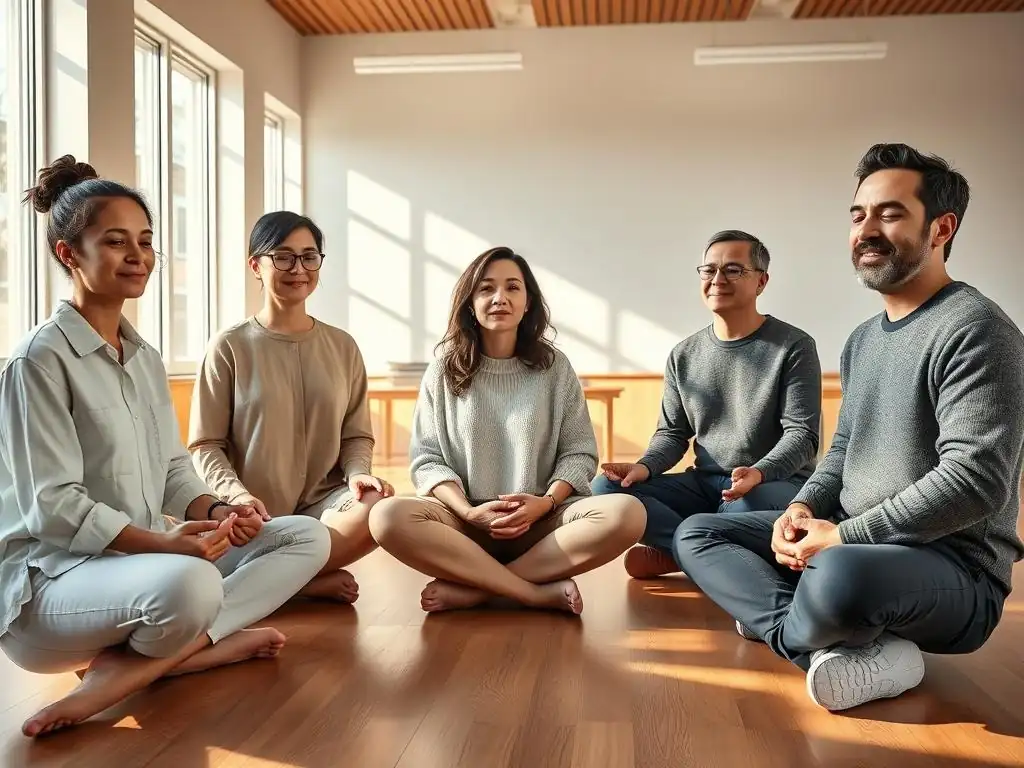
Welcome to Mind Care Guide, a compassionate space dedicated to nurturing your mental well-being.
Are you an educator feeling the weight of the world on your shoulders? We understand. Discover how the power of Mindfulness for educators curriculum can not only alleviate stress but also transform your classroom into a haven of calm and focused learning. Intrigued? Let's explore how to weave mindfulness into every subject, creating a more supportive and enriching environment for both you and your students.
Weaving Mindfulness into the Curriculum: A Subject-by-Subject Guide
- Introduction: Cultivating Mindfulness in Education for Educators
- Section 1: Mindfulness Integration in Core Subjects
- Section 2: Mindfulness Integration in Creative and Physical Arts
- Section 3: Mindfulness Integration in Electives and Other Areas
- Section 4: Practical Tips for Educators Implementing Mindfulness
- Conclusion: Empowering Students and Educators Through Mindfulness
-
Frequently Asked Questions
- What is the core benefit of implementing a Mindfulness for Educators Curriculum?
- How does the " Mindfulness for Educators Curriculum" detailed on Mind Care Guide specifically help teachers?
- What types of "mental health challenges" does the Mindfulness for Educators Curriculum address, according to Mind Care Guide?
- Can the Mindfulness for Educators Curriculum be adapted for different age groups and subject areas?
- What resources are available on Mind Care Guide to support the implementation of a Mindfulness for Educators Curriculum?
- Final Reflection: Cultivating a Mindful Generation
- Unleash Your Students' Inner Calm: Weaving Mindfulness into Your Classroom
Introduction: Cultivating Mindfulness in Education for Educators
The Growing Need for Mindfulness in Schools
The contemporary educational landscape presents numerous challenges for both students and educators. Increasing academic pressures, social complexities, and the pervasive influence of digital technology contribute to heightened stress levels and decreased attention spans among young people. A 2022 survey indicated that a significant percentage of students report feeling stressed about school, highlighting a critical need for interventions that support emotional regulation and mental resilience. This environment underscores the urgency for integrating practices that foster calm, focus, and emotional intelligence within the school day.
Furthermore, educators themselves face considerable stress and burnout. Studies show that teacher well-being is directly linked to student outcomes and classroom effectiveness. Providing educators with tools and strategies to manage their own stress, such as mindfulness techniques, not only supports their personal health but also equips them to model and teach these vital skills to their students. A comprehensive mindfulness for educators curriculum can serve as a cornerstone for building a more supportive and effective learning environment for everyone involved.
Understanding the Benefits of a Mindfulness-Based Curriculum
Implementing a mindfulness-based curriculum offers a wealth of benefits for students, impacting their academic performance, emotional health, and social interactions. Research from various educational settings has demonstrated that regular mindfulness practice can lead to improved concentration and working memory, essential skills for academic success across all subjects. For example, a study involving middle school students reported a measurable increase in test scores and better classroom engagement after participating in a mindfulness program for just eight weeks.
Beyond academic gains, the emotional and social benefits are profound. Mindfulness helps students develop greater self-awareness, enabling them to recognize and understand their emotions without being overwhelmed by them. This capacity for emotional regulation can lead to reduced anxiety, fewer behavioral issues, and improved conflict resolution skills. Anecdotal evidence from schools implementing mindfulness for educators curriculum approaches suggests a decrease in bullying incidents and a more positive school climate overall. These benefits collectively contribute to a more positive and productive learning atmosphere.
How this Guide Helps Educators Integrate Mindfulness
This guide is designed to provide educators with practical, subject-specific strategies for weaving mindfulness into their existing teaching practices. Rather than suggesting a separate mindfulness class, the focus is on embedding mindful moments and techniques directly into daily lessons across the curriculum. This approach acknowledges the time constraints educators face while demonstrating how mindfulness can naturally enhance learning objectives in various disciplines.
By offering concrete examples and actionable ideas for subjects ranging from Language Arts and Math to Art and Physical Education, this resource aims to make the integration of mindfulness feel accessible and manageable. The goal is to empower educators to cultivate a more mindful classroom environment where students can thrive academically and emotionally, fostering a deeper connection with themselves, their peers, and the learning material. Developing a tailored mindfulness for educators curriculum within each subject can transform passive learning into active, engaged exploration.
Section 1: Mindfulness Integration in Core Subjects
Mindfulness in Language Arts: Enhancing Focus and Comprehension
Language Arts, with its emphasis on reading, writing, and communication, provides fertile ground for mindfulness practices that enhance attention and understanding. Reading comprehension, in particular, benefits greatly from the ability to focus deeply on text without distraction. Simple mindful breathing exercises before reading a challenging passage can help students settle their minds and approach the material with greater presence.
Furthermore, mindful reading involves paying deliberate attention to the words on the page, noticing sensory details, and observing one's own reactions or thoughts as they arise. This can transform reading from a passive activity into an active, engaged experience. For instance, asking students to pause after a few paragraphs and simply notice what they are thinking or feeling about the text – without judgment – can deepen their connection to the material and improve retention.
Mindfulness Activities for Reading Comprehension
One effective activity is the "Mindful Reading Pause." Before students begin reading a chapter or article, guide them through a brief body scan or breathing exercise lasting one to two minutes. Then, instruct them to read for a set period, say 5-10 minutes, and then pause. During the pause, ask them to simply notice their breath for 30 seconds and then reflect quietly on what they read, perhaps jotting down keywords or feelings that arose without worrying about grammar or structure initially.
Another activity is "Sensory Reading." When reading descriptive passages, especially in fiction or poetry, encourage students to close their eyes briefly after reading a section and imagine the scene using all their senses. What do they see, hear, smell, taste, or feel based on the words? This practice cultivates vivid imagination and deeper engagement with the author's craft, moving beyond simply decoding words to truly experiencing the text.
Mindful Writing Exercises: Cultivating Self-Expression
Writing can be a source of anxiety for many students, often due to self-criticism or fear of judgment. Mindful writing encourages a non-judgmental approach, focusing on the process of putting thoughts onto the page rather than immediately evaluating the outcome. Freewriting for a short, timed period (e.g., 5 minutes) without stopping or editing is a classic mindful writing exercise that helps students bypass the inner critic and access their authentic voice.
Another technique involves using mindfulness to explore emotions or observations before writing. For example, students might spend a few minutes in quiet reflection, noticing a specific feeling they are experiencing or observing a small object in detail. They then write about this feeling or observation, focusing on conveying their present moment experience through words. This practice not only improves descriptive writing but also helps students develop emotional literacy and self-awareness through expression.
Mindfulness in Mathematics: Reducing Anxiety and Improving Concentration
Mathematics is a subject where anxiety is particularly prevalent among students. The pressure to get the "right" answer can trigger fear and block critical thinking. Integrating mindfulness into math instruction can help students manage this anxiety and approach problem-solving with a clearer, more focused mind. A brief period of mindful breathing before tackling challenging math problems can significantly reduce stress levels, allowing students to access their cognitive resources more effectively.
Concentration is paramount in mathematics, requiring sustained attention to detail and logical steps. Mindfulness practices train the mind to stay present and return gently when it wanders, which is directly applicable to working through complex equations or proofs. By teaching students to notice when their mind has drifted during a math task and gently guide it back, educators can help them build the mental stamina needed for mathematical thinking.
Mindful Math Practices: Focused Breathing During Problem Solving
A simple yet powerful mindful math practice is incorporating focused breathing before beginning a set of problems or a test. Instruct students to sit comfortably, close their eyes if they wish, and take three to five deep breaths, focusing solely on the sensation of the breath entering and leaving their body. This short exercise can calm the nervous system and anchor their attention in the present moment, ready to engage with the task at hand.
During longer problem-solving sessions, educators can suggest students take "mindful breaks." After working for 15-20 minutes, students can pause for 60 seconds, close their eyes, notice their breath, and perhaps gently stretch. This isn't a distraction; it's a conscious reset that can prevent mental fatigue and frustration, allowing them to return to the math problem with renewed focus and potentially a fresh perspective.
Creating a Calm Math Learning Environment
The physical and emotional environment of the math classroom plays a significant role in student anxiety. Educators can cultivate a calmer atmosphere by incorporating elements that encourage mindfulness. This might include using soft lighting, minimizing clutter, and arranging desks to allow for personal space. Playing quiet, instrumental music during individual work time can also create a more focused and less stressful ambiance.
Perhaps most importantly, fostering a growth mindset and emphasizing the process of learning over solely focusing on correct answers can reduce pressure. Encouraging students to view mistakes as learning opportunities, celebrating effort, and providing space for reflection on their problem-solving process helps build resilience. Incorporating short discussions where students mindfully reflect on how they approached a problem, rather than just if they got it right, promotes deeper mathematical understanding and reduces fear of failure.
Mindfulness in Science: Fostering Observation and Curiosity
Science is inherently about observation, inquiry, and understanding the world around us – processes that align beautifully with the principles of mindfulness. Mindfulness practice enhances the ability to observe phenomena with curiosity and without immediate judgment or interpretation. This is crucial for scientific investigation, whether it's observing a chemical reaction, examining a specimen under a microscope, or noting changes in a plant over time.
Cultivating a sense of wonder and curiosity is also a core aspect of both science and mindfulness. Encouraging students to approach scientific concepts with an open mind, paying close attention to details they might otherwise overlook, can deepen their engagement and understanding. A mindfulness for educators curriculum in science can teach students to be more present and attentive explorers of the natural world.
Mindful Observation Techniques in Science Experiments
Before conducting a science experiment, guide students through a brief mindful moment focused on awakening their senses. Ask them to sit quietly for a minute, noticing what they hear, smell, or feel in the room. Then, before they begin the experiment, have them carefully observe the materials they will be using, paying attention to textures, colors, shapes, and even smells, treating each item as if they are seeing it for the first time.
During the experiment itself, encourage students to slow down and mindfully observe each step and every change that occurs. Instead of rushing to the expected outcome, ask them to pause at different stages and simply notice what is happening in that moment, without immediately trying to explain it. Jotting down these mindful observations in a science journal, focusing on descriptive language rather than just quantitative data, can enhance their observational skills.
Connecting with Nature through Mindful Science Activities
Science often involves studying natural phenomena, and mindfulness provides a powerful lens for connecting with nature. Take students outdoors for a "Mindful Nature Walk." Ask them to walk slowly and silently, paying attention to sensory details: the feel of the ground under their feet, the sounds of birds or wind, the smells of plants and soil, the sight of light filtering through leaves.
After the walk, have them reflect on their experience. What did they notice that they usually miss? How did paying attention to nature make them feel? This activity not only fosters a deeper appreciation for the environment but also provides a rich source of material for scientific inquiry, sparking questions based on direct, mindful observation of ecosystems, plant life, or animal behavior.
Social Studies explores human history, cultures, and societies, offering abundant opportunities to cultivate empathy, perspective-taking, and mindful reflection on complex issues. Understanding different viewpoints, appreciating diverse cultures, and reflecting on historical events require a capacity to step outside one's own immediate perspective and consider the experiences of others – a skill enhanced by mindfulness practice.
Examining current events and social issues can sometimes evoke strong emotions. Mindfulness can help students approach these topics with greater emotional regulation and a more open mind, enabling constructive dialogue and critical thinking. A mindfulness for educators curriculum in social studies can help students navigate challenging discussions with empathy and respect.
Exploring History with Mindful Reflection
When studying historical events, encourage students to engage in mindful reflection on the human experience involved. After reading about a specific period or event, ask students to pause and imagine themselves in that time, considering the emotions and perspectives of the people involved. This isn't about historical accuracy in detail, but about using imagination to foster empathy.
Another approach is to use primary sources mindfully. Before analyzing a historical document or image, have students take a moment to settle their minds. Then, ask them to observe the source with curiosity, noticing what immediately stands out, what feelings arise, and what questions emerge, before diving into historical analysis. This helps them connect with the material on a more personal level and encourages deeper inquiry.
Cultivating Compassion through Social Studies Discussions
Social studies discussions, particularly those about current events or social issues, can become polarized. Mindfulness practices can help create a classroom environment where students listen to each other with greater presence and empathy. Before a discussion, guide students through a brief "loving-kindness" practice focused on wishing well to themselves and others in the class.
During the discussion, encourage mindful listening by reminding students to focus fully on the speaker without formulating their own response. After someone speaks, they can take a collective breath before the next person begins, creating space for mindful processing. Framing discussions around understanding different perspectives, rather than just stating opinions, aligns with the mindful principle of non-judgment and promotes compassionate dialogue.
Section 2: Mindfulness Integration in Creative and Physical Arts
Mindfulness in Music: Enhancing Creativity and Emotional Expression
Music is deeply connected to emotion and expression, making it a natural fit for mindfulness practices. Mindful listening is fundamental to music appreciation, allowing students to fully immerse themselves in the sounds without distraction. This heightened awareness can lead to a deeper understanding and appreciation of musical structure, melody, rhythm, and harmony.
Performing music also benefits from mindfulness. Whether playing an instrument or singing, being fully present in the moment enhances focus, reduces performance anxiety, and allows for more authentic and expressive performance. Integrating mindfulness into a music mindfulness for educators curriculum helps students connect with the emotional core of music.
Mindful Listening Exercises for Music Appreciation
Play a piece of music for the class, asking students to simply sit and listen mindfully for a set duration (e.g., 3-5 minutes). Instruct them to pay attention to the sounds without trying to identify instruments or analyze the piece, just noticing what they hear from moment to moment. What sounds stand out? How does the music make their body feel? What thoughts or emotions arise?
After the listening period, facilitate a discussion where students share their mindful observations. This moves beyond typical musical analysis to a more personal and experiential connection with the music. Repeat this with different genres to highlight how mindful listening can reveal different aspects of the musical experience.
Incorporating Mindfulness into Music Performance
Before a rehearsal or performance, guide students through a short body scan or breathing exercise to help them relax and become present. Encourage them to notice any tension in their body and gently release it, particularly in areas crucial for playing or singing (shoulders, jaw, hands). This reduces physical stress and improves focus.
During practice or performance, encourage students to bring mindful awareness to their playing or singing. Are they fully present with each note, each phrase? Are they aware of their posture and breath? If their mind wanders to worries about mistakes or judgment, encourage them to gently guide their attention back to the sound and the physical sensations of playing. This practice builds resilience and enhances expressive capability.
Mindfulness in Visual Arts: Cultivating Presence and Detail
Visual arts require close observation, attention to detail, and a willingness to explore and express oneself. Mindfulness practices can deepen these skills, enhancing creativity and the ability to see the world with fresh eyes. Paying mindful attention to visual details, colors, textures, and forms is a fundamental artistic skill that mindfulness cultivates.
The process of creating art can also be a mindful practice in itself, offering a way to engage with materials and ideas in the present moment without getting caught up in self-criticism or the final outcome. A mindfulness for educators curriculum in visual arts can empower students to create more freely and expressively.
Mindful Drawing and Painting Techniques
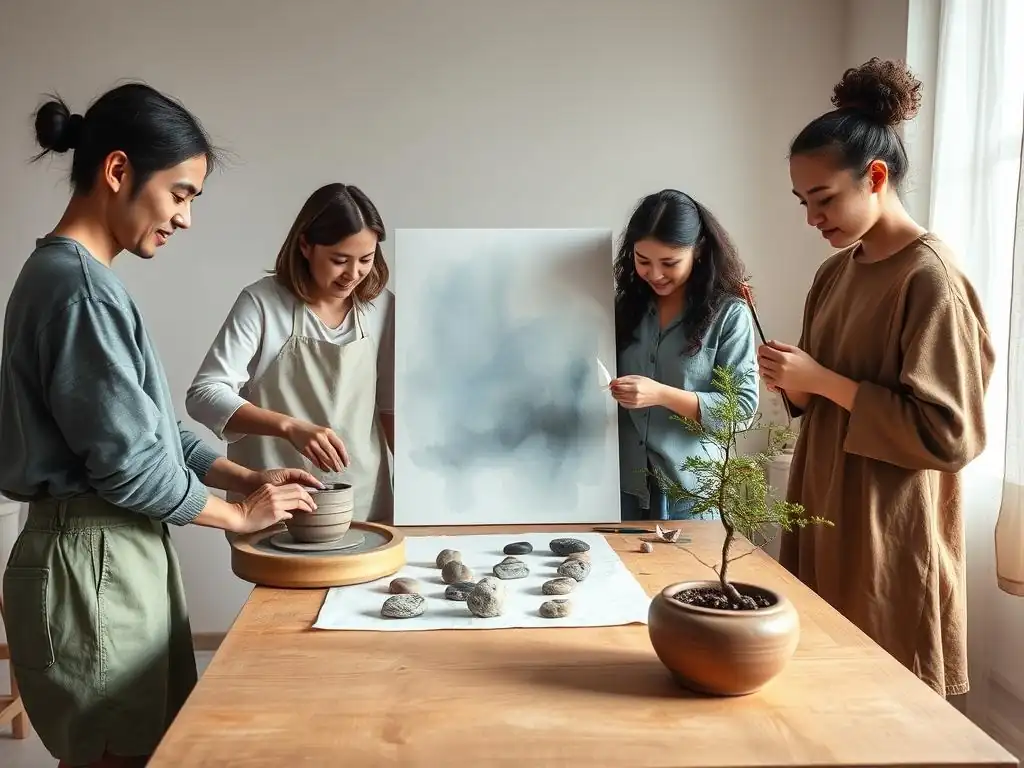
Begin an art session with a mindful observation exercise. Ask students to choose a simple object (like a leaf, a stone, or their own hand) and spend 5-10 minutes just observing it closely, noticing details they've never seen before – the subtle variations in color, the texture, the way light hits it. Then, have them draw or paint the object, focusing on capturing these observed details rather than creating a perfect representation.
Another technique is "Process Art with Mindfulness." Provide materials (paints, clay, collage materials) and invite students to create something without a specific plan or goal. Encourage them to pay attention to the sensations of working with the materials – the feel of the paint, the smell of the clay, the sound of scissors cutting paper. The focus is entirely on the present moment experience of creating, rather than the finished product.
Exploring Emotions through Art with Mindfulness
Art can be a powerful tool for emotional expression. Guide students in a mindful exploration of an emotion they are currently feeling (e.g., calm, excitement, frustration). Ask them to sit quietly for a few minutes, noticing where they feel this emotion in their body. Then, provide art materials and invite them to create a visual representation of that feeling using colors, shapes, and textures.
This exercise is not about creating a recognizable image, but about translating internal experience into external form. Encourage them to approach the creation process with curiosity and non-judgment, simply allowing the emotion to guide their hand. Reflecting mindfully on the completed artwork can offer insights into their internal world.
Mindfulness in Physical Education: Improving Body Awareness and Coordination
Physical Education is fundamentally about movement and understanding the body. Mindfulness in PE focuses on cultivating body awareness – paying attention to physical sensations, posture, breath, and how the body moves in space. This heightened awareness can improve coordination, balance, and proprioception, reducing the risk of injury and enhancing athletic performance.
Incorporating mindfulness into physical activities also helps students develop a healthier relationship with their bodies, moving away from judgment or comparison towards acceptance and appreciation for what their bodies can do. A mindfulness for educators curriculum in PE can promote physical well-being and a positive body image.
Mindful Movement Activities and Exercises
Start PE class with a brief mindful movement warm-up. Simple exercises like walking slowly and paying attention to the feeling of the feet on the ground, or gentle stretching while noticing the sensations in the muscles, can bring students into their bodies and prepare them for activity.
During more vigorous activities, encourage students to bring mindful awareness to their breath and body sensations. For example, during running or playing a sport, ask them to notice the rhythm of their breath, the feeling of their heart beating, or the engagement of their muscles. This helps them stay present with the activity and recognize signs of fatigue or discomfort mindfully.
Cultivating a Mind-Body Connection Through Sports
Team sports offer opportunities to practice mindfulness in action and in interaction with others. Encourage students to bring mindful awareness to their role on the team – paying attention to their position, their teammates' movements, and the flow of the game without getting overwhelmed by the excitement or frustration. This can improve strategic thinking and teamwork.
After physical activity, dedicate a few minutes to a "Mindful Cool-down." Guide students in gentle stretches while focusing on their breath and the sensations in their muscles as they relax. This helps the body recover and allows students to reflect mindfully on their physical experience, fostering a deeper connection between their mind and body.
Section 3: Mindfulness Integration in Electives and Other Areas
Mindfulness in Foreign Language Learning: Enhancing Focus and Memory
Learning a foreign language requires significant focus, memory retention, and often overcoming anxiety about making mistakes. Mindfulness practices can support all these aspects. Improved concentration helps students absorb new vocabulary and grammar rules, while reduced anxiety makes them more willing to practice speaking and listening.
Mindful language practice encourages students to pay close attention to sounds, pronunciation, and the nuances of meaning. It also helps them approach the learning process with patience and self-compassion, recognizing that making mistakes is a natural part of acquiring a new language. A mindfulness for educators curriculum for language learning can build confidence and fluency.
Mindful Language Practice Techniques
When introducing new vocabulary, ask students to repeat the words aloud mindfully, paying close attention to the sounds and the physical sensations in their mouth and throat as they form the words. This focused attention can enhance memory encoding. Similarly, when listening to spoken language, encourage mindful listening – focusing solely on the sounds without trying to immediately translate or understand every word, allowing themselves to simply be present with the foreign sounds.
Role-playing or conversational practice can be approached mindfully by encouraging students to focus on listening fully to their partner before formulating their response. Remind them that it's okay to pause and take a breath. Approaching conversations with curiosity and a willingness to connect, rather than just focusing on grammatical perfection, reduces anxiety and makes the practice more enjoyable and effective.
Reducing Language Learning Anxiety with Mindfulness
Anxiety is a common barrier in language learning, often stemming from fear of judgment or making errors. Before speaking activities or tests, guide students through a short breathing exercise to calm their nerves. Remind them that the goal is communication and learning, not perfection.
Teach students to notice their anxious thoughts (e.g., "I'm going to sound stupid," "I can't do this") without getting caught up in them. Encourage them to acknowledge the thought ("Ah, there's the thought about sounding stupid") and then gently return their attention to the language task at hand. This practice builds resilience and reduces the power of self-defeating thoughts.
Mindfulness in Technology Classes: Promoting Responsible Digital Citizenship
Technology classes, while focusing on technical skills, also involve navigating the digital world, which presents unique challenges for attention and well-being. Integrating mindfulness can help students develop greater awareness of their digital habits, combat distraction, and promote responsible and intentional technology use.
Mindful technology use is about being present and aware while interacting with digital devices, rather than passively consuming content or multitasking mindlessly. This is increasingly important in an age of constant notifications and digital overwhelm. A mindfulness for educators curriculum in technology can equip students with skills for healthy digital engagement.
Mindful Use of Technology Resources
Before students begin working on computers or devices, guide them through a brief moment of intention setting. Ask them to quietly reflect on why they are using the technology for this task and what they hope to accomplish. This simple practice helps them approach the technology with purpose rather than just defaulting to habitual usage.
During online research or work, encourage students to practice "Single-Tasking with Awareness." Instead of having multiple tabs open and constantly switching between them, guide them to focus on one task at a time. If they notice their attention being pulled towards distractions (like social media notifications), teach them to gently acknowledge the urge and redirect their focus back to the intended task, much like returning the breath in meditation.
Developing Awareness of Digital Habits
Help students become more mindful of their own digital habits. This could involve a simple exercise where they reflect on how they feel after spending time on certain apps or websites. Do they feel energized, drained, anxious, or calm? Noticing these post-usage feelings can provide valuable insights into which digital activities are supportive of their well-being and which are not.
Discuss the concept of "Mindful Notifications." Instead of allowing constant interruptions, explore with students how they can manage notifications to minimize distractions during focused work time. Encourage them to schedule specific times for checking emails or social media rather than reacting instantaneously, fostering a sense of control over their digital interactions.
Advisory periods or homeroom provide dedicated time outside of core academics to focus on students' social and emotional learning (SEL). This makes them an ideal setting for explicit mindfulness instruction and activities that build self-awareness, self-management, social awareness, relationship skills, and responsible decision-making – all key components of SEL that are supported by mindfulness.
Using mindfulness in advisory can create a safe space for students to explore their internal experiences, practice empathy towards their peers, and develop strategies for navigating the social dynamics of school life. A mindfulness for educators curriculum specifically for advisory can lay a foundation of emotional intelligence for students.
Mindfulness-Based Social-Emotional Learning Activities
Start advisory sessions with a short mindfulness practice, such as a guided meditation focused on kindness or acceptance. This helps students arrive in the space, regulate their emotions, and connect with themselves and others. Follow this with discussions prompted by the mindfulness practice – for example, discussing how it felt to focus on kindness and how that relates to interactions with classmates.
Incorporate activities that use mindfulness to explore emotions and social situations. For example, present a hypothetical social scenario and ask students to mindfully reflect on how different people involved might be feeling. This builds empathy by encouraging perspective-taking grounded in emotional awareness. Journaling mindfully about personal challenges or social interactions in advisory can also provide valuable insights.
Fostering Self-Awareness and Empathy in Advisory
Self-awareness, a core mindfulness skill, is foundational for SEL. Use advisory time for activities that help students notice their own thoughts, feelings, and physical sensations without judgment. Simple check-ins where students are invited to share "how they are feeling right now" (perhaps using an emotion wheel) can be made more mindful by encouraging them to first pause and truly notice their internal state.
Empathy can be cultivated through mindfulness practices that focus on connection and shared humanity. Activities like "Walking in Someone Else's Shoes" can be paired with mindful reflection – after considering another person's perspective, students can take a moment to notice the feelings or insights that arose within them. Discussions about diversity and inclusion can be approached mindfully by encouraging students to listen with an open heart and mind, seeking to understand rather than to agree or disagree.
Section 4: Practical Tips for Educators Implementing Mindfulness
Creating a Mindful Classroom Environment
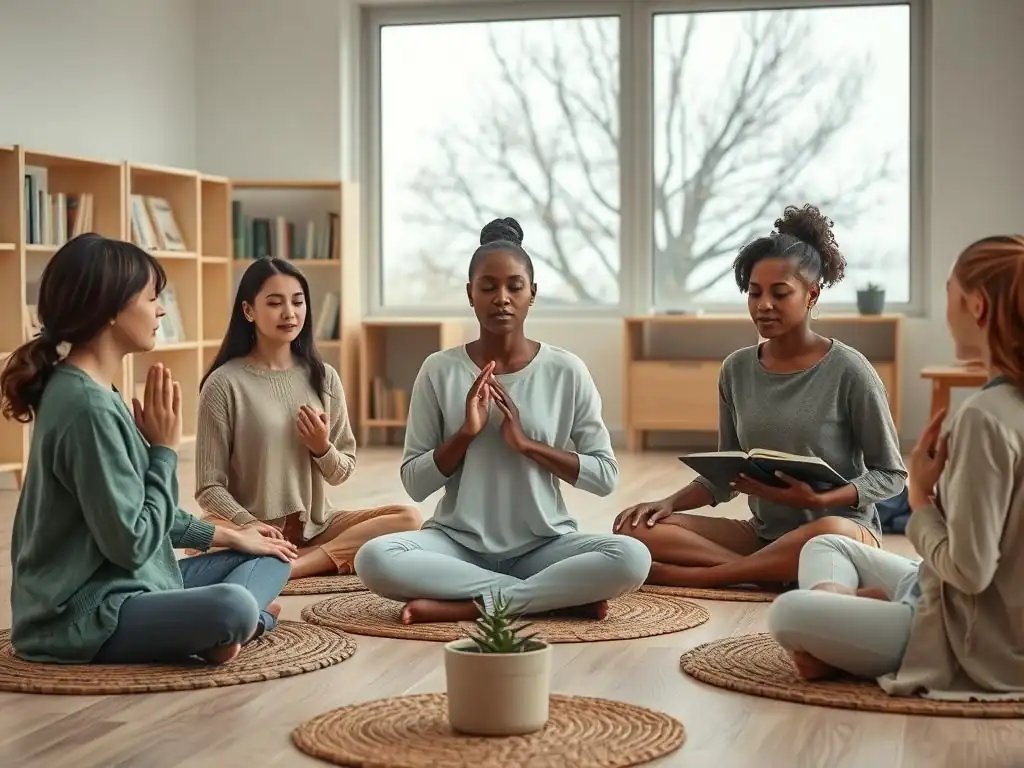
Establishing a physical and emotional environment conducive to mindfulness is key. Physically, this might involve simple changes like decluttering, using natural light where possible, or designating a small "calm corner" where students can go for a few minutes of quiet reflection if needed. The arrangement of seating can also impact the sense of community and calm.
More importantly, cultivate an emotional environment built on trust, respect, and non-judgment. Model mindfulness yourself by taking a mindful pause before responding to challenging situations or admitting when you feel stressed and how you are mindfully coping. Encourage a culture where mistakes are seen as learning opportunities and where students feel safe to express themselves without fear of ridicule. Consistent, brief moments of shared mindfulness practice throughout the day signal that calm and presence are valued.
Mindfulness Teacher Training and Resources
Effectively integrating mindfulness into the curriculum requires educators to have their own understanding and, ideally, personal practice. Many organizations now offer professional development workshops and training programs specifically designed for educators interested in teaching mindfulness to students. These programs often cover foundational mindfulness techniques, child development considerations, and strategies for classroom implementation.
- [ ] Research local or online mindfulness training programs for educators.
- [ ] Explore resources like books, websites, and apps designed for teaching mindfulness to children and adolescents.
- [ ] Connect with other educators who are integrating mindfulness in their classrooms to share experiences and resources.
Developing a personal mindfulness practice is also invaluable. Even a few minutes of daily meditation or mindful movement can deepen an educator's understanding and ability to authentically guide students. Many free resources are available, including guided meditations and introductory courses.
Addressing Challenges and Barriers to Mindfulness Integration
Implementing new practices always comes with challenges. Common barriers include limited time in the curriculum, lack of administrative support, skepticism from colleagues or parents, and uncertainty about how to measure effectiveness. It's important to start small and build gradually. Begin with brief, simple practices (e.g., 30 seconds of mindful breathing) and expand as comfort and confidence grow.
Communicate openly with administrators, colleagues, and parents about the rationale and benefits of mindfulness, perhaps sharing relevant research or positive student feedback. Highlighting the connection between mindfulness and existing school goals (like improved focus, reduced behavioral issues, or enhanced SEL) can build support. Remember that not every practice will resonate with every student, and flexibility and patience are key.
Sustaining a Mindfulness Practice in the Long Term
For mindfulness to have a lasting impact, both for educators and students, it needs to be sustained over time. This involves embedding practices into the daily routine rather than treating them as one-off activities. Consistency, even in short bursts, is more effective than infrequent, long sessions.
Encourage students to practice mindfulness outside the classroom by suggesting simple techniques they can use at home, during homework, or before tests. For educators, sustaining their own practice is crucial to avoid burnout and continue modeling mindful presence. Finding a community of practice, whether online or in person, can provide support and encouragement for maintaining a long-term mindfulness journey.
Conclusion: Empowering Students and Educators Through Mindfulness
Integrating mindfulness into the curriculum is not just about adding another subject; it's about cultivating essential life skills that empower students to navigate the complexities of the modern world with greater resilience, focus, and empathy. By weaving mindful moments and practices into the fabric of daily learning, educators can foster environments where students not only achieve academic success but also develop emotional intelligence and a strong sense of well-being.
A well-designed mindfulness for educators curriculum provides the framework for this transformation, offering practical strategies that are adaptable across all subjects and grade levels. The benefits extend beyond the students, supporting educator well-being and contributing to a more positive and connected school community as a whole.
The Future of Mindfulness in Education
The movement to integrate mindfulness into schools is gaining momentum globally. As research continues to demonstrate its positive impact on student and teacher well-being, academic performance, and school climate, it is likely that mindfulness will become an increasingly standard component of comprehensive educational approaches. The focus is shifting from viewing mindfulness as an optional add-on to recognizing it as a fundamental skill set necessary for thriving in the 21st century.
Future developments may include more standardized mindfulness for educators curriculum frameworks, increased professional development opportunities, and greater integration of mindfulness principles into teacher training programs. As educators and institutions continue to embrace these practices, the potential for creating schools that nurture the whole child – mind, heart, and body – is immense.
Resources for Further Learning about Mindfulness for Educators
Exploring additional resources is vital for educators committed to integrating mindfulness effectively. Many excellent books provide theoretical background and practical exercises. Organizations specializing in mindfulness in education offer workshops, online courses, and curriculum materials. Connecting with professional learning communities focused on SEL and mindfulness can provide ongoing support and shared expertise.
Consider exploring reputable sources that offer evidence-based approaches to teaching mindfulness to children and adolescents. Look for resources that align with your school's specific needs and student population. Remember that integrating mindfulness is a journey, and continuous learning and reflection are key to its successful and sustainable implementation.
Frequently Asked Questions
What is the core benefit of implementing a Mindfulness for Educators Curriculum?
The core benefit is fostering improved emotional regulation and reduced stress in both educators and students. This leads to a more conducive learning environment overall.
How does the " Mindfulness for Educators Curriculum" detailed on Mind Care Guide specifically help teachers?
It provides teachers with practical strategies and subject-specific exercises to integrate mindfulness into their daily teaching. This helps them manage their own stress levels and model mindful behavior.
What types of "mental health challenges" does the Mindfulness for Educators Curriculum address, according to Mind Care Guide?
While not a direct treatment, it can help manage symptoms related to stress, anxiety, and burnout in educators. It also promotes emotional resilience in students.
Can the Mindfulness for Educators Curriculum be adapted for different age groups and subject areas?
Yes, the Mind Care Guide emphasizes adaptability, providing examples of how to tailor mindfulness exercises to various subjects and grade levels. This ensures relevance and engagement.
What resources are available on Mind Care Guide to support the implementation of a Mindfulness for Educators Curriculum?
The Mind Care Guide offers lesson plans, guided meditations, and articles on mindfulness. These resources are designed to help educators effectively integrate mindfulness into their teaching practice.
Final Reflection: Cultivating a Mindful Generation
The integration of mindfulness into education is no longer a fringe idea; it's a vital necessity for fostering well-being and academic success in our increasingly demanding world. The practical strategies outlined in this subject-by-subject guide demonstrate that incorporating mindfulness doesn't require a complete curriculum overhaul, but rather a thoughtful and incremental approach, adaptable to diverse learning environments and age groups. The benefits—reduced stress, improved focus, enhanced emotional regulation—are simply too significant to ignore.
The journey towards a more mindful educational landscape is a continuous process, one that requires ongoing commitment and adaptation. The ripple effect of integrating mindfulness extends far beyond the classroom; it shapes the emotional intelligence and resilience of students, impacting their relationships, their communities, and ultimately, the future of society. The mind is everything. What you think you become.
– Buddha. This ancient wisdom rings truer than ever in our modern context, highlighting the profound impact of cultivating mindful awareness from a young age.
Now, consider your own role in this evolving educational landscape. How can you, as an educator, parent, or concerned citizen, contribute to the creation of more mindful learning environments? Perhaps it's by incorporating a single mindful moment into your daily routine, advocating for mindfulness training in your school, or simply sharing the insights from this guide with others. Let us collectively strive to nurture a generation equipped not only with knowledge, but also with the inner peace and resilience to thrive in a complex and ever-changing world.
Unleash Your Students' Inner Calm: Weaving Mindfulness into Your Classroom
Thanks for taking the time to explore the power of mindfulness in education! You've now discovered practical strategies to integrate mindfulness into various subjects, fostering a calmer and more focused learning environment. Ready to take the next step?
- Implement one mindful activity: Choose a single activity from the guide that resonates most with you and your students, and try it this week. Observe the impact on classroom dynamics and student engagement.
- Share your experiences: Discuss your initial successes and challenges with other educators. What surprising benefits did you uncover? Let’s build a supportive community of mindfulness practitioners in education!
- Explore further resources: Dive deeper into mindfulness techniques tailored to different age groups and learning styles. What new methods can you explore to create a truly mindful classroom?
Ready to transform your classroom into a haven of calm and focus? What's your first step towards creating a more mindful learning experience for your students?