
What's the Big Deal About Mindfulness? Get the Facts


Welcome to Mind Care Guide.
Feeling overwhelmed? You're not alone. We understand the challenges life throws your way and are here to help you navigate them with clarity and compassion. Many people are finding relief and improved well-being through mindfulness, but what exactly are the mindfulness benefits mental health offers? Prepare to discover how this ancient practice can be a powerful tool in your journey towards a healthier, happier you. Let's explore the science and the practical applications together...
Unlocking Calm: A Deep Dive into Mindfulness and Mental Health
- Introduction to Mindfulness: Cultivating Inner Peace
- The Rising Tide of Mindfulness: Addressing Modern Mental Health Challenges
- Busting Mindfulness Myths: Separating Fact from Fiction
- The Three Pillars of Mindfulness: Foundation for a Calm Mind
- Mindfulness: Backed by Science, Proven to Benefit Mental Health
- Practical Mindfulness Exercises: Simple Techniques for Mental Well-being
- Integrating Mindfulness into Daily Life: Small Changes, Big Impact
- Mindfulness as a Tool for Mental Health Conditions: Evidence-Based Applications
- Is Mindfulness Suitable for Everyone? Considerations and Guidance
- Conclusion: Embracing Mindfulness for a More Balanced Life
-
Frequently Asked Questions
- What exactly is mindfulness, and how does it relate to mental well-being?
- How can mindfulness practices specifically benefit my mental health?
- What are some simple mindfulness exercises I can start with today?
- Is mindfulness a substitute for traditional mental health treatment, like therapy or medication?
- Where can I find reliable resources and support to learn more about mindfulness and its benefits for mental health?
- Final Reflection: Unfolding the Power of Mindfulness
- Unlock Your Inner Calm: Start Your Mindfulness Journey Today!
Introduction to Mindfulness: Cultivating Inner Peace
Defining Mindfulness: A State of Active, Open Attention
Mindfulness, often described as the practice of paying attention to the present moment without judgment, is far more than just a trend; it's a fundamental human capacity that can be cultivated. At its core, it involves intentionally focusing one's awareness on the sensations, thoughts, and feelings arising in the present, rather than getting lost in ruminations about the past or worries about the future. This state of active, open attention is accessible to everyone, regardless of background or experience, and serves as a powerful foundation for understanding how mindfulness benefits mental health on a profound level.
Cultivating this attentive presence is not about clearing the mind entirely, but rather about observing what is happening as it is happening. It's about noticing the breath moving in and out, the feeling of the ground beneath your feet, or the thoughts drifting through your mind without immediately labeling them as good or bad.
This non-reactive observation allows for a greater sense of calm and clarity, reducing the automatic stress response that often accompanies being swept away by thoughts and emotions. Understanding this basic definition is the first step in appreciating the extensive ways in which mindfulness benefits mental health.
The Rising Tide of Mindfulness: Addressing Modern Mental Health Challenges
Why Mindfulness Matters Now: Stress, Technology, and the Search for Balance
In today's fast-paced, hyper-connected world, chronic stress has become a widespread issue. Reports from organizations like the American Psychological Association consistently show high levels of stress among adults, often linked to work, finances, and the constant demands of digital life.
Our attention is fragmented by notifications, emails, and a relentless stream of information, making it difficult to focus and leading to feelings of overwhelm and anxiety. It is within this context that the practice of mindfulness emerges as a crucial tool, directly addressing the mental health challenges exacerbated by modern living and demonstrating how mindfulness benefits mental health by providing a counter-balance to these pressures.
The constant connectivity, while offering convenience, also contributes to a pervasive sense of being "on" and can erode boundaries between work and personal life, leading to burnout. Furthermore, social media often presents idealized realities, contributing to feelings of inadequacy and comparison, impacting self-esteem and mood.
Mindfulness offers a practical pathway to regain control over one's attention, anchor oneself in the present, and develop resilience against these external stressors. By training the mind to focus and accept present experience, individuals can better navigate the complexities of modern life, underscoring the vital role that mindfulness benefits mental health in the 21st century.
Busting Mindfulness Myths: Separating Fact from Fiction
Myth: Mindfulness is Only for Relaxation
Many people mistakenly believe that mindfulness is solely about achieving a state of deep relaxation or emptying the mind of all thoughts. While relaxation can certainly be a pleasant side effect of mindfulness practice, it is not the primary goal. The core purpose is to cultivate awareness and presence in the current moment, regardless of whether that moment feels relaxing, stressful, joyful, or uncomfortable.
It's about developing the capacity to be with whatever arises, rather than trying to force a specific state. This distinction is crucial because it highlights that mindfulness is a skill for navigating all of life's experiences, not just the pleasant ones, showcasing a broader scope of how mindfulness benefits mental health beyond simple stress reduction.
Viewing mindfulness only through the lens of relaxation can be discouraging if immediate calm isn't achieved, leading some to abandon the practice prematurely. True mindfulness involves developing a more intimate relationship with your inner and outer experience, noticing thoughts, feelings, and sensations without immediately reacting or judging them. This enhanced awareness builds emotional intelligence and coping skills, enabling individuals to respond more skillfully to challenges rather than being overwhelmed by them. It's this increased capacity for wise response, built through consistent practice, that truly exemplifies the multifaceted ways mindfulness benefits mental health.
Reality: Mindfulness Enhances Awareness and Coping Skills
The actual power of mindfulness lies in its ability to significantly enhance self-awareness and improve coping mechanisms. By regularly practicing paying attention to the present moment, individuals become more attuned to their internal states – recognizing the early signs of stress, anxiety, or frustration, for example, before they escalate. This heightened awareness provides a window of opportunity to choose a response rather than reacting habitually. Instead of snapping in anger or spiraling into worry, a mindful individual might notice the tension rising and consciously choose to take a deep breath or pause before speaking.
Furthermore, mindfulness teaches acceptance – not resignation, but acknowledging reality as it is. This acceptance reduces the struggle against difficult emotions or circumstances, which often consumes significant mental energy. For instance, someone dealing with chronic pain might learn through mindfulness to observe the pain sensations without adding layers of fear or frustration, thereby reducing their overall suffering. This non-judgmental observation and acceptance are fundamental coping skills that are strengthened through mindfulness practice, proving that mindfulness benefits mental health by building resilience and emotional regulation capabilities.
The Three Pillars of Mindfulness: Foundation for a Calm Mind

Focused Attention: Anchoring Yourself in the Present
One of the foundational pillars of mindfulness is focused attention. This involves intentionally directing your awareness to a single object, such as the breath, bodily sensations, or sounds, and gently bringing the mind back whenever it wanders. This isn't about eliminating distraction entirely, which is a natural function of the mind, but rather about recognizing when the mind has strayed and practicing the gentle redirection back to the chosen anchor. Think of it like training a puppy; the goal isn't to prevent the puppy from running off, but to consistently call it back with kindness.
Regular practice of focused attention exercises, like mindful breathing or walking meditation, strengthens the neural pathways associated with concentration and reduces the tendency for the mind to get caught in loops of worry or rumination. This improved ability to focus attention is not only beneficial for productivity but also fundamentally supports mental well-being. By being able to anchor oneself in the present, individuals can step out of overwhelming thought patterns, experiencing a sense of stability and calm that underscores how focused attention within mindfulness benefits mental health.
Non-Judgment: Accepting Thoughts and Feelings Without Criticism
Another crucial pillar is non-judgment. This involves observing thoughts, feelings, and sensations as they arise without immediately labeling them as "good," "bad," "right," or "wrong." Our minds are naturally inclined to evaluate and categorize everything, but this constant judgment can lead to significant suffering, especially when directed inwards (e.g., "I shouldn't feel this way," "I'm not good enough"). Non-judgment in mindfulness is about cultivating a stance of gentle acceptance towards one's inner experience, acknowledging whatever is present without getting entangled in self-criticism or condemnation.
Practicing non-judgment allows for a greater sense of freedom and self-compassion. When difficult emotions like sadness or anger arise, instead of pushing them away or judging oneself for feeling them, the practice encourages simply noticing them with curiosity – "Ah, there is sadness." This simple act of acknowledging without judgment can diffuse the intensity of the emotion and prevent it from becoming overwhelming. By reducing the internal conflict caused by judgment, this pillar significantly contributes to how mindfulness benefits mental health, fostering greater emotional peace and self-acceptance.
Open Awareness: Expanding Your Perspective
The third pillar is open awareness, sometimes called panoramic awareness or choiceless awareness. While focused attention narrows the scope to a single object, open awareness expands it to encompass the full field of experience in the present moment. This includes all sensory input (sights, sounds, smells, tastes, touch), as well as internal experiences (thoughts, emotions, bodily sensations), without focusing on any one element in particular. It's like stepping back to see the whole landscape rather than focusing on a single tree.
Cultivating open awareness helps individuals see the interconnectedness of their experiences and recognize that thoughts and feelings are transient events, not permanent aspects of the self. It fosters a sense of spaciousness and perspective, reducing the tendency to get fixated on specific problems or worries. By practicing this broader awareness, individuals can develop a greater sense of presence and connection with the world around them, reinforcing the comprehensive ways in which mindfulness benefits mental health by expanding one's capacity for presence and understanding.
Mindfulness: Backed by Science, Proven to Benefit Mental Health
Mindfulness Reduces Anxiety: Calming the Nervous System
Numerous studies have demonstrated the effectiveness of mindfulness-based interventions in reducing symptoms of anxiety. For example, research on Mindfulness-Based Stress Reduction (MBSR) programs, typically lasting 8 weeks, has shown significant reductions in anxiety scores among participants compared to control groups. One meta-analysis pooling data from multiple studies found that mindfulness interventions led to moderate to large reductions in anxiety symptoms. This effect is believed to be linked to mindfulness's ability to regulate the amygdala, the brain region responsible for processing fear and threat, and increase activity in the prefrontal cortex, which is involved in calming responses and executive function.
By teaching individuals to observe anxious thoughts and physical sensations without reacting with panic, mindfulness practice weakens the link between a trigger and the automatic fight-or-flight response. Instead of getting caught in a spiral of "what if" scenarios, a mindful person can notice the anxious thought and sensation and choose to focus on their breath or the present moment, effectively interrupting the anxiety cycle. This skill, developed through consistent practice, is a primary way that mindfulness benefits mental health by providing a concrete method for managing and reducing anxious states.
Mindfulness Sharpening Focus: Training Attention for Clarity
Beyond reducing anxiety, mindfulness is a powerful tool for improving attention and concentration. In a world filled with distractions, the ability to focus is increasingly valuable. Mindfulness practices, particularly those involving focused attention on the breath or body, are essentially exercises for the attention muscle of the brain. Studies using neuroimaging have shown that regular mindfulness meditation can lead to changes in brain structure and function in areas related to attention and cognitive control, such as the anterior cingulate cortex.
Research published in journals like Psychological Science has shown that even short periods of mindfulness training can lead to improvements in attention span and the ability to ignore distractions. For instance, participants in a study who received just two weeks of mindfulness training showed improved performance on tasks requiring sustained attention compared to a control group. This enhanced ability to concentrate and maintain focus is a direct benefit of mindfulness practice, illustrating how mindfulness benefits mental health by improving cognitive functions essential for daily life and task performance.
Mindfulness Improves Mood: Cultivating Emotional Resilience
Mindfulness interventions have also been shown to be effective in improving mood and reducing symptoms of depression. Mindfulness-Based Cognitive Therapy (MBCT), which combines mindfulness techniques with principles of cognitive therapy, is particularly well-supported by research as a method for preventing relapse in individuals with recurrent depression. Studies indicate that MBCT can be as effective as maintenance antidepressant medication in reducing relapse rates for those with three or more previous episodes of depression.
The mechanism behind this mood improvement involves several factors. Mindfulness helps individuals become more aware of their thought patterns, particularly the negative or self-critical thoughts that often fuel low mood. By observing these thoughts non-judgmentally, individuals can learn to detach from them and prevent them from spiraling into depressive episodes. Furthermore, mindfulness cultivates self-compassion and acceptance, reducing the internal struggle that can exacerbate depression. This ability to navigate difficult emotional states with greater awareness and kindness is a key way that mindfulness benefits mental health by building emotional resilience.
Mindfulness Promotes Sleep: Easing the Mind for Restful Nights
Sleep disturbances are a common symptom of various mental health challenges, including anxiety and depression. A racing mind filled with worries or regrets often makes it difficult to fall asleep or stay asleep. Mindfulness practices can significantly improve sleep quality by addressing the mental factors that contribute to insomnia. Techniques like body scans or mindful breathing before bed help to calm the nervous system and draw attention away from disruptive thoughts, grounding the individual in physical sensation.
Research has demonstrated the positive impact of mindfulness on sleep. A study published in JAMA Internal Medicine found that a mindfulness awareness program improved sleep quality and reduced insomnia symptoms in older adults compared to a sleep hygiene education program. Participants reported less fatigue and fewer sleep disturbances. By reducing rumination and fostering a state of relaxed awareness, mindfulness creates a more conducive mental environment for sleep, highlighting another practical way that mindfulness benefits mental health and overall well-being.
Practical Mindfulness Exercises: Simple Techniques for Mental Well-being
Diaphragmatic Breathing: Grounding Yourself in the Breath
Diaphragmatic breathing, or deep belly breathing, is a fundamental mindfulness exercise that can be practiced anywhere, anytime. It involves focusing your attention entirely on the sensation of your breath moving in and out of your body, specifically noticing the rise and fall of your abdomen. To practice, find a comfortable seated or lying position. Place one hand on your chest and the other on your belly. Inhale slowly through your nose, feeling your belly rise as you fill your lungs, while your chest remains relatively still. Exhale slowly through your mouth, feeling your belly gently fall.
Continue this practice for several minutes, gently bringing your attention back to the sensation of the breath whenever your mind wanders. This simple exercise activates the body's relaxation response, slowing the heart rate and lowering blood pressure. It serves as an immediate anchor to the present moment, providing a sense of calm and stability amidst internal or external turbulence. Regular practice of diaphragmatic breathing is an accessible entry point into how mindfulness benefits mental health by providing an immediate tool for stress reduction and presence.
Body Scan Meditation: Tuning into Physical Sensations
The body scan meditation is a practice that involves systematically bringing mindful attention to different parts of the body, noticing any sensations present without judgment. You can practice this lying down or sitting comfortably. Begin by bringing awareness to your feet, noticing sensations like tingling, pressure, or warmth. Then, slowly move your attention up through your legs, torso, arms, neck, and head, pausing to observe the physical feelings in each area. If you encounter discomfort or tension, simply notice it with acceptance rather than trying to change it.
This exercise helps to cultivate a deeper connection with the physical self and can reveal areas where tension is held unconsciously. By bringing mindful awareness to the body, individuals can release physical stress and become more attuned to their body's signals. It also trains the mind to stay focused on present-moment experience, rather than getting lost in thoughts. The body scan is a powerful way to ground oneself and understand how physical awareness contributes to the overall sense of well-being that mindfulness benefits mental health.
Mindful Observation: Noticing Your Surroundings with Intention
Mindful observation involves intentionally engaging your senses to notice the details of your immediate environment. This can be done during everyday activities, such as walking outside, eating a meal, or even washing dishes. The practice is simply to pay attention to what you see, hear, smell, taste, and touch as if for the first time. For example, while walking, notice the colors of the leaves, the sounds of the birds, the feeling of the breeze on your skin, and the smell of the air, without getting caught up in thoughts about your destination or other concerns.
This exercise pulls the mind out of habitual thinking patterns and into direct experience. It fosters a sense of wonder and appreciation for the ordinary details of life that often go unnoticed. Mindful observation helps to interrupt the autopilot mode many of us live in, bringing a greater sense of presence and engagement with the world. By consciously connecting with the external environment through the senses, this practice reinforces how mindfulness benefits mental health by increasing awareness and appreciation for the present moment.
Integrating Mindfulness into Daily Life: Small Changes, Big Impact
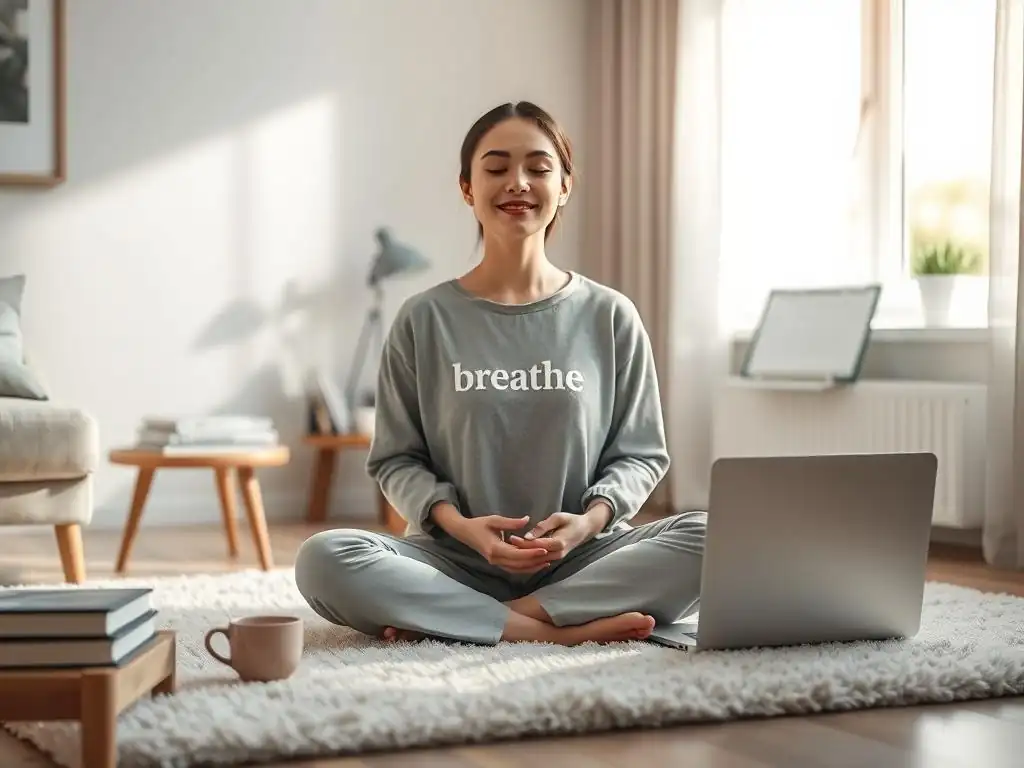
Micro-Mindfulness: Finding Moments of Presence Throughout the Day
Integrating mindfulness doesn't require setting aside large blocks of time for formal meditation. Micro-mindfulness involves finding brief moments throughout the day to pause and bring mindful awareness to whatever is happening. This could be taking three mindful breaths before answering the phone, fully experiencing the taste and texture of your lunch for a few bites, or noticing the sensation of walking as you move from one room to another. These short bursts of mindful attention can be surprisingly effective in reducing stress and increasing presence.
Even a 30-second pause to simply notice your surroundings or the feeling of your feet on the ground can break the cycle of rushing and worrying. Practicing micro-mindfulness regularly trains the brain to default to a more present state, making it easier to access mindfulness during challenging situations. These small, consistent practices accumulate over time, demonstrating that even minimal integration of mindfulness benefits mental health significantly by building a habit of presence and awareness throughout the day.
Creating a Mindful Morning Routine: Setting a Positive Tone
Starting the day with mindfulness can set a positive and calm tone for the hours ahead. A mindful morning routine doesn't need to be elaborate. It could involve waking up a few minutes earlier to simply sit quietly and notice your breath, mindfully enjoying your first cup of coffee or tea, or taking a mindful shower, paying attention to the sensations of the water and soap. The key is to engage in these activities with intention and presence, rather than rushing through them on autopilot.
Incorporating mindfulness into the start of your day can help you feel more grounded and less reactive to the inevitable demands that may arise. It provides an opportunity to check in with yourself before the external world fully intrudes, setting a foundation of self-awareness and calm. This intentional beginning to the day is a powerful way that daily mindfulness benefits mental health by fostering a sense of control and peace from the moment you wake up.
Mindful Technology Use: Consciously Engaging with Digital Devices
Given the pervasive role of technology in modern life, practicing mindfulness around its use is increasingly important for mental well-being. Mindful technology use involves being intentional about when, how, and why you engage with digital devices, rather than mindlessly reacting to notifications or scrolling endlessly. Before opening an app or website, take a moment to ask yourself, "What is my intention for using this device right now?" When you are using it, try to focus on the content without simultaneously doing other tasks.
Setting boundaries, such as designated "no-phone" times or zones, and turning off non-essential notifications can also support mindful engagement. When you finish using a device, take a moment to notice how you feel – are you more stressed, informed, or connected? By bringing awareness to your technology habits, you can make more conscious choices about how you spend your time and energy, reducing the potential for digital overload and ensuring that technology use doesn't detract from the ways that mindfulness benefits mental health by promoting presence and balance.
Mindfulness as a Tool for Mental Health Conditions: Evidence-Based Applications
Mindfulness-based interventions have shown promise in helping individuals manage social anxiety. Social anxiety often involves intense fear of judgment and self-consciousness in social situations, leading to avoidance and distress. Mindfulness helps by training individuals to observe their anxious thoughts and physical sensations (like blushing or trembling) without getting overwhelmed or reacting automatically with avoidance. Instead of identifying as "anxious," a mindful person can notice "anxious thoughts are present" or "there is a feeling of heat in my cheeks."
Programs like Mindfulness-Based Cognitive Therapy (MBCT) adapted for social anxiety teach participants to gently turn towards their discomfort in social situations, rather than trying to escape it. This exposure, combined with non-judgmental awareness, helps to break the cycle of fear and avoidance. By cultivating self-compassion and accepting the present moment, including feelings of vulnerability, individuals can build confidence and engage more fully in social interactions, illustrating a direct way that mindfulness benefits mental health by addressing specific phobias and fears.
Mindfulness for Chronic Pain: Managing Discomfort and Improving Quality of Life
Chronic pain is a complex condition with significant psychological components, often leading to frustration, depression, and reduced quality of life. Mindfulness does not aim to eliminate pain itself, but rather to change the relationship an individual has with their pain. Programs like MBSR were initially developed, in part, to help people cope with chronic pain. The practice teaches patients to observe pain sensations as pure physical sensations (e.g., tingling, burning, throbbing) without adding the layers of fear, anger, or catastrophic thinking that often accompany chronic pain.
By cultivating acceptance and learning to focus on aspects of experience other than the pain, individuals can reduce their suffering and improve their ability to function. Studies have shown that MBSR can lead to significant reductions in pain intensity, improvements in mood, and increased activity levels in patients with conditions like fibromyalgia or chronic back pain. For example, research indicates that around 50-60% of participants in MBSR programs report a decrease in pain severity. This demonstrates a powerful application of how mindfulness benefits mental health by improving coping and reducing psychological distress associated with physical ailments.
Mindfulness for Addiction Recovery: Strengthening Self-Control and Reducing Cravings
Mindfulness is increasingly being integrated into addiction treatment programs, such as Mindfulness-Based Relapse Prevention (MBRP). Addiction often involves habitual, impulsive responses to cravings and triggers. Mindfulness helps individuals in recovery become more aware of the thoughts, feelings, and physical sensations that precede cravings without automatically acting on them. This awareness creates a space between the trigger and the reaction, allowing for a more skillful response.
Techniques like urge surfing, where individuals mindfully observe the craving sensation rise and fall like a wave without trying to fight it, are taught to build tolerance for discomfort. By practicing non-judgmental awareness of internal states, individuals strengthen their capacity for self-control and reduce impulsivity. Studies on MBRP have shown reduced relapse rates compared to traditional aftercare programs. This highlights a critical way that mindfulness benefits mental health by empowering individuals to break cycles of addiction and build a more mindful, recovery-oriented life.
Is Mindfulness Suitable for Everyone? Considerations and Guidance
Potential Challenges: Addressing Difficult Emotions and Past Trauma
While mindfulness is broadly beneficial, it's important to acknowledge that the practice of turning inward and observing present-moment experience can sometimes bring up difficult emotions or memories, particularly for individuals with a history of trauma or severe mental health conditions. For someone who has experienced trauma, focused attention on bodily sensations might be triggering. Similarly, sitting with difficult emotions without the usual distractions can feel overwhelming initially.
These potential challenges don't mean mindfulness is unsuitable, but rather that it may require a sensitive and potentially guided approach. It's crucial to approach the practice with self-compassion and to know that it is okay to step back or modify the practice if it feels overwhelming. Recognizing these potential difficulties is part of ensuring that the journey towards understanding how mindfulness benefits mental health is undertaken safely and effectively for every individual.
When to Seek Guidance: Consulting with a Qualified Mindfulness Teacher
Given the potential for difficulties or simply to deepen one's practice, seeking guidance from a qualified mindfulness teacher or mental health professional trained in mindfulness is highly recommended, especially for individuals with pre-existing mental health conditions or a history of trauma. A skilled teacher can provide personalized instruction, offer support when challenges arise, and help tailor practices to individual needs and experiences.
For those dealing with significant anxiety, depression, or trauma, integrating mindfulness within a therapeutic context with a licensed therapist who uses mindfulness-based approaches (like MBCT or DBT - Dialectical Behavior Therapy) can provide a safe and supportive environment to explore inner experiences. Professional guidance ensures that the practice is integrated in a way that is healing and empowering, maximizing the potential for mindfulness benefits mental health while minimizing risks.
Tailoring Mindfulness: Finding the Right Approach for Your Unique Needs
Mindfulness is not a one-size-fits-all practice. There are numerous techniques and approaches, and finding what resonates most with you is key to sustained practice and experiencing how mindfulness benefits mental health personally. Some individuals might find seated meditation challenging but thrive with mindful walking or mindful movement (like yoga or Tai Chi). Others might prefer short, informal moments of mindfulness integrated into daily activities over longer formal sits.
Experimenting with different types of practices and durations is encouraged. Consider what feels accessible and genuinely helpful. The goal is not perfection or adherence to a rigid rulebook, but rather cultivating a kinder, more aware relationship with yourself and your life. Tailoring the practice ensures it is sustainable and enjoyable, making the journey towards greater mental well-being through mindfulness a personalized and effective one.
Conclusion: Embracing Mindfulness for a More Balanced Life
Sustained Benefits: Long-Term Impact on Mental and Emotional Well-being
Embracing mindfulness as a regular practice offers profound and sustained benefits for mental and emotional well-being. It's not a quick fix, but a cumulative skill that strengthens over time, much like building physical fitness. Consistent practice, whether through formal meditation or informal moments of presence, gradually rewires the brain, enhancing areas associated with attention, emotional regulation, and self-awareness. The long-term impact includes reduced reactivity to stress, increased capacity for joy and appreciation, improved relationships, and a greater sense of peace and resilience in the face of life's inevitable challenges.
Individuals who maintain a mindfulness practice often report feeling more present in their lives, less controlled by negative thought patterns, and more capable of navigating difficult emotions with greater ease. This enduring shift in how one relates to their inner and outer world is the hallmark of the long-term ways that mindfulness benefits mental health, fostering a more balanced, fulfilling, and compassionate life.
Continuing Your Journey: Exploring Resources for Ongoing Mindfulness Practice
The journey with mindfulness is ongoing, offering continuous opportunities for learning and deepening practice. For those interested in continuing, a wealth of resources is available. This includes books by renowned mindfulness teachers, mobile applications offering guided meditations, online courses, local meditation centers, and workshops led by qualified instructors. Exploring different teachers and styles can help maintain motivation and discover practices that resonate deeply.
Engaging with a community, whether online or in person, can also provide support and encouragement. Committing to regular practice, even if just for a few minutes each day, is the most important factor in realizing the full potential of how mindfulness benefits mental health. By exploring available resources and committing to the practice, individuals can continue to cultivate inner peace, resilience, and a greater appreciation for the present moment.
Frequently Asked Questions
What exactly is mindfulness, and how does it relate to mental well-being?
Mindfulness is a mental state achieved by focusing on the present moment. It involves accepting your thoughts and feelings without judgment, contributing to reduced stress and improved mental health.
How can mindfulness practices specifically benefit my mental health?
Mindfulness helps regulate emotions, reduce anxiety, and improve focus. It can lead to increased self-awareness and a greater sense of inner peace.
What are some simple mindfulness exercises I can start with today?
Try focusing on your breath for a few minutes, paying attention to the sensations. You could also try mindful walking, noticing each step and the feeling of your feet on the ground, achieving present moment awareness.
Is mindfulness a substitute for traditional mental health treatment, like therapy or medication?
No, mindfulness is often used as a complementary practice. It can enhance the benefits of traditional treatments but should not replace them without consulting a professional.
Where can I find reliable resources and support to learn more about mindfulness and its benefits for mental health?
The Mind Care Guide website offers a comprehensive guide to mental well-being, including information, support, and resources for various mental health challenges. You can find further details on mindfulness benefits mental health there.
Final Reflection: Unfolding the Power of Mindfulness
The pursuit of mental well-being is no longer a niche interest; it's a fundamental human need, and mindfulness offers a powerful, accessible pathway. The evidence presented throughout this article underscores the profound impact mindfulness practices can have on reducing stress, improving focus, and cultivating emotional resilience – all crucial components of robust mental health in our increasingly demanding world. This isn't just a trend; it's a vital tool for navigating the complexities of modern life.
The journey into mindfulness is deeply personal, a continuous unfolding of self-awareness and acceptance. It's a journey I've embarked on myself, and the benefits – from increased patience to a greater capacity for empathy – have been transformative. Mindfulness is simply paying attention in a particular way: on purpose, in the present moment, and non-judgmentally.
- Jon Kabat-Zinn. This quote perfectly encapsulates the essence of the practice and its enduring power to reshape our relationship with ourselves and the world around us. The societal shift towards prioritizing mental health is inextricably linked to the growing understanding and adoption of mindfulness techniques.
Consider the ways in which you can integrate mindfulness into your daily life. Even small, consistent practices – a few minutes of deep breathing, mindful walking, or simply paying attention to the sensations of your body – can accumulate into significant positive changes. Don't underestimate the power of presence. Begin today. Start small. Embrace the journey of self-discovery and experience the profound benefits of a more mindful existence. Your mental well-being is worth it.
Unlock Your Inner Calm: Start Your Mindfulness Journey Today!
Thanks for taking the time to explore the world of mindfulness with us! We hope you gained valuable insights into its power to transform your life. Ready to take the next step?
- Begin your personalized mindfulness practice: Start with just 5 minutes a day – focusing on your breath or a guided meditation. Even small steps make a big difference!
- Share your experience: Tell us (or a friend!) about your first mindfulness session. What surprised you? What did you learn?
- Explore our free guided meditations: Dive deeper into the practice with our selection of resources, designed to support your journey.
What small change will you make today to cultivate more peace and presence in your life?