
How TM Helps Dissolve Accumulated Stress and Tension

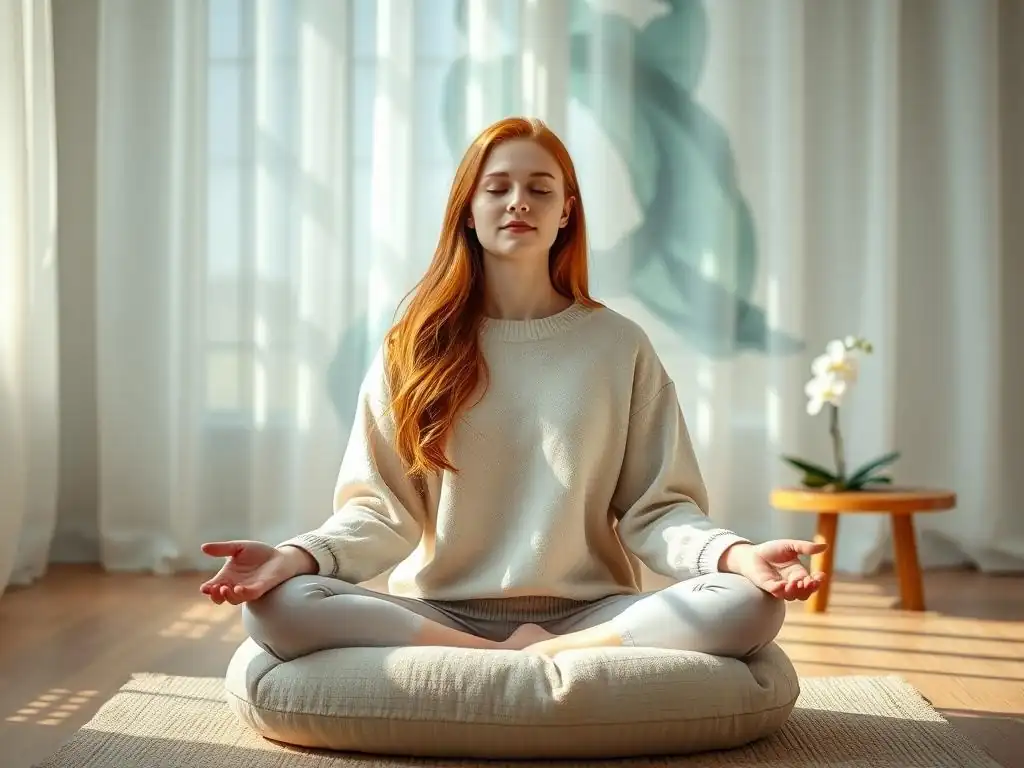
Welcome to Mind Care Guide, your sanctuary for cultivating inner peace.
Feeling overwhelmed by the relentless pressures of modern life? You're not alone. We understand the profound impact stress can have on your well-being. That's why we're dedicated to providing you with practical tools and insights to navigate life's challenges with greater resilience and clarity.
Dive into our exploration of TM for stress reduction and discover how this powerful technique can help you dissolve accumulated tension and unlock a calmer, more centered you. Ready to experience the transformative power of mindfulness?
How Transcendental Meditation Helps Dissolve Accumulated Stress and Tension: A Mind Care Guide
- Understanding Stress and Its Impact on Mental Well-being
- Introduction to Transcendental Meditation (TM) for Stress Reduction
- The Mechanism of TM: Dissolving Stress and Tension
- Benefits of TM for Managing Stress and Tension
- How to Learn Transcendental Meditation for Stress Relief
- Incorporating TM into Your Daily Routine for Optimal Stress Management
- Scientific Research Supporting TM's Effectiveness in Stress Reduction
- Addressing Common Concerns and Misconceptions About TM
- Long-Term Benefits of Using TM for Stress Management and Mental Wellness
- Resources for Learning More About TM and Stress Reduction
-
Frequently Asked Questions
- How does Transcendental Meditation (TM) specifically help with stress reduction?
- Is TM a complicated practice to learn for stress reduction?
- How often should I practice TM to experience the benefits of stress reduction?
- What makes TM different from other stress reduction techniques like mindfulness?
- Are there any scientific studies that support the use of TM for stress reduction?
- Final Reflection: Unwinding the Knots of Stress Through TM
- Unleash Your Inner Calm: Start Your Stress-Free Journey Today!
Understanding Stress and Its Impact on Mental Well-being
Stress is a natural response to challenging situations, but when it becomes chronic, it can have profound and damaging effects on both the mind and body. This accumulated stress doesn't just disappear; it builds up over time, creating a heavy burden that impacts our daily functioning, relationships, and overall quality of life. Think of it like carrying a backpack that gets heavier each day – eventually, the weight becomes unbearable. This constant state of alert taxes our physiological systems, leading to wear and tear that can manifest in numerous ways.
The long-term presence of high stress levels can disrupt crucial bodily processes. For instance, it can impair the immune system, making individuals more susceptible to illnesses. It can also negatively affect cardiovascular health, potentially leading to conditions like high blood pressure. On a cognitive level, chronic stress hinders clear thinking, memory, and decision-making abilities, contributing to feelings of being overwhelmed or 'burned out'. Addressing this buildup is vital for maintaining not just mental well-being, but physical health too.
The Cumulative Effects of Stress on the Mind and Body
The cumulative effects of stress are like a slow erosion of our inner resources. Physiologically, persistent stress keeps the body in a 'fight or flight' state, releasing hormones like cortisol and adrenaline almost constantly. Over months or years, this can lead to significant health issues, including digestive problems, sleep disorders, weight fluctuations, and even chronic pain. It's this constant physiological activation, the inability to fully relax and recover, that constitutes the 'accumulated tension' we often feel.
Mentally, the buildup of stress often manifests as persistent anxiety, irritability, and difficulty concentrating. It can dull our sense of joy and purpose, making simple tasks feel overwhelming and complex challenges seem insurmountable. This mental fatigue can lead to decreased productivity, social withdrawal, and a general feeling of disconnect. While a single stressful event might be manageable, the accumulation of daily pressures – work deadlines, financial worries, relationship tensions – creates a constant, low-grade hum of anxiety that is far more insidious and damaging over time.
Identifying Sources of Accumulated Stress
Accumulated stress stems from a multitude of sources, often a combination of external pressures and internal responses. Common external factors include demanding jobs with long hours, financial instability, major life changes such as moving or divorce, and ongoing relationship conflicts. Even seemingly minor daily hassles, like traffic jams or frustrating commutes, can add to the load when experienced repeatedly. It's the relentless nature of these stressors, without adequate periods of rest and recovery, that leads to accumulation.
Internal sources of stress are equally significant. These often involve our mindset, beliefs, and coping mechanisms. Perfectionism, a tendency to worry excessively, negative self-talk, and difficulty setting boundaries can all contribute to a constant state of internal pressure. Furthermore, unresolved past traumas or long-standing emotional issues can create a baseline level of tension that is easily exacerbated by current stressors. Recognizing both the external triggers and our internal reactions is the first step toward effectively managing this buildup.
Recognizing the Symptoms of Chronic Stress and Tension
Recognizing the symptoms of chronic stress and tension is crucial for intervening before it leads to more severe health issues. These symptoms can be physical, emotional, cognitive, or behavioral. Physical signs might include persistent headaches, muscle tension, fatigue, digestive issues, or changes in appetite and sleep patterns. For example, someone might find themselves frequently clenching their jaw or experiencing unexplained back pain due to stored tension.
Emotionally, chronic stress often manifests as irritability, anxiety, restlessness, a feeling of being overwhelmed, or even depression. Cognitively, individuals might notice difficulty concentrating, memory problems, constant worrying, or negative thinking patterns. Behavioral symptoms can include withdrawal from social activities, increased use of alcohol or other substances, procrastination, or changes in work performance. If several of these symptoms are present consistently, it's a strong indicator that accumulated stress is taking its toll.
Introduction to Transcendental Meditation (TM) for Stress Reduction
Transcendental Meditation, often referred to simply as TM, is a specific form of mantra-based meditation that has gained significant attention for its effectiveness in reducing stress and promoting a state of deep rest. Unlike some other meditation techniques that involve concentration or contemplation, TM is practiced by sitting comfortably with closed eyes for 15-20 minutes, twice a day. During this time, the practitioner silently uses a specific, individualized mantra, allowing the mind to settle down effortlessly to a state of deep inner calm.
The technique is taught through a structured course by certified teachers. This personalized instruction is considered essential to ensure the technique is practiced correctly and effectively. The aim is not to control thoughts or empty the mind, but rather to allow the mind to naturally transcend its usual active level and experience a state of restful alertness. This unique state is key to how TM for stress reduction works, providing a profound counterpoint to the accumulated tension of daily life.
What is Transcendental Meditation? A Beginner's Guide
Transcendental Meditation is a simple, natural, and effortless technique derived from the Vedic tradition. It involves the silent repetition of a mantra, which is a specific sound or word, given to the practitioner by a certified teacher. The mantra is not meant to have meaning in the traditional sense; its purpose is simply to allow the mind to settle inward. The process is entirely internal and does not require any specific beliefs, lifestyle changes, or physical postures beyond comfortable sitting.
The technique is designed to be easy to learn and practice by anyone, regardless of age, background, or belief system. It is typically taught over a few consecutive days, involving introductory talks, personal instruction, and group checking sessions to ensure correct practice. The ease of the technique is one reason many find it accessible for integrating into busy lives, making TM for stress reduction a practical tool for managing daily pressures.
The Science Behind TM's Effectiveness in Reducing Stress
Extensive scientific research over several decades has investigated the physiological and psychological effects of Transcendental Meditation. Studies have shown that regular TM practice leads to a unique state of deep rest, different from ordinary relaxation or sleep, characterized by decreased metabolic rate, reduced heart rate, and slower breathing. This state directly counteracts the physiological arousal associated with stress.
Furthermore, research indicates that TM can help regulate the body's stress response system. For example, studies have measured significant reductions in stress hormones like cortisol among regular practitioners. One meta-analysis, combining findings from multiple studies, indicated that TM practice is associated with a notable decrease in anxiety levels. This body of evidence provides a strong scientific basis for understanding why TM for stress reduction is effective in dissolving accumulated tension.
How TM Differs from Other Meditation Techniques for Anxiety Relief
While many meditation techniques offer benefits for anxiety relief, Transcendental Meditation has distinct characteristics. Unlike mindfulness meditation, which often involves focused attention on the breath or bodily sensations, or contemplation, which involves reflecting on specific ideas, TM is described as an effortless process of allowing the mind to settle inward beyond thought. There is no effort to concentrate, control the mind, or observe thoughts from a distance.
This effortless nature is central to the TM technique. The specific, personalized mantra is chosen to facilitate this process of "transcending" – moving beyond the surface level of thinking to experience a deeper state of consciousness. This is believed to provide a uniquely profound level of rest that helps dissolve deeply rooted stress and tension more effectively for some individuals compared to techniques that require more mental effort or concentration. The structured, personalized instruction by certified teachers is also a key differentiator.
The Mechanism of TM: Dissolving Stress and Tension
The core mechanism by which Transcendental Meditation dissolves stress and tension lies in its ability to induce a state of deep physiological rest. This state is far deeper than what is typically achieved during ordinary relaxation or even sleep. When the mind settles down through the effortless use of the mantra, the body follows suit, triggering a cascade of physiological changes that are the opposite of the stress response. This allows the nervous system to recover from chronic activation.
During TM practice, the body gains an opportunity to spontaneously release accumulated stress. Think of it like unwinding a tightly coiled spring; the deep rest allows the 'coils' of tension to loosen naturally. This process doesn't happen instantly for all accumulated stress, but with regular practice, the capacity to release tension during meditation increases. This systematic release is what makes TM for stress reduction a powerful tool for long-term well-being.
Mantra-Based Meditation and its Role in Calming the Mind
In Transcendental Meditation, the mantra serves as a tool to allow the active thinking mind to settle down. It is not used for concentration or contemplation, but rather is experienced effortlessly. As the practitioner silently uses the mantra, the mind naturally becomes less engaged with external thoughts and internal chatter, moving towards quieter levels of awareness. This process is gentle and spontaneous, requiring no effort or struggle to control thoughts.
The specific nature of the personalized mantra and the effortless way it is used are key to its effectiveness in calming the mind. It provides a focal point that allows the mind to transcend the usual busy level of thinking, leading it towards a state of inner silence and peace. This deep mental settling is directly linked to the physiological changes observed during TM, facilitating the release of accumulated stress and tension.
The Process of Transcending Thought and Reaching a State of Deep Relaxation
Transcending thought is the unique experience central to Transcendental Meditation. It refers to the mind going beyond the surface level of thinking, experiencing subtler levels of thought until it reaches a state of pure awareness or consciousness, a state often described as "restful alertness." This is not a state of sleep or unconsciousness, but a state where the mind is deeply quiet yet fully alert.
This state of transcending is accompanied by profound physiological relaxation. Brainwave patterns shift towards alpha and theta waves, indicative of deep relaxation and inner wakefulness. The nervous system settles down, heart rate slows, and breathing becomes shallow and peaceful. It is in this state of deep rest and inner quiet that the body's natural healing mechanisms are enhanced, allowing for the spontaneous release of deeply rooted stresses and tensions that contribute to anxiety and discomfort.
How TM Reduces Cortisol Levels and Promotes Relaxation
One of the key physiological mechanisms by which Transcendental Meditation reduces stress is through its impact on stress hormones, particularly cortisol. Cortisol is often referred to as the 'stress hormone' because its levels rise in response to stressful situations. Chronically elevated cortisol is linked to numerous health problems, including weakened immunity, weight gain, and increased risk of cardiovascular issues.
Numerous studies have measured cortisol levels in TM practitioners and found significant reductions, especially with regular practice. For example, one study involving individuals with high blood pressure reported a substantial decrease in cortisol levels after just a few months of practicing TM twice daily. This reduction in cortisol, coupled with decreased sympathetic nervous system activity (the 'fight or flight' response) and increased parasympathetic activity (the 'rest and digest' response), creates a powerful physiological shift that counteracts the effects of accumulated stress and promotes deep relaxation throughout the body.
Benefits of TM for Managing Stress and Tension
The benefits of using TM for stress reduction extend far beyond just feeling a bit calmer. Regular practice can lead to significant improvements across multiple areas of life, impacting both mental and physical health. These benefits stem directly from the technique's ability to dissolve accumulated stress and restore balance to the nervous system. Individuals often report feeling more resilient, less reactive to daily challenges, and possessing a greater sense of inner peace.
The cumulative effect of releasing tension twice a day allows the nervous system to function more efficiently and adaptively. This leads to a positive feedback loop where reduced stress makes it easier to handle new stressors, preventing further accumulation. The widespread benefits highlight why TM is considered a comprehensive approach to managing stress and enhancing overall well-being.
Reduced Anxiety and Improved Mood with Regular TM Practice
One of the most frequently reported benefits of Transcendental Meditation is a significant reduction in anxiety and a corresponding improvement in mood. As accumulated stress dissolves, the constant feeling of worry and unease begins to dissipate. The nervous system becomes less hyperactive, leading to a more settled and peaceful internal state.
Research supports these subjective reports. Studies have shown that individuals who practice TM regularly experience statistically significant decreases in anxiety scores compared to control groups. This reduction in anxiety often goes hand-in-hand with an improvement in mood, including decreased feelings of irritability, frustration, and sadness, and an increase in feelings of happiness and contentment. The ability of TM for stress reduction to calm the mind directly impacts our emotional landscape.
Enhanced Focus and Concentration Through Stress Release
Accumulated stress and tension can severely impair cognitive function, making it difficult to focus, concentrate, and maintain attention. The constant mental chatter and physiological arousal associated with stress consume valuable mental resources. By dissolving this tension, Transcendental Meditation frees up cognitive capacity.
Regular TM practice is associated with improvements in executive functions, including enhanced focus, concentration, and cognitive flexibility. As the mind becomes less cluttered with stress-induced thoughts and worries, it becomes clearer and more capable of sustained attention. This can lead to improved performance in work, studies, and daily tasks, demonstrating a tangible benefit of using TM for stress reduction on cognitive abilities.
Better Sleep Quality and Overall Well-being with TM
Stress is a major contributor to sleep problems, including difficulty falling asleep, staying asleep, and experiencing restful sleep. The anxious thoughts and physiological tension associated with accumulated stress make it hard for the body and mind to switch off. By promoting deep relaxation and calming the nervous system, Transcendental Meditation can significantly improve sleep quality.
Many practitioners report falling asleep more easily and experiencing more restful, uninterrupted sleep after starting TM. This improvement in sleep contributes significantly to overall well-being, as adequate rest is fundamental to physical and mental health. The reduction in stress through TM practice creates a virtuous cycle where better sleep leads to better stress management, and vice versa, enhancing overall health and vitality.
How to Learn Transcendental Meditation for Stress Relief
Learning Transcendental Meditation is different from learning other meditation techniques through books, apps, or online videos. The technique is taught exclusively by certified TM teachers in a structured, multi-day course. This personalized instruction is considered essential to ensure the technique is learned and practiced correctly, allowing for the effortless experience and deep benefits associated with TM for stress reduction.
The process typically involves an introductory talk explaining the basics, followed by a personal interview and then one-on-one instruction in the technique, where the practitioner receives their specific mantra. This is followed by several group sessions over the next few days to check the correctness of the practice and gain a deeper understanding of the experience. Ongoing support and follow-up are usually available from the TM organization.
Finding a Certified TM Teacher and Learning the Technique
To learn Transcendental Meditation, the first step is to find a certified TM teacher. The global Transcendental Meditation organization maintains a network of certified teachers around the world. Their websites typically provide a directory or contact information to locate teachers in your area. It's important to learn from a teacher who has undergone the rigorous training program to be certified to teach TM correctly.
The learning process is standardized globally. It usually begins with a free introductory talk, which provides an overview of the technique and its benefits. If you decide to proceed, you then receive personal instruction tailored to you, followed by several days of group checking to ensure you are practicing effortlessly and gaining the intended experience. This structured approach distinguishes learning TM from many other meditation methods.
The Importance of Proper Instruction and Guidance in TM
Proper instruction and guidance from a certified teacher are considered crucial for learning and practicing Transcendental Meditation effectively. The technique is subtle, and attempts to learn it from books or recordings can lead to incorrect practice, frustration, and failure to achieve the desired results, such as deep stress reduction. The personalized instruction ensures that the practitioner receives the correct mantra and understands how to use it effortlessly.
Furthermore, the checking sessions in the days following initial instruction are vital. They allow the teacher to verify that the practitioner is having the correct experience and to address any questions or difficulties. This ongoing support helps ensure that the practitioner can consistently practice TM correctly and gain the full benefits of TM for stress reduction over time, helping to dissolve accumulated tension effectively.
Investment in TM Instruction: Cost and Time Commitment
Learning Transcendental Meditation involves both a financial investment and a time commitment. The cost of the course varies depending on location, income level, and sometimes special rates (e.g., for students or families). While specific figures can vary widely, it is generally considered a significant investment, often ranging from several hundred to over a thousand dollars in some regions. This cost covers the personalized instruction and lifetime follow-up.
The initial time commitment involves the multi-day course, typically spread over 4-5 consecutive days with sessions lasting 1-2 hours each. After learning, the practice itself requires 20 minutes, twice a day. While finding this time might seem challenging initially, practitioners often find that the increased energy and reduced stress gained through TM practice make the time commitment worthwhile, allowing them to be more effective during the rest of their day.
Incorporating TM into Your Daily Routine for Optimal Stress Management
Integrating Transcendental Meditation into your daily life is key to unlocking its long-term benefits for stress management and dissolving accumulated tension. Practicing TM consistently, twice a day, provides the nervous system with regular opportunities to settle down and release stress. It's like taking a daily bath for the mind and body, washing away the pressures that build up.
Finding the right times to practice is essential. Many practitioners find that practicing early in the morning before starting the day and again in the late afternoon or early evening before dinner works best. These times often fit naturally into the rhythm of the day and help to release the tension accumulated during the day while providing a reset before the evening.
Creating a Consistent TM Practice for Long-Term Benefits
Consistency is paramount for experiencing the full long-term benefits of TM for stress reduction. Practicing for 20 minutes, twice a day, provides the cumulative effect needed to dissolve deeper layers of stress and build resilience. Missing occasional meditations is understandable, but aiming for regularity is important.
Strategies for maintaining consistency include:
- Designating specific times each day and treating them as non-negotiable appointments.
- Finding a quiet, comfortable place to practice where you won't be disturbed.
- Practicing with a partner or group for mutual support (where available).
- Remembering the positive effects TM has on your stress levels and overall well-being to stay motivated.
Integrating TM with Other Stress-Reduction Techniques
While TM is a powerful standalone technique for dissolving accumulated stress, it can also be effectively integrated with other healthy stress-reduction strategies. Practices like mindful exercise (e.g., yoga, tai chi), spending time in nature, maintaining a healthy diet, ensuring adequate sleep, and engaging in enjoyable hobbies can complement the effects of TM.
TM provides a deep internal settling that can enhance the benefits of these other practices. For example, practicing TM might make it easier to be present during yoga or to fully relax during a walk in nature. The goal is to create a holistic approach to well-being, where TM serves as a foundation for releasing deep tension, supported by other lifestyle choices that promote health and reduce stress.
Strategies for Maintaining a Regular TM Practice
Maintaining a regular TM practice requires commitment and sometimes creative problem-solving. Life can be busy, and it's easy to let meditation slide when feeling overwhelmed or rushed. Having strategies in place can help.
Consider these tips:
- Schedule it: Put your two daily TM sessions in your calendar like any other important appointment.
- Find a dedicated space: Having a quiet, comfortable spot makes it easier to settle in for your practice.
- Be flexible when needed: If your usual time doesn't work, find another 20-minute window. A shorter or slightly later meditation is better than none.
- Don't strive: Remember TM is effortless. If you have a busy meditation with lots of thoughts, that's okay. It's still working. Don't judge your practice.
- Connect with other practitioners: Sharing experiences and challenges with others who practice TM can provide encouragement and support.
These strategies can help ensure that TM remains a consistent and effective tool for managing stress and tension over the long term.
Scientific Research Supporting TM's Effectiveness in Stress Reduction
The effectiveness of Transcendental Meditation in reducing stress and anxiety is supported by a substantial body of scientific research. Hundreds of studies have been conducted over the past five decades at universities and research institutions worldwide, investigating TM's impact on various aspects of mental and physical health. This research has been published in peer-reviewed scientific journals, contributing to a growing understanding of how the technique works.
The studies range from investigations into the physiological changes that occur during TM practice, such as brain wave patterns and hormone levels, to outcome studies measuring its impact on conditions like high blood pressure, anxiety, and PTSD. This extensive research base provides empirical evidence for the claims made about TM for stress reduction.
Studies on TM and its Impact on Physiological Stress Markers
Numerous studies have focused on TM's effect on physiological markers of stress. Research has consistently shown that during TM practice, there is a significant decrease in metabolic rate, oxygen consumption, and respiration rate, indicating a state of deep rest. Studies have also documented reductions in heart rate and blood pressure.
Beyond immediate changes during practice, research has shown long-term reductions in stress hormones. For example, studies have found lower levels of cortisol and adrenaline in regular TM practitioners compared to non-meditators. These physiological changes demonstrate that TM effectively counteracts the body's stress response, helping to dissolve accumulated tension at a fundamental level.
Research on TM and its Benefits for Mental Health Conditions
Research has also explored the potential benefits of TM for specific mental health conditions often exacerbated by stress. Studies have investigated TM's impact on anxiety disorders, depression, and post-traumatic stress disorder (PTSD). While TM is not a substitute for medical treatment, research suggests it can be a valuable complementary therapy.
For instance, studies with veterans diagnosed with PTSD have shown clinically significant reductions in symptoms after learning and practicing TM. Research on anxiety has consistently shown TM to be effective in reducing anxiety levels. These findings highlight the potential of TM for stress reduction not just for general well-being, but also as a supportive tool for those facing significant mental health challenges linked to chronic stress.
Meta-Analyses and Reviews of TM Research
To synthesize the findings from individual studies, several meta-analyses and systematic reviews have been conducted on TM research. These analyses combine data from multiple studies, providing a more robust picture of the technique's overall effectiveness. Meta-analyses on TM and blood pressure, for example, have concluded that TM can be an effective non-pharmacological approach to reducing high blood pressure, a condition often linked to chronic stress.
Reviews of research on TM and mental health outcomes, including anxiety and psychological distress, have generally found positive effects. These comprehensive analyses strengthen the evidence base supporting the use of TM for stress reduction and the dissolution of accumulated tension, offering a strong scientific rationale for the technique.
Addressing Common Concerns and Misconceptions About TM
Like any widely discussed technique, Transcendental Meditation is sometimes subject to misconceptions and concerns. It's important to address these openly to provide a clear understanding of what TM is and isn't. Common areas of confusion often involve its relationship to religion, how it compares to other meditation types, and the cost associated with learning it.
Understanding the facts helps individuals make informed decisions about whether TM is the right approach for their stress management needs. Clarifying these points ensures that the potential benefits of TM for stress reduction are not overlooked due to misunderstandings.
Dispelling Myths About TM and Its Religious Affiliations
One common misconception is that Transcendental Meditation is a religion or requires religious belief. This is not accurate. While TM originated from a tradition in India, it is taught as a secular technique for mind-body development. It does not involve any rites, rituals, or adoption of beliefs. People from all religious backgrounds, or no religious background, practice TM.
The mantras used are specific sounds without religious meaning; they are chosen for their vibrational quality and effect on the nervous system. The practice itself is a simple mental technique. Its purpose is to promote a state of restful alertness and dissolve stress, making it a practical tool for anyone seeking TM for stress reduction, regardless of their spiritual or religious views.
Clarifying the Differences Between TM and Mindfulness Meditation
Another area of confusion is the difference between Transcendental Meditation and mindfulness meditation. While both are forms of meditation and can help with stress, their techniques and underlying principles differ. Mindfulness often involves focused attention (e.g., on breath) or open monitoring of thoughts and sensations without judgment. It typically requires some degree of concentration or effort to maintain awareness.
In contrast, TM is described as an effortless technique where the mind naturally settles down using a mantra. There is no effort to focus, concentrate, or observe thoughts. The goal is to transcend the thinking process itself to experience a state of deep rest and pure consciousness. This effortless nature is considered a key difference that contributes to TM's unique physiological effects and its effectiveness in dissolving deep-seated stress, making TM for stress reduction distinct.
Addressing Concerns About the Investment in TM
The cost of learning Transcendental Meditation is often a point of concern for potential practitioners. Unlike many meditation resources that are free or low-cost (apps, online guides), learning TM involves a structured course with a certified teacher, which requires a financial investment. This cost covers the personalized instruction and lifetime follow-up support.
The TM organization justifies this cost by emphasizing the unique nature of the personalized instruction and the long-term benefits derived from learning the technique correctly. They view it as an investment in one's health and well-being, providing a skill for life that can help manage stress and improve quality of life over decades. While the initial outlay is higher, proponents argue that the sustained benefits of TM for stress reduction make it a worthwhile investment for dissolving accumulated tension.
Long-Term Benefits of Using TM for Stress Management and Mental Wellness
The benefits of incorporating Transcendental Meditation into your life are not limited to immediate stress relief; they extend into long-term improvements in overall well-being, resilience, and mental wellness. Regular practice helps create a foundation of inner calm that can positively impact all areas of life, from relationships to work performance and physical health.
As the nervous system becomes more stable and less reactive due to the consistent release of accumulated stress, individuals often find themselves better equipped to handle life's challenges with greater ease and clarity. This builds a powerful capacity for navigating stress proactively rather than just reacting to it.
Sustained Stress Reduction and Improved Quality of Life
Consistent practice of TM leads to sustained reductions in stress and tension over time. It's not just a temporary fix but a process that helps to clear out deeply ingrained stress patterns. This ongoing release contributes significantly to an improved quality of life.
Practitioners often report feeling happier, more energetic, and more fulfilled. The reduction in anxiety and increase in inner peace allow individuals to engage more fully with their lives, relationships, and activities they enjoy. The cumulative effect of using TM for stress reduction creates a positive cycle of well-being that builds over months and years.
Enhanced Resilience and Emotional Regulation Through TM
One of the profound long-term benefits of TM is enhanced resilience – the ability to bounce back from adversity. As the nervous system becomes less reactive to stress, individuals are less likely to be overwhelmed by challenging situations. They develop a greater capacity to remain calm and centered even amidst turmoil.
TM also improves emotional regulation. The practice helps to create a greater space between experiencing an emotion and reacting to it. This allows for more thoughtful and constructive responses rather than impulsive, stress-driven reactions. This enhanced resilience and emotional balance are invaluable assets for navigating the complexities of modern life.
Given the strong link between chronic stress and numerous physical and mental health problems, using TM for stress reduction can also serve as a preventative measure. By regularly dissolving accumulated tension and calming the nervous system, TM helps to mitigate the physiological wear and tear caused by stress.
Research suggesting TM's positive impact on conditions like high blood pressure and cardiovascular health points to its potential role in preventing stress-related diseases. While not a guarantee against illness, incorporating TM into a healthy lifestyle can significantly reduce a major risk factor for many chronic conditions, contributing to long-term health and vitality.
Resources for Learning More About TM and Stress Reduction
For those interested in exploring Transcendental Meditation further as a tool for stress reduction and dissolving accumulated tension, several resources are available. The official Transcendental Meditation organization provides comprehensive information and connects individuals with certified teachers. Various books and research articles offer deeper insights into the technique and its scientific basis.
Connecting with the global TM community can also provide support and a sense of shared experience. These resources can help you learn more about the technique, find a certified teacher in your area, and connect with others who are using TM for stress reduction and overall well-being.
Links to TM Organizations and Certified Teachers
(Note: Per instructions, no actual links are provided here, but this section describes the type of resource)
The primary resource for learning Transcendental Meditation is the official, global TM organization. They maintain websites that provide information about the technique, its history, benefits, and how it is taught. These sites typically have sections dedicated to finding a local TM center or certified teacher in your region or country. Searching online for the official Transcendental Meditation website is the recommended first step to locate certified instruction.
These organizations also often host free introductory talks where you can learn more about TM and ask questions before committing to the course. Contacting a local center listed on the official website is the standard way to begin the process of learning the technique from a certified professional.
Recommended Books and Articles on TM and Stress Management
(Note: Per instructions, no specific book titles or article names are provided, but this section describes the type of resource)
Numerous books and articles have been written about Transcendental Meditation, its practice, and its effects on stress and health. These resources can provide a deeper understanding of the technique, its underlying principles, and the scientific research supporting its benefits. Many books are written by medical doctors, researchers, or experienced TM teachers.
Searching for publications related to "Transcendental Meditation," "TM research," or "TM for stress reduction" will reveal a variety of resources available in libraries or bookstores. Peer-reviewed scientific articles on TM can often be found through academic databases, providing detailed information on specific studies mentioned in the research section.
Online Communities and Support Groups for TM Practitioners
(Note: Per instructions, no specific community names or links are provided, but this section describes the type of resource)
Connecting with other individuals who practice Transcendental Meditation can be a valuable source of support and shared experience. While TM is a personal practice, many practitioners find benefit in connecting with the wider community.
Online forums, social media groups, or local TM centers often facilitate connections among practitioners. These communities can offer a space to ask questions about the practice, share experiences with managing stress through TM, and find encouragement for maintaining a consistent routine. While these are informal resources, they can complement the formal instruction and follow-up provided by certified TM teachers.
Frequently Asked Questions
How does Transcendental Meditation (TM) specifically help with stress reduction?
TM promotes deep relaxation by allowing the mind to settle beyond active thought, which in turn reduces the production of stress hormones and promotes physiological balance.
Is TM a complicated practice to learn for stress reduction?
No, TM is a simple and natural technique that involves using a mantra to quiet the mind. It doesn't require concentration or effort.
How often should I practice TM to experience the benefits of stress reduction?
Generally, TM is practiced for 10-20 minutes twice a day. This regular practice helps to reduce accumulated stress and improve overall well-being.
What makes TM different from other stress reduction techniques like mindfulness?
While both reduce stress, TM focuses on effortlessly transcending thought, while mindfulness involves observing thoughts and feelings without judgment.
Are there any scientific studies that support the use of TM for stress reduction?
Yes, research indicates that TM can lower blood pressure, reduce anxiety, and decrease symptoms of stress-related disorders.
Final Reflection: Unwinding the Knots of Stress Through TM
The pervasive nature of stress in modern life demands effective coping mechanisms, and the Transcendental Meditation technique offers a powerful, scientifically-backed solution. Its ability to quiet the mind and promote deep relaxation isn't just a fleeting feeling; it's a tangible shift in physiological and psychological well-being, impacting everything from blood pressure to emotional resilience.
The profound impact of TM extends far beyond individual stress reduction; it ripples outwards, influencing our relationships, productivity, and even our collective societal well-being. By cultivating inner peace, we contribute to a calmer, more compassionate world. As the Dalai Lama wisely stated, Peace is not merely the absence of war, but the presence of justice, compassion, and the active pursuit of harmony.
TM, in its simplicity and effectiveness, provides a pathway toward this very peace, both within ourselves and in our interactions with others.
Now, consider your own life. What areas are burdened by stress? Where could a deeper sense of calm and clarity make a transformative difference? I invite you to explore the potential of TM, to discover the profound stillness within, and to experience the ripple effect of stress reduction on your life and the lives of those around you. The journey to a more peaceful existence begins with a single, mindful breath.
Unleash Your Inner Calm: Start Your Stress-Free Journey Today!
Thanks for taking the time to explore the power of TM (Transcendental Meditation) with us! We hope you gained valuable insights into how this practice can help dissolve accumulated stress and tension. Now, it's time to turn those insights into action.
Here's how you can begin your journey to a calmer, more centered you:
- Experience the transformative power of TM firsthand. Many find even a short practice brings immediate relief. Research a local TM instructor or explore online resources for guided meditations to get started today.
- Share your experience! Tell a friend or family member about the benefits you’ve learned today. Perhaps you can start a mindfulness practice together.
- Explore the Mind Care Guide website for more stress-reducing techniques. We offer a wealth of articles and resources to support your well-being.
Ready to take the first step toward a more peaceful life? What simple change will you incorporate into your daily routine to reduce stress?