
Mindful Breathing: Your Quickest Way to Calm Anxiety

Welcome to Mind Care Guide, a sanctuary for your mental well-being.
Feeling overwhelmed by anxiety? You're not alone. In today's fast-paced world, finding moments of peace can feel impossible. But what if I told you there was a simple, accessible tool you already possess – your breath? Discover how mindful breathing can be your quickest, most effective way to reduce anxiety, and begin reclaiming your inner calm. Intrigued? Let's explore the powerful connection between breath and peace.
Mindful Breathing: Your Quickest Way to Calm Anxiety
- Understanding Anxiety and the Power of Mindful Breathing
- Step-by-Step Guide to Mindful Breathing Techniques for Anxiety
- Incorporating Mindful Breathing into Your Daily Routine for Anxiety Reduction
- Advanced Mindful Breathing Techniques for Deeper Anxiety Relief
- Troubleshooting Common Challenges in Mindful Breathing Practice for Anxiety
- The Long-Term Benefits of Mindful Breathing for Anxiety Management
- Combining Mindful Breathing with Other Anxiety Management Strategies
- Resources for Learning More About Mindful Breathing and Anxiety
-
Frequently Asked Questions
- How does mindful breathing specifically reduce anxiety?
- How often should I practice mindful breathing to see a reduction in anxiety?
- Are there different types of mindful breathing exercises, and which is best for anxiety?
- Can mindful breathing completely eliminate anxiety, or is it just a coping mechanism?
- What if I feel more anxious when I try to focus on my breath?
- Final Reflection: Breathing Your Way to a Calmer You
- Breathe Easier: Start Your Mindfulness Journey Today!
Understanding Anxiety and the Power of Mindful Breathing
Generalized Anxiety Disorder: Symptoms and Impact
Generalized Anxiety Disorder (GAD) is a common mental health condition characterized by persistent, excessive, and unrealistic worry about everyday things. This worry is often difficult to control and significantly interferes with a person's daily life. Symptoms can include restlessness, fatigue, difficulty concentrating, irritability, muscle tension, and sleep problems.
Unlike occasional anxiety, GAD involves chronic worry that can last for months or even years, affecting millions of people globally. For instance, in the United States alone, it's estimated to affect around 3.1% of the adult population each year, amounting to over 6 million individuals. The impact extends beyond emotional distress, often leading to physical ailments and impaired social and occupational functioning.
The pervasive nature of GAD means that individuals frequently experience a heightened state of physiological arousal, often described as being in "fight or flight" mode. This chronic activation of the sympathetic nervous system contributes to many of the physical symptoms like rapid heart rate, shortness of breath, and muscle aches. The constant mental engagement in worrying thoughts can also deplete energy and make simple tasks feel overwhelming.
Effectively managing these symptoms often requires a multi-faceted approach, and integrating practices that can directly counter this physiological arousal is crucial. This is where mindful breathing to reduce anxiety becomes a powerful tool.
The Vagus Nerve and Mindful Breathing: A Physiological Connection
The vagus nerve is the longest cranial nerve in the body, extending from the brainstem down through the neck, chest, and abdomen. It plays a crucial role in regulating many internal organ functions, including digestion, heart rate, and respiratory rate. Critically, it is a major component of the parasympathetic nervous system, often referred to as the "rest and digest" system. When the vagus nerve is stimulated, it promotes relaxation and helps counterbalance the effects of the sympathetic nervous system's "fight or flight" response. Increasing "vagal tone" is associated with better stress management and resilience.
Mindful breathing, particularly slow, deep diaphragmatic breathing, is a highly effective way to stimulate the vagus nerve. As you slow down your exhale, the vagus nerve sends signals to the brain that it's safe to relax, initiating a cascade of calming physiological responses. This includes a reduction in heart rate, lowering of blood pressure, and a decrease in the levels of stress hormones like cortisol. Studies have shown that even short periods of controlled breathing can significantly impact vagal nerve activity, providing a direct physiological pathway for mindful breathing to reduce anxiety and promote a sense of calm.
Mindful Breathing: Immediate and Long-Term Benefits for Anxiety
The benefits of using mindful breathing to reduce anxiety are both immediate and cumulative. In the short term, practicing mindful breathing can provide rapid relief during moments of acute anxiety or panic. Within just a few minutes, focusing on the breath can help ground you in the present moment, distract from overwhelming thoughts, and activate the parasympathetic nervous system, leading to a noticeable reduction in physical symptoms like rapid heartbeat and shortness of breath. Many individuals report feeling a sense of calm wash over them almost instantly when they intentionally focus on their breath.
Over the long term, incorporating mindful breathing into a regular practice offers sustained benefits for managing chronic anxiety. Consistent practice can help lower baseline anxiety levels, improve emotional regulation, and increase resilience to stressors.
Regular mindful breathing has been linked to structural changes in the brain associated with emotional processing and self-awareness, such as increased gray matter density in areas like the insula and prefrontal cortex. This regular engagement helps to build a stronger connection to your body's signals and fosters a greater capacity to respond to anxious feelings with presence and calm rather than reactivity, solidifying the power of mindful breathing to reduce anxiety over time.
Step-by-Step Guide to Mindful Breathing Techniques for Anxiety
Sitting Comfortably: Posture and Environment
Finding a comfortable posture and a suitable environment is the first step towards effective mindful breathing for anxiety reduction. Choose a place where you are unlikely to be disturbed, whether it's a quiet corner of your home, a park bench, or even a calm spot in your office. Your posture should be relaxed yet alert. If sitting, plant your feet flat on the floor or sit cross-legged.
Keep your spine relatively straight but not stiff, allowing your shoulders to relax down. You can rest your hands comfortably in your lap or on your knees. The goal is to create a sense of ease in your body so that you can focus your attention on your breath without being distracted by physical discomfort.
While a perfectly silent environment is ideal, it's not always necessary. The practice of mindful breathing is about bringing awareness to the present moment, which includes acknowledging any sounds or sensations that arise. If you are in a slightly noisy environment, gently notice the sounds without judgment and bring your attention back to your breath. The key is consistency and finding a setup that you can realistically maintain regularly, making it easier to integrate mindful breathing to reduce anxiety into your daily life.
Breath Awareness: Noticing Sensations
Breath awareness is the foundational practice for using mindful breathing to reduce anxiety. It involves simply paying attention to the physical sensations of breathing as they occur, without trying to change anything. Begin by closing your eyes gently or softening your gaze. Bring your attention to your breath wherever you feel it most prominently – perhaps the rise and fall of your abdomen, the expansion and contraction of your chest, or the sensation of air moving in and out of your nostrils. Notice the subtle differences between the inhale and the exhale.
There is no "right" way for your breath to feel. It might be shallow or deep, fast or slow. The practice is simply to observe it with curiosity and acceptance. If your mind wanders – which it inevitably will – gently acknowledge the thought and guide your attention back to the sensations of breathing. This repeated act of noticing distraction and returning to the breath is the core training of mindfulness, building your capacity to stay present and less caught up in anxious thought loops, thereby strengthening the ability of mindful breathing to reduce anxiety.
Counting Breaths: A Simple Grounding Technique
Counting breaths is an excellent technique for beginners or when anxiety feels particularly overwhelming, providing a simple anchor for the mind. There are several ways to count, but a common method is to count each exhale. Inhale naturally, then as you exhale, mentally say "one."
Inhale again, and as you exhale, say "two," and so on. You can count up to a specific number, such as ten, and then start over at one. Alternatively, you can count both the inhale and the exhale, perhaps counting "one" on the inhale and "two" on the exhale, continuing up to ten before restarting.
This technique provides a gentle structure for the mind, making it less likely to wander into anxious thoughts. The act of focusing on the numbers and the breath together helps to ground you firmly in the present moment. If you lose track of your count, simply notice where you got lost and gently begin again at one. The goal isn't to reach a specific number or to count perfectly, but to use the counting as a tool to maintain focus on the breath, enhancing the effectiveness of mindful breathing to reduce anxiety.
Diaphragmatic Breathing: Engaging Your Core
Diaphragmatic breathing, also known as belly breathing, is a powerful technique for activating the relaxation response and is central to using mindful breathing to reduce anxiety. When we are stressed or anxious, our breathing tends to become shallow and rapid, primarily using the chest muscles. Diaphragmatic breathing involves engaging the diaphragm, a large, dome-shaped muscle located at the base of the chest cavity that is the primary muscle of respiration. To practice, find a comfortable position, either sitting or lying down. Place one hand on your chest and the other on your abdomen, just below your rib cage.
Inhale slowly and deeply through your nose, allowing your abdomen to expand outwards like a balloon. The hand on your abdomen should rise significantly, while the hand on your chest should remain relatively still. Exhale slowly through pursed lips, gently drawing your abdomen inwards.
Feel the hand on your belly lower as you exhale. Aim for a smooth, steady rhythm, making your exhale slightly longer than your inhale if comfortable. Practicing this technique regularly helps train your body to breathe more efficiently and deeply, directly stimulating the vagus nerve and providing a potent way for mindful breathing to reduce anxiety.
Alternate Nostril Breathing: Balancing Energy Flow
Alternate nostril breathing, or Nadi Shodhana in Sanskrit, is a yogic breathing technique believed to balance the left and right hemispheres of the brain and promote a sense of calm and equilibrium. While it requires a bit more coordination than simple breath awareness, it can be particularly effective for reducing agitation and promoting a centered state, making it a valuable technique for mindful breathing to reduce anxiety. To practice, sit comfortably with a straight spine.
Close your eyes. Bring your right hand towards your face, resting your index and middle fingers gently on your forehead between your eyebrows. You will use your thumb to close your right nostril and your ring finger to close your left nostril.
Close your right nostril with your thumb and exhale completely through your left nostril. Inhale deeply through your left nostril. Close your left nostril with your ring finger, release your thumb from your right nostril, and exhale completely through your right nostril. Inhale deeply through your right nostril.
Close your right nostril with your thumb, release your ring finger from your left nostril, and exhale completely through your left nostril. This completes one cycle. Continue this pattern for several rounds, always inhaling through the nostril that you just exhaled from. This rhythmic, controlled breathing can help quiet the mind and bring a sense of balance, further enhancing the capacity of mindful breathing to reduce anxiety.
Incorporating Mindful Breathing into Your Daily Routine for Anxiety Reduction
Scheduling Regular Practice: Morning, Noon, or Night
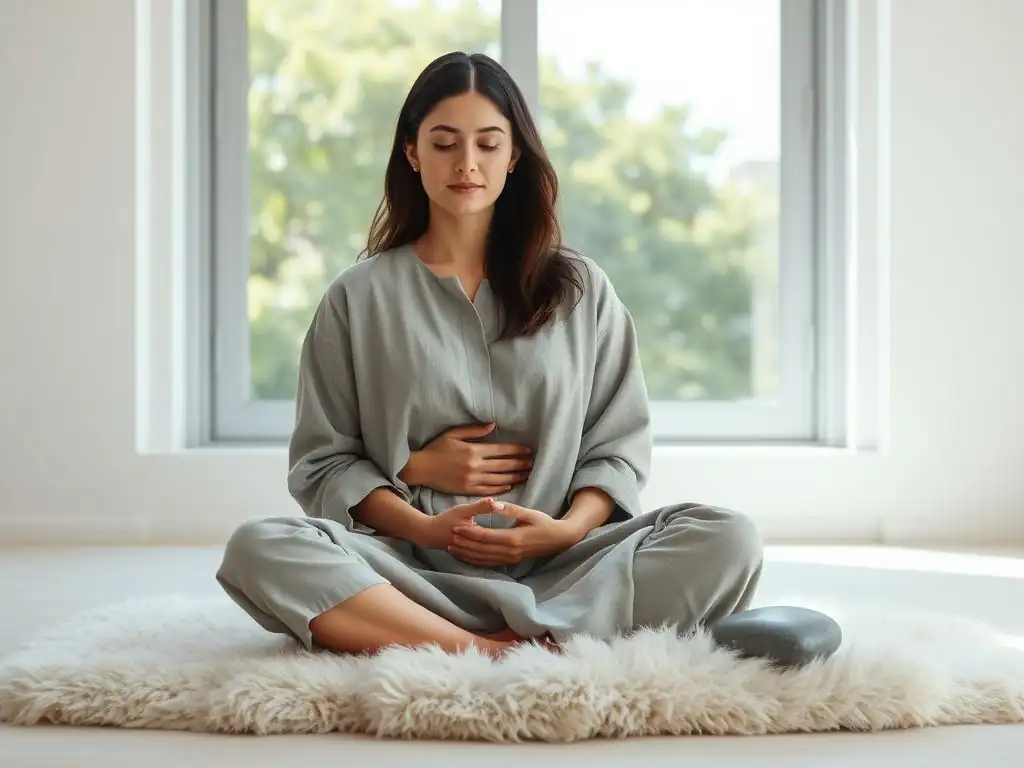
Consistency is key when using mindful breathing to reduce anxiety effectively. Just like any skill, regular practice strengthens its impact. Consider scheduling short sessions of mindful breathing throughout your day. This could be for 5-10 minutes first thing in the morning to set a calm tone, during a lunch break to de-stress, or before bed to prepare for restful sleep. Think of it as dedicating specific time slots, perhaps 10 AM and 3 PM, for a brief breathing exercise. Even just 2-3 minutes of focused breathing can make a difference, especially when done consistently over time.
Setting reminders on your phone or integrating the practice into existing routines, like during your commute or while waiting for your computer to boot up, can help make it a habit. The goal is not to add another chore to your day, but to create moments of pause and presence that nourish your nervous system. By making mindful breathing a regular part of your rhythm, you build your capacity to access calm whenever you need it, significantly enhancing the long-term benefits of mindful breathing to reduce anxiety.
Using Mindful Breathing During Stressful Situations
One of the most practical applications of mindful breathing is its use during moments of acute stress or rising anxiety. Whether facing a difficult conversation, feeling overwhelmed by deadlines, or experiencing physical symptoms of anxiety, your breath can be an immediate anchor. Instead of getting swept away by the surge of adrenaline and anxious thoughts, you can consciously pause and shift your attention to your breath. Even taking just three slow, deep breaths can interrupt the stress response cycle.
For example, if you feel your heart starting to race before a presentation, you can take a moment to focus on a few cycles of diaphragmatic breathing. If you're stuck in traffic and feeling frustrated, consciously soften your shoulders and take a few deep, calming breaths. The key is to recognize the early signs of rising anxiety and proactively use your breath as a tool. This empowers you to respond to stress with intention rather than reaction, demonstrating the immediate power of mindful breathing to reduce anxiety in real-time situations.
Mindful Breathing as a Proactive Wellness Practice
Beyond reactive use, incorporating mindful breathing as a proactive wellness practice is essential for long-term anxiety management. Regular, non-anxiety-triggered breathing sessions build a reservoir of calm and resilience within your nervous system. Think of it like training a muscle – the more you practice when you're calm, the stronger your ability to use the technique becomes when you're under pressure. This isn't just about coping with anxiety; it's about cultivating a state of greater ease and presence in your everyday life.
Proactive practice could involve a daily 15-minute meditation session that includes breath focus, or simply taking a few mindful breaths at the top of every hour. This consistent engagement helps to lower your overall stress levels, improve your body's stress response over time, and increase your general sense of well-being. By viewing mindful breathing not just as a quick fix but as an ongoing commitment to your mental health, you unlock its full potential as a powerful tool for mindful breathing to reduce anxiety and enhance overall resilience.
Advanced Mindful Breathing Techniques for Deeper Anxiety Relief
Box Breathing: Regulating the Nervous System
Box breathing, also known as square breathing, is a simple yet highly effective technique used widely, even by professionals in high-stress environments like the Navy SEALs, to calm the nervous system and improve focus. It involves visualizing a box and matching the duration of your inhale, breath hold (at the top), exhale, and breath hold (at the bottom). A common count is four for each side of the box. To practice, sit comfortably.
Inhale slowly through your nose for a count of four. Hold your breath at the top of the inhale for a count of four. Exhale slowly through your mouth or nose for a count of four. Hold your breath at the bottom of the exhale for a count of four. Repeat this cycle for several minutes. The equal duration of each phase helps to regulate the rhythm of your breathing and create a balanced physiological state, making box breathing a structured and reliable method for mindful breathing to reduce anxiety and promote mental clarity.
4-7-8 Breathing Technique: Promoting Relaxation
The 4-7-8 breathing technique, popularized by Dr. Andrew Weil, is specifically designed to promote deep relaxation and can be particularly helpful for reducing anxiety and aiding sleep. It acts as a natural tranquilizer for the nervous system. To practice, sit or lie down comfortably. Touch the tip of your tongue to the tissue ridge behind your upper front teeth and keep it there throughout the exercise. You will exhale completely through your mouth, making a gentle whooshing sound around your tongue.
Close your mouth and inhale quietly through your nose for a count of four. Hold your breath for a count of seven. Exhale completely through your mouth, making a whooshing sound, for a count of eight. This completes one cycle. Repeat this for a total of four cycles initially. As you become more comfortable, you can gradually increase the number of cycles. The extended exhale, in particular, helps to slow down the heart rate and signal the body to relax, making the 4-7-8 technique a potent tool for mindful breathing to reduce anxiety and induce calm.
Guided Imagery and Mindful Breathing for Anxiety
Combining mindful breathing with guided imagery can create a powerful synergy for reducing anxiety. Guided imagery involves using your imagination to create calming mental scenes or experiences. When paired with focused breathing, it enhances the relaxation response by engaging both the body and the mind in a soothing process. You might imagine yourself in a peaceful natural setting, like a serene beach or a tranquil forest clearing, while simultaneously focusing on the rhythm and sensation of your breath.
As you breathe in, imagine inhaling calm, peace, or healing light. As you breathe out, imagine releasing tension, worry, or anxiety like smoke drifting away. Engage your senses within the imagined scene – feel the warmth of the sun, hear the gentle sound of waves, smell the fresh air. This combination allows the focused breath to ground you in the present moment while the imagery provides a mental escape to a place of safety and tranquility, amplifying the effects of mindful breathing to reduce anxiety by engaging multiple facets of your awareness.
Troubleshooting Common Challenges in Mindful Breathing Practice for Anxiety
Wandering Mind: Anchoring Back to the Breath
One of the most common challenges when practicing mindful breathing to reduce anxiety is a wandering mind. It's completely natural for thoughts to arise – our minds are wired to think. You might find yourself thinking about your to-do list, replaying a past conversation, or worrying about the future.
The goal is not to stop thinking, but to notice when your mind has wandered and gently guide your attention back to your breath. Don't judge yourself for getting distracted; simply acknowledge the thought, perhaps labeling it mentally ("thinking"), and then consciously redirect your focus back to the physical sensations of inhaling and exhaling.
Think of your breath as an anchor. When your mind drifts away like a boat on the water, the anchor of your breath is always there to bring it back to the present moment. This process of noticing and returning is the essence of mindfulness practice itself, strengthening your ability to disengage from anxious thought patterns. The more you practice this gentle redirection, the easier it becomes over time to stay present with your breath, making mindful breathing to reduce anxiety a more accessible and effective tool.
Physical Discomfort: Adjusting Your Posture
Sometimes, physical discomfort can arise during mindful breathing practice, especially if you are new to sitting still for periods. You might notice aches, itching, or restlessness. First, check your posture. Are you sitting in a way that allows for natural breathing? Is your spine relatively straight but relaxed? Are your shoulders tense? Make small, gentle adjustments to find a more comfortable position. It's perfectly acceptable to shift or stretch if needed; the aim is not rigidity but comfortable stillness.
If discomfort persists, you might try a different position, such as lying down or sitting in a chair with back support. Sometimes, simply acknowledging the sensation with curiosity rather than aversion can help reduce its intensity. Remind yourself that physical sensations are often temporary and change. By gently observing and adjusting as needed, you make the practice more sustainable and less likely to be derailed by discomfort, allowing you to continue using mindful breathing to reduce anxiety effectively.
Initial Increase in Anxiety: Persistence and Gradual Exposure
For some individuals, particularly those with significant anxiety or trauma histories, focusing on the breath can initially feel uncomfortable or even trigger a temporary increase in anxiety. This might happen because bringing attention inward can make you more aware of physical sensations or anxious thoughts you've been trying to avoid. If this occurs, it's important to be gentle with yourself. You are not doing anything wrong; it's a sign that your nervous system is highly sensitive.
If you experience increased anxiety, try starting with very short durations – perhaps just one or two minutes. You can also try focusing on a different anchor, like the sensations in your feet on the floor or the sounds around you, and gradually introduce breath awareness as you feel more comfortable. Consider practicing in a safe, supportive environment or even with guidance from a therapist or mindfulness instructor. Persistence with a gradual, gentle approach can help you build tolerance and eventually experience the calming benefits of mindful breathing to reduce anxiety.
The Long-Term Benefits of Mindful Breathing for Anxiety Management
Reduction in Panic Attacks and Worry
Consistent practice of mindful breathing can lead to a significant reduction in the frequency and intensity of panic attacks and chronic worry. Panic attacks are often characterized by sudden, intense physical symptoms and overwhelming fear. By training your body and mind through regular breathing exercises, you become more attuned to the early warning signs of rising anxiety. This allows you to proactively use breathing techniques to interrupt the escalation of symptoms before they reach a full-blown panic attack.
Furthermore, the practice of returning your focus to the breath repeatedly helps to weaken the hold of obsessive worry loops. You develop the ability to notice anxious thoughts without getting completely consumed by them. This creates mental space, allowing you to choose how to respond to thoughts rather than being automatically controlled by them. Over time, this leads to a decrease in the overall amount of time spent worrying, demonstrating the profound impact of mindful breathing to reduce anxiety and its most distressing manifestations.
Improved Emotional Intelligence and Self-Control
Mindful breathing cultivates greater emotional intelligence and self-control. By regularly pausing and tuning into your internal state through your breath, you become more aware of your emotions as they arise. You learn to recognize feelings like frustration, sadness, or fear in your body and mind without immediate reaction. This increased self-awareness is the foundation of emotional intelligence, allowing you to understand your internal landscape better.
This heightened awareness also translates into improved self-control. Instead of reacting impulsively to difficult emotions or stressful situations, the practice of mindful breathing provides a moment of pause. In that pause, you have the opportunity to choose a more skillful response. This ability to regulate your emotional and behavioral reactions is crucial for managing anxiety, as it reduces the likelihood of getting caught in negative cycles of thought and behavior. Thus, mindful breathing helps reduce anxiety not just by calming the body, but by fostering greater mastery over your inner experience.
Increased Stress Resilience and Coping Mechanisms
Perhaps one of the most valuable long-term benefits is the increase in stress resilience and the development of healthier coping mechanisms. Regular mindful breathing practice trains your nervous system to be less reactive to stressors. Your baseline physiological arousal may decrease, and your body's ability to return to a calm state after encountering stress improves. This means that everyday challenges are less likely to trigger significant anxiety responses.
Moreover, mindful breathing provides a readily available, internal coping mechanism that you can access anytime, anywhere. Instead of resorting to less healthy coping strategies like avoidance, excessive worrying, or substance use, you have a reliable tool to help you navigate difficult feelings and situations. This empowers you to face challenges with greater confidence and calm, building a stronger sense of self-efficacy in managing your mental well-being and solidifying the role of mindful breathing to reduce anxiety and enhance overall resilience.
Combining Mindful Breathing with Other Anxiety Management Strategies
Mindfulness Meditation: Cultivating Present Moment Awareness
Mindful breathing is often the gateway to broader mindfulness meditation practices. While mindful breathing specifically focuses on the breath as the object of awareness, mindfulness meditation expands this awareness to include thoughts, feelings, body sensations, and external stimuli, all observed without judgment. Combining mindful breathing with a more comprehensive meditation practice deepens your ability to remain present and non-reactive to the constant stream of internal and external experiences.
For example, a 20-minute mindfulness meditation session might begin with several minutes of focused breath awareness before opening the attention to whatever arises. This broader practice helps to cultivate a greater acceptance of uncomfortable thoughts and feelings, which is crucial for managing anxiety. By practicing mindful breathing within the context of larger mindfulness meditation, you strengthen your capacity for non-judgmental awareness, amplifying the benefits of mindful breathing to reduce anxiety by changing your relationship with your anxious thoughts.
Physical Activity: Releasing Tension and Boosting Mood
Combining mindful breathing with physical activity creates a powerful synergy for anxiety relief. Exercise is well-known for its positive impact on mental health, releasing endorphins, reducing stress hormones, and providing a healthy outlet for physical tension. Integrating mindful breathing into your workout, or using it immediately before or after exercise, can enhance these benefits.
For instance, you can practice mindful breathing during gentle activities like walking or yoga, synchronizing your breath with your movements. Or, after a strenuous workout, dedicate a few minutes to focused diaphragmatic breathing to help your body and mind transition into a relaxed state. This combination addresses anxiety from multiple angles – the physical release from exercise paired with the calming focus of the breath, making it a highly effective approach to mindful breathing to reduce anxiety and improve overall well-being.
Cognitive Behavioral Therapy: Addressing Thought Patterns
While mindful breathing is excellent for managing the physiological and present-moment aspects of anxiety, combining it with Cognitive Behavioral Therapy (CBT) addresses the underlying thought patterns that contribute to anxiety. CBT helps individuals identify and challenge negative or irrational thoughts and develop more balanced and realistic ways of thinking. For example, CBT might help someone recognize that their excessive worry about a minor issue is disproportionate to the actual threat.
Mindful breathing can support CBT by providing a tool to manage the distress that arises when confronting difficult thoughts or challenging beliefs. It helps ground you in the present moment, making it easier to engage with therapeutic techniques without being overwhelmed by anxiety. By working on both the physiological regulation through mindful breathing and the cognitive restructuring through CBT, individuals gain a comprehensive toolkit for managing anxiety effectively, demonstrating how mindful breathing complements other evidence-based approaches to reduce anxiety.
Resources for Learning More About Mindful Breathing and Anxiety
"Wherever You Go, There You Are" by Jon Kabat-Zinn
Jon Kabat-Zinn's seminal book, "Wherever You Go, There You Are: Mindfulness Meditation in Everyday Life," is a widely recommended resource for anyone interested in learning about mindfulness, including mindful breathing. The book offers accessible insights and practical guidance on integrating mindfulness practices into daily life. It presents short, digestible chapters that explore various aspects of mindfulness, making it easy to pick up and read whenever you have a few moments.
Kabat-Zinn, the founder of Mindfulness-Based Stress Reduction (MBSR), explains the principles of mindfulness in a clear and relatable way. While not solely focused on breathing, the book heavily emphasizes the breath as a primary anchor for mindfulness practice. Readers will find numerous suggestions for incorporating breath awareness into ordinary activities, providing a solid foundation for using mindful breathing to reduce anxiety as part of a broader mindful life.
Headspace and Calm: Popular Meditation Apps
Meditation apps like Headspace and Calm have become incredibly popular tools for learning and practicing mindful breathing and meditation. These apps offer structured courses, guided meditations, and single-session exercises ranging from just a few minutes to longer durations. They provide guidance on various techniques, including basic breath focus, body scans, and loving-kindness meditation.
Both Headspace and Calm feature specific content tailored for anxiety, stress reduction, and sleep. Their guided breathing exercises can be particularly helpful for beginners or for those who find it challenging to practice independently. The convenience of having guided sessions available on a smartphone makes it easier to incorporate mindful breathing to reduce anxiety into busy schedules, whether you have 5 minutes during a commute or 20 minutes before bed. Many users find the gentle guidance and soothing voices in these apps create a supportive environment for their practice.
Local Mindfulness Centers and Workshops
For those seeking in-person guidance and community support, exploring local mindfulness centers or workshops can be invaluable. Many cities and towns have centers that offer classes, retreats, and workshops on mindfulness and meditation. These often include detailed instruction on various breathing techniques and how to apply them to manage stress and anxiety.
Participating in a structured course, such as an 8-week MBSR program, provides comprehensive training in mindfulness practices, including extensive work with mindful breathing. Learning in a group setting can also offer encouragement and the opportunity to share experiences with others. These centers are often staffed by experienced teachers who can provide personalized guidance and help navigate challenges in practice, offering a deeper dive into the potential of mindful breathing to reduce anxiety through dedicated instruction and community.
Frequently Asked Questions
How does mindful breathing specifically reduce anxiety?
Mindful breathing helps reduce anxiety by activating the parasympathetic nervous system, which is responsible for the "rest and digest" response. This counteracts the "fight or flight" response triggered by anxiety.
How often should I practice mindful breathing to see a reduction in anxiety?
Consistency is key. Aim for at least 5-10 minutes daily to experience noticeable benefits. Even short sessions can reduce anxiety over time.
Are there different types of mindful breathing exercises, and which is best for anxiety?
Yes, there are! Diaphragmatic breathing (belly breathing), box breathing, and alternate nostril breathing are common. Experiment to find which technique resonates best with you for optimal anxiety relief.
Can mindful breathing completely eliminate anxiety, or is it just a coping mechanism?
While it's a powerful tool, mindful breathing is usually a coping mechanism rather than a cure. It can significantly reduce anxiety symptoms, but may need to be combined with other therapies for complete relief.
What if I feel more anxious when I try to focus on my breath?
This is common, especially at first. Start with very short sessions (1-2 minutes) and focus on the physical sensations of breathing, not trying to "control" your thoughts. Gradually increase the duration as you become more comfortable.
Final Reflection: Breathing Your Way to a Calmer You
The simple act of mindful breathing, often overlooked in our fast-paced world, offers a powerful antidote to the pervasive anxiety that grips so many of us today. It's a readily accessible tool, requiring no special equipment or extensive training, yet its impact on mental well-being is profound and scientifically supported. This accessibility makes it a crucial resource for navigating the stresses of modern life.
The influence of mindful breathing extends far beyond individual stress management; it's a growing movement reshaping our understanding of mental health. It's a gentle rebellion against the constant pressure to "do more, be more," offering a path towards self-compassion and inner peace. As Jon Kabat-Zinn so eloquently stated, Mindfulness means paying attention in a particular way: on purpose, in the present moment, and non-judgmentally.
This simple yet profound definition encapsulates the transformative power of focusing on our breath, allowing us to anchor ourselves in the present and release the anxieties of the past and future.
Now, consider your own breath. Feel the gentle rise and fall of your chest or abdomen. Take a moment right now to consciously inhale and exhale, noticing the sensation. This article has provided you with the knowledge; it's now up to you to integrate this practice into your daily life.
Make mindful breathing your personal sanctuary, a refuge from the storms of stress. Start small, with just a few minutes each day, and watch as this simple act cultivates a deeper sense of calm and resilience within you. The journey to a calmer, more centered you begins with a single breath.
Breathe Easier: Start Your Mindfulness Journey Today!
Thanks for taking the time to explore the power of mindful breathing with us! We hope you discovered a new tool to manage anxiety and find inner peace. Ready to put your newfound knowledge into practice?
- Begin your daily breathing practice: Even just 5 minutes a day can make a significant difference. Find a quiet space, close your eyes, and focus on your breath.
- Share this article with someone who might benefit from learning about mindful breathing. Let's spread the practice of calm together!
- Consider journaling your experience: Reflect on how your breathing practice affects your mood and overall well-being. This will help you track your progress and deepen your practice.
What simple changes can you make today to integrate mindful breathing into your daily routine?