
Instantly Reduce Stress with This Simple Walking Meditation Technique.


Welcome to Mind Care Guide, your sanctuary for nurturing inner peace. Feeling overwhelmed? You're not alone. Discover how something as simple as walking can be your key to unlocking tranquility. Our article, "Instantly Reduce Stress with This Simple Walking Meditation Technique," explores a powerful method that could change your life. Curious to learn how to weave mindfulness into your everyday steps? Let's walk together towards a calmer you.
Reduce Stress Through Mindful Walking: A Simple Guide
- Mindful Walking: A Path to Stress Reduction and Inner Peace
- Understanding Mindful Walking and its Stress-Relieving Benefits
- Step-by-Step Guide: Practicing Mindful Walking
- Tips for Enhancing Your Experience
- Common Mistakes to Avoid
- Mindful Walking for Specific Situations
- Long-Term Benefits of Regular Practice
- Conclusion: Embrace Mindful Walking for a Calmer Life
-
Frequently Asked Questions
- How does walking meditation specifically help reduce stress?
- Is walking meditation as effective as sitting meditation for stress reduction?
- How long should a walking meditation session be to experience stress-reducing benefits?
- Can I practice walking meditation anywhere, or are there specific environments that are better?
- What if my mind wanders during walking meditation? Is it still effective?
- Final Reflection: The Paved Path to Inner Peace
- Unlock Your Inner Calm: Start Walking Your Way to Peace
Mindful Walking: A Path to Stress Reduction and Inner Peace
In today's fast-paced world, finding effective ways to manage stress is more crucial than ever. Many people seek simple yet powerful techniques to calm their minds and bodies. Walking, an activity most of us do daily, offers a unique opportunity to integrate mindfulness and unlock profound stress-reducing benefits. By bringing conscious awareness to the act of walking, we can transform a simple stroll into a potent practice for mental well-being. This guide explores how mindful walking can instantly reduce stress and cultivate inner peace.
Mindful walking is not just about physical movement; it's a practice that engages your senses and anchors you in the present moment. Unlike a brisk power walk focused on cardiovascular health or a casual stroll lost in thought, mindful walking intentionally directs your attention to the process of walking itself. This deliberate focus helps to quiet the incessant chatter of the mind, which is often a primary source of stress and anxiety. By shifting your awareness from worries about the past or future to the tangible experience of the present, you create space for calm and clarity.
Understanding Mindful Walking and its Stress-Relieving Benefits
What is Mindful Walking?
Mindful walking is a form of meditation that involves paying deliberate attention to the physical sensations of walking, the surrounding environment, and your internal state, all without judgment. It's about being fully present with each step, noticing the feeling of your feet on the ground, the movement of your legs, the rhythm of your breath, and the sights and sounds around you. The goal isn't to reach a destination quickly, but to experience the journey mindfully.
This practice can be done anywhere – indoors or outdoors, in a park, on a sidewalk, or even just a short path. The key is intentionality. You set aside a specific time, even just 5 or 10 minutes, to walk with awareness. This simple act of consciously engaging with the present moment through movement can interrupt stress cycles and promote a sense of groundedness.
Mindful Walking vs. Regular Walking
While both mindful walking and regular walking involve moving your body, their primary purposes and effects on the mind differ significantly. Regular walking is often goal-oriented – getting from point A to point B, exercising, or socializing. The mind may be busy planning, problem-solving, listening to music, or talking on the phone. While regular walking offers physical health benefits and can indirectly reduce stress through exercise, it doesn't necessarily cultivate present-moment awareness.
Mindful walking, conversely, is process-oriented. The focus is on the experience of walking itself. It's a moving meditation designed specifically to train the mind to be present. This intentional focus on sensory input and internal states is what makes walking meditation particularly effective in helping to reduce stress by diverting attention from stressful thoughts and anchoring it in the physical reality of the present.
The Science Behind Mindful Walking for Stress Relief
The effectiveness of walking meditation to reduce stress is supported by scientific understanding of the mind-body connection. Practices like mindfulness meditation, including mindful walking, have been shown to impact the body's stress response system. When stressed, the body releases hormones like cortisol and adrenaline. Chronic stress leads to elevated levels of these hormones, negatively impacting physical and mental health.
Studies have indicated that regular mindfulness practice can lead to a decrease in cortisol levels. For instance, research published in journals like Health Psychology has demonstrated that mindfulness interventions can result in reductions in perceived stress and biological markers of stress, such as cortisol.
A study involving participants practicing mindful walking for 10-20 minutes several times a week might show a measurable decrease in stress hormone levels over an 8-week period, potentially leading to a 10-15% reduction in overall stress markers for some individuals compared to control groups. This highlights the tangible physiological impact of walking meditation to reduce stress.
Benefits Beyond Stress Reduction
While effectively using walking meditation to reduce stress is a primary benefit, the practice offers a cascade of other positive effects. It can enhance self-awareness, helping you become more attuned to your physical sensations, emotions, and thought patterns without getting swept away by them. This increased awareness is crucial for managing stress triggers more effectively in the future.
Beyond improved mental clarity and emotional regulation, regular mindful walking can also contribute to better sleep quality, enhanced mood, and increased feelings of overall well-being. The combination of gentle physical activity and focused attention provides a holistic approach to health that extends far beyond simply managing stress symptoms, fostering resilience and a greater capacity to handle life's challenges.
Step-by-Step Guide: Practicing Mindful Walking
Preparing for Your Practice
Begin by setting aside a specific amount of time for your mindful walk, even if it's just 10 or 15 minutes. Choose a time when you are unlikely to be interrupted. Wear comfortable shoes and clothing suitable for walking. Before you start, take a moment to stand still, close your eyes if comfortable, and take a few deep breaths. Set a gentle intention for your walk – perhaps simply to be present or to notice the sensations of walking.
It's helpful to start with a short duration and gradually increase the time as you become more comfortable. Remember, the goal is not speed or distance, but mindful awareness. Letting go of expectations about how the walk should feel is key; simply allow the experience to unfold as it is.
Finding the Right Environment
While mindful walking can be done anywhere, starting in a quiet, natural environment can be easier, such as a park, garden, or a quiet trail. These settings often have fewer distractions and offer sensory experiences like the sounds of nature or the feel of different surfaces underfoot. However, you can also practice indoors, perhaps walking slowly back and forth in a hallway or a quiet room.
As you become more experienced, you can practice mindful walking in more stimulating environments like city streets. The challenge then becomes noticing the sensations of walking amidst the external stimuli, rather than being overwhelmed by them. Any environment can become a space for practice; the important element is your internal focus.
Focusing Your Attention
Start by bringing your attention to your body. Notice your posture, how you are holding your shoulders, and the gentle swing of your arms. Then, direct your awareness to your feet. Feel the contact of your feet with the ground. Notice the sensation as one foot lifts, moves through the air, and then lands again. Pay attention to the weight shifting from one foot to the other.
You can choose one primary anchor for your attention, such as the sensation in your feet or the rhythm of your breath, and gently return to it whenever your mind wanders. Alternatively, you can broaden your awareness to include the sounds you hear, the sights you see, and the smells you perceive, noticing them without getting caught up in judging or analyzing them.
Coordinating Breath and Movement
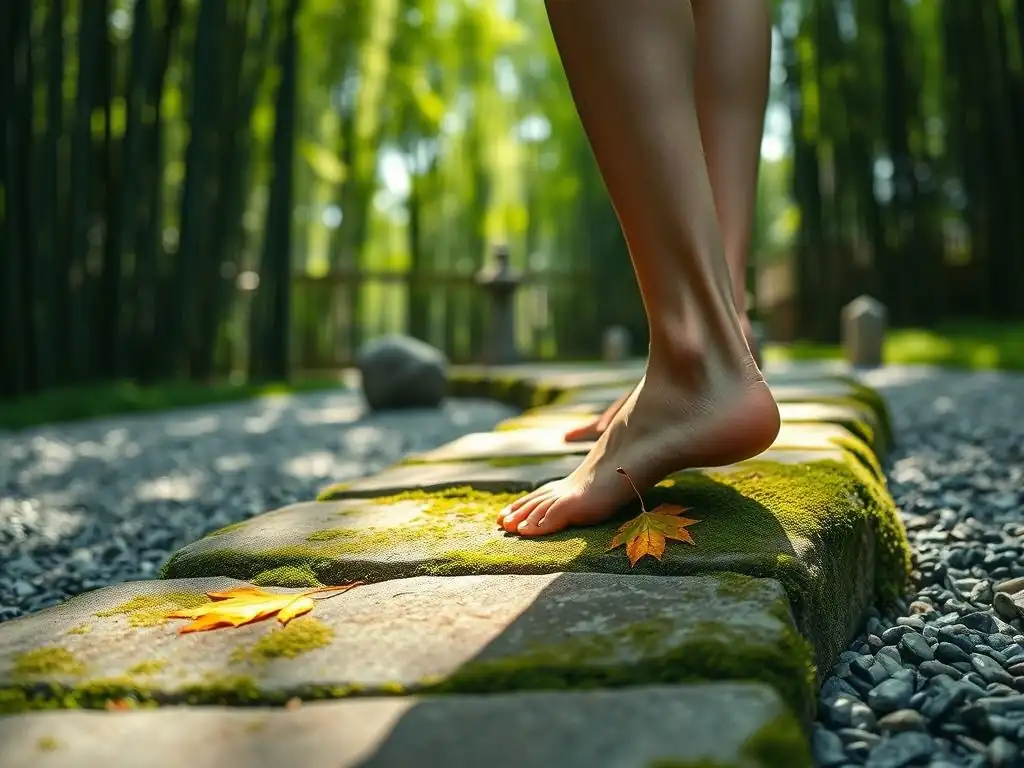
One way to deepen the practice is to coordinate your breath with your steps. For example, you might inhale for a certain number of steps (e.g., three steps) and exhale for the same number. Or you might inhale as one foot lands and exhale as the other foot lands. This can help create a rhythm and provide another anchor for your attention, further aiding in the process of using walking meditation to reduce stress.
This coordination isn't meant to feel restrictive or forced. Find a natural rhythm that feels comfortable for you. If coordinating breath and steps feels difficult or distracting, simply let your breath flow naturally and focus your attention elsewhere, such as the sensations in your feet. The key is to find what helps you stay present.
Maintaining Mindfulness
Maintaining mindfulness throughout the walk involves a continuous gentle effort to bring your attention back to your chosen anchor whenever you notice your mind has drifted. It's perfectly normal for thoughts to arise – about your to-do list, past conversations, or future plans. The practice isn't about emptying your mind, but about noticing when it wanders and gently guiding it back without self-criticism.
Think of your attention as a puppy learning to stay by your side. It will run off sometimes, but you gently call it back. Each time you notice your mind has wandered and bring it back to the sensations of walking, you are strengthening your mindfulness muscle. This repeated act of redirection is the core of the practice.
Redirecting a Wandering Mind
When you notice your mind has wandered (and it will! ), simply acknowledge the thought or distraction without judgment. You might mentally note, "Thinking" or "Planning" or "Hearing sound." Then, gently but firmly guide your attention back to your chosen anchor – the feeling of your feet on the ground, the rhythm of your breath, or the sights and sounds around you.
Do not get frustrated with yourself for losing focus. This is a natural part of the process. The act of noticing the wandering and returning is where the learning and the benefits lie. Be patient and compassionate with yourself. The more you practice, the easier it may become to notice distractions sooner and return to the present moment more smoothly.
Tips for Enhancing Your Experience
Incorporating Mindful Walking into Your Day
Finding time for mindful walking doesn't require a dedicated hour-long session. Even 5-10 minutes can be beneficial. Consider incorporating it into existing routines:
- Walk mindfully from your car or public transport to your workplace entrance.
- Take a short mindful walk during your lunch break.
- Walk mindfully around your home or garden in the morning or evening.
- Walk mindfully while doing errands, focusing on the sensations of movement and the environment.
Even a few short bursts of mindful walking throughout the day can help reset your nervous system and provide moments of calm amidst busyness, making it easier to use walking meditation to reduce stress throughout your day.
Adapting to Different Environments
Mindful walking can be practiced in various settings. If you're in a noisy urban environment, focus on the sound of the city as part of your experience, rather than trying to block it out. Notice the different layers of sound without labeling them as good or bad. If you're walking indoors, perhaps focus more intently on the subtle sensations in your feet and legs.
Task List for adapting:
- [ ] In nature: Focus on sounds of birds, rustling leaves, feel of uneven ground.
- [ ] In the city: Notice sounds of traffic, footsteps, feel of pavement, sights of buildings.
- [ ] Indoors: Focus intensely on foot sensations, body movement, breath rhythm.
- [ ] Busy places: Practice non-judgmental observation of people and activity.
Managing Anxiety and Improving Focus
Mindful walking is particularly effective for managing anxiety because it grounds you in the present moment, away from anxious thoughts about the future. By focusing on physical sensations and the rhythm of walking, you interrupt the cycle of worry. Regular practice can also improve your overall ability to focus and concentrate, skills that are beneficial in all areas of life.
If you find yourself feeling anxious during a walk, try slowing down your pace and focusing even more intently on the feeling of your feet connecting with the earth. This physical anchor can be very soothing. Remind yourself that you are safe in this moment and that the anxious thoughts are just thoughts, not necessarily reality.
Exploring Different Styles
There isn't just one way to practice mindful walking. You can experiment with different speeds, from very slow, deliberate steps often practiced in formal meditation settings, to a more natural, everyday pace. You can also vary the length of your stride or focus on different aspects of the movement.
Some traditions incorporate specific movements, while others emphasize a simple, natural walk. Find a style that feels comfortable and sustainable for you. The most important aspect is the intentional cultivation of awareness, regardless of the specific technique used.
Common Mistakes to Avoid
Rushing the Process
One of the most common mistakes is treating mindful walking like exercise and trying to walk too fast or cover a certain distance. The goal is not physical exertion or reaching a destination quickly. Rushing counteracts the purpose of the practice, which is to slow down and be present.
Instead of focusing on speed, focus on the quality of your attention. Allow yourself to walk at a pace that feels natural and allows you to comfortably notice your sensations and surroundings. If you find yourself speeding up, gently remind yourself of your intention and slow down.
Distraction by External Stimuli
While it's good to be aware of your environment, getting completely caught up in external distractions – checking your phone, planning your grocery list while looking at shops, or engaging deeply with external events – pulls you out of the mindful state.
The practice involves noticing stimuli without getting lost in them. If you hear a loud noise, simply note "sound" and return your attention to your breath or feet. If you see something interesting, observe it briefly and then gently shift your focus back to the internal experience of walking.
Over-Focusing on Technique
Becoming too rigid about doing the "right" technique can create stress rather than reduce it. There's no single perfect way to do mindful walking. Getting caught up in whether you're breathing correctly, walking at the exact right pace, or focusing on the "correct" sensation can be counterproductive.
Approach the practice with a sense of curiosity and gentle experimentation. The goal is to cultivate awareness and reduce stress, not to achieve technical perfection. If a particular instruction feels awkward, modify it or simply return to the basic principle of being present with your walking.
Self-Judgment and Criticism
Perhaps the most significant barrier to effective mindful walking is self-judgment. Thoughts like "I'm doing this wrong," "My mind is too busy," or "I'm not feeling relaxed" are common but unhelpful. These thoughts are just more distractions.
When you notice self-judgment, acknowledge it gently ("Ah, judging") and let it go. Return to your focus with kindness towards yourself. Every moment is a new opportunity to begin again. The practice is about non-judgmental awareness, and that includes being non-judgmental towards your own practice.
Mindful Walking for Specific Situations
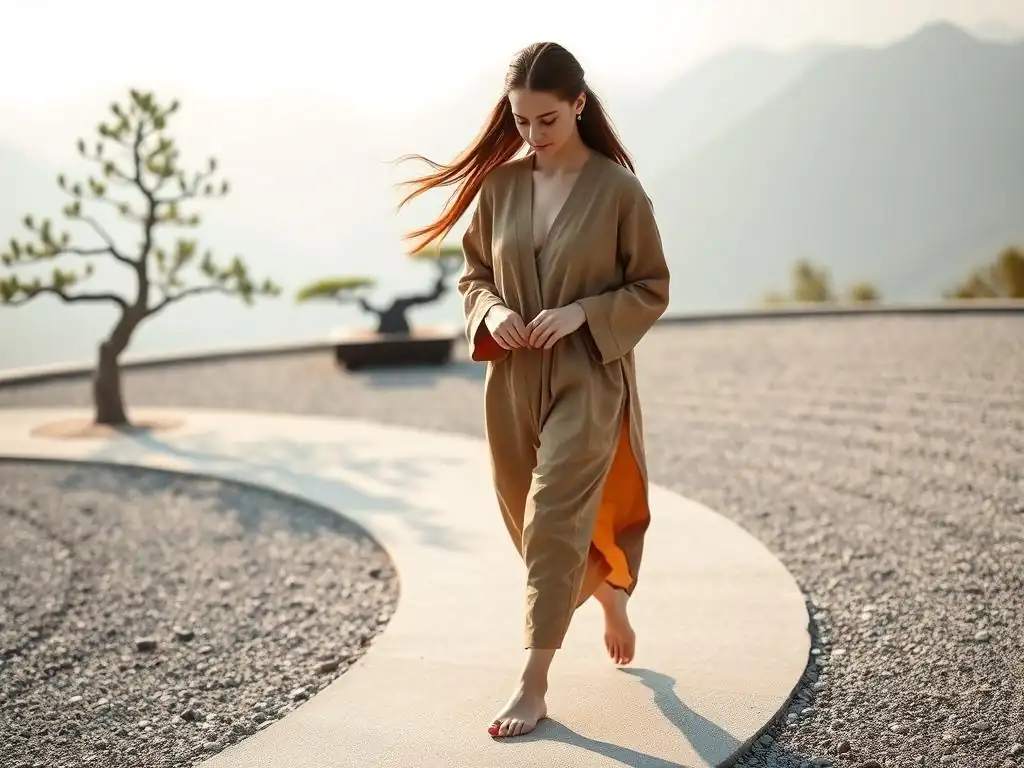
Workplace stress is a prevalent issue. Incorporating a 10-15 minute mindful walk during a break can be incredibly effective. Step away from your desk, go outside if possible, or find a quiet hallway. Focus on the transition from the stress of work to the present moment of walking. This brief pause can reset your mental state, improve focus for the rest of the day, and help you manage work-related stress more effectively. Many employees report feeling refreshed and more capable of handling tasks after a short mindful break.
Consider taking a mindful walk before a challenging meeting or after a particularly stressful interaction. Focusing on the physical sensations of walking can ground you and help regulate your emotions before or after encountering stressors. This simple technique allows you to create a buffer zone between stressful events and your reaction, enhancing your resilience.
Relationship Stress
Stress arising from relationships can be emotionally taxing. A mindful walk can provide a necessary break and a space for processing emotions without getting overwhelmed. As you walk, you can observe your thoughts and feelings about the relationship dynamics without getting caught up in rumination or reactivity.
Using walking meditation to reduce stress related to relationships allows you to gain perspective. You might notice patterns of thought or emotional responses you weren't previously aware of. This practice offers a non-judgmental space to simply be with difficult emotions, which can be a crucial first step towards finding healthier ways to navigate relationship challenges.
General Anxiety
Mindful walking is a powerful tool for managing general anxiety. Anxiety often involves worrying about hypothetical future events. By anchoring your attention in the present moment – the feeling of your feet, the rhythm of your breath, the sights and sounds around you – you actively pull your mind away from anxious loops.
For individuals prone to anxiety, a regular practice of walking meditation can build resilience over time. It teaches the mind that it doesn't have to follow every anxious thought. The physical movement combined with focused attention can help discharge nervous energy and promote a sense of calm, making it easier to cope with anxious feelings when they arise.
Insomnia
Stress and a racing mind are major contributors to insomnia. A gentle, mindful walk in the evening can help calm the nervous system and prepare the body and mind for sleep. Unlike vigorous exercise which can be stimulating, a slow, mindful walk focuses on relaxation and present-moment awareness, which can signal to the body that it's time to wind down.
Walking meditation before bed helps to break the cycle of taking worries and stressful thoughts into the bedroom. By focusing on the simple act of walking and the sensations involved, you create a mental buffer that can make it easier to transition into a restful state, contributing to improved sleep quality and helping to reduce stress that interferes with sleep.
Long-Term Benefits of Regular Practice
Improved Mental Clarity
Consistent practice of mindful walking sharpens your ability to focus and reduces mental clutter. By regularly training your attention to stay in the present moment, you become better at concentrating on tasks, listening actively, and making decisions without being overwhelmed by distracting thoughts. This improved mental clarity is a direct result of strengthening your attention muscle.
Over time, the practice helps you become more aware of your thought patterns, including those that contribute to stress and confusion. This awareness allows you to observe these thoughts without getting entangled in them, creating mental space and fostering a clearer perspective.
Increased Emotional Resilience
Regular mindful walking builds emotional resilience – the ability to bounce back from difficult experiences. By practicing non-judgmental awareness during your walks, you learn to observe challenging emotions like frustration, sadness, or anxiety without being consumed by them. You recognize them as temporary states rather than defining characteristics.
This practice teaches you that you can experience difficult emotions and still function, still walk, still be present. This builds confidence in your ability to handle emotional discomfort, making you less reactive to stressors and more capable of navigating life's ups and downs with greater ease.
Enhanced Self-Awareness
Mindful walking provides a consistent opportunity to check in with yourself – physically, mentally, and emotionally. As you walk, you become more attuned to the subtle signals your body is sending, the nuances of your mood, and the recurring themes in your thoughts. This enhanced self-awareness is foundational for personal growth and well-being.
Understanding your internal landscape better allows you to identify stress triggers sooner, recognize patterns of behavior that might be unhelpful, and make conscious choices aligned with your values. This deeper connection with yourself cultivated through walking meditation helps to reduce stress by enabling proactive self-care.
Improved Well-being and Reduced Stress
Ultimately, the cumulative effect of these benefits is a profound improvement in overall well-being and a significant reduction in chronic stress levels. As you become more mindful, more emotionally resilient, and more self-aware, you are better equipped to handle the challenges of life without becoming overwhelmed.
The consistent practice of using walking meditation to reduce stress creates a positive feedback loop: reduced stress leads to better health, improved mood, and greater capacity for mindfulness, which in turn further enhances your ability to manage stress. This simple, accessible practice offers a sustainable path towards a calmer, more fulfilling life.
Conclusion: Embrace Mindful Walking for a Calmer Life
Mindful walking is a simple yet profound practice that offers immediate and long-lasting benefits for stress reduction and overall well-being. It requires no special equipment or location, making it accessible to almost everyone. By intentionally bringing your awareness to the act of walking, you create a powerful opportunity to step out of the cycle of stressful thoughts and into the calming reality of the present moment.
The scientific basis for its effectiveness, coupled with anecdotal evidence from practitioners worldwide, underscores its potential as a valuable tool in your mental health toolkit. Whether you have 5 minutes or 30, a park or a hallway, incorporating mindful walking into your routine can make a significant difference in how you experience stress and navigate your daily life.
Encouragement for Regular Practice
Like any skill, the benefits of mindful walking deepen with consistent practice. Don't be discouraged if your mind wanders frequently at first; that's normal. Be patient and persistent. Aim for regularity over duration – a short, mindful walk every day is often more beneficial than a long one once a month.
Start small, be kind to yourself, and trust the process. As you continue to walk mindfully, you will likely discover a greater capacity for calm, clarity, and presence in all aspects of your life. Embrace the simple power of putting one foot in front of the other with awareness, and unlock the transformative potential of walking meditation to reduce stress and cultivate inner peace.
Frequently Asked Questions
How does walking meditation specifically help reduce stress?
Walking meditation helps reduce stress by shifting your focus to the present moment and your body's movements. This mindful awareness interrupts stressful thought patterns and promotes a sense of calm.
Is walking meditation as effective as sitting meditation for stress reduction?
While both are effective, walking meditation can be more accessible for some. The gentle movement can be easier to focus on than stillness, leading to a similar reduction in stress hormones and improved mood.
How long should a walking meditation session be to experience stress-reducing benefits?
Even a short 10-15 minute walking meditation session can provide noticeable stress relief. Longer sessions can enhance the benefits, but consistency is key for long-term stress management.
Can I practice walking meditation anywhere, or are there specific environments that are better?
Walking meditation can be practiced virtually anywhere, but quiet and natural environments are often preferred. The aim is to minimize distractions and enhance your connection with the present moment and your surroundings.
What if my mind wanders during walking meditation? Is it still effective?
It's perfectly normal for your mind to wander. The key is to gently redirect your attention back to your breath, your feet, or your surroundings. This act of redirection is a core part of the mindfulness practice and still effective.
Final Reflection: The Paved Path to Inner Peace
The simple act of walking, when infused with mindful intention, offers a readily accessible antidote to the pervasive stress of modern life. This isn't just a fleeting trend; it's a timeless practice rediscovering its relevance in our increasingly frenetic world. In a society obsessed with productivity and achievement, carving out even a few minutes for walking meditation can feel revolutionary, offering a powerful tool for reclaiming our mental and emotional well-being.
The impact of incorporating mindful movement into our daily routines is profound and far-reaching. It's not just about stress reduction; it's about cultivating a deeper connection with ourselves and the world around us. This practice fosters a sense of presence and gratitude, shifting our perspective from the anxieties of the future or regrets of the past to the beauty and wonder of the present moment. The time to relax is when you don't have time for it.
– Sydney J. Harris. This quote highlights the crucial need to prioritize self-care, even—and especially—when we feel overwhelmed. The simplicity of walking meditation makes it a powerful tool for anyone, regardless of their experience with meditation.
Now, consider how you can integrate this practice into your own life. Start small; even five minutes of mindful walking can make a significant difference. Notice the sensations in your feet, the rhythm of your breath, the sights and sounds around you. Let go of judgment and simply be present. You deserve this moment of peace. Embrace the opportunity to cultivate inner calm and resilience, one mindful step at a time. The path to a less stressful life begins with a single, intentional stride.
Unlock Your Inner Calm: Start Walking Your Way to Peace
Thanks for taking the time to explore the power of walking meditation with us! We hope you discovered a new tool to manage stress and find inner peace. Ready to integrate this practice into your daily life?
- Begin your first walking meditation today: Find a quiet space, even just 5 minutes, and try the technique we outlined. Pay attention to your breath and the rhythm of your steps.
- Share your experience: Tell us in the comments below about your first walking meditation – what felt different? What challenges did you encounter?
- Explore variations: Experiment with different locations, paces, or even add mindful elements like nature observation to enrich your practice.
Ready to embark on your journey to a calmer, more centered you? What small step will you take today to incorporate this mindful walking practice into your life?