
Are Sleep Trackers Worth the Investment for Your Mental Health?


Welcome to Mind Care Guide, your trusted companion on the journey to mental well-being. Feeling overwhelmed by the constant demands of life? You're not alone. But what if a simple device could offer a pathway to greater calm and improved mental clarity? This week, we delve into the fascinating world of wearable technology and explore how sleep trackers improve mental health. Discover if these devices are truly worth the investment and unlock the potential for a more restful and rejuvenated you. Let's explore together...
Are Sleep Trackers Worth the Investment for Your Mental Health?
- Sleep Trackers and Mental Well-being: Separating Fact from Fiction
- Sleep Quality and Mental Health: Unveiling the Connection
- Deconstructing Sleep Trackers: What They Measure and How
- Debunking Myths: Common Misconceptions About Sleep Trackers
- The Mental Health Benefits of Using Sleep Trackers: Evidence and Examples
- Potential Drawbacks and How to Mitigate Them
- Recommendations: Choosing the Right Sleep Tracker for Your Mental Health Goals
- Conclusion: Harnessing the Power of Sleep Trackers for Better Mental Well-being.
-
Frequently Asked Questions
- Are Sleep Trackers Actually Effective at Improving Mental Health?
- What are the Potential Downsides of Using Sleep Trackers for Mental Health?
- How Can I Use Sleep Tracker Data to Positively Impact My Mental Health?
- Which Sleep Tracker Features are Most Relevant for Mental Health?
- Are Sleep Trackers a Substitute for Professional Mental Health Treatment?
- Final Reflection: The Untapped Potential of Sleep Tracking for Mental Wellbeing
- Unlock Your Best Sleep (and Mind!)
Sleep Trackers and Mental Well-being: Separating Fact from Fiction
The Myth of Instant Mental Health Improvement with Sleep Trackers
It's tempting to believe that simply strapping on a device can magically fix mental health challenges. The allure of technology providing quick solutions often leads to the misconception that sleep trackers offer immediate improvements to mood, anxiety, or depression. However, this is a significant oversimplification.
Sleep trackers are tools that provide data; they do not administer therapy, change brain chemistry, or solve complex emotional issues on their own. Expecting overnight mental health benefits from a sleep tracker is like expecting a fitness tracker to instantly make you run a marathon – it requires effort, understanding, and consistent application of insights.
While sleep trackers can offer valuable insights into sleep patterns, they are not a standalone treatment for mental health conditions. Many factors contribute to mental well-being, including genetics, environment, lifestyle, stress levels, social support, and professional care. A sleep tracker can highlight potential areas for improvement related to sleep, but addressing underlying mental health issues often requires a multi-faceted approach involving therapy, medication, lifestyle adjustments, and sometimes, significant personal work. Relying solely on a sleep tracker for mental health improvement can lead to disappointment and may even exacerbate anxiety if data becomes a source of fixation.
The Reality: Sleep Tracking as a Component of Holistic Mental Healthcare
The true value of sleep tracking for mental health lies in its role as an informative component within a broader, holistic healthcare strategy. Think of sleep data as another piece of the puzzle, alongside information from therapy sessions, doctor visits, personal journaling, and awareness of daily stressors.
By providing objective (though estimated) data on sleep duration, consistency, and quality metrics, a sleep tracker can help individuals and their healthcare providers identify patterns and potential areas for intervention. For instance, noticing a consistent decline in sleep quality during periods of high work stress, as indicated by a tracker, can prompt discussions about stress management techniques.
Integrating sleep tracking into a holistic approach means using the data not as a pass/fail grade on your night, but as feedback to inform positive changes. It can help validate subjective feelings – perhaps you feel exhausted and your tracker shows significantly less deep sleep than usual, reinforcing the need to prioritize rest. This data can empower individuals to make informed lifestyle adjustments, such as setting a consistent bedtime, reducing caffeine intake, or creating a more conducive sleep environment.
When combined with professional guidance, these insights contribute to a more comprehensive understanding of the mind-body connection and support overall mental well-being. Sleep trackers improve mental health by providing actionable data points for this larger strategy.
Sleep Quality and Mental Health: Unveiling the Connection
How Poor Sleep Impacts Mood, Anxiety, and Depression
The link between sleep quality and mental health is profound and well-documented. Chronic poor sleep can significantly destabilize mood, making individuals more irritable, emotionally volatile, and less resilient to stress. Research consistently shows that sleep deprivation impairs the prefrontal cortex, the part of the brain responsible for executive functions like decision-making and emotional regulation. This impairment can lead to increased negative thinking and difficulty managing emotions. For example, a study might show that even one night of significant sleep restriction can increase amygdala reactivity, the brain's fear center, potentially amplifying feelings of anxiety.
Furthermore, poor sleep is a common symptom and a significant risk factor for anxiety and depression. It's estimated that a large percentage, perhaps around 70% or more, of individuals with depression experience some form of sleep disturbance, such as insomnia or hypersomnia. Similarly, anxiety disorders are often accompanied by difficulty falling asleep, staying asleep, or restless sleep.
This creates a vicious cycle: anxiety makes it hard to sleep, and lack of sleep worsens anxiety. Over time, chronic sleep deprivation can even alter neurotransmitter activity, potentially contributing to the development or exacerbation of depressive symptoms. Understanding this intricate link highlights why addressing sleep is a crucial step in supporting mental health.
The Science Behind Sleep Cycles: Understanding REM, Deep Sleep, and Their Importance
Sleep is not a monolithic state; it consists of distinct cycles, primarily involving Non-Rapid Eye Movement (NREM) and Rapid Eye Movement (REM) sleep. NREM sleep is further divided into stages, with Stage N3 being the deepest, most restorative sleep, often referred to as 'deep sleep' or 'slow-wave sleep'. During deep sleep, the body repairs tissues, strengthens the immune system, and consolidates declarative memories (facts and events). Sufficient deep sleep is crucial for physical restoration and cognitive function, contributing to mental clarity and reducing feelings of fatigue that can negatively impact mood.
REM sleep, on the other hand, is characterized by rapid eye movements, increased brain activity resembling wakefulness, and vivid dreaming. This stage is vital for emotional processing, creativity, and consolidating procedural memories (skills and habits). It's thought that REM sleep helps us process difficult experiences and regulate emotions.
Disruptions to REM sleep have been linked to increased emotional reactivity and impaired mood regulation. Ensuring adequate time in both deep sleep and REM cycles is essential for optimal brain function and emotional resilience, directly influencing how well we cope with stress and maintain positive mental health. While sleep trackers estimate these stages, aiming for sufficient total sleep time that allows for these cycles is key.
Deconstructing Sleep Trackers: What They Measure and How
Heart Rate Variability (HRV) and Its Correlation with Stress Levels
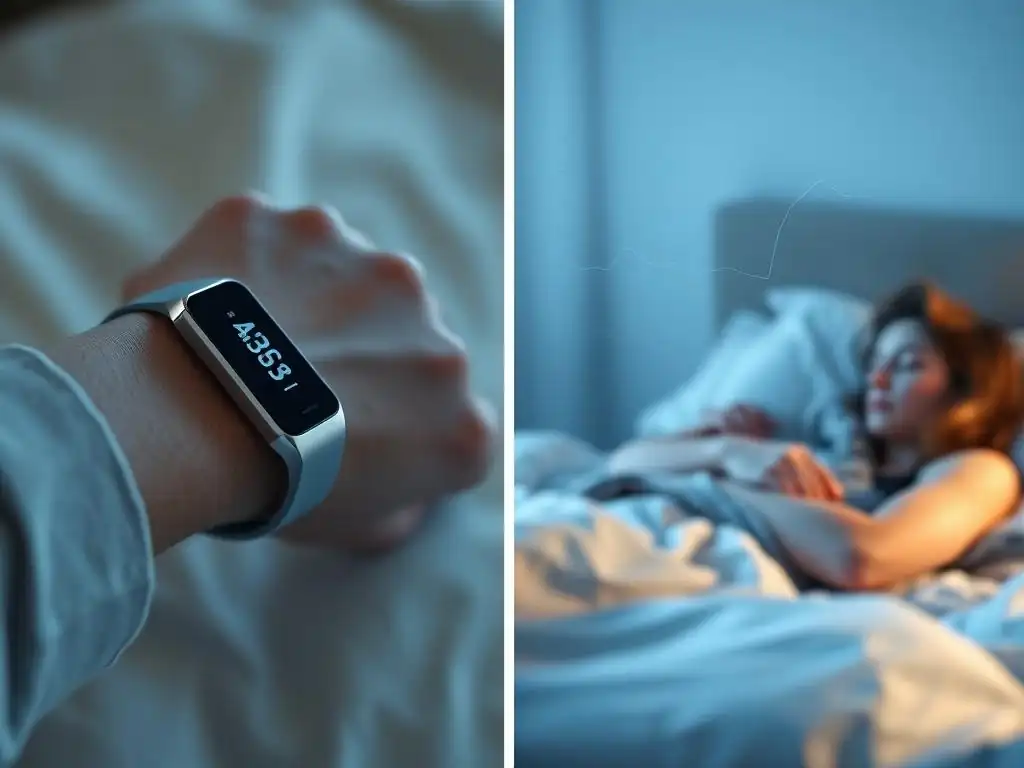
Many modern sleep trackers measure Heart Rate Variability (HRV), which is the variation in time between heartbeats. Unlike a simple heart rate measurement, HRV is an indicator of the balance between the sympathetic ("fight or flight") and parasympathetic ("rest and digest") branches of your autonomic nervous system. Generally, a higher HRV is associated with better resilience, recovery, and lower stress, while a lower HRV can indicate stress, fatigue, or illness. Sleep trackers typically measure HRV during sleep, providing a metric that can reflect your body's recovery state and potential stress levels.
Tracking HRV over time can offer insights into how lifestyle factors or stressors are impacting your physiological recovery. For example, consistently low HRV readings might correlate with periods of high work pressure, poor sleep hygiene, or inadequate recovery from exercise.
Conversely, implementing stress-reducing practices like mindfulness or improving sleep consistency might show up as an upward trend in HRV. While HRV data from wearables is an estimate and not as precise as clinical measurements, observing trends can be a useful biofeedback tool to understand the physiological toll of stress and track the effectiveness of recovery efforts, thereby indirectly supporting mental health by encouraging stress management.
Sleep Stage Tracking: Accuracy and Limitations
Sleep trackers attempt to estimate sleep stages (light, deep, REM, awake) primarily using actigraphy (movement sensing) and heart rate data. They analyze patterns of movement and heart rate changes throughout the night and apply algorithms to classify sleep into these stages. For instance, minimal movement and a slow, steady heart rate might be classified as deep sleep, while increased movement and variable heart rate could indicate light sleep or wakefulness. REM sleep is often inferred from specific patterns of heart rate variability and lack of movement (muscle paralysis).
However, it's crucial to understand the limitations of this technology. The gold standard for sleep stage tracking is polysomnography (PSG), which uses electrodes placed on the scalp, face, and chest to measure brain waves (EEG), eye movements, muscle activity, heart rhythm, and breathing. Wrist-worn trackers, while convenient, do not measure brain waves directly and rely on less direct metrics.
Their accuracy in precisely identifying sleep stages can vary significantly between devices and compared to PSG. While they are generally good at estimating total sleep time and wakefulness, the breakdown into specific stages like deep and REM should be viewed as an approximation or trend rather than definitive data. Using this data requires caution and understanding that it's not a medical-grade assessment.
Environmental Factors: Tracking Noise and Light Exposure
Some advanced sleep tracking systems, particularly those that use bedside sensors or integrate with smart home devices, can monitor environmental factors like noise levels, light exposure, and room temperature. These elements play a significant role in sleep quality. Excessive noise, even if it doesn't fully wake you, can disrupt sleep cycles, particularly deep sleep. Exposure to light, especially blue light from screens, close to bedtime can suppress melatonin production and make it harder to fall asleep. Suboptimal room temperature can also lead to restless sleep.
By tracking these factors alongside your sleep metrics, you can identify potential environmental culprits impacting your rest. For example, your tracker might show fragmented sleep on nights when noise levels in your bedroom were elevated, or reduced deep sleep after late-night exposure to bright screens. This data can empower you to make simple, yet effective, changes to your sleep environment, such as using blackout curtains, earplugs, or setting a cooler thermostat temperature. Improving your sleep environment based on tracker insights can directly contribute to better sleep quality, which in turn supports improved mental health.
Debunking Myths: Common Misconceptions About Sleep Trackers
Myth: All Sleep Trackers are Created Equal
A widespread misconception is that any device marketed as a "sleep tracker" will provide the same level of data, accuracy, and insight. This is far from the truth. The market includes a vast range of devices, from basic wristbands that primarily track movement and estimate total sleep time, to rings or under-mattress sensors that incorporate more sophisticated metrics like heart rate variability, respiratory rate, and even skin temperature. The technology used (accelerometers, photoplethysmography - PPG, etc.) and the algorithms applied to process the data vary significantly between manufacturers.
Consequently, the quality and reliability of the sleep data can differ substantially. While a simple activity tracker might give you a general idea of when you were asleep and awake, a more advanced device might offer a more detailed, albeit still estimated, breakdown of sleep stages and physiological signals. The specific features, app interface, and long-term data analysis capabilities also vary. Choosing a tracker requires understanding these differences and selecting a device whose capabilities align with your specific goals and budget, rather than assuming they all function identically.
Reality: Choosing the Right Tracker for Your Specific Needs
Given the diversity in sleep tracking technology, the reality is that selecting the "right" tracker depends entirely on your individual needs and goals. Are you primarily interested in simply knowing how much time you spend in bed versus asleep to establish a consistent schedule? A basic, more affordable tracker might suffice. Do you want to explore potential links between physiological stress (HRV) and your sleep patterns?
You'll need a device that reliably measures HRV. Are you curious about estimated sleep stages and how they might correlate with your daytime energy levels? Look for trackers that offer this feature, keeping in mind the accuracy limitations.
Furthermore, consider factors like comfort, battery life, and the user-friendliness of the accompanying app. If a device is uncomfortable to wear, you won't use it consistently. If the app is confusing, you won't benefit from the data.
Thinking about why you want to track your sleep and what kind of data would be most helpful for you is crucial. For someone focused on how sleep trackers improve mental health by identifying stress impacts, an HRV-capable device might be ideal, whereas someone simply trying to establish better sleep habits might benefit most from a tracker that effectively monitors sleep duration and consistency.
Myth: Sleep Trackers Can Diagnose Sleep Disorders
It is a dangerous myth to believe that a consumer sleep tracker can provide a medical diagnosis for sleep disorders like insomnia, sleep apnea, restless legs syndrome, or narcolepsy. These devices are not regulated medical devices designed for diagnosis.
While they collect data that might show patterns suggestive of a disorder – such as frequent awakenings, low oxygen saturation estimates (on some specific devices), or very fragmented sleep – this data is not sufficient for a clinical diagnosis. A proper diagnosis requires evaluation by a healthcare professional, often involving a formal sleep study (polysomnography) conducted in a lab or at home with medical-grade equipment.
Presenting tracker data to a doctor can be helpful, but the doctor will use it as supplementary information, not as the basis for a diagnosis. Relying on a tracker for diagnosis can lead to missed or incorrect diagnoses, delaying appropriate treatment for potentially serious conditions that significantly impact both physical and mental health. If you suspect you have a sleep disorder based on your tracker data or your symptoms, the correct course of action is always to consult a healthcare professional.
Reality: Using Sleep Data to Inform Conversations with Healthcare Professionals
The reality is that sleep tracker data can serve as a valuable starting point and supplementary information when discussing sleep issues with your doctor or a sleep specialist. Instead of trying to interpret complex patterns yourself or expecting a diagnosis from the device, you can use the aggregated data to illustrate trends and patterns that you might not have noticed otherwise. For example, showing your doctor consistent data indicating very low amounts of estimated deep sleep, frequent nighttime awakenings, or significant variability in your sleep schedule can provide concrete examples of your struggles.
This data can help healthcare providers get a clearer picture of your sleep habits and challenges beyond just relying on your subjective recall, which can sometimes be inaccurate. It can prompt them to ask more specific questions or recommend further investigation, such as a formal sleep study, if the data suggests a potential underlying issue. Using tracker data in this way – as an informative aid rather than a diagnostic tool – empowers you to have more productive conversations about your sleep and how it might be impacting your mental health, leading to more targeted advice or treatment plans.
The Mental Health Benefits of Using Sleep Trackers: Evidence and Examples
Improved Sleep Hygiene: Establishing Consistent Sleep Schedules
One of the most direct ways sleep trackers improve mental health is by fostering better sleep hygiene, particularly by helping individuals establish and maintain consistent sleep schedules. Many people struggle with irregular bedtimes and wake-up times, which disrupts the body's natural circadian rhythm. This disruption is known to negatively impact mood, concentration, and overall mental stability. A sleep tracker provides objective data on exactly when you're going to bed, when you're falling asleep (estimated), and when you're waking up.
Seeing this data laid out over days or weeks can be a powerful motivator to stick to a consistent schedule. For instance, someone might notice their tracker shows a much later bedtime on weekends, followed by fragmented sleep and poor mood on Monday mornings. This visual evidence can encourage them to shift their weekend sleep schedule closer to their weekday one. Consistently getting sufficient sleep at regular times helps regulate mood, improve cognitive function, and build resilience against stress, all of which are foundational for good mental health.
Increased Awareness of Sleep Patterns: Identifying Triggers and Making Lifestyle Changes
Sleep trackers offer users increased awareness of their individual sleep patterns and how they correlate with daily activities and lifestyle choices. By logging activities (like caffeine or alcohol consumption, exercise, stress levels) in conjunction with tracking sleep, individuals can start to identify potential triggers for poor sleep. For example, reviewing the data might reveal that nights following late-evening intense workouts show significantly less estimated deep sleep, or that stressful days consistently result in more time spent awake during the night.
This awareness is crucial for making targeted lifestyle changes. If you notice a pattern of poor sleep after using electronic devices in bed, seeing the data might reinforce the importance of a digital detox before sleep. If stress consistently shows up alongside fragmented sleep, it highlights the need for better stress management techniques. This process of identifying correlations and making informed adjustments based on personal data is a key mechanism by which sleep trackers improve mental health, empowering users to take proactive steps towards better rest and, consequently, better emotional regulation and resilience.
Reduced Anxiety Around Sleep: Addressing Sleep Anxiety with Meditative Sleep Sessions
For some individuals, the very act of trying to sleep can induce anxiety, a condition sometimes referred to as psychophysiological insomnia or sleep anxiety. Paradoxically, worrying about not sleeping makes it harder to fall asleep. While sleep trackers themselves don't cure anxiety, many tracker apps integrate features designed to promote relaxation and ease the transition to sleep, such as guided meditations, breathing exercises, or soothing soundscapes.
While the tracker's primary function is data collection, its accompanying app can become a platform for implementing strategies to reduce sleep anxiety. Users can try a guided meditation session offered through the app and then look at their sleep data the next morning (interpreted cautiously) to see if there are noticeable trends over time when these techniques are employed consistently.
For some, the objective data, even if imperfect, can also be less anxiety-provoking than the subjective dread of "another bad night." By encouraging the use of relaxation techniques and providing some feedback (however estimated) on sleep quality, sleep trackers and their associated platforms can play a supportive role in managing sleep-related anxiety, contributing positively to mental well-being.
Potential Drawbacks and How to Mitigate Them
Increased Anxiety: Avoiding Obsession with Data
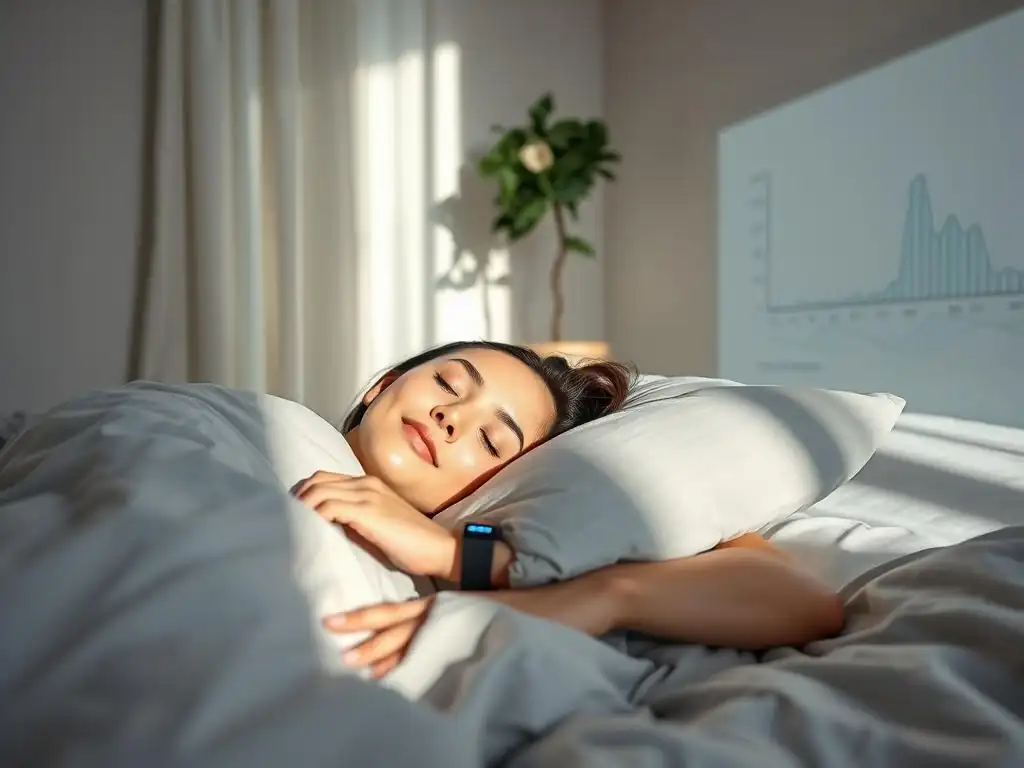
One significant potential drawback of using sleep trackers is the risk of increasing anxiety, particularly if users become overly fixated on achieving "perfect" sleep scores or metrics. This phenomenon, sometimes called orthosomnia, involves striving for ideal sleep data to the detriment of actual restful sleep and mental peace. Constantly checking scores, worrying about not getting enough deep or REM sleep according to the device, or feeling stressed by a low "sleep score" can ironically worsen insomnia and overall anxiety levels.
To mitigate this, it's crucial to approach the data with a healthy perspective. Remember that the metrics are estimates, not absolute truths about your sleep quality. Focus on trends over time rather than obsessing over single-night fluctuations. More importantly, prioritize how you feel when you wake up and throughout the day over the numbers on the screen. If the data is causing you stress, consider reducing how often you check it, or take a break from tracking altogether. Use the tracker as a tool for awareness, not a source of judgment or perfectionism.
Accuracy Limitations: Interpreting Data with Caution
As discussed earlier, consumer-grade sleep trackers have limitations in their accuracy, particularly concerning the precise staging of sleep cycles (light, deep, REM). They rely on algorithms interpreting movement and heart rate, which is not as accurate as the brainwave monitoring used in clinical sleep studies. While they are generally reasonable at estimating total sleep time and periods of wakefulness, the breakdown into specific stages can be less reliable and can vary between devices.
Interpreting the data with caution is essential. Don't take the reported minutes of deep or REM sleep as definitive facts. Instead, look for broader patterns or significant changes over time. For example, a consistent pattern of very low estimated deep sleep might be worth discussing with a doctor, but don't panic over one night's low score.
Cross-reference the data with how you feel: Are you waking up feeling unrested even when your tracker says you got a lot of deep sleep? Trust your body's signals. Understanding these limitations helps manage expectations and prevents misinterpreting data in ways that could cause unnecessary worry.
The Cost Factor: Are Expensive Sleep Trackers Always Better?
The cost of sleep trackers varies widely, from relatively inexpensive fitness bands (e.g., $50-$100) to more advanced rings or dedicated sleep devices that can cost several hundred dollars (e.g., $200-$400+). It's natural to wonder if paying more guarantees a better or more accurate device, and whether the increased investment is always worth it, especially when considering how sleep trackers improve mental health. While more expensive trackers often incorporate more sensors, advanced algorithms, and a wider range of features (like detailed HRV, temperature sensing, or guided content), this doesn't automatically mean they are necessary or superior for everyone.
A budget-friendly tracker that accurately measures total sleep time and consistency can still be incredibly effective for establishing better sleep habits, which is a fundamental step towards improving mental well-being. The value lies in using the data to make positive behavioral changes, not just in the volume or perceived precision of the data itself.
For someone whose primary goal is to increase awareness of their sleep schedule and duration, a less expensive option might provide sufficient, actionable information. The "best" tracker is the one you will use consistently, that provides the data relevant to your goals, and that fits comfortably within your budget.
Recommendations: Choosing the Right Sleep Tracker for Your Mental Health Goals
For Anxiety and Stress Management
If your primary goal is to use a sleep tracker to help manage anxiety and stress by understanding how they impact your rest and recovery, look for devices that offer Heart Rate Variability (HRV) tracking.
- HRV data can provide insight into your body's stress and recovery state.
- Consider trackers with apps that offer guided mindfulness exercises, meditations, or breathing techniques, as these can directly help in managing anxiety before sleep.
- Prioritize comfort and ease of use to avoid the tracker itself becoming a source of stress.
- Look for gentle wake alarms if abrupt awakenings increase your morning anxiety.
For Comprehensive Sleep Data and Insights
For those who want a deeper dive into their sleep patterns and physiological metrics, potentially to discuss with a healthcare professional or understand complex trends, consider more advanced trackers.
- Look for devices that claim more sophisticated sleep stage tracking (while remembering the limitations).
- Prioritize trackers that measure additional metrics like resting heart rate, respiratory rate, and potentially skin temperature.
- Consider systems that monitor the sleep environment (noise, light) if you suspect external factors are at play.
- Choose trackers with robust apps that provide detailed historical data and trend analysis.
For a Budget-Friendly Option
You don't need to spend a fortune to gain valuable insights into your sleep and take steps towards better mental health. Many affordable options can provide foundational data.
- Focus on trackers that reliably measure total sleep duration and time spent awake.
- Prioritize devices that effectively track bedtime and wake-up consistency.
- Ensure the app is user-friendly and presents basic sleep data clearly.
- Remember that awareness of sleep duration and consistency is a powerful starting point for improving sleep hygiene, a key aspect of how sleep trackers improve mental health.
Conclusion: Harnessing the Power of Sleep Trackers for Better Mental Well-being.
Sleep trackers are sophisticated tools that can offer valuable insights into our nocturnal habits and physiological states. They are not a magic bullet for mental health challenges, nor can they replace professional medical care or diagnose sleep disorders. However, when used mindfully and integrated into a holistic approach to well-being, sleep trackers improve mental health by empowering individuals with data-driven awareness. They can highlight the critical link between sleep quality and emotional resilience, motivate the adoption of healthier sleep hygiene practices, and provide objective data points to inform conversations with healthcare providers.
The key to harnessing their power lies in understanding their capabilities and limitations, choosing a device that aligns with your personal goals and budget, and interpreting the data with caution and perspective. Avoid the trap of data obsession and focus instead on how the insights can guide you towards making positive lifestyle adjustments. By increasing awareness of sleep patterns, identifying triggers, and supporting the development of consistent habits, sleep trackers serve as a useful aid in the journey towards better rest and, consequently, improved mood, reduced anxiety, and enhanced overall mental well-being.
Frequently Asked Questions
Are Sleep Trackers Actually Effective at Improving Mental Health?
While not a direct cure, sleep trackers can be effective in identifying sleep patterns and potential disruptions. This information can then be used to make lifestyle changes or seek professional help, ultimately benefiting mental well-being. However, focusing too much on the data can create anxiety.
What are the Potential Downsides of Using Sleep Trackers for Mental Health?
Over-reliance on sleep tracker data can lead to increased anxiety and obsessive behaviors around sleep, sometimes referred to as orthosomnia. It's crucial to use them as a tool for awareness, not a source of stress and self-criticism.
How Can I Use Sleep Tracker Data to Positively Impact My Mental Health?
Focus on using the data to identify consistent trends and patterns, such as bedtime inconsistencies or frequent awakenings. Discuss these findings with a healthcare professional to explore potential underlying issues affecting both sleep and mental health.
Which Sleep Tracker Features are Most Relevant for Mental Health?
Look for trackers that monitor sleep duration, sleep stages (light, deep, REM), and heart rate variability, as these can provide insights into stress levels. Features tracking breathing disturbances may also indicate underlying conditions impacting sleep quality.
Are Sleep Trackers a Substitute for Professional Mental Health Treatment?
No, sleep trackers are not a replacement for professional help. They are a tool to aid in understanding sleep patterns, but underlying mental health conditions require diagnosis and treatment from qualified professionals. Always consult with a doctor or therapist for comprehensive care.
Final Reflection: The Untapped Potential of Sleep Tracking for Mental Wellbeing
The pursuit of better mental health is a journey, not a destination, and understanding the crucial role of sleep is a significant step along the way. Sleep trackers, while not a magic bullet, offer a powerful tool for self-awareness and personalized sleep hygiene improvement, directly impacting our mental and emotional resilience. This is particularly relevant today, in a world increasingly characterized by stress and sleep deprivation.
The impact of sleep on our mental landscape is profound and often underestimated. From mood regulation to cognitive function, the quality of our sleep directly influences our daily experiences. Sleep is the golden chain that binds health and our bodies together.
This quote, while not explicitly about sleep trackers, highlights the fundamental importance of prioritizing sleep for overall well-being, a truth underscored by the data and insights gleaned from using these devices. The ongoing conversation around mental health necessitates a deeper understanding of the interconnectedness of physical and mental well-being, and sleep trackers contribute to this understanding by providing quantifiable data on a previously often-overlooked aspect of our health.
Consider this: what if you could proactively identify and address sleep patterns that negatively impact your mood or energy levels? This article has explored the benefits and limitations of sleep trackers, but the ultimate power lies in your hands. Take the time to reflect on your own sleep habits, and consider whether a sleep tracker could be a valuable tool in your personal journey towards better mental health. Don't just passively consume information; actively engage with your own well-being. Invest in understanding your sleep, and you'll be investing in a healthier, happier you.
Unlock Your Best Sleep (and Mind!)
Thanks for taking the time to explore the connection between sleep and mental well-being! We hope you gained valuable insights into how better sleep can improve your overall mental health. Now it's time to put that knowledge into action.
- Prioritize your sleep hygiene: Start small – maybe try a calming bedtime routine or adjust your sleep schedule by just 15 minutes. See what a difference it makes!
- Share your sleep journey: Tell a friend or family member about what you learned and invite them to join you in improving your sleep. It's more fun (and effective!) with support.
- Explore relaxation techniques: Consider trying a guided meditation or deep breathing exercises to help you wind down before bed. You deserve peaceful rest.
So, what small step will you take tonight to invest in your mental health through better sleep?