
Using Sleep Tracker Insights to Conquer Insomnia and Improve Rest for Mental Calm

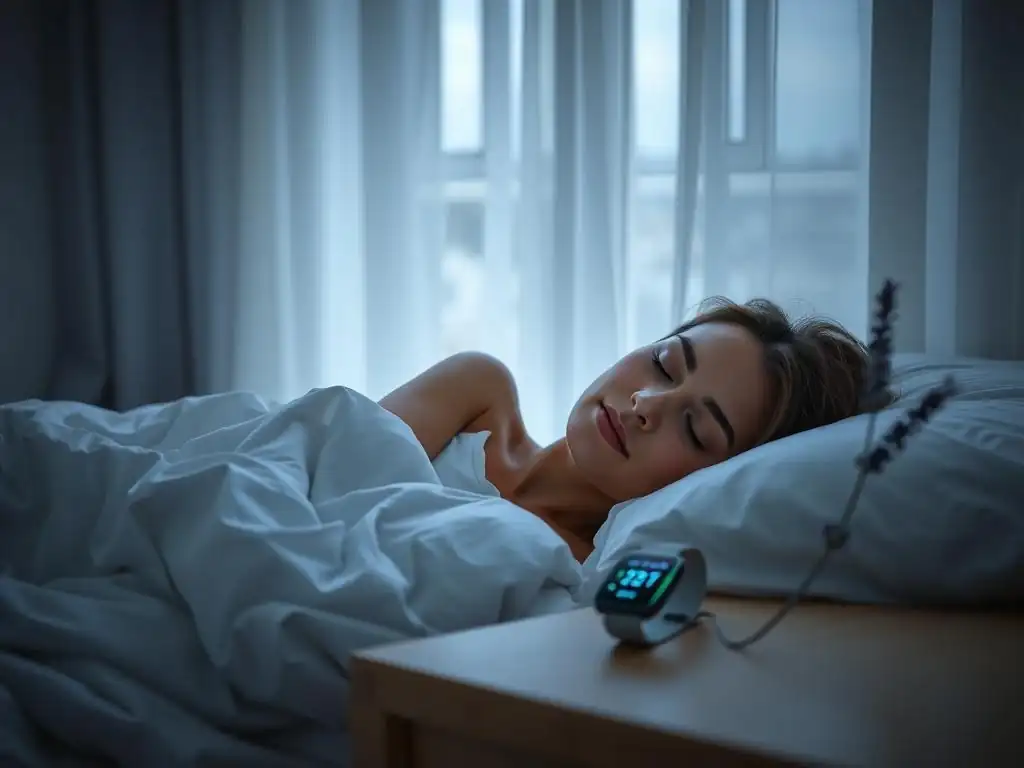
Welcome to Mind Care Guide, a sanctuary dedicated to your mental well-being. Feeling lost in the frustrating cycle of sleepless nights? You're not alone. Dive into our insightful exploration of using sleep tracker insights to conquer insomnia and cultivate mental calm. Uncover how wearable tech, when understood and applied effectively, can become a powerful ally on your journey to restful sleep and a more peaceful mind. What if the key to unlocking a better tomorrow lies in the data you're already collecting? Let's explore...
Using Sleep Tracker Insights to Conquer Insomnia and Improve Rest for Mental Calm
Insomnia, the persistent difficulty with sleep initiation, duration, consolidation, or quality, affects millions and significantly impacts daily functioning and overall wellbeing. This struggle with sleep is deeply intertwined with mental health, creating a challenging cycle that can be hard to break.
Seeking effective strategies for improving rest is not just about feeling less tired; it's a crucial step towards achieving mental calm and resilience. Sleep trackers offer a modern, data-driven approach to understanding and addressing sleep issues like insomnia, providing objective insights that can complement traditional methods and empower individuals on their journey to better rest and improved mental health.
Navigating the complexities of sleep deprivation and its effects on the mind requires tools that offer clarity and actionable information. This is where sleep trackers come into play, moving beyond subjective feelings of fatigue to provide concrete data on sleep patterns. By tracking metrics such as sleep duration, sleep stages, and sleep disruptions, these devices can help pinpoint specific issues contributing to insomnia. Understanding these patterns is the first step in developing targeted strategies to improve sleep quality, ultimately fostering greater mental calm.
- Understanding Insomnia and the Quest for Mental Calm: How Sleep Trackers Can Help
- Choosing the Right Sleep Tracker for Insomnia: A Comparative Guide
- Using Sleep Tracker Data to Identify Insomnia Triggers and Improve Sleep Hygiene
- Advanced Strategies for Conquering Insomnia with Sleep Trackers and Related Products
- Beyond Sleep Trackers: Other Tools for Mental Calm and Insomnia Relief
- Achieving Long-Term Mental Calm and Better Sleep: A Holistic Approach
-
Frequently Asked Questions
- How can a sleep tracker help me if I have insomnia?
- What specific sleep metrics should I focus on when using a sleep tracker for insomnia?
- Can a sleep tracker actually cure my insomnia?
- Are all sleep trackers equally effective for managing insomnia?
- Beyond sleep tracking, what other strategies can promote mental calm and improve sleep for those with insomnia?
- Final Reflection: Unlocking the Power of Rest for a Calmer Mind
- Unlock Your Best Rest: Start Sleeping Smarter Today!
Understanding Insomnia and the Quest for Mental Calm: How Sleep Trackers Can Help
The Vicious Cycle of Insomnia and Mental Health: Why Quality Sleep Matters
Insomnia and poor mental health are often locked in a bidirectional relationship, each exacerbating the other. Studies consistently show that individuals struggling with conditions like anxiety disorders, depression, and bipolar disorder are significantly more likely to experience insomnia. For example, research indicates that approximately 75% of individuals with depression also report symptoms of insomnia.
Conversely, chronic sleep deprivation can intensify negative mood states, increase irritability, reduce cognitive function, and even heighten the risk of developing mental health conditions over time. This creates a vicious cycle where worry about not sleeping (sleep anxiety) makes it even harder to fall asleep, leading to more sleep deprivation and further worsening mental distress.
Quality sleep is essential for numerous physiological and psychological processes, including emotional regulation, memory consolidation, and stress management. During deep sleep, the brain processes emotional experiences, helping to regulate mood and reduce reactivity to stress. Lack of sufficient deep or REM sleep, common in insomnia, can impair these processes, making individuals more vulnerable to emotional swings and difficulty coping with daily stressors.
Therefore, prioritizing quality sleep is not merely a physical necessity but a fundamental component of maintaining mental calm and overall psychological resilience. Understanding this connection is key to appreciating the value of tools like sleep trackers in breaking the insomnia-mental health cycle.
Introducing Sleep Trackers: A Data-Driven Approach to Beating Insomnia
Sleep trackers are wearable devices or under-mattress mats designed to monitor various physiological signals and movements during sleep. Unlike simply estimating sleep duration based on time in bed, these devices use sensors like accelerometers, heart rate monitors, and sometimes even microphones or pressure plates to gather more detailed data.
This data is then analyzed by accompanying apps to provide insights into sleep architecture – how much time is spent in different sleep stages like light sleep, deep sleep, and REM sleep – as well as metrics like sleep latency (time to fall asleep), sleep efficiency (percentage of time in bed spent asleep), awakenings, and heart rate patterns throughout the night.
This data-driven approach offers an objective perspective on sleep patterns that subjective self-reporting often misses. Someone struggling with insomnia might feel like they barely slept, but a sleep tracker could reveal periods of light sleep they weren't aware of, or conversely, highlight significant time awake or frequent disruptions.
This objective data can be invaluable for identifying specific sleep issues, tracking the impact of lifestyle changes (like reducing caffeine or changing bedtime routines), and providing tangible evidence of progress. By offering a clearer picture of sleep habits, a sleep tracker helps individuals and potentially their healthcare providers understand the nature of their insomnia and develop more effective strategies tailored to their specific needs, fostering a path towards improved rest and mental calm.
Key Features to Look for in a Sleep Tracker for Insomnia Relief: Heart Rate Monitoring, Sleep Stage Tracking, and Ambient Sound Detection
When selecting a sleep tracker specifically to address insomnia and improve mental calm, certain features offer particularly valuable insights. Heart rate monitoring, especially resting heart rate and heart rate variability (HRV), can provide clues about autonomic nervous system activity. A consistently high resting heart rate during sleep might indicate stress or anxiety, common contributors to insomnia. Changes in HRV can reflect recovery status and stress levels, offering additional context about how well the body and mind are recovering overnight. Tracking these metrics can help identify physiological arousal that might impede sleep.
Accurate sleep stage tracking is another critical feature. Understanding how much time is spent in light, deep, and REM sleep is vital because each stage plays a different role in physical restoration and mental processing. Insomnia often involves fragmented sleep or reduced time in restorative deep sleep or dream-rich REM sleep.
A tracker that reliably differentiates these stages allows users to see if their perceived poor sleep aligns with actual time spent in these crucial phases and track improvements as they implement sleep hygiene or other strategies. Finally, ambient sound detection can identify external disturbances like traffic noise, snoring, or other sounds that might cause micro-arousals or awakenings, providing actionable data for optimizing the sleep environment. Together, these features provide a comprehensive picture of the sleep experience, empowering users to identify specific issues contributing to their insomnia and work towards better rest and enhanced mental calm.
Choosing the Right Sleep Tracker for Insomnia: A Comparative Guide
Selecting the ideal sleep tracker for managing insomnia and promoting mental calm depends on individual needs, preferences, and budget. Different devices offer varying levels of detail, form factors, and ecosystem integration. While many general fitness trackers include sleep tracking, some devices or systems are specifically designed for more in-depth sleep analysis. Considering factors like accuracy, comfort, data presentation, and additional features is crucial for making an informed choice that will genuinely support your journey towards better sleep.
Below, we compare a few popular options known for their sleep tracking capabilities, highlighting their strengths and weaknesses specifically from the perspective of someone seeking help with insomnia and improved mental wellbeing. This comparison aims to provide a starting point for understanding the landscape of sleep tracking technology and how different devices might fit into a strategy for conquering insomnia and fostering mental calm. The best tracker is one you'll use consistently and whose data you find helpful and understandable.
Sleep Tracker Comparison: Apple Watch Series 9 vs. Withings Sleep Analyzer vs. Polar Ignite 3
Apple Watch Series 9: Comprehensive Health and Sleep Monitoring for Insomnia Management
Pros: Advanced sleep stage tracking, blood oxygen monitoring, ECG app, integration with Apple Health for personalized insights.
Cons: Shorter battery life compared to other trackers, can be expensive.
Best for: Users integrated into the Apple ecosystem seeking comprehensive health and sleep tracking.
The Apple Watch Series 9 offers robust sleep tracking integrated within a comprehensive health monitoring platform. Utilizing its accelerometer and heart rate sensor, it estimates time spent in different sleep stages (Core, Deep, REM) and provides a sleep duration report.
The watch also monitors blood oxygen levels and can perform an ECG, offering additional health data that might be relevant to overall well-being impacting sleep. All data syncs seamlessly with the Apple Health app, allowing users to view trends over time and see how sleep correlates with other health metrics, potentially identifying patterns related to insomnia triggers or the impact of lifestyle changes on sleep quality and mental calm.
While its feature set is impressive, the Apple Watch's battery life typically requires daily or near-daily charging, which can be inconvenient for continuous overnight tracking. Its cost is also higher than many dedicated sleep trackers or less feature-rich wearables. However, for individuals already using an iPhone and invested in the Apple ecosystem, the convenience of having sleep tracking integrated with their other health and fitness data, including mindfulness and activity tracking which contribute to mental calm, makes it a compelling option for understanding and managing insomnia.
Withings Sleep Analyzer: Non-Invasive Sleep Monitoring for Mental Wellbeing
Pros: Contact-free sleep tracking, monitors heart rate and breathing disturbances, provides detailed sleep reports via the Health Mate app.
Cons: Limited activity tracking features, requires placement under the mattress.
Best for: Individuals prioritizing accurate and non-invasive sleep analysis without wearing a device.
The Withings Sleep Analyzer is a mat placed under the mattress, offering a completely contact-free way to track sleep. This is ideal for individuals who find wearing a watch or ring uncomfortable in bed, which can itself contribute to sleep anxiety or disruption. The mat uses pneumatic sensors to detect body movement, breathing patterns, and heart rate, providing detailed insights into sleep cycles, sleep duration, and interruptions. Crucially for insomnia, it also monitors breathing disturbances, which can be a significant factor in sleep quality and overall rest, potentially impacting mental calm.
Data from the Sleep Analyzer is sent to the Withings Health Mate app, which provides detailed sleep reports, a sleep score, and personalized coaching tips. While it excels at non-invasive, detailed sleep analysis, it lacks the activity tracking or integrated health features found in wearable devices. Its static placement under the mattress means it only tracks sleep in one bed. Despite these limitations, for someone whose primary goal is accurate, effortless overnight sleep monitoring to understand their insomnia patterns and improve sleep quality for better mental health, the Withings Sleep Analyzer offers a unique and effective solution.
Polar Ignite 3: Fitness-Focused Sleep Analysis for Insomnia Sufferers
Pros: Tracks sleep stages, sleep cycles, and sleep score, offers personalized sleep insights and FitSpark training guidance.
Cons: Less comprehensive health tracking compared to some competitors, primarily focused on fitness.
Best for: Users seeking a balance between fitness tracking and sleep analysis with personalized training recommendations.
The Polar Ignite 3 is a fitness watch that includes robust sleep tracking features, making it suitable for active individuals looking to understand how their activity and recovery impact their sleep. It utilizes Polar's Sleep Plus Stages™ tracking, which measures the amount and quality of time spent in each sleep stage (light, deep, REM) and calculates a nightly Sleep Score. This score provides a single metric summarizing sleep quality, recovery, and balance, offering an easy way to gauge the effectiveness of sleep efforts aimed at overcoming insomnia and improving mental calm.
Beyond basic tracking, the Ignite 3 offers nightly recharge analysis, which assesses how well your body recovered overnight, providing insights into the interplay between sleep and daytime stress or activity. It also integrates with the FitSpark™ training guide, offering personalized workout suggestions based on your readiness, which is partly determined by sleep and recovery data.
While strong in fitness and recovery analysis, it may not offer the same breadth of general health metrics (like ECG or advanced blood oxygen monitoring) as some competitors. However, for users who understand the importance of physical activity for mental well-being and want a tracker that connects their fitness journey with their sleep health to combat insomnia and enhance mental calm, the Polar Ignite 3 is a solid choice.
Factors to Consider When Selecting a Sleep Tracker: Accuracy, Comfort, and Data Interpretation
Beyond specific features and brand comparisons, several overarching factors should guide your choice of a sleep tracker for addressing insomnia and promoting mental calm. Accuracy is paramount; a tracker that provides unreliable data is worse than none at all. While no consumer sleep tracker is as precise as a clinical polysomnography study, look for devices from reputable brands with positive reviews regarding their sleep-tracking performance. Understand that different sensor types (accelerometers, heart rate, pressure mats) have varying strengths and weaknesses, but a good algorithm to interpret the raw data is key.
Comfort is another critical factor, particularly for individuals already struggling to relax and fall asleep. A bulky or irritating wearable device can be a source of discomfort and anxiety, potentially worsening insomnia. Consider whether a wrist-worn device, a ring, or a non-invasive mat under the mattress would be most comfortable for you.
Finally, the way the data is presented and interpreted in the accompanying app is crucial. Look for an app that provides clear, understandable reports, offers personalized insights or coaching based on your data, and helps you see trends over time. The goal is not just to collect data, but to use it to make informed decisions about your sleep habits, paving the way for improved rest and greater mental calm.
Using Sleep Tracker Data to Identify Insomnia Triggers and Improve Sleep Hygiene
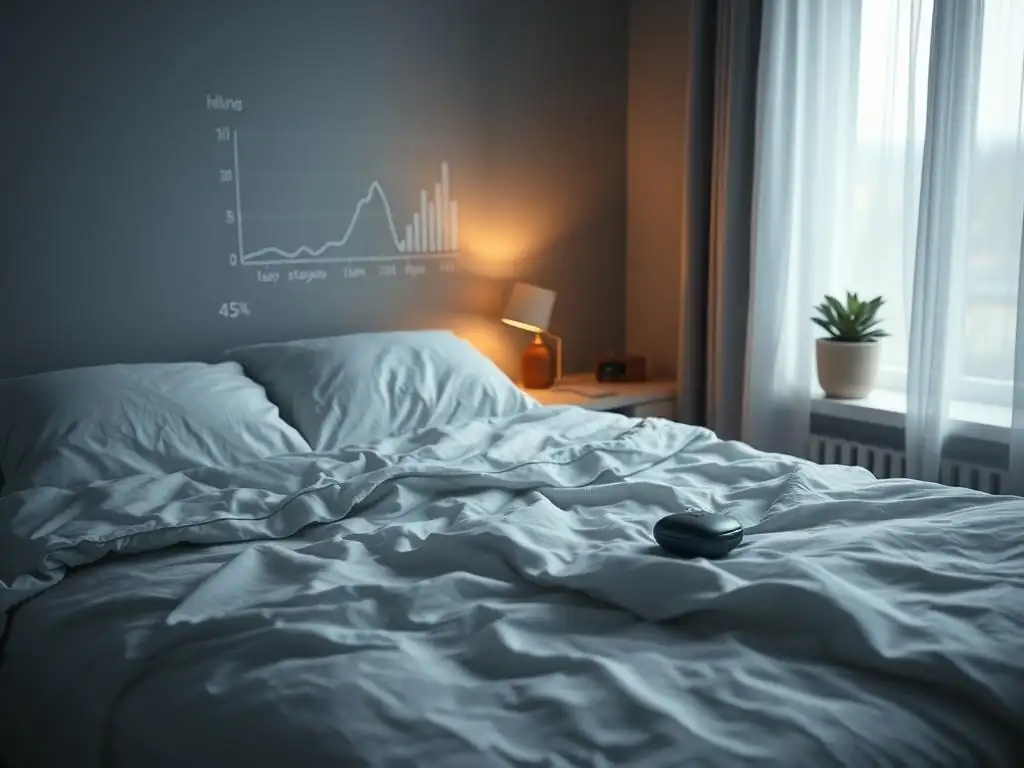
Collecting data with a sleep tracker is only the first step; the real value lies in interpreting that data to understand personal sleep patterns and identify potential triggers for insomnia. By consistently tracking your sleep, you can begin to correlate poor sleep nights with specific daytime activities, evening habits, or environmental factors. This objective insight, provided by the sleep tracker, allows for a more targeted approach to improving sleep hygiene and making lifestyle adjustments that can significantly impact sleep quality and, consequently, mental calm.
Analyzing the metrics provided by your sleep tracker can reveal patterns you might not have noticed through subjective observation alone. For instance, seeing a consistent pattern of increased time awake during the night or reduced deep sleep on certain days of the week might point to specific habits or stressors. Using this data to identify these links empowers you to implement effective strategies to mitigate these triggers and establish healthier sleep habits.
Decoding Your Sleep Data: Understanding Sleep Stages, Heart Rate Variability (HRV), and Sleep Scores
Understanding the different metrics provided by your sleep tracker is essential for gleaning actionable insights. Most trackers categorize sleep into stages: light sleep, deep sleep, and REM sleep. Light sleep is a transitional phase; deep sleep is crucial for physical restoration and growth hormone release; and REM sleep is vital for cognitive functions, memory consolidation, and emotional processing. Analyzing the duration and timing of these stages can reveal issues. For example, insufficient deep sleep might contribute to feeling physically unrested, while lack of REM sleep could impact mood and cognitive sharpness, both relevant to mental calm.
Heart Rate Variability (HRV), if tracked, measures the variation in time between heartbeats. It's an indicator of autonomic nervous system balance and can reflect stress levels and recovery. A lower HRV is often associated with stress, illness, or overtraining, while a higher HRV typically indicates better recovery and resilience.
Tracking HRV during sleep can show if your body and mind are truly relaxing and recovering overnight. Finally, many trackers provide a single "Sleep Score," which is a composite metric based on various factors like duration, quality, time in stages, and interruptions. While a simplified view, monitoring this score over time can provide a quick snapshot of overall sleep health and help track the impact of changes aimed at improving sleep and mental calm.
Identifying Insomnia Triggers: Stress, Caffeine, and Environmental Factors
Sleep tracker data can serve as an objective tool to help identify personal insomnia triggers. For instance, consistently high resting heart rate or increased time awake during the night might correlate with days experiencing significant stress or anxiety. By noting these correlations in a sleep diary alongside your tracker data, you can confirm suspicions about stress as a trigger and explore stress-reduction techniques. Similarly, tracking sleep after consuming caffeine or alcohol in the evening can reveal their disruptive effects, often showing increased awakenings or reduced deep sleep.
Environmental factors are also frequently highlighted by sleep data. If a tracker with ambient sound detection shows spikes corresponding with awakenings, it could indicate noise disturbances are impacting your sleep quality. Consistently restless sleep or multiple awakenings might also point to issues with bedroom temperature or light levels. By cross-referencing your sleep tracker insights with your daily habits and environment, you can pinpoint specific factors contributing to your insomnia and take targeted action to modify them, leading to more restful sleep and improved mental calm.
Implementing Sleep Hygiene Strategies Based on Tracker Insights: A Step-by-Step Guide
Once you've used your sleep tracker to identify potential triggers and patterns of poor sleep, the next step is to implement targeted sleep hygiene strategies. This involves making conscious changes to your habits and environment based on the objective data. For example, if your tracker consistently shows a late sleep onset and fragmented sleep on nights after you use electronic devices in bed, the data supports implementing a "digital sunset" before bedtime.
Here’s a task list for implementing sleep hygiene based on tracker insights:
- Review your sleep data weekly to identify recurring patterns (e.g., late bedtime, frequent awakenings, low deep sleep percentage).
- Correlate poor sleep nights with events or habits from the preceding day (e.g., late coffee, stressful meeting, heavy meal, late-night screen time).
- Based on identified correlations, select one or two specific sleep hygiene strategies to implement (e.g., setting a consistent bedtime, limiting caffeine after 2 PM, creating a quiet bedroom).
- Implement the chosen strategies consistently for at least one to two weeks.
- Continue tracking your sleep with the sleep tracker during this period.
- Review your sleep data again after the implementation period to see if the chosen strategies have positively impacted metrics like sleep latency, duration, or sleep score.
- Adjust or add new strategies based on the results shown by the data.
- Maintain consistent tracking and periodic review to reinforce positive habits and monitor long-term progress in conquering insomnia and improving mental calm.
Example: Using Sleep Data to Optimize Your Bedtime Routine
Let's say your sleep tracker data consistently shows that it takes you over 45 minutes to fall asleep on nights when you scroll through social media in bed right before turning off the light. On nights when you read a physical book or listen to calm music for 30 minutes before bed, your sleep latency is typically under 20 minutes. This clear pattern in the data provides objective evidence that pre-sleep screen time is a significant factor contributing to your difficulty falling asleep.
Based on this insight from your sleep tracker, you can optimize your bedtime routine by implementing a strict rule: no screens in the bedroom for at least 30 minutes before your target bedtime. You replace this time with a relaxing activity like reading or meditation. By continuing to use your sleep tracker, you can monitor if this change consistently reduces your sleep latency and improves your overall sleep efficiency, thereby directly using the data to improve your rest and support your mental calm.
Case Study: Sarah's experience with tracking caffeine intake and its impact on sleep latency.
Sarah, a 35-year-old marketing manager, struggled with insomnia, often taking over an hour to fall asleep. She used a wearable sleep tracker that monitored sleep latency and heart rate. After a few weeks of tracking, she noticed a pattern: on days she had her second cup of coffee after 3 PM, her sleep latency was significantly longer (averaging 70-80 minutes) compared to days she only had coffee in the morning (averaging 30-40 minutes). Her tracker also showed a slightly elevated resting heart rate during the early part of the night on those late-caffeine days.
Armed with this objective data from her sleep tracker, Sarah decided to limit her caffeine intake strictly to before noon. Within a week, her sleep tracker data showed a noticeable improvement in sleep latency, which consistently dropped to under 40 minutes. Over the next month, her average sleep latency decreased further, and her sleep score improved. This data-driven insight empowered Sarah to make a simple but effective change that directly addressed one of her insomnia triggers, leading to faster sleep onset, better overall rest, and a subsequent improvement in her daytime energy and mental calm.
While basic sleep hygiene is foundational, combining sleep tracker insights with more advanced strategies and complementary tools can further enhance efforts to conquer insomnia and improve mental calm. Sleep trackers can play a role in monitoring the effectiveness of these additional interventions, providing objective feedback on their impact on sleep quality. This integrated approach leverages technology and therapeutic techniques for a more comprehensive attack on persistent sleep issues.
Exploring options like cognitive behavioral therapy for insomnia (CBT-I), utilizing tools like white noise machines, and optimizing the sleep environment with smart technology can provide synergistic benefits when guided by the data from your sleep tracker. These strategies address different facets of insomnia, from the psychological components to environmental factors, all working together to create conditions conducive to restful sleep and enhanced mental well-being.
Combining Sleep Trackers with Cognitive Behavioral Therapy for Insomnia (CBT-I)
Cognitive Behavioral Therapy for Insomnia (CBT-I) is widely considered the gold standard non-pharmacological treatment for chronic insomnia. It involves identifying and changing negative thoughts and behaviors that contribute to sleep problems. CBT-I typically includes components like stimulus control (associating the bed only with sleep), sleep restriction (temporarily reducing time in bed to consolidate sleep), cognitive restructuring (challenging unhelpful beliefs about sleep), and relaxation techniques.
Sleep trackers can be a valuable adjunct to CBT-I. Therapists often ask patients to keep a sleep diary, which can be subject to recall bias. Objective data from a sleep tracker can provide a more accurate picture of sleep patterns, duration, and efficiency.
This data helps both the patient and therapist track progress during therapy, monitor adherence to behavioral recommendations (like time in bed during sleep restriction), and objectively demonstrate the effectiveness of CBT-I interventions. Seeing tangible improvement in sleep metrics on the tracker can also be highly motivating for individuals undergoing therapy, reinforcing positive changes and supporting their journey towards conquering insomnia and achieving mental calm.
Utilizing Sleep Trackers with White Noise Machines for Better Sleep Quality
Environmental noise is a common disruptor of sleep, potentially leading to awakenings or lighter, more fragmented sleep, which can worsen insomnia and impact mental calm. White noise machines produce a consistent sound that masks sudden noises, creating a more stable auditory environment conducive to sleep. While subjective experience is important, a sleep tracker with ambient sound detection can sometimes correlate noise events with sleep disturbances shown in the data (e.g., brief awakenings or shifts to lighter sleep stages).
Even without explicit sound detection, using a white noise machine can often lead to observable improvements in sleep tracker metrics for noise-sensitive individuals. For example, someone might see a reduction in the number of brief awakenings recorded by their tracker or an increase in their sleep efficiency after consistently using a white noise machine. By tracking these changes, individuals can objectively assess whether the white noise is effectively improving their sleep quality.
Recommended White Noise Machine: Marpac Dohm Classic Natural Sound Machine
The Marpac Dohm Classic Natural Sound Machine is a popular and long-standing recommendation. Unlike digital sound machines that loop recordings, the Dohm uses a physical fan to create its signature, non-looping white noise. This natural, calming sound is effective at masking disruptive noises without being distracting itself. Using the Dohm alongside a sleep tracker allows individuals to see if the introduction of consistent ambient sound helps consolidate their sleep, potentially reducing recorded awakenings or improving sleep efficiency metrics provided by the tracker, contributing to better rest and mental calm.
Optimizing Your Sleep Environment: The Role of Smart Lighting and Temperature Control
The bedroom environment plays a significant role in sleep quality. Factors like light exposure and temperature can either promote or hinder sleep. Too much light, especially blue light from electronic devices or bright room lights before bed, can suppress melatonin production, making it harder to fall asleep. An overly warm or cold room can also disrupt sleep. Smart home technology offers tools to optimize these environmental factors based on principles of sleep hygiene.
Smart lighting systems can be programmed to gradually dim in the evening, shifting to warmer, amber tones that are less suppressive of melatonin. Some systems can even simulate a sunrise in the morning for a gentler wake-up.
Smart thermostats or temperature control systems can maintain an optimal sleep temperature throughout the night, typically between 60-67°F (15-19°C) for most adults. While sleep trackers don't directly control these systems, they can help individuals see if these environmental adjustments are positively impacting their sleep metrics, such as sleep onset time, time awake during the night, or overall sleep score, providing objective evidence of their benefit in conquering insomnia and improving mental calm.
Smart Lighting Recommendation: Nanoleaf Shapes
Nanoleaf Shapes are modular smart LED panels that can be used to create ambient lighting. While often used for decorative purposes, they can be programmed within smart home ecosystems to support sleep hygiene. Users can set schedules to automatically dim the lights and change their color temperature to warm tones in the evening, signaling to the body that it's time to prepare for sleep.
They can also be set to turn off completely at bedtime. By integrating Nanoleaf Shapes into a pre-sleep routine and monitoring sleep tracker data, individuals can assess if the visual cues of winding down lighting contribute to faster sleep onset or improved sleep quality, aiding their fight against insomnia and pursuit of mental calm.
Beyond Sleep Trackers: Other Tools for Mental Calm and Insomnia Relief

While sleep trackers are valuable tools for understanding and improving sleep quality, they are part of a broader ecosystem of strategies and products that can support mental calm and alleviate insomnia. Addressing the psychological and physical factors that contribute to sleep difficulties often requires a multi-faceted approach. Incorporating mindfulness practices, utilizing calming aids, and ensuring overall well-being are crucial components of a holistic strategy for achieving restful sleep and a more peaceful state of mind.
Integrating tools that promote relaxation, reduce anxiety, and support overall mental health can significantly complement the data-driven insights provided by sleep trackers. These tools can help address some of the underlying issues that often co-occur with insomnia, creating a more conducive internal environment for sleep.
Meditation Apps: Complementing Sleep Tracker Data with Mindfulness Practices
Stress, anxiety, and a racing mind are major contributors to insomnia and can severely disrupt mental calm. Meditation and mindfulness practices are proven techniques for reducing stress, calming the nervous system, and quieting intrusive thoughts. While a sleep tracker provides objective data on the outcome of your night's sleep, a meditation app can provide tools to address the causes of sleep disturbance related to psychological arousal.
Using a meditation app regularly, especially as part of a pre-sleep routine, can help prepare the mind for rest. Some meditation apps offer guided meditations specifically designed for sleep. By incorporating these practices and simultaneously monitoring your sleep tracker data, you might observe improvements in metrics like time to fall asleep (sleep latency), time awake during the night, or even heart rate patterns, indicating a reduction in physiological stress response. This combination allows you to both practice calming techniques and objectively track their impact on your sleep quality, reinforcing positive habits for conquering insomnia and enhancing mental calm.
Recommended Meditation App: Headspace
Headspace is a widely popular meditation and mindfulness app offering a large library of guided meditations, including specific courses and single sessions focused on sleep. They provide sleepcasts (stories designed to help you drift off), sleep music, and guided wind-downs. Using Headspace's sleep tools can help quiet the mind and body before bed. By tracking your sleep with a sleep tracker while consistently using Headspace's sleep features, you can potentially see improvements in your sleep duration, efficiency, or time spent in deep sleep, providing objective validation of the benefits of mindfulness for combating insomnia and fostering mental calm.
Weighted Blankets: Promoting Relaxation and Reducing Anxiety for Better Sleep
Weighted blankets have gained popularity as a tool for promoting relaxation and reducing anxiety, both of which are significant barriers to falling and staying asleep for many individuals with insomnia. The even pressure distributed by a weighted blanket is thought to simulate deep pressure stimulation, which can increase the release of serotonin (a mood-boosting neurotransmitter) and melatonin (the sleep hormone), while decreasing cortisol (the stress hormone). This can create a sense of calm and security, making it easier to relax and fall asleep.
While a sleep tracker won't directly measure the feeling of calm from a weighted blanket, it can potentially show improvements in sleep metrics if the blanket helps reduce anxiety and improve relaxation. Users might observe a decrease in sleep latency (falling asleep faster), fewer recorded movements or awakenings during the night, or even a slight improvement in sleep efficiency or the perceived quality of sleep reflected in a sleep score.
Using a weighted blanket in conjunction with sleep tracking allows individuals to see if this physical aid contributes to more consolidated and restful sleep, supporting their efforts against insomnia and promoting overall mental calm.
Recommended Weighted Blanket: YnM Weighted Blanket
The YnM Weighted Blanket is a widely available and popular choice known for its range of sizes, weights, and cover options. It is filled with small glass beads distributed within quilted pockets to ensure even weight distribution.
Choosing a weight that is approximately 10% of your body weight is generally recommended. Integrating the use of a YnM Weighted Blanket into your nightly routine and simultaneously using a sleep tracker can help you evaluate its effectiveness in promoting relaxation and improving objective sleep metrics like sleep latency or awakenings, providing data to support its role in your strategy for conquering insomnia and enhancing mental calm.
Achieving Long-Term Mental Calm and Better Sleep: A Holistic Approach
Conquering insomnia and achieving lasting mental calm is rarely a quick fix; it requires a consistent, holistic approach that addresses multiple aspects of health and lifestyle. Sleep trackers provide invaluable insights as part of this journey, offering objective data to guide decisions and track progress. However, relying solely on a device is insufficient. Sustainable improvement comes from integrating sleep hygiene, mental health practices, physical activity, and knowing when to seek professional support.
Embracing a comprehensive view of well-being, where sleep is recognized as a pillar alongside nutrition, exercise, and emotional health, is key. By consistently applying lessons learned from sleep tracker data, maintaining healthy habits, and addressing underlying issues, individuals can build a strong foundation for long-term restful sleep and enduring mental calm.
Creating a Sustainable Sleep Improvement Plan: Consistency is Key
Based on the insights gathered from your sleep tracker, you can develop a personalized, sustainable sleep improvement plan. This plan should incorporate the sleep hygiene strategies that proved most effective for you (e.g., consistent bedtime/wake time, optimized bedroom environment, reduced evening caffeine/alcohol). Consistency in applying these strategies is paramount. Even on weekends, maintaining a relatively stable sleep schedule (within an hour or two of your weekday schedule) is crucial for regulating your body's internal clock (circadian rhythm).
Your sleep tracker can continue to be a valuable tool for monitoring adherence to your plan and tracking long-term trends. Small setbacks are normal, but the data can help you quickly identify when you're slipping back into old habits or when new stressors might be impacting your sleep. Regularly reviewing your sleep data – perhaps weekly or monthly – allows you to make minor adjustments to your plan as needed and provides motivation by showing objective evidence of the progress you've made in conquering insomnia and establishing patterns that support mental calm.
When to Seek Professional Help: Recognizing the Signs of Chronic Insomnia
While sleep trackers and lifestyle changes can significantly help many individuals, it's important to recognize when insomnia is chronic or severe and requires professional medical or psychological intervention. If you have consistently struggled to fall or stay asleep for three or more nights a week for three months or longer, even after implementing sleep hygiene strategies, it may be chronic insomnia. Other signs include significant daytime distress or impairment (fatigue, difficulty concentrating, mood disturbances) directly attributable to your sleep difficulties.
Sleep tracker data can be very useful to share with a healthcare provider or a sleep specialist. Objective data on sleep duration, efficiency, and awakenings can help them diagnose the specific nature of your sleep disorder and rule out other potential underlying medical conditions (like sleep apnea or restless legs syndrome) that a tracker might hint at (e.g., through breathing disturbance detection or excessive movement). A professional can provide tailored treatment, such as prescribed CBT-I or medication if necessary, offering expert guidance on your path to overcoming chronic insomnia and restoring mental calm.
Maintaining Mental Wellbeing: Integrating Sleep, Exercise, and Mindfulness for a Balanced Life
Achieving long-term mental calm is intrinsically linked to a balanced and healthy lifestyle, of which quality sleep is a fundamental part. While focusing on sleep to combat insomnia is essential, neglecting other aspects of well-being can undermine your progress. Regular physical activity, for example, is known to improve sleep quality and reduce symptoms of anxiety and depression. Aim for moderate exercise most days of the week, but avoid intense workouts close to bedtime.
Integrating mindfulness or relaxation practices, such as meditation or deep breathing exercises (potentially guided by an app like Headspace), into your daily routine can help manage stress and improve emotional regulation, directly supporting both sleep and mental calm. Paying attention to nutrition, maintaining social connections, and engaging in enjoyable activities also contribute to overall resilience. By viewing sleep improvement, exercise, and mindfulness not as isolated efforts but as interconnected components of a balanced life, you build a robust foundation for sustained mental wellbeing and truly conquer insomnia for enduring rest and peace of mind.
Frequently Asked Questions
How can a sleep tracker help me if I have insomnia?
A sleep tracker can provide valuable data about your sleep patterns, like how long it takes you to fall asleep and how much time you spend in different sleep stages. This information can help identify potential sleep disruptors contributing to your insomnia.
What specific sleep metrics should I focus on when using a sleep tracker for insomnia?
Pay close attention to metrics like sleep latency (time to fall asleep), total sleep time, wake after sleep onset (WASO), and sleep efficiency (percentage of time in bed actually sleeping). Monitoring these metrics will reveal specific areas to target for improvement to achieve a mental calm
Can a sleep tracker actually cure my insomnia?
No, a sleep tracker is primarily a tool for data collection and self-awareness. It helps you understand your sleep patterns, but it doesn't directly cure insomnia. You may still need to consult a healthcare professional for comprehensive treatment.
Are all sleep trackers equally effective for managing insomnia?
No, the accuracy and features of sleep trackers can vary. Consider trackers with validated accuracy and features like sleep stage tracking, heart rate monitoring, and the ability to track sleep environments.
Beyond sleep tracking, what other strategies can promote mental calm and improve sleep for those with insomnia?
Practicing mindfulness techniques, establishing a consistent sleep schedule, and creating a relaxing bedtime routine can all contribute to a mental calm and better sleep alongside using a sleep tracker.
Final Reflection: Unlocking the Power of Rest for a Calmer Mind
The pursuit of restful sleep is no longer a luxury; it's a fundamental necessity for navigating the stresses of modern life. Our increasingly demanding world often leaves us feeling overwhelmed, and the impact on our sleep – and consequently, our mental well-being – is undeniable. This article explored how leveraging the insights of sleep trackers can empower us to take control of our sleep hygiene and cultivate a more peaceful, calmer existence.
The journey to understanding and improving our sleep is deeply personal, a process of self-discovery and mindful adjustment. The data provided by sleep trackers offers a window into our sleep patterns, revealing hidden habits and potential disruptions we might otherwise overlook. This awareness is transformative. Sleep is the golden chain that ties health and our bodies together.
– Thomas Dekker. This quote highlights the interconnectedness of sleep, physical health, and mental well-being, a connection that sleep trackers help us actively manage and improve.
Now, consider your own sleep patterns. What insights have you gained from this article? Perhaps it's time to explore the use of a sleep tracker, or maybe you've identified a specific sleep hygiene habit you can adjust. Take the first step towards a more restful and calm existence. Invest in your sleep, and watch as your mental clarity and overall well-being flourish. The journey to better sleep is a journey to a calmer, more fulfilling you.
Unlock Your Best Rest: Start Sleeping Smarter Today!
Thanks for taking the time to explore the power of sleep tracking! You've now learned valuable insights into improving your sleep quality and mental well-being. Ready to put this knowledge into action?
- Prioritize your sleep hygiene: Identify one small, achievable change from the article (e.g., consistent bedtime, screen-free hour) and commit to it for the next week. Track your progress!
- Experiment with different sleep tracking methods: Try a different app or technique than what you currently use. See if it provides new perspectives on your sleep patterns.
- Share your sleep journey: Discuss your experiences and challenges with sleep in the comments below – let's build a supportive community!
What small adjustment to your sleep routine will you make first, and why?