
Nature as Your SelfCare Tool: Simple Ways to Recharge Outdoors

Welcome to Mind Care Guide.
Feeling overwhelmed and disconnected? You're not alone. We understand the daily grind can take its toll. That's why we're here to guide you towards simple yet powerful ways to reclaim your inner peace. Dive into our latest article, " Nature as Your SelfCare Tool: Simple Ways to Recharge Outdoors," and discover how the natural world can become your personal sanctuary. Could a simple walk in the woods be the key to unlocking a calmer, more centered you? Let's explore the profound impact of nature selfcare outdoor recharge and uncover how easily you can incorporate it into your daily routine.
Nature as Your Self-Care Tool: Simple Ways to Recharge Outdoors
- Introduction: Unlocking Mental Wellness with Nature's Embrace
- Understanding the Connection: Nature, Stress Reduction, and Mental Health
-
Simple Outdoor Self-Care Activities for Mental Rejuvenation
- Mindful Walking in Nature: A Simple Technique for Stress Relief
- Forest Bathing (Shinrin-Yoku): Immerse Yourself in Nature's Healing Atmosphere
- Gardening and Plant Care: Nurturing Nature, Nurturing Yourself
- Outdoor Meditation and Mindfulness Practices
- Nature Photography: Capturing Beauty and Finding Inner Peace
- Creating Your Outdoor Recharge Routine: Tips and Strategies
- Overcoming Barriers to Outdoor Recharge: Practical Solutions
- Nature's Self-Care: Enhancing Creativity and Inspiration Outdoors
- Conclusion: Embrace Nature for Sustainable Mental Well-being
-
Frequently Asked Questions
- How can spending time in nature improve my mental well-being?
- What are some simple outdoor activities I can do to recharge?
- How often should I engage in nature-based selfcare activities?
- What if I live in an urban area with limited access to nature?
- Are there any specific mental health conditions that benefit from spending time in nature?
- Final Reflection: Reconnecting with Nature, Reconnecting with Ourselves
- Unleash Your Inner Calm: Take Nature's Healing Embrace
Introduction: Unlocking Mental Wellness with Nature's Embrace
The Power of Nature for Mental Well-being: An Overview
The modern world often pulls us away from natural environments, immersing us instead in concrete jungles and digital screens. However, reconnecting with the natural world holds profound potential for enhancing mental well-being. This connection, sometimes referred to as "nature therapy" or "green exercise," isn't just a pleasant pastime; it's a powerful, accessible form of self-care supported by a growing body of research.
Embracing nature as a selfcare tool means actively seeking out natural spaces – parks, forests, beaches, or even just a quiet backyard – to intentionally improve mood, reduce stress, and boost overall psychological health. It's about recognizing that our innate connection to nature, known as biophilia, is essential for thriving.
Engaging in nature selfcare outdoor recharge doesn't require grand expeditions or expensive gear. Simple acts, like sitting by a tree, observing clouds, or feeling the earth beneath your feet, can initiate a positive shift in your mental state. These moments allow the nervous system to calm, providing a much-needed respite from the constant demands of daily life.
Studies indicate that even brief exposures to nature can yield significant benefits, such as decreased rumination and improved attention capacity. Integrating nature into a regular self-care routine offers a sustainable path towards greater resilience and emotional balance, making it a fundamental practice for anyone seeking to nurture their mind.
Why Outdoor Recharge is Essential for Modern Life
In an era marked by high stress levels, increased screen time, and urban density, finding effective ways to disconnect and recharge is more critical than ever. The constant influx of information and stimulation can lead to mental fatigue, burnout, and a feeling of being perpetually overwhelmed. Outdoor recharge activities provide a vital counterbalance to these pressures. They offer a physical and psychological separation from stressors, allowing the mind to rest and reset in environments that are inherently calming and restorative. This isn't merely about escaping; it's about actively engaging in environments proven to support cognitive function and emotional regulation.
Prioritizing outdoor recharge helps combat the negative effects of sedentary lifestyles and prolonged indoor confinement. It encourages physical movement, which in itself is beneficial for mental health, while simultaneously exposing us to natural light and fresh air. This combination is particularly potent for improving sleep patterns and regulating circadian rhythms, both of which are foundational to good mental health. Making time for nature selfcare outdoor recharge is an investment in your personal resilience, equipping you with a powerful strategy to navigate the complexities of modern life with greater ease and presence.
Understanding the Connection: Nature, Stress Reduction, and Mental Health
How Nature Lowers Stress Hormones (Cortisol)
One of the most well-documented benefits of engaging with nature is its direct impact on physiological stress responses. When we experience stress, our bodies release hormones like cortisol, often referred to as the "stress hormone." Chronic elevation of cortisol is linked to numerous health problems, including anxiety, depression, sleep disturbances, and weakened immune function.
Spending time in natural environments has been shown to effectively lower cortisol levels. Research, including studies conducted in various countries, has consistently demonstrated that exposure to green spaces, even for short periods like 20-30 minutes, can lead to a significant reduction in these stress markers compared to spending the same time in urban settings.
This reduction in cortisol is believed to be a key mechanism through which nature promotes relaxation and recovery. The calming sensory input from nature – the sounds of birds, the rustling of leaves, the scent of damp earth – seems to signal to the nervous system that it is safe to relax.
Furthermore, the absence of the constant alarms and demands typical of urban environments allows the body to shift from a "fight or flight" response to a more restful state. Incorporating regular nature selfcare outdoor recharge into your routine provides a natural and potent antidote to chronic stress, fostering a healthier hormonal balance.
The Psychological Benefits of Spending Time Outdoors
Beyond physiological changes, spending time outdoors offers a wealth of psychological benefits. It can significantly improve mood, increase feelings of happiness, and reduce symptoms of depression and anxiety. The sense of awe and wonder that nature often inspires can shift perspective, making personal problems feel less overwhelming. Being in nature encourages a state of mindfulness, drawing attention to the present moment through sensory engagement – noticing textures, colors, sounds, and smells. This present-moment awareness helps quiet the incessant mental chatter that often fuels worry and rumination.
Moreover, time spent outdoors can enhance feelings of vitality and energy. Instead of feeling drained, many people report feeling refreshed and invigorated after being in nature. This psychological lift contributes to greater resilience and a more positive outlook on life. Engaging in nature selfcare outdoor recharge provides an opportunity to step away from internal pressures and external expectations, allowing for a sense of freedom and spaciousness that is deeply restorative for the mind.
Nature's Impact on Mood and Cognitive Function
Nature has a remarkable ability to positively influence both our emotional state and our cognitive abilities. Numerous studies have linked exposure to natural environments with improvements in mood, often reporting reductions in feelings of anger, fatigue, and sadness, while increasing feelings of calmness and contentment. This mood enhancement is thought to be partly due to the release of feel-good neurochemicals, but also to the restorative effect nature has on the brain's attention systems. Unlike the directed attention required by complex tasks or urban environments, nature engages our involuntary attention, allowing the directed attention system to rest and recover.
This restorative process leads to improved cognitive function, including enhanced concentration, problem-solving skills, and creativity. After spending time in nature, people often perform better on tasks requiring focus and show greater capacity for creative thinking. For example, research has shown that a walk in a natural setting can significantly improve performance on memory and attention tests compared to a walk in an urban environment. Making nature selfcare outdoor recharge a regular practice can therefore not only lift your spirits but also sharpen your mind, making you more effective and resilient in daily tasks.
Simple Outdoor Self-Care Activities for Mental Rejuvenation
Mindful Walking in Nature: A Simple Technique for Stress Relief
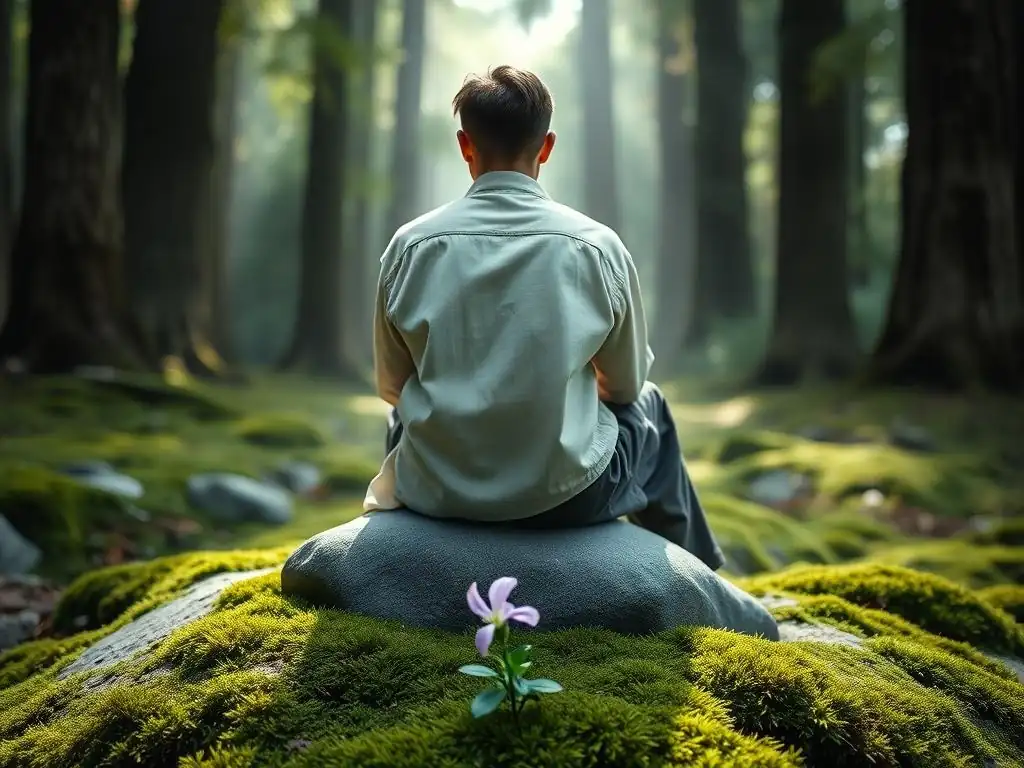
Mindful walking is one of the most accessible forms of nature self-care, requiring little more than comfortable shoes and a willingness to be present. Instead of rushing through a walk, this technique involves deliberately engaging your senses and paying attention to your surroundings without judgment.
Notice the feel of the ground beneath your feet, the temperature of the air on your skin, the sounds of nature (birds, wind in trees), and the sights (colors of leaves, patterns in bark, movement of water). This practice anchors you in the present moment, diverting attention away from stressful thoughts about the past or future.
To practice mindful walking, find a natural space – a park, a trail, or even a tree-lined street. Begin by taking a few deep breaths to center yourself. As you walk, gently bring your awareness to your breath and the sensation of walking. Then, expand your awareness to include your surroundings, noticing details you might normally overlook. If your mind wanders, gently guide it back to your senses and the environment. Even 15-20 minutes of mindful walking can significantly reduce feelings of stress and promote a sense of calm.
Forest Bathing (Shinrin-Yoku): Immerse Yourself in Nature's Healing Atmosphere
Forest bathing, or Shinrin-Yoku, is a Japanese practice that translates literally to "taking in the forest atmosphere." It's not about hiking or strenuous exercise, but rather about slow, sensory immersion in a forest environment. The core idea is to connect with nature through all five senses in a mindful way. This can involve simply sitting quietly, walking slowly and aimlessly, touching leaves or bark, breathing deeply the forest air, or listening intently to natural sounds. The practice is deeply rooted in the understanding that being present in a forest can have significant therapeutic effects.
Research on Shinrin-Yoku has shown measurable physiological benefits, including reduced blood pressure, lower heart rate, and decreased stress hormones. It's believed that inhaling phytoncides, antimicrobial volatile organic compounds emitted by trees, plays a role in boosting immune function (specifically increasing natural killer (NK) cell activity) and reducing stress. Practicing forest bathing involves slowing down, leaving distractions like phones behind, and allowing yourself to simply be in the forest. It’s a profound way to experience nature selfcare outdoor recharge on a deeper level.
Gardening and Plant Care: Nurturing Nature, Nurturing Yourself
Engaging in gardening or even simple plant care offers a tangible and rewarding way to connect with nature and practice self-care. The act of working with soil, planting seeds, tending to growing plants, and harvesting produce provides a sense of purpose and accomplishment. This activity grounds you in the present moment, requiring focus and patient attention. It's a gentle form of physical activity that connects you directly to the cycles of life and growth, which can be incredibly soothing and perspective-shifting.
Gardening has been linked to reduced symptoms of depression and anxiety, improved mood, and increased feelings of satisfaction. The presence of plants, whether indoors or out, has been shown to lower stress levels and improve concentration. Even if you don't have a large garden, caring for a few potted plants on a balcony or windowsill can provide some of these benefits. The tactile experience of working with earth and plants, combined with the visual reward of seeing things grow, makes gardening a powerful and nurturing form of nature selfcare outdoor recharge.
Outdoor Meditation and Mindfulness Practices
Taking your meditation or mindfulness practice outdoors can significantly enhance its benefits by combining the power of stillness with the restorative qualities of nature. Finding a quiet spot in a park, by a body of water, or under a tree provides a naturally calming environment conducive to meditation. The sounds of nature can serve as a gentle anchor for your attention, replacing potentially distracting urban noise. The fresh air and natural light can also deepen relaxation and heighten sensory awareness.
Whether you follow a guided meditation or simply sit in quiet contemplation, being outdoors adds another dimension to the practice. You might focus on the feeling of the ground beneath you, the breeze on your skin, or the vastness of the sky. This integration of nature amplifies the stress-reducing and mind-calming effects of meditation, making your outdoor recharge time even more potent. Simple exercises like focusing on your breath while observing a single leaf or cloud can be powerful mindfulness moments.
Nature Photography: Capturing Beauty and Finding Inner Peace
Nature photography offers a creative and focused way to engage with the natural world, fostering mindfulness and appreciation for beauty. The act of searching for interesting subjects, composing a shot, and paying close attention to light, color, and detail requires you to slow down and observe your surroundings with heightened awareness. This process naturally draws your attention away from internal worries and towards the external environment, promoting a state of flow and presence.
You don't need expensive equipment; even a smartphone camera can be used to capture the intricate patterns of a leaf, the vibrant colors of a flower, or the play of light through trees. The focus required for photography helps quiet the mind and encourages a deeper appreciation for the subtle wonders of nature. Reviewing the photographs later can also serve as a reminder of the peaceful moments spent outdoors, extending the positive effects of your nature selfcare outdoor recharge. This activity combines creative expression with mindful observation, making it a particularly enriching self-care practice.
Creating Your Outdoor Recharge Routine: Tips and Strategies
Identifying Your Ideal Nature Setting: Prioritizing Accessibility and Personal Preference
Creating a sustainable outdoor recharge routine begins with identifying the types of natural environments that resonate most with you and are realistically accessible. Do you feel most at peace by water (lakes, rivers, coastlines), in dense forests, open fields, or perhaps just a small, quiet park? Consider what sensory experiences you find most soothing or invigorating. Some people crave the sounds of birds and rustling leaves, while others prefer the expansive views of open landscapes.
Accessibility is key to making nature self-care a regular habit. Identify green spaces near your home, work, or frequent routes. Even a well-maintained public park with mature trees and some green space can offer significant benefits. Prioritize locations that you can reach easily, even if you only have 20-30 minutes to spare. Having a few go-to spots that you enjoy increases the likelihood that you'll actually make time for your outdoor recharge.
Scheduling Regular Outdoor Time: Making Nature a Priority
Just like any other important self-care activity, making time for nature requires intentional scheduling. Don't leave your outdoor recharge to chance; block out specific times in your calendar, even if they are short intervals. Consistency is more important than duration when building a new habit. Aim for realistic goals, such as 20 minutes in a park during lunch break, a 30-minute walk after work, or a longer outing on a weekend morning.
Treat these scheduled times as non-negotiable appointments for your well-being. Consider setting reminders on your phone or integrating outdoor time into existing routines (e.g., walking part of your commute through a park). Making nature a priority means recognizing its value for your mental health and committing to nurturing that connection regularly. A consistent pattern of nature selfcare outdoor recharge yields cumulative benefits for stress reduction and mood enhancement.
Minimizing Distractions: Disconnecting to Reconnect with Nature
To truly benefit from outdoor recharge, it's important to minimize distractions, particularly digital ones. While it might be tempting to scroll through social media or check emails, these activities keep your mind tethered to the sources of stress you're trying to escape. Consider leaving your phone on silent in your pocket, using it only for emergencies or navigation if needed, or even leaving it behind entirely for short periods.
The goal is to allow your attention to shift from screens and tasks to the natural environment. Engage your senses, observe the details, and allow your mind to wander freely without the constant interruptions of notifications. Disconnecting from technology, even briefly, allows for a deeper reconnection with yourself and the natural world around you. This focused presence enhances the restorative power of your nature selfcare outdoor recharge session.
Combining Outdoor Activities with Other Self-Care Practices
Enhance the benefits of your outdoor time by combining it with other self-care practices you enjoy. This could involve listening to calming music or a podcast while walking (though mindful walking encourages focus on natural sounds), practicing yoga or stretching in a quiet outdoor spot, reading a book under a tree, or journaling about your observations and feelings while sitting in nature.
Combining activities leverages the positive effects of both. For example, the physical activity of walking supports mood, while being in nature amplifies relaxation. Meditation practiced outdoors can feel more grounded and peaceful. Experiment with different combinations to find what works best for you and makes your nature selfcare outdoor recharge time feel most nourishing and enjoyable.
Overcoming Barriers to Outdoor Recharge: Practical Solutions

Addressing Time Constraints: Utilizing Micro-Doses of Nature
One of the most common barriers to outdoor recharge is a perceived lack of time. However, research suggests that even very short exposures to nature can be beneficial. Aim for "micro-doses" of nature throughout your day. This could be:
- Spending 5 minutes standing by an open window looking at trees.
- Taking a 10-minute walk around the block during a work break.
- Eating your lunch outside in a park or courtyard.
- Simply stepping outside for a few deep breaths and observing the sky.
Focus on incorporating nature into the interstitial moments of your day rather than needing large blocks of time. Even these brief connections can help lower stress and improve mood, demonstrating that significant nature selfcare outdoor recharge benefits are achievable even with limited time.
Dealing with Weather Conditions: Adapting Activities and Gear
Weather can certainly pose a challenge, but it doesn't have to be a complete barrier to outdoor recharge. Adapt your activities and ensure you have appropriate gear.
- Cold/Rain: Dress in layers, wear waterproof shoes and jackets. A walk in crisp air or gentle rain can be invigorating and peaceful. Find covered porches or park shelters for brief moments of observation.
- Heat: Seek shade in wooded areas, visit parks with water features, go out earlier in the morning or later in the evening. Carry water to stay hydrated.
- Wind: Find sheltered spots, like valleys or areas behind buildings or dense trees.
Embracing nature in all its forms, even less-than-ideal weather, can build resilience and deepen your connection. Often, being outside in slightly challenging weather can feel particularly refreshing and empowering. Don't let imperfect conditions prevent your nature selfcare outdoor recharge.
Managing Safety Concerns: Prioritizing Awareness and Precautions
Safety is a valid concern when spending time outdoors, but with awareness and simple precautions, it can be effectively managed.
- Know your location: Familiarize yourself with the area, including trail conditions and potential hazards.
- Inform someone: Let a friend or family member know where you are going and when you expect to return, especially for longer outings.
- Stay on marked paths: This reduces the risk of getting lost or encountering unexpected obstacles.
- Be aware of wildlife: Learn about local animals and how to behave if you encounter them. Make noise while walking in areas known for larger animals.
- Check weather forecasts: Avoid going out during severe weather warnings.
- Consider company: If you feel safer, invite a friend or join a local walking group.
Taking these steps allows you to relax and immerse yourself in nature selfcare outdoor recharge with greater peace of mind, ensuring your experience is positive and safe.
Nature's Self-Care: Enhancing Creativity and Inspiration Outdoors
Finding Inspiration in Natural Environments
Nature has long been a muse for artists, writers, and thinkers across disciplines. The complexity, patterns, and sheer beauty found in natural environments can stimulate the imagination and spark new ideas. Observing the intricate structure of a spiderweb, the vibrant colors of a sunset, or the chaotic yet harmonious growth of a forest can break through creative blocks and offer fresh perspectives. The absence of artificial distractions in nature allows the mind to wander freely, making connections it might not make in a structured or busy indoor setting.
Spending time outdoors provides novel sensory input that can shake up routine thought patterns. The changing light, the variety of textures, and the diversity of life forms offer endless sources of inspiration. Simply sitting and observing, sketching what you see, or writing down thoughts and feelings that arise can tap into this wellspring of creativity. Incorporating nature selfcare outdoor recharge specifically with the intention of seeking inspiration can be a powerful practice for anyone involved in creative work or problem-solving.
Nature as a Source of Creative Problem-Solving
Beyond just inspiration, nature can actively aid in creative problem-solving. The Attention Restoration Theory suggests that nature helps replenish directed attention, the type of focus needed for complex tasks and problem-solving. When this attention is fatigued by demanding work, our ability to think clearly and creatively diminishes. By allowing the directed attention system to rest, nature primes the mind for better cognitive performance.
Furthermore, the relaxed state induced by being in nature can facilitate divergent thinking, the process of generating multiple unique solutions to a problem. Stepping away from the problem environment and into a natural setting can provide the necessary mental space for insights to emerge. Many people report having "aha!" moments or finding solutions to challenges while taking a walk in nature. Using nature selfcare outdoor recharge as a deliberate strategy for brainstorming or tackling difficult problems leverages its proven cognitive benefits.
Conclusion: Embrace Nature for Sustainable Mental Well-being
Making Nature a Lifelong Self-Care Habit
Integrating nature into your life is not a one-time fix but a continuous practice that offers cumulative benefits for mental well-being. By starting with small, manageable steps – a short walk in a park, mindful observation from a window, or caring for a houseplant – you can gradually build a lifelong habit of nature self-care. Consistency is key; aim to spend time in nature regularly, even if it's only for brief periods. As you experience the positive effects firsthand, the motivation to continue will naturally grow.
Make it easy for yourself by identifying accessible locations and scheduling time in your routine. View nature selfcare outdoor recharge not as a luxury, but as a fundamental component of maintaining your mental health, much like healthy eating or exercise. Over time, this habit will become a natural and indispensable part of your life, providing a reliable source of peace, energy, and resilience.
The Long-Term Benefits of Outdoor Recharge for Mental Health
The long-term benefits of consistent outdoor recharge for mental health are significant and far-reaching. Regular exposure to nature is associated with a lower risk of developing mental health conditions like depression and anxiety. It fosters emotional regulation, enhances coping skills, and increases overall life satisfaction. Studies tracking individuals over time have shown that those who spend more time in green spaces tend to report higher levels of happiness and well-being.
Beyond reducing negative symptoms, nature helps cultivate positive psychological states, such as gratitude, awe, and a sense of connection to something larger than oneself. It builds resilience against stress and improves the ability to recover from challenging experiences. By committing to nature selfcare outdoor recharge as a regular practice, you are investing in your long-term mental vitality, creating a foundation for a more balanced, peaceful, and fulfilling life.
Frequently Asked Questions
How can spending time in nature improve my mental well-being?
Spending time in nature has been shown to reduce stress, improve mood, and enhance cognitive function. It provides a natural escape from daily pressures and promotes relaxation and mental clarity. This is a key component of nature selfcare.
What are some simple outdoor activities I can do to recharge?
Simple outdoor activities include going for a walk, sitting in a park, gardening, or simply observing nature. These activities offer a sensory experience and encourage mindfulness which is essential for an outdoor recharge.
How often should I engage in nature-based selfcare activities?
Even short periods of time in nature can be beneficial. Aim for at least 20-30 minutes a few times a week, or even daily if possible. Consistency is key to realizing the long-term benefits of nature selfcare.
What if I live in an urban area with limited access to nature?
Even in urban areas, you can find pockets of nature such as parks, gardens, or even trees lining the streets. Seek out these urban oases and incorporate them into your routine. You can also create a mini-garden on your balcony or windowsill for nature selfcare.
Are there any specific mental health conditions that benefit from spending time in nature?
Yes, studies have shown that spending time in nature can be particularly helpful for individuals with anxiety, depression, and ADHD. The calming and restorative effects of nature can alleviate symptoms and promote overall mental well-being for an outdoor recharge.
Final Reflection: Reconnecting with Nature, Reconnecting with Ourselves
The simple act of stepping outside, breathing fresh air, and immersing ourselves in nature is not merely a trend; it's a fundamental human need. Our increasingly digital lives often leave us feeling depleted and disconnected, highlighting the urgent necessity to prioritize our mental and physical well-being. This article explored practical ways to leverage the restorative power of the outdoors, reminding us that nature offers a readily available, potent antidote to the stresses of modern life.
The impact of nature on our emotional and psychological health is profound and undeniable. It's more than just a pleasant pastime; it's a vital component of a balanced life. The quiet contemplation of a forest, the invigorating energy of a hike, the calming presence of a flowing river – these experiences resonate deeply within us, fostering a sense of peace and rejuvenation. As Richard Louv so eloquently stated in his seminal work, Last Child in the Woods: Nature deficit disorder is not a clinical diagnosis, but it describes the human costs of alienation from nature.
This alienation, I believe, is a significant contributor to the widespread feelings of anxiety and burnout prevalent in our society today.
Now, consider your own relationship with the natural world. What small steps can you take to integrate more nature into your daily routine? Perhaps it's a short walk during your lunch break, a weekend hike in a nearby park, or simply taking a few moments each day to observe the beauty of the sky. Embrace the opportunity to reconnect with the natural world – it's an investment in your well-being that will yield immeasurable returns. Let the restorative power of nature nurture your soul, and discover the profound peace and rejuvenation that awaits you just beyond your doorstep.
Unleash Your Inner Calm: Take Nature's Healing Embrace
Thanks for taking the time to explore the power of nature for self-care! We hope you discovered some new ways to reconnect with the outdoors and recharge your mind and body. Ready to integrate these practices into your life?
- Prioritize a daily nature dose: Even 15 minutes spent outdoors can make a significant difference. Try a mindful walk, a quick meditation in a park, or simply sitting and observing your surroundings. This is your primary step toward a calmer you.
- Share your nature moments: Post a picture on social media of your favorite outdoor spot, using #NatureSelfCare and #MindCareGuide – let's inspire each other!
- Challenge yourself: Try a new outdoor activity this week—hiking, kayaking, gardening, or simply stargazing. What will you discover?
What simple nature ritual will you implement first to improve your well-being?