
Herbal Solutions for Everyday Stress: Effectiveness, Safety, and Practical Use

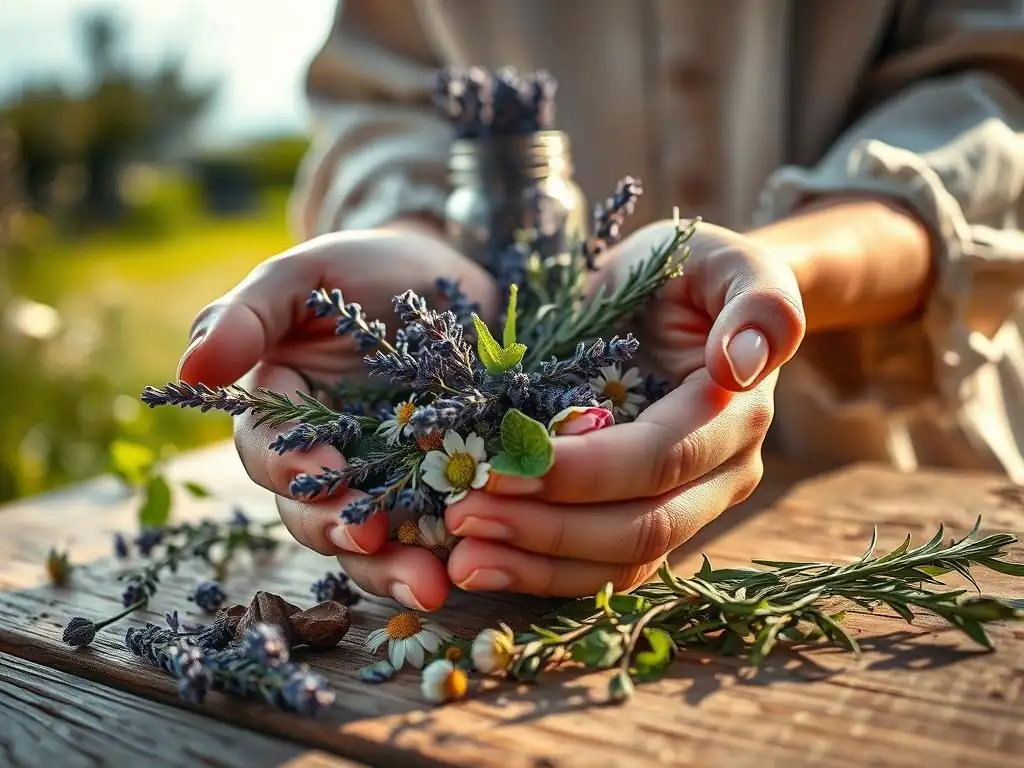
Welcome to Mind Care Guide, your trusted companion on the path to mental well-being. Feeling overwhelmed by the pressures of daily life? You're not alone. We understand the toll stress can take, and we're here to help you explore gentle, natural solutions. Discover how herbal remedies can reduce everyday stress, offering a pathway to calm and balance. Intrigued? Let's delve into the effectiveness, safety, and practical uses of these time-honored approaches.
- Introduction: Finding Calm with Herbal Remedies
- Understanding Stress and Its Impact on Mental Well-being
- How Herbal Remedies Can Reduce Everyday Stress: A Step-by-Step Guide
- Safety Considerations and Potential Side Effects of Herbal Stress Relief
- Real-Life Examples: How Herbal Remedies Helped Manage Stress
- Conclusion: Embracing Natural Solutions for Stress Management
- References and Further Reading
-
Frequently Asked Questions
- What are some common herbal remedies used to reduce everyday stress?
- Are herbal remedies a safe alternative to traditional stress medication?
- How effective are herbal remedies in managing everyday stress compared to other methods?
- What is the best way to incorporate herbal remedies into my daily routine for stress relief?
- Where can I find reliable information and resources about using herbal remedies safely and effectively?
- Final Reflection: The Enduring Power of Nature's Calm
- Unlock Your Inner Calm: Take Charge of Your Stress Today!
Introduction: Finding Calm with Herbal Remedies
In our fast-paced world, managing everyday stress has become a crucial aspect of maintaining overall well-being. While various techniques exist, many individuals are exploring natural alternatives to support their mental and emotional balance. Among these, herbal remedies have gained significant attention for their potential to help manage daily stressors. These natural solutions, derived from plants, have been used for centuries across different cultures for their calming and restorative properties.
The appeal of using herbal remedies to reduce everyday stress lies in their accessibility and perceived gentleness compared to some conventional options. As interest grows, it's important to understand which herbs are commonly used, how they might work, their effectiveness, safety profiles, and practical ways to incorporate them into a stress management routine. This guide aims to provide a comprehensive overview, empowering you to make informed choices about using herbal solutions for stress relief.
Understanding Stress and Its Impact on Mental Well-being
Stress is a natural response of the body to challenges or demands. It can manifest in various ways, including feelings of overwhelm, anxiety, irritability, and physical symptoms like muscle tension, headaches, and fatigue. Chronic stress, or stress that persists over a long period, can have detrimental effects on both physical and mental health. It can disrupt sleep patterns, impair concentration, weaken the immune system, and contribute to the development or worsening of conditions like anxiety disorders and depression.
The impact of stress on mental well-being is profound. It can alter mood, reduce resilience, and make it harder to cope with daily difficulties. High stress levels can also affect cognitive functions, making it difficult to think clearly, make decisions, and remember things. Finding effective strategies to manage stress is not just about feeling better in the moment; it's a vital investment in long-term mental and physical health. Exploring options like herbal remedies to reduce everyday stress can be a valuable part of this proactive approach.
How Herbal Remedies Can Reduce Everyday Stress: A Step-by-Step Guide
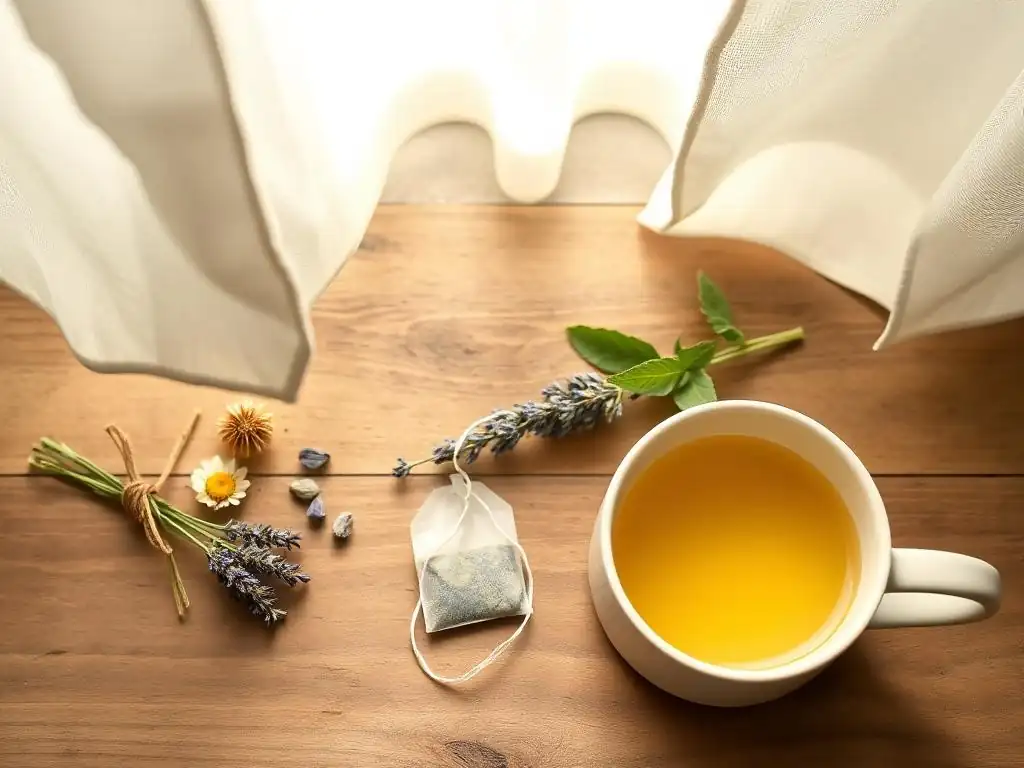
Incorporating herbal remedies into your stress management routine requires a thoughtful approach. It's not simply about taking a supplement, but understanding your needs and how these natural tools can best support you. This guide outlines a step-by-step process to help you explore and utilize herbal remedies effectively and safely for reducing everyday stress.
Step 1: Identifying Your Stress Triggers
Before exploring herbal remedies, the first crucial step is to understand what causes your stress and how it specifically affects you. Stress triggers can be external, such as work pressures, relationship issues, or financial concerns, or internal, like perfectionism or negative self-talk. Recognizing these triggers allows you to address the root causes of your stress, which is essential for effective management.
Consider keeping a stress journal for a week or two. Note down stressful events, your reactions (emotional, physical, behavioral), and how long the stress lasts. This process can reveal patterns and help you see which specific symptoms (like difficulty sleeping, nervousness, or tension headaches) are most prominent for you. Understanding these patterns and symptoms is key to choosing the most appropriate herbal support, as different herbs target different aspects of stress response and symptoms.
Step 2: Choosing the Right Herbal Remedy
Once you have a clearer picture of your stress profile, you can explore specific herbal remedies known for their stress-reducing properties. The choice often depends on the primary symptoms you experience and the desired effect, whether it's relaxation, improved sleep, or enhanced resilience. Research suggests that certain herbal remedies reduce everyday stress by interacting with the body's stress response systems.
Below are some commonly used herbs, each with potential benefits for different aspects of stress management. It's important to remember that individual responses can vary, and consulting with a healthcare professional or qualified herbalist before starting any new supplement is always recommended, especially if you have underlying health conditions or are taking medications.
Ashwagandha: An Adaptogen for Stress Management
Ashwagandha ( Withania somnifera) is an adaptogenic herb, meaning it is believed to help the body adapt to stress. It is traditionally used in Ayurvedic medicine to support resilience and vitality. Research suggests that Ashwagandha may help modulate the body's stress response system, particularly the hypothalamic-pituitary-adrenal (HPA) axis, which plays a central role in stress regulation.
Multiple studies have investigated Ashwagandha's effects on stress and anxiety. For example, a 2012 study published in the Indian Journal of Psychological Medicine found that participants taking a high-concentration full-spectrum extract of Ashwagandha root showed a significant reduction in scores on stress assessment scales compared to a placebo group.
Participants also experienced significantly reduced serum cortisol levels, often referred to as the "stress hormone," with decreases reported in the range of approximately 11% to 32% in some findings across different studies. These results suggest that Ashwagandha can be a valuable tool for those seeking herbal remedies to reduce everyday stress by helping the body build resistance to stress over time.
Lavender: Promoting Relaxation and Sleep
Lavender ( Lavandula angustifolia) is widely recognized for its calming aroma and sedative properties. It is commonly used in aromatherapy, teas, and supplements to promote relaxation and improve sleep quality, which is often disrupted by stress. The active compounds in lavender, particularly linalool and linalyl acetate, are thought to interact with neurotransmitters in the brain, producing a calming effect.
Studies have explored lavender's impact on anxiety and sleep. For instance, research has shown that oral lavender preparations can help reduce symptoms of generalized anxiety disorder.
A study published in Phytomedicine in 2010 found that a specific lavender oil preparation was effective in alleviating anxiety symptoms and improving sleep quality in patients. While precise percentage reductions in stress levels are difficult to quantify universally, anecdotal reports and some study outcomes indicate that using lavender, whether through inhalation, topical application, or oral supplements, can significantly contribute to feeling more relaxed and less stressed, particularly when stress manifests as restlessness or insomnia.
Chamomile: Soothing Nerves and Easing Tension
Chamomile ( Matricaria recutita or Chamaemelum nobile) is one of the most popular herbs used for its gentle calming and anti-inflammatory effects. It's often consumed as a tea before bedtime or during periods of heightened stress. Chamomile contains apigenin, an antioxidant that may bind to certain receptors in the brain, potentially reducing anxiety and promoting relaxation.
Research supports chamomile's traditional use for mild anxiety and insomnia. A study involving individuals with generalized anxiety disorder found that chamomile extract supplementation resulted in a statistically significant reduction in anxiety symptoms compared to placebo, although not all participants achieved remission. While quantitative data on stress reduction percentages varies, the widespread use and reported benefits suggest that chamomile can be an effective, mild herbal remedy to reduce everyday stress, especially for symptoms like nervous tension, digestive upset related to stress, and difficulty falling asleep due to worry.
Lemon Balm: Improving Mood and Cognitive Function
Lemon Balm ( Melissa officinalis) is a member of the mint family known for its uplifting scent and calming properties. It has been traditionally used to reduce stress, anxiety, and improve mood, as well as enhance cognitive function. Lemon balm is thought to work by interacting with GABA receptors in the brain and inhibiting the enzyme GABA transaminase, which could help increase levels of GABA, a neurotransmitter that helps regulate mood and anxiety.
Studies have demonstrated Lemon Balm's potential benefits. Research published in the British Journal of Nutrition in 2014 found that participants who consumed Lemon Balm experienced improvements in mood and cognitive performance, including increased calmness and alertness, during a stressful task. Another study noted that a low dose of Lemon Balm significantly increased self-ratings of calmness and reduced self-ratings of alertness, demonstrating a clear calming effect. These findings suggest that Lemon Balm is a helpful herbal remedy to reduce everyday stress, particularly when stress impacts mood, focus, and cognitive clarity.
Step 3: Using Herbal Remedies Safely and Effectively
Using herbal remedies to reduce everyday stress requires attention to dosage, quality, and consistency. Herbal supplements are available in various forms, including teas, tinctures, capsules, and essential oils. The appropriate form and dosage can vary significantly depending on the herb, the specific product, and individual needs. It is crucial to follow dosage instructions provided on product labels or recommended by a qualified healthcare professional or herbalist.
Source high-quality products from reputable manufacturers to ensure purity and potency. Look for certifications if available. Consistency is often key with herbal remedies; their effects may build up over time rather than providing immediate relief. For example, adaptogens like Ashwagandha are often most effective when taken regularly over several weeks or months. Keep a log of your symptoms and how you feel while using the remedy to gauge its effectiveness for you.
Step 4: Combining Herbal Remedies with Other Stress Management Techniques
While herbal remedies can be a valuable part of a stress management plan, they are often most effective when combined with other healthy habits and techniques. Think of them as a supportive tool, not a standalone solution. Lifestyle factors such as getting adequate sleep (ideally 7-9 hours per night), engaging in regular physical activity (like walking, yoga, or swimming for at least 30 minutes most days), and maintaining a balanced diet rich in fruits, vegetables, and whole grains significantly impact stress levels.
Mind-body practices like meditation, deep breathing exercises, and mindfulness can also enhance the effects of herbal support by directly engaging the parasympathetic nervous system, which promotes relaxation. Setting realistic expectations, practicing time management, and seeking social support from friends, family, or support groups are also vital components of a comprehensive strategy. Integrating herbal remedies with these practices creates a holistic approach that addresses stress on multiple fronts.
Safety Considerations and Potential Side Effects of Herbal Stress Relief
While herbal remedies are often perceived as natural and safe, they can still have potential side effects and interact with medications. It is critically important to approach their use with caution and awareness. For example, some herbs like Valerian, often used for sleep and anxiety, can cause drowsiness and should not be taken before driving or operating heavy machinery. Others, like St. John's Wort (sometimes used for mood but interacts with many medications), can cause increased sensitivity to sunlight.
Interactions with prescription or over-the-counter medications are a significant concern. For instance, Lemon Balm might interact with thyroid medications or sedatives. Ashwagandha could potentially interact with immunosuppressants, sedatives, or thyroid medications.
Chamomile can interact with blood thinners due to its natural coumarin content. Always disclose any herbal supplements you are taking to your doctor or pharmacist, especially if you are on medication for conditions like high blood pressure, diabetes, depression, anxiety, or any blood-clotting disorders. Pregnant or breastfeeding women and individuals with pre-existing health conditions should exercise particular caution and consult with a healthcare provider before using herbal remedies to reduce everyday stress.
Real-Life Examples: How Herbal Remedies Helped Manage Stress
Many individuals have found significant relief from everyday stress by incorporating herbal remedies into their routines. Consider the experience of someone juggling a demanding job and family responsibilities who constantly felt on edge and struggled to fall asleep. After trying various techniques, they started taking Ashwagandha daily. Within a few weeks, they reported feeling more resilient to work pressures and noticed a reduction in their overall feeling of being overwhelmed. While they still faced challenges, their ability to cope improved, leading to more restful nights.
Another common scenario involves individuals experiencing stress-related tension headaches and digestive upset before presentations or important meetings. Using chamomile tea regularly during stressful periods and specifically before nerve-wracking events has been reported to help soothe their digestive system and promote a sense of calm, reducing the frequency and severity of their physical stress symptoms. These examples, drawn from common anecdotal reports and study participant feedback types, illustrate how targeted use of specific herbal remedies can complement other stress management efforts and provide tangible benefits for reducing everyday stress symptoms.
Conclusion: Embracing Natural Solutions for Stress Management
Managing everyday stress is an ongoing process, and finding the right tools that work for you is essential. Herbal remedies offer a promising avenue for those seeking natural support for their mental well-being. From adaptogens like Ashwagandha that build resilience to calming herbs like Lavender and Chamomile that soothe nerves and aid sleep, these plant-based solutions have a long history of use and are supported by growing scientific interest.
By understanding your personal stress triggers, choosing the appropriate herb based on your symptoms, using remedies safely and consistently, and integrating them with other healthy lifestyle practices, you can create a powerful, holistic approach to stress management. While herbal remedies reduce everyday stress for many, remember to prioritize consulting with healthcare professionals to ensure safety and address any potential interactions. Embracing these natural solutions can be a valuable step towards achieving greater calm and balance in your daily life.
References and Further Reading
Frequently Asked Questions
What are some common herbal remedies used to reduce everyday stress?
Some popular options include lavender, chamomile, and ashwagandha. These herbs are often used for their calming and stress-reducing properties.
Are herbal remedies a safe alternative to traditional stress medication?
While generally considered safe for many, herbal remedies aren't always risk-free. It's crucial to consult a healthcare professional before using them, especially if you have pre-existing medical conditions or are taking other medications.
How effective are herbal remedies in managing everyday stress compared to other methods?
Effectiveness varies from person to person. Herbal remedies can offer mild to moderate relief, but may not be as potent as prescription medications. Lifestyle changes and therapy are often recommended alongside herbal remedies.
What is the best way to incorporate herbal remedies into my daily routine for stress relief?
You can incorporate herbs through teas, supplements, essential oils, or topical applications. Start with a low dose and monitor your reaction carefully before increasing it.
Where can I find reliable information and resources about using herbal remedies safely and effectively?
The Mind Care Guide website offers a comprehensive guide to mental well-being, including information and resources on herbal remedies and other stress management techniques. Always seek advice from qualified healthcare professionals.
Final Reflection: The Enduring Power of Nature's Calm
The escalating pressures of modern life demand effective stress management strategies, and the ancient wisdom of herbal remedies offers a powerful, accessible solution. This exploration into the effectiveness, safety, and practical application of herbal solutions for everyday stress reveals a compelling case for integrating these natural approaches into our well-being routines. The growing body of research, coupled with centuries of traditional use, points towards a future where herbal remedies play a significant role in mitigating the pervasive impact of stress.
The influence of herbal remedies on our cultural landscape is profound, extending far beyond simple relaxation techniques. They represent a connection to a deeper understanding of our relationship with nature and its inherent healing properties. This connection, often lost in the fast-paced modern world, offers a pathway to self-care that is both deeply personal and profoundly effective. Nature holds the key to our serenity, not just in its beauty, but in its inherent ability to restore balance.
This quote encapsulates the essence of why exploring herbal solutions for stress is not merely a trend, but a return to a fundamental truth about our well-being.
Consider, reader, the power you hold to cultivate calm within yourself. This article has presented a range of options, from chamomile tea to lavender aromatherapy, but the true journey begins with you. Experiment, research, and discover which herbal remedies resonate with your body and spirit. Embrace the opportunity to reconnect with nature's soothing embrace and integrate these powerful tools into your daily life, creating a more balanced and resilient you. The path to serenity is paved with intention, and the herbs are waiting to guide you.
Unlock Your Inner Calm: Take Charge of Your Stress Today!
Thanks for taking the time to explore natural ways to manage stress with us here at Mind Care Guide. We hope you gained valuable insights into the power of herbal remedies! Ready to incorporate these calming techniques into your daily life?
- Prioritize one herbal remedy: Choose the herb that resonated most with you from the article and start small—try incorporating it into your daily routine (a calming tea before bed, a mindful aromatherapy session). This focused approach will allow you to experience its benefits firsthand.
- Share your experience: Tell us (or a friend!) about your journey with herbal stress management. What challenges did you face, and what successes did you celebrate? Your insights could inspire others!
- Explore a complementary practice: Consider pairing your chosen herbal remedy with a simple mindfulness technique like deep breathing or meditation to amplify its effects.
So, what calming herb will you integrate into your self-care routine first, and how will you track your progress?