
Breathing Away Worry: Pranayama for Anxiety Relief

Welcome to Mind Care Guide.
Feeling overwhelmed? You're not alone. Many of us experience the grip of anxiety. But what if I told you there's a simple, ancient practice you can incorporate into your daily life to find some relief? Dive into our guide, " Breathing Away Worry: Pranayama for Anxiety Relief," and discover how Pranayama can reduce anxiety symptoms. This exploration into holistic mental health and self-care might just be the key to unlocking a calmer, more centered you. Intrigued? Let's breathe together and begin your journey to peace.
Breathing Away Worry: Pranayama for Anxiety Relief
- Understanding Anxiety and the Power of Breathwork
- Pranayama Techniques to Reduce Anxiety Symptoms
- Integrating Pranayama into Your Daily Routine for Lasting Anxiety Relief
- Precautions and Considerations When Practicing Pranayama
- Beyond Breathing: Holistic Approaches to Managing Anxiety
- Conclusion: Embracing Pranayama for a Calmer, More Peaceful Life
-
Frequently Asked Questions
- What is Pranayama and how does it relate to anxiety?
- How can Pranayama techniques specifically help reduce anxiety symptoms?
- Which Pranayama techniques are most effective for anxiety relief?
- How often should I practice Pranayama to see a reduction in anxiety symptoms?
- Are there any potential risks or precautions I should be aware of before starting Pranayama for anxiety?
- Final Reflection: The Breath as a Bridge to Calm
- Unleash Your Inner Calm: Breathe Your Way to Peace
Understanding Anxiety and the Power of Breathwork
What is Anxiety and How Does it Affect the Body?
Anxiety is a natural human response to stress, but when it becomes excessive or persistent, it can significantly impact daily life. It's characterized by feelings of worry, nervousness, or unease. Physically, anxiety often manifests as a rapid heartbeat, shallow breathing, muscle tension, headaches, and digestive issues. These physical symptoms are part of the body's "fight or flight" response, triggered by the sympathetic nervous system. Prolonged anxiety can lead to chronic stress, potentially contributing to more serious health problems over time.
The physical sensations of anxiety can create a feedback loop with the mental state. For instance, rapid, shallow breathing (hyperventilation) is a common symptom of panic attacks or intense anxiety. This type of breathing can actually exacerbate feelings of panic, leading to dizziness or a sense of not getting enough air, further intensifying the anxiety. Understanding this connection is crucial for finding effective strategies, such as using Pranayama reduce anxiety symptoms, by directly addressing the physiological responses.
The Science Behind Breathwork and Anxiety Reduction
The practice of breathwork, particularly controlled breathing techniques like Pranayama, directly influences the autonomic nervous system. This system regulates involuntary bodily functions such as heart rate, digestion, and breathing. It has two main branches: the sympathetic nervous system (responsible for the "fight or flight" response) and the parasympathetic nervous system (responsible for the "rest and digest" state). Anxiety activates the sympathetic nervous system, leading to increased heart rate and rapid breathing.
Consciously slowing and deepening the breath, as done in Pranayama, stimulates the vagus nerve. The vagus nerve is a major component of the parasympathetic nervous system. Stimulating this nerve signals the body to relax, counteracting the sympathetic nervous system's activation. This can lead to a decrease in heart rate, lower blood pressure, and a shift from a state of hyperarousal to one of calm. This physiological shift is a key mechanism by which Pranayama reduce anxiety symptoms effectively.
The Mind-Body Connection: How Pranayama Calms the Nervous System
The intricate connection between the mind and body means that our mental state influences our physical state, and vice versa. Anxiety, a mental state, triggers a cascade of physical responses. Conversely, by consciously altering a physical process like breathing through Pranayama, we can influence our mental and emotional state, helping to reduce anxiety symptoms. This is not merely a psychological effect; it's rooted in neurobiology.
When practicing Pranayama, the focus required to control the breath also acts as a form of mindfulness, drawing attention away from anxious thoughts and grounding the individual in the present moment. This deliberate focus, combined with the physiological calming effect of stimulating the parasympathetic nervous system, helps to interrupt the anxiety cycle. Regular practice can train the nervous system to become less reactive to stressors over time, making it easier for individuals to use Pranayama reduce anxiety symptoms on a daily basis.
Pranayama Techniques to Reduce Anxiety Symptoms
Deep Belly Breathing (Diaphragmatic Breathing) for Anxiety Relief
Deep belly breathing, also known as diaphragmatic breathing, is one of the most fundamental and accessible Pranayama techniques. Unlike shallow chest breathing, which is common during stress, this technique involves fully engaging the diaphragm, a large muscle located below the lungs. By allowing the abdomen to expand with each inhale, you draw air deep into the lungs, maximizing oxygen intake and promoting relaxation. It's a powerful tool to help Pranayama reduce anxiety symptoms quickly.
This simple practice can be done anywhere, anytime you feel anxiety rising. Even a few minutes of focused belly breathing can signal to your brain that you are safe and calm, shifting your body out of the stress response. Many people find it helpful to place a hand on their abdomen to feel the movement, which aids in focusing the breath and ensuring the diaphragm is engaged.
How to Practice Deep Belly Breathing
Here is a step-by-step guide to practicing deep belly breathing:
- Find a comfortable position, either sitting or lying down.
- Place one hand on your chest and the other hand on your abdomen, just below your rib cage.
- Inhale slowly through your nose, allowing your abdomen to push your hand outwards. Your chest should remain relatively still.
- Exhale slowly through your mouth, gently pulling your abdomen inwards. You should feel your abdomen flatten as the air leaves your lungs.
- Repeat this process for several minutes, focusing on the rhythm of your breath and the movement of your abdomen.
- Aim for smooth, even inhales and exhales.
Benefits of Deep Belly Breathing for Stress Reduction
Deep belly breathing offers numerous benefits for managing anxiety and stress. Physiologically, it helps slow the heart rate and lower blood pressure by stimulating the vagus nerve and activating the parasympathetic nervous system. This counteracts the effects of the stress response.
Beyond the immediate physical calming, consistent practice of deep belly breathing can improve lung capacity and efficiency over time. It also provides a simple yet effective tool for mindfulness, anchoring your attention in the present moment and providing a distraction from anxious thoughts. This foundational technique is often the first step in learning how Pranayama reduce anxiety symptoms effectively.
Alternate Nostril Breathing (Nadi Shodhana) for Balancing the Mind
Nadi Shodhana, or Alternate Nostril Breathing, is a calming Pranayama technique that is widely recommended for reducing stress and anxiety. The name "Nadi Shodhana" translates to "channel purification," referring to the belief in yogic philosophy that it helps balance the flow of energy (prana) through the body's energy channels. This practice is believed to balance the left and right hemispheres of the brain, promoting a sense of equilibrium and calm.
This technique requires a bit more coordination than simple belly breathing but is incredibly effective for soothing the nervous system and clearing the mind. It can be particularly helpful when feeling overwhelmed, restless, or experiencing racing thoughts. Practicing Nadi Shodhana can significantly help Pranayama reduce anxiety symptoms related to mental clutter and imbalance.
Nadi Shodhana Technique: A Step-by-Step Guide
Follow these steps to practice Alternate Nostril Breathing:
- Sit comfortably with a straight spine.
- Rest your left hand on your left knee.
- Bring your right hand towards your face. Close your right nostril with your right thumb.
- Exhale completely through your left nostril.
- Inhale deeply through your left nostril.
- Close your left nostril with your ring finger (and pinky finger, if comfortable). Release your thumb from the right nostril.
- Exhale completely through your right nostril.
- Inhale deeply through your right nostril.
- Close your right nostril with your thumb. Release your ring finger from the left nostril.
- Exhale completely through your left nostril.
- This completes one round. Continue alternating, always exhaling and then inhaling through the same nostril before switching.
- Aim for smooth, even breaths. Start with 5-10 rounds and gradually increase as you become comfortable.
How Nadi Shodhana Helps Calm Anxiety and Improve Focus
Nadi Shodhana's calming effect stems from its ability to regulate the flow of breath and quiet the mind. The alternating pattern requires concentration, which helps to draw awareness away from anxious thoughts and anchor it firmly in the present moment. This focused attention acts as a gentle meditation.
Physiologically, by slowing down the breath and creating a rhythmic pattern, Nadi Shodhana helps to balance the autonomic nervous system, reducing sympathetic activation and promoting parasympathetic activity. Many practitioners report feeling a sense of mental clarity and emotional balance after practicing, finding it easier to manage stress and use Pranayama reduce anxiety symptoms related to mental agitation.
Ujjayi Breath (Victorious Breath) for Grounding and Emotional Stability
Ujjayi breath, also known as "Victorious Breath" or "Ocean Breath," is characterized by a soft, audible sound created by slightly constricting the back of the throat during both inhalation and exhalation. This gentle constriction creates a soothing, rhythmic sound similar to ocean waves, which can be deeply grounding and meditative. It's a powerful technique used in many yoga practices to build internal heat and focus, and it's also excellent for helping Pranayama reduce anxiety symptoms.
The controlled nature of Ujjayi breath helps regulate the pace of respiration, preventing shallow, rapid breathing often associated with anxiety. The audible sound serves as an anchor for the mind, making it easier to stay present and centered, even during challenging situations. It's a technique that can be practiced during yoga postures or on its own.
Mastering the Ujjayi Breath Technique
To practice Ujjayi breath:
- Sit comfortably with a straight spine.
- Close your mouth and breathe exclusively through your nose.
- Gently contract the back of your throat, as if you were whispering or fogging up a mirror, but with your mouth closed.
- Inhale slowly and deeply through your nose, creating a soft, audible sound at the back of your throat.
- Exhale slowly and completely through your nose, maintaining the same gentle constriction and sound.
- Aim for smooth, even inhales and exhales of equal length. The sound should be soft and consistent.
Ujjayi Breath Benefits for Emotional Regulation and Anxiety Management
Ujjayi breath is highly effective for promoting emotional stability and managing anxiety. The rhythmic sound and controlled pace of the breath help to soothe the nervous system and reduce reactivity to stressors. By focusing on the sound and sensation of the breath, practitioners can detach from anxious thoughts and cultivate a sense of inner calm.
The gentle resistance created by the throat constriction also helps to lengthen the exhale, which is particularly beneficial for activating the parasympathetic nervous system and promoting relaxation. Regular practice of Ujjayi breath can build resilience against stress and make it easier to use Pranayama reduce anxiety symptoms and maintain composure in daily life.
Bhramari Breath (Bee Breath) for Quieting the Mind
Bhramari Pranayama, or Bee Breath, is a unique and deeply calming technique that involves making a soft humming sound during the exhale. The name comes from 'Brahmar,' the Indian black bee, as the sound resembles its humming. This practice is particularly effective for quieting a restless mind, reducing mental chatter, and soothing the nervous system. It's often used before meditation or sleep due to its profound relaxing effects.
The gentle vibration created by the humming sound resonates in the head and chest, which is believed to have a calming effect on the brain and nervous system. It can provide immediate relief from tension, frustration, and anxiety. Bhramari is an excellent example of how specific Pranayama techniques can reduce anxiety symptoms by directly addressing mental agitation and stress.
Bhramari Pranayama: Technique and Benefits
To practice Bhramari Pranayama:
- Sit comfortably with a straight spine.
- Close your eyes.
- (Optional but recommended) Close your ears with your thumbs or index fingers. You can also use the Shanmukhi Mudra by closing eyes with index fingers, nose with middle fingers, mouth corners with ring fingers, and ears with thumbs.
- Inhale deeply through your nose.
- As you exhale slowly and steadily through your nose, make a low-pitched, steady humming sound like a bee. Keep your mouth closed.
- Focus on the vibration of the sound within your head and chest.
- Continue for 5-10 rounds or longer if desired.
The Soothing Effects of Bhramari Breath on Anxiety
The primary benefit of Bhramari breath for anxiety lies in its ability to calm the mind and soothe the nervous system through vibration and sound. The humming sound helps to drown out external distractions and internal mental noise, allowing the mind to settle.
The gentle vibration is thought to stimulate receptors in the face and head, potentially releasing endorphins and promoting a sense of well-being. Many people find immediate relief from tension and a significant reduction in racing thoughts after just a few rounds. Bhramari is a powerful technique to specifically target and help Pranayama reduce anxiety symptoms related to mental overwhelm and restlessness.
Integrating Pranayama into Your Daily Routine for Lasting Anxiety Relief
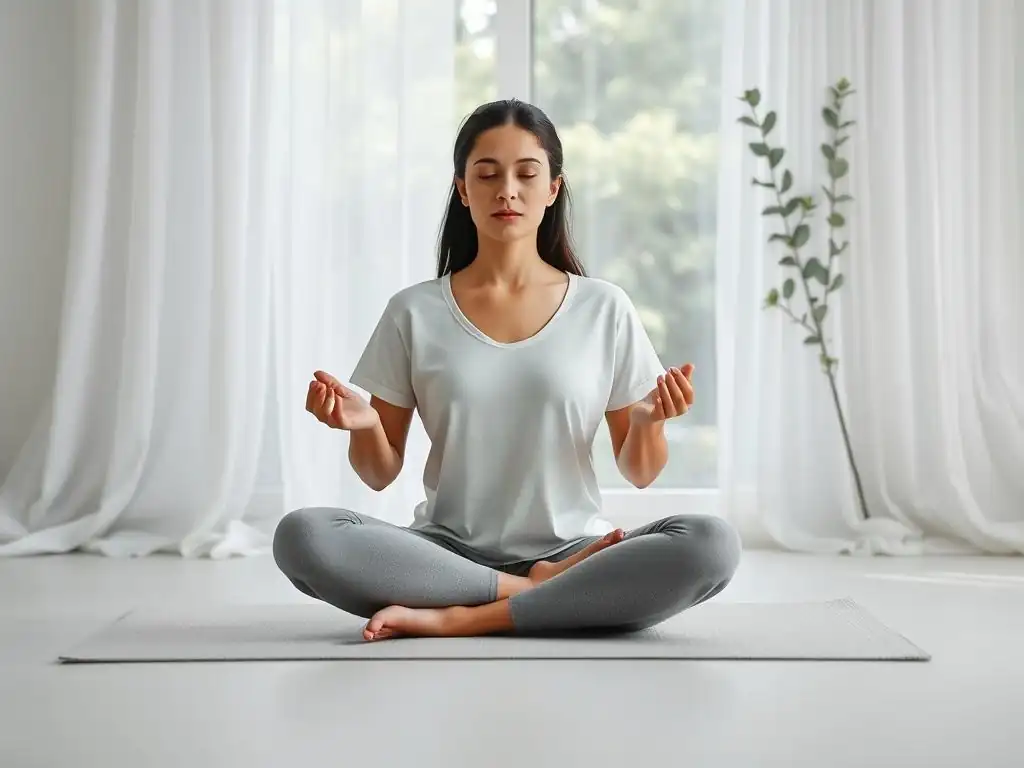
Creating a Consistent Pranayama Practice
Consistency is key when using Pranayama reduce anxiety symptoms over the long term. Just like any skill, the benefits of breathwork deepen with regular practice. Aiming for even just 5-10 minutes daily can make a significant difference in your overall stress levels and emotional resilience. Finding a specific time each day, such as first thing in the morning or before bed, can help establish a routine.
Consider starting small with just one or two techniques that resonate with you, like deep belly breathing or Nadi Shodhana. As you become more comfortable, you can explore others. Tracking your practice in a journal can also help you stay motivated and observe how your anxiety levels change over time. Making Pranayama a non-negotiable part of your day reinforces its role in helping you manage stress and anxiety.
Tips for Beginners: Getting Started with Breathwork
If you're new to Pranayama, start slowly and be patient with yourself. It's more important to practice regularly for short periods than to attempt long, infrequent sessions. Begin with simple techniques like deep belly breathing, which are easy to learn and immediately calming.
- Choose a quiet, comfortable space where you won't be interrupted.
- Wear comfortable clothing that doesn't restrict your breathing.
- Practice on an empty or lightly full stomach.
- Don't force your breath; let it be natural and gentle.
- If you feel dizzy or lightheaded, stop and return to your normal breathing. This is common when starting and indicates you might be breathing too forcefully or quickly.
- Consider using guided audio or video tutorials to help you learn the techniques accurately.
Combining Pranayama with Other Anxiety-Reducing Practices
Pranayama is a powerful tool on its own, but its effectiveness in helping Pranayama reduce anxiety symptoms can be enhanced when combined with other holistic practices. Integrating breathwork with gentle yoga postures can deepen relaxation and body awareness. Mindfulness meditation, which often incorporates breath focus, complements Pranayama by further training the mind to observe thoughts without judgment.
Other beneficial practices include regular physical exercise, ensuring adequate sleep (aim for 7-9 hours per night), maintaining a balanced diet rich in whole foods, and limiting caffeine and alcohol, which can exacerbate anxiety. Creating a comprehensive self-care strategy that includes Pranayama alongside these lifestyle factors provides a robust approach to managing anxiety and promoting overall well-being.
Precautions and Considerations When Practicing Pranayama
When to Avoid Certain Pranayama Techniques
While Pranayama is generally safe and beneficial, certain techniques may not be suitable for everyone or in all situations. For instance, forceful breathing techniques like Kapalabhati (Skull Shining Breath) or Bhastrika (Bellows Breath), which involve rapid and vigorous exhalations, are generally not recommended for individuals with high blood pressure, heart conditions, respiratory issues like asthma (unless guided by an expert), or during pregnancy. These techniques can increase heart rate and blood pressure temporarily.
Similarly, holding the breath (kumbhaka), which is part of some advanced Pranayama practices, should be approached with caution, especially by beginners or those with underlying health conditions. If you feel uncomfortable, dizzy, or experience any pain during a practice, stop immediately and return to normal breathing. The goal is to calm the nervous system, not stress it further.
Modifications for Individuals with Specific Health Conditions
Individuals with pre-existing health conditions should always consult with a healthcare professional before starting a new Pranayama practice. For example, someone with severe respiratory issues might benefit from gentle techniques like deep belly breathing but should avoid anything that involves forceful or rapid breathing.
Those with cardiovascular issues might need to modify practices that involve breath retention or rapid breathing. Pregnant individuals often need modifications and should focus on gentle, calming techniques. A qualified yoga therapist or instructor experienced in working with specific conditions can provide tailored guidance and modifications to ensure that practicing Pranayama reduce anxiety symptoms safely and effectively.
Consulting with a Qualified Yoga Instructor or Healthcare Professional
The best way to ensure you are practicing Pranayama safely and effectively, especially if you have health concerns or significant anxiety, is to seek guidance from a qualified professional. A certified yoga instructor with experience in therapeutic applications or a healthcare provider knowledgeable about mind-body practices can assess your individual needs and recommend appropriate techniques.
They can teach you the correct form, provide modifications, and help you understand how specific Pranayama techniques can help Pranayama reduce anxiety symptoms in your unique situation. This guidance is invaluable for building a safe, sustainable, and truly beneficial practice. Never hesitate to ask questions or voice concerns about how a technique feels in your body.
Beyond Breathing: Holistic Approaches to Managing Anxiety
The Importance of a Balanced Lifestyle for Mental Well-being
Managing anxiety effectively requires a holistic approach that extends beyond specific techniques like Pranayama. A balanced lifestyle forms the foundation for mental well-being. This includes prioritizing consistent sleep patterns, as sleep deprivation can significantly worsen anxiety symptoms. Aiming for 7-9 hours of quality sleep per night is crucial.
Nutrition also plays a vital role. A diet rich in whole foods, fruits, vegetables, lean proteins, and healthy fats supports brain health and can help stabilize mood. Limiting processed foods, excessive sugar, and caffeine can prevent energy crashes and jitters that might trigger or intensify anxiety. Regular physical activity, such as walking, jogging, or swimming, is another cornerstone, releasing endorphins that act as natural mood boosters and stress relievers.
Complementary Practices: Mindfulness, Meditation, and Yoga
Integrating Pranayama reduce anxiety symptoms is highly effective when combined with other complementary mind-body practices. Mindfulness involves paying attention to the present moment without judgment and can be cultivated during any activity, including breathing. Simply noticing your breath, thoughts, and sensations without getting carried away by them is a powerful anxiety-reducing skill.
Formal meditation practices, which often incorporate breath awareness, train the mind to become less reactive to anxious thoughts. Even a few minutes of daily meditation can help build resilience. Yoga, which combines physical postures (asana), breathing techniques (Pranayama), and meditation, offers a comprehensive approach to managing anxiety by addressing the physical, mental, and emotional aspects simultaneously.
Long-Term Strategies for Sustainable Anxiety Management
Sustainable anxiety management involves building a toolkit of coping strategies and incorporating them into your daily life consistently. Pranayama is a key component of this toolkit, providing an accessible way to regulate the nervous system. Long-term strategies also include developing healthy coping mechanisms for stress, such as journaling, spending time in nature, engaging in hobbies, and maintaining strong social connections.
Learning to identify triggers for your anxiety is also essential. Once triggers are identified, you can develop proactive strategies to manage them or reduce your exposure. Therapy, particularly Cognitive Behavioral Therapy (CBT) or Acceptance and Commitment Therapy (ACT), can provide valuable skills for challenging anxious thought patterns and developing healthier responses to difficult emotions. Embracing these comprehensive strategies, with Pranayama as a core practice, leads to more sustainable relief from anxiety symptoms.
Conclusion: Embracing Pranayama for a Calmer, More Peaceful Life
Pranayama, the ancient practice of breath control from yoga, offers a powerful and accessible pathway to managing anxiety. By consciously regulating the breath, we can directly influence our nervous system, shifting from a state of stress and reactivity to one of calm and presence. Techniques ranging from simple deep belly breathing to more intricate practices like Nadi Shodhana and Bhramari provide a diverse set of tools to help Pranayama reduce anxiety symptoms and promote overall mental well-being.
Integrating these breathing exercises into a daily routine, even for just a few minutes, can yield significant benefits, reducing the frequency and intensity of anxious feelings. When combined with other healthy lifestyle choices and complementary practices like mindfulness and yoga, Pranayama becomes a cornerstone of a holistic approach to anxiety management. By embracing the power of your breath, you can cultivate greater emotional resilience and move towards a calmer, more peaceful life.
Frequently Asked Questions
What is Pranayama and how does it relate to anxiety?
Pranayama is a set of ancient breathing techniques from yoga. It is believed to calm the nervous system and reduce anxiety by regulating the body's stress response.
How can Pranayama techniques specifically help reduce anxiety symptoms?
Pranayama helps regulate the autonomic nervous system, shifting it from a fight-or-flight state to a rest-and-digest state. This physiological shift can directly reduce feelings of anxiety.
Which Pranayama techniques are most effective for anxiety relief?
Several techniques, like Bhramari (Bee Breath) and Nadi Shodhana (Alternate Nostril Breathing), are known for their calming effects. These techniques can help slow heart rate and promote relaxation.
How often should I practice Pranayama to see a reduction in anxiety symptoms?
Consistency is key. Aim for at least 10-15 minutes of Pranayama practice daily to experience noticeable improvements in anxiety levels.
Are there any potential risks or precautions I should be aware of before starting Pranayama for anxiety?
While generally safe, it's wise to consult with a healthcare professional or qualified yoga instructor, especially if you have pre-existing respiratory conditions. Avoid forcing your breath and listen to your body.
Final Reflection: The Breath as a Bridge to Calm
The ancient practice of pranayama offers a powerful, accessible antidote to the pervasive anxiety of modern life. In a world saturated with stressors, learning to consciously control our breath isn't just a wellness trend; it's a vital skill for navigating the emotional turbulence of daily existence. This ability to self-regulate, to find a quiet center amidst the storm, is more crucial now than ever before.
The impact of pranayama extends far beyond individual stress management; it's a ripple effect influencing our collective well-being. By cultivating inner peace, we contribute to a more compassionate and resilient society. As the Dalai Lama wisely said, The time to repair the roof is when the sun is shining.
Learning pranayama is akin to strengthening our inner roof, preparing us for inevitable life storms and allowing us to weather them with greater grace and composure. This proactive approach to mental health is not just beneficial for ourselves, but for the relationships and communities we inhabit.
Now, consider the breath within you. Feel the gentle rise and fall of your chest, the subtle expansion of your abdomen. This simple act, often taken for granted, holds the key to unlocking a deeper sense of calm and self-awareness. I invite you to explore the techniques discussed in this article, to experiment with different pranayama exercises, and to discover the transformative power of conscious breathing. Make the conscious choice to incorporate this ancient wisdom into your daily life, and watch as your breath becomes a bridge to a more peaceful, centered, and fulfilling existence.
Unleash Your Inner Calm: Breathe Your Way to Peace
Thanks for taking the time to explore the power of pranayama! We hope you gained valuable insights into how simple breathing techniques can significantly reduce anxiety. Ready to integrate these practices into your daily life?
- Begin your personalized pranayama journey: Start with the Dirga Pranayama technique described in the article – even 5 minutes a day can make a world of difference.
- Share your experience: Tell us (or a friend!) about your first pranayama session. What did you notice? How did you feel?
- Explore a new breathing technique: Try searching online for other calming breathwork methods to expand your self-care toolkit. Experiment and find what works best for you.
What small step will you take today to cultivate more peace and tranquility in your life?