
The Amygdala's Impact on Everyday Fear and Worry


Welcome to Mind Care Guide.
Ever feel like your anxiety is hijacking your day? You're not alone. Dive into our exploration of the brain's fear center, starting with understanding amygdala fear response strategies. Learn how this tiny, powerful structure shapes your emotional reactions and, more importantly, discover practical tools to regain control and cultivate a calmer, more resilient you. Ready to unlock the secrets to managing fear and worry? Let's begin.
- Understanding Amygdala Fear Response Strategies: A Mind Care Guide
- The Amygdala's Influence on Everyday Anxiety and Worry
- Decoding the Amygdala's Fear Response: Real-Life Examples
- Strategies for Managing Amygdala-Driven Fear and Worry
- Techniques to Regulate the Amygdala and Reduce Anxiety
- The Amygdala and Trauma: Understanding the Connection
-
Long-Term Strategies for Maintaining a Healthy Amygdala
- The Importance of Sleep for Amygdala Function and Emotional Regulation: REM Sleep and Consolidation
- Developing Healthy Coping Mechanisms for Stress Management: Problem-Focused vs. Emotion-Focused Strategies
- When to Seek Professional Help for Amygdala-Related Anxiety: Identifying Maladaptive Patterns
-
Frequently Asked Questions
- What exactly is the amygdala, and what is its primary function?
- How does the amygdala influence my experience of everyday fear and worry?
- What are some "Understanding amygdala fear response strategies" I can use to manage my anxiety?
- Can chronic stress or trauma affect the amygdala and its function?
- Is it possible to "retrain" the amygdala to reduce fear responses?
- Final Reflection: Taming the Amygdala: From Understanding to Action
- Unleash Your Inner Calm: Tame Your Amygdala Today!
Understanding Amygdala Fear Response Strategies: A Mind Care Guide
What is the Amygdala and Where Is It Located in the Brain?
The amygdala is a small, almond-shaped structure located deep within the temporal lobe of the brain. Humans have two amygdalae, one on each side of the brain, forming part of the limbic system. This ancient part of the brain is crucial for processing emotions, particularly fear and pleasure, and plays a significant role in memory formation, especially emotional memories. It's nestled near the hippocampus, another key structure involved in memory, allowing for a strong connection between emotions and the events that trigger them.
Its strategic location within the temporal lobe places it in a position to receive input from various sensory areas (like sight, sound, smell, touch, and taste) as well as higher-level processing areas in the prefrontal cortex. This rich connectivity allows the amygdala to quickly evaluate incoming information for potential threats, making it a central hub for the brain's threat detection system. Understanding the amygdala's location and its connections is fundamental to grasping how it influences our emotional responses and contributes to our overall mental well-being, including how we develop effective strategies for managing fear and anxiety.
The Amygdala's Function: Beyond Fear - Emotional Learning and Memory
While famously known as the brain's "fear center," the amygdala's function extends far beyond simply processing fear. It is critically involved in emotional learning, the process by which we learn to associate specific stimuli with emotional responses. For instance, if a child touches a hot stove and feels pain, the amygdala helps consolidate the memory linking the sight of the stove with the feeling of pain, leading to a learned fear response that prevents future burns. This mechanism is vital for survival, allowing us to quickly learn from experiences and avoid danger.
Furthermore, the amygdala plays a significant role in memory consolidation, particularly for emotionally charged events. Memories with strong emotional components tend to be more vivid and easier to recall, a process heavily influenced by the amygdala's interaction with the hippocampus. This is why traumatic events, which trigger intense emotional responses, can be deeply ingrained in memory, sometimes leading to persistent fear or anxiety even years later. The amygdala's involvement in both learning and memory highlights its complex role in shaping our emotional landscape and our understanding of the world around us.
How the Amygdala Processes Fearful Stimuli: A Neural Pathway Overview
When a potentially fearful stimulus is encountered, the brain processes this information via two main pathways: a fast, "low road" and a slower, "high road." The low road involves sensory information traveling directly from the thalamus (a sensory relay station) to the amygdala. This pathway is rapid and allows for an almost instantaneous, albeit crude, assessment of threat. If the amygdala detects a potential danger based on this initial input, it can trigger a rapid fear response before the conscious brain even fully processes what is happening.
The high road involves sensory information traveling from the thalamus to the sensory cortex (where it is processed in more detail) and then to the amygdala. This pathway is slower but allows for a more nuanced and accurate evaluation of the stimulus. The prefrontal cortex, responsible for higher-level cognitive functions like reasoning and decision-making, is also involved in this pathway, providing context and helping to determine if the perceived threat is real. The interplay between these two pathways demonstrates the brain's sophisticated approach to threat detection, balancing speed with accuracy in initiating understanding amygdala fear response strategies.
The Amygdala's Influence on Everyday Anxiety and Worry
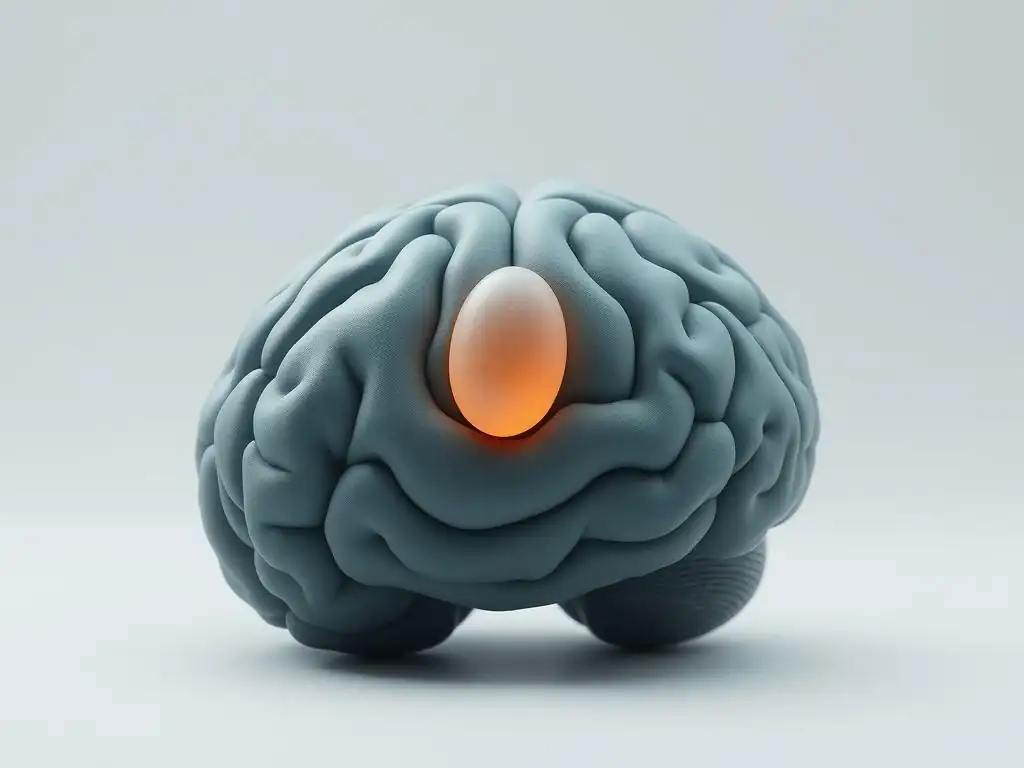
Amygdala Hyperactivity: The Link to Heightened Anxiety Sensitivity
In individuals prone to anxiety disorders, the amygdala can become hyperactive, meaning it is more easily triggered and responds more intensely to perceived threats, even those that are minor or non-existent. This heightened reactivity can lead to increased anxiety sensitivity, where a person is excessively fearful of anxiety symptoms themselves (like a racing heart or shortness of breath), interpreting them as dangerous or indicative of imminent catastrophe. This creates a vicious cycle: the amygdala triggers physical symptoms, which are then interpreted as a threat, further activating the amygdala.
Research using fMRI scans has shown increased amygdala activity in individuals with generalized anxiety disorder (GAD), panic disorder, and phobias when exposed to anxiety-provoking stimuli compared to healthy controls. For example, studies might show a 10-20% greater activation in the amygdala of anxious individuals when viewing fearful faces or anticipating a mild shock. This persistent state of alert contributes significantly to the pervasive worry and apprehension characteristic of everyday anxiety, making it challenging to feel safe and relaxed even in calm environments.
How the Amygdala Triggers the Fight-or-Flight Response: Physiological Changes
Upon detecting a threat, the amygdala sends signals to the hypothalamus, which in turn activates the sympathetic nervous system and the adrenal-cortical system. This cascade initiates the body's fight-or-flight response, preparing the individual to either confront the danger or flee from it. Physiological changes occur almost instantaneously: heart rate can increase by 30-50 beats per minute or more, breathing becomes rapid and shallow, muscles tense, digestion slows down, and stress hormones like adrenaline and cortisol are released into the bloodstream.
These physiological changes are adaptive in the face of real physical danger – they provide the burst of energy and focus needed for survival. However, when the amygdala is hyperactive or misinterprets non-threatening situations as dangerous, this fight-or-flight response can be triggered inappropriately. Experiencing these intense physical symptoms in everyday situations, such as during a public speech or in a crowded place, is a hallmark of anxiety disorders and can be incredibly distressing. Understanding how the amygdala orchestrates these responses is a crucial step in developing effective understanding amygdala fear response strategies.
The amygdala plays a significant role in social anxiety disorder, particularly in the heightened fear of negative evaluation by others. In individuals with social anxiety, the amygdala may overreact to social cues, such as facial expressions or perceived judgments, interpreting them as threatening even when they are neutral or positive. This can lead to intense anxiety in social situations, avoidance behaviors, and a persistent feeling of being scrutinized or judged.
Studies have shown that individuals with social anxiety exhibit greater amygdala activation when viewing faces with critical or neutral expressions compared to healthy controls. This suggests that their brains are wired to perceive potential threats more readily in social contexts. The amygdala's role extends to anticipating social interactions; merely thinking about an upcoming social event can trigger anticipatory anxiety and physical symptoms, driven by the amygdala's prediction of potential negative outcomes. This underscores how the amygdala can contribute to the pervasive fear and avoidance that characterize social anxiety.
Decoding the Amygdala's Fear Response: Real-Life Examples
Case Study: Amygdala's Response to Fear of Heights (Acrophobia)
Consider someone with severe acrophobia, the fear of heights. When this individual stands on a tall building's balcony or crosses a high bridge, their amygdala is immediately triggered. Even though they might rationally know they are safe (the railing is secure, the bridge is structurally sound), the amygdala bypasses this rational processing via the fast pathway. It registers the visual information (distance from the ground) and potentially vestibular cues (sense of balance) as a primal threat, similar to falling from a tree in ancient times.
This instant activation leads to a cascade of physiological responses characteristic of the fight-or-flight reaction: heart pounding, dizziness, sweating palms, and a strong urge to get away from the height. Their prefrontal cortex might try to reason, "You are safe," but the amygdala's signal is so strong and rapid that the fear response takes over. Effective understanding amygdala fear response strategies for acrophobia often involve gradual exposure to heights to help the amygdala learn that these situations are not inherently dangerous.
The Amygdala and Phobias: Understanding the Fear of Spiders (Arachnophobia)
Arachnophobia, the intense fear of spiders, is another classic example of the amygdala's role in specific phobias. For someone with arachnophobia, even seeing a small, harmless spider or a realistic image of one can trigger an overwhelming fear response. The amygdala has formed a strong association between the stimulus (spider) and a perceived threat, often through a combination of evolutionary predisposition and perhaps a specific negative experience or learned behavior (like seeing a parent react fearfully to spiders).
Upon encountering the spider, the amygdala rapidly signals danger. The person experiences intense anxiety, possibly panic symptoms like rapid breathing and a racing heart, and an immediate urge to escape or destroy the spider. This reaction is often disproportionate to the actual threat posed by the spider, highlighting the amygdala's sometimes irrational fear processing. Therapeutic strategies, such as exposure therapy, aim to help the amygdala gradually unlearn this intense fear association.
Amygdala's Role in Panic Disorder: Unexpected Fear Responses
In panic disorder, the amygdala can trigger intense fear responses seemingly out of the blue, leading to unexpected panic attacks. Unlike phobias where a specific external trigger is present, panic attacks in panic disorder can occur spontaneously. This is often linked to a hypersensitive amygdala that misinterprets normal bodily sensations (like a slight increase in heart rate from climbing stairs or a mild change in breathing) as signs of imminent danger, such as a heart attack or suffocating.
The amygdala's false alarm initiates the full fight-or-flight response, causing terrifying physical symptoms (chest pain, dizziness, shortness of breath, terror) and cognitive distress (fear of dying, losing control, or going crazy). The amygdala's role here is not reacting to an external threat but to an internal misinterpretation, demonstrating how internal states can trigger fear responses. Understanding amygdala fear response strategies for panic disorder often involves teaching individuals to reinterpret bodily sensations and regulate the amygdala's false alarms.
Strategies for Managing Amygdala-Driven Fear and Worry
Calming the Amygdala: Mindfulness and Meditation Techniques for Anxiety Reduction
Mindfulness and meditation are powerful tools for calming an overactive amygdala and reducing anxiety. These practices involve focusing attention on the present moment without judgment, which helps to dampen the amygdala's reactivity to perceived threats. Regular meditation has been shown in some studies to potentially lead to structural changes in the brain, including a possible reduction in amygdala size or decreased activity, alongside increased grey matter in the prefrontal cortex, which helps regulate the amygdala.
By practicing mindfulness, individuals learn to observe anxious thoughts and physical sensations without getting swept away by them. This creates a psychological distance from the fear response, allowing the rational prefrontal cortex to exert more control over the amygdala's alarm signals. Techniques like guided meditation, body scans, and mindful breathing exercises are accessible ways to begin cultivating this skill, offering practical understanding amygdala fear response strategies. Even short, daily practices (e.g., 5-10 minutes) can gradually train the brain to respond more calmly to stressors.
Cognitive Behavioral Therapy (CBT) for Amygdala Regulation: Thought Restructuring
Cognitive Behavioral Therapy (CBT) is a highly effective psychological treatment that directly addresses the cognitive component of amygdala-driven fear and worry. CBT helps individuals identify and challenge negative, irrational thought patterns that contribute to anxiety. Since the amygdala is influenced by our interpretations of stimuli (the "high road"), changing these interpretations can reduce the amygdala's activation. For example, someone with social anxiety might learn to challenge the thought "Everyone is judging me" with more realistic appraisals like "Most people are focused on themselves" or "Even if someone disagrees with me, it's not the end of the world."
Through techniques like cognitive restructuring and behavioral experiments, CBT helps individuals test their anxious predictions and develop more balanced perspectives. This process weakens the learned associations between certain situations and fear responses stored in the amygdala. Success rates for CBT in treating anxiety disorders are often cited between 50-75%, depending on the specific disorder and individual, demonstrating its efficacy in helping regulate the amygdala's influence.
Diaphragmatic Breathing: A Technique to Reduce Amygdala Activity
Diaphragmatic breathing, also known as deep belly breathing, is a simple yet effective physiological technique for reducing amygdala activity and calming the nervous system. When we are anxious, breathing tends to become shallow and rapid, which signals to the amygdala that there is danger, reinforcing the fight-or-flight response. Conversely, slow, deep breaths that engage the diaphragm activate the parasympathetic nervous system, the body's "rest and digest" system.
Activating the parasympathetic system sends a signal to the brain, including the amygdala, that the threat has passed or was not real. This helps to dampen the amygdala's alarm. Practicing diaphragmatic breathing involves inhaling slowly through the nose, allowing the abdomen to expand, and exhaling slowly through the mouth. Even a few minutes of focused deep breathing can help lower heart rate, reduce muscle tension, and decrease the intensity of the amygdala's fear signal, providing immediate relief as part of understanding amygdala fear response strategies.
Techniques to Regulate the Amygdala and Reduce Anxiety
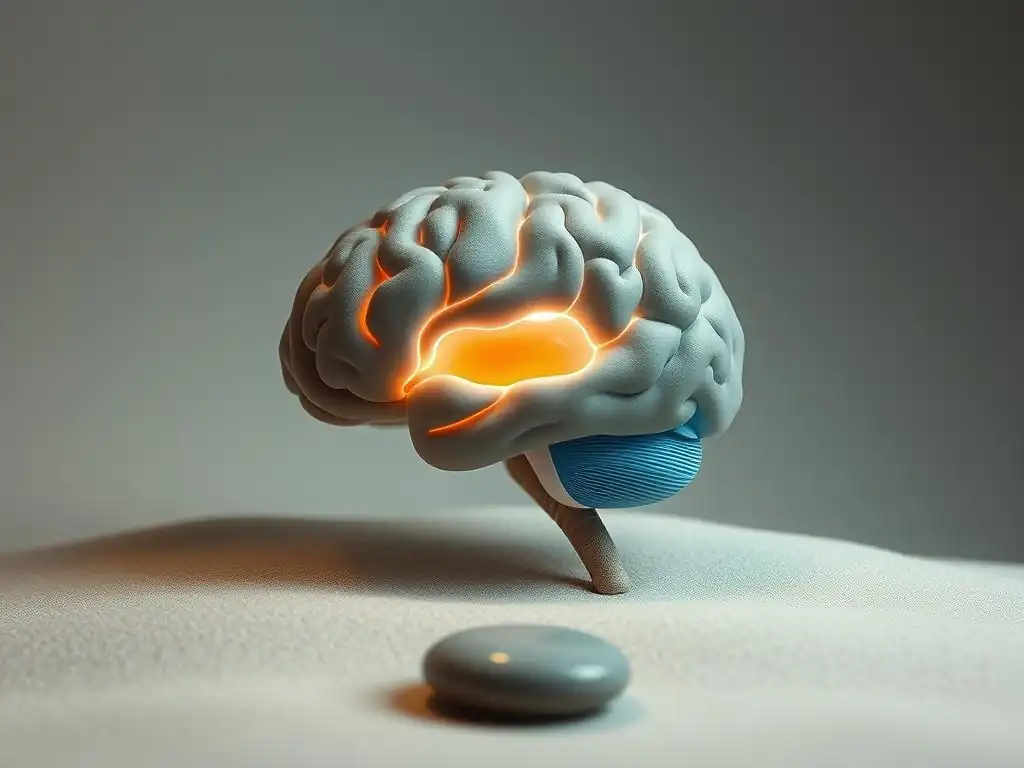
The Role of Exposure Therapy in Modifying Amygdala Responses: Gradual Desensitization
Exposure therapy is a core component of many anxiety treatments, particularly for phobias and PTSD, and it works by directly targeting the amygdala's learned fear associations. The therapy involves gradually exposing the individual to the feared stimulus in a safe and controlled environment, without the feared consequence occurring. For example, someone with arachnophobia might start by looking at pictures of spiders, then looking at a spider in a jar from a distance, eventually progressing to being in the same room as a spider.
By repeatedly experiencing the feared stimulus without coming to harm, the brain learns that the stimulus is not actually dangerous. This process, known as habituation or extinction, helps to weaken the strong fear response triggered by the amygdala. Over time, the amygdala's reactivity to the stimulus decreases. Success rates for exposure therapy in treating specific phobias are often very high, potentially reaching 80-90% effectiveness, highlighting its power in modifying amygdala responses.
Neurofeedback Training and its Effect on Amygdala Activity: Brainwave Modulation
Neurofeedback training is a non-invasive technique that allows individuals to learn to regulate their own brain activity, including activity in the amygdala. Using sensors placed on the scalp, brainwave patterns are measured and displayed in real-time on a computer screen. The individual receives feedback (visual or auditory) when their brain activity moves towards a desired pattern, such as reducing activity in areas associated with anxiety like the amygdala, or increasing activity in areas associated with calm or focus, like parts of the prefrontal cortex.
Through repeated training sessions, individuals can learn to consciously influence their brainwave patterns, effectively training their brain to be less reactive to stressors. While research on neurofeedback specifically targeting the amygdala is still evolving, some studies suggest it can lead to reduced anxiety symptoms and changes in brain activity patterns in areas relevant to emotional regulation. This offers a promising avenue for individuals seeking advanced techniques for understanding amygdala fear response strategies.
Beyond specific therapeutic techniques, several lifestyle changes can significantly support amygdala health and contribute to reduced anxiety. Regular physical exercise, for instance, has been shown to reduce stress hormones and promote the release of endorphins, which have mood-boosting effects. Consistent exercise can also influence brain structure and function over time, potentially impacting amygdala reactivity. Aiming for at least 150 minutes of moderate-intensity exercise per week is a common recommendation.
A balanced diet rich in whole foods, omega-3 fatty acids, and antioxidants supports overall brain health. Some research suggests a link between gut health and mental health, potentially influencing neurotransmitter production that affects mood and anxiety. Furthermore, strong social connections provide a sense of safety and support, which can buffer the effects of stress and help regulate the amygdala. Spending time with loved ones releases oxytocin, a hormone associated with bonding and calm, which can counteract the effects of stress hormones like cortisol. These lifestyle elements are foundational understanding amygdala fear response strategies.
The Amygdala and Trauma: Understanding the Connection
How Trauma Impacts the Amygdala's Function: Heightened Reactivity
Traumatic experiences, especially those involving perceived life-threatening danger, can profoundly alter the amygdala's function. Following trauma, the amygdala can become chronically hyperactive, remaining in a state of high alert even when no danger is present. This heightened reactivity means that the individual's threat detection system is essentially stuck on "high," leading to exaggerated startle responses, difficulty relaxing, and a constant sense of being on edge.
The brain essentially becomes wired to anticipate danger based on past traumatic events. Even subtle cues that were present during the trauma, or cues that are merely similar to aspects of the trauma, can trigger an intense fear response mediated by the amygdala. This can lead to flashbacks, nightmares, and intense anxiety or panic attacks when exposed to trauma reminders. Studies using brain imaging have shown increased amygdala volume and reactivity in individuals with PTSD compared to those without, with differences sometimes observed as increased activity by 20-30% or more in response to trauma-related stimuli.
Eye Movement Desensitization and Reprocessing (EMDR) is a psychotherapy approach specifically designed to help individuals process traumatic memories and reduce their emotional intensity. While the exact mechanisms are still being researched, one theory is that EMDR helps to reduce the vividness and emotional charge of traumatic memories by facilitating communication between the amygdala, hippocampus, and prefrontal cortex. The bilateral stimulation (often eye movements) used in EMDR is thought to mimic the processing that occurs during REM sleep, helping the brain to integrate the traumatic memory in a less distressing way.
By processing the memory effectively, the strong fear association stored in the amygdala is weakened. This can lead to a significant reduction in the frequency and intensity of trauma-related flashbacks, nightmares, and anxiety responses. EMDR is recognized as an evidence-based treatment for PTSD, demonstrating effectiveness in helping the brain, including the amygdala, move past the "stuck" fear response associated with trauma.
Building resilience after trauma involves strengthening the brain's ability to cope with stress and regulate emotional responses, including those driven by the amygdala. Social support is a critical factor in this process. Positive social interactions and a strong support network can buffer the effects of stress hormones like cortisol and promote the release of oxytocin, which has calming effects and can help dampen the amygdala's reactivity.
Feeling connected to others provides a sense of safety and belonging, which is fundamentally grounding for a nervous system that has been dysregulated by trauma. Sharing experiences with understanding individuals can help normalize responses and reduce feelings of isolation, which often exacerbate anxiety. Engaging in supportive relationships helps the brain learn that the world is not perpetually dangerous, gradually counteracting the amygdala's hypervigilance and strengthening its capacity for adaptive, rather than maladaptive, fear responses.
Long-Term Strategies for Maintaining a Healthy Amygdala
The Importance of Sleep for Amygdala Function and Emotional Regulation: REM Sleep and Consolidation
Adequate and quality sleep is absolutely essential for maintaining a healthy amygdala and optimal emotional regulation. During sleep, particularly REM (Rapid Eye Movement) sleep, the brain processes emotional experiences and consolidates memories. Research suggests that REM sleep helps to reduce the emotional intensity associated with difficult experiences, effectively "detoxing" the amygdala of its emotional charge.
Chronic sleep deprivation, or poor sleep quality, impairs the prefrontal cortex's ability to regulate the amygdala, leading to increased emotional reactivity and difficulty managing stress and anxiety. Studies have shown that even just one night of poor sleep can result in a significantly more reactive amygdala the following day. Prioritizing 7-9 hours of quality sleep per night is a fundamental long-term strategy for supporting amygdala health and improving our understanding amygdala fear response strategies.
Developing Healthy Coping Mechanisms for Stress Management: Problem-Focused vs. Emotion-Focused Strategies
Developing a repertoire of healthy coping mechanisms is crucial for managing the stress that can trigger or exacerbate amygdala activity. Coping strategies can broadly be categorized as problem-focused (addressing the source of the stress) or emotion-focused (managing the emotional response to stress). Both are valuable. Problem-focused strategies might involve time management, seeking information, or assertiveness. Emotion-focused strategies include relaxation techniques, seeking social support, journaling, or engaging in hobbies.
Avoidance, substance use, or excessive rumination are examples of maladaptive coping mechanisms that can actually increase amygdala activity and perpetuate anxiety. Learning to identify stressors and apply effective, healthy coping strategies helps the brain develop more adaptive responses, reducing reliance on the amygdala's default fear reaction. This proactive approach builds resilience and supports long-term emotional well-being.
While understanding the amygdala and implementing self-help strategies can be beneficial, it's important to recognize when professional help is needed. If amygdala-driven fear and worry are significantly impacting daily life – interfering with work, relationships, sleep, or causing distress – it's a strong indicator that professional support is warranted. Maladaptive patterns like constant avoidance, debilitating panic attacks, persistent intrusive thoughts, or difficulty functioning due to anxiety suggest that the amygdala's fear response is dysregulated beyond what self-management alone can address.
Mental health professionals, such as therapists, psychologists, or psychiatrists, can provide accurate diagnosis and evidence-based treatments like CBT, exposure therapy, EMDR, or medication if necessary. They can help individuals develop personalized understanding amygdala fear response strategies and address underlying issues contributing to anxiety. Seeking help is a sign of strength and a vital step towards regaining control and improving quality of life when the amygdala's influence becomes overwhelming.
Frequently Asked Questions
What exactly is the amygdala, and what is its primary function?
The amygdala is a small, almond-shaped structure in the brain. Its primary function is to process and regulate emotions, particularly fear and anxiety, influencing our fight-or-flight response.
How does the amygdala influence my experience of everyday fear and worry?
The amygdala interprets sensory information and triggers physiological responses. It can overestimate threats, leading to heightened feelings of fear and worry even in situations that aren't truly dangerous, influencing emotional regulation.
What are some "Understanding amygdala fear response strategies" I can use to manage my anxiety?
Strategies include mindfulness techniques to calm the amygdala, cognitive reframing to challenge negative thoughts, and exposure therapy to gradually desensitize to feared stimuli, enhancing emotional resilience.
Can chronic stress or trauma affect the amygdala and its function?
Yes, chronic stress and trauma can lead to amygdala hyperactivity, making you more prone to anxiety and fear. This may require professional help for effective management and healing.
Is it possible to "retrain" the amygdala to reduce fear responses?
Absolutely! Through consistent practice of strategies like cognitive behavioral therapy (CBT) and mindfulness, you can reprogram the amygdala to react less intensely to perceived threats, fostering emotional well-being.
Final Reflection: Taming the Amygdala: From Understanding to Action
The amygdala's influence on our daily lives is not merely a scientific curiosity; it's the very engine driving our experience of fear and worry. Understanding its mechanisms is not just intellectually stimulating, but profoundly practical, offering a pathway to navigate the anxieties that permeate modern life. This knowledge empowers us to take control of our emotional responses, rather than being controlled by them.
The exploration of the amygdala's role in fear has illuminated the complex interplay between our biology and our lived experiences. Its impact resonates deeply within our culture, shaping everything from our approach to conflict resolution to the way we consume media. The constant barrage of negative news and social pressures only exacerbates the amygdala's natural tendency towards hypervigilance. Fear is a reaction. Courage is a decision.
- Winston Churchill. This quote highlights the critical choice we all face: to be passively driven by our amygdala's responses, or to actively cultivate courage and resilience in the face of fear.
Now, consider your own relationship with fear and worry. What triggers your amygdala? What coping mechanisms do you currently employ? This article has provided you with a framework for understanding the biological underpinnings of your anxieties. I invite you to take this knowledge and use it to build a more compassionate and effective approach to managing your emotional landscape. Explore mindfulness techniques, cognitive behavioral therapy strategies, or simply take time each day to consciously regulate your breathing and calm your nervous system. The journey to mastering your amygdala begins with understanding, and continues with conscious action.
Unleash Your Inner Calm: Tame Your Amygdala Today!
Thanks for taking the time to explore the fascinating world of the amygdala and its influence on our daily anxieties. You've now gained valuable insight into understanding and managing your fear responses. Ready to put this knowledge into action?
- Prioritize one small, manageable fear-inducing situation this week and consciously apply the techniques discussed in the article. This could be anything from speaking up in a meeting to tackling a difficult task. Small steps yield big results!
- Share this article with someone who might also benefit from understanding their amygdala better. Knowing you’re not alone can make a huge difference.
- Try a simple mindfulness exercise focusing on your breath for just 5 minutes daily. This helps regulate the amygdala’s reactivity.
What small step will you take today to begin calming your amygdala and fostering a more peaceful, confident you?