
Finding Joy in Small Things: Mindful Exercises to Counteract Stress

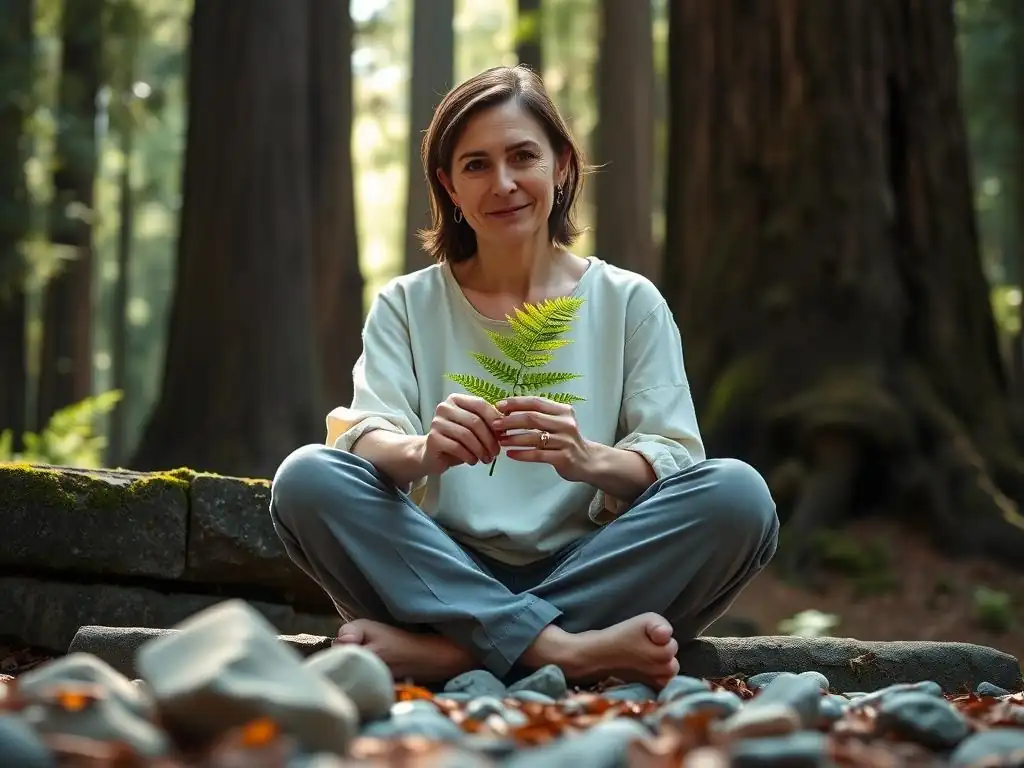
Welcome to Mind Care Guide, a sanctuary for your mental well-being.
Feeling overwhelmed? We understand. This space is dedicated to helping you navigate the complexities of mental health with compassion and clarity. Discover how simple changes can make a big difference, starting with our exploration of how mindful exercises reduce stress. Intrigued? Let's begin your journey to a calmer, more centered you.
- Finding Joy in Small Things: Mindful Exercises to Counteract Stress | Mind Care Guide
- Practical Mindful Exercises to Reduce Stress and Enhance Joy
- Integrating Mindful Exercises into Your Daily Routine
- Overcoming Challenges and Maintaining a Mindful Practice
- The Long-Term Benefits of Mindful Exercises for Stress Reduction and Well-being
- Conclusion: Embracing Mindfulness for a More Joyful and Stress-Free Life
-
Frequently Asked Questions
- What are some simple mindful exercises I can do to reduce stress?
- How do mindful exercises reduce stress levels?
- How often should I practice mindful exercises to see a noticeable reduction in stress?
- Are there any specific mindful exercises recommended for dealing with anxiety?
- Where can I find more resources and support for mental well-being and mindful practices?
- Final Reflection: Cultivating Joy in a Hectic World
- Unleash Your Inner Calm: Practice Joyful Mindfulness Today
Finding Joy in Small Things: Mindful Exercises to Counteract Stress | Mind Care Guide
The Impact of Stress on Mental Well-being
Chronic stress is a pervasive challenge in modern life, significantly impacting our mental and physical health. It's not just feeling overwhelmed; prolonged exposure to stressors can lead to serious conditions. For instance, persistent stress is linked to an increased risk of anxiety disorders, depression, and burnout. Studies suggest that individuals experiencing high levels of work-related stress are roughly 40% more likely to develop depression compared to those with lower stress levels. This mental toll can manifest as irritability, difficulty concentrating, memory problems, and even feelings of helplessness or hopelessness.
Beyond the psychological effects, stress triggers physiological responses that can damage the body over time. The continuous activation of the "fight or flight" response floods the system with hormones like cortisol. Elevated cortisol levels are associated with a weakened immune system, digestive issues, sleep disturbances, and an increased risk of cardiovascular problems. Approximately 75% to 90% of all doctor's office visits are for stress-related ailments and complaints. Understanding this profound impact underscores the critical need for effective strategies to manage stress, such as incorporating mindful exercises reduce stress significantly.
What is Mindfulness and How Does it Reduce Stress?
Mindfulness is the practice of intentionally bringing one's attention to the present moment without judgment. It involves observing thoughts, feelings, bodily sensations, and the surrounding environment as they arise, accepting them without trying to change or control them. This simple yet powerful practice is rooted in ancient contemplative traditions but has gained widespread recognition for its therapeutic benefits, particularly in stress reduction. Engaging in mindful exercises reduces stress by interrupting the cycle of rumination and worry that often fuels anxiety.
How does this present-moment awareness help alleviate stress? When we are stressed, our minds often jump between dwelling on past problems and worrying about future uncertainties. Mindfulness gently redirects our attention back to now.
By focusing on immediate sensory input or the simple act of breathing, we create a mental space away from stress-inducing thoughts. Research indicates that regular mindfulness practice can actually change the brain's structure, specifically increasing gray matter in areas associated with learning, memory, emotion regulation, and empathy, while potentially decreasing gray matter in the amygdala, the brain's fear center. This neurological shift helps individuals respond to stress more calmly and effectively.
Connecting with the Present Moment for Stress Relief
The ability to connect deeply with the present moment is a cornerstone of using mindful exercises to reduce stress. Stress often pulls us away from our immediate reality, trapping us in mental narratives about what went wrong or what might go wrong. By intentionally anchoring ourselves in the 'here and now,' we interrupt this cycle and regain a sense of control and perspective. This doesn't mean ignoring problems, but rather approaching them from a calmer, more grounded state.
Simple acts like feeling your feet on the ground, noticing the warmth of a cup in your hands, or observing the pattern of leaves on a tree are ways to connect with the present. These seemingly small actions shift focus from abstract worries to concrete sensory experiences. This shift can lower heart rate, reduce muscle tension, and quiet the mental chatter associated with stress. A study on mindfulness-based stress reduction (MBSR) found that participants reported a significant decrease in perceived stress levels, often reducing symptoms by 30% or more, simply by practicing present-moment awareness techniques consistently.
Practical Mindful Exercises to Reduce Stress and Enhance Joy

Mindful Breathing Exercises for Immediate Stress Reduction
Mindful breathing is one of the most accessible and effective ways to use mindful exercises to reduce stress quickly. The breath is always with us, making it an ideal anchor for present-moment awareness. Focusing on the simple, rhythmic inflow and outflow of air can calm the nervous system and create a sense of immediate relief from pressure and anxiety. Even just a few focused breaths can interrupt a stress response.
These exercises don't require special equipment or a lot of time, making them perfect for integrating into busy schedules. Whether you have 30 seconds or 10 minutes, tuning into your breath can provide a powerful reset. Practicing these techniques regularly builds your capacity to manage stress responses more effectively over time, proving that simple mindful exercises reduce stress significantly when practiced consistently.
Diaphragmatic Breathing: A Simple Technique
Diaphragmatic breathing, or belly breathing, involves engaging the diaphragm, the large muscle located just below the lungs, to pull in more air. To practice, sit or lie comfortably. Place one hand on your chest and the other on your belly. Inhale slowly through your nose, feeling your belly rise while your chest remains relatively still. Exhale slowly through pursed lips, gently pressing on your belly to help push the air out. Repeat for several minutes. This technique stimulates the vagus nerve, promoting relaxation.
Box Breathing for Focused Calm
Box breathing is a four-step technique used by first responders and military personnel to stay calm under pressure. Inhale deeply through your nose for a count of four. Hold your breath for a count of four. Exhale slowly through your mouth for a count of four. Hold your breath again for a count of four. Repeat this "box" cycle several times. This rhythmic pattern helps regulate breathing and focus the mind, effectively using mindful exercises reduce stress in moments of intensity.
Alternate Nostril Breathing for Balance
Alternate nostril breathing (Nadi Shodhana) is a yogic breathing technique that aims to balance the body's energy. Sit comfortably with a straight spine. Close your right nostril with your right thumb. Inhale slowly through your left nostril. Close your left nostril with your right ring finger, releasing the thumb from the right nostril.
Exhale slowly through your right nostril. Inhale through the right nostril. Close the right nostril with your thumb, release the ring finger from the left nostril, and exhale through the left nostril. This completes one cycle. Continue for 5-10 cycles, alternating the nostril you exhale and inhale through.
Mindful Observation: Appreciating the Small Wonders Around You
Mindful observation involves paying close, non-judgmental attention to the sights, sounds, smells, tastes, and textures of your environment. This practice helps to ground you in the present moment, pulling your focus away from internal stressors and engaging with the external world. It's about finding fascination and beauty in the ordinary, discovering that mindful exercises reduce stress by shifting perspective.
By deliberately noticing details you might otherwise overlook – the way light falls on a surface, the complex flavor of a single bite of food, the specific sounds in your surroundings – you train your brain to focus on the present sensory input. This not only reduces the space for stressful thoughts but can also foster a sense of wonder and appreciation for the world around you, contributing to greater overall well-being and joy.
Mindful Walking: Connecting with Your Environment
Mindful walking is more than just getting from point A to point B; it's an opportunity to engage fully with the experience of walking and your surroundings. As you walk, notice the sensation of your feet touching the ground, the rhythm of your steps, and the movement of your body. Pay attention to the sights, sounds, and smells around you without judgment.
Notice the colors of the leaves, the feeling of the breeze, the distant sounds. This practice helps to clear the mind and reduce stress by focusing attention outward and inward simultaneously. Even a 10-minute mindful walk can significantly lower stress levels.
Mindful Eating: Savoring Each Bite
Mindful eating involves paying full attention to the experience of eating. Before eating, take a moment to notice the appearance and smell of your food. As you eat, chew slowly and pay attention to the textures, flavors, and temperatures.
Notice the sensations in your body – hunger cues before eating, and feelings of fullness during and after. This practice not only enhances the enjoyment of food but also helps you become more attuned to your body's signals, preventing overeating and reducing the stress often associated with rushed or distracted meals. Studies show mindful eating can improve digestion and reduce anxiety around food.
Mindful Listening: Fully Engaging with Sounds
Mindful listening is the practice of paying complete attention to sounds without distraction or judgment. This can be listening to music, nature sounds, or even just the ambient noise around you. Close your eyes if comfortable and simply notice the different sounds present. Are they near or far? Loud or soft?
Pleasant or unpleasant? Just observe. When listening to someone speak, practice mindful listening by focusing solely on their words and tone, without formulating your response or getting distracted. This practice enhances concentration and can be a simple yet effective way to use mindful exercises reduce stress in noisy or chaotic environments.
Sensory Awareness Exercises for Stress Relief
Engaging your senses is a powerful way to ground yourself in the present moment, especially when feeling overwhelmed by stress. Sensory awareness exercises redirect your attention away from stressful thoughts and towards the immediate, tangible reality of your body and environment. These practices are particularly useful for managing anxiety and panic, providing a quick anchor when your mind is racing.
By deliberately focusing on sensory input, you interrupt the cycle of worry and bring yourself back to the 'here and now.' This not only helps to reduce immediate stress but also trains your brain to be more present and less reactive to stressors over time. Incorporating sensory-focused mindful exercises reduce stress by providing concrete points of focus.
The Five Senses Exercise: Grounding Yourself in the Present
The Five Senses exercise is a simple grounding technique you can use anywhere to combat stress and anxiety. Acknowledge: 5 things you can see (e.g., the color of the wall, a pen on your desk), 4 things you can touch (e.g., the texture of your clothes, the surface of the table), 3 things you can hear (e.g., traffic outside, your own breathing, a clock ticking), 2 things you can smell (e.g., coffee, a scented candle, the air), and 1 thing you can taste (e.g., lingering taste from a drink, your own saliva).
This exercise quickly anchors you in the present moment.
Body Scan Meditation: Releasing Tension and Increasing Awareness
A body scan meditation involves systematically bringing awareness to different parts of your body, noticing any sensations without trying to change them. Lie down or sit comfortably. Close your eyes and bring your attention to your breath for a few moments. Then, gently bring your awareness to your toes.
Notice any sensations there – tingling, warmth, coolness, absence of sensation. Then move your awareness slowly up your body, through your feet, ankles, calves, knees, thighs, pelvis, abdomen, back, chest, shoulders, arms, hands, neck, and head. This practice helps identify areas of tension you may be holding and encourages release, using mindful exercises reduce stress by increasing physical self-awareness.
Mindful Touch: Exploring Textures and Sensations
Mindful touch involves paying close attention to the sensations of touch. Pick up an object nearby – maybe a smooth stone, a piece of fabric, or even your own hand. Explore its texture, temperature, and weight. Notice the feeling of your fingertips on the surface, the pressure, the contours. You can also practice this with everyday activities, like feeling the water as you wash your hands or the texture of your clothes against your skin. This simple act of tactile awareness can be incredibly grounding and calming, providing a direct pathway to present-moment awareness and stress relief.
Gratitude Practices for Cultivating Joy and Reducing Stress
Practicing gratitude shifts your focus from what's wrong or missing to what is right and abundant in your life. This positive shift in perspective is a powerful antidote to stress and worry, which often focus on perceived threats or deficiencies. By intentionally acknowledging the good things, no matter how small, you cultivate a sense of contentment and appreciation that directly counters the negative thought patterns associated with stress.
Regular gratitude practices have been shown to improve mood, increase feelings of happiness, and even enhance physical health. They help reframe challenges and build resilience by highlighting the resources and support systems you have. Incorporating gratitude into your routine is a beautiful way to use mindful exercises reduce stress while simultaneously boosting overall life satisfaction and finding joy in everyday moments.
Gratitude Journaling: Focusing on the Positive
Gratitude journaling involves regularly writing down things you are thankful for. This could be daily or a few times a week. List three to five things, big or small – perhaps a sunny day, a kind word from a friend, a comfortable bed, or a delicious meal. The act of writing helps solidify these positive observations. Studies suggest that people who regularly practice gratitude journaling report higher levels of optimism and lower levels of stress and depressive symptoms.
Gratitude Meditation: Expressing Appreciation
Gratitude meditation combines mindfulness with the feeling of thankfulness. Sit comfortably and close your eyes. Bring your attention to your breath until you feel settled. Then, bring to mind people, experiences, or things you are grateful for. Spend a few moments focusing on each one, allowing yourself to truly feel the sense of appreciation. This could be gratitude for your health, a loved one, a beautiful moment in nature, or even a challenging experience that taught you something valuable. This practice cultivates warm feelings and reduces stress by shifting focus to positive emotions.
"Three Good Things" Exercise: Identifying Daily Blessings
The "Three Good Things" exercise is a simple, effective gratitude practice. At the end of each day, take a few minutes to reflect and write down three things that went well or that you are grateful for. Briefly explain why each good thing happened. This helps you look for the positive throughout your day and reinforces the habit of noticing blessings. Consistently doing this exercise has been shown to increase happiness and decrease symptoms of depression and anxiety over time, illustrating how easy mindful exercises reduce stress and improve mood.
Integrating Mindful Exercises into Your Daily Routine
Making mindful exercises a regular part of your day is key to harnessing their full stress-reducing potential. It doesn't require dedicating hours each day; even short bursts of mindfulness can be beneficial. The goal is to weave these practices into the fabric of your life, making them as natural as brushing your teeth. This consistency builds resilience and helps you navigate daily stressors with greater ease.
Finding creative ways to incorporate mindfulness into existing routines makes it more sustainable. Think about moments that are already part of your day – commuting, eating, waiting in line, getting ready for bed. These can become opportunities for mindful practice. The cumulative effect of these small, consistent efforts is where the significant benefit of using mindful exercises reduce stress truly lies.
Creating a Mindful Morning Ritual
Starting your day mindfully can set a positive tone and prepare you to handle potential stressors. Instead of rushing, try dedicating a few minutes to quiet awareness. This could involve a short mindful breathing exercise before getting out of bed, mindfully savoring your morning beverage, or taking a few moments to simply notice the sounds and sights as you begin your day. A mindful morning ritual, even just 5-10 minutes, can significantly decrease morning anxiety and improve focus for the day ahead.
Incorporating Mindfulness into Your Workday
The workday often presents numerous stressors, but it also offers opportunities for mindfulness. Take short "mindfulness breaks" throughout the day. This could be a minute of mindful breathing before a challenging meeting, mindfully stretching at your desk, taking a mindful walk during your lunch break, or simply pausing to notice your posture and breath when you feel overwhelmed. Setting reminders to practice mindful exercises reduce stress periodically during the workday can help maintain calm and focus amidst pressure.
Using Mindfulness to Unwind Before Bed
Practicing mindfulness before sleep can help calm a racing mind and prepare your body for rest, reducing stress-related insomnia. This might involve a body scan meditation to release physical tension, mindful breathing to quiet thoughts, or reflecting on three good things from the day. Avoiding screens and engaging in a quiet mindful activity for the last 30-60 minutes before bed signals to your body that it's time to rest, promoting deeper, more restorative sleep.
Overcoming Challenges and Maintaining a Mindful Practice
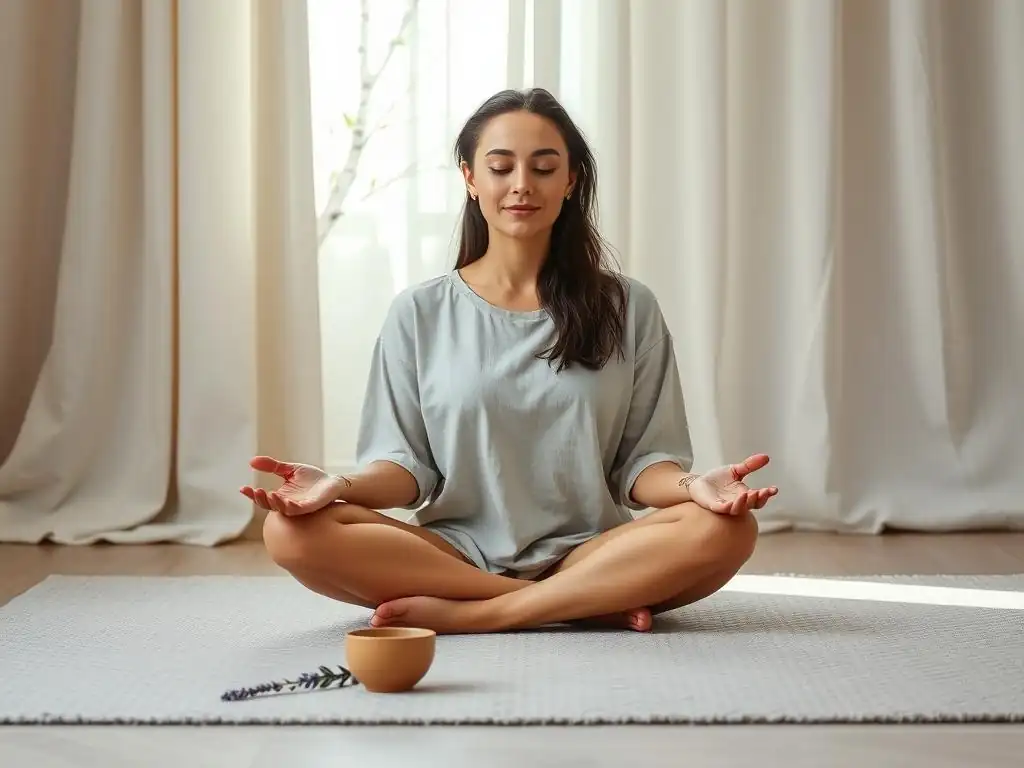
Starting and maintaining a mindful practice isn't always easy. Distractions arise, motivation wanes, and life gets busy. It's important to approach these challenges with self-compassion and persistence, recognizing that mindfulness is a practice, not a state of perfection. Understanding common hurdles can help you develop strategies to overcome them and stick with your commitment to using mindful exercises reduce stress.
Relapse or inconsistency is a normal part of the process. Don't view missed days as failures, but simply as moments to gently return to the practice. Be patient with yourself, and remember why you started – to cultivate greater peace, reduce stress, and find more joy. This commitment to self-care is a powerful motivator for maintaining a mindful lifestyle.
Dealing with Distractions During Mindfulness Exercises
Distractions, whether internal thoughts or external sounds, are a natural part of mindfulness practice. The goal isn't to eliminate them, but to notice them without judgment and gently redirect your attention back to your chosen anchor (like the breath or body sensations). Think of your mind as a puppy that wanders off – you gently bring it back, again and again. Acknowledging the distraction ("Ah, my mind is thinking about work") before returning to the present moment can be helpful. Remember, noticing you are distracted is being mindful!
Staying Consistent with Your Mindfulness Routine
Consistency is often more important than duration. Aim for short, regular practice sessions rather than infrequent long ones. Link your mindfulness practice to an existing habit, like having coffee or commuting, to make it easier to remember. Use apps or timers to set reminders. Be flexible – if you miss a day, don't give up; just start again tomorrow. Finding an accountability partner or joining a mindfulness group can also provide encouragement and support for maintaining your routine of using mindful exercises reduce stress.
Seeking Support and Resources for Mindfulness Practice
You don't have to navigate your mindfulness journey alone. There are many resources available to support your practice. Consider exploring guided meditations (available through various apps or online platforms), attending local mindfulness classes or workshops, or reading books by reputable mindfulness teachers. If you find that stress and anxiety are significantly impacting your life, speaking with a therapist or counselor who incorporates mindfulness into their practice can provide personalized guidance and support. Many mental health professionals utilize mindful exercises reduce stress and other symptoms in therapy sessions.
The Long-Term Benefits of Mindful Exercises for Stress Reduction and Well-being
While mindful exercises offer immediate relief, their true power lies in their cumulative long-term benefits. Regular practice fundamentally changes your relationship with stress and challenges, building inner resources that enhance overall mental and emotional well-being. It's like building a muscle; the more you practice, the stronger your capacity to handle life's inevitable ups and downs becomes.
These sustained benefits extend beyond simply feeling less stressed in the moment. They influence how you perceive yourself, interact with others, and engage with the world. Committing to using mindful exercises reduce stress over time leads to profound positive changes in your emotional landscape and cognitive function, fostering a more resilient and joyful life.
Enhanced Emotional Regulation
Mindfulness helps you become more aware of your emotions without being overwhelmed by them. By observing feelings non-judgmentally, you create a space between the emotion and your reaction. This allows you to respond thoughtfully rather than react impulsively, particularly to challenging or stressful emotions like anger or frustration. Over time, this practice strengthens your ability to manage difficult feelings more effectively, leading to greater emotional stability and reduced reactivity under stress. Studies show that MBSR programs significantly improve participants' ability to regulate negative emotions.
Improved Focus and Concentration
In our increasingly distracted world, the ability to focus is a valuable skill. Mindfulness trains your attention muscle. By repeatedly bringing your focus back to your chosen anchor (like the breath) whenever your mind wanders, you strengthen neural pathways associated with concentration. This improved focus extends beyond formal practice into daily tasks, making you more productive and less prone to the mental clutter that often accompanies stress. Enhanced concentration is a significant benefit of consistent mindful exercises reduce stress by improving mental clarity.
Increased Resilience to Stressors
Perhaps one of the most significant long-term benefits is increased resilience. Mindfulness doesn't eliminate stressors, but it changes how you bounce back from them. By cultivating present-moment awareness and non-judgment, you become less reactive to challenges and better able to accept difficult circumstances without getting stuck in rumination. This enables you to navigate adversity with greater strength and flexibility, viewing obstacles as opportunities for growth rather than insurmountable threats. Regular mindful exercises reduce stress by building this inner fortitude.
Conclusion: Embracing Mindfulness for a More Joyful and Stress-Free Life
Embracing mindful exercises is a powerful step towards cultivating a life with less stress and more joy. These practices, from simple breathing techniques to mindful observation and gratitude, offer tangible ways to anchor yourself in the present moment and shift your perspective away from worry and towards appreciation. While challenges may arise in establishing a consistent routine, the long-term benefits – including enhanced emotional regulation, improved focus, and increased resilience – are profoundly rewarding.
By integrating mindful exercises reduce stress and enhance well-being, you equip yourself with tools to navigate life's complexities with greater ease and discover the simple wonders that bring joy each day. Commit to the practice, be patient with yourself, and unlock the potential for a calmer, more fulfilling existence.
Frequently Asked Questions
What are some simple mindful exercises I can do to reduce stress?
You can try focusing on your breath, practicing mindful walking, or paying attention to the sensory details of everyday activities, like drinking a cup of tea.
How do mindful exercises reduce stress levels?
Mindful exercises help you become more aware of the present moment, reducing the tendency to dwell on the past or worry about the future, which are major sources of stress. They help you shift your focus to the here and now.
How often should I practice mindful exercises to see a noticeable reduction in stress?
Even short, daily sessions (5-10 minutes) of mindful exercises can significantly reduce stress. Consistency is key, so try to incorporate them into your routine. The more you practice, the better the effect.
Are there any specific mindful exercises recommended for dealing with anxiety?
Body scan meditations and progressive muscle relaxation are particularly helpful for managing anxiety. These techniques help you become more aware of physical sensations and release tension.
Where can I find more resources and support for mental well-being and mindful practices?
Websites like Mind Care Guide offer information, support, and resources for various mental health challenges. You can also explore guided meditations apps and local mindfulness workshops.
Final Reflection: Cultivating Joy in a Hectic World
The relentless pace of modern life often leaves us feeling overwhelmed, but the simple act of finding joy in small things offers a powerful antidote to stress. This isn't just a fleeting trend; it's a fundamental shift in perspective that can profoundly impact our well-being and resilience in the face of daily challenges. The mindful exercises explored throughout this article provide practical tools to reclaim our inner peace and cultivate a more joyful existence.
The impact of mindful practices on our cultural landscape is undeniable. We're seeing a growing awareness of the importance of mental health, and the search for simple, effective stress-reduction techniques is more prevalent than ever before. Happiness is not something ready made. It comes from your own actions.
This quote by the Dalai Lama perfectly encapsulates the core message of this article: joy isn't a passive state; it's actively cultivated through conscious choices and mindful engagement with our lives. The shift towards prioritizing mental wellness is a positive evolution, and the integration of mindful exercises into our daily routines is a crucial step in this journey.
Now, consider your own life. What small things bring you joy? Perhaps it's the warmth of the sun on your skin, the taste of your morning coffee, or a heartfelt conversation with a loved one.
I encourage you to consciously incorporate mindful exercises into your daily routine – even just five minutes a day can make a significant difference. Take a moment to breathe deeply, to appreciate the beauty around you, and to find gratitude in the simple pleasures life offers. By embracing this mindful approach, you'll not only reduce stress but also unlock a deeper sense of joy and contentment, transforming your relationship with yourself and the world around you.
Unleash Your Inner Calm: Practice Joyful Mindfulness Today
Thanks for taking the time to explore mindful ways to combat stress! We hope you discovered some helpful techniques to bring more joy into your daily life. Ready to put these practices into action?
- Prioritize one mindful exercise: Choose just one exercise from the article – whether it's a mindful walk, a gratitude reflection, or a simple breathing practice – and dedicate 5 minutes to it today. This small step can make a big difference.
- Share your experience: Tell us (or a friend!) about your experience with the chosen exercise. What did you notice? How did it make you feel?
- Explore a new mindful activity: We encourage you to explore other mindful practices beyond the article. Try a guided meditation, listen to calming nature sounds, or engage in a creative hobby that promotes relaxation.
What small act of mindfulness will you integrate into your routine to cultivate more joy this week?