
Walk Away Your Worries: A Guide to Finding Calm Through Movement.


Welcome to Mind Care Guide, your sanctuary for mental well-being.
Feeling overwhelmed? You're not alone. In today's fast-paced world, stress can feel like an unwelcome companion. But what if there was a way to gently guide yourself back to calm, using the wisdom of your own body? Dive into this month's featured article, " Walk Away Your Worries: A Guide to Finding Calm Through Movement," where we explore powerful movement-based stress reduction techniques that can help you reclaim your inner peace. Discover simple yet effective ways to integrate movement into your daily life and start feeling lighter, brighter, and more centered. Ready to take the first step? Let's begin...
Walk Away Your Worries: A Guide to Finding Calm Through Movement
- Introduction: Discovering Calm Through Movement-Based Stress Reduction
- Understanding Movement-Based Stress Reduction Techniques
- Walking Meditation: A Simple Guide to Stress Relief
- Preparing for Your Walking Meditation Practice
- Step-by-Step Guide to Walking Meditation
- Different Types of Walking Meditation
- Overcoming Challenges in Walking Meditation
- Enhancing Your Movement-Based Stress Reduction Routine
- The Long-Term Benefits of Regular Walking Meditation
- Conclusion: Embracing Movement for Lasting Calm
-
Frequently Asked Questions
- What exactly are movement-based stress reduction techniques?
- How can walking, specifically, help reduce stress?
- Are movement-based stress reduction techniques suitable for everyone?
- Besides walking, what are some other examples of movement-based stress reduction techniques?
- How often should I practice movement-based stress reduction techniques to see results?
- Final Reflection: Embracing the Moving Meditation
- Unleash Your Inner Calm: Take the Next Step
Introduction: Discovering Calm Through Movement-Based Stress Reduction
Stress is an undeniable part of modern life, often leaving us feeling overwhelmed, anxious, and disconnected from ourselves. While many traditional methods focus on stillness or cognitive techniques, there's a powerful, accessible pathway to calm that involves putting one foot in front of the other. Embracing movement-based stress reduction techniques can offer a dynamic way to process difficult emotions and find grounding.
This guide explores how simple physical activity, specifically walking, can become a profound tool for managing stress and cultivating mental well-being. We'll delve into the "why" and "how" of incorporating mindful movement into your routine, transforming a simple walk into a powerful practice for reducing anxiety and enhancing your overall sense of peace.
The Power of Movement for Mental Well-being
Research consistently highlights the significant impact of physical activity on mental health. Engaging in regular movement, even moderate forms, can influence brain chemistry, leading to positive shifts in mood and stress levels. For instance, studies have shown that consistent aerobic exercise, like brisk walking, can be as effective as some forms of therapy for mild to moderate depression and anxiety.
Beyond chemical changes, movement provides an outlet for pent-up energy and tension. It allows the body to physically release stress hormones like cortisol and adrenaline, which accumulate during stressful periods. This physical release, combined with the mental break offered by focusing on the activity itself, contributes to a profound sense of relief and clarity, making movement a fundamental aspect of holistic well-being.
Why Walking is an Effective Stress Reliever
Walking stands out as a particularly effective method of movement-based stress reduction due to its accessibility and gentle nature. Unlike high-intensity workouts, walking is low-impact and can be done almost anywhere, requiring no special equipment beyond comfortable shoes. This ease of access removes common barriers to exercise, making it a sustainable practice for many individuals.
Furthermore, the rhythmic, repetitive motion of walking can have a calming effect on the nervous system. It provides a steady, predictable pattern that can help regulate breathing and heart rate, counteracting the erratic patterns often associated with stress and anxiety. This simple, natural rhythm allows the mind to settle, making it easier to practice mindfulness and gain perspective on stressors.
Understanding Movement-Based Stress Reduction Techniques
Movement-based stress reduction techniques encompass a range of practices that use physical activity as a primary tool for managing psychological distress. These methods recognize the intricate connection between the body and the mind, leveraging movement to influence emotional states, improve cognitive function, and build resilience against stress.
These techniques vary widely, from structured exercises like yoga and Tai Chi to informal practices like mindful walking or even just dancing freely. The common thread is the intentional use of physical movement to bring awareness to the present moment and release physical and mental tension. They shift the focus from solely thinking about stress to experiencing and processing it through the body.
What Are Movement-Based Stress Reduction Techniques?
Movement-based stress reduction techniques are therapeutic approaches that utilize physical activity to alleviate stress, anxiety, and other mental health challenges. They often involve integrating mindful awareness with bodily sensations, promoting a deeper connection between mind and body. Examples include yoga, Tai Chi, Qigong, dance therapy, and walking meditation.
These techniques are often rooted in ancient practices that understood the importance of physical vitality for mental and spiritual health. Modern research supports these age-old wisdoms, showing that practices involving coordinated movement and breathwork can significantly lower perceived stress levels. For instance, studies have indicated that regular participation in Tai Chi can lead to a reduction in cortisol levels by approximately 15-20% in stressed individuals.
The Science Behind Movement and Mental Health
The positive impact of movement on mental health is well-documented in scientific literature. Physical activity triggers the release of endorphins, often referred to as the body's natural painkillers and mood elevators. These neurochemicals produce feelings of euphoria and well-being, effectively counteracting negative emotional states associated with stress.
Beyond endorphins, movement also influences neurotransmitters like serotonin, dopamine, and norepinephrine, all of which play crucial roles in regulating mood, sleep, and energy levels. Furthermore, regular physical activity can reduce the levels of stress hormones like cortisol. Chronic stress elevates cortisol, which can have detrimental effects on brain structure and function over time. Engaging in movement-based stress reduction helps regulate this hormonal response, promoting greater resilience and emotional stability.
Walking Meditation: A Simple Guide to Stress Relief
Walking meditation is a form of mindfulness practice that involves paying deliberate attention to the physical sensations of walking. It transforms the simple act of putting one foot in front of the other into an opportunity for present-moment awareness, helping to quiet the busy mind and reduce stress.
This practice can be done anywhere you can walk, making it incredibly accessible. It doesn't require any specific posture or equipment, just your body and a willingness to focus on the experience of walking itself. By bringing mindful attention to each step, you anchor yourself in the present, stepping away from worries about the past or future.
What is Walking Meditation?
Walking meditation is a moving meditation practice where the focus is on the sensations and experience of walking. Instead of rushing from point A to point B, the practitioner slows down and pays deliberate attention to the lifting of the foot, the movement of the leg, the placement of the heel, the shift of weight, and the contact of the foot with the ground.
This practice is not about clearing the mind entirely, but rather about observing thoughts and feelings without judgment, gently bringing attention back to the physical act of walking whenever the mind wanders. It can be done indoors in a small space or outdoors in nature, offering a flexible approach to cultivating mindfulness and applying movement-based stress reduction principles.
Benefits of Walking Meditation for Anxiety and Stress
Incorporating walking meditation into your routine offers numerous benefits for managing anxiety and stress. The rhythmic nature of walking combined with mindful focus helps to calm the nervous system, reducing the physiological symptoms of stress such as rapid heart rate and shallow breathing.
Practicing walking meditation regularly can lead to a significant reduction in perceived stress levels. For instance, studies on mindfulness practices, including walking meditation, have shown reductions in anxiety symptoms by as much as 25-40% over an 8-week period in participants. The practice also helps individuals develop greater self-awareness, enabling them to recognize stress triggers earlier and respond more effectively. By shifting attention from anxious thoughts to bodily sensations, walking meditation provides a tangible way to interrupt the cycle of worry.
Preparing for Your Walking Meditation Practice
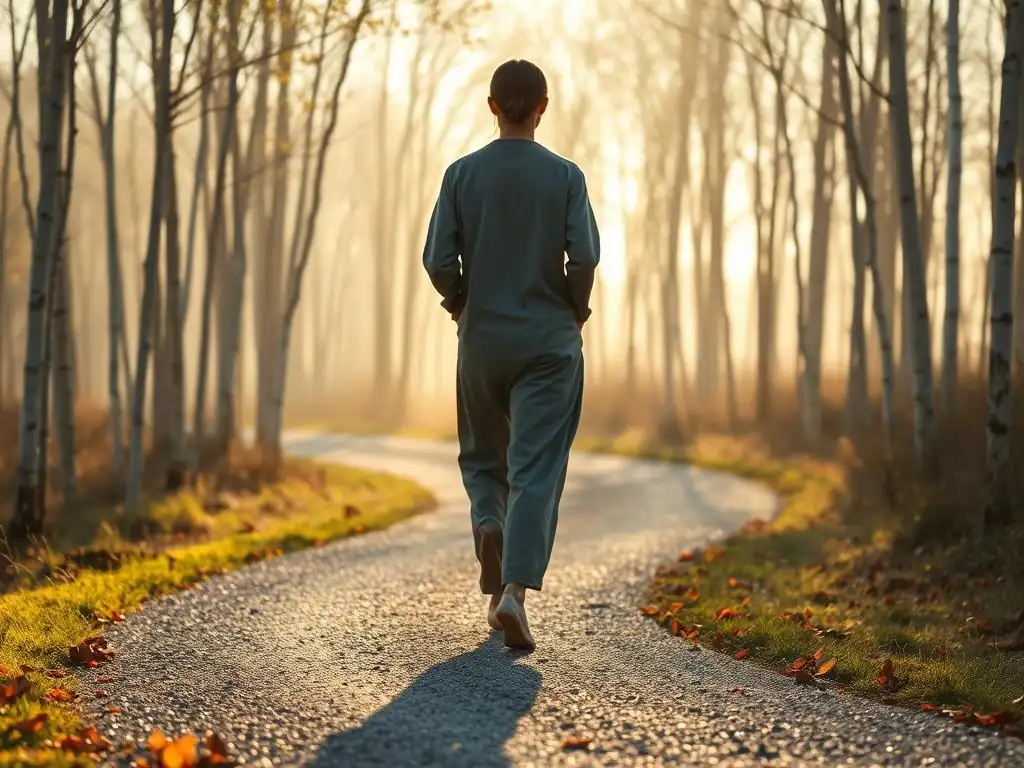
Preparing properly can enhance your walking meditation experience, making it more comfortable and conducive to mindfulness. While the practice is simple, a little forethought about your environment, intentions, and what you wear can make a significant difference in your ability to focus and relax.
Taking a few moments before you start to set the stage for your practice helps create a dedicated space, even if it's just a short walk around the block. This preparation signals to your mind and body that you are transitioning into a time for intentional self-care and movement-based stress reduction.
Finding the Right Environment for Mindful Walking
Choosing a suitable environment is key to a successful walking meditation. Ideally, find a place where you feel safe and can minimize distractions. This could be a quiet park, a peaceful trail, a less-trafficked sidewalk in your neighborhood, or even a long hallway indoors if space is limited.
- Consider the time of day: Early mornings or late evenings might offer more solitude.
- Look for natural elements: Walking in nature can enhance the calming effect.
- Ensure safety: Choose well-lit areas and be aware of your surroundings, especially if walking alone.
- Minimize noise: While complete silence isn't necessary, avoid overly busy or loud environments if possible.
Setting Intentions for Your Walking Meditation Session
Before you begin walking, take a moment to set an intention for your practice. This isn't about having a goal to reach, but rather about clarifying what you hope to cultivate during your walk. Your intention could be as simple as:
- To simply be present with each step.
- To notice the sensations in your body.
- To release tension with each exhale.
- To cultivate a sense of calm.
Setting an intention helps focus your mind from the outset and provides a gentle anchor to return to if you find yourself distracted. It shifts the walk from a task to be completed into a mindful activity focused on well-being and movement-based stress reduction.
What to Wear and Bring for a Comfortable Walk
Comfort is paramount for walking meditation. Wear comfortable clothing that allows for ease of movement and is appropriate for the weather conditions. Layers are often a good choice, especially outdoors.
Crucially, wear supportive walking shoes. Ill-fitting or uncomfortable shoes can quickly become a distraction, pulling your attention away from the mindful practice and towards physical discomfort. While you don't need much, consider bringing:
- A water bottle, especially for longer walks.
- Sunscreen or a hat if walking outdoors.
- Your phone for safety or if you plan to use a guided walking meditation app (though try to minimize checking it).
The aim is to eliminate potential physical distractions so you can fully immerse yourself in the experience of the walk itself.
Step-by-Step Guide to Walking Meditation
Walking meditation is a straightforward practice, but it benefits from a structured approach, especially when you are new to it. Follow these steps to guide you through your mindful walk and integrate movement-based stress reduction into your routine.
Remember that there's no right or wrong way to do this. The goal is simply to bring gentle, non-judgmental awareness to the experience. Be patient with yourself as your mind will inevitably wander; the practice is in noticing the wandering and gently returning your attention.
Step 1: Start with Mindful Breathing
Begin your walking meditation by standing still for a moment. Close your eyes gently if comfortable, or soften your gaze. Bring your awareness to your breath. Notice the sensation of the air entering and leaving your body.
Take a few deep, intentional breaths to ground yourself. Feel your feet on the ground. Notice the weight distribution. This initial focus on breath and body helps transition you from the busyness of your day into a state of readiness for mindful movement. It sets a calm foundation before you even take your first step.
Step 2: Paying Attention to Your Body's Sensations
As you begin to walk, shift your attention from your breath to the physical sensations in your body. Notice how your body moves as a whole. Are your shoulders relaxed? How do your arms swing? Feel the subtle shifts in your posture and balance with each step.
Pay particular attention to the sensations in your legs and feet. Feel the muscles engaging, the joints moving. This focus on bodily sensation helps to anchor your awareness in the present moment, drawing you away from distracting thoughts and into the direct experience of your physical form in motion. This is a core element of movement-based stress reduction.
Step 3: Focusing on Each Step
Break down the act of walking into its component parts and focus on each one deliberately, perhaps in slow motion initially.
- Feel the foot lifting off the ground.
- Notice the forward movement of the leg.
- Sense the foot extending forward.
- Feel the heel making contact with the ground.
- Experience the weight transferring from the heel to the ball of the foot and then to the toes.
- Feel the foot pushing off the ground.
This deliberate focus on the mechanics of walking keeps your mind engaged with the physical reality of the present moment. It provides a steady rhythm for your attention to follow, making it easier to notice when your mind has drifted.
Step 4: Acknowledging and Releasing Thoughts
As you walk, thoughts will inevitably arise. This is a natural function of the mind. When you notice your mind has wandered – perhaps you're planning dinner, replaying a conversation, or worrying about a deadline – simply acknowledge the thought without judgment.
Imagine placing the thought on a leaf and watching it float downstream, or imagine it as a cloud drifting by in the sky. Then, gently guide your attention back to the sensations of walking – the feeling of your feet on the ground, the rhythm of your steps. The practice isn't about stopping thoughts, but about noticing them and choosing where to place your attention.
Step 5: Embracing the Present Moment
Continue walking, maintaining your gentle awareness of your breath, body sensations, and each step. Notice the world around you through your senses – the temperature of the air, the sounds you hear (without getting lost in them), the sights you see (without labeling or judging).
The goal is to simply be present with the experience of walking in this moment. There is nowhere else to be, nothing else to do. Embrace the simplicity and the rhythm. This sustained presence is where the profound stress-reducing benefits of walking meditation truly manifest. It is an active engagement with the present, a form of applied movement-based stress reduction.
Different Types of Walking Meditation
Walking meditation is a versatile practice that can be adapted to various settings and intentions. Exploring different types allows you to find approaches that best suit your environment, time constraints, and personal preferences, making it easier to integrate movement-based stress reduction into your daily life.
Whether you dedicate specific time or weave mindfulness into your existing activities, the core principle remains the same: bringing intentional awareness to the act of walking.
Formal Walking Meditation: Designated Time and Quiet Park
Formal walking meditation involves setting aside a specific block of time, perhaps 15-30 minutes, and choosing a relatively quiet location where you won't be heavily interrupted. A park, a nature trail, or even a quiet room or hallway can serve as the space.
During formal practice, you typically walk at a slower pace than usual, allowing you to fully focus on the sensations of lifting, moving, and placing each foot. The intention is solely on the meditative aspect, not on reaching a destination or getting exercise (though those are natural byproducts). This dedicated time allows for deeper immersion in the practice.
Informal Walking Meditation: Incorporating Mindfulness into Daily Walks
Informal walking meditation involves bringing mindful awareness to walks you are already taking as part of your daily routine. This could be walking to the store, walking the dog, walking during your lunch break, or walking from one room to another in your home.
The key is to shift your attention from being lost in thought or focused solely on the destination to occasionally bringing awareness back to the physical sensations of walking. Even just paying attention for a few steps at a time can help anchor you in the present moment and provide mini-breaks from stress throughout your day. This is a practical way to practice movement-based stress reduction without needing extra time.
Walking Meditation in Nature: Connecting with the Environment
Walking meditation in nature combines the benefits of mindful walking with the therapeutic effects of being outdoors. As you walk, you not only pay attention to your internal experience but also gently open your senses to the natural world around you.
Notice the feel of the air on your skin, the sounds of birds or rustling leaves, the smells of earth and plants, the sights of trees, sky, and light. Allow the natural environment to support your practice, using its elements as anchors for your attention. Studies show that spending time in nature significantly reduces stress hormones, making this form of walking meditation particularly powerful for movement-based stress reduction. For example, a 2019 study found that spending just 20 minutes in nature could lower cortisol levels by nearly 10-12%.
Overcoming Challenges in Walking Meditation
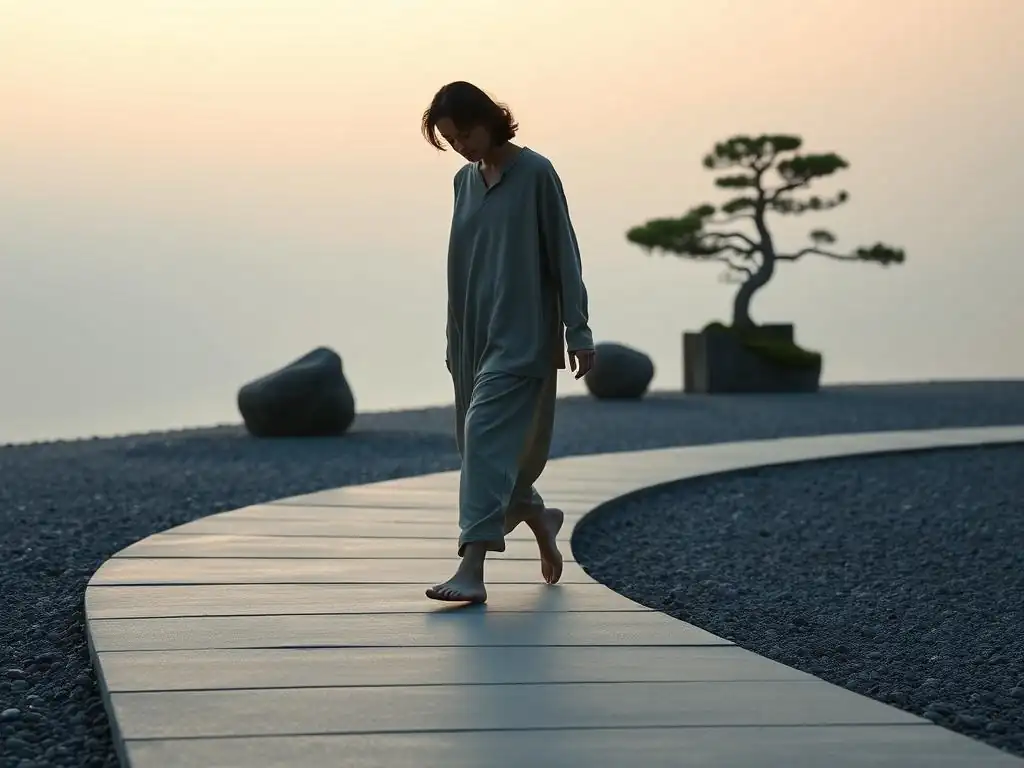
Like any mindfulness practice, walking meditation comes with its own set of challenges. It's important to approach these obstacles with patience and self-compassion, recognizing that they are a normal part of the process. Encountering difficulties doesn't mean you're doing it wrong; it simply means you're human.
Learning to navigate distractions, physical discomfort, and maintaining consistency are key aspects of developing a sustainable movement-based stress reduction practice. View these challenges as opportunities to deepen your mindfulness skills.
Dealing with Distractions During Your Walk
Distractions are perhaps the most common challenge in walking meditation. These can be internal (thoughts, emotions, bodily sensations unrelated to walking) or external (noise, other people, interesting sights). When you notice your mind has been pulled away, simply acknowledge the distraction without judgment.
Gently redirect your attention back to your chosen anchor – the sensations of your feet on the ground, the rhythm of your breath, the feeling of movement. It's helpful to have a clear intention set before you start. If external distractions are overwhelming, consider changing your walking route or time of day to find a quieter environment. Remember, the practice is in the returning of your attention, not in the absence of distractions.
Managing Physical Discomfort
While walking is generally gentle, physical discomfort can sometimes arise, especially if you are new to longer walks or have existing physical issues. Pain or discomfort can be a major distraction and make mindful focus difficult.
If you experience discomfort, first check your posture and pace. Are you walking too fast? Is your body tense? Slow down or adjust your stride. If discomfort persists, it's okay to pause, stretch gently, or even end your walk if necessary. Listen to your body and be kind to it. For chronic issues, consult a healthcare professional. Modifying the practice, such as walking for shorter durations or choosing flatter terrain, can also help make movement-based stress reduction accessible.
Staying Consistent with Your Practice
Consistency is key to reaping the long-term benefits of walking meditation and movement-based stress reduction, but it can be challenging to maintain. Busy schedules, lack of motivation, or simply forgetting can disrupt your routine.
Try scheduling your walking meditation sessions like any other important appointment. Start small, perhaps just 5-10 minutes a few times a week, and gradually increase the duration. Link the practice to an existing habit, such as walking after breakfast or during your lunch break. Tracking your walks (mentally or with a simple note) can provide a sense of accomplishment. Be flexible and don't aim for perfection; even a short, mindful walk is beneficial.
Enhancing Your Movement-Based Stress Reduction Routine
Once you've established a regular walking meditation practice, there are ways to deepen and enhance the experience. Combining walking with other mindfulness techniques, connecting more intimately with nature, or utilizing technology can all enrich your journey towards finding calm through movement.
These enhancements can help maintain your interest, provide additional layers of benefit, and make your movement-based stress reduction routine more robust and adaptable to different situations.
Combining Walking with Other Mindfulness Practices
Integrate your walking meditation with other mindfulness techniques for a more comprehensive approach to stress reduction. For example, begin your walk with a few minutes of seated mindful breathing.
Alternatively, incorporate body scan techniques while you walk, gently bringing awareness to different parts of your body from head to toe. You could also combine it with loving-kindness meditation, silently offering kind wishes to yourself and others as you walk. These combinations can strengthen your overall mindfulness muscle and enhance the calming effects of movement.
Incorporating Nature and Sensory Awareness
As mentioned earlier, walking in nature can be particularly beneficial. Beyond just being in a park, actively engage your senses with the natural environment. This goes beyond simply seeing the trees; it involves truly experiencing them.
Notice the intricate patterns of bark, the way sunlight filters through leaves, the distinct scent of pine or damp earth, the feeling of a breeze on your skin, the distant sound of a birdcall. Allowing your senses to fully engage with nature provides powerful anchors for present moment awareness, amplifying the stress-reducing effects of your mindful walk. This deep sensory engagement is a potent form of movement-based stress reduction.
Using Technology to Support Your Meditation Journey: Guided Meditation Apps
While walking meditation can be practiced independently, guided walking meditations can be incredibly helpful, especially when starting out or dealing with distractions. Numerous meditation apps offer guided walking sessions, providing gentle prompts to help you focus on your breath, body sensations, and the environment.
These apps can offer different themes, durations, and voices, allowing you to find guidance that resonates with you. They can provide structure and support, making it easier to stay present and gain the full benefits of movement-based stress reduction. Mindfulness Websites often list recommended apps and resources for this purpose.
The Long-Term Benefits of Regular Walking Meditation
Consistent practice of walking meditation, as a form of movement-based stress reduction, yields cumulative and lasting benefits that extend far beyond the duration of your walk. Regular engagement helps build resilience, improves emotional regulation, and fosters a greater sense of peace and well-being in your daily life.
These long-term effects demonstrate the power of integrating physical activity with mindfulness, showing how simple, accessible practices can lead to significant improvements in both mental and physical health over time.
Reduced Stress and Anxiety
One of the most significant long-term benefits is a sustained reduction in overall stress and anxiety levels. By regularly practicing mindful movement, you train your nervous system to be less reactive to stressors. Over time, the body's physiological response to stress, such as elevated heart rate and cortisol levels, can become more regulated.
Regular walking meditation helps you develop coping mechanisms to navigate stressful situations more effectively. You learn to observe anxious thoughts without getting consumed by them and to use the physical practice of walking as a tool for grounding and release. This ongoing engagement with movement-based stress reduction builds inner calm.
Improved Mood and Emotional Regulation
Consistent walking meditation can lead to a noticeable improvement in mood and enhanced ability to regulate emotions. The release of endorphins during walking contributes to feelings of happiness and reduced symptoms of depression.
Furthermore, the practice of observing emotions without judgment, learned through mindfulness, helps you respond to feelings like frustration, sadness, or anger with greater awareness and less reactivity. You become more adept at recognizing emotional states and choosing how to respond, rather than being swept away by them.
Increased Self-Awareness and Mindfulness
Regular walking meditation cultivates a deeper level of self-awareness. By consistently paying attention to your bodily sensations, thoughts, and emotions during the practice, you become more attuned to your internal landscape.
This increased awareness extends beyond your walks, helping you notice subtle signs of stress or tension earlier in your day. Mindfulness becomes less of a practice you do and more of a state of being, allowing you to approach life with greater presence and clarity.
Enhanced Physical Health
While the primary focus is on mental well-being, regular walking meditation also contributes to significant physical health benefits. Consistent walking strengthens your cardiovascular system, improves circulation, helps maintain a healthy weight, and can improve joint health.
These physical benefits indirectly support mental health, as the body and mind are interconnected. For example, improved sleep quality, a common benefit of regular exercise, has a direct positive impact on mood and stress resilience. Engaging in movement-based stress reduction is a holistic investment in both mind and body.
Conclusion: Embracing Movement for Lasting Calm
Walking meditation offers a simple, accessible, and powerful pathway to finding calm and managing stress in a busy world. By integrating mindful awareness with the natural act of walking, you create a dynamic practice that nurtures both your mental and physical well-being. It is a prime example of how movement-based stress reduction can be woven into the fabric of everyday life.
As you continue your journey with walking meditation, remember that consistency and self-compassion are key. There will be days when your mind is busy or you feel less motivated, but showing up and doing your best is always enough.
Making Movement-Based Stress Reduction a Part of Your Life
Commit to incorporating regular mindful walking into your routine, even if it's just for short periods. Start with what feels manageable and gradually build from there. Experiment with different times, locations, and durations to find what works best for you.
View your mindful walks not as another item on your to-do list, but as a dedicated time for self-care and grounding. Embrace the opportunity to step away from your worries and step into the present moment, finding peace one step at a time. Making movement-based stress reduction a non-negotiable part of your week can profoundly impact your overall resilience and sense of well-being.
Resources for Further Exploration of Mindfulness and Walking Meditation: Mindfulness Websites
To deepen your understanding and practice of walking meditation and other movement-based stress reduction techniques, explore reputable Mindfulness Websites. Many offer articles, guided meditations (audio or video), and information on mindfulness retreats or courses.
These resources can provide additional guidance on refining your technique, exploring different types of mindfulness practices, and connecting with communities of practitioners. Continuing to learn and explore will support your ongoing journey towards finding lasting calm through movement.
Frequently Asked Questions
What exactly are movement-based stress reduction techniques?
These techniques use physical activity and conscious movement to alleviate stress and promote mental well-being. They focus on the mind-body connection.
How can walking, specifically, help reduce stress?
Walking releases endorphins, which have mood-boosting effects. The rhythmic nature of walking can also promote a sense of calm and reduce anxiety.
Are movement-based stress reduction techniques suitable for everyone?
Generally, yes, but it's crucial to consult with a healthcare professional before starting any new exercise program, especially if you have pre-existing health conditions.
Besides walking, what are some other examples of movement-based stress reduction techniques?
Examples include yoga, Tai Chi, dance, and even mindful stretching. The key is to find an activity you enjoy and that helps you connect with your body.
How often should I practice movement-based stress reduction techniques to see results?
Aim for at least 30 minutes of moderate-intensity exercise most days of the week. Even short bursts of movement throughout the day can be beneficial for stress management.
Final Reflection: Embracing the Moving Meditation
The simple act of moving our bodies is not merely physical; it's a profound pathway to mental and emotional well-being. In a world increasingly dominated by sedentary lifestyles and relentless pressures, the techniques explored in this guide—from mindful walking to gentle stretching—offer a powerful antidote to the pervasive stress that plagues modern life. We've shown how accessible and effective movement-based stress reduction can be, regardless of fitness level or experience.
The impact of incorporating movement into our daily routines extends far beyond stress reduction; it touches upon our overall sense of self and connection to the world. It's about reclaiming our bodies as instruments of calm and self-discovery, a journey that unfolds with each conscious step and breath. As the ancient Greek philosopher, Aristotle, wisely observed: Pleasure in the job puts perfection in the work.
This rings true for movement-based stress reduction; the joy found in the practice itself fuels its effectiveness and fosters a sustainable habit. The more we move mindfully, the more we cultivate a deeper appreciation for the power of our own bodies to heal and restore.
Now, consider your own relationship with movement. What small steps can you take today to integrate more mindful movement into your daily life? Perhaps it's a five-minute walk during your lunch break, a few stretches before bed, or a dedicated yoga session each week. Remember, the journey towards calm is a personal one, and every step, no matter how small, contributes to a more peaceful and fulfilling life. Embrace the power of movement, and watch as your worries begin to walk away.
Unleash Your Inner Calm: Take the Next Step
Thanks for taking the time to explore the power of movement for stress relief! We hope you discovered valuable insights into finding your calm through mindful movement. Now, it's time to put these new ideas into action.
Here's how to continue your journey to inner peace:
- Prioritize a 15-minute movement break today. Even a short walk, some gentle stretching, or a quick dance can make a world of difference. This is your primary step towards incorporating movement into your daily routine.
- Share this article with a friend who might also benefit from discovering the calming power of movement. Let's spread the word about stress reduction!
- Explore different movement styles that resonate with you. Experiment with yoga, tai chi, or simply enjoying a brisk walk in nature. Find what works best and stick with it.
What small step will you take today to integrate more movement into your life and walk away your worries?