
Can Brain Scans Predict Therapy Success? Insights from Research

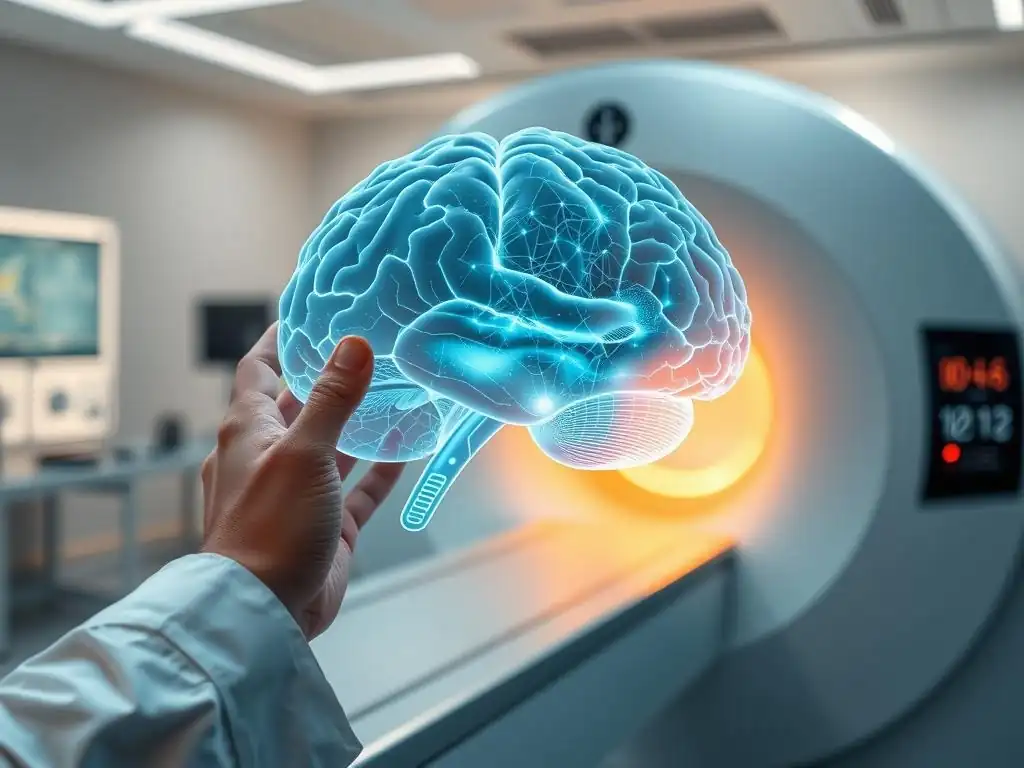
Welcome to Mind Care Guide, your compassionate companion on the journey to mental well-being. Ever wondered if science could peek inside your mind to predict if therapy will truly work for you? Our latest exploration into the "Brain scans predict therapy outcome" dives deep into the fascinating world of neuroscience, uncovering groundbreaking research that could revolutionize mental health treatment. Are we on the cusp of a more personalized and effective approach to therapy? Let's uncover the answers together...
Can Brain Scans Predict Therapy Success? Insights from Research
- Introduction: Exploring the Potential of Brain Scans in Predicting Therapy Outcomes
- Understanding the Science: How Brain Scans Work and What They Reveal
- Can Brain Scans Predict Therapy Outcome? Examining the Evidence
- Specific Mental Health Conditions: Brain Scan Insights and Therapy Prediction
- Factors Influencing Brain Scan Accuracy in Predicting Therapy Success
- Ethical Considerations: The Use of Brain Scans for Therapy Prediction
- Alternative Approaches to Predicting Therapy Success
- The Future of Brain Scans in Mental Healthcare: Opportunities and Challenges
- Conclusion: Brain Scans as a Promising Tool for Enhancing Therapy Outcomes
-
Frequently Asked Questions
- How accurately can brain scans predict therapy outcome?
- What types of mental health conditions are being studied with brain scans for therapy prediction?
- What types of brain scans are used to predict therapy success?
- How could brain scans be used in the future to personalize mental health treatment?
- Are there any ethical concerns associated with using brain scans to predict therapy success?
- Final Reflection: The Emerging Landscape of Personalized Mental Healthcare
- Unlock Your Therapy Journey: Take the Next Step
Introduction: Exploring the Potential of Brain Scans in Predicting Therapy Outcomes
The journey towards mental well-being is deeply personal and often involves navigating various therapeutic approaches. While many individuals benefit significantly from therapy, predicting who will respond best to a specific treatment remains a complex challenge for clinicians. This uncertainty can lead to prolonged periods of trial and error, impacting both the individual's progress and the healthcare system. Consequently, there is growing interest in identifying reliable markers that could help personalize mental healthcare and improve treatment outcomes.
One area of intense research focus is the potential of neuroimaging, specifically how brain scans predict therapy outcome. Scientists are exploring whether insights into brain structure and function, gleaned from advanced scanning technologies, can offer clues about an individual's likelihood of responding to different psychotherapies or medications. Understanding the neural underpinnings of mental health conditions and how they change during treatment could pave the way for more targeted and effective interventions, ultimately enhancing the path to recovery for many.
The Growing Interest in Neuroprediction for Mental Health Treatment
The field of neuroprediction, which seeks to forecast treatment response based on neurological data, is gaining significant traction within mental health research. Driven by advancements in neuroimaging technology and computational power, researchers are increasingly able to analyze complex brain patterns and correlate them with clinical outcomes. This represents a shift from purely symptom-based diagnoses and treatment selections towards a more biologically informed approach.
Interest in using brain scans to predict therapy outcome is fueled by the desire to reduce treatment resistance and relapse rates, which remain substantial for conditions like depression and anxiety. For example, studies suggest that up to 50% of individuals with major depressive disorder do not achieve remission with initial antidepressant treatment. Identifying predictors could help clinicians select the most effective therapy from the outset, saving valuable time and reducing patient distress. Researchers are actively investigating specific brain circuits and activity patterns that might serve as reliable biomarkers for treatment response.
The Role of Neuroscience in Personalized Mental Healthcare
Neuroscience is playing a pivotal role in the broader movement towards personalized medicine in mental healthcare. By providing a window into the biological basis of mental health challenges, brain imaging allows for a deeper understanding of the unique neural signatures associated with different conditions and individual differences in how these conditions manifest. This understanding is crucial for moving beyond a one-size-fits-all approach to treatment.
The goal is to integrate neuroscientific data, including findings from studies on how brain scans predict therapy outcome, into clinical decision-making. For instance, knowing that a specific brain connectivity pattern is associated with a better response to cognitive behavioral therapy (CBT) versus interpersonal therapy (IPT) could guide treatment selection for a patient with depression. While still largely in the research phase, the promise of using brain imaging to tailor interventions based on an individual's unique brain characteristics holds immense potential for improving the effectiveness and efficiency of mental health treatment.
Understanding the Science: How Brain Scans Work and What They Reveal
Brain scanning technologies provide non-invasive ways to peer inside the living brain, offering insights into its structure, function, and connectivity. Each type of scan utilizes different physical principles to generate images and data about neural activity. Understanding these methods is key to appreciating what information can be gathered and how it might relate to predicting therapy success.
These technologies measure various aspects of brain activity or structure. For example, some scans measure blood flow (an indicator of neural activity), while others measure electrical signals or the concentration of certain molecules. The data collected is then processed and analyzed to identify patterns that might be associated with specific mental health conditions or predict how an individual might respond to treatment.
Different Types of Brain Scans Used in Mental Health Research (fMRI, EEG, PET)
Functional Magnetic Resonance Imaging (fMRI) is widely used in mental health research to measure brain activity by detecting changes in blood flow. When a brain region is active, it requires more oxygen, leading to increased blood flow. fMRI detects the magnetic properties of oxygenated versus deoxygenated blood, providing dynamic maps of brain activity during tasks or at rest. Studies using fMRI to see if brain scans predict therapy outcome often look at activity in specific regions like the prefrontal cortex or amygdala, or connectivity between different brain networks.
Electroencephalography (EEG) measures the electrical activity of the brain using electrodes placed on the scalp. EEG is excellent at capturing rapid changes in brain activity, measured in milliseconds. It provides insights into brain wave patterns associated with different states (e.g., sleep, wakefulness) and cognitive processes. In the context of predicting therapy response, researchers might analyze specific EEG patterns or event-related potentials (ERPs) – electrical responses to specific stimuli – before treatment begins.
Positron Emission Tomography (PET) uses radioactive tracers injected into the bloodstream to measure metabolic activity or receptor density in the brain. Different tracers can target different molecules, such as glucose (indicating metabolic rate) or specific neurotransmitter receptors (like serotonin or dopamine receptors). PET scans provide quantitative data on these biological processes, offering a different perspective on brain function compared to fMRI or EEG. PET has been used to investigate the role of neurotransmitter systems in conditions like depression and schizophrenia and how their status before treatment might influence response.
Brain Activity and Connectivity: Key Indicators for Therapy Prognosis
Research exploring how brain scans predict therapy outcome often focuses on two main aspects: regional brain activity and functional brain connectivity. Regional activity refers to how active specific areas of the brain are, either at rest or during particular cognitive or emotional tasks. For instance, altered activity in the amygdala, a region involved in processing fear and emotion, is frequently observed in anxiety disorders.
Functional connectivity, on the other hand, examines how different brain regions communicate or synchronize their activity. The brain operates as a complex network, and the way these networks are wired and interact can reveal crucial information.
Studies have shown that disrupted connectivity within or between networks like the default mode network (DMN), salience network (SN), or central executive network (CEN) is associated with various mental health conditions. Researchers hypothesize that the specific pattern of activity or connectivity before therapy could indicate how plastic or adaptable the brain is, and thus how likely it is to benefit from interventions aimed at modifying thoughts, feelings, or behaviors.
Can Brain Scans Predict Therapy Outcome? Examining the Evidence
The central question driving much of this research is whether brain scans can reliably predict therapy outcome. While the field is still evolving, a growing body of evidence suggests that neuroimaging markers hold promise, although they are not yet definitive predictors for routine clinical use. Several studies have identified specific brain patterns associated with different levels of treatment response across various conditions.
However, the findings are not always consistent across studies, and the predictive power of individual markers is often modest. This variability can be attributed to differences in study design, sample populations, scanning techniques, and data analysis methods. Despite these challenges, the cumulative evidence points towards the potential of neuroimaging to contribute valuable information to the prediction process.
Studies Showing Correlation Between Brain Activity and Treatment Response
Numerous studies have reported correlations between pre-treatment brain activity or connectivity patterns and subsequent therapy response. For example, research on major depressive disorder has investigated activity in areas like the subgenual anterior cingulate cortex (sgACC). Some studies have found that higher metabolic activity in the sgACC before treatment is associated with a poorer response to both antidepressant medication and certain psychotherapies, while lower activity is linked to better outcomes.
Another area of focus has been the connectivity within the default mode network (DMN), which is typically active when the mind is wandering. Studies on depression have suggested that abnormal connectivity within the DMN, or between the DMN and other networks, might predict how well individuals respond to treatments like CBT. For instance, one study found that pre-treatment connectivity between the sgACC and other DMN regions was predictive of CBT response in depressed patients. While these correlations are promising, they typically explain only a portion of the variance in treatment outcomes.
Limitations of Current Research on Brain Scan Prediction Accuracy
Despite the promising correlations found in research, there are significant limitations to the current accuracy of brain scans in predicting therapy outcome. Most studies are conducted on relatively small sample sizes, making it difficult to generalize findings to the broader population. Replication of results across different research sites and patient groups is essential but challenging.
Furthermore, the effect sizes observed in many studies are moderate, meaning that while a brain marker might show a statistically significant association with outcome, it may not be strong enough to accurately predict an individual's response with high certainty. There is also the issue of heterogeneity within diagnostic categories; patients with the same diagnosis may have different underlying neural profiles, which could affect their response to treatment in ways not fully captured by current scanning methods. Combining multiple brain markers or integrating brain data with other types of information may be necessary to improve predictive accuracy.
Specific Mental Health Conditions: Brain Scan Insights and Therapy Prediction
Research on brain scans and therapy prediction is often focused on specific mental health conditions, tailoring investigations to the known neural correlates of each disorder. Different conditions involve distinct brain circuits and mechanisms, meaning that the relevant predictive markers are likely to vary. Understanding these condition-specific insights is crucial for developing targeted prediction models.
Studies in depression, anxiety, and schizophrenia, among others, have yielded specific findings regarding brain patterns that might influence treatment success. These findings provide valuable clues about the biological factors that contribute to treatment response and resistance, potentially informing the development of more personalized therapeutic strategies.
Depression: Using Brain Scans to Predict Antidepressant and Therapy Response
In the field of depression research, brain scans predict therapy outcome by examining various neural features. As mentioned, activity in the subgenual anterior cingulate cortex (sgACC) has been a key area of interest, with higher activity often linked to poorer outcomes with standard treatments. Other studies have looked at connectivity patterns, finding that the strength of connections between the ventromedial prefrontal cortex (vmPFC) and the amygdala might predict response to antidepressant medication.
For psychotherapy like CBT, research has explored connectivity within the DMN and between the DMN and other networks. Some findings suggest that the degree to which the DMN deactivates during tasks, or its connectivity with regions involved in cognitive control, might predict how well individuals learn and apply the skills taught in CBT. While no single brain marker can definitively predict response for all individuals with depression, these findings highlight the potential for using brain imaging to stratify patients and potentially match them to the most suitable treatment.
Anxiety Disorders: Brain Scan Markers for Successful Cognitive Behavioral Therapy (CBT)
For anxiety disorders, particularly conditions like social anxiety disorder or generalized anxiety disorder, research has investigated how brain scans predict therapy outcome, often focusing on response to CBT. The amygdala, a brain region central to fear processing, is a primary target of interest. Studies have examined amygdala reactivity to threatening stimuli before CBT. Some findings indicate that higher initial amygdala reactivity might be associated with greater symptom reduction following CBT, possibly because these individuals have more room for improvement in regulating fear responses.
Connectivity patterns involving the amygdala and prefrontal regions, which are involved in emotion regulation, have also been studied. For instance, stronger connectivity between the amygdala and ventrolateral prefrontal cortex (vlPFC) before treatment might be associated with better outcomes in CBT for social anxiety disorder, suggesting better baseline capacity for cognitive control over emotional responses. These findings suggest that the baseline state of fear circuitry and its regulation capacity, as measured by brain scans, can offer insights into the likelihood of successful therapy.
Schizophrenia: Neurological Predictors of Treatment Response
Predicting treatment response in schizophrenia is particularly challenging due to the heterogeneity of symptoms and underlying neural abnormalities. Research using brain scans to predict therapy outcome in schizophrenia has often focused on response to antipsychotic medication, but there is also interest in predicting response to psychosocial interventions. Structural abnormalities, such as reduced gray matter volume in certain brain regions, and functional connectivity deficits have been investigated.
For example, studies have explored whether baseline activity or connectivity in the prefrontal cortex or temporal lobe regions is associated with symptom improvement (positive or negative symptoms) following antipsychotic treatment. Some findings suggest that specific patterns of connectivity within auditory processing regions might predict response to treatments targeting auditory hallucinations. While progress has been made, the complex interplay of neural factors in schizophrenia means that developing highly accurate predictors remains a significant research challenge.
Factors Influencing Brain Scan Accuracy in Predicting Therapy Success
The ability of brain scans to predict therapy outcome is influenced by several factors that can introduce variability and limit the accuracy of current models. Understanding these factors is crucial for interpreting research findings and for the future development of more robust predictive tools. These influences range from the technical aspects of the research itself to the inherent biological complexity and variability among individuals.
Addressing these factors requires careful study design, sophisticated analytical techniques, and a comprehensive approach that considers multiple sources of information. As research progresses, accounting for these complexities will be key to improving the reliability and clinical utility of neuroimaging predictors.
Sample Size and Study Design: Impact on Research Findings
The reliability of findings from studies investigating how brain scans predict therapy outcome is heavily dependent on sample size and study design. Small sample sizes can lead to findings that are not representative of the broader population and are less likely to be replicated. A meta-analysis of neuroimaging studies predicting treatment response in depression, for instance, might reveal that effects observed in smaller studies are less consistent than those in larger cohorts.
Moreover, variations in study design, such as differences in patient inclusion criteria, the specific type and duration of therapy administered, and the timing and methods of brain scanning, can all contribute to inconsistencies across research. Standardizing protocols and conducting large, multi-site studies are essential steps to overcome these limitations and build a more reliable evidence base for using brain scans to predict therapy outcome.
Individual Brain Variability: Accounting for Differences in Brain Structure and Function
A significant challenge in using brain scans to predict therapy outcome is the considerable variability in brain structure and function across individuals, even within the same diagnostic category. Each person's brain is unique, shaped by genetics, development, experience, and environment. These individual differences can influence how a mental health condition manifests and how the brain responds to therapeutic interventions.
Current predictive models often rely on identifying common patterns across groups of patients. However, a pattern that predicts response in one subgroup might not be predictive in another. Future research needs to develop more sophisticated analytical methods that can account for this individual variability, perhaps using machine learning techniques to build personalized predictive models that consider the unique features of an individual's brain alongside other clinical information.
The Role of Comorbidity: How Other Conditions Affect Brain Scan Interpretation
Mental health conditions frequently co-occur (comorbidity), and the presence of additional diagnoses can significantly impact both brain function and response to treatment. For example, someone with depression might also have an anxiety disorder or a substance use disorder. These comorbid conditions can alter brain activity and connectivity in ways that might confound attempts to use brain scans to predict therapy outcome for the primary diagnosis alone.
Interpreting brain scan data in the context of comorbidity is complex. A specific brain pattern might be associated with one condition, but its interaction with another condition could alter its predictive value for therapy response. Future research needs to carefully consider and account for comorbidity in study design and data analysis to develop more accurate and clinically relevant predictive models.
Ethical Considerations: The Use of Brain Scans for Therapy Prediction
As the research on how brain scans predict therapy outcome progresses, it is crucial to address the significant ethical considerations surrounding the potential clinical application of this technology. Using neuroimaging data to inform treatment decisions raises complex questions about privacy, potential for bias, and ensuring equitable access to care.
Developing guidelines and safeguards is essential to ensure that neuroimaging is used responsibly and ethically in mental healthcare. The potential benefits of personalized treatment must be weighed against the risks of misuse or misinterpretation of sensitive neural information.
Privacy and Data Security Concerns
Brain scan data is highly sensitive personal information. It not only provides insights into brain structure and function but could potentially reveal information about an individual's cognitive abilities, emotional traits, and susceptibility to certain conditions. Using brain scans to predict therapy outcome necessitates collecting, storing, and analyzing this data, raising significant privacy and data security concerns.
Robust protocols must be in place to protect this information from unauthorized access, use, or disclosure. Anonymization techniques and secure databases are critical. Furthermore, individuals must be fully informed about how their brain data will be used and have control over its sharing, adhering to principles of informed consent that are particularly stringent given the sensitive nature of the information.
Potential for Bias and Discrimination in Treatment Allocation
A major ethical concern is the potential for bias and discrimination if brain scan predictions were to be used to allocate or deny access to specific therapies. If, for instance, a brain scan pattern were interpreted as indicating a low likelihood of response to a particular therapy, would that therapy be withheld? This could lead to a two-tiered system of care, where access is determined by neurobiological markers rather than clinical need or patient preference.
Predictive models developed from studies on how brain scans predict therapy outcome must be rigorously validated across diverse populations to ensure they do not inadvertently disadvantage certain demographic groups. Bias in the data used to train predictive algorithms could perpetuate or amplify existing health disparities. Ensuring equitable access to both the scanning technology and the therapies themselves is paramount.
Ensuring Responsible and Ethical Use of Neuroimaging Technologies
To ensure the responsible and ethical use of brain scans for therapy prediction, clear guidelines and regulatory frameworks are necessary. Clinicians, researchers, and policymakers must collaborate to establish standards for data collection, analysis, interpretation, and application in clinical settings.
Education for both clinicians and the public is vital. Clinicians need training on how to interpret and use neuroimaging data responsibly, understanding both its potential and its limitations. The public needs to be informed about what brain scans can and cannot reveal and the ethical considerations involved. The goal is to integrate neuroimaging insights in a way that enhances, rather than restricts, access to effective mental healthcare.
Alternative Approaches to Predicting Therapy Success
While brain scans offer a unique biological perspective on predicting therapy outcome, they are not the only tools available. Clinicians have long relied on a combination of clinical assessments, patient history, and psychological testing to gauge the likelihood of a patient benefiting from a particular treatment. These traditional methods provide valuable context and insights into an individual's mental state, life circumstances, and past experiences with therapy.
It is important to recognize that these alternative approaches capture different, yet complementary, aspects of an individual's profile compared to brain imaging. A holistic understanding requires integrating information from multiple sources.
Clinical Assessments and Psychological Testing
Clinical interviews and structured assessments are fundamental to evaluating a patient's symptoms, functioning, and treatment needs. These assessments gather information about the severity and duration of symptoms, the impact on daily life, and the presence of co-occurring conditions. Psychological tests, such as questionnaires measuring depression or anxiety severity (e.g., PHQ-9, GAD-7) or tests assessing personality traits or cognitive styles, can provide further insights.
Information gathered through these methods can offer valuable predictors of therapy response. For example, symptom severity at baseline, the presence of specific symptom clusters (e.g., atypical depression features), or certain personality traits (e.g., openness to experience, neuroticism) have been associated with differential responses to various therapies. A therapist's clinical judgment, based on experience and rapport with the patient, also plays a significant role in estimating prognosis.
Patient History and Demographic Factors
A patient's history provides crucial context that can inform predictions about therapy success. Previous experiences with mental health treatment, including what therapies were tried, whether they were effective, and why they may have failed, offer direct evidence of past treatment response. Factors like the age of onset of the condition, the presence of trauma history, or family history of mental illness can also influence treatment trajectory.
Demographic factors, such as age, gender, socioeconomic status, and cultural background, can also correlate with therapy outcomes, although these correlations are complex and influenced by many mediating factors. For instance, access to resources, social support, and cultural beliefs about mental health and therapy can all play a role. While these factors are not biological markers, they provide essential information for a comprehensive predictive assessment.
Combining Brain Scan Data with Clinical Information for a More Holistic Prediction
The most promising approach for improving the prediction of therapy success likely involves integrating data from multiple sources, including brain scans, clinical assessments, psychological tests, and patient history. No single piece of information, whether a brain scan or a clinical score, is likely to be a perfect predictor in isolation.
Research models that combine neuroimaging data with clinical and demographic variables have shown improved predictive accuracy compared to using either type of data alone. For example, a model predicting antidepressant response might include not only sgACC activity but also symptom severity, duration of illness, and previous treatment history. This multimodal approach acknowledges the complex interplay of biological, psychological, and social factors that contribute to treatment response and offers a more holistic basis for personalized care.
The Future of Brain Scans in Mental Healthcare: Opportunities and Challenges
The field exploring how brain scans predict therapy outcome is rapidly evolving, driven by technological advancements and increasing computational power. The future holds significant opportunities for integrating neuroimaging more seamlessly into mental healthcare, but also presents considerable challenges that must be addressed for this potential to be fully realized.
The promise lies in developing highly accurate, personalized predictive tools that can guide treatment selection, optimize therapeutic strategies, and ultimately improve outcomes for individuals struggling with mental health conditions. However, hurdles related to technology, data integration, cost, and accessibility must be overcome.
Advancements in Neuroimaging Technology
Future advancements in neuroimaging technology promise to provide even more detailed and precise insights into brain function. Techniques like ultra-high field MRI offer higher spatial resolution, allowing researchers to examine smaller brain structures and more subtle patterns of activity. Advances in EEG technology, including high-density arrays and improved signal processing, are enhancing its ability to localize brain activity.
Developments in machine learning and artificial intelligence are also revolutionizing the analysis of neuroimaging data. These advanced algorithms can identify complex patterns within large datasets that might be missed by traditional statistical methods, potentially improving the accuracy of models that predict therapy success using brain scans. Miniaturization and increased portability of some scanning technologies could also improve accessibility in the future.
Integrating Brain Scan Data into Personalized Treatment Plans
The ultimate goal is to integrate brain scan data, alongside other clinical information, into routine clinical practice to create truly personalized treatment plans. This involves developing clinical decision support tools that can utilize predictive algorithms based on neuroimaging and other data to help clinicians select the most appropriate therapy for an individual patient.
Imagine a future where, after a comprehensive assessment, including a brain scan, a clinician receives information suggesting that based on the patient's specific neural profile and clinical history, they have an 80% chance of responding well to CBT, a 60% chance with IPT, and a 40% chance with a particular medication. This information, combined with clinical expertise and patient preferences, could lead to more informed and effective treatment decisions from the outset.
Addressing the Cost and Accessibility of Brain Scan Technology
A major challenge for integrating brain scans into routine mental healthcare is the significant cost and limited accessibility of current neuroimaging technologies, particularly fMRI and PET. These scans require expensive equipment and specialized personnel, making them inaccessible for many individuals and healthcare systems, especially outside of major research centers or large hospitals.
For brain scans to become a widely used tool to predict therapy outcome, their cost needs to decrease, and accessibility needs to increase. This could involve developing more affordable and portable scanning technologies or establishing infrastructure that allows for easier access. Equitable access is crucial to ensure that the potential benefits of neuroimaging-informed care are available to everyone, regardless of their socioeconomic status or geographic location.
Conclusion: Brain Scans as a Promising Tool for Enhancing Therapy Outcomes
The exploration into whether brain scans predict therapy outcome is a vibrant and rapidly advancing field with the potential to transform mental healthcare. While still in the research phase, findings to date suggest that neuroimaging can provide valuable insights into the biological factors influencing treatment response, offering a glimpse into the possibility of a future where therapy is more precisely tailored to the individual.
Current research has identified several brain activity and connectivity patterns that show correlations with response to various therapies for conditions like depression, anxiety, and schizophrenia. These findings, though preliminary and requiring further validation, underscore the potential of brain scans to serve as objective biomarkers for predicting therapy success.
Summarizing the Current State of Research on Brain Scan Prediction
The current state of research indicates that brain scans hold promise but are not yet definitive predictors of therapy outcome for routine clinical use. Studies have found statistically significant associations between pre-treatment brain features and response, but the predictive accuracy for individual patients is often not high enough for confident clinical decision-making in isolation. Limitations include small sample sizes, variability in study designs, the inherent complexity of brain function and individual differences, and the impact of comorbidity.
Despite these challenges, the field is making steady progress. Researchers are developing more sophisticated analytical methods, including machine learning, to better capture the complex relationship between brain patterns and treatment response. The focus is increasingly shifting towards integrating brain data with other clinical, genetic, and behavioral information to build more robust predictive models.
The Path Towards Integrating Neuroimaging into Clinical Practice
The path towards integrating neuroimaging into clinical practice for predicting therapy success involves several key steps. First, research findings need to be replicated in large, diverse, prospective studies to establish the reliability and generalizability of potential biomarkers. Second, predictive models need to be validated in real-world clinical settings to assess their practical utility.
Third, ethical guidelines and infrastructure for data privacy and security must be established. Finally, the cost and accessibility of neuroimaging technology need to be addressed to ensure equitable access to neuroimaging-informed care. Education for both clinicians and patients will also be crucial for the responsible implementation of this technology.
Future Research Directions and Potential Breakthroughs
Future research will likely focus on improving the specificity and accuracy of brain scan prediction models. This includes investigating new neuroimaging techniques, exploring a wider range of brain features (e.g., neurochemistry using MR spectroscopy), and developing more sophisticated machine learning algorithms capable of handling the complexity of brain data. Research on how brain scans predict therapy outcome will also expand to cover a broader range of mental health conditions and therapeutic modalities.
Potential breakthroughs could come from identifying multimodal biomarkers that combine neuroimaging data with genetic information, behavioral patterns, and environmental factors. As our understanding of the brain-behavior relationship deepens and technology advances, the prospect of using brain scans to personalize mental healthcare and significantly improve therapy outcomes moves closer to reality, offering hope for more effective and efficient paths to well-being.
Frequently Asked Questions
How accurately can brain scans predict therapy outcome?
While promising, brain scans aren't perfectly accurate. Research shows they can offer valuable insights and improve prediction accuracy, but they're not a guaranteed predictor of success. More research is needed.
What types of mental health conditions are being studied with brain scans for therapy prediction?
Studies are exploring various conditions, including depression, anxiety disorders, and PTSD. The goal is to identify brain patterns associated with responsiveness to different therapies.
What types of brain scans are used to predict therapy success?
Researchers commonly use fMRI (functional magnetic resonance imaging) and EEG (electroencephalography). These scans measure brain activity and connectivity patterns, revealing potential biomarkers.
How could brain scans be used in the future to personalize mental health treatment?
Brain scans could help clinicians tailor treatment plans based on an individual's brain activity. This may involve selecting the most effective therapy or adjusting medication dosages for optimal outcomes.
Are there any ethical concerns associated with using brain scans to predict therapy success?
Yes, concerns exist regarding privacy, potential bias, and misinterpretation of results. It's crucial to ensure ethical guidelines and responsible use of this technology.
Final Reflection: The Emerging Landscape of Personalized Mental Healthcare
The ability to predict therapy success using brain scans is no longer a futuristic fantasy; it's a rapidly evolving reality with the potential to revolutionize mental healthcare. This article has explored the exciting, yet complex, research surrounding neuroimaging techniques and their application in predicting treatment outcomes for various mental health conditions. While challenges remain, the progress made offers a beacon of hope for individuals struggling to find effective treatment.
The implications of this research extend far beyond the clinical setting; it's reshaping our understanding of mental illness itself. By moving beyond a purely symptomatic approach, we are beginning to understand the underlying neurological mechanisms driving these conditions. This shift has profound implications for treatment development and personalized medicine. The future of mental healthcare lies in precision medicine, tailoring treatments to the unique neurobiological profile of each individual.
This quote encapsulates the transformative potential of this field, moving us towards a future where treatment is not a one-size-fits-all approach, but rather a precisely targeted intervention.
Consider the possibilities: imagine a future where individuals can undergo a brain scan before beginning therapy, allowing clinicians to select the most effective treatment strategy from the outset. This would not only improve treatment outcomes but also significantly reduce the time and emotional burden associated with trial-and-error approaches. You, the reader, are empowered to advocate for further research in this area and to seek out clinicians who are embracing these innovative approaches. The journey towards personalized mental healthcare is ongoing, and your engagement is crucial in shaping its future.
Unlock Your Therapy Journey: Take the Next Step
Thanks for exploring the fascinating world of brain scans and therapy success with us! We hope you gained valuable insights into the potential of personalized mental healthcare. Now it's time to put that knowledge into action.
- Schedule a consultation with your therapist to discuss personalized treatment options: This is your chance to explore how recent research might influence your approach to therapy.
- Share this article with someone who might benefit: Let's spread awareness about the potential of personalized mental healthcare.
- Consider journaling your progress: Track your emotional state and therapy outcomes to potentially gain more insights into what works best for you. This personal data could become valuable over time.
What specific step resonates most with you, and how will you integrate this new information into your wellness journey?