
Unlocking Brain Health: How Therapy Changes Your Neural Landscape

Welcome to Mind Care Guide, a space dedicated to nurturing your mental well-being.
Ever wondered how talking can actually rewire your brain? This question sits at the heart of understanding how therapy improves brain health naturally. Join us as we delve into the fascinating neuroscience behind therapeutic interventions, exploring how they can help you unlock a healthier, more resilient mind. What if the key to a brighter future lies within the very structure of your brain? Let's find out together.
- Unlocking Brain Health: How Therapy Changes Your Neural Landscape
- Can Therapy Improve Brain Health Naturally? Exploring the Evidence
- Understanding Brain Changes Through Therapy: A Deep Dive
- Types of Therapy and Their Effects on Brain Structure and Function
- Specific Brain Regions Affected by Therapy: A Targeted Approach
- The Role of Neurotransmitters in Therapy's Effectiveness
- Maintaining Brain Health Gains After Therapy: Long-Term Strategies
- Overcoming Challenges in Therapy: Addressing Resistance and Stagnation
- Conclusion: Therapy as a Powerful Tool for Enhancing Brain Health and Mental Well-being
-
Frequently Asked Questions
- What is the main focus of the article "Unlocking Brain Health: How Therapy Changes Your Neural Landscape"?
- How does therapy contribute to improving brain health according to the article?
- What types of mental health challenges can therapy address to improve brain health?
- Does the article suggest that therapy is a replacement for medical treatment, or is it a complementary approach?
- What resources does "Mind Care Guide" offer for individuals seeking therapy to improve brain health?
- Final Reflection: The Rewiring of Resilience
- Ignite Your Neural Pathways: Take Charge of Your Brain Health
Unlocking Brain Health: How Therapy Changes Your Neural Landscape
Mind Care Guide: Your Partner in Mental Well-being
Welcome to Mind Care Guide, your trusted resource for navigating the complexities of mental well-being. Our mission is to provide you with comprehensive, evidence-based information and support as you embark on your journey toward a healthier mind. We understand that mental health is intricately linked to brain health, and exploring the scientific basis of healing, particularly through therapeutic interventions, is a cornerstone of empowering you with knowledge. This article delves into the fascinating world of how therapy profoundly impacts your neural landscape, demonstrating that therapy improves brain health naturally by fostering positive changes at a fundamental level.
Navigating mental health challenges can feel overwhelming, but understanding the mechanisms behind effective treatments can be incredibly empowering. At Mind Care Guide, we aim to bridge the gap between complex neuroscience and practical, accessible information. We believe that by shedding light on how talking therapies influence brain structure and function, we can help demystify the process and encourage individuals to explore these powerful tools for personal growth and recovery. Our resources are designed to support you every step of the way, from understanding initial symptoms to exploring long-term strategies for maintaining optimal brain health.
Understanding the Brain's Plasticity: How Therapy Facilitates Change
The human brain is not a static organ; it possesses an extraordinary ability to reorganize itself throughout life – a phenomenon known as neuroplasticity. This means that experiences, learning, and even thoughts can literally change the physical structure and functional organization of your brain. This inherent adaptability is the biological foundation upon which therapy works. When you engage in therapeutic processes, you are actively creating new neural pathways, strengthening beneficial connections, and weakening those associated with distress or maladaptive behaviors.
Therapy leverages this neuroplasticity by providing structured experiences that encourage the brain to adapt in healthier ways. For example, learning new coping mechanisms in Cognitive Behavioral Therapy (CBT) involves repeatedly activating specific neural circuits related to rational thought and emotional regulation. Over time, with consistent practice, these circuits become more efficient and robust, much like exercising a muscle. This demonstrates how therapy improves brain health naturally, not through external substances, but by harnessing the brain's intrinsic capacity for change and growth in response to guided experience and learning.
Can Therapy Improve Brain Health Naturally? Exploring the Evidence
Therapy's Role in Enhancing Cognitive Function
Beyond addressing specific symptoms like anxiety or depression, therapy has been shown to significantly enhance general cognitive functions. Studies, including some utilizing neuroimaging techniques, indicate that successful therapy can lead to improvements in areas such as attention, memory, problem-solving, and executive functions – the skills needed for planning, decision-making, and impulse control. For instance, individuals undergoing therapy for conditions like PTSD have demonstrated improved performance on tasks requiring sustained attention and working memory compared to their baseline or control groups.
This enhancement in cognitive function is directly linked to the structural and functional changes observed in the brain. For example, therapy can help reduce the hyperactivity of the amygdala, which is often overstimulated in anxiety disorders, thereby freeing up cognitive resources that were previously consumed by threat detection and worry. Simultaneously, therapy can strengthen connections to the prefrontal cortex, improving its ability to regulate emotions and focus attention. This intricate interplay highlights how therapy improves brain health naturally, leading to measurable benefits not just in emotional well-being but also in how effectively one thinks and processes information.
Long-Term Therapy Outcomes: A Neuroscience Perspective
The benefits of therapy extend far beyond the immediate relief of symptoms; they can instigate lasting changes in brain architecture and function. Research tracking individuals years after completing therapy for conditions like major depressive disorder has revealed sustained alterations in brain activity patterns associated with mood regulation and self-referential processing. These long-term changes suggest that therapy can create a more resilient neural foundation, reducing vulnerability to future episodes.
From a neuroscience standpoint, these sustained outcomes are evidence of deep-seated neuroplastic changes. For instance, studies have shown increases in grey matter volume in certain brain regions, such as the hippocampus, in individuals who have successfully completed therapy for depression or trauma. While specific figures vary depending on the study and condition, findings consistently point towards therapy fostering growth and strengthening neural networks associated with emotional regulation, stress resilience, and positive self-perception, solidifying the notion that therapy improves brain health naturally over the long term.
Understanding Brain Changes Through Therapy: A Deep Dive
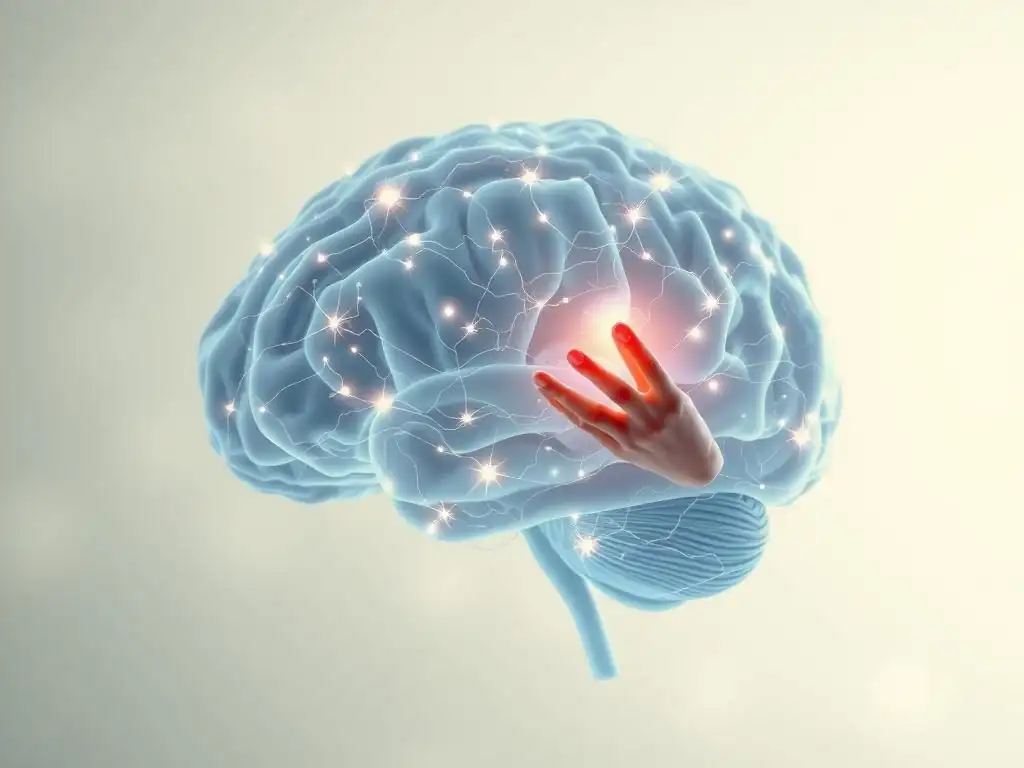
Brain Scans and Therapy: Visualizing the Transformation
Modern neuroimaging techniques, such as fMRI (functional magnetic resonance imaging) and PET (positron emission tomography), have provided compelling visual evidence of how therapy alters brain activity and structure. These tools allow researchers to observe changes in blood flow (indicating neural activity) and even subtle shifts in brain volume or connectivity before, during, and after a course of therapy. For example, fMRI scans of individuals with social anxiety disorder have shown reduced activity in the amygdala when exposed to social cues after completing cognitive behavioral therapy compared to scans taken before therapy began.
Another powerful example comes from studies on individuals with obsessive-compulsive disorder (OCD) undergoing exposure and response prevention (ERP) therapy. PET scans have revealed changes in glucose metabolism (a measure of neural activity) in specific brain circuits, including the orbitofrontal cortex and caudate nucleus, which are implicated in OCD. These changes correlate with symptom reduction, offering tangible proof that psychological interventions can physically alter brain function. While exact percentage changes vary widely across studies and conditions, the consistent observation of altered activity patterns underscores how brain scans provide a window into the neural transformations underlying therapeutic success.
Neuroplasticity and Mental Health: The Brain's Ability to Adapt
Neuroplasticity is the fundamental biological process that allows the brain to heal and adapt in response to mental health challenges and therapeutic interventions. It's the brain's capacity to rewire itself, forming new connections and modifying existing ones. When someone experiences trauma, chronic stress, or mental illness, certain neural circuits may become hyperactive or weakened. For instance, chronic stress can potentially shrink the hippocampus and alter connections in the prefrontal cortex.
Therapy actively counteracts these maladaptive changes by providing experiences that stimulate the growth of new neurons (neurogenesis, particularly in the hippocampus), strengthen beneficial synaptic connections, and prune away less useful ones. Learning new coping strategies, processing traumatic memories in a safe environment, or practicing mindfulness all engage specific neural pathways, reinforcing them through repeated activation. This adaptive rewiring is a direct manifestation of neuroplasticity at work, demonstrating precisely how therapy improves brain health naturally by leveraging the brain's inherent capacity for positive change and adaptation.
Types of Therapy and Their Effects on Brain Structure and Function
Cognitive Behavioral Therapy (CBT) and Neural Pathways
Cognitive Behavioral Therapy (CBT) is one of the most extensively studied therapeutic modalities in terms of its neural effects. CBT focuses on identifying and changing negative thought patterns and behaviors. Research using fMRI has shown that successful CBT for depression can lead to increased activity in the prefrontal cortex, a region crucial for executive functions and emotional regulation, and decreased activity in the limbic system, including the amygdala, which is involved in processing emotions like fear and anxiety.
The mechanisms behind these changes involve strengthening the neural pathways that connect the prefrontal cortex to the amygdala, allowing for better top-down regulation of emotional responses. By practicing cognitive restructuring and behavioral techniques, individuals are repeatedly activating these regulatory circuits. A study on individuals with spider phobia treated with CBT showed reduced amygdala response to phobic stimuli after therapy, correlating with symptom reduction. This demonstrates how CBT directly targets and modifies specific neural circuits associated with maladaptive responses, providing clear evidence that this form of therapy improves brain health naturally.
Psychodynamic Therapy and Emotional Regulation in the Brain
Psychodynamic therapy explores how past experiences and unconscious patterns influence current feelings and behaviors. While perhaps less studied with neuroimaging than CBT, emerging research suggests it also impacts brain function, particularly areas related to emotional processing and self-awareness. This therapy often involves processing difficult emotions and understanding their origins, which requires engaging brain regions involved in memory, introspection, and emotional regulation.
Studies, though preliminary, indicate that psychodynamic therapy can influence connectivity within the brain's default mode network (DMN), a network active during self-referential thought and introspection. Changes in DMN activity and connectivity have been observed in conditions like depression. By helping individuals integrate past experiences and understand unconscious conflicts, psychodynamic therapy may facilitate a more coherent sense of self and improved emotional processing, potentially by altering the way these networks function. This approach also contributes to the understanding that therapy improves brain health naturally by addressing deeper psychological roots and their neural correlates.
Mindfulness-Based Therapies: Cultivating Calm and Rewiring the Brain
Mindfulness-based therapies, such as Mindfulness-Based Stress Reduction (MBSR) and Mindfulness-Based Cognitive Therapy (MBCT), teach techniques like meditation and conscious breathing to help individuals become more aware of their thoughts, feelings, and bodily sensations without judgment. These practices have a profound impact on brain regions associated with attention, emotional regulation, and self-awareness.
Neuroimaging studies on long-term meditators and individuals undergoing MBSR training have shown structural changes, including increased grey matter density in areas like the hippocampus (involved in memory and learning) and regions of the prefrontal cortex (involved in attention and decision-making). Functionally, mindfulness practices can decrease activity in the amygdala in response to negative stimuli and improve connectivity between the prefrontal cortex and other brain regions, enhancing emotional control and reducing reactivity. This evidence strongly supports the idea that incorporating mindfulness through therapy improves brain health naturally by fostering states of calm and enhancing the brain's regulatory capacities.
Specific Brain Regions Affected by Therapy: A Targeted Approach
The Amygdala: Reducing Anxiety and Fear Through Therapy
The amygdala is a small, almond-shaped structure deep within the brain's temporal lobe, critically involved in processing emotions, particularly fear and anxiety. In conditions like anxiety disorders, PTSD, and phobias, the amygdala often becomes hyperactive, leading to heightened states of alert and exaggerated fear responses. Therapy, especially modalities like CBT and exposure therapy, directly targets this overactivity.
Through therapeutic techniques, individuals learn to reinterpret threats, tolerate discomfort, and regulate their emotional responses. Neuroimaging studies consistently show that successful therapy is associated with reduced amygdala activation when encountering triggers that previously elicited strong fear or anxiety. For example, a study on veterans with PTSD treated with trauma-focused therapy observed a significant decrease in amygdala response to trauma-related cues post-treatment. This reduction in baseline and reactive amygdala activity is a key mechanism by which therapy improves brain health naturally, alleviating the intense emotional burden associated with these conditions.
The Prefrontal Cortex: Enhancing Decision-Making and Emotional Control
The prefrontal cortex (PFC), located at the front of the brain, is the executive control center. It's involved in complex cognitive behaviors such as planning, decision-making, working memory, and regulating emotions. In many mental health conditions, particularly depression and anxiety, the PFC's function can be impaired, leading to difficulties with focus, decision-making, and emotional resilience.
Therapeutic interventions aim to strengthen the PFC's capacity to exert top-down control over more primitive brain regions like the amygdala. By practicing skills learned in therapy, such as challenging negative thoughts or developing problem-solving strategies, individuals are essentially exercising their PFC. This can lead to increased activity and improved connectivity within the PFC and between the PFC and other brain areas involved in emotional processing.
Research on depression treatment has shown that successful therapy can normalize activity in certain PFC subregions, correlating with improved mood and cognitive function. This highlights how therapy improves brain health naturally by bolstering the brain's highest-level regulatory functions.
The Hippocampus: Improving Memory and Learning Through Therapy
The hippocampus, another structure within the temporal lobe, is vital for learning, memory formation, and spatial navigation. It also plays a significant role in regulating the body's stress response system. Chronic stress, trauma, and depression have been linked to reduced hippocampal volume and impaired function, affecting memory recall and increasing vulnerability to further stress.
Certain therapies, particularly those that involve processing traumatic memories (like Trauma-Focused CBT or EMDR) or reducing stress (like mindfulness-based therapies), have been shown to potentially counteract these negative effects on the hippocampus. While the extent of neurogenesis (growth of new neurons) in the adult human hippocampus is still an area of active research, therapy can certainly improve its function and connectivity.
Studies on individuals recovering from depression or PTSD after therapy have sometimes observed increases in hippocampal volume or improved performance on memory tasks, suggesting a restoration or enhancement of its capacity. This demonstrates another crucial way therapy improves brain health naturally, supporting the brain's ability to learn, remember, and manage stress effectively.
The Role of Neurotransmitters in Therapy's Effectiveness
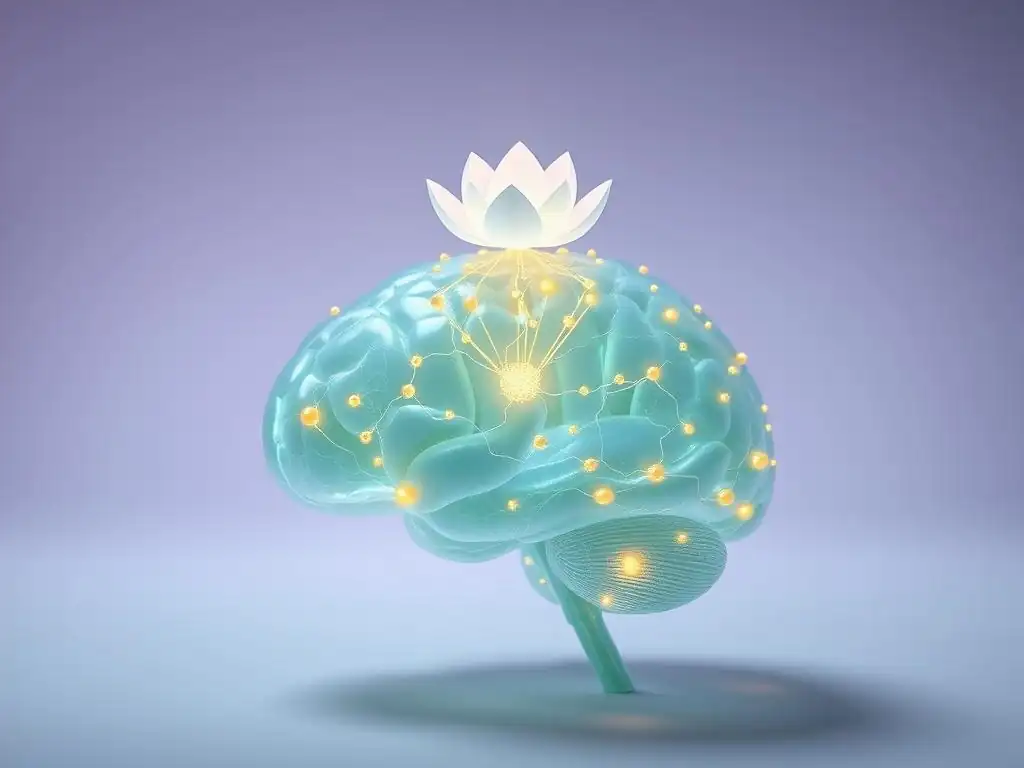
Serotonin, Dopamine, and Norepinephrine: The Chemical Basis of Mental Well-being
Neurotransmitters are chemical messengers that transmit signals between neurons. Serotonin, dopamine, and norepinephrine are three key neurotransmitters heavily implicated in mood, motivation, pleasure, and stress response. Imbalances or dysregulation in these chemicals are associated with various mental health conditions, including depression, anxiety, and ADHD. While psychotropic medications directly target these systems, therapy also influences their activity, albeit through different, more indirect mechanisms.
Serotonin is crucial for mood, sleep, and appetite regulation. Dopamine is central to reward, motivation, and pleasure pathways. Norepinephrine is involved in the body's fight-or-flight response, alertness, and attention. Understanding the role of these chemicals provides a biological context for how changes in brain function, facilitated by therapy, translate into changes in feelings and behaviors. The brain's ability to naturally modulate these systems is a critical aspect of achieving and maintaining mental well-being.
How Therapy Regulates Neurotransmitter Activity
Therapy doesn't directly add or remove neurotransmitters like medication does, but it influences the neural circuits that produce, release, and receive them. By changing thought patterns, behaviors, and emotional responses, therapy alters the firing patterns of neurons. For example, reducing stress through therapy can decrease the overactivation of the stress response system, which involves norepinephrine. Learning to anticipate rewards and engage in positive activities can stimulate dopamine pathways.
Furthermore, therapy's impact on brain structures like the prefrontal cortex and hippocampus can indirectly affect neurotransmitter systems that project to these areas. Improving the regulatory capacity of the PFC, for instance, can lead to a more balanced release of neurotransmitters. While it's challenging to quantify the exact changes in neurotransmitter levels induced solely by therapy in living humans, the observed improvements in mood, anxiety, and cognitive function strongly suggest a positive modulation of these crucial chemical systems. This modulation is a vital part of how therapy improves brain health naturally, working in concert with the brain's own chemistry.
Maintaining Brain Health Gains After Therapy: Long-Term Strategies
Lifestyle Factors that Support Neuroplasticity
Maintaining the positive brain changes achieved in therapy requires ongoing effort and a focus on lifestyle factors that continue to support neuroplasticity. Regular physical exercise is a powerful promoter of brain health, increasing blood flow, stimulating the release of growth factors like BDNF (Brain-Derived Neurotrophic Factor), and potentially encouraging neurogenesis, particularly in the hippocampus. Aiming for at least 150 minutes of moderate-intensity aerobic exercise per week, as recommended by health guidelines, can significantly contribute to sustaining brain health gains.
Adequate sleep is also critical for consolidating learning and memory, clearing metabolic waste products from the brain, and supporting overall neural function. Prioritizing 7-9 hours of quality sleep per night is essential. A balanced diet rich in omega-3 fatty acids, antioxidants, and vitamins provides the necessary building blocks for brain cells and neurotransmitter synthesis. Engaging in mentally stimulating activities, social connections, and stress management techniques further nourishes the brain and reinforces healthy neural pathways. These lifestyle choices are integral to ensuring that therapy improves brain health naturally for years to come.
Continued Mental Health Practices for Optimal Brain Function
Beyond general healthy living, actively continuing mental health practices learned in therapy is crucial for solid-term maintenance of brain health. This might include regularly practicing mindfulness meditation, journaling about thoughts and feelings, using cognitive restructuring techniques to challenge negative thinking, or continuing to engage in activities that bring joy and a sense of accomplishment.
Establishing a routine of these practices helps to keep the beneficial neural pathways active and strong. Think of it like maintaining physical fitness after achieving a goal – consistency is key. For instance, someone who learned relaxation techniques in therapy for anxiety should continue using them proactively, not just during moments of high stress.
Similarly, maintaining connections with a support system, whether friends, family, or support groups, provides emotional scaffolding that also has positive effects on brain health by buffering against stress and promoting feelings of safety and belonging. These ongoing efforts reinforce how therapy improves brain health naturally, embedding healthy patterns into daily life.
Overcoming Challenges in Therapy: Addressing Resistance and Stagnation
Identifying and Breaking Through Cognitive Barriers
Sometimes, progress in therapy can slow or hit a plateau. Often, this is due to cognitive barriers – deeply ingrained negative beliefs, rigid thought patterns, or a fear of change that manifests as resistance. For example, someone might intellectually understand that their fear is irrational but still feel unable to confront it due to a powerful underlying belief about their own inability to cope. These barriers are reflected in established, often over-reinforced, neural pathways.
Breaking through these barriers requires identifying them, often with the therapist's help, and then consciously and consistently challenging them. This process involves repeatedly activating alternative, healthier thought patterns and behaviors, gradually weakening the old, maladaptive neural connections while strengthening new ones. Techniques like cognitive restructuring, behavioral experiments, and exploring the origins of resistance in therapy sessions are designed to target these neural strongholds. This active process of confronting and rewiring ingrained patterns is a challenging but essential aspect of how therapy improves brain health naturally, requiring persistence and courage.
Adapting Therapy to Individual Needs for Maximum Impact
Effective therapy is not a one-size-fits-all approach. Individual differences in brain structure, personality, life experiences, and the specific nature of mental health challenges mean that therapy must be tailored to the individual for maximum impact on brain health. What works for one person's anxiety might be less effective for another's depression, and the neural changes facilitated will vary accordingly.
A skilled therapist continuously assesses progress and adapts techniques to the client's specific needs and responses. This might involve switching modalities, adjusting the pace, or focusing on different aspects of the client's life. For instance, someone with significant trauma history might benefit more from a trauma-informed approach that prioritizes safety and regulation before processing memories.
Tailoring therapy ensures that the interventions are optimally stimulating the brain's potential for positive change, making the process more efficient and effective in facilitating the desired neural rewiring. This personalized approach is key to unlocking the full potential for how therapy improves brain health naturally.
Conclusion: Therapy as a Powerful Tool for Enhancing Brain Health and Mental Well-being
Mind Care Guide: Continuing Your Journey to a Healthier Brain
As we've explored, therapy is far more than just talking; it's a powerful intervention that facilitates tangible, positive changes in the brain's structure and function. By harnessing the principle of neuroplasticity, therapy helps to rewire neural pathways associated with distress, strengthens those linked to resilience and well-being, modulates neurotransmitter systems, and positively impacts key brain regions like the amygdala, prefrontal cortex, and hippocampus. The evidence from neuroimaging and clinical outcomes strongly supports the conclusion that therapy improves brain health naturally, leading to lasting improvements in emotional regulation, cognitive function, and overall mental well-being.
Your journey toward a healthier brain doesn't end when therapy concludes. Mind Care Guide is here to support you in maintaining the gains you've made and continuing to nurture your mental well-being. We provide resources on lifestyle factors that support neuroplasticity, strategies for ongoing self-care, and information on recognizing signs that might indicate a need for further support. Remember, the brain's capacity for change is lifelong, and consistent effort, informed by knowledge and supported by resources like Mind Care Guide, can lead to sustained brain health.
Future Directions in Therapy and Neuroscience: What's Next?
The intersection of therapy and neuroscience is a rapidly evolving field, holding immense promise for the future of mental health treatment. Ongoing research continues to uncover more precise details about the specific neural mechanisms underlying different therapeutic approaches and how individual differences in brain connectivity or genetic factors might influence treatment response. Future advancements may involve using neuroimaging to personalize therapy, identifying which specific techniques are most likely to be effective for an individual based on their unique brain profile.
Furthermore, research is exploring how combining therapy with other interventions, such as exercise, nutritional changes, or even non-invasive brain stimulation techniques, might synergistically enhance neuroplasticity and therapeutic outcomes. As our understanding of the brain deepens, so too will our ability to refine and optimize therapeutic interventions, making them even more effective tools for enhancing brain health. The future holds exciting possibilities for leveraging neuroscience to improve mental well-being, further solidifying the role of therapy as a cornerstone in naturally improving brain health.
Frequently Asked Questions
What is the main focus of the article "Unlocking Brain Health: How Therapy Changes Your Neural Landscape"?
The article emphasizes how therapy improves brain health naturally by exploring the ways different therapeutic approaches can reshape neural pathways and enhance mental well-being. It focuses on the connection between therapy and positive changes in brain function.
How does therapy contribute to improving brain health according to the article?
Therapy helps by promoting neuroplasticity, the brain's ability to reorganize itself. It encourages the formation of new neural connections and strengthens existing ones, leading to improved emotional regulation and cognitive function.
What types of mental health challenges can therapy address to improve brain health?
Therapy can address a wide range of challenges, including anxiety, depression, trauma, and stress-related disorders. By addressing these issues, therapy helps restore balance and improve overall brain health and resilience.
Does the article suggest that therapy is a replacement for medical treatment, or is it a complementary approach?
The article suggests that therapy is a complementary approach to improving brain health. While it can be incredibly beneficial, it's often most effective when combined with other treatments, such as medication or lifestyle changes, as deemed appropriate by a healthcare professional.
What resources does "Mind Care Guide" offer for individuals seeking therapy to improve brain health?
"Mind Care Guide" provides information, support, and resources for individuals exploring therapy options. This includes articles, guides, and potentially directories of qualified therapists specializing in various mental health challenges.
Final Reflection: The Rewiring of Resilience
The power of therapy to reshape our neural pathways is not a futuristic fantasy; it's a tangible reality impacting lives today. We've explored how therapeutic interventions, from cognitive behavioral therapy to mindfulness practices, actively cultivate positive changes in brain structure and function, offering a natural path to improved mental and cognitive well-being. This isn't just about managing symptoms; it's about fundamentally altering the brain's response to stress, trauma, and negative thought patterns.
The journey of understanding how therapy improves brain health naturally has been profoundly impactful, both personally and professionally. Witnessing the transformative power of these techniques underscores the importance of accessible and effective mental healthcare. The mind is everything. What you think you become.
– Buddha. This ancient wisdom finds powerful validation in the modern neuroscience of therapeutic change. We are not static beings; our brains are remarkably plastic, capable of adapting and growing throughout our lives, and therapy provides the tools to guide this remarkable process.
Consider the implications of this knowledge. You possess the inherent capacity to cultivate greater resilience, sharper focus, and a more balanced emotional landscape. Don't view therapy as a last resort, but as a proactive investment in your cognitive and emotional well-being. Explore the different therapeutic approaches available, find a practitioner who resonates with you, and embark on this journey of self-discovery and neural transformation. Your brain – and your life – will thank you for it.
Ignite Your Neural Pathways: Take Charge of Your Brain Health
Thanks for taking the time to explore the powerful connection between therapy and brain health! We hope you gained valuable insights into how therapy can reshape your neural landscape and enhance your overall well-being. Ready to take the next step?
- Schedule a consultation with a therapist: This is the most direct way to begin your journey towards improved brain health. Discuss your goals and explore how therapy can help you achieve them.
- Share this article with someone you care about: Let's spread awareness about the transformative power of therapy for brain health. A simple share can make a big difference.
- Explore mindfulness practices: Complement your therapeutic journey by incorporating daily mindfulness exercises. Even a few minutes a day can significantly impact your mental clarity and emotional regulation.
What specific step will you take today to nurture your brain's incredible potential?