
Rewiring the Stress Response: Brain Scan Evidence for Therapy

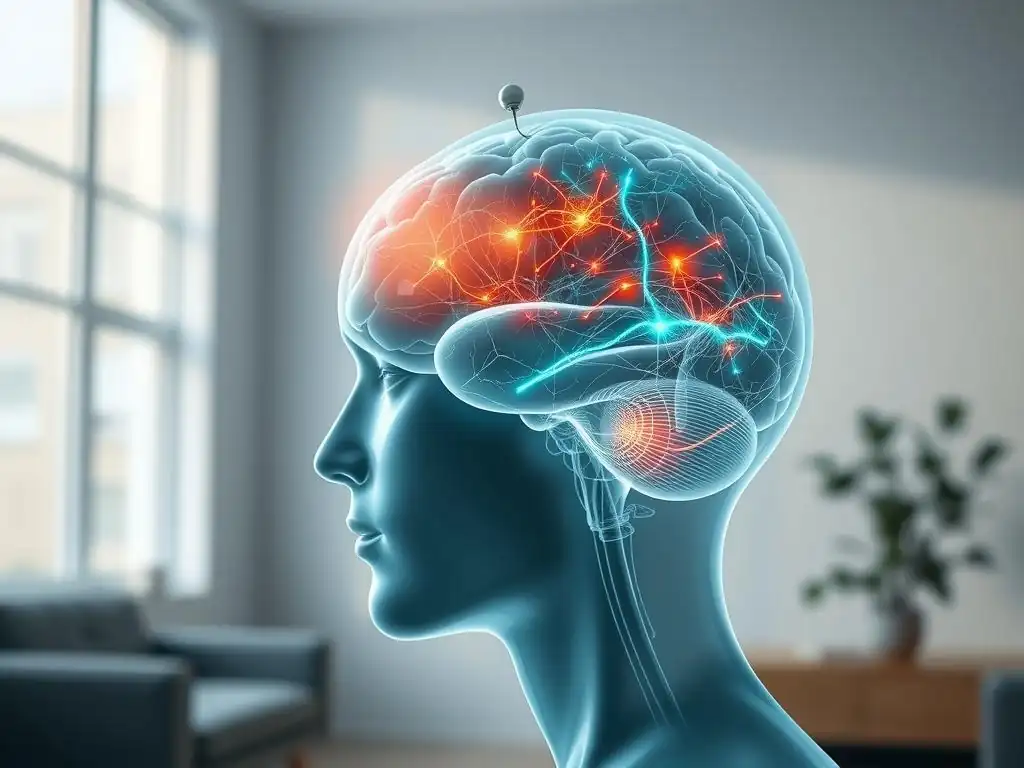
Welcome to Mind Care Guide, a sanctuary for your mental well-being.
Ever wondered what truly goes on in your brain when stress hits? We delve into the fascinating world of neuroscience to explore just that. Our main article, " Rewiring the Stress Response: Brain Scan Evidence for Therapy," unveils compelling findings about how brain scan therapy can actually reshape your brain's reaction to stress. Could this be the key to unlocking lasting relief and a calmer, more resilient you? Discover the science behind this innovative approach and explore how it could change your life.
Rewiring the Stress Response: Brain Scan Evidence for Therapy - Mind Care Guide
- Understanding the Stress Response and Its Impact on the Brain
- Neurofeedback for Stress Reduction: A Brain-Based Approach to Mental Wellness
- Brain Scan Evidence: Verifying the Effectiveness of Neurofeedback
- Case Studies: Real-World Examples of Neurofeedback Success for Stress Reduction
- Comparing Neurofeedback to Traditional Approaches for Stress Management
- The Future of Mental Health Treatment: Integrating Neuroscience and Therapy
- Optimizing Your Mental Well-being: Beyond Neurofeedback
-
Frequently Asked Questions
- What is Stress Response Brain Scan Therapy and how does it differ from traditional therapy?
- How can a brain scan help in managing the stress response?
- What kind of mental health challenges can benefit from Stress Response Brain Scan Therapy?
- Is Stress Response Brain Scan Therapy a replacement for traditional therapy methods like Cognitive Behavioral Therapy (CBT)?
- What are the potential benefits and risks associated with Stress Response Brain Scan Therapy?
- Final Reflection: Rewiring Our Stress Response for a Healthier Future
- Unlock Your Brain's Calm: Take Charge of Stress Today
Understanding the Stress Response and Its Impact on the Brain
The Neuroscience of Stress: A Deep Dive into Brain Regions Involved
The body's stress response is orchestrated by a complex network of brain regions, primarily the hypothalamic-pituitary-adrenal (HPA) axis and the sympathetic nervous system. At the core of this network are structures like the amygdala, often referred to as the brain's "fear center," which rapidly processes potential threats. When a threat is perceived, the amygdala signals the hypothalamus, initiating a cascade that releases stress hormones like cortisol and adrenaline.
This immediate reaction prepares the body for 'fight or flight'. Alongside the amygdala, the prefrontal cortex (PFC), particularly the medial and ventromedial areas, plays a crucial role in regulating the stress response by evaluating context and inhibiting the amygdala's alarm signals. However, under chronic stress, this regulatory balance can be disrupted.
Beyond the initial alarm system, other brain areas are significantly impacted. The hippocampus, vital for memory and learning, is highly sensitive to cortisol. Prolonged exposure to high cortisol levels can impair hippocampal function and even lead to a reduction in its volume, affecting memory recall and emotional regulation.
Simultaneously, the nucleus accumbens, involved in reward and motivation, and areas within the cingulate cortex, related to emotional processing and decision-making, also show altered activity patterns under stress. Understanding these intricate neural pathways and their interactions is fundamental to developing effective therapies, including those utilizing brain scan technology, to address a dysregulated stress response.
Long-Term Effects of Chronic Stress on Brain Structure and Function
Chronic stress exerts profound and often detrimental effects on the brain's structure and function. As mentioned, the hippocampus is particularly vulnerable, with studies often showing reduced volume in individuals experiencing prolonged stress, such as those with PTSD or chronic depression. This structural change is associated with impaired cognitive function, including difficulties with memory consolidation and spatial navigation. The amygdala, conversely, can show increased activity and even structural changes like dendritic growth, becoming hyper-responsive to perceived threats, even non-threatening ones. This leads to a heightened state of vigilance and anxiety, perpetuating the stress cycle.
Furthermore, chronic stress can disrupt the intricate communication networks within the brain. The connectivity between the prefrontal cortex and the amygdala, essential for top-down emotional regulation, is often weakened. This diminished connection means the rational, executive functions of the PFC are less effective at dampening the amygdala's alarm signals, leaving individuals more reactive and less able to manage their emotional state.
Neurotransmitter systems, including serotonin, dopamine, and norepinephrine, are also affected, contributing to mood disorders, impaired motivation, and altered cognitive processing. Recognizing these long-term neurobiological consequences underscores the critical need for interventions aimed at rewiring the stress response and restoring healthy brain function, which can be monitored and validated using advanced brain scan techniques.
Why Address the Stress Response? Mental Well-being and Brain Health
Effectively addressing a dysregulated stress response is paramount for both immediate mental well-being and long-term brain health. Uncontrolled chronic stress is a significant risk factor for developing a wide range of mental health conditions, including anxiety disorders, depression, burnout, and even contributing to the severity of conditions like PTSD. The constant state of alert taxes mental resources, leading to symptoms like irritability, difficulty concentrating, sleep disturbances, and feelings of being overwhelmed. Improving the stress response directly alleviates these symptoms, enhancing daily functioning and quality of life.
Beyond symptomatic relief, managing stress protects the brain from the damaging effects described earlier. By reducing exposure to excessive stress hormones and restoring balance in neural circuits, interventions can potentially mitigate or even reverse some of the negative structural and functional changes associated with chronic stress.
This not only supports current mental clarity and emotional stability but also contributes to cognitive resilience and lowers the risk of neurodegenerative processes later in life. Therefore, seeking effective strategies, potentially supported by brain scan evidence, to improve the stress response is a proactive step towards comprehensive mental wellness and preserving the integrity of brain health over time.
Neurofeedback for Stress Reduction: A Brain-Based Approach to Mental Wellness
Introducing Neurofeedback: Principles and Techniques for Stress Management
Neurofeedback, also known as EEG biofeedback, is a non-invasive therapeutic technique that helps individuals learn to regulate their own brain activity. The fundamental principle is operant conditioning: individuals are provided with real-time information (feedback) about their brainwave patterns and are trained to shift those patterns towards a more desirable state.
For stress management, the goal is typically to increase brainwave frequencies associated with relaxation and calm (like alpha or SMR) and decrease those associated with anxiety, hypervigilance, or racing thoughts (like high beta). This process aims to improve the brain's self-regulation capabilities, thereby reducing the intensity and frequency of the stress response.
A typical neurofeedback session involves placing sensors (electrodes) on the scalp to measure electrical activity generated by the brain (EEG). This activity is then displayed on a screen in a format that is easy for the client to understand, often as a video game, a movie, or an auditory tone. The client is instructed to influence the feedback (e.g., make the video play smoothly, make the sound continuous) by changing their mental state, which in turn alters their brainwave activity.
With practice, the brain learns to maintain the desired patterns even outside the training sessions. This direct training of brain function offers a unique approach to therapy for conditions linked to a dysregulated stress response.
How Does Neurofeedback Work? A Detailed Explanation of Brainwave Training
Neurofeedback works by leveraging the brain's plasticity – its ability to change and adapt. The process begins with a brain assessment, often using quantitative EEG (qEEG), to identify specific patterns of dysregulation associated with the individual's stress symptoms. For example, a qEEG might reveal excessive high beta activity in certain areas, correlating with anxiety and racing thoughts, or insufficient alpha activity, linked to difficulty relaxing. Based on this assessment, a personalized training protocol is designed, targeting the specific brainwave frequencies and locations identified as needing regulation.
During training, the individual receives positive reinforcement (e.g., the video plays smoothly, points are awarded) when their brain produces the desired pattern and negative reinforcement (e.g., the video freezes, the sound stops) when it produces the undesired pattern. This continuous feedback loop allows the brain to learn, through trial and error and unconscious processing, how to generate the target brainwave states more consistently.
Over multiple sessions, typically ranging from 20 to 40, the brain gradually learns to maintain these healthier patterns, becoming more resilient and less prone to defaulting to the maladaptive patterns associated with a heightened stress response. This form of therapy for the stress response, supported by brain scan analysis, aims for lasting change at the neural level.
Benefits of Neurofeedback for Stress Reduction and Emotional Regulation
Neurofeedback therapy offers several potential benefits for individuals seeking to reduce stress and improve emotional regulation. One of the primary advantages is its non-invasive nature, avoiding the systemic side effects sometimes associated with medication. It also focuses on teaching the brain new, self-regulatory skills, potentially leading to more sustainable improvements compared to therapies that primarily focus on coping strategies without directly addressing the underlying brain activity patterns. Clients often report feeling calmer, more focused, and better able to manage their emotional reactions after a course of neurofeedback.
Specific benefits observed in individuals undergoing neurofeedback for stress may include a reduction in generalized anxiety, fewer panic symptoms, improved sleep quality, and increased resilience to stressors. By training the brain to produce more alpha waves, associated with relaxed alertness, individuals can find it easier to enter states of calm.
By reducing excessive beta activity, the racing thoughts and hypervigilance often linked to stress can diminish. While individual results vary, studies and clinical practice suggest that neurofeedback can be a valuable tool in a comprehensive approach to managing a dysregulated stress response, with its effectiveness often assessed using brain scan technology.
Brain Scan Evidence: Verifying the Effectiveness of Neurofeedback
Utilizing Quantitative EEG (qEEG) to Assess Brainwave Changes Pre- and Post-Neurofeedback
Quantitative EEG (qEEG) is a sophisticated brain scan technique that plays a crucial role in both diagnosing brainwave dysregulation and evaluating the effectiveness of neurofeedback therapy for the stress response. Unlike a standard clinical EEG, which is typically reviewed visually, a qEEG involves digitally recording brain electrical activity from multiple sites on the scalp.
This raw EEG data is then processed using complex algorithms and compared to a normative database of healthy brains, often categorized by age. This comparison highlights deviations from the norm, such as areas with excessive slow waves (theta/delta) or fast waves (beta), or abnormalities in connectivity patterns.
For stress management, a pre-therapy qEEG helps identify the specific brainwave patterns contributing to an individual's symptoms, guiding the development of a personalized neurofeedback protocol. Post-therapy qEEG scans are then conducted to objectively measure changes in these patterns. For instance, if the initial qEEG showed excessive high beta activity in the frontal lobes linked to anxiety, a successful course of neurofeedback might show a significant reduction in this activity in the post-therapy scan, moving closer to the normative range. This provides tangible brain scan evidence of the therapy's impact on the underlying neural activity associated with the stress response.
Types of Brain Scans Used in Neurofeedback Research: EEG
While various brain imaging techniques exist (like fMRI or PET scans), the primary brain scan method used in the context of neurofeedback and its validation is Electroencephalography (EEG), specifically its quantitative form (qEEG). EEG measures the electrical activity produced by the brain using electrodes placed on the scalp. This activity reflects the collective firing of millions of neurons. Different mental states are associated with different patterns of electrical activity, characterized by frequency bands (e.g., delta, theta, alpha, beta, gamma) and amplitude.
EEG is particularly suited for neurofeedback because it provides real-time data on brain activity with millisecond precision, which is necessary for the immediate feedback loop required by the therapy. While fMRI shows blood flow changes (an indirect measure of neural activity) and is useful for mapping brain regions involved in tasks, its temporal resolution is too slow for providing instantaneous feedback.
PET scans measure metabolic activity or receptor binding but also lack the necessary temporal resolution. Therefore, EEG, especially when analyzed quantitatively with qEEG for pre/post comparisons, remains the cornerstone brain scan technology for both guiding and assessing the outcomes of neurofeedback therapy targeting the stress response.
Interpreting qEEG Results: Identifying Positive Changes in Brainwave Patterns
Interpreting qEEG results involves analyzing various metrics, including absolute and relative power within different frequency bands, coherence (the degree to which different brain regions are communicating synchronously), and asymmetry between hemispheres. For an individual undergoing neurofeedback for stress reduction, positive changes in a post-therapy qEEG would typically involve shifts towards a brainwave profile associated with greater calm, focus, and regulatory capacity, aligning with the goals of the stress response brain scan therapy.
For example, a common finding in individuals with anxiety or hypervigilance is elevated beta activity. A successful course of neurofeedback aimed at reducing this high beta would ideally show a decrease in beta power in the relevant brain regions in the post-therapy qEEG. Conversely, if the protocol aimed to increase alpha waves (associated with relaxation), the post-therapy scan might reveal an increase in alpha power.
Changes in coherence might also be observed, indicating improved communication between brain areas involved in emotional regulation. While qEEG is a powerful tool, interpretation requires expertise, and changes should always be considered alongside reported symptom improvement and clinical observations. The qEEG provides objective brain scan evidence supporting the subjective experience of reduced stress response and improved well-being.
Case Studies: Real-World Examples of Neurofeedback Success for Stress Reduction
Case Study 1: An Executive Reducing Burnout with Neurofeedback Training
Mark, a 45-year-old marketing executive, presented with severe burnout symptoms: chronic fatigue, irritability, difficulty concentrating, and persistent feelings of being overwhelmed by work demands. His stress response was constantly activated, leading to poor sleep and strained relationships. A pre-therapy qEEG revealed significantly elevated high beta activity across frontal and parietal regions, indicative of excessive mental arousal and worry, along with reduced alpha activity, suggesting difficulty relaxing. Based on these brain scan findings, a neurofeedback protocol was designed to decrease high beta and increase alpha activity.
Over 30 sessions, Mark engaged in neurofeedback training targeting these specific brainwave patterns. He reported gradual improvements: initially, better sleep quality, followed by reduced irritability and increased ability to focus during the day. By the end of the training, his feelings of being overwhelmed had significantly decreased.
A post-therapy qEEG showed a substantial normalization of his brainwave patterns, with a reported 40% reduction in high beta power and a 35% increase in alpha power in targeted areas, moving closer to the normative database. This objective brain scan evidence correlated strongly with his self-reported reduction in burnout symptoms, which he estimated at 60% based on a standardized stress questionnaire. This case illustrates how stress response brain scan therapy, specifically neurofeedback guided by qEEG, can yield measurable changes in brain activity linked to clinical improvement.
Case Study 2: A Student Managing Test Anxiety through Targeted Neurofeedback
Sarah, a 19-year-old college student, suffered from debilitating test anxiety. Her stress response was triggered intensely by academic pressures, resulting in panic attacks before exams, difficulty studying due to intrusive worries, and poor performance despite being well-prepared. Her qEEG showed excessive theta activity in frontal areas, sometimes associated with inattention and cognitive fog under stress, and atypical alpha asymmetry, potentially linked to emotional reactivity. The neurofeedback protocol focused on reducing frontal theta and balancing alpha activity.
Sarah completed 25 neurofeedback sessions. Initially, she noticed subtle shifts, like being able to sit and study for slightly longer periods without her mind wandering to anxious thoughts. As training progressed, she reported feeling significantly calmer leading up to exams.
She was able to utilize relaxation techniques more effectively, and the intensity of her panic symptoms decreased dramatically. Post-therapy qEEG analysis revealed a reduction in excessive frontal theta power by approximately 30% and improved alpha asymmetry, indicating a more balanced and regulated brain state. This objective brain scan data supported her subjective report of a roughly 70% reduction in test anxiety symptoms and improved academic performance, demonstrating the efficacy of this stress response brain scan therapy approach for specific anxiety manifestations.
Analyzing Common Trends and Outcomes Across Multiple Neurofeedback Cases
Analyzing outcomes across multiple neurofeedback cases for stress reduction reveals common trends, often supported by pre- and post-therapy brain scan data. A frequent finding is the association between high levels of anxiety and hyperarousal symptoms with excessive beta activity, particularly high beta (often 20-32 Hz), which neurofeedback protocols frequently aim to reduce. Conversely, difficulty relaxing or experiencing low energy despite stress can sometimes correlate with excessive slow wave activity (theta or alpha) in inappropriate locations or states, which neurofeedback might aim to normalize.
Across numerous clinical reports and studies, improvements in subjective stress levels, anxiety symptoms, sleep quality, and emotional regulation are commonly observed following neurofeedback training targeting stress. While the specific brainwave changes measured by qEEG vary depending on the individual's initial presentation and the protocol used, the general trend in successful cases is a shift towards brainwave patterns associated with greater stability, flexibility, and reduced arousal, moving closer to normative values.
For example, meta-analyses of neurofeedback for anxiety often report significant symptom reduction across various populations, though precise percentage improvements vary widely based on study design and population characteristics, ranging from moderate to substantial. This consistent pattern of both subjective improvement and objective brain scan changes reinforces the potential of neurofeedback as a viable stress response brain scan therapy.
Comparing Neurofeedback to Traditional Approaches for Stress Management
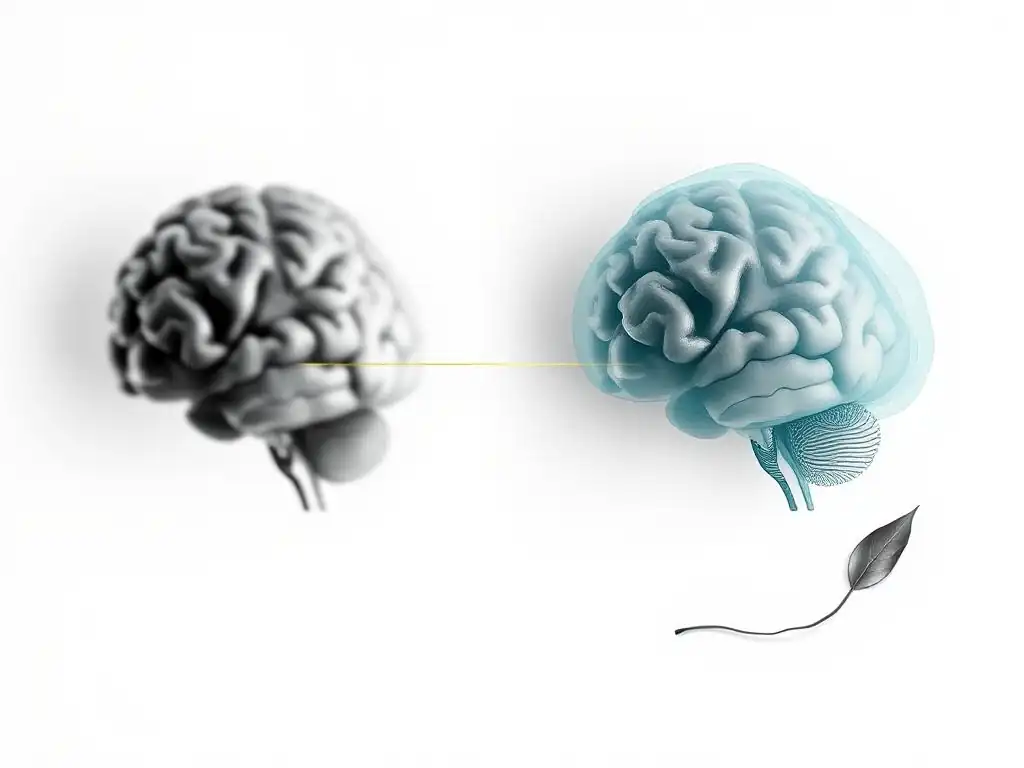
Neurofeedback vs. Cognitive Behavioral Therapy (CBT) for Stress Reduction
Cognitive Behavioral Therapy (CBT) is a widely recognized and evidence-based psychotherapy for stress, anxiety, and other mental health conditions. CBT focuses on identifying and changing negative thought patterns and behaviors that contribute to stress. It involves techniques like cognitive restructuring, exposure therapy, and relaxation training. CBT is highly effective for many individuals, with studies showing significant reductions in anxiety and stress symptoms, often in the range of 50-70% depending on the specific condition and duration of therapy. It empowers individuals with practical coping skills and a different perspective on stressors.
Neurofeedback, while also aiming to reduce stress, approaches the issue from a different angle: directly training brain self-regulation. While CBT works "top-down" by addressing thoughts and behaviors to influence emotional and physiological responses, neurofeedback works more "bottom-up" by directly influencing the brain's activity patterns. Both therapies can be effective, but they address different aspects.
Some individuals may respond better to one approach than the other, or find greater benefit from combining them. For instance, someone whose stress response is heavily driven by automatic, physiological hyperarousal might find neurofeedback particularly helpful in calming the nervous system, while someone with significant stress due to distorted thinking patterns might benefit more from CBT's focus on cognitive restructuring. Brain scan evidence for CBT is less common than for neurofeedback, as CBT's mechanisms are primarily psychological rather than direct brainwave training.
Neurofeedback vs. Medication: Benefits and Limitations for Anxiety and Stress
Medication, such as anti-anxiety drugs (anxiolytics) or antidepressants, is a common treatment for severe stress and anxiety symptoms. Medications work by influencing neurotransmitter systems in the brain (e.g., GABA, serotonin, norepinephrine) to reduce symptom severity. They can provide rapid relief for acute symptoms and are often essential for managing severe conditions. Studies show that medications can significantly reduce anxiety symptoms in a substantial percentage of patients, though response rates and side effect profiles vary widely depending on the specific drug.
However, medication primarily manages symptoms and does not necessarily teach the brain new regulatory skills. Patients may experience side effects, and there can be concerns about dependence or withdrawal upon discontinuation. Neurofeedback, in contrast, is non-invasive and aims to create lasting changes in brain function through learning.
While neurofeedback may take more sessions to show results than the immediate effect of medication, the goal is for the brain to maintain the learned regulation after therapy concludes, potentially reducing or eliminating the need for ongoing medication. Some individuals may use medication to manage acute symptoms while simultaneously undergoing neurofeedback to address the underlying brain dysregulation, potentially allowing for medication tapering later. The brain scan evidence for neurofeedback highlights its potential to induce functional changes that differ from the pharmacological effects of medication.
When is Neurofeedback the Right Choice? Considerations for Individual Needs
Deciding when neurofeedback is the right choice for managing the stress response depends heavily on individual needs, symptom presentation, and preferences. Neurofeedback can be particularly appealing to individuals who prefer non-pharmacological approaches, those who have not responded well to traditional therapies like CBT or medication, or those who experience significant physiological symptoms of stress (e.g., muscle tension, sleep issues, hypervigilance) that may be linked to specific brainwave dysregulation. It can also be a good option for individuals seeking a therapy that addresses the underlying neural mechanisms of stress.
Consider neurofeedback if you are interested in a drug-free approach, are willing to commit to multiple sessions (typically 20-40), and are seeking a therapy that aims to teach your brain self-regulation skills. A comprehensive assessment, ideally including a qEEG brain scan, can help determine if your specific brainwave patterns are likely to benefit from neurofeedback training for your stress response.
Consulting with a qualified mental health professional or a certified neurofeedback practitioner is crucial to discuss your symptoms, treatment history, and goals to determine if neurofeedback, potentially supported by brain scan evidence, is a suitable option in your overall mental wellness plan.
The Future of Mental Health Treatment: Integrating Neuroscience and Therapy
Emerging Trends in Neurotechnology and Mental Health Care
The field of mental health care is increasingly integrating advancements in neuroscience and neurotechnology. Beyond traditional neurofeedback (EEG biofeedback), emerging technologies include fMRI neurofeedback, which allows individuals to train activity in specific deep brain regions, and tDCS/tACS (transcranial direct/alternating current stimulation), which use low electrical currents to modulate brain activity. Magnetoencephalography (MEG), another brain scan technique, offers even higher temporal resolution than EEG and may play a larger role in future assessments. Wearable EEG devices are also becoming more sophisticated, potentially allowing for more accessible monitoring and even remote neurofeedback training.
These technologies promise more targeted and personalized interventions for mental health conditions, including those driven by a dysregulated stress response. The ability to precisely measure and influence brain activity opens new avenues for understanding and treating complex disorders. As research progresses, these tools are becoming more refined and integrated into clinical practice, offering hope for more effective and individualized therapies. The goal is to move towards treatments informed by a deep understanding of the brain's function, with brain scan technology providing crucial insights into both the problem and the effectiveness of the solution.
The Potential of Personalized Neurofeedback Based on Individual Brainwave Profiles
One of the most exciting potentials in the future of stress response brain scan therapy is the increasing ability to personalize neurofeedback based on an individual's unique brainwave profile, as revealed by qEEG. Traditionally, some neurofeedback protocols were more generalized. However, with advances in qEEG analysis and normative databases, practitioners can now identify subtle yet significant deviations in brainwave patterns that are specific to an individual's symptoms and neurological makeup.
This personalized approach means that instead of applying a standard protocol for "anxiety," the therapy can be tailored to address the specific excess or deficit in brainwave activity identified in that individual's qEEG, whether it's excessive high beta in the left hemisphere, insufficient alpha in the central regions, or coherence issues between specific networks. This precision medicine approach to neurofeedback, informed by detailed brain scan data, holds the promise of significantly enhancing treatment efficacy by directly targeting the root cause of an individual's dysregulated stress response at the neural level.
Accessing Neurofeedback Therapy: Finding Qualified Professionals and Clinics
Accessing qualified neurofeedback therapy requires careful consideration. Neurofeedback is a specialized field, and it is essential to find practitioners who are properly trained and certified. Look for professionals with certifications from recognized bodies, such as the Biofeedback Certification International Alliance (BCIA). These certifications ensure that practitioners have met rigorous standards for education, training, and ethical practice.
Neurofeedback is offered in various settings, including private practices, clinics specializing in biofeedback or mental health, and sometimes in hospitals or academic research centers. When seeking a provider, inquire about their experience specifically with stress and anxiety, their training background, whether they utilize qEEG for assessment and protocol design, and the typical duration and cost of therapy. Don't hesitate to ask questions about their approach and what you can expect from the treatment process. Ensuring you work with a qualified professional is key to maximizing the potential benefits of neurofeedback as a stress response brain scan therapy.
Optimizing Your Mental Well-being: Beyond Neurofeedback
Lifestyle Changes to Support Brain Health and Reduce Stress
While therapies like neurofeedback can significantly impact the stress response, supporting brain health through lifestyle changes is equally crucial for long-term mental well-being. Regular physical exercise is a powerful stress reducer, releasing endorphins and helping to regulate the HPA axis. Aim for at least 150 minutes of moderate-intensity aerobic activity per week. Nutrition also plays a vital role; a balanced diet rich in omega-3 fatty acids, antioxidants, and vitamins supports brain function and resilience to stress. Limiting processed foods, sugar, and excessive caffeine and alcohol intake is also important.
Adequate sleep is fundamental. Chronic sleep deprivation impairs cognitive function and exacerbates stress reactivity. Aim for 7-9 hours of quality sleep per night. Establishing a consistent sleep schedule and creating a relaxing bedtime routine can help. Additionally, engaging in enjoyable hobbies, spending time in nature, and ensuring sufficient exposure to natural light can all positively influence mood and stress levels. These lifestyle adjustments complement therapeutic interventions and build a strong foundation for a healthy stress response and overall brain health.
Mindfulness and Meditation Techniques for Stress Management
Mindfulness and meditation are powerful practices that can significantly enhance stress management and emotional regulation. Mindfulness involves paying attention to the present moment without judgment, cultivating an awareness of thoughts, feelings, bodily sensations, and the surrounding environment. Regular mindfulness practice has been shown to reduce activity in the amygdala and increase connectivity between the PFC and amygdala, improving the brain's ability to regulate the stress response.
Meditation techniques, such as focused attention or loving-kindness meditation, train the mind to be more focused, less reactive, and more compassionate towards oneself and others. Even short daily sessions (e.g., 10-20 minutes) can lead to noticeable changes in stress levels and emotional resilience over time. These practices can be easily integrated into daily life and offer accessible tools for calming the nervous system and fostering a greater sense of peace. They represent behavioral strategies that, when practiced consistently, can induce changes in brain function that complement the effects seen in stress response brain scan therapy.
Building a Support System for Long-Term Mental Wellness
Building and maintaining a strong support system is a vital component of long-term mental wellness and effective stress management. Connecting with friends, family, or support groups provides emotional support, reduces feelings of isolation, and offers different perspectives on challenges. Sharing your experiences and feelings with trusted individuals can significantly alleviate the burden of stress.
- Seek connection with supportive friends and family.
- Consider joining a support group related to stress, anxiety, or specific life challenges.
- Don't hesitate to reach out to a mental health professional when needed.
- Engage in activities that foster social connection and community belonging.
Having a reliable network of support acts as a buffer against stressors and promotes resilience. It ensures that you don't have to navigate difficult times alone and provides resources and encouragement to maintain healthy habits and seek help when necessary. Combining therapeutic approaches like stress response brain scan therapy with strong social support creates a comprehensive strategy for optimizing mental well-being and sustaining a healthy stress response over time.
Frequently Asked Questions
What is Stress Response Brain Scan Therapy and how does it differ from traditional therapy?
Stress Response Brain Scan Therapy uses brain scans to visualize your stress response, allowing therapists to tailor treatment. It differs from traditional therapy by providing objective data rather than relying solely on subjective reports. This personalized approach aims for more effective intervention.
How can a brain scan help in managing the stress response?
Brain scans can identify specific areas of the brain that are overactive or underactive during stress. This allows therapists to develop targeted interventions to regulate these areas. Understanding the neurological basis of your stress response can also be empowering.
What kind of mental health challenges can benefit from Stress Response Brain Scan Therapy?
This therapy can be beneficial for individuals struggling with chronic stress, anxiety disorders, and PTSD. By understanding the underlying neurological imbalances, it can contribute to more effective treatment strategies for these mental health challenges.
Is Stress Response Brain Scan Therapy a replacement for traditional therapy methods like Cognitive Behavioral Therapy (CBT)?
No, it's not a replacement but rather a complementary approach. It can enhance the effectiveness of traditional methods like CBT by providing a deeper understanding of the brain's response to stress. It allows for more personalized strategies.
What are the potential benefits and risks associated with Stress Response Brain Scan Therapy?
Potential benefits include improved treatment outcomes, a greater understanding of one's own stress response, and more personalized therapy. Risks are minimal but can include exposure to radiation (depending on the scan type) and the possibility of misinterpretation of scan results.
Final Reflection: Rewiring Our Stress Response for a Healthier Future
The evidence is clear: our brains are not fixed, and the debilitating effects of chronic stress can be actively reversed through targeted therapies. Understanding the neural pathways involved in the stress response, as revealed by brain scan technology, offers a powerful new lens through which we can approach mental and physical well-being. This isn't just abstract neuroscience; it's a roadmap to a healthier, more resilient you.
The impact of this research extends far beyond the clinical setting. The ability to visualize the effects of stress on the brain, and subsequently, the positive changes brought about by therapy, is profoundly democratizing. It empowers individuals to take ownership of their mental health, fostering a more informed and compassionate approach to stress management. The mind is everything. What you think you become.
– Buddha. This ancient wisdom is now supported by cutting-edge science, demonstrating the tangible power of our thoughts and the potential for positive change.
Consider the implications of this research for your own life. Are you struggling with chronic stress? Are you ready to actively rewire your brain's response to adversity? This article has presented you with the scientific foundation for hope and the possibility of profound transformation. Take the time to explore the therapeutic options discussed, and remember that you have the power to cultivate a more resilient and peaceful relationship with your own mind and body. The journey to a healthier stress response begins with a single, conscious step.
Unlock Your Brain's Calm: Take Charge of Stress Today
Thanks for diving into the fascinating world of stress management and brain rewiring! You've now gained valuable insights into how therapy can actually change your brain's response to stress. Let's put this knowledge into action. Ready to feel calmer and more in control?
- Schedule a consultation with a therapist: This is your first step toward rewiring your stress response. Finding the right therapist is key, so take your time to research and find one whose approach resonates with you.
- Share this article with someone you care about: Stress is often shared, so spread the knowledge and empower others to prioritize their mental wellbeing.
- Explore mindfulness techniques: Even small daily practices, like deep breathing or meditation, can make a significant difference in your ability to manage stress.
So, what small step will you take today to begin unlocking your brain's natural capacity for calm?