
The Lasting Impact: Brain Scan Proof of Therapy's LongTerm Benefits

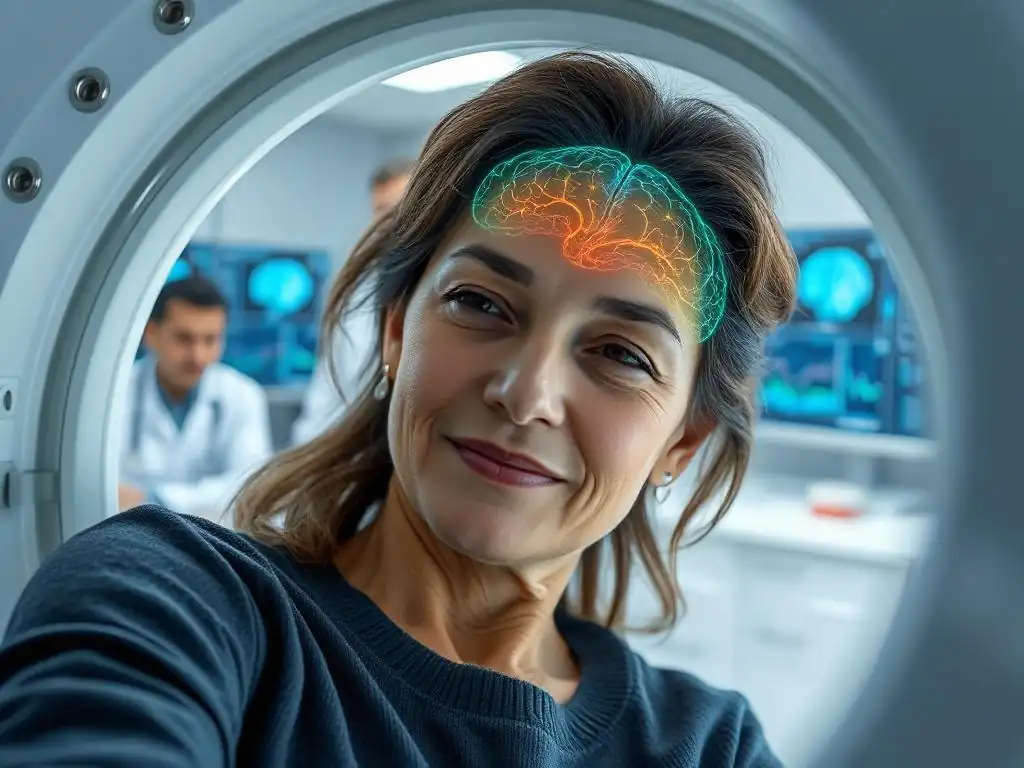
Welcome to Mind Care Guide, a space dedicated to nurturing your mental well-being.
Feeling like you're investing in yourself but wondering about the lasting impact? We understand. Dive into our groundbreaking article, " Therapy’s Longterm Brain Scan Benefits," where we explore compelling neuroscience evidence demonstrating the tangible, positive changes therapy can bring to your brain. Could therapy be more than just a conversation? Discover the fascinating science behind it and unlock a deeper understanding of your own mental health journey.
The Lasting Impact: Brain Scan Proof of Therapy's LongTerm Benefits
- Introduction: Unveiling Therapy's Enduring Neurological Effects
- Understanding the Neuroscience of Therapy: How Treatment Reshapes the Brain
- Therapy’s Longterm Brain Scan Benefits: Concrete Evidence
- Types of Therapy and Their Corresponding Brain Changes
- Measuring Long-Term Therapy Outcomes: Beyond Symptom Reduction
- The Future of Mental Healthcare: Integrating Brain Scans into Therapy Planning
- Addressing Potential Limitations of Brain Scan Research in Therapy
- Conclusion: The Profound and Measurable Impact of Therapy on the Brain
-
Frequently Asked Questions
- What exactly does the article "The Lasting Impact: Brain Scan Proof of Therapy's LongTerm Benefits" from Mind Care Guide argue?
- How does the article support the claim that therapy has long-term brain scan benefits?
- What kind of mental health challenges might benefit from the therapy discussed in the article, based on Mind Care Guide's mission?
- If "Therapy's Longterm Brain Scan Benefits" are proven, what practical implications does this have for individuals considering therapy?
- What type of "brain scan" methods are used to observe the changes in the brain?
- Final Reflection: The Enduring Power of Healing
- Unlock Your Brain's Potential: Take Charge of Your Wellbeing
Introduction: Unveiling Therapy's Enduring Neurological Effects
The Mental Health Clinic's Perspective on Long-Term Mental Well-being
From the perspective of mental health professionals, achieving long-term well-being is the ultimate goal of therapy. While symptom reduction is often the initial focus, the true measure of success lies in fostering sustainable changes that enable individuals to navigate life's challenges with greater resilience and adaptive coping mechanisms.
This isn't just about feeling better in the moment; it's about building a robust internal framework that supports mental health over months and years, even after formal therapy concludes. Clinics are increasingly interested in objective evidence that validates these enduring changes, moving beyond subjective reports to understand the deeper impact of therapeutic interventions.
This focus on lasting impact underscores the value placed on approaches that facilitate fundamental shifts in thinking, feeling, and behavior. A mental health clinic aims to equip individuals with tools and insights that become integrated into their daily lives, leading to persistent improvements in emotional regulation, cognitive function, and interpersonal relationships. The exploration of therapy’s longterm brain scan benefits offers a powerful lens through which to view this transformation, providing tangible evidence that aligns with the clinical observations of sustained recovery and enhanced quality of life experienced by many long-term therapy clients.
The Significance of Brain Scans in Assessing Therapy Outcomes
For decades, assessing therapy's effectiveness primarily relied on patient self-reports, clinical observations, and standardized psychological questionnaires. While invaluable, these methods provide a subjective or behavioral snapshot. The advent of advanced neuroimaging techniques, particularly functional Magnetic Resonance Imaging (fMRI), has introduced a new dimension to understanding therapy outcomes by allowing researchers to peer inside the living brain and observe changes in structure and activity. Brain scans offer objective, biological evidence of how therapy influences neural circuits associated with emotions, cognition, and behavior, providing a powerful complement to traditional assessment methods.
The significance of brain scans lies in their ability to potentially reveal the underlying mechanisms of therapeutic change. They can show which brain areas become more or less active, how connections between regions strengthen or weaken, and even subtle changes in brain structure over time. This neurobiological perspective helps validate the profound impact that talking therapy can have, demonstrating that it's not merely a psychological process but one that results in measurable physical changes in the brain. Exploring therapy’s longterm brain scan benefits helps solidify the understanding that therapy fosters genuine, lasting alterations at a fundamental level.
Understanding the Neuroscience of Therapy: How Treatment Reshapes the Brain
Neuroplasticity: The Brain's Capacity for Change Through Therapy
Neuroplasticity is the remarkable ability of the brain to reorganize itself throughout life – forming new neural connections and pathways, and altering existing ones. It's the biological basis for learning, memory, and recovery from injury. Crucially, neuroplasticity is also the foundation upon which therapeutic change occurs. Therapy, through repeated experiences, new insights, and skill-building, provides the brain with novel inputs that stimulate the formation of new neural circuits and the strengthening or weakening of existing ones. This process allows individuals to literally rewire their brains, shifting from maladaptive patterns of thought and behavior towards healthier ones.
This inherent flexibility means that the brain is not a fixed entity, even in adulthood. Conditions like depression, anxiety, and trauma can be associated with specific patterns of brain activity and connectivity. Therapy leverages neuroplasticity to modify these patterns.
For example, learning to challenge negative thoughts in Cognitive Behavioral Therapy (CBT) or processing traumatic memories in Eye Movement Desensitization and Reprocessing (EMDR) involves engaging specific brain circuits repeatedly, reinforcing new ways of responding and reducing the dominance of previously overactive or underactive areas. Understanding neuroplasticity is key to appreciating therapy’s longterm brain scan benefits, as the scans capture the physical manifestations of this rewiring process.
Specific Brain Regions Impacted by Long-Term Therapy
Different therapeutic approaches can target and influence various brain regions, depending on the mental health condition being treated and the specific techniques employed. However, several areas are frequently implicated in the changes observed after successful long-term therapy. These include regions involved in emotional processing, cognitive control, memory, and self-awareness. The precise nature of the changes – whether increased or decreased activity, or altered connectivity – is often specific to the type of therapy and the condition addressed.
For instance, brain scans often show altered activity in the amygdala (involved in fear and threat response), the prefrontal cortex (responsible for executive functions like planning, decision-making, and emotional regulation), the hippocampus (involved in memory and context), and the insula (related to bodily sensations and self-awareness). The way these regions interact also changes. For example, increased connectivity between the prefrontal cortex and the amygdala is often observed after therapy, suggesting improved top-down control over emotional reactions. These specific regional changes contribute significantly to the evidence supporting therapy’s longterm brain scan benefits.
The Amygdala and Emotional Regulation: Cognitive Processing Therapy (CPT)
The amygdala is a small, almond-shaped structure deep within the brain, primarily known for its role in processing emotions, particularly fear and anxiety, and activating the body's stress response. In conditions like PTSD, the amygdala can become hyperactive, leading to exaggerated fear responses and difficulty feeling safe. Cognitive Processing Therapy (CPT), a specific type of CBT often used for PTSD, focuses on helping individuals process traumatic memories and challenge distorted beliefs related to the trauma.
Research using fMRI has shown that effective CPT treatment is associated with reduced activity in the amygdala when individuals are exposed to trauma-related cues or even during rest. This decreased reactivity suggests that the brain's alarm system is becoming less easily triggered and less intensely responsive, reflecting improved emotional regulation. Alongside decreased amygdala activity, studies often report increased activity in areas of the prefrontal cortex, indicating that the brain is gaining better control over the emotional responses generated by the amygdala, contributing to therapy’s longterm brain scan benefits for trauma survivors.
The Prefrontal Cortex and Cognitive Function: Mindfulness-Based Cognitive Therapy (MBCT)
The prefrontal cortex (PFC), located at the front of the brain, is the seat of higher-level cognitive functions such as planning, decision-making, working memory, and regulating attention and behavior. It plays a critical role in executive control and the ability to override impulsive reactions.
In conditions like depression, areas within the PFC, particularly those involved in regulating mood and emotion, may show altered activity patterns. Mindfulness-Based Cognitive Therapy (MBCT), which combines elements of CBT with mindfulness practices, aims to help individuals become more aware of their thoughts and feelings without judgment, thereby interrupting negative thought cycles common in recurrent depression.
Studies using brain imaging have demonstrated that MBCT can lead to changes in the prefrontal cortex. For example, research has shown increased activity in areas of the PFC associated with attention and cognitive control after MBCT training. This suggests that the therapy strengthens the brain's capacity to direct attention away from negative rumination and towards the present moment.
Furthermore, changes in connectivity between the PFC and areas like the limbic system (including the amygdala) are often observed, indicating enhanced regulatory control. These measurable changes in the PFC are a key part of understanding therapy’s longterm brain scan benefits for conditions like depression and anxiety.
Therapy’s Longterm Brain Scan Benefits: Concrete Evidence

Research Studies Demonstrating Brain Changes After Therapy
Numerous studies over the past two decades have utilized neuroimaging to investigate the neurological effects of psychotherapy. These studies have provided compelling, objective evidence that various forms of therapy do not just change how people feel or behave, but how their brains function. This body of research is steadily building a clearer picture of therapy’s longterm brain scan benefits across different conditions and treatment modalities.
These studies often involve scanning participants before and after a course of therapy, and sometimes at follow-up periods, to track changes over time. By comparing brain activity or structure in the same individuals before and after treatment, researchers can attribute observed changes to the therapeutic intervention. Control groups, such as waiting lists or alternative treatments, are sometimes included to help isolate the specific effects of the therapy being studied.
Study 1: Davidson et al. (2002) - Brain Scan Results and Therapeutic Impact
A foundational study by Davidson and colleagues in 2002 examined the effects of Mindfulness-Based Stress Reduction (MBSR) on brain activity and emotional processing. While not strictly a long-term therapy study in duration, it provided key early insights into how mindfulness training, often incorporated into longer therapeutic processes, could alter brain function. The study found that participants who completed an 8-week MBSR program showed a significant increase in activity in the left anterior prefrontal cortex, a region associated with positive emotions and reduced negative affect, compared to a control group.
Furthermore, this increase in left-sided prefrontal activity was correlated with a decrease in negative emotions reported by participants. The study also provided initial evidence suggesting changes in the brain's response to emotional stimuli. Although focused on a relatively short intervention, this research was pivotal in demonstrating that psychological training could induce measurable changes in brain regions linked to emotional well-being, laying groundwork for later investigations into therapy’s longterm brain scan benefits.
Study 2: Farb et al. (2010) - Quantifying the Neurological Benefits of Therapy
The study by Farb and colleagues in 2010 built upon previous mindfulness research, specifically looking at how MBSR impacted different brain networks and their relationship to different modes of self-awareness. This research provided more granular detail on the neurological shifts. They found that after MBSR training, participants showed decreased activity in a brain network associated with narrative self-referential processing (often linked to rumination about oneself) and increased activity in a network associated with present-moment, sensory awareness.
Crucially, these changes were linked to different patterns of emotional response. Individuals who showed a shift towards increased present-moment awareness brain activity reported greater reductions in stress. This study helped quantify the neurological benefits by demonstrating that therapy could influence specific brain networks involved in how we perceive ourselves and our experiences, offering compelling evidence for therapy’s longterm brain scan benefits by showing how different ways of processing information become embedded in neural activity patterns.
Visualizing Progress: Interpreting Brain Scan Images
Interpreting brain scan images in the context of therapy outcomes involves understanding what different imaging techniques measure and how changes in the images relate to psychological improvements. While a single scan doesn't tell the whole story of a person's mental health journey, comparing scans taken before and after therapy can provide a powerful visual representation of the neural changes that have occurred.
Researchers look for patterns of activity or structural differences in specific brain regions known to be involved in the mental health condition being treated. For instance, a scan might show heightened activity in areas associated with fear before therapy, and a reduction in activity in those same areas after successful treatment. These visual comparisons help researchers and clinicians understand how therapy works at a biological level and provide objective support for the subjective experiences of change reported by patients.
Understanding fMRI Scans and Their Role in Therapy Assessment
Functional Magnetic Resonance Imaging (fMRI) is one of the most commonly used brain imaging techniques in therapy research. It measures brain activity by detecting changes in blood flow. When a brain region is more active, it requires more oxygenated blood. fMRI can detect these changes in blood oxygenation levels, allowing researchers to create maps of brain activity during specific tasks (like thinking about a stressful memory) or even while the person is resting.
In therapy assessment, fMRI is used to compare activity patterns before and after treatment. For example, an fMRI might show that before therapy, a person with social anxiety exhibits high amygdala activity when shown pictures of faces, but after therapy, this response is significantly reduced. This provides objective evidence that the therapy has altered the brain's response to social cues. By revealing these functional changes, fMRI studies are crucial for understanding therapy’s longterm brain scan benefits and the neural mechanisms underlying recovery.
Comparing Brain Scans Before and After Therapy
The power of brain scanning in therapy research often lies in the comparison of images taken at different time points. By scanning an individual before they begin therapy and again after they have completed a course of treatment, researchers can pinpoint specific changes in brain activity or structure that are likely attributable to the therapeutic intervention. This longitudinal approach is essential for demonstrating therapy’s longterm brain scan benefits.
For example, a scan before therapy might show reduced connectivity between the prefrontal cortex and other brain areas in someone with depression, potentially indicating impaired emotional regulation. A scan after successful therapy might reveal increased connectivity in these same pathways, suggesting that therapy has helped restore or strengthen the brain's ability to regulate mood. These before-and-after comparisons provide compelling visual and statistical evidence that therapy facilitates tangible, measurable changes within the brain, reinforcing its efficacy as a treatment approach.
Types of Therapy and Their Corresponding Brain Changes
Different therapeutic modalities employ distinct techniques and theoretical frameworks, and research suggests they may influence the brain in somewhat different ways or target different aspects of neural function. While there's overlap, examining the specific brain changes associated with various therapies helps refine our understanding of how each approach works at a neurobiological level and contributes to the overall picture of therapy’s longterm brain scan benefits.
Understanding these modality-specific effects can potentially inform personalized treatment approaches in the future. For example, if fMRI consistently shows that a particular therapy is highly effective at reducing amygdala reactivity, it might be a preferred option for individuals whose scans indicate an overactive fear response system.
Cognitive Behavioral Therapy (CBT) and Brain Activity
Cognitive Behavioral Therapy (CBT) is a widely used therapy that focuses on identifying and changing negative thought patterns and behaviors. It operates on the principle that our thoughts, feelings, and behaviors are interconnected. By learning to challenge distorted thinking and adopt more adaptive behaviors, individuals can change their emotional responses.
Brain scan studies on CBT have frequently shown changes in areas involved in emotion regulation and cognitive control, such as the prefrontal cortex and anterior cingulate cortex, often alongside decreased activity in the amygdala. For example, studies on CBT for anxiety disorders have demonstrated reduced amygdala responses to feared stimuli after treatment.
For depression, CBT has been associated with normalization of activity in frontal lobe regions involved in mood regulation. These consistent findings highlight how CBT's focus on cognitive restructuring and behavioral change translates into measurable shifts in brain activity, contributing significantly to the evidence for therapy’s longterm brain scan benefits.
Dialectical Behavior Therapy (DBT) and Neural Pathways
Dialectical Behavior Therapy (DBT), initially developed for individuals with Borderline Personality Disorder (BPD), focuses on teaching skills in four key areas: mindfulness, distress tolerance, emotion regulation, and interpersonal effectiveness. It aims to help individuals manage intense emotions and reduce self-destructive behaviors.
Research into the neural effects of DBT is growing, with studies indicating changes in brain regions involved in emotional processing and control, similar to CBT but potentially with nuances related to the specific skills taught. Preliminary findings suggest that DBT may lead to changes in the amygdala and prefrontal cortex, reflecting improved emotional regulation and impulse control.
Some studies also point towards altered connectivity between these regions. While research is still evolving, these findings support the idea that DBT's emphasis on emotional and behavioral skills training leads to observable changes in the neural pathways governing these functions, adding to the body of evidence for therapy’s longterm brain scan benefits.
Psychodynamic Therapy: Deepening Understanding Through Brain Scans
Psychodynamic therapy explores how unconscious patterns, past experiences, and relationships influence present behavior and emotional states. It aims to help individuals gain insight into these underlying dynamics to foster change. While often seen as distinct from more symptom-focused therapies, psychodynamic approaches also appear to induce measurable brain changes.
Studies investigating psychodynamic therapy's impact have shown changes in brain regions related to self-awareness, emotional processing, and interpersonal understanding. For example, research on short-term psychodynamic therapy for depression has indicated changes in the limbic system (including the amygdala) and cortical areas, potentially reflecting altered processing of emotions and self-related information. These findings suggest that the process of gaining insight and processing past experiences in therapy is reflected in changes in the brain's emotional and self-referential networks, contributing to the growing understanding of therapy’s longterm brain scan benefits across different therapeutic models.
Eye Movement Desensitization and Reprocessing (EMDR) and Trauma Processing
Eye Movement Desensitization and Reprocessing (EMDR) is a therapy specifically designed to help individuals process traumatic memories. It involves recalling distressing memories while simultaneously engaging in bilateral stimulation, such as eye movements. The theory is that this process helps the brain reprocess the memory in a less distressing way.
Neuroimaging studies on EMDR have provided insights into its effects on the brain's trauma processing networks. Research has shown that after successful EMDR treatment for PTSD, individuals exhibit reduced activity in the amygdala and hippocampus when recalling traumatic memories, alongside increased activity in prefrontal regions associated with emotional regulation. These changes suggest that EMDR helps to "cool down" the emotional intensity associated with traumatic memories and allows the brain to integrate them into a broader context, providing compelling brain scan evidence for therapy’s longterm brain scan benefits in treating trauma.
Measuring Long-Term Therapy Outcomes: Beyond Symptom Reduction
While reducing symptoms like anxiety, depression, or panic is a crucial immediate goal of therapy, long-term success encompasses more than just symptom absence. It involves building resilience, improving coping skills, enhancing self-awareness, fostering healthier relationships, and developing a more positive outlook on life. Brain scan evidence offers a unique way to measure these deeper, more enduring changes that contribute to sustained well-being, going beyond subjective symptom scales.
By revealing changes in the brain's capacity for emotional regulation, cognitive flexibility, and stress response, brain scans provide objective markers of the fundamental shifts that underpin lasting recovery. This neurobiological perspective complements traditional outcome measures, offering a more comprehensive view of therapy's impact. Understanding therapy’s longterm brain scan benefits helps validate the idea that therapy promotes structural and functional changes that support well-being far into the future.
Brain Scan Evidence vs. Subjective Patient Reports: A Comparative Analysis
Traditionally, the success of therapy has been measured primarily through subjective patient reports and clinical assessments. Patients report feeling less anxious, more hopeful, or better able to manage their emotions. While these reports are invaluable indicators of a person's lived experience and are the primary goal of therapy, they can be influenced by various factors and represent a person's perception rather than a direct measure of biological change.
Brain scan evidence offers an objective, biological perspective that can corroborate or add nuance to subjective reports. When brain scans show reduced activity in fear circuits alongside a patient reporting decreased anxiety, it provides powerful validation that the therapy has had a tangible impact at a neural level. In some cases, brain changes might even precede or explain sustained behavioral shifts. Comparing brain scan data with subjective reports provides a more robust and multi-dimensional understanding of therapy's effectiveness and strengthens the case for therapy’s longterm brain scan benefits.
Sustained Benefits: How Brain Changes Correlate with Lasting Well-being
The most compelling aspect of exploring therapy’s longterm brain scan benefits is the potential to demonstrate how the observed neural changes correlate with sustained psychological well-being over time. Studies that follow individuals months or even years after therapy completion are crucial for this. These studies aim to show that the brain changes observed immediately after therapy are maintained and that these maintained changes are associated with continued symptom relief and improved functioning in daily life.
For example, if a study shows that reduced amygdala reactivity after therapy persists at a one-year follow-up, and the individuals with this persistent change remain symptom-free, it strongly suggests a link between the neural alteration and lasting recovery. While research in this area is still developing, the goal is to identify specific brain markers that predict or are associated with sustained therapeutic gains, providing objective evidence that therapy fosters changes that support long-term mental health. This correlation between enduring brain changes and lasting well-being is at the heart of understanding therapy’s longterm brain scan benefits.
The Future of Mental Healthcare: Integrating Brain Scans into Therapy Planning
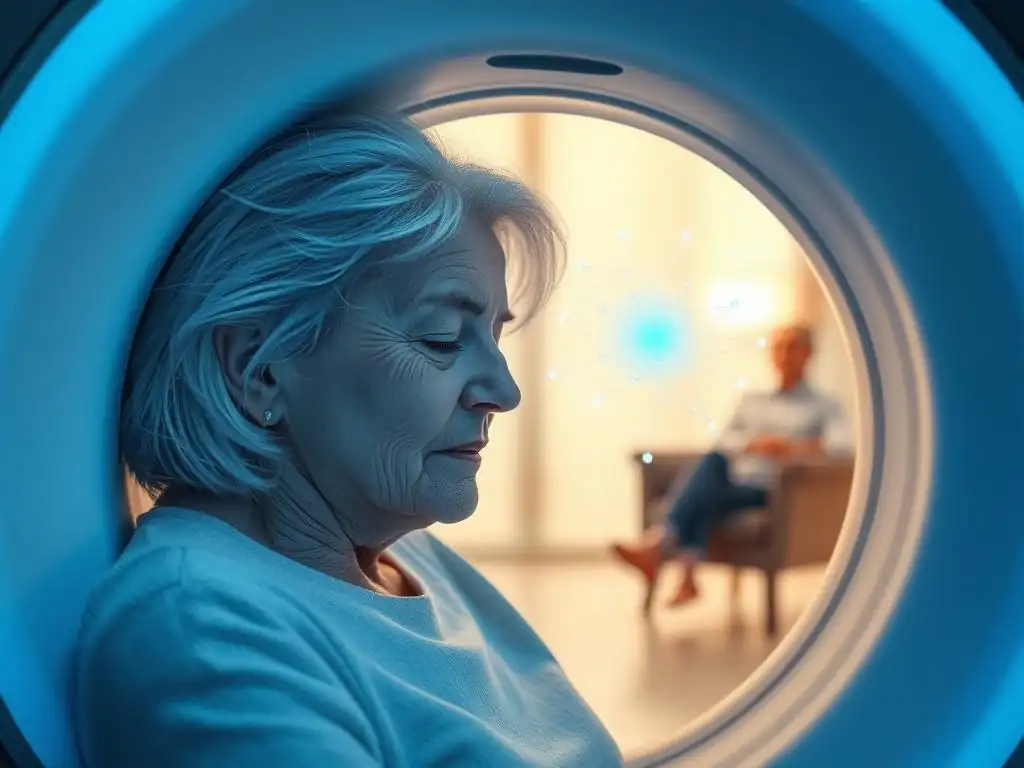
The growing body of research demonstrating therapy’s longterm brain scan benefits opens exciting possibilities for the future of mental healthcare. While routine brain scanning for every therapy patient is not currently feasible or standard practice, the insights gained from research could revolutionize how therapy is planned, delivered, and personalized.
Imagine a future where brain scan data, alongside clinical assessment, helps guide treatment decisions, predict responsiveness to different therapies, and objectively monitor progress. This integration of neuroscience into clinical practice has the potential to make mental healthcare more precise, effective, and tailored to the individual needs of each person seeking help.
Personalized Therapy Approaches Based on Brain Scan Analysis
One of the most promising future applications of brain scan research is the potential for personalized therapy. Just as genetic testing can inform medical treatments, brain imaging might one day help clinicians determine which type of therapy is most likely to be effective for a particular individual based on their unique brain activity patterns.
For example, if research consistently shows that individuals with a specific pattern of connectivity in their emotion regulation circuits respond best to CBT, while those with a different pattern benefit more from DBT, brain scans could help match patients to the most suitable treatment from the outset. This move towards precision mental health, informed by objective neurobiological data, could significantly improve success rates and efficiency in therapy, leveraging insights from therapy’s longterm brain scan benefits research.
Utilizing Brain Scans to Predict Therapy Success
Beyond personalizing the type of therapy, brain scans might also offer insights into an individual's likelihood of responding to a specific treatment. Certain baseline brain activity patterns or structural characteristics might be identified as predictors of positive therapeutic outcomes.
For instance, research might discover that individuals with a certain level of prefrontal cortex activity at the start of therapy are more likely to benefit from interventions that require significant cognitive restructuring. While this field is still in its early stages and requires much more research, the potential to use brain scans as a prognostic tool could help manage expectations, tailor support, and optimize the therapeutic process, further highlighting the potential utility of understanding therapy’s longterm brain scan benefits.
Addressing Potential Limitations of Brain Scan Research in Therapy
While brain scan research offers invaluable insights into therapy's impact, it's essential to acknowledge its current limitations. Neuroimaging is a complex and expensive technology, and interpreting the results requires specialized expertise. The brain is also incredibly complex, and current scanning techniques provide only a snapshot of its dynamic activity.
Furthermore, correlations observed between brain changes and therapeutic outcomes don't always definitively prove causation. Many factors influence both brain activity and mental health. Addressing these limitations is crucial for ensuring that brain scan research is used responsibly and ethically in the pursuit of understanding therapy’s longterm brain scan benefits.
Cost and Accessibility Considerations
Currently, brain scanning technology like fMRI is expensive and primarily available in research settings or major medical centers. The cost per scan is high, making it prohibitive for routine clinical use in most mental health settings. This lack of accessibility is a significant barrier to integrating brain scan analysis into everyday therapy planning or assessment.
Widespread use would require substantial investment in infrastructure, training, and reducing the cost of the technology. Until these challenges are addressed, the insights gained from brain scan research will primarily inform therapeutic approaches at a broader level rather than being a tool used directly with individual clients in typical clinical practice. This practical limitation means that while we understand therapy’s longterm brain scan benefits from research, applying this understanding directly in treatment is still some way off for most people.
Ethical Implications of Brain Scan Usage in Mental Health
The potential use of brain scans in mental healthcare also raises important ethical questions. Issues surrounding privacy, data security, and the potential for misinterpretation or misuse of sensitive neurobiological information need careful consideration. How would scan data be stored and protected? Who would have access to it?
There are also concerns about the potential for neuro-determinism – the idea that brain scans could be used to label individuals or limit access to care based on perceived biological predispositions. Ensuring informed consent, transparency in how data is used, and focusing on brain scans as one piece of a larger, holistic assessment are critical ethical considerations that must be addressed as the field progresses. These ethical discussions are vital to ensure that exploring therapy’s longterm brain scan benefits is done responsibly and for the ultimate benefit of the individual.
Conclusion: The Profound and Measurable Impact of Therapy on the Brain
Therapy's Lasting Neurological Benefits: A Summary
The growing body of neuroimaging research provides compelling objective evidence that therapy is not just "talk" but a powerful intervention that induces measurable and potentially lasting changes in the brain. Studies using techniques like fMRI have shown that various therapeutic approaches can alter activity and connectivity in key brain regions involved in emotional regulation, cognitive control, and self-awareness. These changes, such as reduced amygdala reactivity, increased prefrontal cortex activity, and altered network connectivity, correlate with improvements in symptoms and overall well-being.
This neurobiological evidence validates what many clinicians and clients have observed for years: therapy helps people change at a fundamental level. The exploration of therapy’s longterm brain scan benefits is revealing that these positive changes in the brain can persist well beyond the end of formal treatment, underpinning sustained recovery and resilience.
The Mental Health Clinic's Commitment to Evidence-Based Mental Healthcare
Mental health clinics are increasingly committed to providing evidence-based care, utilizing treatments with demonstrated effectiveness. The insights gained from brain scan research strongly support the inclusion and continued refinement of psychotherapeutic interventions as a core component of mental healthcare. Understanding the neural mechanisms and therapy’s longterm brain scan benefits reinforces the value of investing in and accessing quality therapy.
Clinics use this growing body of evidence to inform their practice, ensuring that they offer therapeutic modalities known to produce positive, lasting changes. While routine brain scanning isn't yet a clinical tool, the research findings empower clinicians to explain the tangible impact of therapy to clients, offering hope and validation that change is possible at a biological level.
Seeking Professional Guidance: Exploring Therapy Options
If you are struggling with mental health challenges, the evidence for therapy’s longterm brain scan benefits offers a message of hope: your brain has the capacity to change, and therapy is a powerful catalyst for that change. Seeking professional guidance from a qualified mental health professional is the first step towards exploring the therapy options that are right for you.
Therapists can provide a comprehensive assessment, discuss different therapeutic approaches, and work with you to develop a personalized treatment plan. While you won't receive a brain scan as part of standard therapy, knowing that research supports the profound, lasting impact of therapy on the brain can be incredibly motivating. Don't hesitate to reach out to a mental health clinic or professional to begin your journey towards lasting well-being.
Frequently Asked Questions
What exactly does the article "The Lasting Impact: Brain Scan Proof of Therapy's LongTerm Benefits" from Mind Care Guide argue?
The article argues that therapy can lead to lasting positive changes in the brain, demonstrable through brain scans. This suggests therapy's benefits extend beyond symptom relief.
How does the article support the claim that therapy has long-term brain scan benefits?
The article presents evidence suggesting that therapy induces measurable alterations in brain structure and function. These changes are not just temporary but can persist, indicating long-term benefits for mental well-being.
What kind of mental health challenges might benefit from the therapy discussed in the article, based on Mind Care Guide's mission?
Given Mind Care Guide's focus, the therapy discussed likely benefits various challenges including anxiety disorders, depression, and trauma-related conditions.
If "Therapy's Longterm Brain Scan Benefits" are proven, what practical implications does this have for individuals considering therapy?
It provides stronger justification for investing in therapy. Knowing there are tangible, lasting brain changes can motivate individuals to commit to the process.
What type of "brain scan" methods are used to observe the changes in the brain?
The article likely references techniques such as fMRI (functional magnetic resonance imaging) or PET scans (positron emission tomography) to visualize brain activity and structural changes related to therapy.
Final Reflection: The Enduring Power of Healing
The groundbreaking research detailed in this article demonstrates that the benefits of therapy are not merely fleeting emotional shifts, but profound, lasting changes etched into the very architecture of the brain. This is not just a scientific discovery; it's a powerful testament to the resilience of the human spirit and the transformative power of therapeutic intervention. The ability to visually confirm these long-term changes through brain scans offers undeniable proof of therapy's efficacy, finally silencing lingering doubts and reinforcing its crucial role in mental well-being.
The implications of this research extend far beyond the clinical setting. It underscores the importance of prioritizing mental health, not just as a temporary fix for acute crises, but as a vital component of overall well-being, comparable to physical health. This understanding is crucial for dismantling the stigma surrounding mental health treatment and fostering a culture of proactive self-care. As Carl Jung wisely stated, Until you make the unconscious conscious, it will direct your life, and you will call it fate.
This research illuminates the path towards conscious self-improvement, offering a tangible understanding of how therapy helps us rewrite our narratives and shape our destinies.
Consider the impact this knowledge can have on your own life. Are you ready to embrace the opportunity for lasting positive change? This isn't just about addressing immediate challenges; it's about investing in your long-term mental health, building a stronger, more resilient you. Take the time to reflect on your own mental well-being. Explore the possibilities of therapy, not as a sign of weakness, but as a powerful tool for self-discovery and growth. Your future self will thank you for it.
Unlock Your Brain's Potential: Take Charge of Your Wellbeing
Thanks for taking the time to explore the lasting impact of therapy! We hope you gained valuable insights into how it can benefit your brain and overall well-being. Now it's time to turn that knowledge into action.
- Schedule a consultation with a therapist: This is your first step toward unlocking your brain's potential and experiencing the long-term benefits discussed in the article. Finding the right therapist is crucial, so take your time and research!
- Share this article with someone you care about: Help spread awareness about the powerful effects of therapy. You might be surprised by how many people could benefit from this information.
- Explore mindfulness techniques: Even small practices can contribute to lasting positive change. Start with a simple guided meditation today!
What small step will you take today to invest in your mental wellbeing?