
The Brain's Resilience: How Therapy Builds Stronger Neural Connections

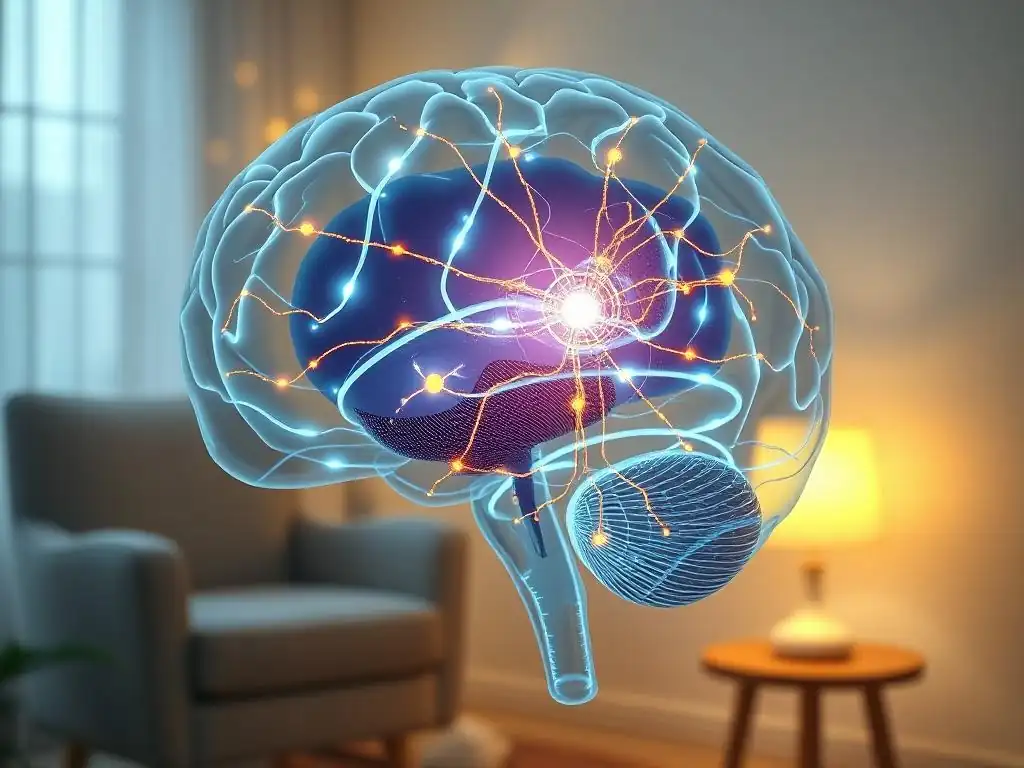
Welcome to Mind Care Guide, your sanctuary for mental well-being.
We understand that navigating the complexities of mental health can feel overwhelming. But what if we told you that your brain possesses an incredible capacity for healing and growth? In this article, we delve into the fascinating science behind how therapy strengthens neural connections, revealing the remarkable resilience within you. Curious to discover how you can harness this power for a brighter future? Read on and unlock the potential for lasting change.
- The Brain's Resilience: How Therapy Builds Stronger Neural Connections
- Therapy's Impact on Brain Structure and Function: A Neuroscience Perspective
-
Different Types of Therapy and Their Specific Effects on Neural Connections
- Cognitive Behavioral Therapy (CBT) and its Influence on Cognitive Neural Networks
- Psychodynamic Therapy: Fostering Emotional Resilience Through Neural Changes
- Mindfulness-Based Therapies: Enhancing Attention and Self-Awareness via Brain Modification
- Dialectical Behavior Therapy (DBT): Promoting Emotional Regulation Through Neural Adaptation
- The Science Behind Neural Connection Strengthening: What Brain Scans Reveal
- Long-Term Therapy Outcomes and Brain Changes: Building Lasting Resilience
- Lifestyle Factors that Support Neural Connection Growth During and After Therapy
- Overcoming Challenges: Addressing Barriers to Neural Connection Strengthening in Therapy
- Conclusion: Embracing the Brain's Resilience and the Power of Therapy
-
Frequently Asked Questions
- How does therapy actually change the brain?
- What role do neural connections play in mental well-being?
- How does therapy help strengthen neural connections specifically?
- Is there scientific evidence that therapy strengthens neural connections?
- What types of therapy are most effective at strengthening neural connections?
- Final Reflection: Rewiring Resilience: The Power of Therapy to Transform the Brain
- Unlock Your Brain's Potential: Start Your Healing Journey Today!
The Brain's Resilience: How Therapy Builds Stronger Neural Connections
The Concept of Neuroplasticity and its Role in Mental Health
Neuroplasticity is the brain's remarkable ability to reorganize itself throughout life by forming new neural connections. This intrinsic capacity is not limited to childhood; it persists into adulthood, allowing the brain to adapt, learn, and heal in response to experiences. In the context of mental health, neuroplasticity is a cornerstone, explaining how the brain can recover from trauma, adapt to new coping mechanisms, and shift from negative thought patterns to more positive ones. It means that the neural circuits underlying conditions like anxiety, depression, or PTSD are not fixed but can be modified.
This adaptability is profoundly important because it forms the biological basis for recovery and growth. Every new skill learned, every memory formed, and every emotional response processed involves changes in the brain's structure and function at the cellular level. When applied to mental health, understanding neuroplasticity provides hope – it confirms that change is biologically possible, and that interventions can indeed lead to tangible alterations in brain function, paving the way for improved well-being.
Therapy as a Catalyst for Neural Growth and Enhanced Brain Function
Therapy serves as a powerful catalyst for harnessing the brain's neuroplastic potential. Engaging in therapeutic processes, whether it's talking through past experiences, learning new coping skills, or challenging distorted thoughts, actively stimulates specific neural pathways. This stimulation encourages the strengthening of existing connections and the formation of entirely new ones, particularly in areas of the brain associated with emotional regulation, cognitive processing, and self-awareness.
Think of therapy as guided brain training. A therapist provides a structured environment and specific techniques designed to challenge maladaptive patterns and build healthier ones. Over time, consistent therapeutic engagement leads to observable changes in brain activity and structure, often seen in areas like the prefrontal cortex (executive functions, decision-making) and the hippocampus (memory, learning). Research consistently shows that therapy strengthens neural connections, leading to more adaptive responses to stress and improved emotional resilience.
Therapy's Impact on Brain Structure and Function: A Neuroscience Perspective
How Therapy Rewires the Brain: Strengthening Existing Connections
Therapy actively works to reinforce neural pathways associated with positive or adaptive behaviors and thoughts, while simultaneously weakening those linked to negative or maladaptive patterns. For example, someone with anxiety might have strong connections reinforcing fear responses to harmless stimuli. Through therapy, particularly exposure-based techniques, they learn to confront these stimuli in a safe environment. This repeated, positive exposure helps to strengthen neural connections associated with calm and safety, effectively 'rewiring' the brain's threat response system.
This process involves changes at the synaptic level – the junctions between neurons. When a neural pathway is used repeatedly, the synapses within that pathway become stronger and more efficient. This is often referred to as 'Hebbian learning' or "neurons that fire together, wire together." Therapy provides the consistent, structured 'firing' needed to solidify these beneficial connections. Estimates suggest that effective therapy can lead to significant increases in synaptic density in relevant brain regions over several months of consistent sessions.
Creating New Neural Pathways: The Brain's Response to Therapeutic Interventions
Beyond strengthening existing routes, therapy also facilitates the creation of entirely new neural pathways. This is particularly evident when individuals learn novel skills or develop new perspectives during treatment. For instance, someone learning mindfulness techniques creates new pathways related to attention regulation and non-judgmental observation. Similarly, developing compassionate self-talk in therapy involves building new neural circuits that can override old, critical internal dialogues.
The formation of new pathways often involves neurogenesis – the birth of new neurons, particularly in the hippocampus, a region crucial for learning and memory, and often implicated in mood disorders. While the extent of adult neurogenesis is still an active area of research, therapeutic interventions are believed to support this process and integrate these new neurons into functional circuits. Creating these new pathways is essential for long-term recovery and the ability to respond to life's challenges in healthier, more flexible ways.
Different Types of Therapy and Their Specific Effects on Neural Connections
Cognitive Behavioral Therapy (CBT) and its Influence on Cognitive Neural Networks
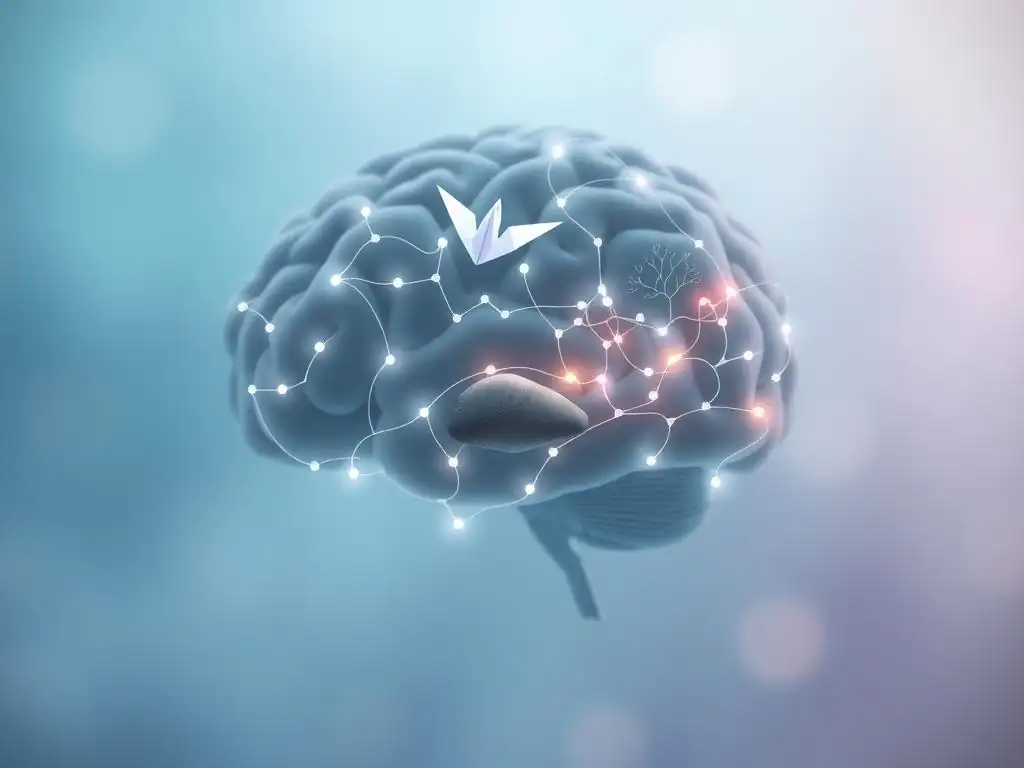
Cognitive Behavioral Therapy (CBT) is a highly structured form of therapy focused on identifying and challenging negative thought patterns and behaviors. Its impact on the brain is primarily seen in the cognitive networks, particularly involving the prefrontal cortex (PFC) and amygdala. CBT helps individuals restructure distorted thinking, which involves actively using the rational, executive functions of the PFC to reappraise situations and regulate emotional responses originating in the amygdala.
Studies using fMRI (functional Magnetic Resonance Imaging) have shown that successful CBT for conditions like anxiety or depression leads to decreased activity in the amygdala (the brain's fear center) and increased activity in areas of the PFC responsible for emotional regulation and cognitive control. This indicates a shift in how the brain processes threats and negative information, effectively strengthening the neural connections that allow the PFC to exert top-down control over emotional reactions. The repetitive practice of CBT techniques solidifies these new, healthier cognitive pathways.
Psychodynamic Therapy: Fostering Emotional Resilience Through Neural Changes
Psychodynamic therapy delves into unconscious patterns and past experiences to understand present difficulties. While less focused on immediate behavior modification than CBT, it significantly impacts neural networks involved in self-awareness, emotional processing, and interpersonal relationships. By exploring early attachment experiences and recurring relational patterns, psychodynamic therapy helps integrate disparate emotional and cognitive information.
This process is thought to influence areas like the medial prefrontal cortex (mPFC), which is involved in self-referential thinking and understanding others' mental states, and regions within the limbic system responsible for emotion. Gaining insight into past experiences and their impact on current feelings can strengthen the connections between these areas, leading to a more coherent sense of self and improved emotional regulation. This therapy strengthens neural connections related to narrative formation and emotional integration.
Mindfulness-Based Therapies: Enhancing Attention and Self-Awareness via Brain Modification
Mindfulness-based therapies, such as Mindfulness-Based Stress Reduction (MBSR) and Mindfulness-Based Cognitive Therapy (MBCT), train individuals to pay attention to the present moment without judgment. These practices have a profound impact on brain regions associated with attention, self-awareness, and emotional reactivity. Regular mindfulness practice has been shown to increase gray matter density in areas like the hippocampus, crucial for learning and memory, and decrease gray matter density in the amygdala, reducing reactivity to stress.
Furthermore, mindfulness strengthens neural connections between the PFC and areas involved in sensory processing, allowing for greater awareness of bodily sensations and thoughts without getting overwhelmed by them. It also enhances the connectivity of the default mode network (DMN), the network active during mind-wandering, enabling individuals to disengage from ruminative thought patterns more easily. The consistent practice involved in these therapies visibly alters brain structure and function, enhancing the brain's capacity for focused attention and emotional non-reactivity.
Dialectical Behavior Therapy (DBT): Promoting Emotional Regulation Through Neural Adaptation
Dialectical Behavior Therapy (DBT), originally developed for individuals with Borderline Personality Disorder, focuses on teaching skills in mindfulness, emotional regulation, distress tolerance, and interpersonal effectiveness. DBT's emphasis on practical skills training directly targets neural circuits involved in emotional processing and behavioral control. Learning and applying DBT skills involves actively engaging the prefrontal cortex to manage intense emotions and impulses originating in the limbic system.
Research suggests that DBT can lead to changes in brain activity similar to those seen in CBT, with decreased amygdala reactivity and increased PFC engagement. Additionally, the mindfulness component of DBT contributes to changes in attention and self-awareness networks, as described above. The distress tolerance skills specifically train the brain to withstand intense emotional states without resorting to impulsive or harmful behaviors, building stronger neural pathways for resilience and self-soothing. DBT therapy strengthens neural connections essential for emotional control and interpersonal effectiveness.
The Science Behind Neural Connection Strengthening: What Brain Scans Reveal
Evidence from Brain Imaging Studies: Observing Neural Changes During Therapy
Neuroimaging techniques like fMRI, PET (Positron Emission Tomography), and structural MRI have provided compelling evidence for how therapy strengthens neural connections. These technologies allow researchers to observe changes in brain activity patterns and even physical structure over time as individuals undergo therapy. For example, studies have shown that after a course of successful therapy for depression, connectivity increases between regions of the brain involved in processing positive emotions and decreases in regions associated with negative rumination.
Specific findings include observations of increased gray matter volume in areas like the hippocampus and prefrontal cortex, and changes in the strength and efficiency of white matter tracts, which are the bundles of axons that connect different brain regions. These structural changes reflect the growth and reorganization happening at the cellular level as new connections are formed and existing ones are reinforced. The visual evidence from brain scans provides concrete proof that talking therapy is not just psychological but has tangible biological effects on the brain.
Brain Scans as Tools for Measuring Therapy Effectiveness and Neural Plasticity
Brain scans are increasingly being explored not just for understanding the how of therapy but also for potentially predicting and measuring its effectiveness. By scanning a person's brain before and after therapy, researchers can identify specific neural changes that correlate with clinical improvement. For instance, a study might find that a certain increase in connectivity between the amygdala and PFC is associated with a significant reduction in anxiety symptoms.
While not yet a standard clinical tool for individual treatment planning, this research helps validate therapeutic approaches by providing objective markers of change. It allows scientists to see which specific neural circuits are being impacted by different types of therapy and to what extent. This objective data reinforces the concept that therapy strengthens neural connections in a measurable way, contributing to the growing body of evidence supporting its efficacy for a wide range of mental health conditions.
Long-Term Therapy Outcomes and Brain Changes: Building Lasting Resilience
Sustained Neural Growth: The Long-Term Benefits of Therapy on Brain Health
The neural changes initiated during therapy are not fleeting; they can lead to sustained growth and improved brain health over the long term. Just as learning to ride a bike creates lasting changes in motor skill pathways, the development of new coping mechanisms and emotional regulation skills through therapy solidifies resilient neural networks. Continued practice of skills learned in therapy, even after formal sessions end, helps maintain and further strengthen these beneficial connections.
Longitudinal studies tracking individuals years after therapy show that the positive brain changes can persist. For example, individuals who received effective treatment for depression may continue to exhibit healthier patterns of brain activity related to mood regulation compared to those who did not receive treatment. This enduring impact underscores that therapy provides not just temporary relief but equips the brain with enhanced capacity for managing future challenges, demonstrating how therapy strengthens neural connections for lasting well-being.
Preventing Relapse: Stronger Neural Connections and Enhanced Mental Well-being
One of the most significant long-term benefits of therapy is its role in preventing relapse. By building stronger neural pathways for coping, resilience, and adaptive thinking, therapy helps individuals better navigate stressors that might have previously triggered a return of symptoms. For instance, someone who learned distress tolerance skills in DBT has reinforced neural circuits that allow them to experience intense emotions without immediately resorting to old, harmful behaviors.
The enhanced connectivity between the prefrontal cortex and emotional centers means the brain is better equipped to regulate responses, make conscious choices, and recover more quickly from setbacks. This increased neural resilience acts as a buffer against future difficulties. Essentially, therapy strengthens neural connections, creating a more robust and adaptable brain that is less susceptible to falling back into old patterns of distress, thereby promoting enhanced and sustained mental well-being.
Lifestyle Factors that Support Neural Connection Growth During and After Therapy

The Role of Exercise in Boosting Neuroplasticity and Therapy Outcomes
Physical exercise is a powerful enhancer of neuroplasticity and significantly supports the neural growth fostered by therapy. Aerobic exercise, in particular, increases blood flow to the brain, promoting the production of Brain-Derived Neurotrophic Factor (BDNF). BDNF is often referred to as "Miracle-Gro" for the brain because it supports the survival of existing neurons and encourages the growth and differentiation of new neurons and synapses.
Engaging in regular physical activity while undergoing therapy can amplify the brain's capacity for change, making it more receptive to learning new skills and forming healthier neural pathways. Studies suggest that combining exercise with therapy can lead to even better outcomes for conditions like depression and anxiety than either intervention alone. For example, incorporating 30 minutes of moderate exercise most days of the week can measurably boost BDNF levels, directly supporting the goal that therapy strengthens neural connections.
Nutrition for a Healthier Brain: Supporting Neural Function Through Diet
Diet plays a crucial role in providing the building blocks and energy needed for optimal brain function and neuroplasticity. A diet rich in omega-3 fatty acids, antioxidants, vitamins, and minerals supports the health of neurons and synapses. Omega-3s, found in fatty fish, nuts, and seeds, are essential components of neuronal membranes and are vital for synaptic function and plasticity.
Conversely, diets high in processed foods, sugar, and unhealthy fats can contribute to inflammation and oxidative stress, which can impair neuroplasticity and potentially undermine the benefits of therapy. Ensuring adequate intake of nutrients like B vitamins, Vitamin D, and magnesium is also important for neurotransmitter synthesis and overall brain health. Supporting the brain through good nutrition creates a more fertile ground for therapy to strengthen neural connections effectively.
Sleep's Influence on Neural Consolidation and Therapeutic Progress
Sleep is not merely rest; it is an active period during which the brain consolidates memories, processes emotional experiences, and clears metabolic waste. These processes are crucial for neuroplasticity and the integration of new learning, including the insights and skills gained in therapy. During sleep, the brain rehearses and strengthens the neural circuits that were active during the day, making the lessons learned in therapy more robust and enduring.
Chronic sleep deprivation, on the other hand, impairs cognitive function, emotional regulation, and neuroplasticity. It can make it harder to engage effectively in therapy sessions and hinders the brain's ability to solidify therapeutic gains. Prioritizing 7-9 hours of quality sleep per night is therefore essential for maximizing the brain's capacity to change and ensuring that therapy strengthens neural connections efficiently.
Overcoming Challenges: Addressing Barriers to Neural Connection Strengthening in Therapy
Understanding and Addressing Resistance to Therapy
Resistance to therapy, which can manifest as missed appointments, reluctance to discuss difficult topics, or skepticism about the process, can be a significant barrier to strengthening neural connections. This resistance often stems from deeply ingrained patterns of avoidance or fear, which are themselves reflected in established neural pathways. Overcoming resistance requires acknowledging these patterns and working collaboratively with the therapist to address their underlying causes.
A skilled therapist can help an individual explore the roots of their resistance with empathy and patience. This process itself can involve challenging rigid thought patterns and emotional responses, thereby beginning to loosen the grip of old, resistant neural circuits. Building a strong therapeutic alliance is key, as the safety and trust within the therapeutic relationship create an environment conducive to confronting difficult material and fostering the brain's capacity for change. Addressing resistance is part of the work that ensures therapy strengthens neural connections.
The Impact of Trauma on Neural Pathways and How Therapy Can Help
Trauma can profoundly alter neural pathways, particularly those involved in threat detection, fear response, and emotional regulation. Chronic or severe trauma can lead to a hyperactive amygdala and a hypoactive prefrontal cortex, making individuals highly reactive to perceived threats and less able to regulate their emotions. It can also impact the hippocampus, affecting memory processing and potentially contributing to dissociative symptoms.
Therapies specifically designed for trauma, such as Trauma-Focused CBT (TF-CBT) or Eye Movement Desensitization and Reprocessing (EMDR), are highly effective at rewiring these trauma-impacted circuits. They help individuals process traumatic memories in a safe way, reducing the intensity of emotional responses and strengthening the connections between the PFC and limbic system. This allows the brain to integrate the traumatic experience in a less distressing way, demonstrating how therapy strengthens neural connections specifically disrupted by trauma.
Addressing Comorbidities: Managing Multiple Conditions to Optimize Neural Plasticity
It is common for individuals seeking therapy to experience more than one mental health condition simultaneously (comorbidities), such as depression and anxiety, or substance use disorder and PTSD. These co-occurring conditions can complicate treatment and impact the brain in complex ways, potentially creating additional barriers to neural plasticity. For example, substance use can directly impair brain function and neuroplasticity.
Effectively addressing comorbidities is crucial for optimizing the brain's capacity for positive change. Integrated treatment approaches that address all presenting conditions simultaneously are often most effective. Managing symptoms of one condition can improve the prognosis and the brain's responsiveness to therapy for another. By tackling the full spectrum of challenges, therapy stands a better chance of successfully promoting widespread and sustained neural growth and ensuring that therapy strengthens neural connections comprehensively.
Conclusion: Embracing the Brain's Resilience and the Power of Therapy
Therapy Strengthens Neural Connections: A Pathway to Enhanced Mental Well-being
The scientific evidence is clear: therapy is not just about talking; it's a powerful intervention that physically changes the brain. Through the principles of neuroplasticity, engaging in therapy actively strengthens neural connections that support healthy cognitive function, emotional regulation, and resilience. Whether it's challenging negative thoughts in CBT, processing past experiences in psychodynamic therapy, or building self-awareness through mindfulness, each therapeutic modality stimulates specific neural pathways, fostering growth and adaptation.
The impact of therapy is visible in brain scans, showing increased activity in areas associated with control and decreased activity in areas related to distress. More importantly, these neural changes correlate with real-world improvements in symptoms and overall mental well-being. Recognizing that therapy strengthens neural connections empowers individuals by highlighting the biological basis of change and recovery.
Fostering a Future of Brain Health: The Continued Importance of Therapy and Research
Embracing the brain's inherent resilience and its capacity for change through therapy is key to fostering a future of improved mental health. As research continues to uncover the intricate ways in which therapy influences the brain, our understanding of effective treatment will only deepen. This ongoing research helps refine therapeutic techniques and personalize interventions to better target specific neural circuits associated with different conditions.
Beyond formal therapy sessions, maintaining brain health through lifestyle factors like exercise, nutrition, and sleep supports the neural gains made in treatment and continues to promote neuroplasticity. Ultimately, viewing therapy through the lens of neuroscience reinforces its validity and power. It underscores that seeking help is an active step towards building a stronger, more resilient brain, confirming that therapy strengthens neural connections for lasting positive impact on mental well-being.
Frequently Asked Questions
How does therapy actually change the brain?
Therapy stimulates neuroplasticity, the brain's ability to reorganize itself by forming new neural connections. This process is strengthened through repeated experiences and learning within the therapeutic setting.
What role do neural connections play in mental well-being?
Strong neural connections allow for efficient communication between brain regions, supporting healthy emotional regulation and cognitive function. Weak or disrupted connections can contribute to mental health challenges.
How does therapy help strengthen neural connections specifically?
By providing a safe and supportive environment, therapy encourages new thought patterns and behaviors. This, in turn, reinforces the neural pathways associated with those positive changes.
Is there scientific evidence that therapy strengthens neural connections?
Yes, neuroimaging studies demonstrate that therapy can lead to measurable changes in brain structure and function. These changes include increased gray matter volume and enhanced connectivity in key brain regions.
What types of therapy are most effective at strengthening neural connections?
While various therapies can be effective, approaches like cognitive behavioral therapy (CBT) and dialectical behavior therapy (DBT) often focus on directly modifying thought patterns and behaviors, leading to significant neural changes.
Final Reflection: Rewiring Resilience: The Power of Therapy to Transform the Brain
The brain's capacity for change, its neuroplasticity, is not merely a scientific curiosity; it's the bedrock of hope and healing. Understanding how therapy leverages this inherent ability to strengthen neural connections offers a powerful antidote to the pervasive sense of helplessness often associated with mental health challenges. This isn't just about symptom reduction; it's about fundamentally reshaping the brain's architecture for greater well-being.
The exploration of therapy's impact on neural pathways has profoundly shifted my understanding of mental health. It's no longer a matter of simply managing symptoms, but of actively cultivating positive change at the most fundamental level. The brain is the ultimate learning machine. It's constantly changing, adapting, and rewiring itself based on our experiences.
This quote encapsulates the transformative power of therapeutic intervention, highlighting how targeted interventions can literally reshape the brain's landscape, fostering resilience and emotional stability. The ongoing research in this field continues to inspire awe and underscores the importance of accessible and effective mental healthcare.
Consider the implications of this for your own life. Are you facing challenges that feel insurmountable? Remember the brain's incredible capacity for growth and change. Therapy isn't just a treatment; it's a tool for empowerment, a pathway to building stronger, more resilient neural connections. Take the first step towards unlocking your brain's potential – explore the possibilities of therapy and discover the transformative power it holds within. Your journey towards a healthier, happier you begins with a single, courageous step.
Unlock Your Brain's Potential: Start Your Healing Journey Today!
Thanks for taking the time to explore the incredible resilience of your brain! You've learned how therapy can foster stronger neural connections and pave the way for lasting well-being. Now it's time to put this knowledge into action.
- Schedule a consultation with a therapist: This is the most crucial step towards building a stronger, healthier you. Take that first brave step and reach out to a professional.
- Share this article with someone you care about: Helping others understand the power of therapy can make a world of difference.
- Explore mindfulness practices: Start small – even 5 minutes a day can significantly enhance your brain's capacity for healing and growth.
What small step can you take today to nurture your brain's remarkable ability to heal and grow?