
Unlocking Potential: How Therapy Changes Brain Function for Better Mental Health


Welcome to Mind Care Guide, a sanctuary for your mental well-being.
Feeling lost in the complexities of your mind? You're not alone. Discover the transformative power within you as we delve into the fascinating world of neuroscience and mental health. Our in-depth exploration of how therapy improves brain function health sheds light on the tangible changes that occur when you prioritize your emotional well-being. Intrigued to learn how talk therapy can actually rewire your brain? Let's begin your journey to understanding and healing.
Unlocking Potential: How Therapy Changes Brain Function for Better Mental Health
- Introduction: The Neuroscience of Healing - Therapy's Impact on the Brain
-
Therapy Improves Brain Function: A Deep Dive
- How Different Therapy Types Affect Brain Activity
- Cognitive Behavioral Therapy (CBT) and Brain Changes: Focus on the Prefrontal Cortex
- Dialectical Behavior Therapy (DBT) and Emotional Regulation: Strengthens connections between the prefrontal cortex and amygdala, improving emotional regulation.
- Psychodynamic Therapy: Uncovering Unconscious Patterns and Neural Pathways
- Brain Scans and Therapy Outcomes: Visualizing Mental Health Improvement
- Long-Term Therapy Outcomes and Brain Changes: Sustainable Mental Wellness
- The Benefits of Improved Brain Function Through Therapy
- Optimizing Therapy for Maximum Brain Function Benefit
- Conclusion: Therapy as a Powerful Tool for Brain Health and Mental Well-being
-
Frequently Asked Questions
- How does therapy actually change brain function?
- What specific brain areas are most affected by therapy?
- Can therapy reverse the effects of trauma on the brain?
- Is there scientific evidence that proves therapy changes the brain?
- How long does it typically take to see changes in brain function through therapy?
- Final Reflection: The Rewiring of Resilience
- Unlock Your Potential: Start Your Journey to Better Mental Well-being
Introduction: The Neuroscience of Healing - Therapy's Impact on the Brain
Mental health challenges, such as depression, anxiety, and trauma-related disorders, are not just psychological experiences; they have tangible effects on the brain. For decades, our understanding of mental illness was primarily behavioral and cognitive. However, advancements in neuroscience have revealed that these conditions are associated with specific patterns of brain activity and structure. Recognizing this connection is crucial because it highlights the biological basis of mental health struggles and opens doors to understanding how interventions can create real, physical changes in the brain.
This understanding forms the foundation for exploring how therapeutic interventions actively work to address these neural correlates of distress. When we talk about healing through therapy, we are not just discussing changes in thought patterns or behaviors; we are also talking about the brain's capacity to adapt and reorganize itself in response to new experiences and learning. This article delves into the fascinating ways therapy improves brain function health, offering a scientific perspective on its transformative power.
Understanding the Link Between Mental Health and Brain Function
The complex interplay between our mental state and brain function is undeniable. Conditions like major depressive disorder are often linked to reduced activity in areas of the prefrontal cortex responsible for planning and motivation, coupled with increased activity in the amygdala, a key region for processing fear and emotions. Similarly, chronic anxiety can lead to an overactive amygdala and altered connectivity with regulatory areas of the brain. Post-Traumatic Stress Disorder (PTSD) is frequently associated with changes in the hippocampus, affecting memory processing, and persistent hyperarousal linked to altered stress response systems mediated by the brain.
These neurological patterns are not static. They are dynamic states that can be influenced by various factors, including life experiences, environment, and interventions. While genetic predispositions and biological vulnerabilities play a role, the brain's inherent adaptability means that negative patterns associated with mental illness are not necessarily permanent. This provides a crucial scientific basis for the effectiveness of mental health treatments, particularly therapeutic approaches that aim to modify these neural circuits.
Introducing the Concept of Neuroplasticity in Therapy
At the heart of how therapy improves brain function health lies the principle of neuroplasticity. Neuroplasticity is the brain's remarkable ability to reorganize itself throughout life by forming new neural connections. This means that the brain is not a fixed structure but can change in response to learning, experience, and even injury. Every time we learn a new skill, form a new memory, or change a habit, we are witnessing neuroplasticity in action as existing neural pathways are strengthened or new ones are created.
Therapy leverages this inherent neuroplasticity. By engaging individuals in processes that challenge maladaptive thought patterns, teach new coping skills, and process difficult emotions, therapy provides experiences that actively stimulate the brain to change. For instance, practicing mindfulness in therapy can strengthen neural pathways associated with attention and emotional regulation. Challenging anxious thoughts in cognitive therapy can alter the reactivity of fear circuits. This dynamic capacity of the brain to adapt is why therapy is not just about managing symptoms but about fundamentally rewiring the brain for healthier functioning.
Therapy Improves Brain Function: A Deep Dive
Exploring the specific ways different therapeutic modalities influence the brain provides deeper insight into how therapy improves brain function health. While the core principle of neuroplasticity applies across various types of therapy, the specific brain regions and circuits targeted can differ depending on the therapeutic approach and the condition being treated. Understanding these mechanisms helps illuminate the science behind therapeutic change and reinforces the potential for lasting positive outcomes.
This section will examine how prominent therapy types interact with and modify brain activity. From cognitive restructuring in CBT to emotional regulation in DBT and the exploration of past experiences in psychodynamic therapy, each method offers unique pathways for neural change. These diverse approaches collectively demonstrate the powerful capacity of therapy to reshape the brain's landscape, promoting improved mental health and well-being.
How Different Therapy Types Affect Brain Activity
Different therapeutic approaches target distinct psychological processes, leading to varied effects on brain activity and structure. For example, therapies focusing on emotional processing, like psychodynamic therapy or experiential therapies, might primarily impact limbic system structures such as the amygdala and hippocampus, as well as areas of the prefrontal cortex involved in emotional regulation. Therapies centered on cognitive restructuring, such as Cognitive Behavioral Therapy (CBT), tend to exert significant influence on prefrontal cortical areas associated with executive functions, decision-making, and rational thought, while also reducing activity in areas linked to negative emotional responses.
Behavioral therapies, including exposure therapy for phobias or PTSD, work by systematically confronting feared stimuli, which can lead to habituation and extinction of fear responses mediated by changes in the amygdala and its connections to the prefrontal cortex. Even therapies focused on interpersonal relationships, like Interpersonal Therapy (IPT), can influence brain areas involved in social cognition and empathy, such as the temporoparietal junction and medial prefrontal cortex, by helping individuals develop healthier relational patterns.
This diversity in approach allows for targeted intervention based on the individual's specific needs and the nature of their mental health challenge, all contributing to how therapy improves brain function health.
Cognitive Behavioral Therapy (CBT) and Brain Changes: Focus on the Prefrontal Cortex
Cognitive Behavioral Therapy (CBT) is a widely researched therapy that focuses on identifying and changing negative thought patterns and behaviors. Its impact on the brain is well-documented, particularly concerning the prefrontal cortex (PFC). The PFC is crucial for executive functions like planning, decision-making, working memory, and regulating emotions. In conditions like depression and anxiety, the PFC's ability to regulate activity in emotional centers like the amygdala can be impaired.
Studies using fMRI have consistently shown that successful CBT treatment for depression and anxiety is associated with increased activity in specific regions of the PFC, such as the dorsolateral and ventromedial PFC. For example, research on individuals with depression treated with CBT has shown increased connectivity between the PFC and other brain areas involved in mood regulation.
Concurrently, there is often a decrease in activity in limbic regions like the amygdala, which are hyperactive in these conditions. This suggests that CBT helps strengthen the brain's 'top-down' control mechanisms, enabling individuals to better manage their emotional responses and challenging how therapy improves brain function health by enhancing the brain's executive control centers.
Dialectical Behavior Therapy (DBT) and Emotional Regulation: Strengthens connections between the prefrontal cortex and amygdala, improving emotional regulation.
Dialectical Behavior Therapy (DBT), originally developed for individuals with Borderline Personality Disorder (BPD), places a strong emphasis on emotional regulation, distress tolerance, and interpersonal effectiveness. These skills are learned through a combination of individual therapy, group skills training, and phone coaching. The neural changes associated with DBT reflect its focus on managing intense emotions and reducing impulsive behaviors.
Research suggests that DBT helps strengthen the functional connectivity between the prefrontal cortex (PFC), which is involved in rational thought and decision-making, and the amygdala, the brain's primary fear and emotion processing center. In individuals with BPD, this connection is often dysregulated, leading to difficulty managing emotional intensity.
Effective DBT treatment is associated with changes that indicate improved communication between these regions, allowing the PFC to exert greater regulatory control over the amygdala's responses. This neural integration facilitates better emotional regulation, reduced emotional reactivity, and a greater capacity to tolerate distress, demonstrating a specific way therapy improves brain function health by enhancing neural communication networks vital for emotional stability.
Psychodynamic Therapy: Uncovering Unconscious Patterns and Neural Pathways
Psychodynamic therapy explores how past experiences and unconscious patterns influence present behavior and emotional states. While less studied with neuroimaging compared to CBT or DBT, the process of gaining insight and working through complex emotions in psychodynamic therapy is also understood to involve significant neural changes. This therapy encourages individuals to explore deeply rooted feelings and relational dynamics, often stemming from early life experiences.
This exploration and processing of past trauma and complex relational patterns are believed to impact brain areas involved in memory, emotion, and self-awareness. As individuals integrate past experiences and develop a more coherent narrative of their lives, new neural pathways are likely formed, altering how the brain processes emotional information and interpersonal cues.
The therapeutic relationship itself, characterized by trust and empathy, can also influence brain chemistry and connectivity, potentially impacting areas related to social bonding and safety. Psychodynamic therapy, by fostering insight and emotional processing, fundamentally challenges existing, often maladaptive, neural patterns, contributing to how therapy improves brain function health by building new pathways for understanding self and others.
Brain Scans and Therapy Outcomes: Visualizing Mental Health Improvement
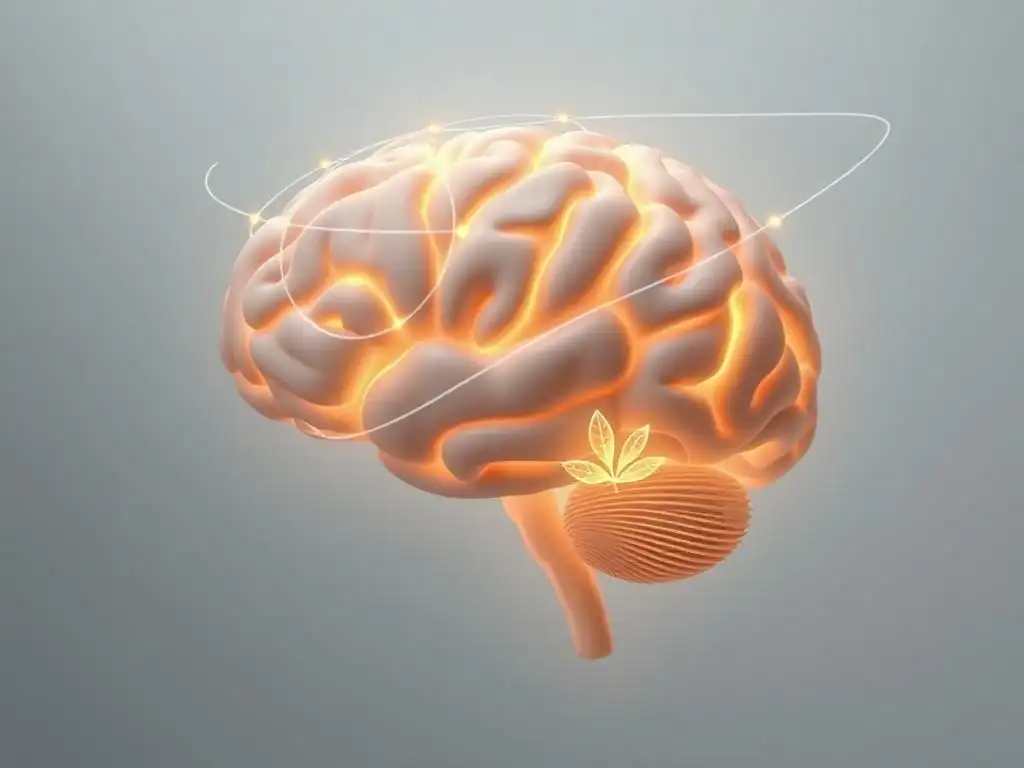
Neuroimaging techniques provide compelling visual evidence of how therapy improves brain function health. By comparing brain scans taken before and after a course of therapy, researchers can observe changes in brain activity, connectivity, and even structure that correlate with improvements in symptoms and overall mental well-being. These studies move beyond subjective reports of feeling better, offering objective data on the biological impact of therapeutic interventions.
Functional Magnetic Resonance Imaging (fMRI) and structural MRI are key tools in this research. fMRI measures brain activity by detecting changes in blood flow, while structural MRI provides detailed images of brain anatomy, allowing researchers to measure the volume or thickness of different brain regions. Studies utilizing these techniques have provided valuable insights into the neural mechanisms underlying therapeutic change across a range of mental health conditions.
The Role of fMRI in Studying Therapy's Effects
Functional Magnetic Resonance Imaging (fMRI) has revolutionized the study of how therapy impacts the brain. By measuring brain activity in real-time as individuals perform tasks or simply rest, fMRI allows researchers to identify which brain regions are more or less active, and how different regions communicate with each other, both before and after therapy. This provides a dynamic view of neural processing and its changes in response to treatment.
Using fMRI, studies have pinpointed changes in activity within key brain networks implicated in mental illness. For example, research on anxiety disorders treated with CBT has shown reduced amygdala reactivity to fear-inducing stimuli post-treatment. Studies on depression have used fMRI to show altered connectivity within the default mode network (involved in self-referential thought) and increased connectivity within cognitive control networks after successful therapy. These findings offer concrete evidence of the functional brain changes that underpin the clinical improvements observed in therapy, providing a window into precisely how therapy improves brain function health at a dynamic level.
Comparing Brain Activity Before and After Therapy: Increased prefrontal cortex activity in depression treatment.
One of the most consistent findings in neuroimaging studies of therapy for depression is the observation of increased activity in the prefrontal cortex (PFC) following successful treatment. Before therapy, individuals with depression often show reduced activity in certain PFC areas, particularly those involved in emotional regulation and cognitive control. This can manifest as difficulty concentrating, impaired decision-making, and an inability to regulate negative emotions.
Following a course of therapy, such as CBT or Interpersonal Therapy (IPT), fMRI scans often reveal a significant increase in metabolic activity within these same PFC regions. For instance, studies might report an average increase of 10-15% in activity in specific dorsolateral PFC areas during cognitive tasks in responders compared to non-responders or control groups.
This increased PFC activity is typically correlated with a reduction in depressive symptoms, suggesting that therapy helps restore the function of brain areas essential for mood regulation and executive control. This visible change in brain activity provides compelling evidence for how therapy improves brain function health by enhancing the brain's regulatory capacity.
Structural Brain Changes Following Therapy: Increased gray matter volume in the hippocampus following trauma therapy.
Beyond changes in brain activity, therapy has also been shown to induce structural changes in the brain, particularly in conditions like Post-Traumatic Stress Disorder (PTSD). The hippocampus, a brain region critical for memory formation, learning, and regulating the stress response, is often smaller in individuals with chronic PTSD compared to healthy individuals. This reduced volume is thought to be related to the neurotoxic effects of prolonged stress exposure.
Studies investigating the effects of trauma-focused therapies, such as Trauma-Focused CBT (TF-CBT) or Eye Movement Desensitization and Reprocessing (EMDR), have provided encouraging evidence of structural neuroplasticity. Research using structural MRI has shown that successful treatment of PTSD with these therapies can lead to an increase in gray matter volume in the hippocampus.
While the exact percentage increase can vary between studies and individuals, findings suggesting even a modest increase (e.g., a few percentage points) are significant, indicating a potential reversal of trauma-induced structural damage. This structural repair is a powerful illustration of how therapy improves brain function health at a foundational anatomical level, contributing to improved memory processing and stress regulation.
Long-Term Therapy Outcomes and Brain Changes: Sustainable Mental Wellness
The impact of therapy extends beyond the immediate course of treatment. The neural changes initiated during therapy can contribute to long-term resilience and sustained mental wellness. The goal is not just symptom reduction but fostering enduring changes in brain function that help individuals navigate future challenges more effectively. Understanding how these changes are maintained and their broader impact is key to appreciating the full value of therapeutic intervention.
This section explores the long-term effects of therapy on the brain, including how individuals can maintain the benefits gained, the therapy's influence on crucial neurotransmitter systems, and its potential role as a preventative measure for future mental health issues. These insights highlight the lasting positive legacy of therapy on brain health.
Maintaining Improved Brain Function After Therapy: Importance of Continued Practice
Maintaining the improved brain function achieved through therapy often relies on the continued application of the skills learned during treatment. Therapy provides individuals with tools and strategies – such as cognitive restructuring techniques, mindfulness practices, or emotional regulation skills – that, when regularly used, act as ongoing exercises for the brain. Much like physical exercise maintains muscle strength, practicing therapeutic skills reinforces the new neural pathways and connectivity patterns established during therapy.
For example, an individual who learned mindfulness in therapy for anxiety might continue to practice meditation or mindful breathing exercises. This continued practice helps maintain the increased activity in prefrontal areas associated with attention and regulation and sustained reductions in amygdala reactivity. Similarly, someone who used CBT to challenge negative self-talk needs to remain vigilant in identifying and modifying distorted thoughts. This active engagement helps solidify the changes in neural circuits involved in self-perception and mood regulation. The ongoing practice of these skills is crucial for sustaining how therapy improves brain function health over the long term.
The Impact of Therapy on Neurotransmitter Systems: Modulation of serotonin and dopamine pathways for improved mood and motivation.
While neuroimaging often focuses on structural and functional changes, therapy is also understood to influence the brain's complex neurotransmitter systems. Neurotransmitters like serotonin, dopamine, norepinephrine, and GABA play critical roles in regulating mood, motivation, anxiety, and stress responses. Imbalances or dysregulation in these systems are frequently implicated in mental health disorders.
Although direct measurement of neurotransmitter changes in therapy is challenging, the clinical improvements observed suggest that therapy helps modulate these chemical messengers. For example, the reduction in depressive symptoms and increased feelings of well-being following therapy are likely mediated, in part, by changes in serotonin and dopamine pathways, similar to the effects seen with antidepressant medications, albeit through different mechanisms.
Therapy, particularly approaches that enhance emotional regulation and reduce stress, can influence the release and reuptake of these neurotransmitters, promoting a more balanced neurochemical environment. This modulation is a significant way therapy improves brain function health, contributing to improved mood, motivation, and reduced anxiety over time.
Therapy as a Preventative Measure: Building Resilience and Protecting Brain Health
Beyond treating existing conditions, therapy can serve as a powerful preventative measure, building psychological resilience that helps protect brain health against future stressors. By learning effective coping strategies, developing stronger emotional regulation skills, and gaining insight into personal vulnerabilities, individuals are better equipped to handle adversity without developing significant mental health problems.
This preventative capacity is rooted in the long-term neural changes fostered by therapy. A brain that has developed stronger prefrontal control, better regulated emotional responses, and more robust stress tolerance pathways through therapy is inherently more resilient. For example, someone who has learned distress tolerance skills in DBT might experience a stressful life event but be less likely to spiral into severe anxiety or depression because they have practiced neural pathways for managing intense emotions.
Similarly, improved interpersonal skills learned in therapy can lead to stronger social support networks, which are known protectors of brain health. Thus, therapy improves brain function health not only by repairing existing issues but by building a neural foundation for future well-being.
The Benefits of Improved Brain Function Through Therapy

The neural changes discussed translate directly into tangible benefits for individuals' mental health and overall quality of life. When therapy improves brain function health, it doesn't just mean different patterns on a scan; it means reduced suffering, enhanced capabilities, and improved relationships. These benefits underscore the practical value of investing in therapeutic support.
This section outlines the key benefits experienced as a result of therapy-induced brain changes. From alleviating the debilitating symptoms of mental illness to boosting cognitive performance and fostering healthier social interactions, the positive ripple effects of improved brain function are profound and far-reaching, demonstrating the transformative power of therapy.
Reduced Symptoms of Mental Illness: Anxiety, Depression, PTSD
Perhaps the most immediate and impactful benefit of improved brain function through therapy is the significant reduction in the debilitating symptoms of mental illness. As therapy helps to normalize activity in overactive or underactive brain regions and strengthen regulatory pathways, the core symptoms of conditions like anxiety, depression, and PTSD begin to subside.
For instance, the reduction in amygdala reactivity and increased PFC control achieved through therapies like CBT or exposure therapy leads to a decrease in the frequency and intensity of panic attacks, obsessive thoughts, or phobic avoidance behaviors in anxiety disorders. Similarly, the restoration of healthy PFC activity and modulation of limbic system function in depression treatment results in lifted mood, increased energy, and renewed interest in life.
For PTSD, hippocampus volume increases and improved connectivity help reduce intrusive memories, hypervigilance, and avoidance behaviors. These symptomatic improvements are direct consequences of how therapy improves brain function health by targeting the neural underpinnings of these conditions.
Enhanced Cognitive Abilities: Memory, Attention, and Executive Function
Mental health conditions often impair cognitive functions such as memory, attention, concentration, and executive functions (like planning and problem-solving). For example, depression is frequently associated with difficulties with memory and executive function, while anxiety can impair attention and concentration due to worry and hypervigilance.
As therapy improves brain function health, particularly by enhancing the activity and connectivity of the prefrontal cortex and hippocampus, these cognitive deficits often improve. Studies have shown that successful therapy for depression can lead to improvements in working memory and processing speed. Trauma therapy that increases hippocampal volume can lead to better declarative memory function. By reducing the burden of symptoms and strengthening the neural circuits responsible for cognitive processing, therapy helps restore and even enhance cognitive abilities, allowing individuals to think more clearly, focus better, and function more effectively in their daily lives.
Difficulty regulating emotions and challenges in social interactions are common features across many mental health conditions. This is directly linked to dysregulation in brain networks involving the amygdala, prefrontal cortex, and areas associated with social cognition. Therapy specifically targets these areas, leading to significant improvements in emotional management and social functioning.
Therapies like DBT explicitly teach skills for recognizing, understanding, and managing intense emotions, strengthening the neural pathways between emotional and rational brain centers. This leads to reduced emotional reactivity and greater capacity to tolerate distress. Furthermore, therapy often involves exploring interpersonal patterns and practicing new ways of relating to others, which can enhance activity in brain regions involved in empathy, perspective-taking, and social cue processing. As therapy improves brain function health in these areas, individuals become better equipped to navigate complex emotional landscapes and build healthier, more fulfilling relationships.
Optimizing Therapy for Maximum Brain Function Benefit
While therapy inherently promotes positive brain changes, certain factors can optimize its effectiveness and maximize the benefits for brain function. The therapeutic process is not solely about the specific techniques used; it also involves the individual's engagement, the quality of the relationship with the therapist, and integrating therapy with other healthy lifestyle factors.
Understanding these optimizing elements can empower individuals to get the most out of their therapeutic journey and further enhance how therapy improves brain function health. This section explores personalized approaches, the crucial role of the therapeutic alliance, and the synergistic effects of combining therapy with other activities known to support brain health.
Personalized Therapy Approaches: Tailoring Treatment to Individual Needs
Just as no two brains are exactly alike, no single therapy approach works identically for everyone. Tailoring therapy to an individual's specific needs, personality, and the nature of their mental health challenge is crucial for optimizing outcomes and maximizing positive brain changes. What works for one person might not be the most effective approach for another, even with similar diagnoses.
A personalized approach involves a thorough assessment to understand the individual's unique history, strengths, challenges, and treatment preferences. This might lead to combining elements from different therapeutic modalities or selecting a specific therapy known to be particularly effective for their condition and circumstances.
For example, someone with significant trauma might benefit most from a trauma-informed therapy like EMDR or TF-CBT, known for their specific impact on trauma-related neural circuits. By matching the therapeutic intervention to the individual's specific neural and psychological landscape, therapists can more effectively target the areas needing change, thereby enhancing how therapy improves brain function health in a precise and impactful way.
The relationship between the client and therapist, often referred to as the therapeutic alliance, is a powerful factor in the success of therapy and its impact on the brain. A strong, trusting, and empathetic therapeutic relationship creates a safe environment where individuals feel understood, validated, and supported in exploring difficult emotions and experiences. This relational safety has tangible neurobiological effects.
Positive social interactions and feelings of trust are associated with the release of oxytocin, a neurotransmitter and hormone involved in social bonding, trust, and reducing stress responses. In a secure therapeutic relationship, the consistent experience of safety and connection can promote oxytocin release, which can counteract the effects of stress hormones like cortisol and facilitate positive neuroplastic changes.
This enhanced social bonding within the therapeutic context provides a template for healthier relationships outside of therapy and reinforces neural pathways associated with safety and connection. Thus, the quality of the therapeutic relationship itself contributes significantly to how therapy improves brain function health by leveraging the brain's social circuitry.
Combining Therapy with Other Brain-Boosting Activities: Exercise, Mindfulness
The positive effects of therapy on brain function can be significantly amplified when combined with other activities known to support brain health. Engaging in regular physical exercise and practicing mindfulness or meditation are two prime examples of activities that independently promote neuroplasticity and can work synergistically with therapy.
Aerobic exercise, for instance, increases blood flow to the brain, promotes the release of neurotrophic factors like BDNF (Brain-Derived Neurotrophic Factor) which supports the growth and survival of neurons, and can stimulate neurogenesis (the birth of new neurons), particularly in the hippocampus. Combining exercise with therapy can accelerate the structural changes seen in areas like the hippocampus, especially beneficial in conditions affected by stress and trauma.
Mindfulness practices, as discussed earlier, directly train attention and emotional regulation, reinforcing the neural pathways targeted in many therapies. Integrating these activities into a treatment plan provides multiple avenues for promoting positive brain changes, maximizing the benefits of therapy and further enhancing how therapy improves brain function health.
Conclusion: Therapy as a Powerful Tool for Brain Health and Mental Well-being
The journey through therapy is a process of profound change, not only in how we think, feel, and behave, but also in the very structure and function of our brains. The increasing body of research utilizing neuroimaging and other scientific methods provides compelling evidence that therapy improves brain function health in tangible and measurable ways. From restructuring neural circuits involved in emotional regulation and cognitive control to potentially increasing gray matter volume in key brain regions, therapy leverages the brain's innate neuroplasticity to heal and adapt.
This scientific understanding reinforces the value of therapy as a primary intervention for a wide range of mental health challenges. It moves beyond the perception of therapy as merely 'talking' and positions it as a powerful, evidence-based treatment that can lead to lasting positive changes at a biological level. Recognizing how therapy affects the brain can empower individuals seeking help, providing hope and a scientific basis for the transformative potential of the therapeutic process.
Reinforcing the Long-Term Benefits of Therapy on Brain Function
The long-term benefits of therapy on brain function are a cornerstone of sustainable mental wellness. The neural changes initiated during therapy provide a foundation for increased resilience, improved coping mechanisms, and a greater capacity to navigate life's challenges effectively. The skills learned and the neural pathways strengthened continue to serve individuals long after formal therapy has ended, particularly when reinforced through continued practice.
These enduring changes mean that therapy doesn't just offer temporary relief; it equips the brain with enhanced capabilities for processing emotions, regulating stress, and maintaining cognitive clarity. The ability of therapy to modulate neurotransmitter systems and promote structural changes contributes to a more stable and healthy brain environment, reducing vulnerability to future episodes of mental illness and supporting overall brain health throughout life. This lasting impact underscores the significant value of investing in therapy for long-term well-being.
Encouraging Readers to Explore Therapy Options for Enhanced Mental Health
Understanding the profound ways therapy improves brain function health can be a motivating factor for individuals considering seeking help. Therapy is not just about addressing a crisis; it is an investment in the health and potential of your brain. Whether you are struggling with a specific mental health condition, navigating difficult life transitions, or simply seeking personal growth and improved emotional regulation, therapy offers a scientifically supported path towards a healthier, more resilient brain.
Exploring therapy options means opening the door to a process that can literally reshape your brain for the better. It is an active step towards harnessing your brain's neuroplastic potential to build a more fulfilling and emotionally balanced life. If you are considering therapy, remember that you are engaging in a powerful process backed by neuroscience, designed to unlock your potential and enhance your overall mental well-being by improving brain function health.
Frequently Asked Questions
How does therapy actually change brain function?
Therapy promotes neuroplasticity, allowing the brain to re-wire itself. This happens through new neural pathways being formed and strengthened.
What specific brain areas are most affected by therapy?
Areas like the prefrontal cortex (responsible for decision-making) and the amygdala (emotional processing) are significantly influenced. Therapy helps regulate these areas for better emotional control.
Can therapy reverse the effects of trauma on the brain?
While it may not completely erase trauma, therapy can help reprocess traumatic memories. This can lead to reduced amygdala hyperactivity and improved emotional regulation.
Is there scientific evidence that proves therapy changes the brain?
Yes, neuroimaging studies (fMRI, PET scans) show measurable changes in brain activity and structure after therapy. These studies validate the positive impact of therapy on brain health.
How long does it typically take to see changes in brain function through therapy?
The timeline varies, but consistent therapy sessions over several weeks or months can lead to noticeable changes. These improvements often manifest as better mood, reduced anxiety, and improved cognitive function.
Final Reflection: The Rewiring of Resilience
The transformative power of therapy is no longer a matter of speculation; it's a demonstrable shift in brain function, directly impacting mental health and overall well-being. Research increasingly shows that therapeutic interventions literally reshape neural pathways, offering tangible hope for individuals struggling with a wide range of mental health challenges. This isn't just about feeling better; it's about rewiring the brain for resilience and lasting positive change.
The impact of this understanding is profound, shifting the narrative from a purely symptomatic approach to a holistic understanding of mental health. It underscores the importance of investing in accessible and effective therapeutic resources. This isn't simply a matter of individual well-being; it's a societal imperative. As Carl Jung wisely stated, Until you make the unconscious conscious, it will direct your life, and you will call it fate.
Therapy provides the tools to illuminate those unconscious patterns, empowering individuals to consciously shape their own destinies and break free from limiting beliefs and behaviors.
Consider the implications of this knowledge. You possess the inherent capacity to reshape your brain, to cultivate resilience, and to build a life characterized by greater emotional well-being. This isn't a passive process; it requires active engagement and a willingness to explore the complexities of your inner world. Seek out the support you need, whether it's through therapy, self-help resources, or supportive relationships. Embrace the journey of self-discovery and the incredible potential for growth and healing that lies within you. Your brain is capable of remarkable transformation; the power to unlock that potential is within your reach.
Unlock Your Potential: Start Your Journey to Better Mental Well-being
Thanks for taking the time to explore how therapy can positively impact your brain and mental health. We hope you found the information insightful and empowering! Now it's time to take the next step towards a healthier you.
- Schedule a consultation with a therapist: This is the most important step to begin your personalized journey towards improved mental well-being. Taking this action demonstrates your commitment to prioritizing your mental health.
- Share this article with someone who might benefit: Spread the word about the positive impact therapy can have and help others discover the support they need.
- Explore additional resources on MindCareGuide.org: Dive deeper into the topic and discover more valuable insights and tools to support your mental health journey.
What specific step will you take today to prioritize your mental wellness?