
Birdwatching as Therapy: Connecting with Nature to Calm Your Nerves

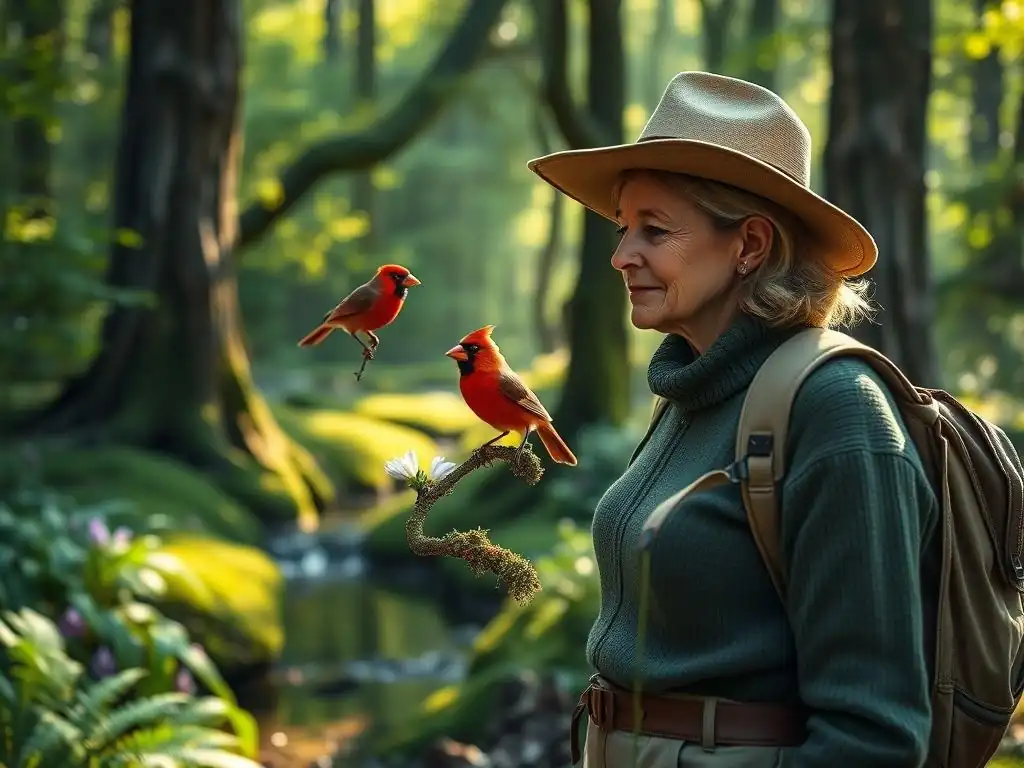
Welcome to Mind Care Guide, your sanctuary for nurturing mental well-being.
Feeling overwhelmed? You're not alone. We understand the challenges of modern life, and we're here to help you discover pathways to inner peace. This week, we're diving deep into the surprising power of nature and exploring the specific nature therapy birdwatching benefits that can calm your nerves and bring you back to the present moment. Intrigued? Let's take flight and discover how connecting with the avian world can transform your mental health.
Birdwatching as Therapy: Connecting with Nature to Calm Your Nerves
- Introduction: The Healing Power of Birdwatching for Mental Wellness
- Nature Therapy Birdwatching Benefits: Why It Works
- How Birdwatching Connects You With Nature
- Getting Started with Birdwatching for Nature Therapy
- Specific Birdwatching Techniques for Stress Relief
- Birdwatching and Mental Health Conditions: Specific Applications
- Overcoming Challenges in Birdwatching for Mental Health
- The Science Behind Nature Therapy and Birdwatching
- Integrating Birdwatching into Your Daily Routine
- Conclusion: Embracing Birdwatching for a Calmer, Healthier Mind
-
Frequently Asked Questions
- What are the primary mental health benefits of birdwatching?
- How does birdwatching specifically relate to Nature Therapy?
- Can birdwatching help with anxiety and depression?
- What resources or tools can enhance the birdwatching experience for therapeutic purposes?
- How often should someone engage in birdwatching to experience noticeable mental health improvements?
- Final Reflection: Finding Solace in the Wings of Birds
- Take Flight: Nurture Your Mind Through Nature
Introduction: The Healing Power of Birdwatching for Mental Wellness
In today's fast-paced world, finding moments of peace and calm can feel increasingly challenging. The constant demands of daily life, coupled with the pervasive presence of technology, can leave many feeling overwhelmed and disconnected. While traditional therapies and self-care practices are essential, exploring complementary approaches that leverage the healing power of nature offers a profound path towards enhanced mental well-being. One such practice gaining recognition for its therapeutic potential is birdwatching.
Birdwatching, or ornithology as it's known scientifically, is more than just a hobby; it's a gentle yet powerful way to reconnect with the natural world. It invites us to slow down, observe, and appreciate the intricate beauty of the creatures that share our environment. This simple act of paying attention to birds can unlock numerous benefits for mental health, offering a unique form of nature therapy. It provides an accessible entry point into the world of nature, requiring minimal equipment and offering rewarding experiences right outside our windows or in local parks.
Exploring the Connection Between Nature, Birds, and Mental Health
The deep-seated connection between humans and nature has been recognized for centuries, influencing everything from ancient philosophies to modern psychological theories. Spending time in natural environments has been shown to reduce stress hormones, lower blood pressure, and improve mood. Birds, as vibrant and dynamic elements of these natural spaces, serve as fascinating focal points that capture our attention and draw us into the present moment. Their presence signifies life, movement, and the cyclical rhythms of the ecosystem.
Research increasingly supports the idea that observing birds specifically can have unique positive effects on mental well-being. A study published in BioScience in 2017 noted that even just observing birds and nature for short periods could significantly boost mood and reduce feelings of anxiety.
Another study, conducted by the German Centre for Integrative Biodiversity Research (iDiv) and published in Ecological Economics in 2021, found that simply having more bird species around us is linked to higher life satisfaction, independent of other factors like income or population density. This highlights the specific contribution of avian life to our sense of happiness and connection.
[Organization Name]'s Perspective on Nature Therapy
[Organization Name] recognizes the significant role that nature plays in fostering mental wellness and resilience. We advocate for integrating nature-based activities, including birdwatching, into holistic mental health strategies. Our perspective is rooted in the understanding that human beings are inherently connected to the natural world, and nurturing this connection can provide powerful therapeutic benefits. We see nature therapy, particularly activities like birdwatching, as valuable tools for stress reduction, mindfulness, and emotional regulation.
From our standpoint, the accessibility of birdwatching makes it an ideal practice for many individuals seeking to improve their mental health. Unlike some therapies or activities that require specific locations or equipment, birdwatching can be done almost anywhere – a city park, a backyard, or a nature reserve. This ease of access ensures that individuals from diverse backgrounds can potentially benefit from the nature therapy birdwatching benefits. We encourage our community to explore this gentle yet profound connection with the natural world as a pathway to greater peace and well-being.
Nature Therapy Birdwatching Benefits: Why It Works
Birdwatching offers a unique blend of physical activity (walking to viewing spots), mental engagement (identification, observation), and sensory immersion (listening to calls, observing flight patterns). This combination contributes to a powerful therapeutic effect. The inherent focus required to spot and identify birds naturally redirects attention away from internal worries and stressors, anchoring the individual in the external environment. This shift in focus is a core mechanism behind many of the nature therapy birdwatching benefits.
The rhythmic sounds of nature, including birdsong, have been shown to have a calming effect on the nervous system. A 2017 study published in Scientific Reports found that natural sounds, including birdsong, led to decreased stress and anxiety and increased feelings of tranquility compared to artificial sounds. Engaging in birdwatching allows individuals to actively seek out and appreciate these soothing auditory experiences, further enhancing its therapeutic value. The anticipation of spotting a new species or observing a fascinating behavior also adds an element of positive engagement and curiosity.
Stress Reduction and Birdwatching: A Calming Combination
Birdwatching acts as a potent antidote to the chronic stress that affects so many lives. The act of stepping outside, even for a short period, and focusing on the present moment in nature interrupts the cycle of stressful thoughts.
The visual input of natural landscapes and the dynamic movements of birds have a restorative effect on the mind. Consider a typical scenario: someone feeling overwhelmed by work deadlines or personal challenges steps into a park, spots a vibrant cardinal or hears the distinct call of a robin, and for a few moments, their attention is captivated, pulling them out of their internal stress loop.
Research consistently shows a correlation between time spent in nature and reduced levels of cortisol, the primary stress hormone. A study published in Frontiers in Psychology in 2019 found that a 20-minute "nature pill" – time spent in or interacting with a natural environment – was sufficient to significantly lower cortisol levels. Birdwatching provides an excellent framework for taking this "nature pill," offering a specific activity that encourages prolonged, focused engagement with the natural world, thereby maximizing the stress-reducing nature therapy birdwatching benefits.
Birdwatching and Mindfulness: Enhancing Focus and Presence
Mindfulness is the practice of paying attention to the present moment without judgment. Birdwatching inherently cultivates mindfulness. To spot a bird, one must be observant and patient, tuning into subtle movements, sounds, and details. This focus on the external environment naturally quietens the internal chatter of the mind, which is often the source of anxiety and rumination. The process of identifying a bird requires concentration on its size, shape, color, markings, and behavior – demanding full presence.
Think about the intense focus required to distinguish between two similar sparrow species or to locate a camouflaged owl perched in a tree. This deep level of attention is a form of active meditation. A 2018 review in Environmental Health Perspectives highlighted how engagement with nature enhances attention restoration, making it easier to focus on tasks later. Birdwatching leverages this effect, training the brain to focus on external stimuli, which can improve overall attentional capacity and reduce the tendency to get lost in anxious thoughts, contributing significantly to nature therapy birdwatching benefits.
Improved Mood and Emotional Well-being Through Bird Observation
Witnessing the beauty and resilience of birds can have a profound positive impact on mood. The simple joy of seeing a flash of bright color, observing a bird in flight, or listening to a complex birdsong can lift spirits and evoke feelings of wonder and appreciation. This connection to the vibrant life around us fosters a sense of belonging and reduces feelings of isolation. The success of spotting a rare bird or identifying a new species also provides a sense of accomplishment and positive reinforcement.
Furthermore, birdwatching can counteract feelings of hopelessness or negativity often associated with conditions like depression. It provides a purpose and a reason to engage with the world outside oneself. A study published in the Journal of Environmental Psychology in 2014 found that exposure to nature, including views of birds and plants, was associated with increased positive emotions and reduced negative emotions. The dynamic and ever-changing nature of bird activity ensures that there is always something new to observe, providing continuous opportunities for positive emotional experiences and reinforcing the many nature therapy birdwatching benefits.
How Birdwatching Connects You With Nature
Birdwatching is a deeply immersive activity that engages multiple senses, drawing you fully into the natural environment. It’s not just about seeing; it’s about hearing the distinct calls and songs, feeling the breeze, smelling the earth and plants, and sometimes even feeling the texture of bark or leaves as you steady yourself. This multi-sensory engagement creates a richer, more profound connection than simply being in nature; you become an active participant with nature.
This practice encourages a deeper understanding and appreciation of the interconnectedness of ecosystems. As you observe birds, you might notice their interactions with insects, plants, and other animals. You start to see how they depend on specific habitats for food and shelter. This ecological awareness fosters a sense of stewardship and responsibility towards the environment, strengthening your bond with the natural world on an intellectual and emotional level, highlighting the broader context of nature therapy birdwatching benefits.
Engaging Your Senses: The Sounds, Sights, and Scents of Birdwatching
Birdwatching is a symphony for the senses. The visual thrill of spotting a brightly colored tanager or the intricate patterns on a warbler's feathers is often the initial draw. But the auditory experience is equally, if not more, important. Learning to identify birds by their unique songs and calls opens up a whole new dimension of connection. Imagine the distinct "teacher, teacher, teacher" call of an ovenbird echoing through the woods or the cheerful chirping of house finches near your feeder. These sounds are integral to the experience.
Beyond sight and sound, birdwatching often takes place in environments rich with other sensory input. The scent of damp earth after rain, the fragrance of blooming flowers, the rustling sound of leaves underfoot, or the feeling of sunlight filtering through the canopy all contribute to the immersive experience. A study published in the International Journal of Environmental Research and Public Health in 2020 emphasized the importance of multi-sensory engagement in nature for promoting well-being. By actively engaging sight, sound, and smell, birdwatching maximizes the therapeutic benefits of nature exposure.
Birdwatching as a Form of Ecotherapy: Deepening Your Connection to the Environment
Ecotherapy, or nature therapy, is a broad term for therapeutic activities that take place outdoors and involve interaction with nature. Birdwatching fits perfectly within this framework, serving as an accessible and engaging form of ecotherapy. It encourages individuals to move beyond simply observing nature from a distance to actively participating in it by seeking out and identifying its inhabitants. This active engagement fosters a sense of place and belonging within the larger ecological community.
By regularly spending time in specific natural areas to observe birds, individuals develop a deeper understanding and appreciation for those places. They learn about the seasonal changes, the resident bird species, and the plants that support them. This sustained interaction builds an emotional connection to the environment, which can be incredibly grounding and therapeutic. A 2017 review in Frontiers in Psychology noted that nature-based interventions, including those focused on observing wildlife, can enhance emotional regulation and reduce symptoms of depression and anxiety by strengthening this human-nature bond.
Reducing Feelings of Isolation: Birdwatching and Community
While birdwatching can be a solitary and contemplative activity, it also offers significant opportunities for social connection, which is vital for mental health. Joining local birdwatching groups or clubs provides a chance to connect with like-minded individuals who share a passion for nature. These groups often organize outings, workshops, and events, creating a sense of community and shared purpose. Sharing sightings and experiences with others can enhance the enjoyment and provide mutual support.
Online forums and social media groups dedicated to birdwatching also allow people to connect regardless of geographical location. Sharing photos, asking for identification help, or simply discussing recent observations can combat feelings of loneliness and isolation. According to a 2018 report by the Mental Health Foundation, social connection is a key protective factor for mental health. Birdwatching communities offer a low-pressure, shared-interest environment where these connections can flourish, adding a valuable social dimension to the nature therapy birdwatching benefits.
Getting Started with Birdwatching for Nature Therapy
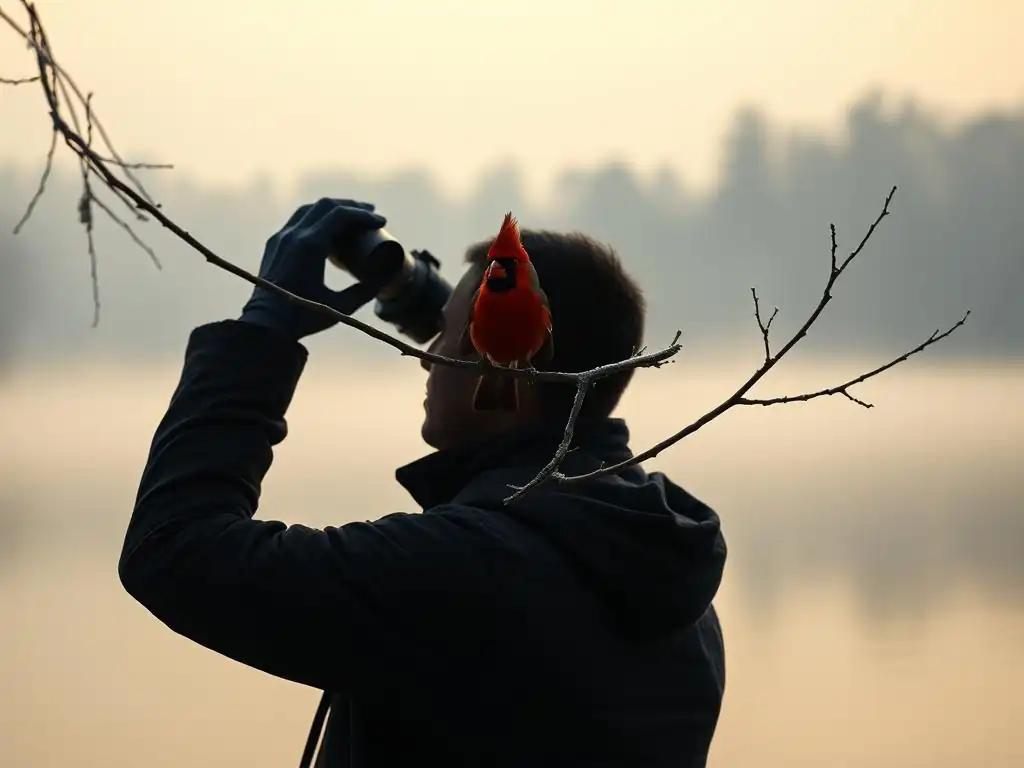
Embarking on your birdwatching journey for mental wellness is simpler than you might think. You don't need to be an expert ornithologist or travel to remote locations. The most important step is simply to start paying attention to the birds around you, whether it's in your backyard, a local park, or even from your window. Begin with curiosity and a willingness to observe the natural world unfolding before you.
Starting small and gradually building your knowledge and skills can make the process enjoyable and sustainable. Don's feel pressured to identify every bird you see immediately. Focus on the experience of being in nature, observing the birds' behaviors, and listening to their calls. As you become more comfortable, you can gradually introduce tools that enhance your observation and identification capabilities, deepening your engagement and maximizing the nature therapy birdwatching benefits.
Essential Equipment for Beginner Birdwatchers: Binoculars, Field Guides, and Apps
While you can start birdwatching with just your eyes and ears, a few pieces of equipment can significantly enhance the experience. Binoculars are arguably the most important tool, allowing you to see birds up close and in detail. For beginners, a pair with a magnification of 8x or 10x and an objective lens diameter between 32mm and 42mm is usually recommended, offering a good balance of power and brightness. A decent pair can be found for around $100-$200, though prices vary widely.
A field guide specific to your region is invaluable for identifying the birds you see. These guides provide illustrations or photos, descriptions of physical characteristics, habitat information, and range maps. Many excellent field guides are available in book format or as mobile applications. Apps like Merlin Bird ID by the Cornell Lab of Ornithology or Audubon Bird Guide are particularly helpful for beginners, often including sound identification features, and many are free or low-cost. While not strictly "equipment," comfortable walking shoes and weather-appropriate clothing are also essential for enjoying your time outdoors.
Finding the Best Birdwatching Locations Near You: Parks, Reserves, and Local Hotspots
You don't need to travel far to find birds. Start by exploring your immediate surroundings. Your backyard, a local park, or even a patch of trees down the street can be home to a surprising variety of bird species. Look for areas with diverse habitats, such as a mix of trees, shrubs, open areas, and water sources. Many cities and towns have designated parks or nature preserves that are excellent for birdwatching and are often listed on local government or conservation websites.
To find specific birdwatching hotspots, consult local Audubon chapters, birding clubs, or online resources like eBird (a project by the Cornell Lab of Ornithology) which allows users to report bird sightings and find locations where specific species have been seen. Visiting a local bird feed store can also be a great resource, as staff are often knowledgeable about local bird activity. Exploring different locations will expose you to different species and environments, keeping the activity fresh and engaging, which supports the long-term nature therapy birdwatching benefits.
Tips for Successful Birdwatching: Patience, Observation, and Ethical Practices
Successful birdwatching requires patience. Birds are wild creatures, and sightings are not guaranteed. Be prepared to spend time quietly observing, waiting for birds to appear. Develop your observation skills by paying attention to movement in trees and bushes, listening for calls, and scanning the sky. Start by trying to identify common birds in your area, like sparrows, pigeons, or robins, before moving on to more challenging species.
Ethical birdwatching practices are crucial. Always prioritize the well-being of the birds and their habitat. Avoid disturbing nesting sites or flushing birds unnecessarily. Maintain a respectful distance, especially when photographing. Do not use artificial sound recordings to lure birds, as this can disrupt their natural behavior and territories. Leave no trace behind – pack out everything you pack in. By being a responsible observer, you ensure that the benefits of birdwatching are sustainable for both you and the birds, enhancing the positive impact of nature therapy birdwatching benefits.
Specific Birdwatching Techniques for Stress Relief
Beyond simply looking at birds, certain techniques can enhance the therapeutic benefits of birdwatching, specifically targeting stress relief. These methods encourage deeper engagement, focus, and sensory awareness, transforming a casual observation into a more mindful and restorative practice. Incorporating these techniques can help you maximize the calming effects of spending time with birds in nature.
These techniques don't require advanced skills or expensive equipment; they primarily involve shifting your focus and incorporating simple practices into your birdwatching sessions. Whether you have 10 minutes or an hour, these methods can help you disconnect from stressors and connect more fully with the present moment and the natural world around you, amplifying the nature therapy birdwatching benefits you experience.
Identifying Bird Songs: A Meditative Listening Practice
Learning to identify birds by their songs and calls is a deeply rewarding and meditative practice. It requires quiet stillness and focused listening, drawing your attention away from internal noise and towards the intricate soundscape of nature. Close your eyes for a moment while listening to birdsong and notice how it shifts your awareness. The varied pitches, rhythms, and patterns of different species create a complex and beautiful auditory experience.
There are numerous resources available to help you learn bird songs, including field guides with audio CDs or online sound libraries like those provided by the Cornell Lab of Ornithology. Many bird identification apps also include extensive sound databases and features like sound identification based on recordings. Dedicating time specifically to listening and trying to identify songs can be a powerful form of auditory mindfulness, helping to calm the nervous system and enhance the stress-reducing nature therapy birdwatching benefits.
Creating a Birdwatching Journal: Documenting Your Observations and Feelings
Keeping a birdwatching journal is an excellent way to deepen your connection to nature and process your experiences. Documenting your sightings – including the species, date, location, and any notable behaviors – helps reinforce your learning and creates a record of your journey. More importantly, a journal can be a space to reflect on how the experience made you feel. Note your mood before and after a birdwatching session. Did you feel more relaxed? Less anxious? More present?
Writing about your observations and feelings integrates the nature experience with your internal state, making the therapeutic connection more explicit. You might describe the beauty of a bird's plumage, the feeling of the sun on your skin, or the sense of peace you felt while listening to birdsong. This reflective practice enhances mindfulness and allows you to track the positive impact of birdwatching on your mental health over time, solidifying the understanding of nature therapy birdwatching benefits.
Photographing Birds: Focusing on Beauty and Detail
For those with an interest in photography, capturing images of birds can be another engaging and therapeutic technique. The act of trying to photograph a bird requires patience, focus, and a keen eye for detail. It encourages you to observe the bird's posture, expressions, and interactions in a very precise way. While professional photography gear can be expensive, you can start with a smartphone or a basic camera with a zoom lens.
The focus on composition, light, and capturing a fleeting moment draws you deeply into the present. Reviewing your photographs later allows you to revisit those moments of connection with nature and appreciate the beauty you observed. This process can be incredibly uplifting and provide a tangible reminder of the positive experiences you've had. The challenge and reward of capturing a good bird photo can also provide a healthy sense of accomplishment, contributing positively to emotional well-being and reinforcing the nature therapy birdwatching benefits.
Birdwatching and Mental Health Conditions: Specific Applications
Birdwatching, as a form of nature therapy, can offer specific benefits for individuals managing various mental health conditions. While not a substitute for professional medical or therapeutic care, it can serve as a valuable complementary activity, providing coping strategies and promoting a sense of agency and connection. Its gentle nature makes it accessible even during periods of distress, offering a non-threatening way to engage with the world.
The structured yet flexible nature of birdwatching allows individuals to participate at their own pace and comfort level. Whether it's a short session from a window or a longer walk in a park, the activity can be adapted to suit energy levels and symptoms. This adaptability makes it a practical tool for incorporating nature therapy birdwatching benefits into a self-care routine for different conditions.
Birdwatching for Anxiety Relief: [Study on Birdsong Reducing Anxiety]
Anxiety often involves excessive worry about the future or rumination on past events, pulling the mind away from the present. Birdwatching directly counteracts this by requiring focus on external stimuli – the sights and sounds of birds in the environment. The act of scanning for birds or listening intently for their calls anchors the mind in the here and now, providing a welcome distraction from anxious thoughts.
A study published in the British Journal of Psychology in 2017 specifically investigated the impact of birdsong on anxiety and paranoia. Participants listened to recordings of traffic noise, ambient city sounds, or natural sounds including birdsong. The study found that listening to natural sounds, particularly birdsong, significantly reduced levels of anxiety and paranoia compared to urban sounds. This provides scientific backing for the anecdotal evidence that the sounds of birds are inherently calming and contribute directly to nature therapy birdwatching benefits for anxiety.
Birdwatching for Depression: [Study on Nature Walks Improving Mood]
Depression can lead to feelings of low energy, loss of interest, and social withdrawal. Birdwatching offers a low-pressure way to encourage gentle physical activity and engagement with the external world. Simply getting outside and moving, even slowly, can have a positive impact on mood. The opportunity to observe and appreciate the beauty of nature and the resilience of birds can counteract feelings of hopelessness and provide moments of simple joy.
While a study specifically on birdwatching for depression symptoms is needed, broader research on nature exposure is relevant. A study published in the Journal of Affective Disorders in 2016 found that walking in nature for 90 minutes reduced rumination (repetitive negative thoughts) compared to walking in an urban environment. Rumination is a key symptom of depression. By providing a focused activity like birdwatching during a nature walk, individuals can further distract from negative thought patterns and experience the mood-boosting effects of nature, contributing to nature therapy birdwatching benefits for depression.
Birdwatching for PTSD: [Example of Veteran Birdwatching Program]
Post-Traumatic Stress Disorder (PTSD) can manifest as hypervigilance, avoidance of triggers, and difficulty feeling safe or relaxed. Engaging with nature in a controlled and predictable way can provide a sense of calm and security. Birdwatching, which encourages quiet observation and patience in a natural setting, can be particularly beneficial. It allows individuals to be present in a non-threatening environment and focus on the intricate details of the natural world.
An example of this application is the work done by organizations like the National Audubon Society and others who have partnered with veteran groups to offer birdwatching programs. These programs provide veterans with opportunities to connect with nature and each other in a supportive setting.
Participants have reported finding peace and stress relief through the focused observation and quiet contemplation that birdwatching provides. Anecdotal evidence from these programs highlights how the predictability of natural cycles and the gentle presence of birds can create a sense of grounding and safety for individuals managing PTSD symptoms, illustrating real-world nature therapy birdwatching benefits.
Overcoming Challenges in Birdwatching for Mental Health

While birdwatching offers many benefits, potential challenges can arise, especially for individuals already navigating mental health difficulties. Anticipating and addressing these challenges can help ensure that birdwatching remains a positive and supportive practice. It's important to approach the activity with flexibility and self-compassion, recognizing that some days may be more challenging than others.
Understanding common obstacles, such as weather or accessibility, allows you to plan accordingly and avoid potential frustrations. Managing your expectations about what you will see or achieve is also key to maintaining a positive experience. By preparing for these challenges, you can more consistently access the calming and restorative nature therapy birdwatching benefits.
Dealing with Weather Conditions: Staying Safe and Comfortable
Weather can significantly impact birdwatching plans. Rain, extreme heat, cold, or high winds can make being outdoors uncomfortable or even unsafe. It's important to check the weather forecast before heading out and dress appropriately in layers. Waterproof jackets and sturdy, comfortable shoes are essential. On days with challenging weather, consider indoor birdwatching from a window or porch, or spend time reviewing field guides or birding apps instead.
Have backup plans for days when outdoor birdwatching isn't feasible. This could involve visiting an indoor nature center with exhibits or live bird displays, or simply spending time listening to birdsong recordings at home. Being prepared for different weather scenarios ensures that you can continue to engage with the world of birds in some way, even if you can't be physically outdoors, maintaining consistency in seeking nature therapy birdwatching benefits.
Addressing Accessibility Issues: Birdwatching for All Abilities
Access to natural spaces can be a significant barrier for individuals with mobility issues or other physical limitations. Not all parks or trails are designed with accessibility in mind. However, many efforts are being made to improve this. Look for parks and nature centers that specifically advertise accessible trails or viewing platforms. Many urban parks have paved paths that are suitable for wheelchairs or those with difficulty walking on uneven terrain.
Window birdwatching is an excellent alternative for those who cannot easily get outdoors. Setting up a bird feeder or bird bath near a window can bring the birds directly to you. Online resources and webcams focused on bird feeders or nests also offer opportunities to observe birds from home. Exploring these options ensures that the calming practice of observing birds and experiencing nature therapy birdwatching benefits is available to people of all abilities.
Managing Expectations: Embracing the Imperfect Nature of Birdwatching
One of the most common frustrations for new birdwatchers is not seeing the birds they hoped to find or not being able to identify everything they see. It's crucial to manage expectations and remember that birdwatching is about the process and the connection with nature, not just the checklist of species seen. Some days you might see many birds; other days, very few. This variability is part of being in nature.
Embrace the unpredictability and focus on the sensory experience and the simple act of being present. Even if you only see a common pigeon, take a moment to appreciate its plumage or observe its behavior. Don't get discouraged if you can't identify every bird immediately; identification comes with practice and patience. Framing birdwatching as a mindful practice rather than a goal-oriented task helps reduce pressure and allows you to fully experience the inherent nature therapy birdwatching benefits.
The Science Behind Nature Therapy and Birdwatching
The therapeutic effects of nature exposure, including birdwatching, are not merely anecdotal; they are supported by a growing body of scientific research. Studies in environmental psychology, public health, and neuroscience are shedding light on the physiological and psychological mechanisms by which spending time in nature positively impacts human well-being. Understanding this science can deepen our appreciation for the power of nature therapy.
Research explores how natural environments affect our brain activity, hormone levels, and immune system function. Specific elements of nature, such as fractal patterns, natural sounds, and the presence of living organisms like birds, appear to have unique restorative properties. This scientific backing validates the long-held intuition that connecting with nature is good for us and provides a foundation for understanding the profound nature therapy birdwatching benefits.
Research on the Benefits of Nature Exposure for Mental Health
Extensive research demonstrates the broad positive effects of nature exposure on mental health. Studies have shown reductions in symptoms of depression and anxiety, improved mood, increased feelings of happiness and life satisfaction, and enhanced cognitive function. A systematic review published in Environmental Research in 2020 analyzed data from multiple studies and concluded that nature exposure is associated with a reduced risk of type II diabetes, cardiovascular disease, premature death, and improved sleep duration, alongside significant mental health benefits.
The mechanisms behind these benefits are thought to include the Attention Restoration Theory (ART), which posits that nature can restore directed attention fatigue, and the Stress Reduction Theory (SRT), which suggests that viewing natural scenes triggers a psycho-physiological response leading to stress reduction. Time spent in nature also encourages physical activity, which is well-known to boost mood and reduce stress. Birdwatching integrates these elements, providing focused attention, stress-reducing sensory input, and often, gentle exercise, maximizing the nature therapy birdwatching benefits.
The Role of Birdwatching in Promoting Cognitive Function
Beyond stress reduction and mood improvement, engaging in activities like birdwatching can also support cognitive function. The process of observing, identifying, and remembering different bird species requires attention, memory, and pattern recognition skills. Learning about bird behavior, habitats, and migration patterns engages intellectual curiosity and expands knowledge.
A study published in Landscape and Urban Planning in 2017 found that residential exposure to green spaces, particularly with high biodiversity (which often correlates with bird presence), was associated with better cognitive development in children. For adults, activities that engage the brain in a novel and enjoyable way, like identifying new bird species or learning about their ecology, can help maintain cognitive sharpness. The need to focus, discriminate between similar species, and recall information contributes to mental agility, adding cognitive enhancement to the nature therapy birdwatching benefits.
Understanding the Physiological Effects of Birdwatching: Lowering Cortisol Levels
One of the most significant physiological effects of nature exposure, including birdwatching, is the reduction in stress hormones, particularly cortisol. When we are stressed, our bodies release cortisol as part of the "fight or flight" response. Chronic stress leads to elevated cortisol levels, which can have negative impacts on physical and mental health over time.
Studies have shown that spending time in natural environments can significantly lower cortisol levels. For example, a study published in Environmental Health and Preventive Medicine in 2010 found that forest bathing (spending time in a forest) led to decreased cortisol levels, lower blood pressure, and a reduced heart rate compared to spending time in an urban environment. Birdwatching, by immersing individuals in natural settings and providing a calming focal point, activates the body's relaxation response, counteracting the stress response and actively contributing to the physiological nature therapy birdwatching benefits by helping to lower cortisol.
Integrating Birdwatching into Your Daily Routine
Making birdwatching a regular part of your life doesn't require massive changes; it's about finding small, consistent ways to connect with birds and nature. Even a few minutes each day can yield significant benefits for your mental well-being. The key is to be intentional about incorporating this practice into your routine, just like you might schedule time for exercise or meditation.
Consistency is more important than duration. Short, frequent interactions with birds can be just as effective as longer, less frequent outings. Look for opportunities to weave bird observation into activities you already do, making it a natural and enjoyable part of your day. This regular engagement helps to sustain the nature therapy birdwatching benefits over the long term.
Scheduling Regular Birdwatching Sessions
Treat birdwatching like any other important appointment for your well-being. Schedule specific times, even if they are short, to dedicate to observing birds. This could be 15 minutes with your morning coffee looking out the window, a 30-minute walk in a local park during your lunch break, or an hour on a weekend morning. Having a scheduled time makes it more likely that you will follow through.
Consider the best times of day for bird activity, which are often early morning and late afternoon. Planning your sessions during these peak times can increase your chances of seeing more birds and making the experience more rewarding. Even on busy days, try to carve out just 5-10 minutes to simply pause, step outside or look out a window, and notice the birds around you. These small moments can add up and provide consistent nature therapy birdwatching benefits.
Combining Birdwatching with Other Nature-Based Activities
Birdwatching can be easily combined with other activities that promote mental and physical health. Pair it with a gentle walk or hike in a park or nature reserve. The movement provides physical benefits, while the birdwatching adds a layer of mindful observation and engagement with the environment. This combination enhances the overall therapeutic effect.
Other nature-based activities like gardening, nature journaling, or simply sitting quietly outdoors can also be integrated with bird observation. If you're gardening, take a moment to notice the birds visiting your plants. If you're journaling outdoors, dedicate a page to sketching or writing about the birds you see and hear. Combining activities amplifies the exposure to nature and diversifies the ways you can experience the nature therapy birdwatching benefits.
Creating a Bird-Friendly Backyard: Attracting Birds to Your Home
Making your immediate surroundings more attractive to birds is a wonderful way to bring the nature therapy birdwatching benefits closer to home. Providing food, water, and shelter can attract a variety of species right outside your window. Simple steps like putting up a bird feeder, installing a bird bath, or planting native shrubs and trees that provide berries and nesting sites can make a significant difference.
Watching birds visit your feeders or bathe in your bird bath can be a source of constant fascination and calm throughout the day. It provides effortless opportunities for observation and connection with nature, even if you can't leave your home. Creating a bird-friendly space not only benefits the birds but also provides a consistent and accessible source of nature therapy, reinforcing the multitude of nature therapy birdwatching benefits available right outside your door.
Conclusion: Embracing Birdwatching for a Calmer, Healthier Mind
Birdwatching is a powerful yet gentle practice that offers a unique pathway to enhanced mental well-being. By connecting us with the natural world through focused observation and sensory engagement, it provides a potent antidote to stress, anxiety, and feelings of disconnection. The simple act of noticing the feathered creatures around us can quiet the mind, lift the spirit, and foster a deeper appreciation for the beauty and resilience of life. The numerous nature therapy birdwatching benefits are accessible to almost anyone, regardless of location or experience level.
From reducing cortisol levels and improving mood to enhancing mindfulness and fostering a sense of community, the therapeutic potential of birdwatching is increasingly supported by both personal experience and scientific research. It encourages us to slow down, be present, and engage with the vibrant life that exists just beyond our everyday routines.
Reaffirming the Benefits of Nature Therapy Birdwatching
We've explored how birdwatching serves as an effective form of nature therapy, offering concrete benefits such as stress reduction through focused attention and reduced rumination, improved mood by connecting with beauty and fostering a sense of wonder, and enhanced mindfulness through sensory engagement and observation. The scientific evidence points to physiological changes, like lowered cortisol, and psychological improvements, such as increased attention capacity, all stemming from this simple practice. The accessibility and adaptability of birdwatching make it a sustainable tool for long-term mental wellness.
The nature therapy birdwatching benefits extend beyond individual well-being, fostering a deeper connection to the environment and potentially leading to a greater sense of stewardship. It reminds us that we are part of a larger ecosystem and that nurturing this connection is vital for both personal and planetary health.
Encouraging Readers to Explore the World of Birds
We encourage you to take the first step and explore the world of birds around you. Start small – simply notice the birds you see and hear today. Consider setting up a simple feeder or visiting a local park with the intention of observing avian life. Don't worry about identification initially; focus on the experience of being present in nature and observing.
Embrace the journey of discovery that birdwatching offers. It's a lifelong pursuit filled with moments of surprise, beauty, and profound connection. By integrating birdwatching into your life, you are choosing a path that nourishes your mind, calms your nerves, and brings the healing power of nature into your daily routine. Discover the nature therapy birdwatching benefits for yourself and embark on a journey towards a calmer, healthier mind.
Frequently Asked Questions
What are the primary mental health benefits of birdwatching?
Birdwatching offers significant benefits, including reduced stress, improved focus, and a greater sense of connection with nature. It promotes mindfulness and a calming effect on the nervous system.
How does birdwatching specifically relate to Nature Therapy?
Nature therapy involves using exposure to the natural environment to improve mental and physical well-being. Birdwatching is a key activity within this framework, combining observation and immersion.
Can birdwatching help with anxiety and depression?
Yes, studies suggest that birdwatching can alleviate symptoms of anxiety and depression. The act of observing nature and the sounds of birds can be therapeutic and restorative.
What resources or tools can enhance the birdwatching experience for therapeutic purposes?
Consider using bird identification guides, binoculars, and nature apps. Joining a local birdwatching group can provide support and shared experiences.
How often should someone engage in birdwatching to experience noticeable mental health improvements?
Even short, regular sessions (e.g., 30 minutes a few times a week) can be beneficial. Consistency is key to experiencing the long-term therapeutic effects of birdwatching.
Final Reflection: Finding Solace in the Wings of Birds
The simple act of birdwatching offers a powerful antidote to the anxieties of modern life. In a world increasingly dominated by screens and relentless schedules, the quiet observation of nature provides a much-needed refuge, a space to reconnect with something larger than ourselves and find a profound sense of calm. The benefits, as explored throughout this article, extend far beyond simple relaxation; they touch upon mental well-being, stress reduction, and a renewed appreciation for the natural world.
The impact of birdwatching on our collective psyche is undeniable. It fosters a sense of community among enthusiasts, a shared passion for the beauty and intricacy of avian life. This connection to nature, often overlooked in our urban environments, is vital for our mental and emotional health. In every walk with nature, one receives far more than he seeks.
- John Muir. This quote perfectly encapsulates the unexpected gifts that await those who choose to engage with the natural world, even in small ways like birdwatching. The subtle shifts in perspective, the quiet moments of observation, and the sheer joy of witnessing nature's wonders contribute to a richer, more fulfilling life.
Now, consider your own life. What small steps can you take to incorporate more nature into your daily routine? Perhaps it's a short walk in a local park, setting aside time for mindful observation of the birds in your backyard, or even simply opening a window to listen to their songs.
Embrace the opportunity to find solace in the wings of birds; let their beauty and resilience inspire you to cultivate a deeper connection with the natural world and, in turn, nurture your own well-being. The journey towards a calmer, more centered self begins with a single observation, a single song, a single feathered friend.
Take Flight: Nurture Your Mind Through Nature
Thanks for taking the time to explore the calming power of birdwatching! We hope you discovered new ways to connect with nature and find inner peace. Now it's time to put your newfound knowledge into practice.
- Start your own birdwatching journal: Document your sightings, the locations, and most importantly, how each experience made you feel. This mindful practice will deepen your connection with nature and your own inner landscape.
- Share your birdwatching adventures: Tell your friends and family about this amazing practice— inspire them to join you on a mindful birdwatching outing!
- Try a new birdwatching technique: Explore different approaches, like using binoculars or listening for unique bird calls. Challenge yourself to discover a new species this week!
What unique bird call captivated you the most during your last nature walk, and what thoughts or feelings did it evoke? Share your experiences in the comments below!