
Boost Your Focus Outdoors: The Restorative Power of Nature on Attention


Welcome to Mind Care Guide, a sanctuary for your mental well-being.
Feeling scattered and struggling to concentrate? In today's fast-paced world, it's easy to lose focus, but what if the answer was just outside your door? Discover the surprising and restorative power of nature as we delve into the outdoor focus benefits concentration in our latest article. Learn how a simple walk in the park can drastically improve your attention span and overall mental clarity. Intrigued? Let's explore the science behind nature's incredible impact on your mind.
Boost Your Focus Outdoors: The Restorative Power of Nature on Attention
- Introduction: Unlocking Attention with Nature's Embrace
- The Science Behind Outdoor Focus: How Nature Restores Attention
- Outdoor Focus Benefits: Unveiling the Advantages
-
Activities to Enhance Outdoor Focus and Concentration
- Mindful Walking in Nature: Paying Attention to the Present Moment
- Forest Bathing (Shinrin-Yoku): Immersing Yourself in the Forest Atmosphere
- Gardening and Horticulture: Cultivating Attention Through Plants
- Outdoor Meditation and Yoga: Finding Inner Peace and Focus
- Nature Photography: Capturing Details and Enhancing Observation
- Creating Your Own Nature-Focused Routine for Better Concentration
- Overcoming Challenges to Maintaining Focus in Nature
- The Long-Term Impact of Nature Exposure on Mental Well-being and Focus
- Conclusion: Embracing the Power of Nature for Enhanced Outdoor Focus Benefits
-
Frequently Asked Questions
- How does spending time outdoors improve concentration?
- What specific outdoor activities are most beneficial for boosting concentration?
- How much time outdoors is needed to experience the benefits of improved concentration?
- What are some ways to incorporate more outdoor time into a busy schedule?
- Are there specific environments that are more effective for enhancing concentration?
- Final Reflection: Reclaiming Focus in Nature's Embrace
- Unleash Your Focus: Reconnect with Nature's Power
Introduction: Unlocking Attention with Nature's Embrace
The Growing Need for Focus in a Distracted World
In today's hyper-connected world, maintaining focus has become an increasingly challenging task. We are constantly bombarded by notifications, alerts, and a never-ending stream of information from digital devices and a fast-paced environment. This constant demand on our attention can lead to mental fatigue, reduced productivity, and a feeling of being overwhelmed. The ability to concentrate deeply and sustain focus for extended periods is now a valuable skill, essential for learning, problem-solving, and overall well-being.
The persistent struggle with distractions highlights a critical need for effective strategies to improve attention and concentration. Many people are seeking ways to unplug and find environments that support cognitive clarity. While technology often competes for our attention, ironically, stepping away from it and into the natural world offers a powerful antidote to this modern-day challenge. Finding methods to boost our outdoor focus benefits concentration is becoming a key aspect of mental wellness in the digital age.
Introducing Nature as a Powerful Tool for Enhanced Concentration
Nature offers a unique and accessible pathway to restoring our attentional capacity. Unlike the demanding, directed attention required for complex tasks or navigating urban environments, engaging with nature often involves 'soft fascination'—a gentle, effortless form of attention that allows our directed attention mechanisms to rest and recover. This passive engagement with natural beauty, sounds, and sensations provides a restorative break for the brain.
Numerous studies and theories suggest that spending time outdoors can significantly enhance cognitive function, particularly our ability to focus. From a simple walk in a park to more immersive experiences like forest bathing, connecting with green spaces has been shown to yield tangible outdoor focus benefits concentration. This article will delve into the science, benefits, and practical ways you can leverage the restorative power of nature to sharpen your attention and improve your mental clarity.
The Science Behind Outdoor Focus: How Nature Restores Attention
Attention Restoration Theory (ART): Explaining Nature's Impact
Attention Restoration Theory (ART), developed by environmental psychologists Rachel and Stephen Kaplan, is a cornerstone in understanding how nature improves our focus. ART posits that directed attention, the kind we use for tasks requiring effort and concentration (like working or studying), becomes fatigued over time. Nature, however, provides an environment rich in 'soft fascination'—elements like rustling leaves, flowing water, or cloud patterns that capture our attention effortlessly without demanding cognitive resources.
This 'soft fascination' allows our directed attention system to recover, much like resting a muscle after strenuous exercise. The theory outlines four components that contribute to nature's restorative power: Being Away (physically or mentally removed from daily demands), Extent (feeling immersed in the environment), Fascination (effortless attention capture), and Compatibility (feeling a sense of fit between your needs and the environment's offerings). Experiencing these components in nature contributes directly to the outdoor focus benefits concentration we seek.
Studies Showing the Cognitive Benefits of Nature Exposure
Research provides compelling evidence supporting ART and the cognitive advantages of spending time outdoors. A study published in the Journal of Environmental Psychology demonstrated that participants performed significantly better on a memory test after a 20-minute walk in a nature setting compared to those who walked in an urban environment. The improvement was notable, suggesting that even brief exposure can have a positive impact on cognitive performance.
Further research, including studies conducted with individuals experiencing attention deficits, has shown similar positive outcomes. Children diagnosed with ADHD, for instance, exhibited reduced symptoms and improved concentration levels after spending time in green spaces, highlighting nature's potential as a complementary tool for managing attention challenges. These findings underscore the tangible outdoor focus benefits concentration offers across different populations and cognitive needs.
The Role of Green Spaces in Improving Concentration
Access to green spaces, whether urban parks, forests, or even gardens, plays a crucial role in facilitating improved concentration. Proximity to nature has been linked to better cognitive health outcomes in various studies. For example, research involving office workers found that those with views of nature from their windows reported higher job satisfaction and better cognitive function compared to those with views of urban landscapes.
Moreover, the quality and type of green space matter. Environments that offer a sense of 'being away' and 'extent' – like forests or large parks – tend to be more restorative than small, fragmented green areas. However, even small doses of nature, such as indoor plants or a view of trees, can offer some level of attentional restoration. Maximizing our exposure to these environments is key to unlocking the full outdoor focus benefits concentration can provide.
Outdoor Focus Benefits: Unveiling the Advantages
Increased Attention Span: Lengthening Your Focus
One of the most significant outdoor focus benefits concentration provides is the potential to increase your attention span. In a world where our ability to concentrate is constantly challenged, nature offers a sanctuary where the brain can rest and recharge its attentional resources. By reducing mental fatigue and allowing directed attention to recover, time spent in nature can help you sustain focus for longer periods when you return to demanding tasks.
This isn't just about feeling less distracted; it's about rebuilding the capacity for sustained concentration. Regularly engaging with nature can train your brain to better resist distractions and maintain a state of focused engagement. Think of it as exercising your attention muscle in a low-demand environment, preparing it for higher-demand activities.
Reduced Mental Fatigue: Combating Cognitive Exhaustion
Mental fatigue, often described as 'directed attention fatigue,' occurs when our ability to focus intentionally becomes depleted. This state can lead to errors, poor decision-making, irritability, and difficulty concentrating. Nature's 'soft fascination' is a powerful antidote to this exhaustion. Unlike the constant demands of urban or digital environments, nature allows our minds to wander gently and recover without effort.
Spending time outdoors provides a restorative break that actively combats cognitive exhaustion. A walk in the woods or sitting by a lake allows the brain to shift from effortful attention to effortless engagement, effectively replenishing its reserves. This reduction in mental fatigue is a direct contributor to the outdoor focus benefits concentration offers, making you more alert and capable when you need to apply focused attention.
Improved Cognitive Function: Sharpening Your Mind
Beyond just focus and fatigue, nature exposure has been linked to broader improvements in overall cognitive function. Studies have shown positive effects on working memory, problem-solving abilities, and even basic cognitive processing speed. The restorative effect on attention frees up cognitive resources that can then be applied more effectively to other mental tasks.
This sharpening of the mind isn't a temporary fix; consistent engagement with nature can foster long-term cognitive resilience. By regularly providing the brain with restorative experiences, you create a foundation for enhanced mental performance across various domains. This holistic improvement in cognitive function is a core element of the outdoor focus benefits concentration enthusiasts report.
Enhanced Creativity and Problem-Solving Skills
Time spent in nature has also been associated with boosts in creativity and improved problem-solving skills. When our minds are less fatigued and our attention is restored, we are often better able to think flexibly, make connections between seemingly unrelated ideas, and approach problems from new perspectives. The relaxed yet engaged state induced by nature seems particularly conducive to divergent thinking.
Research by environmental psychologists has shown that immersive nature experiences can lead to significant increases in creativity scores. For example, participants on a four-day wilderness trip showed a 50% improvement in creative problem-solving tasks compared to a control group. This suggests that stepping away from routine environments and into the natural world can literally help us think outside the box, adding another layer to the outdoor focus benefits concentration provides.
Activities to Enhance Outdoor Focus and Concentration
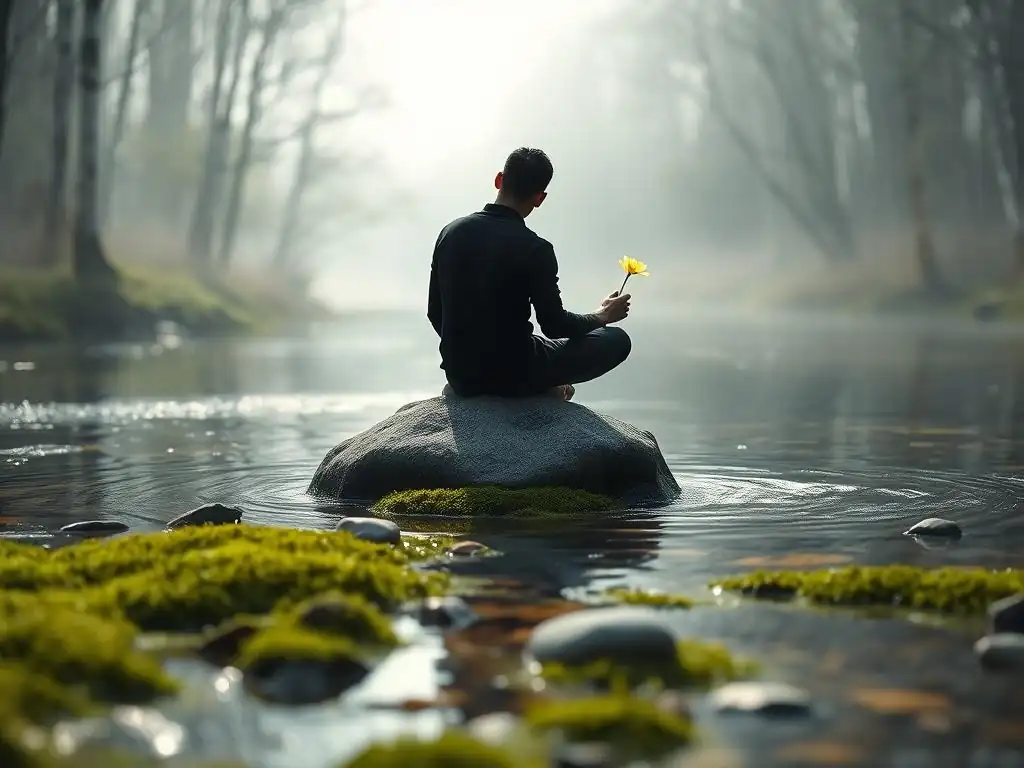
Mindful Walking in Nature: Paying Attention to the Present Moment
Mindful walking involves engaging your senses fully as you move through a natural environment. Instead of letting your mind wander or focusing on a destination, you intentionally bring your attention to the present moment: the feel of the ground beneath your feet, the sounds of birds or wind, the scent of trees or flowers, the sights of light filtering through leaves or the textures of bark.
This practice directly trains your attention by requiring you to gently redirect your focus back to sensory input whenever your mind drifts. It's a simple yet powerful way to cultivate outdoor focus benefits concentration through sensory engagement. Even a short 10-15 minute mindful walk can provide a significant mental refresh.
Forest Bathing (Shinrin-Yoku): Immersing Yourself in the Forest Atmosphere
Shinrin-yoku, or "forest bathing," is a practice originating in Japan that involves mindfully spending time in a forest environment, not necessarily hiking or exercising, but simply being present and absorbing the atmosphere. It encourages you to open your senses—smelling the forest air, listening to the sounds, observing the details of the trees and plants, and feeling the textures of the environment.
This immersive approach is designed to facilitate deep relaxation and restoration, allowing the 'soft fascination' of the forest to work its magic on your attention. It's a deliberate effort to slow down and connect with nature, yielding profound outdoor focus benefits concentration and stress reduction.
Gardening and Horticulture: Cultivating Attention Through Plants
Engaging in gardening or horticulture provides a hands-on way to cultivate focus outdoors. Activities like planting seeds, weeding, watering, or pruning require sustained, gentle attention to detail. You must observe the needs of the plants, notice subtle changes, and engage in repetitive, calming tasks that anchor your attention in the present moment.
Working with living things fosters patience and a sense of responsibility, naturally drawing your focus to the immediate task. This form of interaction with nature offers unique outdoor focus benefits concentration by combining physical activity with mindful observation and care.
Outdoor Meditation and Yoga: Finding Inner Peace and Focus
Practicing meditation or yoga outdoors combines the benefits of these disciplines with the restorative power of nature. Finding a quiet spot in a park, garden, or by a body of water can enhance the experience. The natural sounds and sights can act as gentle anchors for your attention during meditation, or provide a calming backdrop for yoga poses.
Meditating outdoors can make it easier to quiet the internal chatter and focus on your breath or a chosen point of attention. Similarly, practicing yoga outdoors allows you to connect with your body and the environment simultaneously, deepening your sense of presence and focus. These activities leverage the natural setting to amplify the outdoor focus benefits concentration offers through mindfulness and movement.
Nature Photography: Capturing Details and Enhancing Observation
Nature photography is an excellent activity for honing outdoor focus benefits concentration by requiring keen observation and attention to detail. When attempting to capture the beauty of the natural world through a lens, you must slow down, look closely at light, texture, composition, and the subtle movements of wildlife or plants.
This process trains your eye to notice aspects of nature you might otherwise overlook. It demands focused attention on the visual elements of the environment, enhancing your observational skills and appreciation for the intricate details of the natural world.
Creating Your Own Nature-Focused Routine for Better Concentration
Finding Green Spaces Near You
The first step to incorporating nature into your routine is identifying accessible green spaces. This might be a local park, a nature reserve, a community garden, a walking trail, or even a tree-lined street. Use online maps or local resources to locate options within a reasonable distance from your home or workplace. Even small patches of nature can offer some restorative benefits.
Don't feel pressured to find a pristine wilderness. The goal is simply to find an environment where you can step away from the intensity of urban life and connect with something natural. Prioritize locations that feel safe and offer a sense of calm, making it easier to achieve outdoor focus benefits concentration.
Incorporating Nature into Your Daily Life: Small Changes, Big Impact
Integrating nature doesn't require hours-long excursions. Even small, consistent doses can make a difference. Consider taking your lunch break in a nearby park, walking to work or school through a green space, or spending 15-20 minutes sitting outdoors each day. Bring plants into your home or workspace.
- Take a short walk in a park during your workday.
- Eat your meals outdoors when possible.
- Spend a few minutes observing the sky, trees, or birds from a window.
- Tend to houseplants or a small balcony garden.
- Listen to nature sounds during breaks.
These small changes, consistently applied, can gradually enhance your outdoor focus benefits concentration over time without requiring significant disruption to your schedule.
Minimizing Distractions While Outdoors: Creating a Focused Environment
While nature itself is less demanding than urban settings, it's still possible to bring distractions with you. To maximize the outdoor focus benefits concentration offers, try to minimize technological interruptions. Consider putting your phone on silent or airplane mode, or leaving it behind entirely for short periods.
If you're walking or sitting, try to resist the urge to multitask. Focus on the experience of being in nature. While it's okay for your mind to wander gently (this is part of the restoration process), try not to engage in demanding mental tasks like checking emails or planning complex projects. Allow yourself to simply be present in the environment.
Setting Realistic Goals for Outdoor Focus Sessions
Start small and be realistic about what you can achieve. If you're new to intentionally spending time in nature for focus, aim for 10-15 minutes a few times a week. As you become more comfortable and notice the benefits, you can gradually increase the duration or frequency of your outdoor sessions.
- Goal 1: Spend 15 minutes sitting in a park twice this week.
- Goal 2: Take a mindful walk during your lunch break three times next week.
- Goal 3: Commit to visiting a nature trail for 30 minutes on the weekend.
Setting achievable goals helps build a sustainable habit and ensures you consistently experience the outdoor focus benefits concentration provides.
Overcoming Challenges to Maintaining Focus in Nature

Dealing with Environmental Distractions: Noise, Weather, and Crowds
Even in nature, distractions can arise. Urban parks might have traffic noise, trails could be crowded, or the weather might be less than ideal. Acknowledge these factors without letting them derail your intention. If noise is an issue, try finding a quieter spot or using noise-canceling headphones with calming nature sounds (though ideally, you want to hear the actual nature sounds).
If a location is too crowded, explore alternative times or less popular spots. For weather, dress appropriately; a light rain or cool breeze can even enhance the sensory experience if you're prepared. The key is flexibility and adapting your approach to the conditions while still seeking out the outdoor focus benefits concentration offers.
Managing Internal Distractions: Thoughts, Emotions, and Worries
Internal distractions—the constant stream of thoughts, worries, and emotions—can follow us anywhere, including into nature. It's unrealistic to expect your mind to become completely blank. The practice is not about stopping thoughts, but about noticing them without judgment and gently redirecting your attention back to the present moment and the natural environment.
Use mindfulness techniques learned during activities like mindful walking or meditation. When your mind wanders to work stress or personal concerns, simply acknowledge the thought and consciously bring your awareness back to the sounds, sights, smells, or sensations of being outdoors. This gentle redirection is a core skill in cultivating outdoor focus benefits concentration.
Staying Motivated to Spend Time Outdoors Regularly
Maintaining a consistent outdoor routine can be challenging amidst busy schedules and competing demands. Find ways to make it enjoyable and integrated into your life. Combine nature time with other activities you enjoy, such as listening to a podcast (during a less mindful walk), meeting a friend for a park visit, or bringing a sketchbook or journal.
Track your progress and notice the positive impact on your mood, stress levels, and ability to focus. Reminding yourself of the tangible outdoor focus benefits concentration brings can be a powerful motivator. Schedule nature time like any other important appointment to ensure it happens.
The Long-Term Impact of Nature Exposure on Mental Well-being and Focus
Preventing Cognitive Decline: Protecting Your Brain Health
Regular exposure to nature may offer long-term benefits for brain health, including potentially reducing the risk of cognitive decline as we age. The restorative effects on attention, combined with stress reduction and opportunities for gentle physical activity, create an environment that supports neurological health.
Studies on older adults have suggested that living in areas with greater access to green spaces is associated with better cognitive function and a slower rate of cognitive decline. While more research is needed, the cumulative outdoor focus benefits concentration provides over a lifetime likely contribute to maintaining a healthy and resilient brain.
Reducing Stress and Anxiety: Creating a Sense of Calm
Nature is a powerful stress reducer. Spending time outdoors has been shown to lower levels of stress hormones like cortisol, reduce blood pressure, and decrease heart rate. The calming effect of natural environments creates a state of mind that is conducive to both relaxation and improved focus.
By regularly lowering stress and anxiety, nature helps create a more stable and less agitated mental state. This reduction in mental clutter and emotional turbulence makes it significantly easier to concentrate when needed. The sense of peace and calm experienced in nature is a fundamental aspect of the outdoor focus benefits concentration offers, allowing the mind to settle and clarify.
Fostering a Deeper Connection with the Natural World
Beyond the specific cognitive benefits, regular time spent outdoors fosters a deeper connection with the natural world. This connection can lead to increased feelings of awe, wonder, and interconnectedness, which have their own positive impacts on mental well-being. Developing an appreciation for nature can provide a sense of perspective and grounding.
This relationship with nature can become a source of ongoing support for mental health, offering a reliable escape and a place for restoration. As you become more attuned to the rhythms and beauty of the natural world, you may find it easier to access the outdoor focus benefits concentration provides simply by stepping outside.
Conclusion: Embracing the Power of Nature for Enhanced Outdoor Focus Benefits
Reaffirming the Importance of Nature for Cognitive Health
The science is clear: nature is not just a pleasant backdrop for recreation; it is a vital resource for our cognitive health, particularly our ability to focus and concentrate. In a world saturated with distractions, the restorative power of natural environments offers a much-needed antidote to mental fatigue and attentional overload. The outdoor focus benefits concentration provides are significant and well-supported by research.
From the theoretical framework of Attention Restoration Theory to empirical studies showing improved memory and reduced symptoms of attention deficits, spending time outdoors actively helps us sharpen our minds. Embracing nature is a simple, accessible, and powerful strategy for anyone seeking to enhance their cognitive performance and overall mental well-being.
Encouraging Readers to Explore the Outdoors and Experience the Benefits Firsthand
We encourage you to step outside and experience the outdoor focus benefits concentration firsthand. Start small, perhaps with a mindful walk in a nearby park or simply spending a few minutes observing nature from your window. Experiment with different activities like gardening, outdoor meditation, or nature photography to find what resonates most with you.
Make a conscious effort to incorporate nature into your routine, even in small doses. Minimize distractions and allow yourself to be present in the natural environment. The benefits extend far beyond improved focus, encompassing reduced stress, enhanced creativity, and a deeper connection with the world around you. Your brain will thank you for the break.
Resources for Further Learning about Nature and Mental Well-being
For those interested in delving deeper into the profound connection between nature and mental health, numerous resources are available. Books on Attention Restoration Theory provide a detailed scientific background, while guides to practices like Shinrin-yoku offer practical steps for immersive nature experiences. Organizations focused on environmental psychology and nature therapy also provide valuable information and research findings. Exploring these resources can further illuminate the incredible outdoor focus benefits concentration offers and inspire you to make nature a more central part of your well-being journey.
Frequently Asked Questions
How does spending time outdoors improve concentration?
Being in nature reduces mental fatigue and allows the brain to rest from directed attention, leading to increased focus afterward. This is often described as Attention Restoration Theory.
What specific outdoor activities are most beneficial for boosting concentration?
Activities like walking, hiking, gardening, or simply sitting in a park can be beneficial. The key is to engage in activities that are mindful and relaxing, rather than stressful or overly stimulating.
How much time outdoors is needed to experience the benefits of improved concentration?
Even short periods of time can make a difference. Studies suggest that as little as 20-30 minutes spent in nature can lead to noticeable improvements in attention and cognitive function.
What are some ways to incorporate more outdoor time into a busy schedule?
Try taking a walk during your lunch break, having meetings outdoors, or working near a window with a view of nature. Even small changes can help you reap the focus-boosting benefits of the outdoors.
Are there specific environments that are more effective for enhancing concentration?
Environments with natural sounds, like birdsong or flowing water, are particularly effective. Places with minimal distractions and lush greenery tend to be the most restorative.
Final Reflection: Reclaiming Focus in Nature's Embrace
The relentless demands of modern life often leave us feeling scattered and depleted, struggling to maintain focus. But what if the solution to this pervasive problem lay not in more productivity hacks, but in a simple return to nature? This article explored the profound impact of outdoor environments on our attention spans, revealing the restorative power of natural settings to calm the mind and sharpen concentration. The evidence is clear: nature isn't just a pleasant backdrop; it's a crucial ingredient in cultivating sustained focus.
The shift towards recognizing the therapeutic benefits of nature is not merely a trend; it's a vital correction to our increasingly technology-driven world. We've become so accustomed to constant stimulation that our brains struggle to find peace and quiet. This disconnect from the natural world has far-reaching consequences, impacting everything from our mental well-being to our overall productivity. As renowned environmental psychologist Rachel Kaplan once stated, Attention restoration theory suggests that people can recover from mental fatigue by spending time in nature.
This simple yet powerful observation underscores the importance of incorporating outdoor time into our daily routines, not as a luxury, but as a necessity for optimal cognitive function.
Now, consider your own relationship with nature. How often do you consciously seek out green spaces? Do you actively incorporate outdoor activities into your day, even if it's just a short walk? I urge you to make a conscious effort to reconnect with the natural world. Even brief periods spent amidst nature's tranquility can significantly enhance your ability to focus, reduce stress, and ultimately, live a more balanced and fulfilling life. Start small – a walk in the park, a mindful moment in your garden – and experience the transformative power of nature's restorative embrace.
Unleash Your Focus: Reconnect with Nature's Power
Thanks for taking the time to explore the restorative power of nature on your focus! We hope you gained valuable insights into how the outdoors can sharpen your mind and calm your spirit. Now it's time to put this knowledge into practice.
- Prioritize a Nature Break: Schedule at least 15 minutes today to step outside and consciously engage with your surroundings. Notice the sights, sounds, and smells—truly be present. This is your first step towards a more focused you.
- Share Your Experience: Tell us (and others!) about your nature break. What did you notice? How did it make you feel? Sharing your experiences can inspire others to find their own focus outdoors.
- Experiment with Different Settings: Explore different natural environments—a park, a forest, even your own backyard! See how varying settings affect your focus and find your ideal nature sanctuary.
Ready to discover your own path to enhanced focus through nature? What small step will you take today to reconnect with the restorative power of the outdoors?