
Soothe Your Soul: Practical Techniques for SelfComfort

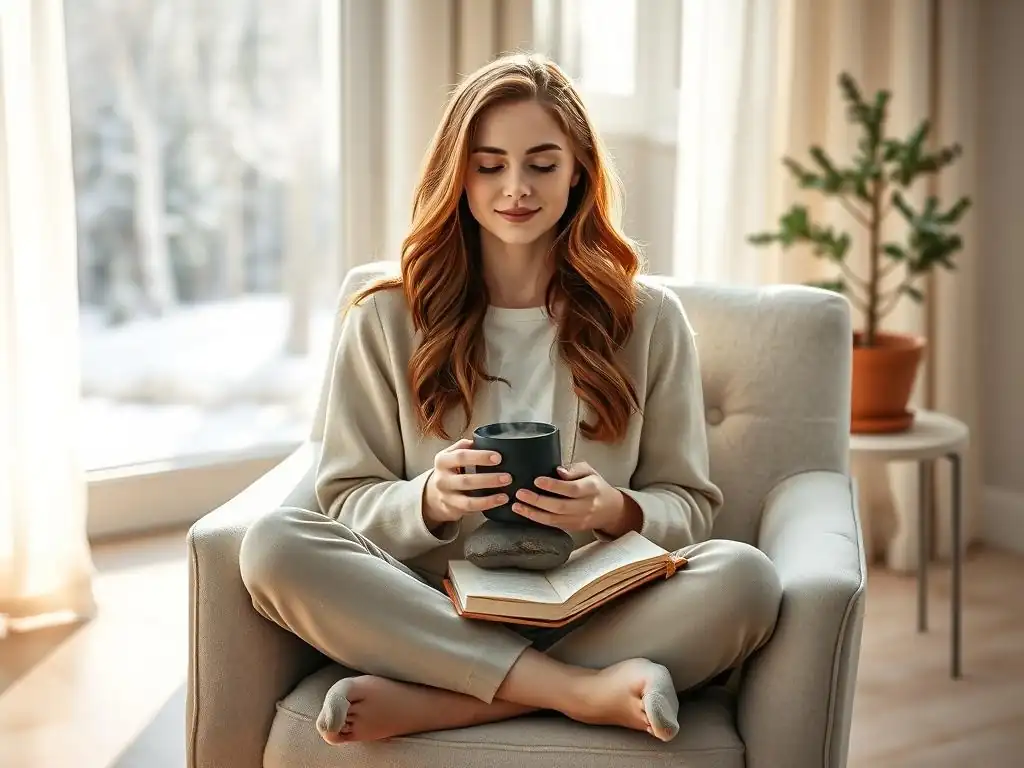
Welcome to Mind Care Guide.
Feeling overwhelmed and searching for a gentle path back to yourself? We understand. Anxiety can feel like a relentless storm, but inner peace is always within reach. This week, we're diving into Selfcomfort techniques for anxiety, offering practical and compassionate strategies to help you navigate those turbulent moments. Ready to discover how to soothe your soul and cultivate a sense of calm, even amidst the chaos? Let's begin.
Soothe Your Soul: Practical Techniques for Self-Comfort
- Understanding the Need for Self-Comfort Techniques in Managing Anxiety
- Effective Self-Comfort Techniques for Anxiety Relief
- Creating Your Personalized Self-Comfort Toolkit for Anxiety
- Overcoming Challenges in Practicing Self-Comfort
- The Long-Term Benefits of Self-Comfort for Mental Health
- Conclusion: Embracing Self-Comfort as a Key to Anxiety Management and Well-being
-
Frequently Asked Questions
- What are self-comfort techniques, and how can they help with anxiety?
- What are some readily accessible self-comfort techniques I can try right now?
- How often should I practice self-comfort techniques to effectively manage anxiety?
- Are self-comfort techniques a replacement for professional mental health treatment?
- What if self-comfort techniques don't seem to be working for me?
- Final Reflection: Cultivating Inner Peace Through Self-Comfort
- Unleash Your Inner Calm: Start Your Self-Comfort Journey Now!
Understanding the Need for Self-Comfort Techniques in Managing Anxiety
The Link Between Anxiety and Self-Soothing
Anxiety is a natural human response, but when it becomes chronic or overwhelming, it can significantly impact daily life. It often manifests as excessive worry, restlessness, difficulty concentrating, and physical symptoms like a racing heart or shortness of breath. In this heightened state, the nervous system is on high alert, making it difficult to find calm. This is where the practice of self-soothing, a core component of effective self-comfort techniques for anxiety, becomes vital. Self-soothing involves consciously engaging in activities that calm your nervous system and provide a sense of security and ease during moments of distress.
Developing effective self-comfort techniques for anxiety acts as a personal antidote to the body's stress response. It's about learning to regulate intense emotions and physiological arousal without relying solely on external factors or unhelpful coping mechanisms. Think of it as building an internal safety net.
When anxiety spikes, instead of being swept away by the flood of symptoms, you have a repertoire of gentle actions you can take to ground yourself, reduce the intensity of the feeling, and regain a sense of control. This proactive approach is fundamental to managing anxiety in the long term, shifting from a reactive state to one of empowered self-regulation.
Recognizing Your Personal Anxiety Triggers
Understanding what specifically triggers your anxiety is a foundational step in applying self-comfort techniques effectively. Triggers can be external, like social situations, public speaking, or specific places, or internal, such as certain thoughts, memories, or physical sensations.
For example, someone might find that the sound of a loud, sudden noise instantly elevates their heart rate and brings on anxious thoughts, while another might feel anxiety surge when they receive an unexpected email. Identifying these personal cues allows you to anticipate moments when anxiety might escalate and prepare your self-comfort strategies in advance, rather than waiting until you are already overwhelmed.
Keeping a simple anxiety journal can be incredibly insightful for pinpointing these triggers. Note when anxiety arises, what you were doing, where you were, who you were with, and what thoughts were going through your mind. Over time, patterns will likely emerge.
Perhaps Friday evenings alone consistently lead to feelings of unease, or maybe deadlines at work reliably bring on physical tension and worry. Once you recognize these patterns, you can consciously employ your chosen self-comfort techniques for anxiety before or as a trigger occurs, significantly mitigating the potential impact and reducing the overall duration and intensity of the anxious episode.
Why Self-Comfort is Crucial for Mental Well-being
Self-comfort is far more than just a temporary fix; it is a cornerstone of robust mental well-being, especially for individuals navigating anxiety. It teaches you self-reliance and empowers you to take an active role in managing your emotional state. Regularly practicing self-comfort techniques for anxiety reinforces the message to yourself that your feelings are valid and that you are capable of caring for yourself with compassion.
This internal validation is crucial because anxiety often comes with self-criticism or feelings of inadequacy. By actively choosing to comfort yourself, you counteract these negative internal messages and build a stronger sense of self-worth.
Furthermore, consistent self-comfort practices contribute to building emotional resilience. Each time you successfully use a technique to navigate a wave of anxiety, you strengthen your ability to cope with future challenges. It's like building emotional muscle memory.
Over time, the nervous system learns that it can return to a state of calm, even after being activated. This reduces the overall stress burden on the body and mind, preventing burnout and improving overall mood, focus, and energy levels. Integrating self-comfort techniques for anxiety into your daily life isn't a luxury; it's a necessary investment in your enduring mental health and capacity to thrive.
Effective Self-Comfort Techniques for Anxiety Relief
Grounding Techniques for Immediate Anxiety Relief
When anxiety hits, particularly in the form of panic or dissociation, grounding techniques are invaluable self-comfort techniques for anxiety that anchor you firmly in the present moment. They work by shifting your focus away from anxious thoughts or overwhelming feelings and towards concrete sensory input from your immediate environment. This interrupts the anxiety spiral and brings you back to reality. Grounding is not about making the anxiety disappear entirely, but about creating space from it so you can think more clearly and regain control.
These techniques are portable and can be used anywhere, anytime, making them incredibly practical self-comfort techniques for anxiety relief. They require no special equipment and can often be done discreetly. By engaging your senses or focusing on simple, repetitive actions, you redirect the brain's attention from abstract worries to tangible reality. For someone experiencing a panic attack, for instance, grounding can provide a crucial lifeline, preventing them from feeling completely overwhelmed and helping them navigate through the peak of the distress.
The 5-4-3-2-1 Grounding Exercise for Anxiety
The 5-4-3-2-1 technique is a popular and effective grounding exercise, serving as a quick self-comfort technique for anxiety. It systematically guides you through using your five senses to connect with your surroundings. To practice it, take a moment to pause and take a few deep breaths. Then, look around and notice 5 things you can see.
This could be the color of the wall, a book on a shelf, or the pattern on the floor. Next, identify 4 things you can feel or touch. This might be the texture of your clothes, the chair beneath you, the feel of your feet on the ground, or the air on your skin.
Continue by listing 3 things you can hear. This could be distant traffic, the hum of a computer, the sound of your own breathing, or birds outside. Then, acknowledge 2 things you can smell. This might be coffee brewing, a scented candle, the scent of rain, or even just the neutral smell of the air.
Finally, notice 1 thing you can taste. This could be the lingering taste from your last drink or meal, or you might keep a mint or small candy specifically for this step. This simple, structured process brings your awareness back to the immediate physical world, significantly reducing the intensity of anxious thoughts and feelings.
Focused Breathing for Calming Anxiety
Focused breathing is perhaps one of the most accessible and powerful self-comfort techniques for anxiety. When we are anxious, our breathing often becomes shallow, rapid, or irregular, which can exacerbate physical anxiety symptoms like dizziness or a racing heart. Consciously slowing down and regulating your breath sends a signal to your nervous system that you are safe, helping to deactivate the fight-or-flight response. Simple deep breathing exercises can be done anywhere, anytime, making them an immediate tool in your self-comfort toolkit.
A common and effective focused breathing technique is box breathing (also known as square breathing). This involves inhaling slowly for a count of four, holding the breath for a count of four, exhaling slowly for a count of four, and holding the breath out for a count of four, then repeating the cycle.
Another simple method is diaphragmatic breathing, focusing on expanding your abdomen as you inhale, rather than just your chest. Practicing these techniques for just a few minutes can significantly lower your heart rate, reduce muscle tension, and clear your mind, offering tangible relief from acute anxiety symptoms.
Sensory Self-Comfort: Engaging Your Senses for Anxiety Reduction
Engaging your senses is a highly effective category of self-comfort techniques for anxiety, as it leverages the direct connection between sensory input and emotional states. By intentionally stimulating one or more of your senses in a pleasant or calming way, you can shift your focus away from internal distress and towards external comfort. This can be a particularly powerful strategy when anxious thoughts are looping or when you feel disconnected from your body.
Building a repertoire of sensory self-comfort techniques for anxiety allows you to create a personalized "sensory sanctuary" that you can access whenever needed. This might involve curating specific playlists, stocking up on certain textures or scents, or having particular foods or drinks on hand. The key is to identify which sensory experiences are genuinely soothing and comforting to you. What one person finds calming, another might find irritating, so exploration and personalization are important in building this aspect of your self-comfort toolkit.
The Power of Music for Soothing Anxiety
Music has a profound impact on our mood and physiological state, making it an excellent self-comfort technique for anxiety. Listening to calming music can slow your heart rate, lower blood pressure, and reduce levels of stress hormones like cortisol. Instrumental music, classical pieces, nature sounds, or ambient tracks are often recommended for their ability to promote relaxation without the distraction of lyrics. A study published in the Journal of Music Therapy found that listening to music could significantly reduce anxiety levels in patients undergoing medical procedures.
Creating a dedicated playlist of calming or uplifting music that resonates with you is a simple yet powerful strategy. Keep this playlist easily accessible on your phone or computer so you can turn to it the moment anxiety begins to rise. You might have one playlist for gentle relaxation and another with more upbeat, positive tunes to shift your mood. The act of choosing and focusing on the music itself can also be a form of mindful engagement, further distracting from anxious thoughts and providing a soothing auditory escape.
Aromatherapy for Anxiety: Scents That Promote Calm
Aromatherapy, using essential oils or scented products, is another sensory-based self-comfort technique for anxiety that can be quite effective for some individuals. Certain scents have been traditionally associated with relaxation and stress reduction. Lavender is perhaps the most well-known, often used to promote sleep and reduce anxiety. Chamomile, bergamot, frankincense, and ylang-ylang are other scents frequently cited for their calming properties. The limbic system, which processes emotions and memories, is directly connected to the olfactory system (our sense of smell), which is why scents can have such an immediate impact on our mood.
You can incorporate calming scents into your self-comfort routine in various ways. This might involve using an essential oil diffuser in your home or office, applying a roll-on essential oil blend to your wrists, taking a bath with scented bath salts, or simply keeping a small bottle of a calming scent to inhale directly when needed.
It's important to use high-quality essential oils and follow safety guidelines, especially regarding dilution and application to the skin. Finding the scents that personally bring you a sense of peace and incorporating them mindfully can provide a quick and pleasant pathway to reducing anxiety.
Comforting Textures: Using Touch to Ease Anxiety
Engaging the sense of touch is a grounding and soothing self-comfort technique for anxiety that is often overlooked. Physical sensations can be incredibly calming and help draw your attention away from anxious thoughts. This could involve interacting with objects that have a pleasant texture, like a soft blanket, a smooth stone, a fuzzy sweater, or even the comforting weight of a pet's fur. The tactile input provides a tangible anchor in the present moment and can have a calming effect on the nervous system.
Consider keeping a "comfort object" handy, such as a worry stone, a small piece of soft fabric, or a stress ball. Simply holding and focusing on the texture of this object when you feel anxious can provide gentle distraction and tactile reassurance. Other ways to use touch include wrapping yourself in a warm blanket, taking a warm shower or bath, or even giving yourself a gentle hand massage. These simple physical actions provide soothing input to your nervous system, making them effective and accessible self-comfort techniques for anxiety relief.
Cognitive Self-Comfort Strategies: Reframing Anxious Thoughts
Beyond sensory and physical techniques, cognitive strategies are essential self-comfort techniques for anxiety that address the root of much anxious distress: negative thought patterns. Anxiety often manifests as excessive worry, catastrophic thinking, and a focus on potential threats. Learning to identify and challenge these thought patterns is a powerful way to reduce their impact and cultivate a more balanced perspective. This isn't about ignoring your feelings, but about examining the thoughts that fuel them and developing healthier ways of responding to them.
These cognitive techniques empower you to become more aware of your internal dialogue and actively work to shift it. They require practice and patience, as established thought patterns can be deeply ingrained, but the ability to reframe negative thinking is a long-term skill that significantly enhances your capacity to manage anxiety. By changing how you think about a situation or a feeling, you can change how you feel about it, making these crucial self-comfort techniques for anxiety management.
Positive Self-Talk for Anxiety Management
Positive self-talk involves consciously replacing negative, anxious thoughts with more balanced, realistic, or encouraging affirmations. When anxiety tells you "You're going to fail" or "You can't handle this," positive self-talk counters with statements like "I can handle challenging situations" or "This feeling is temporary, and I can cope." This isn't about denying reality, but about choosing to focus on your strengths, capabilities, and the possibility of positive outcomes. For example, instead of dwelling on a potential mistake, you might tell yourself, "I am prepared, and I will do my best. Whatever happens, I can learn from it."
Developing positive self-talk as a self-comfort technique for anxiety requires identifying common negative phrases you use internally and preparing alternative, more supportive statements. You can write these down and repeat them to yourself when anxiety arises. Research, including studies on cognitive behavioral therapy principles, supports the idea that changing your internal narrative can influence your emotional state. Regularly practicing positive self-talk helps to rewire your brain's response to stress and builds a more compassionate internal environment, making it easier to navigate anxious moments.
Challenging Negative Thoughts and Cognitive Distortions
Anxiety is often fueled by cognitive distortions – irrational ways of thinking that twist reality. Common distortions include catastrophizing (assuming the worst possible outcome), black-and-white thinking (seeing things only in extremes), overgeneralization (seeing a single negative event as part of a never-ending pattern), and mind reading (assuming you know what others are thinking, usually negatively). Recognizing and challenging these distortions is a core cognitive self-comfort technique for anxiety.
When you notice an anxious thought, ask yourself: Is this thought based on facts or feelings? What evidence do I have for this thought? What evidence is there against it? What's a more realistic perspective?
For instance, if you think "Everyone thinks I'm incompetent" (mind reading/overgeneralization), challenge it by asking, "Do I have concrete proof of this? Have people told me this? Is it possible some people feel neutral or even positive about me?" By systematically questioning the validity of your anxious thoughts, you weaken their power and prevent them from spiraling, making this a vital skill in your collection of self-comfort techniques for anxiety.
Physical Self-Comfort Practices: Nurturing Your Body for Anxiety
Our physical and mental states are deeply interconnected. Nurturing your body through physical self-comfort practices is a fundamental approach to managing anxiety. Physical tension is a common symptom of anxiety, and engaging in activities that release this tension and promote overall physical well-being can significantly reduce mental distress. These practices are proactive ways to build resilience and provide comfort to a body that might be feeling the physical strain of chronic anxiety.
These physical self-comfort techniques for anxiety range from active movement to passive relaxation and focus on honoring your body's needs. They help regulate the nervous system, improve sleep quality, and can release endorphins, which have mood-boosting effects. Incorporating these practices regularly, not just when anxiety is high, builds a foundation of physical health that supports mental resilience, making you better equipped to handle anxious episodes when they arise.
Gentle Exercise and Movement for Anxiety Reduction
Engaging in gentle physical activity is a well-documented self-comfort technique for anxiety. Exercise releases neurotransmitters like endorphins, serotonin, and dopamine, which can improve mood and reduce stress levels. Even light to moderate exercise, such as a brisk walk, gentle yoga, or stretching, can have a significant calming effect. It provides a healthy outlet for pent-up energy and tension that often accompanies anxiety. A meta-analysis published in the Journal of Affective Disorders reviewed studies showing that physical activity can be effective in reducing symptoms of anxiety.
Finding movement you enjoy is key. It doesn't have to be intense; even 20-30 minutes of walking outdoors can be incredibly beneficial. Focus on the sensation of movement in your body and your surroundings, turning the activity into a form of moving meditation. Regular physical activity not only helps manage acute anxiety but also contributes to overall long-term mental health, strengthening your body's ability to cope with stress and making it a powerful tool among self-comfort techniques for anxiety.
Creating a Comforting Sleep Routine to Manage Anxiety
Sleep is crucial for both physical and mental health, and poor sleep can significantly worsen anxiety symptoms. Establishing a comforting and consistent sleep routine is therefore a vital self-comfort technique for anxiety management. This involves creating a relaxing set of activities leading up to bedtime that signal to your body it's time to wind down. Examples include taking a warm bath, reading a physical book, listening to calming music or a podcast, or doing some gentle stretching.
A consistent sleep schedule is also important – trying to go to bed and wake up around the same time each day, even on weekends, helps regulate your body's internal clock. Creating a comfortable sleep environment – dark, quiet, and cool – also contributes to better sleep quality.
Avoiding screens (phones, tablets, TVs) for at least an hour before bed is highly recommended, as the blue light can interfere with melatonin production. Prioritizing and protecting your sleep through a dedicated routine is a powerful, foundational self-comfort technique for anxiety, as it directly impacts your nervous system's ability to regulate itself.
Nourishing Your Body with Healthy Foods for Anxiety
What you eat can influence how you feel, making proper nutrition a supportive self-comfort technique for anxiety. While no specific diet is a cure for anxiety, focusing on balanced meals and avoiding excessive caffeine, sugar, and processed foods can help stabilize blood sugar levels and reduce mood swings that might exacerbate anxiety. Nutrient deficiencies, such as magnesium or B vitamins, have also been linked to increased anxiety in some individuals.
Focus on incorporating whole foods like fruits, vegetables, lean proteins, and healthy fats into your diet. Omega-3 fatty acids, found in fish like salmon, flaxseeds, and walnuts, are particularly beneficial for brain health and have been associated with reduced anxiety symptoms. Staying well-hydrated by drinking plenty of water throughout the day is also important, as dehydration can sometimes manifest as symptoms similar to anxiety, like dizziness or palpitations. Treating your body with nourishing foods is an act of self-care that supports your mental resilience and complements other self-comfort techniques for anxiety.
Creating Your Personalized Self-Comfort Toolkit for Anxiety
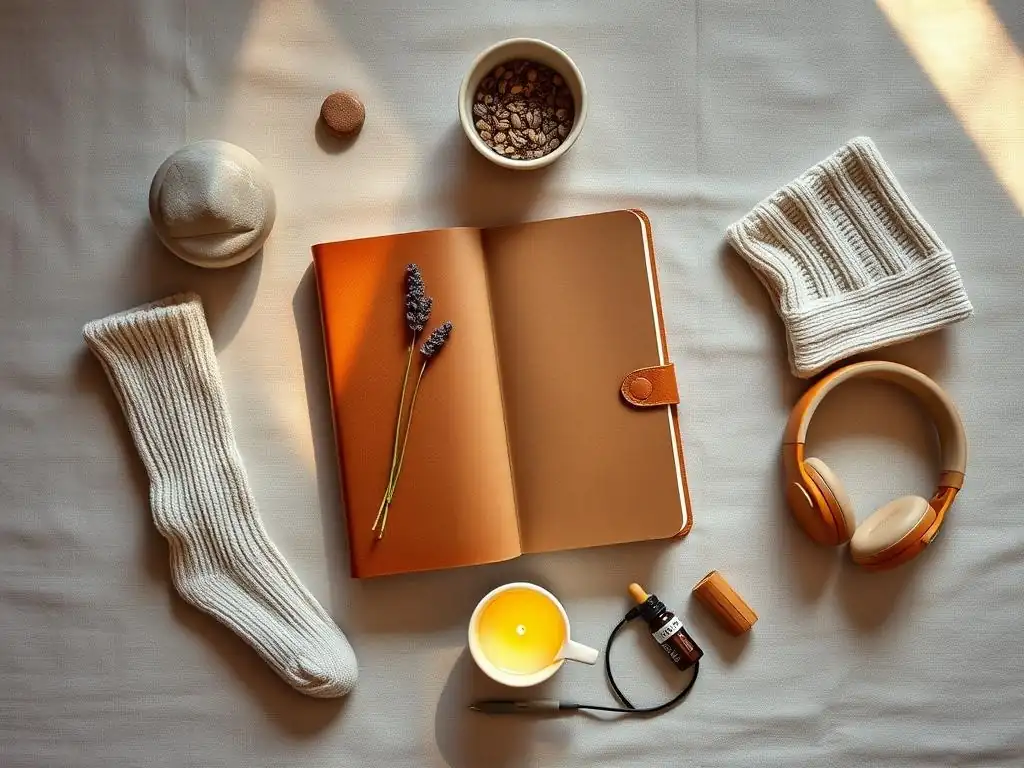
Developing a personalized self-comfort toolkit is key to effectively managing anxiety. It's not about adopting every technique listed but identifying which ones resonate most with you and are most effective in calming your unique anxiety responses. A toolkit is a collection of strategies and resources you can turn to when you need comfort, support, or a moment of calm. Building this toolkit requires self-reflection and experimentation to discover what truly soothes your soul.
Think of your toolkit as a dynamic resource that you can adapt and expand over time. What works one day might not work the next, or a technique that is helpful for mild anxiety might not be sufficient during a panic attack. Having a variety of options allows you to choose the most appropriate self-comfort technique for anxiety based on the situation and the intensity of your feelings. This process empowers you to take ownership of your well-being and build a reliable system of support for yourself.
Identifying Your Go-To Self-Comfort Activities
The first step in building your toolkit is identifying specific activities that genuinely bring you comfort and reduce your anxiety. This involves paying attention to what makes you feel calm, safe, and grounded. Do you feel better after listening to a certain type of music? Is wrapping up in a specific blanket instantly soothing? Does a walk in nature clear your head? Make a list of everything that comes to mind, no matter how simple it seems. This might include activities like journaling, drawing, spending time with a pet, gardening, cooking a comforting meal, or doing a jigsaw puzzle.
Experiment with different techniques from the categories discussed – grounding, sensory, cognitive, and physical. Try the 5-4-3-2-1 technique, listen to your calming playlist, challenge a negative thought, or take a few deep breaths. Note how each activity makes you feel before and after. Which ones provide the most relief? Which are easiest to implement when you're feeling overwhelmed? Your "go-to" self-comfort techniques for anxiety are the ones that are most accessible, effective, and enjoyable for you personally.
Building a Self-Comfort Routine for Daily Anxiety Management
While self-comfort techniques are crucial for reactive moments of anxiety, incorporating them into a proactive daily routine can significantly reduce overall anxiety levels. Just like brushing your teeth, integrating small acts of self-comfort throughout your day helps maintain a baseline of calm and resilience. This doesn't require hours of dedicated time; even 5-10 minutes allocated to a comforting activity can make a difference.
Consider adding a self-comfort practice to your morning, midday, or evening routine. This could be 10 minutes of focused breathing or meditation upon waking, a short walk during your lunch break, listening to a calming podcast on your commute, or spending 15 minutes reading before bed. Regularly engaging in these small acts of self-care strengthens your capacity to handle stress and prevents anxiety from building up. Consistency is key to making these self-comfort techniques for anxiety a sustainable part of your life.
Adapting Your Self-Comfort Techniques to Different Situations
Anxiety can strike in various situations, from being at home to being in a crowded public place or during a stressful meeting. Your self-comfort toolkit should include techniques that are adaptable to different contexts. Some techniques, like wrapping in a blanket or taking a bath, are best suited for private, relaxed settings. Others, like focused breathing, the 5-4-3-2-1 grounding exercise, or using a small comfort object, are discreet and can be used almost anywhere.
When building your toolkit, think about where and when you typically experience anxiety. If social situations are challenging, practice discreet grounding techniques you can use while talking to someone. If work stress is a trigger, identify cognitive strategies or quick breathing exercises you can do at your desk. Having a range of self-comfort techniques for anxiety that you can deploy regardless of your environment ensures you are always prepared to offer yourself comfort and support when you need it most.
Overcoming Challenges in Practicing Self-Comfort
Even with a well-stocked toolkit, practicing self-comfort techniques for anxiety isn't always easy. There can be internal resistance, external barriers like lack of time, or moments when anxiety feels too overwhelming for techniques to feel effective. Recognizing these common challenges is the first step to overcoming them and maintaining consistent self-care practices. It's important to approach these difficulties with patience and self-compassion, understanding that building new habits takes time and effort.
Challenges are a normal part of the process. They don't mean you're failing; they simply highlight areas where you might need to adjust your approach or seek additional support. Addressing resistance, finding practical ways to incorporate self-comfort into a busy life, and knowing when to reach out for professional help are crucial aspects of making self-comfort techniques for anxiety a sustainable and effective part of your well-being strategy.
Addressing Resistance to Self-Comfort
Resistance to self-comfort can manifest in various ways: feeling like you don't deserve comfort, believing you don't have time, feeling awkward or silly trying the techniques, or simply feeling like they won't work. These thoughts often stem from ingrained beliefs about self-worth, productivity culture, or past experiences where attempts at self-soothing weren't encouraged or effective. It's important to identify the specific thoughts or feelings that arise when you consider practicing self-comfort.
Challenge these resistant thoughts using some of the cognitive techniques discussed earlier. Ask yourself: Is this thought true? Where does this belief come from? What would I tell a friend who felt this way? Sometimes, starting small can help overcome resistance. Commit to just 5 minutes of a chosen self-comfort technique for anxiety. The experience of even a small amount of relief can be motivating. Be kind to yourself; acknowledge the resistance without judgment and gently redirect yourself towards the practice, celebrating small wins.
Finding Time for Self-Comfort in a Busy Schedule
One of the most common barriers to practicing self-comfort techniques for anxiety is the perception of not having enough time. Modern life is often hectic, and self-care can feel like a luxury rather than a necessity. However, viewing self-comfort as a critical investment in your energy and capacity, rather than an optional add-on, can shift your perspective. Just as you make time for work or appointments, scheduling time for self-comfort is essential for preventing burnout and managing anxiety effectively.
Look for small pockets of time throughout your day. Can you do 5 minutes of deep breathing during your commute? Can you listen to calming music while doing chores? Can you spend 10 minutes stretching before bed? Batching activities can also help; for example, combining listening to a podcast with a calming walk. Prioritize one or two key self-comfort techniques for anxiety that give you the most benefit for the time invested. Even incorporating micro-moments of self-comfort (like a few deep breaths at your desk) can make a difference over time.
Seeking Professional Help When Self-Comfort Isn't Enough
While self-comfort techniques are powerful tools, it's important to recognize that they are often complementary to, not a replacement for, professional support, especially when dealing with moderate to severe anxiety or an anxiety disorder. If your anxiety is persistent, significantly interferes with your daily life, or if you find that self-comfort techniques for anxiety provide only minimal or temporary relief, it may be time to seek help from a mental health professional.
Therapists, particularly those trained in cognitive behavioral therapy (CBT) or acceptance and commitment therapy (ACT), can provide evidence-based strategies for understanding and managing anxiety that go beyond self-comfort. Medication may also be an option in some cases. Reaching out for professional help is a sign of strength and self-awareness, not failure. A mental health professional can help you develop a comprehensive treatment plan that includes self-comfort techniques alongside other therapeutic approaches, ensuring you have the most effective support system in place.
The Long-Term Benefits of Self-Comfort for Mental Health
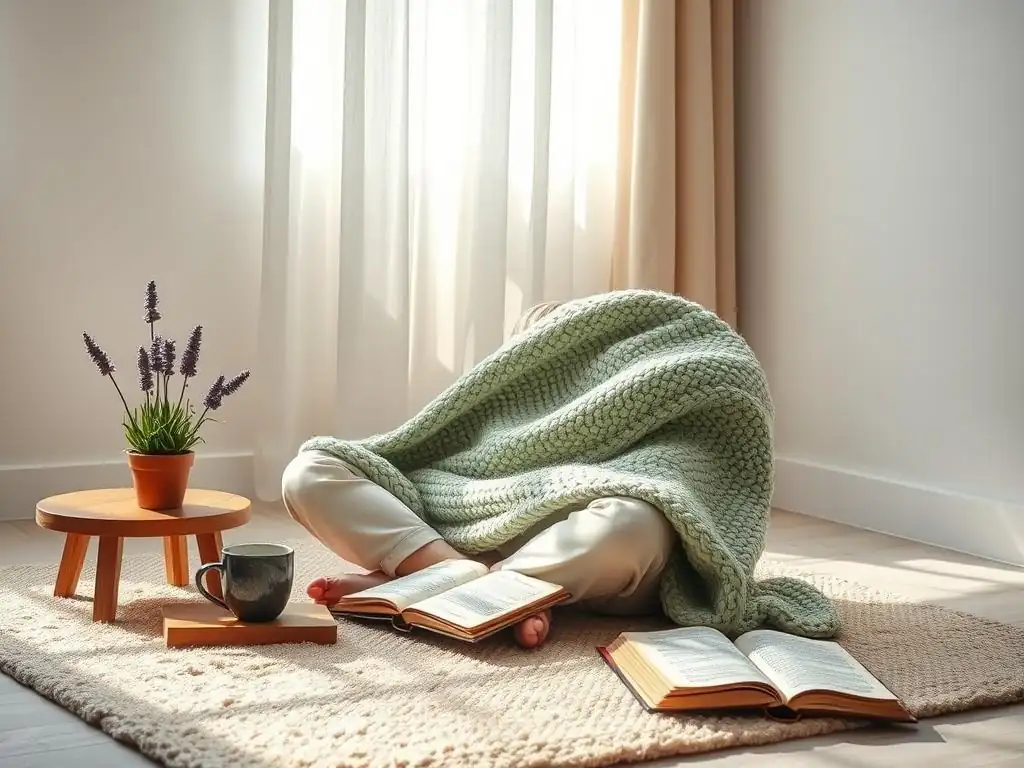
Regularly integrating self-comfort techniques for anxiety into your life yields significant long-term benefits that extend far beyond simply managing acute anxious episodes. These practices contribute to overall mental resilience, foster a healthier relationship with yourself, and help cultivate a more positive and balanced perspective on life's challenges. It's an investment in your emotional well-being that pays dividends over time, creating a more stable and fulfilling inner life.
By consistently choosing to care for yourself, you build a foundation of inner strength that helps you navigate not just anxiety, but all of life's ups and downs. These long-term benefits are a testament to the power of self-compassion and proactive self-care, solidifying the importance of self-comfort techniques for anxiety as a core component of holistic mental health.
Building Resilience Through Self-Comfort Practices
Resilience is the ability to bounce back from stress, adversity, and challenges. Regularly practicing self-comfort techniques for anxiety helps build this crucial trait. Each time you successfully use a technique to navigate an anxious moment, you reinforce your capacity to cope. You learn that you possess the internal resources to soothe yourself, even when things feel difficult. This builds confidence in your ability to handle future stressors.
Furthermore, consistent self-comfort practices regulate your nervous system, reducing the cumulative impact of chronic stress. When your nervous system is less reactive, you are better equipped to handle challenges without becoming overwhelmed. Think of it like training for a marathon; consistent practice makes you stronger and more prepared for the difficult parts of the race. Similarly, regular use of self-comfort techniques for anxiety strengthens your emotional muscles, making you more resilient in the face of stress and uncertainty.
Fostering Self-Compassion and Acceptance
Anxiety often comes hand-in-hand with self-criticism and a feeling that you shouldn't be experiencing these difficult emotions. Practicing self-comfort techniques for anxiety is an inherently compassionate act. It involves acknowledging your distress without judgment and actively choosing to care for yourself during difficult moments. This fosters self-compassion, which is treating yourself with the same kindness, care, and understanding you would offer a good friend who was struggling.
Through self-compassion, you also cultivate greater acceptance of your feelings and experiences. Instead of fighting or fearing your anxiety, you learn to acknowledge its presence and gently apply the techniques that help you navigate it. This shift from resistance to acceptance reduces the secondary suffering that often accompanies anxiety (like feeling anxious about being anxious). Embracing self-comfort techniques for anxiety is a direct path towards a more accepting and compassionate relationship with yourself.
Creating a More Positive and Balanced Mindset
Regular self-comfort practices contribute significantly to cultivating a more positive and balanced mindset over time. By reducing the frequency and intensity of anxious episodes and building your capacity to cope, you free up mental and emotional energy that was previously consumed by worry and distress. This allows you to focus on more positive aspects of your life and engage more fully in activities you enjoy.
Furthermore, many self-comfort techniques for anxiety, such as positive self-talk and challenging negative thoughts, directly address and modify unhelpful cognitive patterns. Over time, consistently applying these strategies can literally help rewire your brain to be less prone to automatic negative thinking and more inclined towards balanced, realistic perspectives. This leads to a greater sense of peace, optimism, and overall emotional stability.
Conclusion: Embracing Self-Comfort as a Key to Anxiety Management and Well-being
Managing anxiety is a journey, and incorporating effective self-comfort techniques for anxiety is a crucial step on that path. These practices are not just temporary fixes but fundamental tools for building resilience, fostering self-compassion, and nurturing overall mental well-being. From immediate grounding exercises and sensory engagement to cognitive reframing and physical self-care, a diverse toolkit of self-comfort strategies empowers you to navigate anxious moments with greater ease and confidence.
By understanding your triggers, identifying your personal go-to techniques, and integrating them into a daily routine, you create a powerful system of support for yourself. While challenges may arise, persistence and self-compassion are key. Remember that self-comfort is an ongoing practice, a commitment to showing up for yourself with kindness and care. Embracing these self-comfort techniques for anxiety isn't just about surviving anxiety; it's about cultivating a life of greater calm, balance, and well-being.
Frequently Asked Questions
What are self-comfort techniques, and how can they help with anxiety?
Self-comfort techniques are coping mechanisms used to reduce stress and anxiety. They help by providing instant relief and promoting a sense of calm.
What are some readily accessible self-comfort techniques I can try right now?
Simple techniques include deep breathing exercises, mindful meditation, and engaging in gentle physical activity like stretching or walking.
How often should I practice self-comfort techniques to effectively manage anxiety?
Regular practice is key. Aim to incorporate these techniques daily, even when you're not feeling anxious, to build resilience and make them more effective.
Are self-comfort techniques a replacement for professional mental health treatment?
No, they are not a replacement. Self-comfort techniques are complementary tools. If you're struggling with severe anxiety, seek professional help from a therapist or psychiatrist.
What if self-comfort techniques don't seem to be working for me?
It's important to experiment with different techniques to find what resonates with you. If none are effective, consult with a mental health professional to explore other treatment options.
Final Reflection: Cultivating Inner Peace Through Self-Comfort
The relentless pace of modern life leaves many feeling overwhelmed and anxious, making the pursuit of self-comfort not a luxury, but a vital necessity. The techniques explored in this article—from mindful breathing exercises to the power of creative expression—offer practical pathways to navigate the turbulent waters of anxiety and cultivate a sense of inner peace. These aren't just fleeting remedies; they are tools for building resilience and fostering a healthier relationship with oneself.
The journey towards self-comfort is a deeply personal one, a continuous process of self-discovery and acceptance. It's about learning to listen to the whispers of your soul and responding with kindness and understanding. This journey has profoundly impacted my own life, teaching me the importance of prioritizing self-care and recognizing the inherent strength within. Self-compassion is not self-indulgence; it is self-preservation.
This quote perfectly encapsulates the essence of what we've explored: self-comfort isn't selfish; it's essential for navigating the challenges of life and thriving, not just surviving.
Now, I invite you to reflect on your own relationship with self-comfort. What resonates most deeply from the techniques discussed? What small steps can you take today to incorporate these practices into your daily routine? Remember, the path to inner peace is paved with small, consistent acts of self-care. Begin your journey today, and discover the transformative power of soothing your soul.
Unleash Your Inner Calm: Start Your Self-Comfort Journey Now!
Thanks for taking the time to explore practical ways to soothe your soul! We hope you found valuable insights into self-comfort techniques. Ready to integrate these practices into your daily life?
- Prioritize one self-comfort technique: Choose just one technique from the article that resonates most with you and commit to practicing it daily for a week. Notice how it shifts your energy.
- Share your experience: Tell us (or a friend!) about your experience with the chosen technique. What surprised you? What felt most effective?
- Explore complementary practices: Consider adding a mindful activity like gentle stretching or listening to calming music to enhance your self-comfort routine.
What small step will you take today to nurture your inner peace?