
ADHD and Dopamine: Why Focus and Motivation Can Be a Challenge


Welcome to Mind Care Guide, a safe space to explore the complexities of mental well-being.
Feeling like your brain is a pinball machine, especially when trying to focus? You're not alone. Many experience the frustration of navigating the ADHD dopamine focus motivation challenge. This article dives deep into the neuroscience behind why focus and motivation can feel like such uphill battles for those with ADHD, offering insights and understanding. Curious about the role dopamine plays and how it impacts your daily life? Let's unravel this together...
- ADHD and Dopamine: Understanding the Focus and Motivation Challenge
- What is ADHD and How Does it Affect the Brain?
- The Role of Dopamine in Focus, Motivation, and Reward
- Dopamine Deficiency in ADHD: The Neurological Basis of Challenges
- ADHD, Dopamine, and the Challenge of Motivation
- How ADHD Medications Target Dopamine Levels
- Non-Pharmacological Strategies to Boost Dopamine and Improve Focus
- Practical Tips for Managing ADHD-Related Dopamine Deficiencies
- The Importance of Early Diagnosis and Intervention for ADHD
- Dopamine and ADHD: Research and Future Directions
- Conclusion: Empowering Individuals with ADHD Through Understanding Dopamine's Role
-
Frequently Asked Questions
- What is the primary connection between ADHD and dopamine?
- How does dopamine affect focus and motivation in individuals with ADHD?
- What are some of the challenges associated with dopamine dysregulation in ADHD?
- Can lifestyle changes impact dopamine levels and help manage ADHD symptoms?
- Besides medication, what other resources are available to help individuals with ADHD improve their dopamine-related focus and motivation?
- Final Reflection: Rewiring the Reward System: Hope and Action for ADHD
- Unlock Your Focus: Practical Steps to Manage ADHD
ADHD and Dopamine: Understanding the Focus and Motivation Challenge
Introduction: The Link Between ADHD, Dopamine, and Executive Function
Attention-Deficit/Hyperactivity Disorder (ADHD) is a neurodevelopmental condition often characterized by difficulties with attention, impulsivity, and hyperactivity. These core symptoms are deeply intertwined with the brain's executive functions, which govern abilities like planning, organizing, prioritizing, and managing time. Research over decades has pointed to differences in brain structure and function in individuals with ADHD, particularly involving neurotransmitter systems like dopamine. Understanding this link is crucial to grasping the fundamental ADHD dopamine focus motivation challenge.
The prefrontal cortex, a key area for executive functions, relies heavily on dopamine for optimal performance. In the context of ADHD, variations or inefficiencies in the dopamine system are thought to contribute significantly to the observed difficulties. This includes challenges in sustaining attention on tasks that aren't immediately stimulating, initiating and completing tasks that require effort but lack immediate reward, and regulating impulsive responses. The intricate relationship between dopamine levels and executive function is central to the daily experience of living with ADHD.
What is ADHD and How Does it Affect the Brain?
Defining Attention-Deficit/Hyperactivity Disorder (ADHD)
Attention-Deficit/Hyperactivity Disorder (ADHD) is recognized as a persistent pattern of inattention and/or hyperactivity-impulsivity that interferes with functioning or development. It's not a behavior disorder caused by poor parenting or lack of discipline, but rather a condition rooted in neurobiology. According to the DSM-5, individuals must exhibit a certain number of specific symptoms in multiple settings (like school and home) for a diagnosis, with symptoms typically beginning before age 12. The disorder can manifest differently across individuals, leading to presentations primarily of inattention, primarily of hyperactivity/impulsivity, or a combined presentation.
The impact of ADHD extends beyond childhood, often continuing into adolescence and adulthood. While hyperactivity might become less prominent with age for some, challenges with inattention, executive function, and emotional regulation often persist. This lifelong nature underscores the importance of understanding the underlying neurological mechanisms, such as the role of dopamine, to develop effective long-term management strategies for the ADHD dopamine focus motivation challenge.
Key Symptoms of ADHD: Inattention, Hyperactivity, and Impulsivity
The symptoms of ADHD fall into two main categories: inattention and hyperactivity-impulsivity. Inattentive symptoms can include difficulty sustaining attention on tasks or play activities, not seeming to listen when spoken to directly, failing to follow through on instructions, difficulty organizing tasks and activities, avoiding tasks requiring sustained mental effort, losing things necessary for tasks, being easily distracted, and being forgetful in daily activities. These challenges directly impact focus and are closely linked to the brain's ability to regulate attention networks, which are influenced by dopamine.
Hyperactivity-impulsivity symptoms include fidgeting, leaving seat when expected to remain seated, running or climbing excessively, being unable to play or engage in leisure activities quietly, being "on the go" or acting as if "driven by a motor," talking excessively, blurting out answers before questions are completed, difficulty waiting their turn, and interrupting or intruding on others. While perhaps less directly tied to dopamine's role in focus and motivation compared to inattention, impulsivity is also thought to involve dysregulation in brain circuits, including those modulated by dopamine, that are responsible for inhibition and self-control.
ADHD and Brain Structure: Examining Neurological Differences
Neuroimaging studies have revealed subtle but significant differences in the brains of individuals with ADHD compared to those without the condition. For instance, meta-analyses of MRI studies, such as one published in The Lancet Psychiatry in 2017 involving over 3,200 participants, found that individuals with ADHD tended to have slightly smaller brain volumes in several regions.
These regions include the caudate nucleus, putamen, nucleus accumbens, amygdala, and hippocampus – structures that are part of or connected to the basal ganglia and limbic system, areas heavily involved in reward processing, motivation, and executive function, all of which rely on dopamine signaling.
Furthermore, studies using functional MRI (fMRI) have shown differences in brain activity patterns during tasks requiring attention and executive control. For example, individuals with ADHD often show reduced activity in prefrontal cortex regions and associated networks when trying to focus or inhibit responses. These functional differences are hypothesized to be related, at least in part, to variations in neurotransmitter systems, most notably the dopamine system, impacting the efficiency of these brain circuits and contributing to the core ADHD dopamine focus motivation challenge.
The Role of Dopamine in Focus, Motivation, and Reward
Dopamine: The Neurotransmitter of Motivation and Pleasure
Dopamine is a key neurotransmitter in the brain, playing a crucial role in a wide range of functions, including movement, learning, and emotional responses. However, it is perhaps most famously associated with the brain's reward system and its influence on motivation and pleasure.
When we engage in activities that are rewarding – from eating delicious food to achieving a goal – dopamine is released in specific brain pathways, particularly the mesolimbic pathway originating in the ventral tegmental area (VTA) and projecting to areas like the nucleus accumbens and prefrontal cortex. This release signals that the activity was positive and encourages us to repeat it, reinforcing behaviors.
Beyond simple pleasure, dopamine is critical for motivation by influencing our drive to seek out rewards and work towards goals. It helps determine the 'salience' or importance of stimuli, guiding our attention towards things that matter and away from distractions. A well-functioning dopamine system is essential for initiating effort, sustaining focus on tasks that promise future rewards, and experiencing the satisfaction needed to maintain motivation over time. Disruptions in this system can severely impact an individual's ability to stay focused and motivated, contributing significantly to the ADHD dopamine focus motivation challenge.
How Dopamine Pathways Influence Focus and Attention
Dopamine significantly impacts the brain's ability to regulate attention and focus, particularly through its actions in the prefrontal cortex. This brain region is critical for executive functions, including selective attention, working memory, and inhibitory control. Dopamine receptors, specifically D1 and D2 receptors, are abundant in the prefrontal cortex, and dopamine signaling in this area is thought to modulate the activity of neural networks involved in maintaining focus on relevant stimuli while filtering out distractions. Optimal levels of dopamine are necessary for the prefrontal cortex to function efficiently; too little or too much can impair cognitive performance.
Studies have shown that dopamine influences the "signal-to-noise ratio" in neural circuits, essentially helping the brain prioritize important information (the signal) over background activity (the noise). In individuals with what's hypothesized to be suboptimal dopamine signaling, this ability to filter distractions and maintain a clear focus on a task is impaired. This neurological difference contributes directly to the difficulties with sustained attention and distractibility commonly experienced by those with ADHD, making it harder to overcome the inherent ADHD dopamine focus motivation challenge.
The Dopamine Reward System: Understanding Motivation and Goal-Directed Behavior
The dopamine reward system, primarily involving the mesolimbic pathway, is fundamental to motivation and goal-directed behavior. When a behavior leads to a reward, dopamine is released, reinforcing the connection between the action and the positive outcome. This system not only signals the experience of pleasure but, more importantly, drives anticipation of reward, providing the motivational energy needed to pursue goals. For instance, the prospect of finishing a difficult project (the future reward) can motivate someone to put in the sustained effort required.
In individuals with ADHD, this reward pathway is thought to function differently. The response to delayed rewards may be blunted, meaning that future benefits don't provide as strong a motivational pull compared to immediate gratification. This can make tasks that don't offer immediate stimulation or reward particularly challenging to start and complete. The effort required feels disproportionately high because the brain's natural motivational system, heavily reliant on dopamine signaling for anticipating and valuing rewards, isn't providing the typical level of drive. This altered reward processing is a core component of the ADHD dopamine focus motivation challenge.
Dopamine Deficiency in ADHD: The Neurological Basis of Challenges
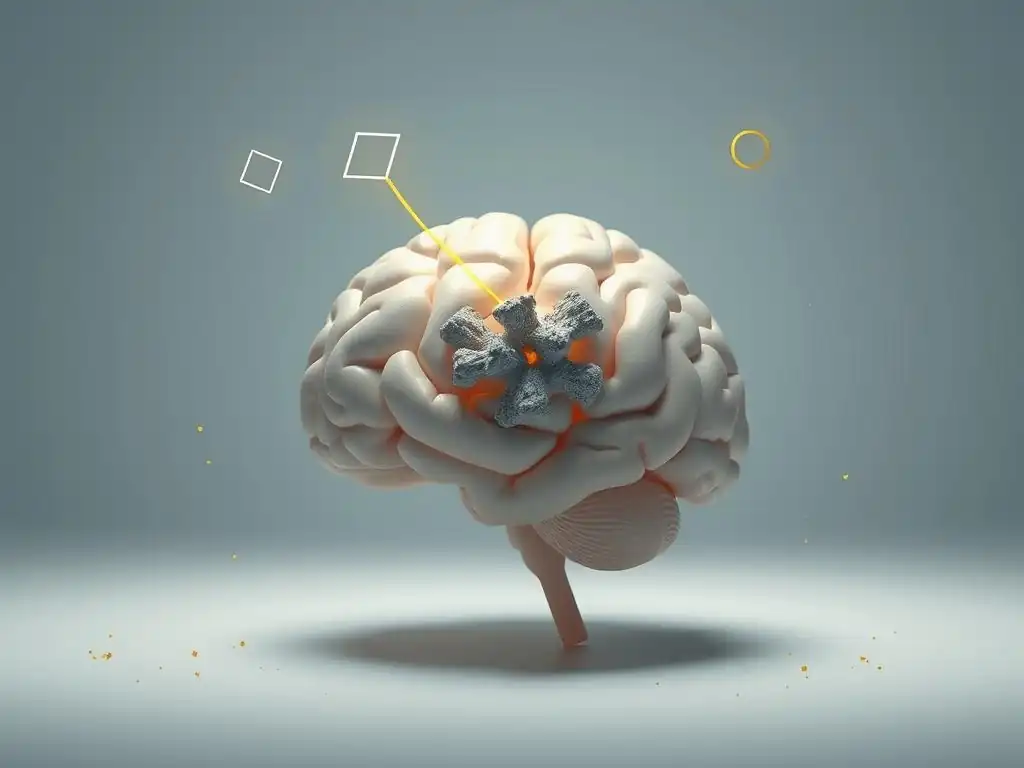
Exploring the Dopamine Hypothesis of ADHD
The dopamine hypothesis of ADHD suggests that the condition is associated with a dysfunction in the brain's dopamine system, leading to insufficient dopamine activity in certain areas, particularly those involved in executive function and reward processing. While not the sole explanation for ADHD, it is a prominent theory supported by various lines of evidence. This hypothesis posits that problems can occur at several points in the dopamine pathway, including the production of dopamine, its transport across the synapse, the function of dopamine receptors, or the reuptake of dopamine from the synaptic cleft by transporter proteins like DAT1 (dopamine transporter).
Research using Positron Emission Tomography (PET) and Single-Photon Emission Computed Tomography (SPECT) scans has provided some support for this hypothesis, though findings can be complex and sometimes inconsistent. Some studies have suggested increased density of dopamine transporters (DAT) in certain brain regions in individuals with ADHD, which could lead to dopamine being cleared from the synapse too quickly, resulting in reduced signaling.
Other research points to potential differences in dopamine receptor availability or synthesis capacity. These subtle but significant differences in dopamine system function are believed to underpin many of the cognitive and behavioral symptoms, explaining aspects of the ADHD dopamine focus motivation challenge.
Reduced Dopamine Levels and Impaired Cognitive Function
A key implication of the dopamine hypothesis is that reduced effective dopamine signaling in critical brain regions, such as the prefrontal cortex and striatum, contributes to impaired cognitive function in individuals with ADHD. Dopamine modulates neural activity in these areas, helping to regulate attention, working memory, and impulse control. When dopamine levels are suboptimal, these cognitive processes become less efficient. For example, maintaining focus on a task requires sustained activity in attention networks, which dopamine helps to stabilize. Insufficient dopamine can lead to attention being easily disrupted by external stimuli or internal thoughts.
Working memory, the ability to hold and manipulate information in the mind, is also highly dependent on prefrontal dopamine signaling. Challenges with working memory are common in ADHD and impact the ability to follow multi-step instructions, remember details, or mentally juggle information needed to complete a task. The hypothesized reduction in effective dopamine activity makes it harder for the brain to maintain the necessary neural firing patterns required for robust working memory, directly contributing to the cognitive hurdles associated with the ADHD dopamine focus motivation challenge.
The Impact of Dopamine Deficits on Attention Span and Working Memory
The proposed dopamine deficits in ADHD have a direct impact on two cornerstone cognitive functions: attention span and working memory. Sustaining attention requires the brain to allocate resources selectively to a specific task or stimulus over time, inhibiting responses to distractions. Dopamine plays a crucial role in this process by enhancing the salience of relevant information and suppressing the processing of irrelevant stimuli, particularly in the prefrontal cortex. When dopamine signaling is less effective, this filtering mechanism is weakened, leading to a shorter attention span and increased distractibility.
Similarly, working memory relies on the ability to temporarily store and manipulate information. This function is highly sensitive to dopamine levels in the prefrontal cortex, with optimal performance occurring within a specific range of dopamine activity. Too little (or potentially too much) dopamine can impair working memory capacity and efficiency. For someone with ADHD, this means struggling to remember instructions, hold numbers in their head for calculations, or keep track of multiple steps in a process. These difficulties with attention and working memory are classic manifestations of the ADHD dopamine focus motivation challenge rooted in neurobiological differences.
ADHD, Dopamine, and the Challenge of Motivation
Why Tasks Feel "Impossible": The Motivation Barrier in ADHD
One of the most pervasive and often misunderstood aspects of ADHD is the profound difficulty with motivation, particularly for tasks that are perceived as boring, difficult, or lacking immediate reward. While people without ADHD might feel unmotivated to do chores or paperwork, they can typically "push through" by focusing on the future outcome or using willpower. For individuals with ADHD, however, the effort required to initiate and sustain engagement in such tasks can feel disproportionately large, sometimes even "impossible." This isn't laziness; it's a neurological barrier linked to the dopamine system's role in valuing rewards and effort.
The brain's motivational circuitry, heavily reliant on dopamine, helps us weigh the effort needed against the value of the reward. In ADHD, the subjective value of delayed rewards may be discounted more steeply, and the brain's response to the anticipation of effort may be aversive. This means that tasks without immediate stimulation or tangible, quick rewards don't generate the necessary dopamine-driven "go" signal. The lack of this internal motivational push makes initiating and persisting with non-preferred tasks incredibly difficult, highlighting the significant ADHD dopamine focus motivation challenge.
Procrastination and Avoidance: Strategies to cope with low Dopamine
Procrastination and task avoidance are common behaviors in individuals with ADHD, often serving as coping mechanisms, albeit maladaptive ones, for the underlying motivation challenges. When faced with a task that doesn't stimulate the dopamine reward system effectively, the brain doesn't generate the typical internal drive to begin. Delaying the task provides temporary relief from the feeling of resistance and the mental effort required to try and force engagement. This can lead to a cycle where important tasks are put off until the last minute, if done at all.
Furthermore, individuals with ADHD may gravitate towards activities that provide immediate dopamine boosts, such as playing video games, scrolling social media, or engaging in high-stimulus novel activities. These behaviors provide quick hits of dopamine that the brain craves, offering a temporary escape from the struggle with less stimulating tasks. While these provide short-term relief, they reinforce the pattern of avoiding necessary but unengaging activities, perpetuating the ADHD dopamine focus motivation challenge and often leading to negative consequences like missed deadlines or incomplete responsibilities.
The Cycle of Negative Reinforcement and Reduced Dopamine Release
The challenges with motivation and task initiation in ADHD can create a vicious cycle of negative reinforcement that further impacts dopamine pathways. When an individual with ADHD struggles to start or complete a task due to insufficient intrinsic motivation (linked to dopamine), they may experience negative consequences – criticism from others, failing grades, job difficulties, or simply the unpleasant feeling of falling behind. These negative outcomes are punishing and can reinforce the perception that effort is often met with failure or negative feedback, rather than reward.
This pattern can lead to conditioned avoidance responses; the anticipation of engaging in challenging tasks becomes associated with past negative experiences, further reducing the likelihood of initiating them. This lack of successful task completion means fewer opportunities for the brain to experience the dopamine release associated with achieving goals and receiving positive reinforcement. Over time, this can potentially dampen the responsivity of the reward system, making it even harder to generate motivation for future tasks and deepening the ADHD dopamine focus motivation challenge.
How ADHD Medications Target Dopamine Levels
Stimulant Medications: Enhancing Dopamine and Norepinephrine Activity
Stimulant medications, such as methylphenidate (e.g., Ritalin, Concerta) and amphetamines (e.g., Adderall, Vyvanse), are the most commonly prescribed treatments for ADHD and are highly effective for many individuals. These medications work primarily by increasing the levels of dopamine and norepinephrine in the brain, particularly in areas like the prefrontal cortex and striatum. Methylphenidate primarily blocks the reuptake of dopamine and norepinephrine, leaving more of these neurotransmitters available in the synaptic cleft to bind to receptors. Amphetamines not only block reuptake but also increase the release of dopamine and norepinephrine from presynaptic neurons.
By enhancing the availability of dopamine, stimulants are thought to improve the efficiency of neural circuits involved in attention, executive function, and motivation. This can lead to improved focus, reduced impulsivity, better working memory, and increased ability to initiate and complete tasks that were previously difficult. The increased dopamine signaling helps to normalize the activity in reward pathways and prefrontal circuits, directly addressing the neurobiological underpinnings of the ADHD dopamine focus motivation challenge for many users.
Non-Stimulant Medications: Alternative Approaches to Dopamine Regulation
While stimulants are often the first-line treatment, non-stimulant medications offer an alternative for individuals who don't respond well to stimulants, experience significant side effects, or have co-occurring conditions. Atomoxetine (Strattera) is a selective norepinephrine reuptake inhibitor (SNRI). Although its primary action is on norepinephrine, it can indirectly influence dopamine levels, particularly in the prefrontal cortex, because dopamine reuptake in this specific brain region is largely handled by norepinephrine transporters. By blocking norepinephrine reuptake, atomoxetine can increase both norepinephrine and, indirectly, dopamine in the prefrontal cortex.
Other non-stimulants, like certain alpha-2 adrenergic agonists such as guanfacine (Intuniv) and clonidine (Kapvay), also primarily affect norepinephrine pathways but can modulate activity in brain regions involved in attention and executive function, potentially influencing dopamine release or receptor sensitivity indirectly. While typically less impactful on the core dopamine reward pathway compared to stimulants, these medications can help improve focus, reduce impulsivity, and manage hyperactivity for some individuals, offering different avenues to address aspects of the ADHD dopamine focus motivation challenge.
Understanding the Benefits and Potential Side Effects of Medication
ADHD medications, particularly stimulants, can offer significant benefits, leading to marked improvements in attention span, ability to focus on tasks, reduced impulsivity, better executive function, and increased motivation for many individuals. Studies have consistently shown that these medications are effective in reducing the core symptoms of ADHD in a large percentage of people across the lifespan. For many, medication provides the neurological support needed to better regulate attention and effort, making daily tasks, work, and social interactions more manageable.
However, like all medications, ADHD drugs can have potential side effects. Common side effects of stimulants can include decreased appetite, weight loss, sleep problems (insomnia), headaches, stomach aches, increased heart rate, and elevated blood pressure. Less common side effects can include anxiety, irritability, or rebound symptoms when the medication wears off. Non-stimulants like atomoxetine can cause nausea, fatigue, and appetite suppression. Alpha-2 agonists may cause drowsiness or dizziness. Managing the ADHD dopamine focus motivation challenge with medication requires careful monitoring by a healthcare professional to balance therapeutic benefits against potential adverse effects and find the optimal treatment plan.
Non-Pharmacological Strategies to Boost Dopamine and Improve Focus
Lifestyle Changes for Dopamine Optimization: Diet, Exercise, and Sleep
While dopamine levels are largely governed by genetics and neurobiology, certain lifestyle factors can support overall brain health and potentially influence neurotransmitter function. A balanced diet rich in protein, which contains amino acids like tyrosine and phenylalanine that are precursors to dopamine, is important for neurotransmitter synthesis. While simply eating protein won't cure ADHD, ensuring adequate nutritional building blocks is a foundational element of health. Avoiding excessive sugar and processed foods, which can cause energy and mood crashes, can also help maintain more stable cognitive function.
Regular physical exercise is one of the most potent non-pharmacological ways to positively impact brain chemistry. Exercise has been shown in various studies to increase dopamine levels, as well as other neurotransmitters like norepinephrine and serotonin, particularly in areas related to mood, motivation, and executive function. Even moderate activity, like a brisk 30-minute walk, can provide a temporary boost in focus and mood. Prioritizing consistent, quality sleep is also crucial, as sleep deprivation negatively impacts prefrontal cortex function and neurotransmitter regulation, exacerbating difficulties with attention and self-control inherent in the ADHD dopamine focus motivation challenge.
Mindfulness and Meditation: Enhancing Dopamine Release Through Relaxation
Mindfulness and meditation practices, while not directly "boosting" dopamine in the same way stimulants do, can help improve the brain's ability to regulate attention and emotional responses, indirectly supporting function in dopamine-related circuits. Regular meditation has been associated with structural and functional changes in brain regions involved in attention, self-awareness, and emotional regulation, including areas connected to the dopamine system. By training the mind to focus on the present moment and observe thoughts without judgment, individuals can potentially improve their capacity for sustained attention and reduce reactivity to distractions.
Some research suggests that engaging in activities that promote relaxation and a sense of calm can influence dopamine release in certain pathways. For instance, the anticipation of a pleasant, calming activity might trigger some dopamine activity. More significantly, by improving emotional regulation and reducing stress, mindfulness can create a more stable internal environment, making it easier for the prefrontal cortex to exercise control over impulses and maintain focus. Incorporating mindfulness into a daily routine can be a supportive strategy for managing aspects of the ADHD dopamine focus motivation challenge.
Cognitive Behavioral Therapy (CBT) for ADHD: Developing Coping Mechanisms
Cognitive Behavioral Therapy (CBT) is a therapeutic approach that helps individuals identify and change negative thought patterns and behaviors. While CBT doesn't directly alter dopamine levels, it equips individuals with ADHD with practical strategies and coping mechanisms to manage the daily challenges stemming from their neurobiology, including those related to the ADHD dopamine focus motivation challenge. CBT for ADHD often focuses on improving executive function skills such as organization, time management, planning, and problem-solving.
Therapists work with individuals to break down overwhelming tasks, develop systems for staying organized, challenge negative self-talk related to past failures, and build routines that support productivity. For instance, a CBT technique might involve structuring tasks to provide more frequent, smaller rewards (like taking a short break after 15 minutes of work) to better align with the ADHD brain's preference for immediate gratification, effectively working with the dopamine system rather than against it. By developing these skills, individuals can learn to navigate their symptoms more effectively and reduce the negative impact of dopamine-related challenges on their lives.
Breaking Down Tasks into Smaller, More Manageable Steps
One of the most effective strategies for overcoming the motivation barrier associated with the ADHD dopamine focus motivation challenge is to break large, daunting tasks into the smallest possible steps. A large project can feel insurmountable because the distant reward doesn't generate enough immediate motivation. By defining tiny, actionable first steps (e.g., instead of "Write essay," the first step is "Open document"), the task feels less overwhelming and easier to start.
Completing each small step can provide a mini-sense of accomplishment, offering small, frequent doses of positive reinforcement that can help sustain momentum. Checking off a small item on a to-do list triggers a minor release of dopamine, which can encourage moving on to the next step. This approach leverages the brain's preference for more immediate rewards and helps build a chain of successful actions towards the larger goal.
Implementing Reward Systems to Increase Motivation and Engagement
Designing external reward systems can be a powerful tool to compensate for the brain's blunted response to intrinsic or delayed rewards in ADHD. Since the dopamine system responds strongly to novelty and immediate positive feedback, creating tangible, short-term rewards for completing tasks or steps can significantly boost motivation. This could involve rewarding yourself with a short break, a favorite snack, a few minutes of a preferred activity (like listening to music or browsing online) immediately after completing a pre-defined task segment.
The key is to make the reward contingent on task completion and delivered relatively quickly. For instance, "After finishing this paragraph, I can check my phone for 5 minutes." This provides the brain with a more immediate, dopamine-boosting incentive that helps bridge the gap between effort and the eventual long-term reward. This strategy directly addresses the ADHD dopamine focus motivation challenge by providing the external structure and reinforcement that the internal dopamine system may not be adequately supplying.
Creating a Structured Environment to Minimize Distractions and Maximize Focus
A structured and predictable environment can significantly help individuals with ADHD manage their attention and focus, counteracting the impact of dopamine-related distractibility. This involves minimizing external distractions, such as turning off notifications, closing unnecessary tabs on a computer, or working in a quiet space. An organized physical environment reduces the mental load of searching for things and helps maintain focus on the task at hand.
Establishing routines and schedules provides an external framework that reduces the reliance on internal motivation (which can be inconsistent due to dopamine fluctuations) to initiate tasks. Knowing that a specific task is scheduled for a particular time can make it easier to transition into it. Using visual timers, checklists, and planning tools can also serve as external cues and supports that aid in maintaining focus and tracking progress, helping to mitigate the ADHD dopamine focus motivation challenge by providing necessary structure.
The Importance of Early Diagnosis and Intervention for ADHD
Recognizing the Signs and Symptoms of ADHD in Children and Adults
Recognizing the signs and symptoms of ADHD is the critical first step toward diagnosis and intervention. In children, symptoms often become noticeable in early school years when demands for sustained attention and sitting still increase. Parents and teachers might observe difficulties following instructions, finishing schoolwork, organizing tasks, excessive fidgeting, or difficulty waiting their turn. However, symptoms can be subtle or misunderstood, especially in girls, who may present more with inattentive symptoms than hyperactivity.
In adults, ADHD symptoms can manifest differently than in childhood. While hyperactivity may decrease, inattention, executive function difficulties, restlessness, and impulsivity often persist. Adults might struggle with time management, organization, meeting deadlines, maintaining focus during meetings, managing finances, or controlling impulsive spending or speaking. Recognizing these patterns as potential symptoms of ADHD, rather than character flaws or laziness, is vital for seeking appropriate help and addressing the core ADHD dopamine focus motivation challenge across the lifespan.
Seeking Professional Help: Diagnosis and Treatment Options
If signs and symptoms consistent with ADHD are present and significantly impacting daily functioning, seeking professional help is essential. Diagnosis is typically made by a qualified healthcare professional, such as a pediatrician, psychiatrist, psychologist, or neurologist, based on a comprehensive evaluation. This evaluation usually involves gathering information from multiple sources, including interviews with the individual and family members, behavior rating scales (like the Vanderbilt or Conners scales), and sometimes psychological testing to assess attention, executive function, and other cognitive abilities.
Once diagnosed, a range of treatment options are available, often involving a multi-modal approach. This can include medication (stimulants or non-stimulants) to address the neurobiological aspects, behavioral therapy (like CBT or parent training), educational support (like accommodations in school or work), and coaching to develop organizational and time management skills. Tailoring the treatment plan to the individual's specific needs and symptoms is crucial for effectively managing the ADHD dopamine focus motivation challenge and improving quality of life.
The Long-Term Benefits of Early Intervention on Brain Development
Early diagnosis and intervention for ADHD, particularly during childhood and adolescence when the brain is still developing rapidly, can have significant long-term benefits. Providing appropriate support, whether through medication, behavioral strategies, or educational interventions, helps children develop essential skills and positive habits that can mitigate the impact of ADHD symptoms over time. Effective management can improve academic performance, social skills, self-esteem, and reduce the risk of developing co-occurring conditions like anxiety, depression, or substance use disorders.
Intervening early can help normalize brain development trajectories to some extent, supporting the maturation of prefrontal cortex function and associated networks involved in executive control and self-regulation. While ADHD is a lifelong condition, early support helps individuals build a stronger foundation for managing challenges related to attention, impulsivity, and motivation throughout their lives. Addressing the ADHD dopamine focus motivation challenge early empowers individuals to reach their full potential and lead more fulfilling lives.
Dopamine and ADHD: Research and Future Directions
Current Research on Dopamine Transporters and ADHD
Current research continues to explore the complex relationship between dopamine and ADHD, with a particular focus on dopamine transporters (DAT). As mentioned earlier, some imaging studies have suggested increased DAT density in certain brain regions in individuals with ADHD, which could lead to faster reuptake of dopamine from the synapse and thus reduced dopamine signaling. However, findings are not universally consistent, and the exact role of DAT variations in the etiology of ADHD is still being investigated.
Genetic studies are also examining variations in genes that code for dopamine transporters (like the DAT1 gene) and dopamine receptors, looking for associations with ADHD risk and symptom severity. While some genetic variations have been linked to ADHD, they typically have small effects, suggesting that ADHD is influenced by multiple genes interacting with environmental factors. Ongoing research aims to clarify how specific genetic and molecular differences in the dopamine system contribute to the unique ADHD dopamine focus motivation challenge experienced by individuals.
Emerging Therapies for Targeting Dopamine Pathways in ADHD
Research into new therapies for ADHD is exploring ways to more precisely target dopamine pathways or influence them through novel mechanisms. This includes investigating compounds that modulate dopamine receptors in specific ways or affect other neurotransmitter systems that interact closely with dopamine, such as glutamate or acetylcholine. The goal is to develop treatments that might offer improved efficacy, a better side effect profile, or be effective for individuals who don't respond well to current medications.
Furthermore, there is interest in developing non-pharmacological interventions that might influence dopamine activity or improve the function of dopamine-related brain circuits. This could include specific types of neurofeedback training designed to help individuals gain more control over brain activity patterns associated with attention and focus. While these therapies are still largely experimental or require more robust research, they represent exciting possibilities for future approaches to managing the ADHD dopamine focus motivation challenge.
Personalized Approaches to ADHD Treatment: Tailoring Strategies to Individual Needs
A significant direction in ADHD research and clinical practice is moving towards more personalized approaches to treatment. Recognizing that ADHD is heterogeneous, with individuals experiencing different symptom profiles and varying responses to interventions, highlights the need to tailor strategies to the individual. Understanding the specific ways in which an individual's brain, including their dopamine system, contributes to their unique challenges can inform treatment decisions.
Future personalized approaches might involve using genetic information, neuroimaging data, or detailed behavioral assessments to predict which medications or therapies are most likely to be effective for a particular person. This could lead to more targeted and efficient treatment plans, reducing the trial-and-error often involved in finding the right approach. Tailoring interventions to the specific manifestations of the ADHD dopamine focus motivation challenge in each individual holds the promise of improving treatment outcomes and enhancing quality of life.
Conclusion: Empowering Individuals with ADHD Through Understanding Dopamine's Role
Understanding the complex interplay between ADHD and dopamine provides crucial insight into why focus, motivation, and executive function can be significant challenges. This knowledge moves beyond simply labeling behaviors as problematic and instead points to underlying neurobiological differences. Recognizing that the ADHD dopamine focus motivation challenge is rooted in brain function is empowering, shifting the perspective from personal failure to a medical condition that can be understood and managed.
Armed with this understanding, individuals with ADHD, their families, and educators can approach challenges with empathy and develop effective strategies. Whether through medication that modulates dopamine activity, behavioral therapies that build coping skills, or lifestyle changes that support brain health, interventions aim to compensate for or work with the unique neurobiological profile of ADHD. By continuing to research and learn about dopamine's role, we can refine our approaches, reduce stigma, and empower individuals with ADHD to navigate their challenges and live fulfilling lives.
Frequently Asked Questions
What is the primary connection between ADHD and dopamine?
The primary connection lies in how dopamine levels and signaling pathways are often dysregulated in individuals with ADHD, impacting focus and motivation.
How does dopamine affect focus and motivation in individuals with ADHD?
Dopamine is crucial for reward processing and attention. In ADHD, insufficient or inefficient dopamine signaling can lead to difficulty focusing and a lack of motivation towards tasks.
What are some of the challenges associated with dopamine dysregulation in ADHD?
Challenges include difficulty sustaining attention, impulsivity, hyperactivity, and struggles with task initiation and completion. These stem from issues with dopamine-related brain functions.
Can lifestyle changes impact dopamine levels and help manage ADHD symptoms?
Yes, lifestyle changes such as regular exercise, a balanced diet, and sufficient sleep can positively influence dopamine production and improve focus and motivation in individuals with ADHD.
Therapy, such as cognitive behavioral therapy (CBT), alongside support groups and ADHD-specific coaching, can provide strategies to manage symptoms and enhance dopamine function naturally.
Final Reflection: Rewiring the Reward System: Hope and Action for ADHD
The struggle with focus and motivation in ADHD isn't simply a matter of willpower; it's a neurological difference impacting the brain's reward system. Understanding the intricate role of dopamine in this process offers not just explanation, but empowerment. This knowledge can be the key to unlocking strategies for improved focus and a more fulfilling life.
The impact of this dopamine-related challenge extends far beyond individual struggles; it shapes our understanding of productivity, learning, and societal expectations. The pressure to constantly perform, to maintain unwavering focus, often ignores the very real neurological differences that impact individuals with ADHD. The greatest discovery of my generation is that a human being can alter his life by altering his attitudes.
– Oprah Winfrey. This quote resonates deeply, as shifting our attitudes towards understanding and accommodating ADHD, rather than fighting against it, is crucial for progress. We must move beyond simplistic narratives of laziness or lack of discipline and embrace a more compassionate and informed approach.
Now, consider your own relationship with focus and motivation. What strategies have you found helpful in managing your ADHD? What adjustments can you make to better support your brain's unique needs? This isn't about "fixing" ADHD; it's about learning to work with your brain, utilizing strategies that leverage your strengths and mitigate your challenges. Embrace self-compassion, seek professional guidance when needed, and remember that progress, not perfection, is the ultimate goal. You have the power to shape your narrative and build a life that celebrates your unique strengths.
Unlock Your Focus: Practical Steps to Manage ADHD
Thanks for taking the time to learn more about the fascinating connection between ADHD and dopamine! We hope this article helped you better understand the challenges and potential solutions. Now it's time to put this knowledge into action.
- Prioritize ONE thing: Identify your most important task today and dedicate focused time to it, minimizing distractions. This is the key takeaway from understanding your dopamine pathways.
- Experiment with a new focus technique: Try the Pomodoro Technique, mindfulness meditation, or even a simple change in your workspace to see what boosts your concentration.
- Share your experience: Let us know in the comments what strategies work best for you in managing ADHD focus challenges. We'd love to hear your tips!
What's one small change you can make today to improve your focus and motivation?