
Overcoming Resistance: Simple Mindfulness Exercises for Stress Reduction

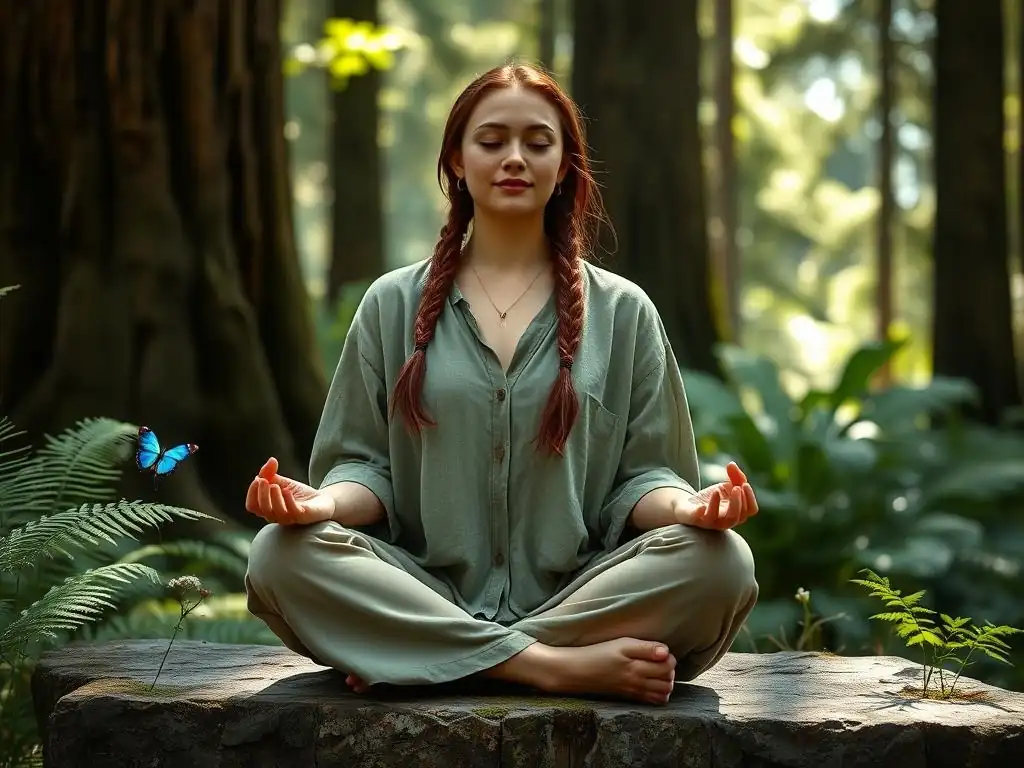
Welcome to Mind Care Guide, a safe space dedicated to nurturing your mental well-being.
Feeling overwhelmed? You're not alone. We understand the daily struggles that can cloud your mind. That's why we're excited to share practical tools to help you find moments of calm amidst the chaos. Explore how simple mindfulness exercises reduce stress, and discover a path towards greater peace and resilience. Ready to begin? Let's take a deep breath and dive in...
- Overcoming Resistance: Simple Mindfulness Exercises for Stress Reduction - Mind Care Guide
- Quick Mindfulness Exercises for Stress Reduction: A Beginner's Guide
- Incorporating Mindfulness into Your Daily Routine for Stress Management
- Advanced Mindfulness Techniques for Deeper Stress Reduction
- Measuring the Effectiveness of Mindfulness Exercises for Stress
- Maintaining Your Mindfulness Practice for Long-Term Stress Relief
-
Frequently Asked Questions
- How do mindfulness exercises specifically help reduce stress?
- What is "resistance" in the context of starting mindfulness practices?
- Are there any specific mindfulness exercises recommended for beginners dealing with high stress levels?
- How often should I practice mindfulness exercises to see a noticeable reduction in stress?
- Where can I find additional resources or support for learning and practicing mindfulness?
- Final Reflection: Cultivating Inner Peace in a Frantic World
- Unlock Your Inner Calm: Start Practicing Mindfulness Today!
Overcoming Resistance: Simple Mindfulness Exercises for Stress Reduction - Mind Care Guide
Identifying Barriers to Practicing Mindfulness
Many individuals find the idea of practicing mindfulness appealing, especially when seeking ways to reduce stress, but encounter significant internal and external barriers. A common hurdle is the perception that mindfulness requires a completely clear mind, free of thoughts, which feels impossible for someone experiencing high stress levels. This misunderstanding can lead to frustration and the belief that "I'm not doing it right."
Furthermore, external factors like a chaotic environment, lack of privacy, or a demanding schedule can make finding even a few minutes for quiet practice seem like an insurmountable challenge. The sheer volume of responsibilities often leaves people feeling too busy to dedicate time to something that doesn't offer immediate, tangible results in the way checking off a task might.
Another significant barrier is the discomfort that can arise when first sitting with oneself without distraction. Mindfulness often involves becoming aware of thoughts, feelings, and physical sensations that we typically try to avoid or suppress, particularly those associated with stress or anxiety. This can be an uncomfortable or even painful process initially, leading people to abandon the practice rather than moving through the discomfort.
The expectation of instant calm is also a barrier; when immediate relief doesn't occur, motivation wanes. For example, someone starting a 5-minute breathing exercise hoping for immediate tranquility might feel discouraged if their mind is still racing with worries about work or family, concluding that mindfulness simply doesn't work for them.
Common Excuses and How to Overcome Them
It's easy to fall into a pattern of making excuses for not engaging in mindfulness exercises reduce stress. Perhaps the most frequent excuse is "I don't have enough time." This often masks a deeper issue of not prioritizing mental well-being. To counter this, consider starting incredibly small – even 60 seconds of focused breathing can initiate the practice. Set a reminder on your phone or link the practice to an existing habit, like brushing your teeth or waiting for coffee to brew.
Another common excuse is "My mind is too busy; I can't stop thinking." Mindfulness isn't about stopping thoughts, but about noticing them without judgment. Acknowledge the thoughts, perhaps even labeling them ("thinking about work," "planning dinner"), and gently guide your attention back to your anchor, like the breath. This reframes the practice from an impossible task (emptying the mind) to a manageable one (observing the mind).
"I'm not good at it" is another pervasive excuse rooted in self-criticism. Mindfulness is a skill, not a talent, and it improves with practice. There's no "right" or "wrong" way to have thoughts or feelings during meditation; the practice is simply showing up and observing what's present. Instead of aiming for perfection, aim for presence.
If you get distracted a hundred times during a 10-minute session, that's a hundred opportunities you had to notice the distraction and return to your focus – that is the practice. Finally, "It's boring" can be a sign of resistance to stillness or introspection. Try different types of mindfulness exercises reduce stress – mindful walking, mindful eating, or focusing on sensory experiences can be more engaging for some people than seated meditation. Experimentation is key to finding what resonates with you.
The Importance of Consistency in Mindfulness Practice
Just like building physical strength requires consistent exercise, developing the capacity to reduce stress through mindfulness requires regular practice. Erratic or infrequent attempts yield minimal results because the neural pathways associated with present moment awareness and emotional regulation need consistent reinforcement. Think of it as training a muscle; a single workout won't build significant strength, but regular sessions over time will.
Studies often highlight that even short, daily practices are more effective than longer, sporadic ones. For instance, research suggests that meditating for just 10-15 minutes daily over several weeks can lead to measurable changes in brain structure related to stress response and attention.
Consistency helps build resilience to stress over time. It's not about eliminating stress triggers, but about changing your reaction to them. Regular mindfulness exercises reduce stress by helping you recognize the early signs of stress in your body and mind, allowing you to respond more skillfully rather than automatically reacting with tension or overwhelm.
Over weeks and months of practice, you might notice yourself pausing before reacting to a frustrating email, or feeling less consumed by anxious thoughts about the future. This cumulative effect is powerful. Even when life gets hectic, committing to a minimal daily practice – perhaps just 3-5 minutes – maintains momentum and keeps the skill sharp, making it readily available when you need it most during stressful periods.
Quick Mindfulness Exercises for Stress Reduction: A Beginner's Guide

5-Minute Breathing Meditation for Stress Relief
One of the most accessible mindfulness exercises reduce stress is the simple focus on breath. This practice requires no special equipment or location and can be done almost anywhere, anytime you feel stress building. The basic technique involves finding a comfortable seated position, closing your eyes gently if comfortable, or resting your gaze softly on a point in front of you.
The core instruction is simply to bring your attention to the physical sensation of your breath entering and leaving your body. You don't need to change your breath in any way; just observe it as it is. Notice the rise and fall of your chest or abdomen, the feeling of air passing through your nostrils, or any other subtle sensations associated with breathing.
As you focus on your breath, your mind will inevitably wander – this is perfectly normal. When you notice your attention has drifted to thoughts, worries, or sounds, simply acknowledge where your mind went without judgment. Then, gently but firmly, guide your attention back to the sensation of your breath. This process of noticing distraction and returning focus is the essence of the practice.
Repeat this gentle redirection as many times as needed for the duration of your 5 minutes. Setting a soft timer can be helpful so you don't have to worry about checking the clock. Even just a few minutes dedicated to this simple exercise can interrupt the stress response cycle and bring a moment of calm.
Focusing on Your Breath: A Step-by-Step Guide
- Find a comfortable position: Sit on a chair with your feet flat on the floor, or cross-legged on a cushion. Ensure your spine is relatively straight but not rigid. You can also lie down if preferred.
- Close your eyes or soften your gaze: If comfortable, gently close your eyes. Otherwise, let your gaze rest softly on a spot in front of you without focusing intently.
- Bring attention to your breath: Notice the physical sensations of breathing. Where do you feel it most prominently? In your abdomen, chest, or nostrils?
- Observe without changing: Simply watch the natural rhythm of your breath. Don't try to make it deeper, slower, or different in any way. Just notice each inhale and exhale.
- Acknowledge wandering thoughts: Your mind will wander. When you notice you're thinking about something else, gently acknowledge the thought without judgment. You might mentally note, "thinking."
- Gently return your focus: Without self-criticism, guide your attention back to the sensation of your breath. This is the core exercise.
- Continue for 5 minutes: Set a timer and continue this process of focusing on the breath, noticing distractions, and returning your focus until the timer sounds.
- Finish gently: When the timer rings, take a moment to notice how you feel. Wiggle your fingers and toes, and open your eyes gently.
Benefits of Breath Awareness for Stress Management
Focusing on the breath is a fundamental mindfulness exercise reduce stress because the breath is always present and serves as an anchor to the present moment. When we are stressed, our breathing often becomes shallow, rapid, or held. By consciously bringing awareness to the breath, we can interrupt this physiological stress response.
Deep, mindful breathing activates the parasympathetic nervous system, which counteracts the "fight or flight" response triggered by stress. This can lead to a reduced heart rate, lower blood pressure, and a greater sense of calm. Many people report feeling more grounded and less overwhelmed after just a few minutes of focused breathing.
Beyond the immediate physiological benefits, breath awareness helps cultivate metacognitive awareness – the ability to observe your own thoughts and feelings from a slight distance. By practicing returning your attention to the breath whenever your mind wanders, you are strengthening your ability to recognize when you are caught up in stressful thoughts or worries. This recognition is the first step in choosing not to fully engage with or be consumed by those thoughts.
Instead of being swept away by a wave of anxiety about a deadline, you might notice the thought, label it, and gently return your attention to the breath, thereby creating a small space between you and the stressful thought. This simple practice builds resilience and teaches your mind to settle, making it a powerful tool for managing daily stress.
Body Scan Meditation for Reducing Tension
The body scan meditation is another effective mindfulness exercise reduce stress by bringing awareness to physical sensations throughout the body. Stress often manifests as physical tension – tight shoulders, clenched jaw, upset stomach, or headaches. The body scan helps you become aware of these areas of tension that you might not consciously notice otherwise, and offers an opportunity to gently release them. This practice typically involves lying down or sitting comfortably and systematically bringing your attention to different parts of your body, starting from the toes and moving up to the head.
The process involves noticing any sensations present in each area – tingling, warmth, coolness, pressure, or absence of sensation. There is no need to judge the sensations or try to change them, simply acknowledge what is there with curiosity. As you move through the body, you might notice areas of significant tension. The practice then involves gently breathing into that area, and on the exhale, imagining the tension softening or releasing.
This isn't about forcing relaxation, but offering permission for the body to relax if it can. It's a powerful way to reconnect with your physical self and release stored stress. A typical body scan can range from 10 to 45 minutes, but shorter versions are also effective for quick stress relief.
How to Perform a Body Scan Meditation
- Find a comfortable position: Lie down on your back on a mat or bed, or sit comfortably in a chair with your feet on the floor. Allow your arms to rest comfortably at your sides or in your lap.
- Close your eyes or soften your gaze: Gently close your eyes if comfortable, or soften your gaze downwards.
- Begin with your breath: Take a few moments to simply notice the sensation of your breath entering and leaving your body, allowing yourself to settle.
- Bring awareness to your toes: Gently direct your attention to the toes of your left foot. Notice any sensations there – warmth, tingling, pressure, contact with socks or shoes. Just observe.
- Move through your foot: Slowly expand your awareness to include the sole, heel, and top of your left foot. Notice any sensations.
- Continue through the leg: Gradually move your awareness up your left leg – ankle, calf, shin, knee, thigh. Spend a moment with each area, simply noticing sensations.
- Repeat for the other leg: Shift your attention to your right foot and slowly move up through your right leg in the same manner.
- Move through the torso: Bring awareness to your pelvis, lower back, abdomen, upper back, chest, and shoulders. Pay attention to any areas of tension or sensation.
- Scan the arms and hands: Move your attention down your left arm, through the elbow, forearm, wrist, and into your hand and fingers. Repeat for the right arm.
- Finish with the neck and head: Bring awareness to your neck, throat, jaw, face, and the top of your head. Notice any tension in the jaw or forehead.
- Rest in whole-body awareness: For the last few minutes, bring your awareness to your body as a whole, noticing the overall sense of presence and sensation.
- Finish gently: When ready, gently wiggle your fingers and toes and open your eyes.
Releasing Physical Tension Through Mindfulness
Stress has a profound impact on the body, often leading to chronic muscle tension, headaches, and digestive issues. The body scan meditation is a powerful tool for releasing this physical tension by cultivating a mindful awareness of where stress is being held. By systematically bringing attention to different body parts, you become more attuned to subtle cues of tension that you might otherwise ignore. This awareness is the first step towards release. For example, you might discover you habitually clench your jaw or hold tension in your shoulders without even realizing it.
Once you identify an area of tension during the body scan, you can use the breath as a tool for release. By gently directing your breath towards that area on the inhale and imagining the tension softening or dissolving on the exhale, you are using the mind-body connection to promote relaxation.
This isn't about forcing the muscle to relax, but about creating the conditions for release through focused, non-judgmental attention and gentle breathing. Over time, regular body scan practice can increase your overall body awareness, making you quicker to notice and address tension as it arises during your day, thereby significantly contributing to how mindfulness exercises reduce stress in a tangible way.
Mindful Walking: A Simple Exercise for Stress Reduction
Mindful walking is an excellent way to integrate mindfulness into physical activity, making it an accessible mindfulness exercise reduce stress for those who find seated meditation challenging or prefer movement. It involves bringing your full attention to the experience of walking. This can be done anywhere – in a park, down a street, or even just a short walk across a room. The key is to shift your focus from your destination or the thoughts racing in your head to the sensory experience of the walk itself.
Begin by simply noticing the sensation of your feet touching the ground. Feel the contact, the pressure, the lifting and placing of each foot. Expand your awareness to include the movement of your legs, the swing of your arms, the rhythm of your breath, and the sensations in your body as you move. Then, gently open your awareness to your surroundings – the sights, sounds, and smells.
Notice the colors of the leaves, the sound of birds, the feel of the air on your skin. If your mind wanders to planning or worrying, gently acknowledge the thought and guide your attention back to the sensory experience of walking. Aim for a pace that feels comfortable and allows for awareness, rather than rushing. Even a 10-15 minute mindful walk can be incredibly grounding and stress-reducing.
Engaging Your Senses During Mindful Walking
A core component of mindful walking is actively engaging your senses to anchor yourself in the present moment. As you walk, consciously bring your attention to what you are experiencing through sight, sound, smell, touch, and even taste (though less common during walking itself, you might notice the taste of the air or residual taste from a recent meal).
For instance, dedicate a minute to really seeing the details around you – the texture of bark on a tree, the pattern of cracks in the sidewalk, the way sunlight falls on objects. Then, shift your focus to sounds – the distant traffic, your own footsteps, the rustling of leaves, conversations nearby.
Next, pay attention to smells – damp earth, blooming flowers, exhaust fumes. Feel the sensations of touch – the ground beneath your feet, the breeze on your skin, the temperature of the air.
By deliberately shifting your attention from one sense to another, you train your mind to stay present and engaged with the immediate environment rather than getting lost in internal dialogue about stressors. This sensory immersion is a powerful way mindfulness exercises reduce stress, as it pulls your awareness out of potentially overwhelming thoughts and into the tangible reality of the here and now, providing a mental break and a sense of connection to your surroundings.
The Connection Between Movement and Mindfulness
There is a strong and mutually beneficial connection between physical movement and mindfulness, particularly in reducing stress. Physical activity itself is known to release endorphins and reduce cortisol levels, the body's primary stress hormone. When you combine movement with mindfulness, you amplify these benefits. Mindful walking, for example, allows you to experience the stress-reducing effects of walking while simultaneously training your mind to be present, which further reduces rumination and worry – common drivers of stress. The rhythmic nature of walking can be meditative, providing a steady anchor similar to the breath.
Furthermore, integrating mindfulness into movement helps you develop a greater awareness of your body and its needs. You might become more attuned to signs of fatigue, tension, or even joy within your physical self. This improved interoceptive awareness (awareness of internal bodily states) is linked to better emotional regulation.
By practicing mindful movement, you are not just exercising your body, but also training your mind to inhabit the present moment more fully, making activities like walking a potent tool for managing stress and enhancing overall well-being. Many people find that incorporating mindful movement makes it easier to sustain a regular mindfulness practice, as it feels less like a chore and more like an active engagement with life.
Incorporating Mindfulness into Your Daily Routine for Stress Management
Mindful Moments: Finding Time in a Busy Schedule
One of the biggest hurdles to consistent mindfulness practice is the perception of not having enough time. However, mindfulness isn't just about formal meditation sessions; it's also about bringing mindful awareness to everyday activities. These "mindful moments" are short, informal practices that can be woven seamlessly into a busy schedule, making mindfulness exercises reduce stress accessible throughout the day.
Instead of trying to carve out a large block of time, look for existing moments you can infuse with awareness. For example, spend 60 seconds mindfully washing your hands, paying attention to the temperature of the water, the scent of the soap, and the sensation of rubbing your hands together.
Other opportunities for mindful moments include waiting in line, commuting (if not driving), eating a meal, or even just pausing between tasks. When waiting, instead of immediately checking your phone, notice your breath, the sounds around you, or the feeling of your feet on the ground. During a meal, take a few moments to appreciate the colors, smells, and textures of your food before eating, and chew slowly, noticing the taste.
These micro-practices, though brief, add up over the day and help build the habit of present moment awareness. They serve as mini-resets, interrupting the cycle of rushing and worrying, and reminding you to simply be where you are, even amidst busyness.
Using Mindfulness to Reduce Stress at Work
The workplace is a common source of stress, from tight deadlines and demanding colleagues to constant interruptions and pressure to perform. Fortunately, mindfulness exercises reduce stress effectively in a professional setting, often without anyone else needing to know you're practicing. Simple techniques can help you navigate challenging situations and maintain focus. For instance, before a stressful meeting or presentation, take three mindful breaths at your desk – simply inhaling and exhaling deeply with awareness. This brief pause can calm your nervous system and help you feel more centered.
During the workday, practice mindful transitions. When moving from one task or meeting to the next, take a few seconds to pause, notice your breath, and consciously let go of the previous activity before fully engaging with the next. This prevents the mental residue of one task from spilling over and affecting your focus on the next.
If you feel overwhelmed by emails or tasks, take a "mindful minute" – close your eyes, focus on your breath for 60 seconds, and then return to your work with renewed clarity. Practicing mindful listening during conversations can also reduce stress by improving communication and reducing misunderstandings. By integrating these small acts of mindfulness, you can create pockets of calm throughout your workday, making stress feel more manageable.
Mindfulness for Better Sleep: Evening Practices
Stress and sleep are intricately linked; stress can disrupt sleep, and poor sleep can increase stress levels. Incorporating mindfulness exercises reduce stress in the evening can prepare your mind and body for restful sleep. One effective practice is a brief body scan before bed, similar to the one described earlier. Lying in bed, bring your attention systematically through your body, noticing any tension you might be holding from the day and gently allowing it to soften with each exhale. This helps release physical stress that can keep you awake.
Another helpful evening practice is mindful breathing or a short seated meditation. Even 5-10 minutes of focusing on the breath can quiet a racing mind filled with worries about the day or anticipation of tomorrow. If your mind is very active, you can try a simple counting meditation (counting inhales and exhales) to give your mind a gentle focus.
Avoid engaging with electronic devices for at least 30-60 minutes before practicing mindfulness for sleep, as the blue light can interfere with melatonin production. The goal of these evening practices is not necessarily to fall asleep during the practice, but to create a calm mental and physical state conducive to sleep, making it easier to drift off naturally.
Advanced Mindfulness Techniques for Deeper Stress Reduction
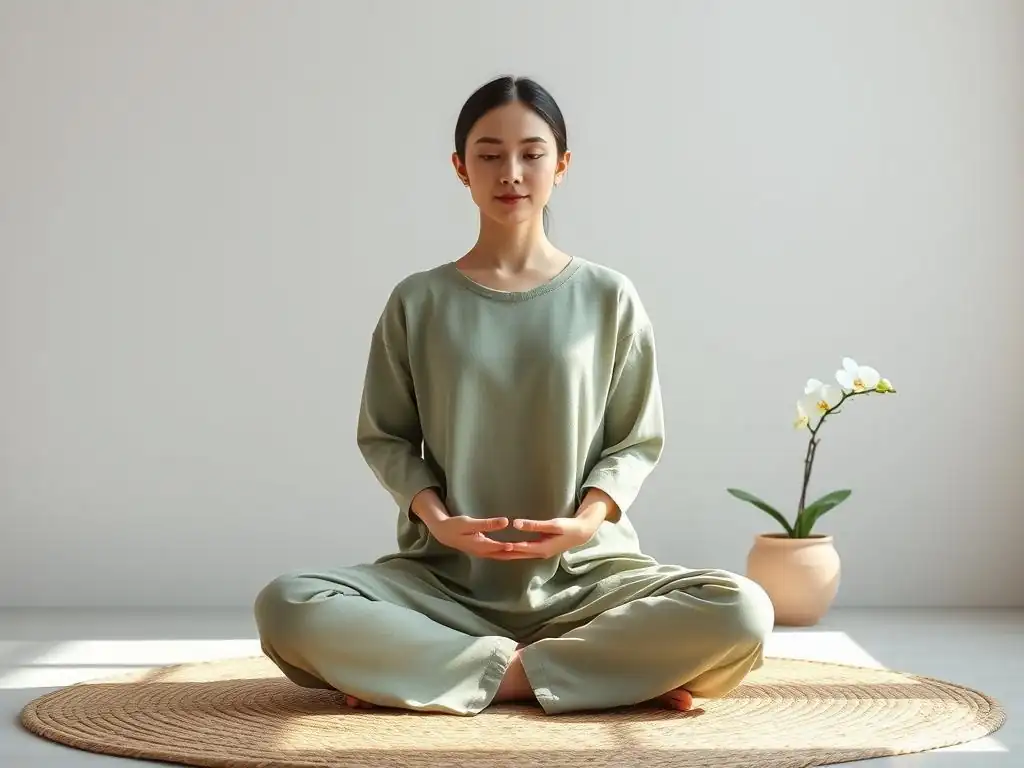
Loving-Kindness Meditation for Emotional Well-being
While many mindfulness exercises reduce stress by focusing on present moment awareness, loving-kindness meditation (also known as Metta meditation) specifically cultivates positive emotional states like compassion, kindness, and acceptance, which are powerful antidotes to stress and negative emotions. This practice involves directing warm, kind wishes towards yourself and others. It typically begins by silently repeating phrases of loving-kindness towards yourself, such as: "May I be happy. May I be healthy. May I be safe. May I live with ease." This helps counter self-criticism and builds a foundation of self-compassion.
After cultivating kindness for yourself, you extend these wishes outwards: first to someone you love effortlessly, then to a neutral person (someone you encounter but have no strong feelings about), then to someone you have difficulty with, and finally to all beings. The phrases can be adapted, but the intention is to genuinely wish well for others, even those who cause you stress.
This practice can be challenging, particularly when extending kindness to difficult people, but it can profoundly shift your perspective and reduce the emotional reactivity that contributes to stress. Regular practice has been shown in studies to increase positive emotions and decrease social anxiety and stress.
Exploring Thoughts and Emotions with Mindfulness
Moving beyond simply noticing thoughts during basic meditation, advanced mindfulness techniques involve exploring thoughts and emotions with greater depth and curiosity. This doesn't mean getting lost in them, but rather observing their nature and patterns without judgment. When a difficult or stressful thought arises, instead of pushing it away or getting carried away by it, you can mindfully examine it: What is the content of the thought? Where do I feel it in my body?
Is this thought based on fact or assumption? Similarly, with emotions like anxiety or frustration, you can turn towards the feeling itself: Where in my body do I feel this emotion? What are the physical sensations associated with it? Can I allow this sensation to be here without needing to fix it?
This process of mindful inquiry helps you understand your internal landscape better and reduces the power that stressful thoughts and emotions hold over you. By becoming more familiar with their ebb and flow, you learn that thoughts are not facts and emotions are temporary states, not permanent identities. This distance allows you to respond to challenging internal experiences with greater wisdom and less reactivity.
For example, instead of being consumed by the thought "I'm going to fail," you might observe it as just a thought, notice the knot in your stomach, and choose to focus on the next small step instead of spiraling into worry. This level of mindful exploration is a key way mindfulness exercises reduce stress at its root cause, by changing your relationship with your inner experience.
Dealing with Difficult Emotions Through Mindfulness
Navigating difficult emotions like anger, fear, sadness, or shame is a critical aspect of using mindfulness for deeper stress reduction. Our tendency is often to avoid, suppress, or get overwhelmed by these feelings, which can amplify stress. Mindfulness offers an alternative: approaching difficult emotions with courage and compassion. Instead of trying to make the emotion go away, you practice allowing it to be present. This doesn't mean liking it or agreeing with it, but simply acknowledging its existence without resistance.
A helpful approach is to anchor yourself with the breath or bodily sensations while allowing the emotion to be in the background. You might say to yourself, "There is sadness here," or "I am noticing fear." You can also explore where in your body you feel the emotion most strongly and simply breathe with that sensation, offering it space.
This practice of "leaning in" to discomfort, while challenging, teaches you that you can tolerate difficult feelings and that they will eventually pass, just like pleasant ones. Over time, this reduces the fear of difficult emotions, which is often more stressful than the emotion itself. By learning to be present with emotional discomfort, you build emotional resilience and significantly reduce the overall impact of stress on your well-being.
Measuring the Effectiveness of Mindfulness Exercises for Stress
Tracking Your Progress: A Mindfulness Journal
While the benefits of mindfulness exercises reduce stress are often subtle and cumulative, tracking your progress can be incredibly motivating and help you identify patterns. A simple mindfulness journal is an excellent tool for this. You don't need to write extensively; even a few bullet points each day can be insightful. After a formal practice (like seated meditation or a body scan) or after navigating a stressful situation mindfully, jot down your observations.
What to include in your journal:
- Date and time of practice
- Type and duration of practice (e.g., 10 min breathing, 5 min mindful walking)
- Brief notes on your experience during practice (e.g., "mind was very busy," "felt calm for a moment," "noticed tension in shoulders")
- Observations about your day related to stress (e.g., "felt less reactive during meeting," "managed anxiety better," "still struggled with sleep")
- Any insights or challenges encountered
Looking back at your entries after a few weeks or months can reveal progress you might not have noticed otherwise. You might see that you're consistently practicing for longer durations, finding it easier to return to the breath, or noticing that stressful situations trigger less intense reactions than before. The journal provides tangible evidence of the positive changes mindfulness is bringing to your stress levels.
Recognizing the Subtle Signs of Stress Reduction
The effects of mindfulness exercises reduce stress are not always dramatic or immediate. Often, the changes are subtle shifts in how you respond to challenges and how you experience your daily life. Learning to recognize these subtle signs is key to appreciating the impact of your practice and staying motivated. Instead of expecting stress to disappear entirely, look for changes in your relationship with stress.
For example, do you notice yourself taking a pause before reacting angrily? Are you less likely to ruminate on worries late at night? Do you feel slightly more patient or compassionate towards yourself and others?
Other subtle signs might include:
- Increased awareness of physical tension as it arises, rather than only noticing it when it becomes painful.
- Finding it easier to return to the present moment when your mind wanders.
- Experiencing moments of genuine calm or peace during the day.
- Feeling less overwhelmed by your to-do list.
- Improved ability to focus for longer periods.
- Noticing beauty or small positive details in your environment more often.
- Greater self-compassion when you make mistakes or experience difficult emotions.
These small shifts indicate that your nervous system is becoming less reactive and your mind is developing the capacity for greater presence and resilience. Celebrate these small victories, as they are powerful indicators that your mindfulness practice is indeed helping to reduce stress over time.
When to Seek Professional Guidance for Stress Management
While mindfulness exercises reduce stress significantly for many people, it's important to recognize that they are not a substitute for professional mental health care when needed. If you are experiencing overwhelming or chronic stress, anxiety, depression, or other mental health challenges, mindfulness can be a valuable complement to therapy or other treatments, but it may not be sufficient on its own. Signs that you might benefit from professional guidance include persistent feelings of hopelessness, inability to manage daily tasks, severe panic attacks, intrusive thoughts, or suicidal ideation.
A mental health professional, such as a therapist or counselor, can help you understand the root causes of your stress, develop coping strategies tailored to your specific needs, and address any underlying conditions. They can also guide you on how to integrate mindfulness safely and effectively into your overall treatment plan. Don't view seeking professional help as a failure of your mindfulness practice; rather, see it as taking proactive steps to care for your well-being.
Mindfulness is a powerful tool, but sometimes, navigating complex challenges requires expert support. Combining mindfulness with professional guidance can lead to more comprehensive and sustainable stress reduction.
Maintaining Your Mindfulness Practice for Long-Term Stress Relief
Avoiding Burnout in Your Mindfulness Journey
Just like any new habit, maintaining a consistent mindfulness practice can sometimes lead to feelings of burnout, especially if you approach it with a rigid mindset or unrealistic expectations. To avoid this, remember that mindfulness is a journey, not a destination. There will be days when practice feels easy and beneficial, and days when it feels like a struggle.
It's crucial to be compassionate with yourself on challenging days. If you miss a day or a practice session, don't view it as a failure; simply acknowledge it without judgment and return to your practice when you can. Perfection is not the goal.
Varying your practice can also help prevent monotony. If seated meditation feels stale, try mindful walking, a body scan, or mindful eating. Explore different guided meditations online or through apps. Find a duration that feels sustainable for you on any given day – some days it might be 20 minutes, others just 3 minutes of mindful breathing. Listen to your needs and adjust accordingly. Approaching mindfulness with curiosity and flexibility, rather than as a strict discipline, makes it more enjoyable and sustainable in the long run, ensuring that mindfulness exercises reduce stress remains a positive part of your life.
Adapting Your Practice to Changing Needs
Life is full of changes, and your mindfulness practice should be able to adapt to these shifts. What works well when you have ample free time might not be feasible during a particularly busy or stressful period. Be willing to modify your practice based on your current circumstances and energy levels. During times of high stress, shorter, more frequent mindful moments might be more beneficial than trying to force yourself through a long meditation when your mind is racing. If you're feeling particularly restless, active practices like mindful walking or yoga might be more helpful than sitting still.
Conversely, when you have more time or are feeling more settled, you might explore longer formal meditations or delve into more advanced techniques like loving-kindness. Pay attention to how different practices affect you and choose the ones that feel most supportive given what you are experiencing. Your practice is a tool for well-being, and its effectiveness lies in its ability to meet you where you are. Regularly checking in with yourself about what kind of mindfulness exercises reduce stress most effectively for you right now ensures your practice remains relevant and supportive.
The Power of Community: Sharing Your Mindfulness Experience
Connecting with others who are also practicing mindfulness can provide invaluable support, motivation, and shared learning experiences. Sharing your journey, challenges, and insights with others can normalize difficulties and offer new perspectives. Joining a local meditation group, attending mindfulness workshops, or participating in online communities can foster a sense of belonging and accountability. Hearing how others incorporate mindfulness exercises reduce stress in their lives can provide inspiration and practical tips.
While mindfulness practice is often solitary, the human connection aspect should not be underestimated. Discussing your experiences can deepen your understanding of the practice and reinforce your commitment. Sharing successes, like noticing a subtle shift in your reaction to stress, can be celebrated, while sharing struggles, like consistent mind wandering, can lead to helpful advice or simply the comfort of knowing you're not alone. Community provides a supportive environment to explore the practice more fully and helps ensure that mindfulness remains a vibrant and evolving part of your life, contributing to long-term stress relief and overall well-being.
Frequently Asked Questions
How do mindfulness exercises specifically help reduce stress?
Mindfulness exercises help reduce stress by focusing on the present moment and cultivating non-judgmental awareness. This reduces the impact of stressful thoughts and feelings.
What is "resistance" in the context of starting mindfulness practices?
Resistance refers to the internal barriers or reluctance individuals face when trying to adopt mindfulness practices. This can stem from discomfort with silence, perceived lack of time, or skepticism about its effectiveness.
Are there any specific mindfulness exercises recommended for beginners dealing with high stress levels?
Yes, simple exercises like mindful breathing, body scan meditations, and mindful walking are excellent starting points. These require minimal experience and can be easily incorporated into daily routines.
How often should I practice mindfulness exercises to see a noticeable reduction in stress?
Consistency is key. Aim for at least 10-15 minutes daily. Even short, regular sessions can lead to significant improvements in stress management over time.
Where can I find additional resources or support for learning and practicing mindfulness?
"Mind Care Guide" offers a comprehensive collection of articles, guided meditations, and support resources related to mindfulness and mental well-being. You can also find apps and local mindfulness groups.
Final Reflection: Cultivating Inner Peace in a Frantic World
The relentless pace of modern life leaves many of us feeling overwhelmed and stressed, but the simple act of incorporating mindfulness exercises can be a powerful antidote. This article explored practical, accessible techniques to help navigate the daily pressures and cultivate a sense of inner calm. The ability to find moments of peace amidst the chaos is not a luxury, but a necessity for our well-being.
The impact of mindfulness extends far beyond stress reduction; it fundamentally alters our relationship with ourselves and the world around us. It fosters self-awareness, enhances emotional regulation, and cultivates a greater appreciation for the present moment. As Thich Nhat Hanh wisely said, Peace is not something you can find. Peace is something you create.
This is precisely the power of mindfulness – it empowers us to actively create peace within ourselves, influencing not only our individual well-being but also our interactions with others and our contribution to a more peaceful society.
Now, consider how you might integrate these mindfulness exercises into your daily routine. Perhaps start with just five minutes of focused breathing each morning, or dedicate a few moments throughout the day to mindful observation of your surroundings. Don't underestimate the transformative power of these small, consistent practices. By cultivating a mindful approach to life, you are not just reducing stress; you are actively building resilience, fostering self-compassion, and creating a more fulfilling and meaningful existence. Embrace the journey towards inner peace – it begins with a single, mindful breath.
Unlock Your Inner Calm: Start Practicing Mindfulness Today!
Thanks for taking the time to explore the power of mindfulness for stress reduction! We hope you've gained valuable insights into how simple practices can make a big difference in your daily life. Now it's time to put those insights into action.
- Begin your mindfulness journey today: Dedicate just 5 minutes to a guided meditation—focus on your breath, and notice your thoughts without judgment. This is your first step towards a calmer, more centered you.
- Share your experience: Let us know in the comments below what resonates with you most from these techniques. What challenges did you face and how did you overcome them?
- Explore further: Try incorporating mindfulness into your daily routine—start small! Notice the sensations of your feet on the ground while you wait in line, or savor the taste of your food mindfully.
Ready to embrace a more peaceful and present life? What small step will you take today to cultivate mindfulness?