
How the Amygdala Hijacks Your Brain During Panic Attacks

Welcome to Mind Care Guide, a sanctuary for understanding your mental well-being.
Ever felt that sudden, overwhelming wave of panic wash over you, seemingly out of nowhere? You're not alone. This can often be attributed to what's known as an amygdala hijacking. In our latest article, "How the Amygdala Hijacks Your Brain During Panic Attacks," we delve into the neuroscience behind these intense episodes. Curious about how to regain control when your brain's fear center takes over? Let's explore the panic attack amygdala hijacking strategies that can help you navigate these challenging moments and reclaim your peace of mind.
How the Amygdala Hijacks Your Brain During Panic Attacks: Mind Care Guide
Understanding the profound impact of panic attacks begins with exploring the brain's intricate response system. At the core of this response is the amygdala, a small but powerful region often referred to as the fear center. When this part of the brain perceives a threat, real or imagined, it can initiate a cascade of reactions that lead to the overwhelming physical and psychological symptoms characteristic of a panic attack.
This section delves into the fundamental role the amygdala plays in generating fear and anxiety responses. We will explore its basic function, define the concept of "amygdala hijacking," and examine the specific neural pathways involved in triggering panic, laying the groundwork for understanding why and how panic attacks occur.
The Amygdala: Your Brain's Fear Center
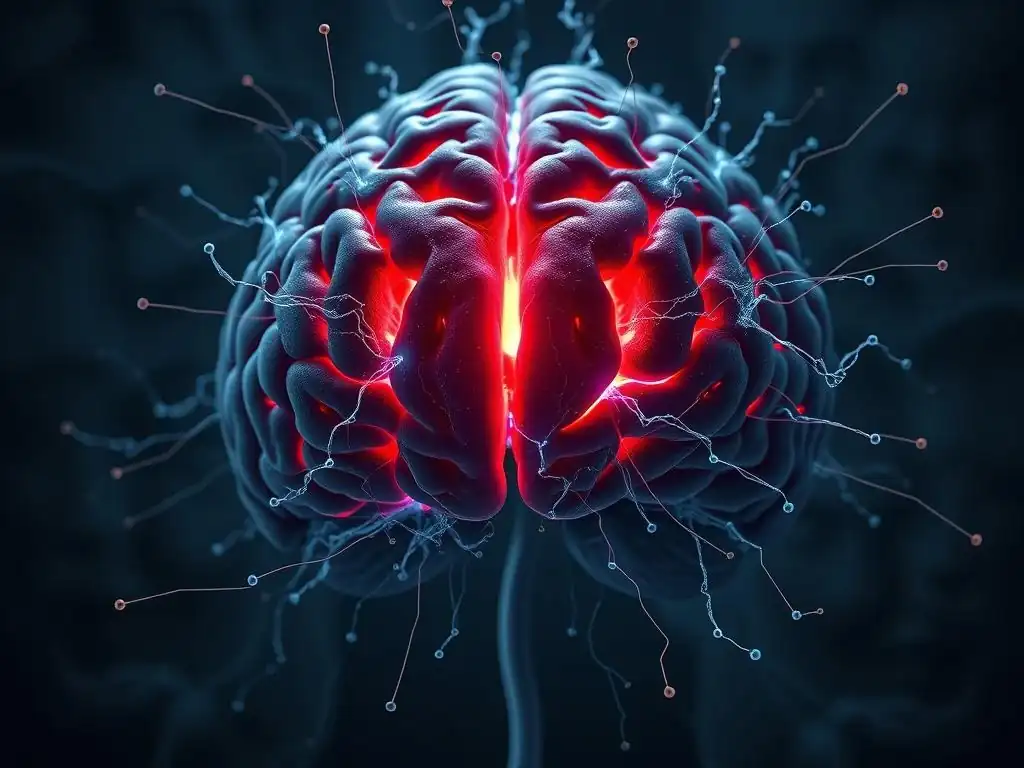
The amygdala is a pair of almond-shaped nuclei located deep within the temporal lobes of the brain. It is a critical component of the limbic system, a complex network involved in emotions, motivation, learning, and memory. The amygdala's primary function is processing emotions, particularly fear, and assessing potential threats in the environment. It acts as a rapid alarm system, constantly scanning for danger cues based on sensory input and past experiences.
When the amygdala detects something potentially threatening, it triggers a series of physiological responses designed to prepare the body for immediate action. This ancient survival mechanism is essential for reacting quickly to genuine dangers, such as encountering a predator. However, in conditions like panic disorder, the amygdala can become hypersensitive, triggering these intense fear responses even when no real threat exists, leading to debilitating panic attacks.
Amygdala Hijacking: Definition and Explanation
Amygdala hijacking is a term coined by psychologist Daniel Goleman to describe an overwhelming emotional response that is immediate, intense, and disproportionate to the actual situation. It occurs when the amygdala reacts to a perceived threat so rapidly that it bypasses the slower, more rational processing pathways in the prefrontal cortex. Essentially, the emotional brain takes over, overwhelming the thinking brain's ability to reason and regulate the response.
During an amygdala hijacking, the sophisticated cognitive functions of the frontal lobes, which are responsible for planning, decision-making, and impulse control, are temporarily overridden. This state explains why individuals experiencing a panic attack might feel a complete loss of control or act in ways that seem irrational to themselves or others once the episode has passed. The speed and intensity of this neural takeover are key features of the panic attack experience.
Neuroscience of Fear: The Amygdala and Panic Response
The process begins when sensory information (what you see, hear, smell, touch, taste) reaches the thalamus, the brain's relay station. From the thalamus, this information is sent along two main pathways simultaneously. One pathway is a quick, direct route to the amygdala, often called the "low road."
This pathway is rapid and crude, allowing for an immediate, automatic threat assessment. The other pathway, the "high road," sends information to the sensory cortex and then to the hippocampus (involved in memory context) and the prefrontal cortex (involved in higher-level processing) before reaching the amygdala. This high road is slower but provides a more detailed, contextual analysis of the situation.
In the case of a panic attack, especially one triggered by a perceived but non-existent threat, the rapid low road to the amygdala is activated intensely. The amygdala, upon receiving this unprocessed signal, quickly initiates the fear response. This triggers a cascade of neurochemical releases, including adrenaline (epinephrine) and cortisol, which prepare the body for fight or flight. This immediate, non-contextual activation by the amygdala, overriding the more reasoned assessment from the high road, is the core neuroscience behind the panic response and the feeling of being "hijacked."
- The Amygdala: Your Brain's Fear Center
- Amygdala Hijacking: Definition and Explanation
- Neuroscience of Fear: The Amygdala and Panic Response
- What is amygdala hijacking in the context of panic attacks?
- How does the amygdala contribute to panic attacks?
- What are some common symptoms of a panic attack caused by amygdala hijacking?
- What are some effective strategies to manage amygdala hijacking during a panic attack?
- Can therapy help in preventing amygdala hijacking and reducing the frequency of panic attacks?
The Panic Attack Amygdala Hijacking Process: A Step-by-Step Breakdown
Understanding the sequence of events during a panic attack reveals how quickly the brain's fear circuitry can escalate from a subtle trigger to a full-blown crisis. This process involves several key stages, starting with the initial perception of a threat by the amygdala and culminating in the overwhelming physical sensations and cognitive distortions that define a panic attack.
This section breaks down the typical progression of an amygdala hijacking during a panic attack. We will examine how triggers activate the brain's alarm system, the immediate physiological responses that follow, how the amygdala's reaction bypasses rational thought, and the resulting physical symptoms experienced throughout the body.
Triggering the Alarm: How Perceived Threats Activate the Amygdala
Panic attacks can be triggered by a wide variety of stimuli, which can be external (like a specific situation, place, or object) or internal (like a physical sensation, thought, or memory). When one of these triggers is perceived, the sensory information is sent to the brain. As discussed, the thalamus routes this information rapidly to the amygdala via the low road.
The amygdala compares this incoming signal to its stored memories of past fearful experiences. If there's a match, or even a strong association, the amygdala interprets the stimulus as a potential threat, whether it is objectively dangerous or not.
For example, someone who previously had a panic attack in a crowded store might have their amygdala instantly flag crowded spaces as dangerous. The visual and auditory input of being in a crowd bypasses the prefrontal cortex's ability to rationalize ("This is just a normal store, I am safe") and directly activates the fear response in the amygdala. This rapid, often unconscious, threat assessment is the initial spark that ignites the panic attack sequence, setting the stage for the body's fight, flight, or freeze reaction before the conscious mind fully registers what is happening.
The Fight, Flight, or Freeze Response: Amygdala's Immediate Reaction
Once the amygdala's alarm is triggered, it sends urgent signals to other parts of the brain and body to initiate the fight, flight, or freeze response, also known as the acute stress response. This is an evolutionary adaptation designed for survival in the face of immediate physical danger. The amygdala activates the hypothalamus, which in turn activates the sympathetic nervous system and the adrenal-cortical system. The sympathetic nervous system releases adrenaline, causing immediate physiological changes.
This rapid release of neurochemicals prepares the body for intense physical exertion. Heart rate and breathing speed up to pump more oxygenated blood to muscles, blood pressure rises, muscles tense, pupils dilate to take in more light, digestion slows down, and sweating increases to cool the body. Sometimes, instead of fight or flight, a freeze response occurs, where the individual becomes immobile. These powerful bodily changes are directly orchestrated by the amygdala's command center, preparing the individual to confront or escape the perceived threat, even if that threat is purely internal or irrational.
Overriding Rational Thought: The Amygdala's Influence on the Prefrontal Cortex
During an amygdala hijacking, the intense activity in the amygdala effectively dampens activity in the prefrontal cortex, the part of the brain responsible for rational thought, logical reasoning, and executive functions. The signals from the amygdala are so strong and urgent that they override the prefrontal cortex's ability to process information calmly, assess the situation realistically, and regulate emotional responses. This is why trying to "think your way out" of a panic attack in the moment is often very difficult or impossible.
The prefrontal cortex typically acts as a brake on the amygdala, helping to modulate fear responses based on context and rational assessment. However, during a panic attack, this inhibitory control is significantly weakened. The emotional brain is in control, leading to catastrophic thinking, a sense of impending doom, and difficulty processing information logically. This temporary shutdown of the rational brain is a hallmark of the hijacked state and contributes significantly to the feeling of being completely overwhelmed and out of control.
Physical Symptoms of Panic: The Amygdala's Connection to Bodily Reactions
The cascade of physiological changes initiated by the amygdala's activation and the subsequent release of stress hormones directly cause the intense physical symptoms of a panic attack. These symptoms are not psychosomatic; they are the direct result of the body preparing for emergency action. The rapid heart rate (palpitations), shortness of breath, chest pain, dizziness, trembling, sweating, nausea, and chills or hot flashes are all manifestations of the sympathetic nervous system's response, orchestrated by the amygdala.
For instance, the feeling of breathlessness or smothering is due to hyperventilation caused by rapid breathing, which is meant to increase oxygen intake for muscles. Chest pain can result from tense chest muscles or increased heart rate. Dizziness and lightheadedness can be linked to changes in blood flow and oxygen levels in the brain. These physical sensations, while terrifying, are the body's primitive, albeit misdirected, survival response in action. Understanding that these symptoms are biological outcomes of the amygdala's alarm can be a crucial step in learning effective panic attack amygdala hijacking strategies.
Recognizing Amygdala Hijacking During a Panic Attack
Identifying the signs of an amygdala hijacking while it's happening can be challenging, as the rational mind is temporarily offline. However, learning to recognize the pattern of physical and emotional symptoms is key to implementing strategies for regaining control. This awareness, developed before or after an attack, helps in understanding the process and preparing for future episodes.
This section focuses on recognizing the specific manifestations of an amygdala hijacking during a panic attack. We will look at the typical physical and emotional signs, how panic attacks differ from other anxiety experiences, and the role that distorted thinking plays in fueling the amygdala's alarm system.
Identifying the Signs: Physical and Emotional Symptoms
Recognizing an amygdala hijacking means noticing the rapid onset of intense fear accompanied by a cluster of specific physical and cognitive symptoms. Physically, these can include:
- Pounding heart or rapid heart rate
- Sweating
- Trembling or shaking
- Sensations of shortness of breath or smothering
- Feelings of choking
- Chest pain or discomfort
- Nausea or abdominal distress
- Feeling dizzy, unsteady, lightheaded, or faint
- Chills or hot flashes
- Paresthesias (numbness or tingling sensations)
Emotionally and cognitively, the signs include:
- Feelings of unreality (derealization) or being detached from oneself (depersonalization)
- Fear of losing control or going crazy
- Fear of dying
- Intense dread or terror
A panic attack typically involves the sudden onset of at least four of these symptoms, peaking within minutes. The speed at which these symptoms escalate is a strong indicator that the amygdala's rapid-response system has been triggered, bypassing the slower, more measured cognitive pathways.
Differentiating Panic Attacks from Other Anxiety Disorders
While panic attacks are a feature of panic disorder, they can also occur in the context of other anxiety disorders, such as social anxiety disorder, specific phobias, or generalized anxiety disorder (GAD). However, the nature and intensity of the experience often differ. GAD, for example, is characterized by chronic, excessive worry that is persistent and difficult to control, rather than discrete episodes of intense fear. Phobias involve intense fear triggered by a specific object or situation.
Panic attacks, particularly those associated with panic disorder, are often unexpected or uncued, meaning they occur without an obvious trigger. Even when cued, the intensity and the feeling of being completely overwhelmed and detached are hallmarks of the amygdala hijacking. The key differentiator is the abrupt, intense, and often seemingly random nature of the attack, involving a sudden surge of fear and physical symptoms that reach a peak very quickly, signifying the brain's immediate, global alarm response rather than a more sustained state of worry or a specific phobic reaction.
The Role of Cognitive Distortions in Amygdala Activation
Cognitive distortions, which are irrational or inaccurate ways of thinking, play a significant role in both triggering and perpetuating amygdala activation and panic attacks. Thoughts like "I'm having a heart attack," "I'm going to faint and embarrass myself," or "I'm losing my mind" are common during panic attacks. These interpretations of benign physical sensations (like a slightly elevated heart rate) are catastrophic and feed directly into the amygdala's fear response loop.
The amygdala doesn't evaluate the accuracy of the perceived threat; it reacts to the intensity of the signal. Catastrophic thoughts amplify the perceived threat level associated with physical sensations, sending a stronger "danger" signal back to the amygdala. This creates a vicious cycle: physical symptoms trigger distorted thoughts, which in turn intensify the fear response in the amygdala, worsening the physical symptoms. Addressing these cognitive distortions is a crucial component of effective panic attack amygdala hijacking strategies.
Strategies for Regaining Control During Panic Attacks
While an amygdala hijacking can feel overwhelming and uncontrollable, it is possible to learn and implement strategies that can help interrupt the process and regain a sense of control. These techniques work by either calming the physiological response initiated by the amygdala or by engaging the prefrontal cortex to regain some level of rational processing.
This section explores practical techniques that can be used in the moment to manage the acute symptoms of a panic attack. We will cover grounding methods, breathing exercises, cognitive restructuring, and the role of mindfulness, all of which serve as valuable panic attack amygdala hijacking strategies.
Grounding Techniques: Anchoring Yourself in the Present Moment
Grounding techniques are designed to bring your attention back to the present moment and away from the distressing thoughts and physical sensations fueled by the amygdala's alarm. By focusing on sensory input from your immediate environment, you engage the parts of your brain involved in concrete reality, helping to counteract the abstract fear generated by the hijacking. A popular method is the "5-4-3-2-1" technique:
- 5: Acknowledge five things you can see.
- 4: Acknowledge four things you can touch.
- 3: Acknowledge three things you can hear.
- 2: Acknowledge two things you can smell.
- 1: Acknowledge one thing you can taste.
Engaging your senses in this deliberate way provides tangible anchors to reality, helping to pull your awareness out of the internal spiral of fear and back into your surroundings. This shift in focus can help reduce the intensity of the amygdala's response by redirecting neural activity away from the fear circuitry and towards sensory processing.
Breathing Exercises for Calming the Nervous System
One of the most immediate effects of amygdala activation is rapid, shallow breathing (hyperventilation). This disrupts the balance of oxygen and carbon dioxide in the blood, contributing to symptoms like dizziness, lightheadedness, and a feeling of suffocation, which further fuels panic. Controlled breathing techniques can directly counteract this physiological response and signal to the amygdala that the immediate danger has passed.
Techniques like diaphragmatic breathing (belly breathing) or 4-7-8 breathing can be very effective. For example, in 4-7-8 breathing, you inhale quietly through your nose for a count of four, hold your breath for a count of seven, and exhale completely through your mouth, making a whooshing sound, for a count of eight. Repeating this cycle slows the heart rate, lowers blood pressure, and helps restore proper gas exchange, calming the nervous system and reducing the physical intensity of the panic attack. Practicing these techniques regularly can strengthen their effectiveness as panic attack amygdala hijacking strategies.
Cognitive Restructuring: Challenging Anxious Thoughts
Cognitive restructuring involves actively identifying and challenging the distorted, catastrophic thoughts that accompany a panic attack. While difficult during the peak of an attack, practicing this skill beforehand and attempting it during the early stages or after the peak can weaken the link between physical sensations and catastrophic interpretations that fuel the amygdala. This engages the prefrontal cortex to introduce rational assessment.
Ask yourself: "What is the evidence for this thought? ", "What is a more realistic interpretation? ", or "Is this thought helpful?". For instance, if you think "I'm dying," acknowledge the thought, but then introduce a counter-thought based on reality: "My heart is racing, which is scary, but I've had this feeling before and it passed.
This is a panic attack, not a heart attack." Regularly challenging these thought patterns helps to retrain the brain, teaching the prefrontal cortex to exert more influence over the amygdala's initial, raw fear response. This is a core component of many effective panic attack amygdala hijacking strategies learned in therapy.
Mindfulness and Meditation: Long-Term Strategies for Emotional Regulation
Mindfulness and meditation are practices that cultivate present-moment awareness without judgment. While not always easy to do during a full-blown panic attack, regular practice between episodes can significantly improve emotional regulation and reduce the frequency and intensity of panic attacks. Mindfulness helps you observe your thoughts and sensations without getting swept away by them.
By practicing mindfulness, you learn to notice the early signs of anxiety or physical sensations without immediately reacting with fear. This creates a mental space between the stimulus (e.g., a slight increase in heart rate) and the reaction (panic). This practice strengthens the connection between the prefrontal cortex and the amygdala, allowing for a more measured response to internal or external triggers. Over time, this can make the amygdala less reactive and improve your ability to use panic attack amygdala hijacking strategies effectively when needed.
Long-Term Strategies for Managing Anxiety
While in-the-moment techniques are vital for coping with acute panic attacks, effectively managing anxiety and reducing the likelihood of future episodes requires addressing the underlying causes and building resilience. Long-term strategies often involve professional help, lifestyle adjustments, and consistent self-care practices that work to regulate the nervous system and retrain the brain's fear response over time.
This section explores comprehensive approaches to managing anxiety and preventing panic attacks. We will discuss the benefits of therapy, the role of medication, and the importance of healthy lifestyle choices in creating a foundation of mental well-being that can significantly reduce the impact of amygdala-driven fear responses.
Therapy for Panic Disorder: Addressing the Root Causes of Fear
Psychotherapy is widely considered one of the most effective long-term strategies for managing panic disorder and reducing amygdala hijacking events. Cognitive Behavioral Therapy (CBT), specifically, is highly recommended. CBT helps individuals identify the thought patterns and behaviors that contribute to panic attacks and learn healthier coping mechanisms. Exposure therapy, often a component of CBT, involves gradually exposing the individual to feared situations or physical sensations in a safe environment, helping to desensitize the amygdala and challenge faulty associations.
Another valuable therapeutic approach is Panic-Focused Psychodynamic Psychotherapy, which explores unconscious conflicts and past experiences that may contribute to current anxiety and panic. Eye Movement Desensitization and Reprocessing (EMDR) can also be helpful for individuals whose panic attacks are linked to past trauma. These therapies provide structured frameworks for understanding the root causes of panic and developing robust panic attack amygdala hijacking strategies that lead to lasting change.
Medication for Anxiety: Understanding the Options
Medication can be a useful tool in managing severe anxiety and panic disorder, often used in conjunction with therapy. Antidepressants, particularly Selective Serotonin Reuptake Inhibitors (SSRIs) and Serotonin-Norepinephrine Reuptake Inhibitors (SNRIs), are commonly prescribed for long-term management. These medications work by affecting neurotransmitter levels in the brain, which can help regulate mood and anxiety over time. It may take several weeks for these medications to become fully effective, and they are typically taken daily.
Benzodiazepines are another class of medication sometimes prescribed for acute anxiety or panic attacks due to their rapid calming effect. However, they are generally recommended for short-term or as-needed use due to the risk of dependence and withdrawal. The decision to use medication, and which type, should always be made in consultation with a healthcare professional who can assess individual needs and potential side effects. Medication, when appropriate, can lower the baseline anxiety level, making it easier to implement behavioral panic attack amygdala hijacking strategies.
Lifestyle Changes for Anxiety Reduction: Diet, Exercise, and Sleep
Significant improvements in anxiety management can be achieved through consistent, healthy lifestyle choices. Regular physical exercise, for instance, is a powerful stress reliever and can help regulate neurotransmitters involved in mood and anxiety. Aiming for at least 30 minutes of moderate exercise most days of the week can have a noticeable impact. Exercise also provides a healthy outlet for the excess energy generated by the fight-or-flight response.
Diet plays a role too; reducing caffeine and alcohol intake, which can trigger or worsen anxiety symptoms, is often recommended. Ensuring adequate hydration and a balanced diet rich in whole foods can support overall brain health. Prioritizing sufficient, quality sleep (typically 7-9 hours per night) is also crucial, as sleep deprivation can significantly increase anxiety levels and make the amygdala more reactive. These fundamental lifestyle adjustments create a more stable physiological baseline, making the brain less susceptible to being hijacked by panic.
Preventing Future Panic Attacks
Preventing panic attacks involves a proactive approach that combines self-awareness, skill-building, and consistent self-care. It's about building resilience in the face of stress and identifying and managing the specific factors that make you vulnerable to panic. This isn't about eliminating all stress or anxiety, but rather about developing the capacity to handle challenges without triggering the intense fear response.
This section focuses on preventative measures and building resilience. We will discuss the importance of identifying personal triggers, developing robust coping mechanisms, and maintaining consistent self-care practices as essential elements in preventing future episodes of amygdala hijacking and panic.
Identifying and Managing Personal Triggers
Becoming aware of your personal triggers is a critical first step in preventing panic attacks. Triggers can be specific situations (e.g., public speaking, crowded places, driving), physical sensations (e.g., rapid heartbeat from exercise, feeling slightly dizzy), internal states (e.g., stress, fatigue, strong emotions), or even specific thoughts. Keeping a journal of panic attacks, noting when and where they occurred and what you were thinking or feeling beforehand, can help identify patterns.
Once triggers are identified, strategies can be developed to manage them. This might involve avoiding certain triggers where possible and healthy, or, more often, gradually exposing yourself to non-dangerous triggers in a controlled way (as in exposure therapy). Learning to recognize the early signs of anxiety associated with a trigger allows you to implement calming techniques before the amygdala fully initiates the panic response. This proactive approach is a key element of effective panic attack amygdala hijacking strategies.
Building Resilience to Stress: Strengthening Coping Mechanisms
Resilience is the ability to adapt well in the face of adversity, trauma, tragedy, threats, or significant sources of stress. Building resilience doesn't mean you won't experience stress or anxiety, but that you have the tools to bounce back and manage the impact effectively. This involves developing a range of healthy coping mechanisms that you can draw upon when faced with stressors.
These mechanisms might include problem-solving skills, effective communication, time management, setting healthy boundaries, engaging in hobbies, spending time in nature, or connecting with supportive friends and family. Learning to tolerate uncertainty and developing a more flexible mindset also contribute to resilience. By strengthening your overall ability to handle life's challenges, you reduce the likelihood that everyday stressors will overwhelm your system and trigger an amygdala-driven panic response.
The Importance of Self-Care in Preventing Anxiety
Consistent self-care is not a luxury; it's a fundamental necessity for managing anxiety and preventing panic attacks. This involves consciously taking steps to maintain your physical, emotional, and mental well-being. Adequate sleep, regular exercise, a nutritious diet, and avoiding excessive caffeine and alcohol are foundational self-care practices that directly impact the nervous system's stability.
Beyond these basics, self-care includes engaging in activities that bring you joy and relaxation, such as reading, listening to music, spending time with pets, taking baths, or practicing yoga. It also involves setting aside time for rest and relaxation, managing your workload, and learning to say no when necessary. Prioritizing self-care helps lower your overall stress levels, strengthens your coping resources, and makes your brain less vulnerable to the kind of dysregulation that leads to amygdala hijacking and panic attacks.
Resources for Panic Attacks and Anxiety
Navigating panic attacks and anxiety can feel isolating, but support and resources are available. Understanding when and how to seek professional help is a crucial step in gaining control over panic disorder and improving your quality of life.
This final section provides guidance on seeking professional assistance, outlining when it's appropriate to consult a mental health professional and highlighting the types of support they can offer in developing personalized strategies for managing panic attacks.
Seeking Professional Help: When to Consult a Mental Health Professional
If you are experiencing frequent or intense panic attacks, if your anxiety is significantly interfering with your daily life (work, school, relationships), or if you are struggling to manage symptoms using self-help strategies, it is time to consult a mental health professional. This could be a therapist, counselor, psychologist, psychiatrist, or clinical social worker. They can provide an accurate diagnosis, rule out other potential medical conditions, and develop a personalized treatment plan.
A mental health professional can teach you evidence-based panic attack amygdala hijacking strategies, such as CBT techniques, exposure therapy, and relaxation methods. A psychiatrist can also assess whether medication might be beneficial for your specific situation. Seeking professional help is a sign of strength and a proactive step towards recovery and long-term well-being. You do not have to manage the challenges of panic attacks alone; trained professionals can provide the guidance and support needed to regain control and live a fuller life.
Frequently Asked Questions
What is amygdala hijacking in the context of panic attacks?
Amygdala hijacking refers to the overwhelming emotional response triggered by the amygdala, the brain's fear center, during a panic attack, bypassing rational thought. This leads to an intense feeling of fear and distress.
How does the amygdala contribute to panic attacks?
The amygdala perceives a threat, even if it's not real, and activates the fight-or-flight response. This response floods the body with stress hormones, causing the physical symptoms associated with panic attacks.
What are some common symptoms of a panic attack caused by amygdala hijacking?
Common symptoms include rapid heartbeat, shortness of breath, sweating, trembling, and a sense of impending doom. These are all physical manifestations of the fight-or-flight response.
What are some effective strategies to manage amygdala hijacking during a panic attack?
Effective strategies include deep breathing exercises, grounding techniques, and cognitive reappraisal. These techniques help to calm the amygdala and regain control.
Can therapy help in preventing amygdala hijacking and reducing the frequency of panic attacks?
Yes, therapy, particularly Cognitive Behavioral Therapy (CBT) and Exposure Therapy, can help individuals reframe their thinking and reduce the amygdala's reactivity to triggers, thus decreasing panic attack frequency.
Final Reflection: Reclaiming Control from the Amygdala's Grip
Understanding the amygdala hijack is not just theoretical knowledge; it's the key to unlocking practical strategies for managing panic attacks. The overwhelming fear and physical sensations experienced during a panic attack are not simply "in your head"—they are a demonstrable neurological response, a temporary seizure of control by the amygdala. This understanding empowers us to move beyond simply coping with symptoms and toward actively mitigating their impact.
The ongoing influence of this knowledge is profound. It shifts the narrative from blaming oneself for "weakness" or "anxiety" to recognizing a specific, treatable neurological process. This reframing is incredibly liberating. As the renowned psychiatrist Viktor Frankl stated, Between stimulus and response there is a space. In that space is our power to choose our response. In our response lies our growth and our freedom.
This space, the gap between the amygdala's initial reaction and our conscious response, is where we can cultivate the strategies discussed in this article—breathing techniques, mindfulness, and cognitive reframing—to regain control.
You now possess the tools to navigate the turbulent waters of a panic attack. Remember the power you hold in that space between stimulus and response. Practice the techniques outlined, be patient with yourself, and seek professional support if needed. By understanding the amygdala hijack, you are not just learning about panic attacks; you are learning about the resilience of the human brain and your own incredible capacity for self-regulation. Embrace this knowledge, and begin your journey toward a calmer, more empowered life.
Reclaim Your Calm: Practical Steps to Manage Panic
Thanks for taking the time to understand the science behind panic attacks! You've now gained valuable insights into how your amygdala affects your experience. Let's use this knowledge to move forward. Here's how you can start reclaiming your calm today:
- Prioritize your breathing: This is the single most powerful tool you have during a panic attack. Practice deep, slow breaths – inhale deeply through your nose, hold for a few seconds, and exhale slowly through your mouth. Try this several times a day, even when you're feeling calm.
- Explore grounding techniques: Learn a simple grounding technique (like focusing on 5 things you can see, 4 you can touch, etc.) and keep it handy for moments of anxiety.
- Share your journey: Connecting with others who understand can be incredibly supportive. Consider sharing your learning and experience with someone you trust – or even starting a conversation in the comments below!
What small step can you take right now to begin managing your panic response more effectively?