
Resentment and Jealousy: Addressing Difficult Emotions in Blended Families

Welcome to Mind Care Guide, a space dedicated to nurturing your mental well-being.
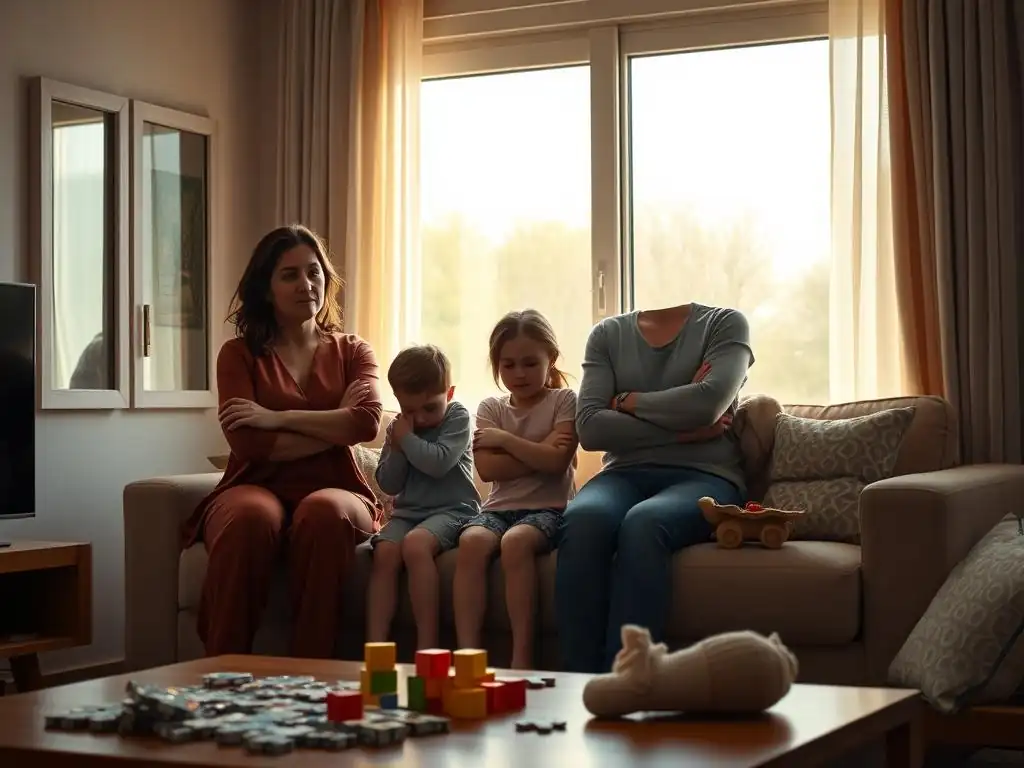
Are you navigating the complex landscape of a blended family and grappling with feelings of resentment or jealousy? You're not alone. It's more common than you think. This guide offers practical blended family resentment jealousy tips to help you understand and address these difficult emotions, fostering a more harmonious and supportive family environment. Intrigued? Let's explore how to build stronger, healthier relationships within your blended family, starting now...
Resentment and Jealousy: Addressing Difficult Emotions in Blended Families
Blended families, formed when two separate households merge, often bring together individuals with different histories, expectations, and emotional landscapes. While they can be incredibly rewarding, they also present unique challenges, particularly concerning difficult emotions like resentment and jealousy. Navigating these feelings is crucial for building strong, harmonious relationships within the new family unit. Understanding where these emotions stem from and how to address them is a vital step in fostering a supportive environment.
- Understanding Resentment and Jealousy in Blended Families
- Identifying Resentment and Jealousy: Recognizing the Signs
- The Impact of Unresolved Resentment and Jealousy on Blended Families
-
Blended Family Resentment Jealousy Tips: Practical Strategies for Addressing Difficult Emotions
- Open Communication: Fostering a Safe Space for Sharing Feelings
- Building Strong Relationships: Strengthening Bonds Within the Blended Family
- Addressing Favoritism: Ensuring Fair Treatment for All Children
- Setting Realistic Expectations: Managing Expectations in a Complex Family System
- Seeking Professional Support: When to Consult a Therapist or Counselor
- Strategies for Stepparents: Navigating Resentment and Jealousy
- Strategies for Children: Coping with Resentment and Jealousy in a Blended Family
- Preventing Resentment and Jealousy: Proactive Measures for Blended Family Success
- Resources for Blended Families: Where to Find Additional Help
- Conclusion: Fostering a Positive and Supportive Blended Family Environment
-
Frequently Asked Questions
- What are the most common sources of resentment and jealousy in blended families?
- How can parents in blended families recognize the signs of resentment or jealousy in their children?
- What are some practical tips for minimizing jealousy between children in a blended family?
- How important is it for parents to acknowledge and validate the feelings of resentment and jealousy experienced by children in blended families?
- When should a blended family consider seeking professional help to address issues of resentment and jealousy?
- Final Reflection: Unraveling the Threads of Resentment in Blended Families
- Uncover Harmony: Taking the Next Steps in Your Blended Family
Understanding Resentment and Jealousy in Blended Families
The formation of a blended family is a significant life change for everyone involved. Children, in particular, may grapple with loyalty conflicts, grief over the loss of their original family structure, and adjustments to new rules and personalities. Adults are simultaneously building a new marriage, navigating co-parenting with an ex-partner, and integrating children from different backgrounds. These complex dynamics create fertile ground for feelings of resentment and jealousy to take root if not acknowledged and managed proactively.
Defining Resentment in the Context of Blended Families
Resentment in a blended family often arises from perceived unfairness, unresolved past hurts, or unmet expectations. It's a feeling of bitter indignation at having been treated unfairly. For a child, this might manifest as resentment towards a stepparent for changing family routines or towards a step-sibling for taking up their biological parent's time. Adults might resent an ex-partner's continued influence, a stepchild's resistance, or a spouse's perceived lack of support.
Consider a common scenario: a stepparent feels resentful because they are expected to provide financially or emotionally for stepchildren who show them little respect. This isn't just fleeting annoyance; it's a deep-seated bitterness that builds over time from repeated interactions or perceived slights. Data suggests that navigating financial expectations and discipline styles are among the top stressors for stepparents, frequently leading to simmering resentment if not openly discussed and resolved.
What Triggers Jealousy in Stepfamilies? Common Causes
Jealousy in blended families is often rooted in fears of losing love, attention, or resources. Children might feel jealous of the attention their parent gives to a new spouse or step-siblings. They might worry about their place in the family hierarchy or feel competitive for limited parental time. Adults can also experience jealousy, perhaps regarding a spouse's relationship with their ex-partner (especially concerning co-parenting) or feeling envious of the seemingly easier bond a spouse has with their biological children compared to stepchildren.
A typical trigger for child jealousy is the distribution of a biological parent's time and affection. If a parent begins spending significant time with a new partner or stepchildren, a child from the previous marriage might interpret this as a reduction in the love available for them. Research indicates that children, particularly during the initial few years post-blending, often report feelings of displacement or competition for parental resources, directly fueling jealous reactions.
The Unique Emotional Landscape of Blended Family Dynamics
Blended families operate within a unique emotional environment shaped by multiple prior relationships, ongoing connections with ex-partners, and varying levels of acceptance and commitment from all members. Unlike first families where roles are often more clearly defined from the start, blended families require constant negotiation and adaptation. This complexity means that emotions like resentment and jealousy can be intertwined with grief, loyalty conflicts, and identity issues.
The emotional bonds in a blended family typically form more slowly and differently than in a first family. Stepparent-stepchild relationships, for instance, rarely replicate the biological parent-child bond. Expectations that they should can lead to significant disappointment and emotional strain. Navigating these distinct relationships while trying to foster a cohesive family unit means acknowledging that feelings will be complex and sometimes contradictory, requiring patience and empathy from everyone involved.
Identifying Resentment and Jealousy: Recognizing the Signs
Identifying resentment and jealousy is the first step towards addressing them. These emotions don't always announce themselves clearly; they can manifest in subtle behaviors or attitudes that, over time, erode family connections. Learning to recognize these signs in yourself and other family members is crucial for proactive intervention and maintaining a healthy family environment.
Recognizing Resentment: Observable Behaviors and Attitudes
Resentment often shows up as passive aggression, withdrawal, or persistent negativity. Someone feeling resentful might make sarcastic remarks, complain frequently about perceived injustices (often related to fairness or workload), or withhold affection or cooperation. In children, it could look like defiance towards a stepparent, constant complaining about rules, or a general sullen attitude when family activities involving the stepparent or step-siblings are suggested.
For instance, a teenager might consistently refuse to participate in chores assigned by a stepparent, even if they comply with the biological parent's requests. An adult might inwardly seethe about their spouse's ex-partner having too much say in holiday plans, expressing their frustration indirectly through irritable comments or a lack of enthusiasm. These behaviors aren't isolated incidents but part of a pattern fueled by underlying bitterness.
Subtle Signs of Jealousy in Children and Adults
Jealousy can be less overt than resentment, manifesting as attention-seeking behaviors, increased sibling rivalry, or possessiveness. A child might suddenly regress, demanding more attention from their biological parent, or exhibit heightened competition with a step-sibling over toys, space, or parental approval. They might also become anxious when their biological parent spends time alone with the new partner or stepchildren.
Adult jealousy can appear as heightened sensitivity to how a spouse interacts with their ex or stepchildren, feeling left out of jokes or conversations, or even feeling competitive for a spouse's affection or approval. For example, a stepparent might feel a pang of jealousy seeing the easy rapport their spouse has with their biological child, especially if their own relationship with a stepchild is strained. These subtle signs, if unnoticed, can fester and create distance.
How Resentment and Jealousy Manifest Differently in Blended Family Members
The expression of these emotions varies significantly based on age, personality, and role within the family. Young children might display jealousy through tantrums or clinging, while older children or teenagers might express resentment through withdrawal, sarcasm, or rebellion. Adults typically have more complex ways of showing these feelings, often internalizing them or expressing them indirectly.
A stepchild might show resentment towards a stepparent by refusing to call them by any title, while a stepparent might show resentment by mentally keeping score of contributions or perceived slights. Jealousy in a young child might be overt crying when a parent hugs a step-sibling, whereas in an adult, it might be a quiet withdrawal during family gatherings or increased tension when the topic of the ex-partner comes up. Understanding these varied manifestations is key to effective blended family resentment jealousy tips and strategies.
The Impact of Unresolved Resentment and Jealousy on Blended Families
When resentment and jealousy are left unaddressed, they act like slow poison, gradually eroding the foundations of the blended family. These powerful emotions don't simply disappear on their own; they tend to intensify over time, creating a toxic atmosphere that affects communication, relationships, and overall family well-being. The consequences can be far-reaching, impacting both individual happiness and the collective harmony of the household.
The Negative Effects on Family Harmony and Communication
Unresolved resentment and jealousy create tension and conflict within the home. Communication becomes strained, often characterized by defensiveness, sarcasm, or avoidance. Family members may walk on eggshells, fearing triggering an emotional outburst, or they might engage in frequent arguments over seemingly minor issues that are actually fueled by deeper, unexpressed feelings.
For instance, a family dinner might be fraught with tension if a stepchild harbors resentment towards a stepparent. Subtle eye-rolls, dismissive tones, or outright refusal to engage can disrupt the meal and leave everyone feeling uncomfortable. This kind of persistent negativity makes it difficult to build trust and openness, essential components of family harmony. Studies show that high levels of unresolved conflict significantly reduce the likelihood of successful long-term blended family integration.
How Resentment and Jealousy Can Strain Relationships Between Stepparents and Stepchildren
Perhaps the most directly impacted relationship is that between stepparents and stepchildren. Resentment from either side can create a significant barrier to forming a positive bond. A stepchild's jealousy over a parent's new relationship can make them resistant to the stepparent, while a stepparent's resentment over a stepchild's behavior can lead to withdrawal or overly harsh discipline.
Consider a stepparent who feels resentful of a stepchild's constant boundary pushing. This resentment can make the stepparent less patient, more critical, and less willing to invest emotional energy in the relationship. Conversely, a stepchild who feels jealous of their biological parent's affection for the stepparent may act out specifically towards the stepparent, creating a cycle of negative interaction that is difficult to break without addressing the underlying emotions.
Long-Term Consequences of Ignoring Difficult Emotions in Blended Families
Ignoring resentment and jealousy doesn't make them go away; it allows them to fester and cause long-term damage. Over years, unresolved issues can lead to significant family estrangement, breakdown of the marital relationship between the biological parent and stepparent, and ongoing emotional distress for children. The goal of creating a supportive, loving family environment becomes increasingly difficult to achieve.
Chronic exposure to a high-conflict home environment can have lasting negative effects on children's emotional well-being, academic performance, and future relationship patterns. For adults, it can lead to chronic stress, unhappiness in the marriage, and regret. Effectively addressing blended family resentment jealousy tips is therefore not just about immediate relief but about building a stable, healthy future for all family members.
Blended Family Resentment Jealousy Tips: Practical Strategies for Addressing Difficult Emotions
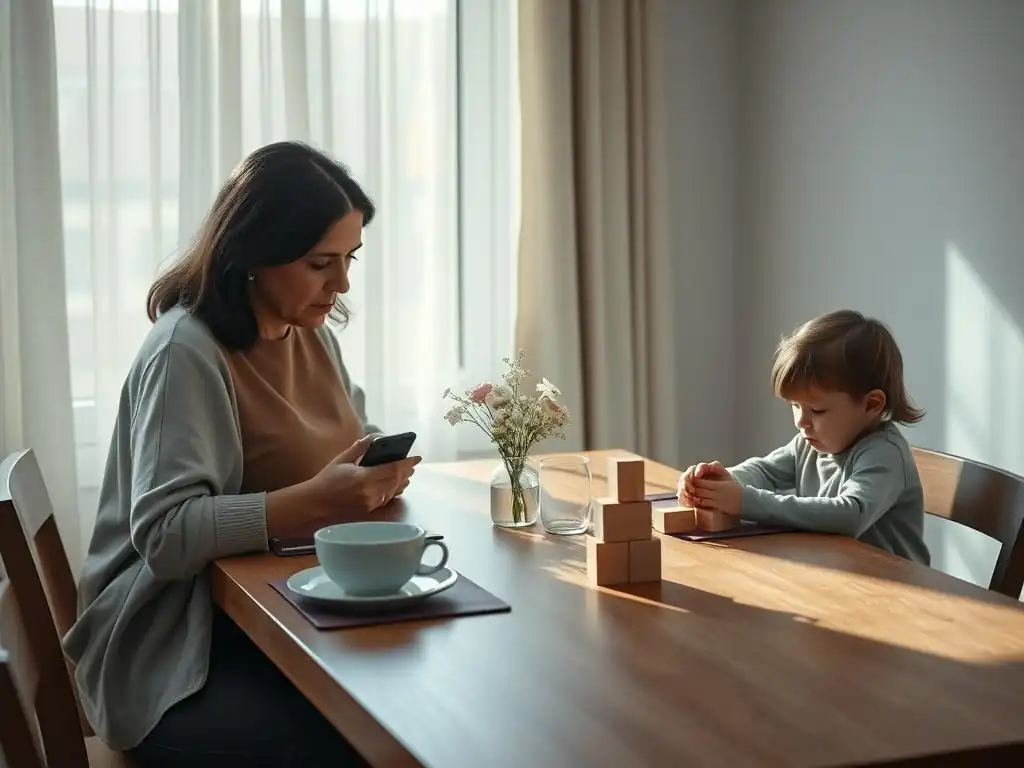
Navigating the complex emotions of resentment and jealousy in a blended family requires intentional effort and practical strategies. It's about creating a family culture where feelings can be expressed safely, relationships are nurtured, and fairness is prioritized. Implementing effective blended family resentment jealousy tips can transform potential conflict into opportunities for growth and stronger bonds.
Open Communication: Fostering a Safe Space for Sharing Feelings
Creating an environment where everyone feels safe to express their feelings without fear of judgment or retaliation is fundamental. This means actively encouraging dialogue, even when it's difficult, and validating each person's experience, even if you don't fully understand or agree with it.
Active Listening Techniques for Understanding Underlying Concerns
Active listening involves fully concentrating on what is being said, understanding the message, responding thoughtfully, and remembering what was said. In the context of blended family emotions, this means listening not just to the words but to the feelings behind them. Use phrases like "It sounds like you're feeling..." or "Help me understand what happened from your perspective." Avoid interrupting, formulating your response while they are speaking, or dismissing their feelings. This approach helps uncover the root causes of resentment or jealousy, which might be related to perceived neglect, unfairness, or insecurity.
Establishing Family Meetings to Air Grievances Constructively
Scheduled family meetings provide a structured time and place for family members to discuss issues, share feelings, and make decisions together. Setting ground rules, such as "one person speaks at a time" and "no name-calling," is essential. These meetings offer a platform to address simmering resentments or jealousies before they escalate. For example, a child who feels a step-sibling gets preferential treatment could raise this in a neutral setting, allowing parents to hear the concern and address it calmly. Aim for meetings to be regular, perhaps weekly or bi-weekly, even if just for a short check-in.
Building Strong Relationships: Strengthening Bonds Within the Blended Family
Strong individual relationships are the bedrock of a resilient blended family. Investing time and effort into nurturing connections between all family members helps to build trust and reduce feelings of insecurity that can fuel jealousy and resentment.
Spending Quality One-on-One Time with Each Family Member
Dedicated one-on-one time with each child (both biological and stepchild) and with your spouse is invaluable. This time allows for individual bonding, strengthens the specific relationship, and provides an opportunity for open conversation in a less formal setting. For a child feeling jealous, knowing they have dedicated, undivided attention from their parent or stepparent can significantly reduce their anxiety and need to compete. Even 15-30 minutes a week focused solely on one person can make a difference.
Creating Shared Experiences and Traditions as a Blended Unit
Developing new family traditions and shared experiences helps to forge a collective identity for the blended family. This could be a weekly movie night, an annual camping trip, celebrating "blended family day," or simply creating unique inside jokes. These shared positive experiences build a sense of belonging and shared history, helping to bridge divides and fostering positive associations with the new family unit. This helps shift focus from "us vs. them" to "we."
Addressing Favoritism: Ensuring Fair Treatment for All Children
Perceived favoritism is a major trigger for resentment and jealousy among siblings and between stepchildren and parents. While treating every child exactly the same isn't always possible or even appropriate (children have different needs), ensuring fairness and equity is critical.
Recognizing and Correcting Unconscious Bias
Parents and stepparents may unknowingly show favoritism towards their biological children due to stronger existing bonds, shared history, or simply comfort level. Stepparents might also lean towards stricter discipline with stepchildren than biological children. It's important to self-reflect and be mindful of these potential biases. Ask yourself if you are applying rules consistently, if you are allocating resources (time, money, attention) equitably, and if you are showing affection and praise to all children genuinely. Seeking feedback from your spouse can also be enlightening.
Establishing Clear and Consistent Rules and Expectations
Inconsistency breeds resentment. Having clear, age-appropriate rules and expectations that apply to all children in the household (with necessary accommodations for age/developmental stage) helps create a sense of order and fairness. Inconsistent discipline, different standards for biological children versus stepchildren, or rules that change depending on which parent is present can lead to significant resentment and feelings of injustice. Work with your spouse to present a united front on household rules and consequences.
Setting Realistic Expectations: Managing Expectations in a Complex Family System
Blended families often don't instantly feel like a cohesive unit. Expecting immediate love, harmony, or a seamless transition can lead to disappointment and frustration, fueling negative emotions.
Understanding the Challenges of Blended Family Life
Acknowledge that blending takes time, effort, and patience. Research often suggests it can take anywhere from 4 to 7 years for a blended family to fully integrate and feel like a cohesive unit. There will be bumps in the road, conflicts, and periods of adjustment. Understanding that these challenges are normal can help you approach them with more resilience and less personal blame, which in turn reduces the likelihood of resentment. Educate yourself and your partner about typical blended family dynamics.
Avoiding Comparisons to Traditional Families
Resist the urge to compare your blended family to traditional nuclear families or even to your previous first family. Each family is unique, and blended families have a distinct structure and dynamic. Trying to force a blended family into a traditional mold can be counterproductive and lead to frustration when reality doesn't match the ideal. Celebrate the unique strengths and bonds that your blended family develops, rather than mourning what it is not.
Seeking Professional Support: When to Consult a Therapist or Counselor
Sometimes, the challenges of blended family dynamics, including persistent resentment and jealousy, are too complex to navigate alone. Professional help can provide valuable tools and perspectives.
Recognizing the Need for Professional Guidance
Signs that professional help might be needed include persistent conflict that doesn't resolve, withdrawal or depression in family members, significant academic or behavioral problems in children, or if you and your spouse are struggling to agree on parenting strategies or feel overwhelmed by the challenges. If resentment or jealousy are consistently disrupting family life and attempts to address them internally have failed, it's likely time to seek outside support.
Benefits of Family Therapy for Blended Families
Family therapy provides a safe and neutral space for all family members to express their feelings and perspectives with the guidance of a trained professional. A therapist specializing in blended families can help identify underlying issues, teach communication skills, mediate conflicts, and develop strategies tailored to your family's specific needs. Therapy can be particularly effective in addressing deep-seated resentment and jealousy, helping family members understand each other's viewpoints and build healthier ways of interacting.
Stepparents often face a unique set of challenges, including navigating relationships with children who may not have chosen them and dealing with the complexities involving the biological parent. Effectively managing personal feelings of resentment or jealousy and responding constructively to these emotions in stepchildren is vital for the stepparent's role and the family's success.
Establishing Boundaries: Defining Your Role and Responsibilities
Clarity is key for stepparents. Define your role in the family alongside your spouse. Are you a co-parent, a supportive adult, or something else? Discuss and agree upon discipline, household rules, and financial contributions. Trying to step into a full parenting role too quickly or without the biological parent's clear support can lead to significant resistance and resentment from stepchildren.
Setting boundaries also means protecting your own well-being. It's okay not to be everyone's best friend immediately. Focus on building respect and trust gradually. It's also important to have boundaries regarding the ex-partner's involvement, ensuring communication is respectful and focused on the children's needs, not personal conflicts.
Building Relationships with Stepchildren: Patience and Understanding
Building a strong relationship with a stepchild takes time, patience, and genuine effort. Avoid trying to replace their biological parent. Instead, aim to become a trusted adult figure in their life. Show interest in their hobbies, attend their events, and be available to listen without judgment.
Understand that children, especially teenagers, may test boundaries or express negative feelings towards you as a way of coping with the changes in their life or their loyalty to their other biological parent. Don't take it personally, though this is incredibly difficult. Respond with consistent kindness, understanding, and firmness where necessary, but avoid engaging in power struggles fueled by your own potential resentment. Focus on small, positive interactions over time.
Communicating Effectively with the Biological Parent: A United Front
A strong partnership between the stepparent and the biological parent is foundational. Work together to present a united front to the children regarding rules, expectations, and discipline. This reduces opportunities for children to triangulate or play parents against each other, which can exacerbate jealousy and resentment.
Regular, respectful communication with your spouse about blended family issues is crucial. Discuss challenges, celebrate successes, and ensure you are both on the same page. If possible and appropriate, maintaining a civil, business-like relationship with the children's other biological parent can also ease transitions and reduce conflict that spills into the blended home.
Strategies for Children: Coping with Resentment and Jealousy in a Blended Family
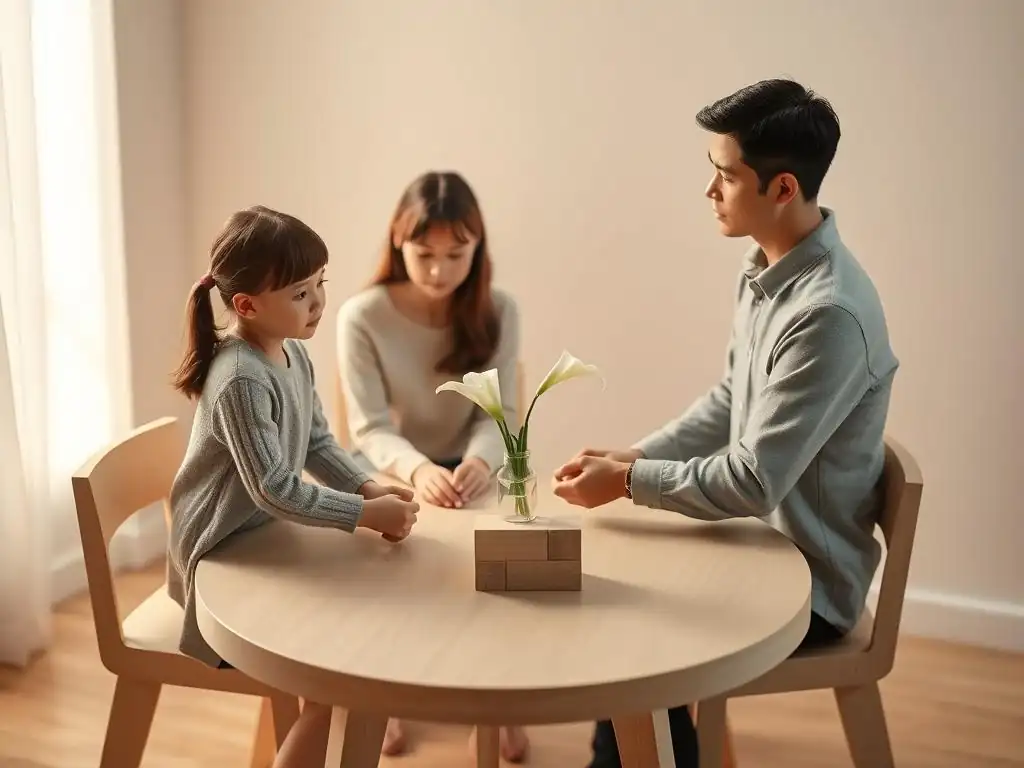
Adjusting to a blended family is often most challenging for children, who have the least control over the situation. Providing children with tools and support to understand and express their feelings of resentment and jealousy in healthy ways is essential for their emotional development and integration into the new family structure.
Expressing Feelings in a Healthy Way: Finding Constructive Outlets
Children need help identifying and naming their emotions. Encourage them to talk about how they feel using "I" statements (e.g., "I feel sad when..." or "I feel left out when..."). Provide them with various outlets for expression, such as drawing, writing in a journal, playing music, or engaging in physical activity.
Teach them that it's okay to feel angry, sad, or jealous, but it's not okay to express these feelings by being mean, destructive, or disrespectful. Role-playing conversations or using feeling charts can be helpful, particularly for younger children. Validate their emotions by saying things like, "It makes sense that you'd feel that way because..."
Understanding the New Family Dynamic: Adjusting to Change
Help children understand that the new blended family doesn't replace their original family or erase their past. Explain that love is not a finite resource; a parent loving a new partner or stepchildren doesn't mean they love their biological child any less. Use analogies, like adding more ingredients to a soup to make it richer, rather than taking away from the original.
Be patient as children process the changes. Adjustment takes time, and there will be ups and downs. Provide consistent routines and predictable schedules where possible, as structure can help children feel more secure during times of transition.
Seeking Support from Trusted Adults: Talking to Parents, Counselors, or Mentors
Ensure children know they have trusted adults they can talk to about their feelings. This includes both biological parents, stepparents (when the relationship allows), grandparents, aunts/uncles, school counselors, or therapists. Let them know it's okay to seek help if they are feeling overwhelmed or struggling to cope with their emotions.
Sometimes children feel uncomfortable talking directly to their parents about certain issues. Having another trusted adult, like a school counselor or a therapist specializing in family dynamics, can provide a neutral space for them to process complex emotions related to blended family resentment jealousy tips and challenges.
Preventing Resentment and Jealousy: Proactive Measures for Blended Family Success
While some level of difficult emotion is almost inevitable in blended families, proactive steps can significantly reduce the intensity and duration of resentment and jealousy. Laying a strong foundation early on and committing to ongoing effort can help build a more resilient and harmonious family unit from the start.
Pre-Blending Counseling: Addressing Potential Issues Before Marriage
One of the most effective proactive measures is seeking pre-blending or pre-marital counseling specifically focused on blended family dynamics. This allows the couple to discuss potential challenges related to parenting philosophies, finances, roles, expectations, and relationships with ex-partners and children before tying the knot.
Counseling can help couples develop a shared vision for the blended family, identify potential triggers for conflict or difficult emotions, and create strategies for addressing them collaboratively. Addressing these complex issues upfront can prevent many future problems and lay the groundwork for effective communication and problem-solving.
Establishing Clear Roles and Expectations Early On
Ambiguity is a major source of conflict and resentment. From the outset, have open discussions about everyone's roles and responsibilities. This includes defining the stepparent's role, agreeing on household rules and discipline approaches, discussing financial arrangements, and setting expectations for how family members will interact.
Involve older children in age-appropriate discussions about the changes and what their roles and responsibilities will be. Clarity about expectations reduces confusion and helps manage the potential for perceived unfairness that fuels resentment and jealousy.
Continuous Communication and Support: Maintaining a Healthy Family Environment
Building a successful blended family is an ongoing process, not a destination. Regular communication between spouses is paramount. Schedule time to check in with each other about how things are going, address issues as they arise, and provide mutual support.
Maintain open lines of communication with the children, encouraging them to share their feelings and concerns. Create a supportive atmosphere where family members feel heard and valued. Proactive check-ins and addressing minor issues before they escalate are key to preventing resentment and jealousy from taking deep root. Consistent effort in maintaining a positive, communicative environment is perhaps the most important long-term strategy.
Resources for Blended Families: Where to Find Additional Help
Navigating the complexities of blended families can be challenging, but you don't have to do it alone. Numerous resources are available to provide information, support, and professional guidance to help your family thrive and effectively implement blended family resentment jealousy tips.
Books and Articles on Blended Family Dynamics
Many excellent books and articles offer insights into the unique challenges and rewards of blended family life. These resources cover topics like stepparenting, dealing with ex-partners, fostering step-sibling relationships, and managing emotions like resentment and jealousy. Reading together as a couple or individually can provide valuable perspectives and practical strategies based on research and experience.
Online Support Groups and Communities
Connecting with other individuals and couples navigating similar challenges can be incredibly validating and helpful. Online support groups and forums dedicated to blended families offer a space to share experiences, ask questions, and receive encouragement from others who understand the unique dynamics. Hearing how others have successfully implemented blended family resentment jealousy tips can provide practical ideas and hope.
Mental Health Professionals Specializing in Family Issues
For more complex or persistent issues, seeking support from a mental health professional specializing in family therapy or blended family dynamics is highly recommended. Therapists can provide tailored strategies, facilitate difficult conversations, and help family members process deep-seated emotions in a safe and supportive environment. Don't hesitate to reach out if you feel overwhelmed or stuck.
Conclusion: Fostering a Positive and Supportive Blended Family Environment
Building a successful blended family is a journey that requires patience, understanding, and a commitment to addressing challenges head-on. Resentment and jealousy are common, albeit difficult, emotions in this complex family structure, but they are not insurmountable. By understanding their roots, recognizing their signs, and implementing proactive and responsive strategies, families can navigate these feelings constructively.
Open communication, intentional relationship building, a commitment to fairness, realistic expectations, and seeking support when needed are powerful blended family resentment jealousy tips that can make a significant difference. While the path may have its difficulties, fostering an environment of empathy, respect, and support allows blended families to build strong bonds and create a loving, resilient unit where every member feels valued and secure.
Frequently Asked Questions
What are the most common sources of resentment and jealousy in blended families?
Resentment and jealousy often stem from perceived unfair treatment, competition for parental attention, and feelings of displacement or loss of status within the new family structure.
How can parents in blended families recognize the signs of resentment or jealousy in their children?
Look for changes in behavior, such as increased withdrawal, aggression, or acting out. Also, pay attention to verbal cues like complaining about favoritism or expressing dislike for step-siblings.
What are some practical tips for minimizing jealousy between children in a blended family?
Focus on creating individualized attention for each child, establishing fair and consistent rules, and encouraging open communication about feelings and concerns within the family.
How important is it for parents to acknowledge and validate the feelings of resentment and jealousy experienced by children in blended families?
It's crucial! Acknowledging feelings helps children feel heard and understood. Validating their emotions allows them to process them in a healthy way and prevents them from becoming bottled up.
When should a blended family consider seeking professional help to address issues of resentment and jealousy?
If resentment and jealousy are severe, persistent, and negatively impacting family relationships, or if communication breaks down entirely, seeking guidance from a therapist or counselor specializing in blended family dynamics is highly recommended.
Final Reflection: Unraveling the Threads of Resentment in Blended Families
The challenges of navigating blended family dynamics are far from abstract; they are a lived reality for millions, impacting the emotional well-being of adults and children alike. The pervasive presence of resentment and jealousy within these families underscores the urgent need for open communication, empathy, and proactive strategies to foster healthy relationships. Ignoring these complex emotions only allows them to fester, potentially leading to long-term damage.
The journey of building a successful blended family is a testament to the resilience of the human spirit, yet it's rarely without its bumps in the road. The subtle shifts in family dynamics, the renegotiation of roles and responsibilities, and the inherent complexities of shared parenting can easily trigger feelings of resentment and jealousy. These emotions, while often uncomfortable to acknowledge, are entirely normal and understandable. The family you are born into is not necessarily the family you grow into.
This quote highlights the fluid nature of family structures and the need for adaptability and understanding as we navigate these changes.
You, the reader, now hold the tools to address these difficult emotions within your own blended family. Take a moment to reflect on the strategies discussed – open communication, individual therapy, family counseling, and the importance of setting healthy boundaries. Don't shy away from the discomfort; embrace it as an opportunity for growth and deeper connection. By actively working towards understanding and resolving resentment and jealousy, you are investing in the strength and happiness of your blended family, creating a legacy of love and support that will endure for generations.
Uncover Harmony: Taking the Next Steps in Your Blended Family
Thanks for taking the time to explore the complexities of resentment and jealousy in blended families. We hope you gained valuable insights into navigating these challenging emotions. Now it's time to put that knowledge into action!
- Prioritize open communication: Schedule a family meeting dedicated to openly discussing feelings and concerns. This is the most crucial step toward building a stronger, more supportive family unit.
- Explore individual resources: Consider seeking individual or family therapy to address deeply rooted issues. This provides a safe space to process emotions and develop healthy coping mechanisms.
- Share your journey: Connect with other blended families online or in your community. Sharing your experiences can be incredibly powerful and validating.
What small step can you take today to foster more understanding and connection within your blended family?