
Gardening as Therapy: Cultivating Peace in Eastern Cultures

Welcome to Mind Care Guide, a sanctuary for nurturing your mental well-being.
Feeling overwhelmed by stress and anxiety? Discover how ancient Eastern traditions have long understood the therapeutic power of nature. This article, " Gardening as Therapy: Cultivating Peace in Eastern Cultures," delves into how gardening reduce stress anxiety, offering a unique cultural perspective on achieving inner peace. Could connecting with the earth be the key to unlocking your own serenity? Explore further and unearth the possibilities...
Gardening as Therapy: Cultivating Peace in Eastern Cultures
- Introduction: The Roots of Horticultural Therapy
- Gardening Practices for Stress Relief
- The Therapeutic Benefits of Gardening
- Creating Your Own Therapeutic Garden
- Integrating Gardening into Your Daily Routine for Mental Wellness
- Conclusion: Embracing Gardening for a Calmer, More Balanced Life
-
Frequently Asked Questions
- How can gardening help reduce stress and anxiety, as suggested in the article?
- Does the article mention specific Eastern cultures where gardening is used as therapy?
- What kind of support and resources related to mental well-being does the Mind Care Guide offer, besides articles on gardening?
- Is gardening alone enough to treat severe anxiety or depression, according to the Mind Care Guide?
- How does the act of cultivating plants contribute to a sense of peace and well-being, as described in the article?
- Final Reflection: The Blooming Power of Peace
- Cultivate Your Inner Peace: Start Your Garden Journey Today!
Introduction: The Roots of Horticultural Therapy
Horticultural therapy, the practice of using gardening and plant-related activities to promote well-being, has deep roots in many cultures around the world, particularly in the East. While formal recognition as a therapeutic modality is more recent in the West, the inherent connection between humans and nature, known as biophilia, has been understood and integrated into daily life and philosophy for centuries in Eastern traditions.
This ancient wisdom recognizes that engaging with the natural world holds profound benefits for mental, emotional, and physical health. The simple act of nurturing a plant, tending to soil, or observing the subtle changes in a garden can offer a powerful antidote to the stresses of modern life.
Historically, gardens in Eastern cultures were not merely aesthetic spaces but were designed for contemplation, meditation, and connecting with the cycles of nature. From the classical gardens of China and Japan to the spiritual landscapes of India, these spaces were intentionally crafted to evoke feelings of peace and harmony.
This deep-seated cultural appreciation for the restorative power of nature laid the groundwork for understanding how activities like gardening reduce stress anxiety and promote overall mental wellness. The philosophies embedded in these traditions highlight the interconnectedness of all living things and the idea that finding balance within oneself is intimately linked to finding balance with the environment.
Connecting with Nature: Philosophies and Mental Wellbeing
Eastern philosophies place significant emphasis on the interconnectedness of humanity and the natural world. Concepts like the Chinese principle of Tao, which speaks to living in harmony with the flow of the universe, or the Japanese aesthetic of wabi-sabi, finding beauty in imperfection and transience, are reflected in traditional gardening practices. These philosophies encourage a mindful engagement with nature, fostering a sense of belonging and reducing feelings of isolation often associated with mental health challenges. Engaging in gardening becomes a practical application of these principles, grounding individuals in the present moment and the tangible reality of growth and decay.
Research supports these ancient insights, demonstrating that time spent in natural environments positively impacts mental health. Studies have shown that exposure to nature can lower levels of cortisol, the body's primary stress hormone, sometimes by as much as 15%.
For example, a 2010 study published in the Journal of Environmental Psychology found that just 20 minutes spent in a park significantly boosted participants' mood and sense of vitality compared to spending time indoors. This scientific evidence aligns with the long-held Eastern belief that aligning oneself with the natural world is fundamental to achieving inner peace and resilience, proving that the simple act of gardening reduces stress anxiety effectively.
How Gardening Reduces Stress and Anxiety: A Holistic Approach
Gardening offers a multifaceted approach to mitigating stress and anxiety, engaging the individual on physical, mental, and emotional levels. Physically, the gentle exercise involved in tasks like digging, planting, and weeding releases endorphins, natural mood boosters. Mentally, the focus required for these tasks pulls attention away from anxious thoughts and worries, anchoring the mind in the present. The repetitive nature of many gardening activities can be deeply meditative, providing a calming rhythm to the day.
Beyond the physical and mental engagement, gardening provides a powerful sense of purpose and accomplishment. Nurturing plants from seed to bloom offers tangible rewards and a connection to life cycles. The sensory experience – the smell of damp earth, the feel of soil, the sight of vibrant colors – further enhances the therapeutic effect. Some research even suggests that contact with soil microbes, specifically Mycobacterium vaccae, can trigger the release of serotonin in the brain, contributing to improved mood and reduced anxiety, further solidifying the understanding that gardening reduces stress anxiety through various biological and psychological pathways.
Gardening Practices for Stress Relief
Eastern cultures have cultivated unique gardening practices that inherently promote mindfulness and stress reduction. These methods often involve specific techniques and design principles aimed at fostering tranquility and a deeper connection with nature.
Zen Gardens: Mindfulness Through Raking and Arrangement
Zen gardens, or Karesansui, are a prime example of how structured gardening can be a form of active meditation. These dry landscape gardens, often found in Zen Buddhist temples in Japan, consist primarily of rocks, gravel or sand, moss, and sometimes a few carefully placed trees or shrubs. They are designed to represent natural landscapes, such as islands in a sea, and are meant to be contemplated from a single viewpoint, encouraging introspection and reflection.
The most iconic practice associated with Zen gardens is the raking of the gravel or sand. This seemingly simple task is a profound meditative exercise. The act of creating patterns, often representing waves or ripples, requires focus, patience, and a rhythmic motion that can quiet the mind. Monks and practitioners often spend considerable time meticulously raking the garden, finding it a powerful way to cultivate present moment awareness and detach from distracting thoughts, demonstrating how this form of gardening reduces stress anxiety through focused, repetitive action.
Karesansui: Dry Landscape Gardening for Meditation
Karesansui gardens are not about cultivating plants in the traditional sense; they are about cultivating the mind. The careful placement of rocks, which often represent mountains or islands, is guided by principles of asymmetry and balance, inviting the viewer to contemplate deeper truths about nature and existence. The empty space, represented by the raked gravel, is as important as the objects within it, symbolizing emptiness or the void – a key concept in Zen Buddhism.
The process of maintaining a Karesansui garden, particularly the raking, serves as a form of moving meditation. The physical act is repetitive and calming, while the mental focus required prevents the mind from wandering. It is a practice in discipline and mindfulness, where the gardener is fully engaged in the task at hand. This deliberate engagement with the physical environment, even one composed of inanimate elements, provides a tangible way to practice mindfulness and find peace amidst internal turmoil.
Achieving Inner Peace Through Minimalist Design
The minimalist design of Zen gardens directly contributes to their therapeutic effect. By stripping away complexity and focusing on essential elements, the garden creates a sense of calm and clarity. The lack of abundant flora means there are fewer distractions, allowing the mind to settle and observe the subtle details of the composition. This aligns with the minimalist principles often applied to living spaces to reduce mental clutter and promote relaxation.
The deliberate simplicity encourages the viewer to look inward and find peace not in external stimulation, but in the contemplation of form, space, and meaning. It teaches patience and appreciation for subtlety. While not gardening with plants, the principles of design and the meditative raking practice offer a potent way to engage with a landscape to quiet the mind, illustrating a unique method where structured interaction with a garden reduces stress anxiety by promoting internal stillness.
Forest Bathing: Connecting with Nature Through Immersion
Originating in Japan in the 1980s as Shinrin-yoku, forest bathing is the practice of immersing oneself in the atmosphere of the forest. It is not about hiking or exercising, but simply being present in the forest environment, engaging all the senses. This practice recognizes the profound healing power of trees and the forest ecosystem on human well-being.
The concept quickly gained traction due to scientific evidence supporting its benefits. Studies have shown that spending time in forests can lower blood pressure, reduce stress hormones like cortisol, improve immune function by increasing natural killer (NK) cells, and boost mood. It's a form of therapy that requires no special skills, only the willingness to slow down and connect with the natural world around you, offering a passive yet powerful way that exposure to nature reduces stress anxiety.
The Benefits of Shinrin-yoku
The physiological benefits of Shinrin-yoku are well-documented. Research conducted in Japan found that subjects who spent time in a forest environment showed significantly lower concentrations of cortisol, lower heart rates, and lower blood pressure compared to those who spent time in an urban environment. For instance, a study published in Environmental Health and Preventive Medicine in 2010 reported that forest visits resulted in a 16% decrease in cortisol and a 2% decrease in blood pressure.
Beyond the physiological, Shinrin-yoku also has significant psychological benefits. Participants often report reduced feelings of stress, anxiety, and depression, alongside increased feelings of vigor and peace. The sensory experience – the scent of trees (phytoncides), the sound of leaves rustling, the sight of green – contributes to a calming effect on the nervous system. This practice provides a powerful, accessible method for individuals to significantly reduce stress anxiety by simply being present in a natural setting.
Creating a Tranquil Space for Reflection and Healing
While true Shinrin-yoku involves visiting natural forests, the principles can be adapted to create tranquil spaces closer to home. This might involve cultivating a small wooded area, planting trees and shrubs that evoke a forest feel, or simply creating a quiet corner in a larger garden that is dense with foliage. The key is to design a space that encourages slowing down, quiet observation, and sensory engagement with the plants.
Such spaces can incorporate elements like a simple bench for sitting, a path for slow walking, and plants known for their calming scents or soothing visual textures. The goal is to minimize distractions and create an environment conducive to reflection and healing. While not a full forest, a carefully designed garden corner can still provide a dose of nature's calming influence, contributing to a reduction in stress and anxiety.
Community Gardens: Building Connections and Reducing Isolation
While perhaps less tied to ancient Eastern philosophy than Zen gardens or Shinrin-yoku, community gardens embody the Eastern principle of interconnectedness and the importance of social harmony for individual well-being. These shared spaces, where individuals or groups cultivate plots of land together, offer a powerful way to combat social isolation and build supportive networks.
Engaging in gardening alongside others fosters a sense of community and shared purpose. Participants often share knowledge, tools, and the bounty of their harvests, creating strong bonds. This social interaction provides emotional support, reduces feelings of loneliness, and contributes to a sense of belonging – all crucial factors in maintaining good mental health and helping to reduce stress anxiety stemming from isolation.
The Importance of Shared Spaces
Community gardens provide vital green spaces in urban environments, offering access to nature for individuals who may not have private gardens. These shared spaces become hubs for social activity, bringing together people from diverse backgrounds. The collaborative nature of maintaining a shared garden plot or common areas encourages communication and mutual support.
A study conducted in Philadelphia found that individuals who participated in community gardening reported higher levels of social support and reduced stress compared to non-gardeners. Approximately 70% of participants in one community garden program reported meeting new people and forming friendships, highlighting the significant role these spaces play in building social capital and reducing the isolation that can exacerbate mental health challenges.
Promoting Relaxation Through Collaboration
Working together in a community garden can make the physical tasks feel less daunting and more enjoyable. Sharing the workload and celebrating successes collectively creates a positive and relaxing atmosphere. The focus shifts from individual pressure to a shared endeavor, reducing performance anxiety.
Furthermore, the opportunity to learn from experienced gardeners and share knowledge empowers individuals and builds confidence. This collaborative learning environment is less intimidating than learning alone. The shared experience of watching plants grow and contributing to a vibrant community space provides a unique form of relaxation and satisfaction, demonstrating how collaborative gardening reduces stress anxiety through social connection and shared accomplishment.
The Therapeutic Benefits of Gardening
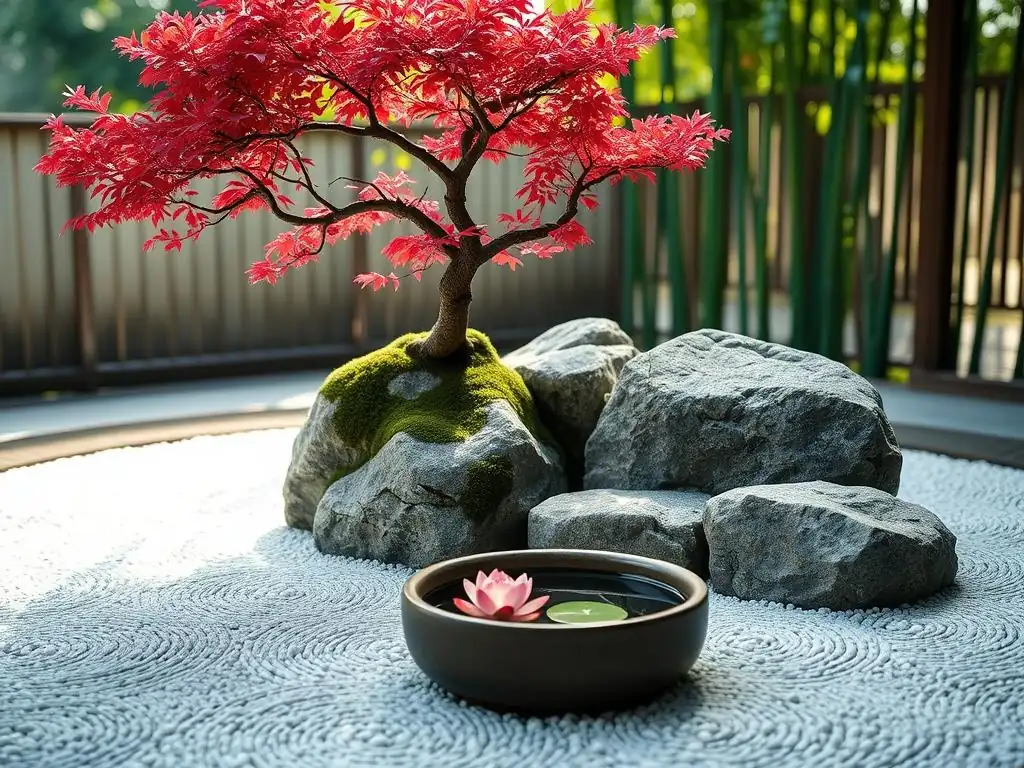
Beyond specific practices, the general act of gardening offers a wide range of therapeutic benefits that contribute to improved mental well-being. Engaging with plants and soil provides a unique pathway to mindfulness, stress reduction, and cognitive enhancement.
Gardening and Mindfulness: Cultivating Present Moment Awareness
Gardening is an inherently mindful activity. It requires attention to detail – observing the needs of plants, noticing pests or diseases, feeling the texture of the soil. These tasks anchor the mind in the present moment, pulling focus away from worries about the past or future. The slow, rhythmic nature of many gardening tasks, like watering or weeding, can be deeply meditative, promoting a state of relaxed focus.
The process encourages patience and acceptance, as gardeners learn to work with nature's pace and unpredictability. There are moments of frustration, like dealing with pests or crop failures, but also moments of profound joy, like witnessing a seed sprout or a flower bloom. Navigating these experiences cultivates resilience and a deeper appreciation for the present, actively using gardening reduce stress anxiety by fostering a mindful connection to life's cycles.
Reducing Anxiety and Depression Through Horticultural Activities
Horticultural therapy programs have shown significant positive impacts on individuals experiencing anxiety and depression. The physical activity involved releases endorphins, which have mood-lifting effects. Exposure to sunlight helps regulate circadian rhythms and vitamin D production, both important for mood regulation. The sense of responsibility for living things provides purpose and structure, which can be particularly beneficial for those struggling with lack of motivation or feelings of hopelessness.
Studies have consistently demonstrated these benefits. A meta-analysis published in The Journal of Alternative and Complementary Medicine in 2017 reviewed multiple studies on horticultural therapy and found significant reductions in symptoms of depression and anxiety across various populations, including veterans, individuals with mental illness, and older adults. The structured engagement with the natural world provides a tangible way to improve mood and reduce the intensity of negative feelings.
Improving Cognitive Function and Focus with Garden Tasks
Engaging in gardening activities can also sharpen cognitive skills. Planning a garden layout, remembering planting schedules, identifying different plants and pests, and problem-solving when things go wrong all exercise various parts of the brain. Fine motor skills are used in tasks like planting seeds or pruning.
Research suggests that gardening can help improve attention span and executive function. A study involving older adults with mild cognitive impairment found that participation in a gardening program led to measurable improvements in cognitive function tests after just a few months. The combination of physical activity, sensory stimulation, and cognitive engagement makes gardening a powerful tool for maintaining and improving mental acuity, further supporting how gardening reduce stress anxiety while also boosting brain health.
Creating Your Own Therapeutic Garden
Designing a garden space specifically for relaxation and mental well-being is a rewarding process. It involves selecting plants that promote calm, structuring the space to encourage contemplation, and adopting practices that are kind to both you and the environment.
Choosing Plants for Stress Reduction and Emotional Wellbeing
Certain plants are known for their calming properties, either through their scent, visual appeal, or the associations they evoke. Incorporating these into your garden can enhance its therapeutic effect.
Lavender, Chamomile, and Jasmine: Popular Choices for Calming Effects
- Lavender: Known for its soothing scent, often used in aromatherapy to reduce anxiety and promote sleep. Growing lavender allows you to enjoy its fragrance fresh or dry it for sachets and teas.
- Chamomile: Famous for its calming tea, chamomile is easy to grow and its delicate flowers add a cheerful touch to the garden. The act of harvesting and drying it can be a mindful activity.
- Jasmine: Many varieties of jasmine have intensely fragrant flowers, particularly in the evening. Their sweet scent can be deeply relaxing and transportive, creating a tranquil atmosphere.
These are just a few examples; many herbs like mint and rosemary also have invigorating or calming scents, and visually appealing plants with soothing colors (like blues and greens) or textures can contribute to a peaceful environment.
Native Plant Recommendations Based on Your Region/Climate
Choosing native plants is beneficial for local ecosystems and can also reduce the stress of maintenance, as they are adapted to your specific climate and soil conditions. [Please consult a local nursery, extension office, or native plant society for specific recommendations tailored to your geographic region and climate zone.] Native plants often require less water and fewer pesticides, making gardening easier and more sustainable, thereby reducing potential sources of stress related to plant care challenges.
For example, in the Northeastern United States, plants like Coneflower (Echinacea), Bee Balm (Monarda), and certain native ferns can create a calming, naturalistic feel while supporting local pollinators. In a Mediterranean climate, native sages and lavenders (different varieties than the common English lavender) can thrive. Selecting plants that belong in your environment fosters a deeper connection to your local landscape and reduces the effort needed for them to flourish.
Designing a Garden Space for Relaxation and Meditation
The layout and features of your garden space can significantly impact its ability to promote relaxation. Consider creating distinct zones for different activities – active gardening, quiet contemplation, or social gathering.
Incorporating Water Features for a Soothing Ambiance
The sound of water is universally recognized as calming. A small fountain, a bird bath with dripping water, or a pond can add a layer of tranquility to your garden. The visual movement of water is also mesmerizing and can help draw your focus and promote a meditative state.
Even a simple water bowl can attract birds and insects, adding natural sounds and life to the space. The maintenance of a water feature can also become a mindful task, requiring regular cleaning and observation. The presence of water helps create a sensory experience that directly contributes to the garden's ability to reduce stress anxiety.
Creating Seating Areas for Contemplation
It's important to have a designated spot where you can simply sit, observe, and be present in your garden. This might be a single bench nestled among plants, a comfortable chair with a view of a key feature, or a small patio area.
This seating area should be a place where you can pause, breathe deeply, and appreciate the beauty and life around you without feeling the need to do anything. Having such a space encourages regular moments of quiet reflection, making it easier to integrate the stress-reducing benefits of the garden into your daily or weekly routine.
Sustainable Gardening Practices
Adopting sustainable gardening methods benefits the environment and can also reduce your stress levels by simplifying processes and aligning your actions with ecological values.
Composting and Natural Pest Control Methods
Composting kitchen scraps and garden waste reduces landfill waste and creates nutrient-rich soil, improving plant health naturally. Learning to compost is a straightforward process that connects you to the cycle of decomposition and rebirth in the garden.
Using natural pest control methods, such as introducing beneficial insects (like ladybugs for aphids) or using plant-based sprays (like neem oil), avoids exposure to harsh chemicals and promotes a healthier ecosystem in your garden. These methods often require observation and understanding of natural processes, fostering a deeper, more mindful connection with the garden's inhabitants.
Respecting the Land and Promoting Biodiversity
Sustainable gardening is rooted in respecting the natural environment. This includes choosing the right plants for the right place, conserving water, avoiding harmful chemicals, and creating habitats for local wildlife like birds and pollinators.
By promoting biodiversity, you create a more resilient garden ecosystem, which can lead to fewer problems with pests and diseases, reducing potential sources of frustration. Knowing that your gardening practices are supporting local wildlife and contributing positively to the environment adds another layer of satisfaction and purpose, enhancing the garden's role in helping you garden reduce stress anxiety.
Integrating Gardening into Your Daily Routine for Mental Wellness
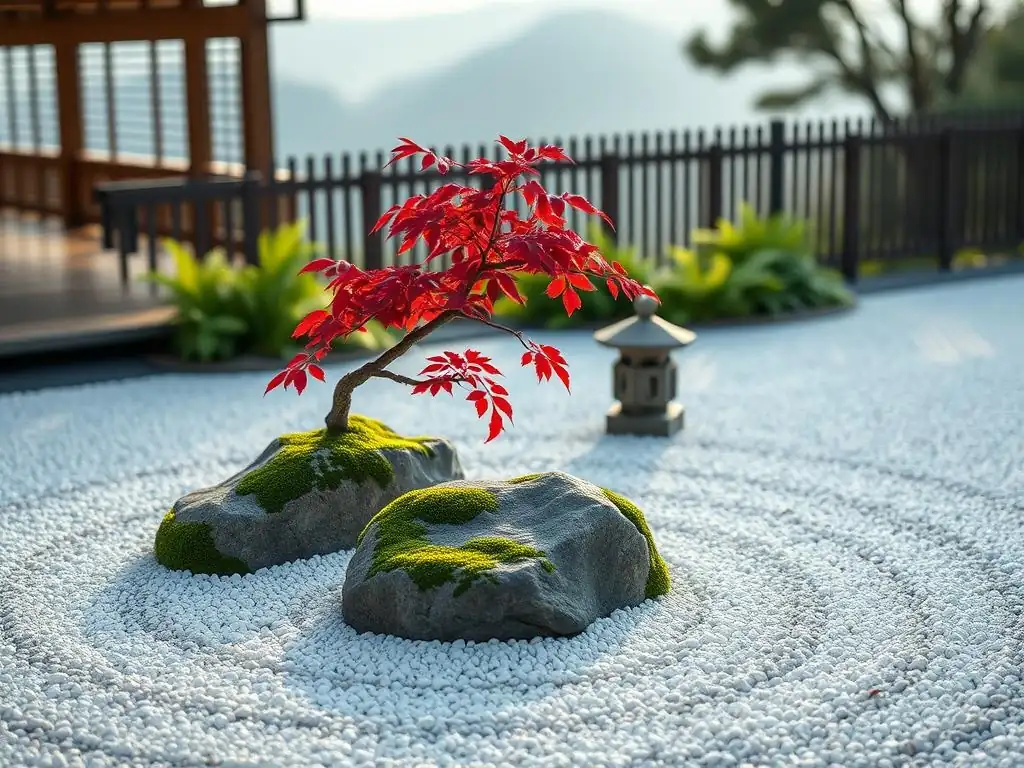
Making gardening a regular part of your life, even in small ways, can have lasting positive effects on your mental health. It doesn't require vast amounts of time or space to reap the benefits.
Simple Gardening Techniques for Beginners
You don't need to be an expert gardener to start. Begin with simple tasks:
- Grow herbs in pots on a windowsill.
- Start seeds indoors and watch them sprout.
- Water plants mindfully, paying attention to the feel of the soil.
- Spend just 15 minutes a day weeding a small area.
- Observe the birds or insects visiting your plants.
These small, consistent interactions with plants can provide regular moments of calm and connection, proving that even minimal gardening reduces stress anxiety for beginners.
Finding Local Gardening Communities and Workshops
Connecting with other gardeners can enhance the therapeutic experience. Look for local community gardens, garden clubs, or workshops offered by nurseries or botanical gardens.
These resources provide opportunities to learn new skills, share experiences, and build social connections. Learning from others and working alongside them can make gardening more enjoyable and less intimidating, reinforcing its role as a positive, stress-reducing activity. Many workshops focus on specific techniques or plant types, offering structured ways to engage with the hobby.
Long-Term Benefits of Horticultural Therapy for Mental Health
Consistent engagement with gardening offers sustained benefits for mental well-being. Over time, individuals often report improved mood, reduced symptoms of anxiety and depression, better sleep patterns, increased physical activity, and enhanced cognitive function.
The ongoing nature of gardening – the seasonal cycles, the continuous care required – provides a consistent source of purpose and structure. It encourages patience and resilience in the face of challenges. For many, gardening becomes a vital coping mechanism and a fundamental part of a healthy lifestyle, demonstrating its enduring power in helping individuals garden reduce stress anxiety and foster long-term mental resilience.
Conclusion: Embracing Gardening for a Calmer, More Balanced Life
The wisdom of Eastern cultures regarding humanity's deep connection with nature offers profound insights into the therapeutic power of gardening. From the meditative practices of Zen gardens and the restorative immersion of Shinrin-yoku to the community spirit of shared plots, engaging with the natural world through gardening provides a potent pathway to peace and well-being.
The Enduring Power of Nature
Nature possesses an innate ability to heal and restore. In an increasingly fast-paced and disconnected world, returning to the simple act of cultivating life in a garden offers a vital counterbalance. It grounds us, reminds us of natural rhythms, and provides a tangible source of beauty and growth. The inherent connection between the gardener and the garden creates a reciprocal relationship that nurtures both the plants and the human spirit, confirming that gardening reduces stress anxiety by fostering this fundamental bond.
Future Research and Developments in Horticultural Therapy
As the benefits of connecting with nature become more widely recognized, research into horticultural therapy continues to grow. Future studies may further explore the specific biochemical interactions between humans and plants, the optimal "dosage" of nature exposure for different conditions, and the integration of horticultural therapy into mainstream healthcare and mental health treatment plans. The potential for gardening to serve as an accessible, enjoyable, and effective tool for promoting mental wellness is vast, promising exciting developments in this ancient yet increasingly relevant practice.
Frequently Asked Questions
How can gardening help reduce stress and anxiety, as suggested in the article?
Gardening provides mindfulness and a connection with nature, distracting from stressors. The repetitive tasks involved can be meditative, and nurturing plants fosters a sense of accomplishment, ultimately reducing stress and anxiety.
Does the article mention specific Eastern cultures where gardening is used as therapy?
While the article title alludes to Eastern cultures, the Mind Care Guide piece focuses on the general benefits of gardening. Specific cultural examples may be found in other articles on the Mind Care Guide website, or through further research on gardening practices.
The Mind Care Guide offers a comprehensive suite of resources, including information on various mental health challenges. It also provides support networks and links to professional help for those seeking assistance with their mental well-being.
Is gardening alone enough to treat severe anxiety or depression, according to the Mind Care Guide?
No, the Mind Care Guide emphasizes that gardening is a complementary therapy, not a replacement for professional treatment. It can be a valuable tool, but severe conditions require a more comprehensive approach involving therapy and/or medication.
How does the act of cultivating plants contribute to a sense of peace and well-being, as described in the article?
Cultivating plants promotes a sense of purpose and responsibility. Witnessing growth and beauty fosters positive emotions and a sense of connection to something larger than oneself, leading to a feeling of inner peace.
Final Reflection: The Blooming Power of Peace
The ancient practice of gardening, far from being a mere hobby, offers a potent antidote to the pervasive stress and anxiety of modern life. Its ability to cultivate inner peace, as explored throughout this article, remains profoundly relevant in our increasingly frenetic world. The simple act of nurturing a plant, witnessing its growth, and connecting with the earth offers a tangible pathway to tranquility that transcends cultural boundaries.
The enduring influence of gardening as a therapeutic practice in Eastern cultures is undeniable, shaping not only individual well-being but also collective societal values. It's a testament to the inherent human need for connection with nature and a rhythm that slows the relentless pace of modern existence. The earth laughs in flowers.
– Ralph Waldo Emerson. This quote beautifully encapsulates the joy and healing that can be found in the simple act of tending a garden, a joy that resonates deeply within me and, I hope, within you as well.
Now, consider your own life. What small space, however limited, could you dedicate to cultivating peace? Perhaps a single pot on a windowsill, a small herb garden on your balcony, or even a few carefully chosen succulents. The size doesn't matter; what matters is the intention, the mindful connection with nature, and the quiet solace it offers. Embrace the opportunity to nurture not only plants, but also your own well-being, one seed, one sprout, one breath at a time. Let the garden within you bloom.
Cultivate Your Inner Peace: Start Your Garden Journey Today!
Thanks for taking the time to explore the therapeutic power of gardening within Eastern cultures! We hope you gained valuable insights into how nurturing plants can nurture your mind and spirit. Now, it's time to put these ideas into practice.
- Start small: Begin with one easy-to-grow herb or flower. This small step will build confidence and momentum.
- Share your experience: Tell us (or a friend!) about your initial gardening experiences. What challenges did you encounter? What did you enjoy most?
- Consider a mindful gardening practice: Take some time each day to connect with your plants; observe, feel, and appreciate the growth.
Ready to transform your space and your inner landscape? What's the first plant you’ll nurture on your journey to mindful gardening?