
Sit Still, Be Happy: Finding Your Ideal Meditation Comfort Solution

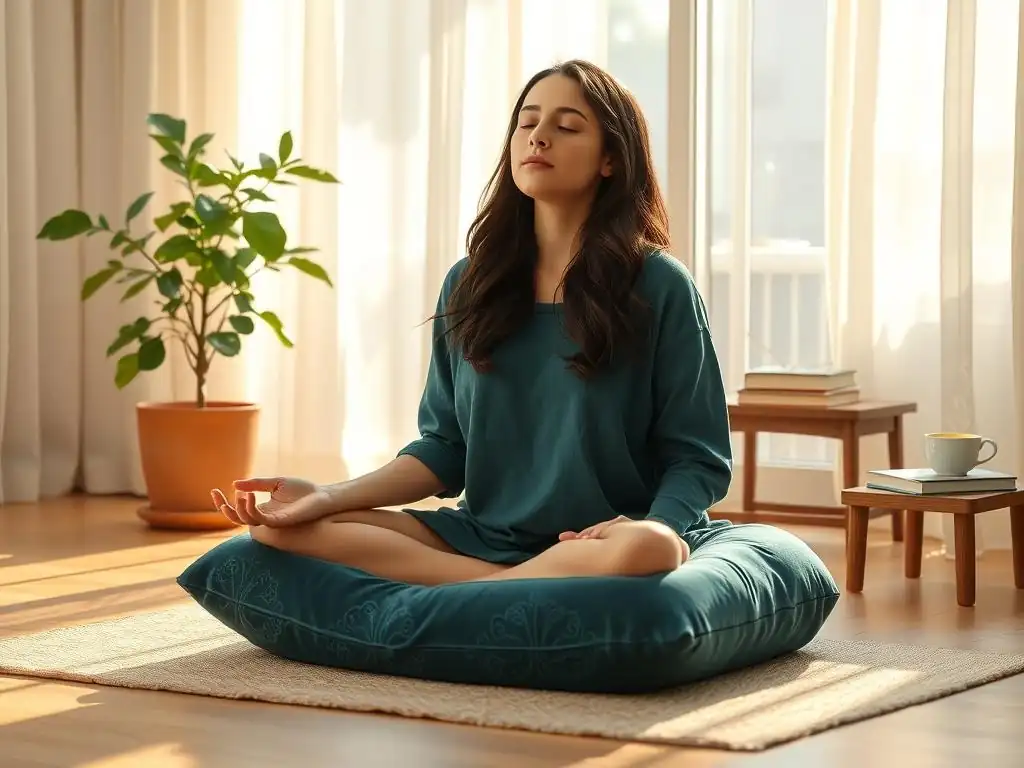
Welcome to Mind Care Guide, a sanctuary dedicated to your mental well-being. Feeling overwhelmed by anxiety? You're not alone. Discover how to unlock inner peace with our comprehensive guide, "Sit Still, Be Happy," exploring the transformative power of meditation comfort for anxiety. Curious about finding the perfect meditation setup to soothe your mind? Let's begin your journey to tranquility...
Sit Still, Be Happy: Finding Your Ideal Meditation Comfort Solution
- Understanding Meditation Comfort for Anxiety Relief
- Choosing Your Ideal Meditation Support: Cushions vs. Chairs
- Factors to Consider When Selecting Meditation Comfort Products
- The Importance of Proper Posture for Anxiety Reduction During Meditation
- Beyond Cushions and Chairs: Other Comfort-Enhancing Tools
- Real-Life Examples: Finding Meditation Comfort That Works
- Maximizing the Benefits of Meditation Comfort for Anxiety
- Final Thoughts: Investing in Your Meditation Comfort and Mental Well-being.
-
Frequently Asked Questions
- What is Meditation Comfort and how does it relate to anxiety?
- Why is physical comfort important for effective meditation, especially for anxiety relief?
- What are some common barriers to Meditation Comfort for those with anxiety?
- What are some practical tips for improving Meditation Comfort when dealing with anxiety?
- How often should I practice meditation to experience Meditation Comfort and reduce anxiety?
- Final Reflection: Finding Stillness in a Restless World
- Unveil Your Perfect Meditation Posture
Understanding Meditation Comfort for Anxiety Relief
Why Comfortable Meditation Posture Matters for Anxiety Management
Achieving a comfortable posture during meditation is far from a mere luxury; it's a foundational element, particularly when using meditation for anxiety relief. Physical discomfort, such as aching knees, a sore back, or pins and needles, can be a significant distraction. When the body is in pain or strain, the mind often gets caught up in those sensations, making it difficult to focus on the breath or the object of meditation.
For someone already struggling with anxiety, this physical distraction can easily trigger or exacerbate anxious thought patterns, creating a vicious cycle where discomfort fuels worry and worry amplifies physical tension. Studies, including some focusing on the physiological impacts of posture, suggest that maintaining a relaxed yet upright spine can positively influence the nervous system, potentially lowering cortisol levels and promoting a sense of calm conducive to managing anxiety symptoms.
Investing in proper meditation comfort for anxiety management allows individuals to extend their practice duration and deepen their meditative state. When the body is supported and at ease, the mind is freer to settle. This physical stability provides a anchor, making it easier to observe thoughts and feelings without getting swept away by them – a crucial skill in navigating anxiety.
Furthermore, a comfortable setup encourages consistency. If meditation is a painful or uncomfortable experience, it becomes a chore rather than a refuge, making adherence to a regular practice much less likely. Regularity is key to reaping the long-term benefits of meditation, such as increased emotional regulation and reduced reactivity to stressors, which are vital tools for those seeking relief from anxiety.
The Link Between Physical Discomfort and Anxious Thoughts
The connection between physical discomfort and anxious thoughts is deeply rooted in the body's stress response system. When the body experiences pain or strain, it sends signals to the brain that can be interpreted as a threat or stressor. For individuals predisposed to anxiety, this physical signal can easily trigger the "fight or flight" response, leading to increased heart rate, shallow breathing, muscle tension, and a cascade of anxious thoughts.
Instead of being able to observe thoughts neutrally, the mind becomes hyper-focused on the discomfort and potential negative outcomes, such as "Will this pain get worse?" or "I can't do this," which are classic manifestations of anxious thinking. Approximately 60-70% of people reporting difficulty with consistent meditation cite physical discomfort as a primary barrier, highlighting how pervasive this issue is.
Moreover, physical discomfort can directly disrupt the parasympathetic nervous system, which is responsible for the body's "rest and digest" state. A comfortable posture, especially one that allows for open chest and relaxed shoulders, facilitates deeper, diaphragmatic breathing, which activates the parasympathetic system and counteracts the anxiety response.
Conversely, slouching or straining can restrict breath and perpetuate muscle tension, keeping the sympathetic nervous system (the "fight or flight" system) activated. By addressing physical discomfort through appropriate meditation comfort solutions, individuals can create a physiological environment more conducive to relaxation and mental clarity, making their meditation practice a more effective tool for reducing anxiety symptoms and fostering a sense of inner peace.
Key Features to Look for in Meditation Comfort Products
When seeking meditation comfort for anxiety, several key features should guide your selection process. Support is paramount; the product should help maintain a stable, upright, yet relaxed spine without requiring muscular effort. This often involves elevating the hips slightly above the knees to allow the pelvis to tilt forward naturally. Materials play a crucial role; look for durable, supportive fillings like buckwheat hulls or kapok for cushions, or sturdy frames and adequate padding for chairs. The texture and breathability of the fabric can also impact comfort, especially during longer sessions.
Consider the intended use and portability. If you plan to meditate in various locations, a lightweight and easily transportable option is essential. For home use, size and storage might be bigger factors. Finally, think about adjustability. Some chairs offer adjustable backrests, while some cushions can be shaped or folded to suit different postures. Ensuring these features align with your body's needs and your specific meditation practice style will significantly enhance your ability to find comfort and consistency, thereby improving the effectiveness of meditation comfort for anxiety relief.
Choosing Your Ideal Meditation Support: Cushions vs. Chairs
Meditation Cushions: A Traditional Approach to Comfort
Meditation cushions, particularly the Zafu and Zabuton, represent a traditional and widely used approach to finding meditation comfort for anxiety. Originating from Zen Buddhist practices, these cushions are designed to elevate the hips and support the legs in cross-legged or kneeling positions.
A Zafu is typically a round or crescent-shaped cushion filled with firm material like buckwheat hulls or kapok, while a Zabuton is a large, flat mat that provides padding and insulation for the knees, ankles, and feet. Using them together or separately helps create a stable base, allowing the spine to align naturally and reducing pressure on the lower body joints.
This traditional setup has been favored for centuries because it promotes a grounded and stable posture, which is seen as mirroring a stable and grounded mind – a beneficial state when dealing with anxiety. While they require some degree of flexibility to use comfortably, especially for longer periods, their effectiveness in facilitating proper hip elevation and spinal alignment makes them a popular choice for those seeking a dedicated and authentic meditation experience aimed at enhancing meditation comfort for anxiety.
Pros of Meditation Cushions for Anxiety Reduction
- Promote Proper Posture: Elevate hips for natural spinal alignment, reducing strain.
- Grounding Sensation: Provide a stable, close-to-the-ground feel, which can be calming for some.
- Portable: Many cushions are lightweight and easy to carry.
- Versatile: Can be used for various cross-legged or kneeling postures.
- Traditional Feel: Connects practitioners to ancient meditation traditions.
Cons of Meditation Cushions: Potential Limitations
- Requires Flexibility: May be uncomfortable for individuals with stiff hips, knees, or ankles.
- Limited Back Support: Offer no direct back support, requiring core strength.
- Can Cause Pressure Points: If not properly positioned, can lead to numbness or pain in legs.
- Learning Curve: Finding the ideal cushion type and position may take time.
Best Meditation Cushion Recommendations for Anxiety Sufferers
Zafu Meditation Cushion - Enhanced Posture Support
The Zafu is excellent for slightly elevating the hips, making it easier to maintain a comfortable cross-legged posture like Burmese, half-lotus, or full lotus. A buckwheat-filled Zafu is particularly good because the filling conforms to your body shape while providing firm support. This elevation helps the knees drop below the hips, reducing strain on the hip flexors and lower back, which can significantly improve meditation comfort for anxiety by minimizing physical distractions.
Zabuton Meditation Cushion Set - Maximum Comfort and Joint Protection
Combining a Zafu with a Zabuton creates a comprehensive comfort system. The Zabuton provides a thick, padded surface that cushions the knees, ankles, and feet from the hard floor, preventing pressure points and numbness. This extra layer of comfort and support is invaluable for longer meditation sessions, allowing individuals to focus on their breath and mental state rather than physical discomfort, thereby enhancing the effectiveness of meditation comfort for anxiety relief.
Meditation Chairs: Modern Comfort and Support
Meditation chairs offer a modern alternative to traditional cushions, designed for individuals who require more support, particularly for the back, or who have physical limitations that make floor sitting challenging. These chairs typically elevate the sitter off the floor slightly and often feature a backrest. They allow for a stable and upright posture without the need for significant hip or knee flexibility, making them accessible to a wider range of people seeking effective meditation comfort for anxiety.
Meditation chairs come in various forms, from simple floor chairs with low back support to more elaborate models with ergonomic designs and thicker padding. Their primary advantage is providing consistent back support, which can help prevent slouching and reduce fatigue during extended periods of sitting. This stability and ease can make the meditation experience more approachable and sustainable, offering a valuable pathway to meditation comfort for anxiety for those who find traditional floor sitting difficult.
Pros of Meditation Chairs for Anxiety Relief
- Back Support: Provides crucial support for the spine, reducing fatigue and strain.
- Increased Accessibility: Suitable for individuals with flexibility issues, injuries, or mobility limitations.
- Stability: Offers a stable and secure seating option.
- Reduced Pressure on Joints: Elevates the body, lessening pressure on knees and ankles compared to some floor postures.
Cons of Meditation Chairs: Considerations Before Buying
- Less Portable: Generally heavier and bulkier than cushions.
- Can Be More Expensive: Higher-end models may cost significantly more.
- May Limit Posture Variety: Primarily designed for sitting with legs extended or tucked under.
- Less Traditional Feel: May not appeal to those seeking a classic meditation experience.
Top Meditation Chair Recommendations for Anxiety Management
BackJack Floor Chair - Portable and Affordable Option
The BackJack chair is a simple, foldable floor chair with a fabric seat and back supported by a metal frame. It's lightweight, highly portable, and relatively inexpensive. While it sits directly on the floor, the upright back support is a significant help for maintaining posture without straining the back muscles. This makes it an excellent entry-level option for finding meditation comfort for anxiety, especially for travel or use in different rooms.
Friends of Meditation Relaxing Buddha Chair - Premium Comfort and Ergonomic Design
This type of chair, often featuring a padded seat and a supportive, slightly reclined backrest, provides a higher level of comfort and ergonomic design. It elevates you further off the floor than a BackJack and is built for longer sitting sessions. While less portable and more expensive, the enhanced support can make a substantial difference for individuals struggling with back pain or prolonged sitting, providing superior meditation comfort for anxiety relief.
Factors to Consider When Selecting Meditation Comfort Products
Before investing in meditation comfort solutions, take time to assess your individual needs and preferences.
Body Type and Flexibility: Finding the Right Fit
Your unique physical structure and current level of flexibility are perhaps the most critical factors in choosing the right meditation support. A person with very tight hips or knee issues will likely find a traditional Zafu and Zabuton setup challenging, even with proper guidance. In contrast, someone who can comfortably sit cross-legged on the floor for extended periods might find a chair unnecessary or less grounding.
Consider your height and weight as well; some products are designed with specific dimensions or weight capacities in mind. For instance, a taller individual might need a higher cushion to achieve the optimal hip-to-knee angle, typically aiming for knees below hips by several inches for reduced strain.
It's helpful to try different postures without support first to understand where your body experiences strain or discomfort. Do your knees ache? Does your back round easily? Do your ankles fall asleep?
Identifying these specific issues will help you pinpoint the type of support you need. For example, persistent lower back pain might indicate a need for a chair with back support, while numb feet might suggest the need for thicker padding like a Zabuton or a higher cushion to take pressure off the legs. Selecting a product that accommodates your body type and flexibility level is crucial for achieving sustainable meditation comfort for anxiety.
Meditation Style: Tailoring Comfort to Your Practice
The specific style of meditation you practice can also influence your ideal comfort solution. Some traditions, like Zen, emphasize a very upright, stable posture, often using specific Zafu cushion heights. Other practices might be more flexible regarding posture, allowing you to choose what feels most comfortable and sustainable for you. Consider the typical duration of your meditation sessions; if you sit for 30 minutes or longer, comfort becomes increasingly important to prevent physical distractions from derailing your focus on anxiety reduction techniques.
Furthermore, think about whether your practice involves movement or stillness. While most seated meditation emphasizes stillness, some practices might incorporate gentle movements before or after sitting. Your comfort setup should support your overall practice routine. If you primarily practice mindfulness meditation focused on body scanning, having adequate support to remain still and aware of physical sensations without pain is key. Tailoring your meditation comfort solution to your specific style and duration of practice ensures that your support enhances, rather than hinders, your journey towards finding meditation comfort for anxiety.
Space and Storage: Practical Considerations
The physical space where you typically meditate and your storage capabilities are practical factors that shouldn't be overlooked. If you have a dedicated meditation corner, a larger setup like a Zabuton mat paired with a Zafu, or a more substantial meditation chair, might be suitable. However, if you meditate in a shared living space or need to easily put away your items, a more compact and portable solution is preferable.
Consider how easily the product can be stored. Can it be stacked, folded, or tucked away neatly? A BackJack chair folds flat, making it easy to store under a bed or in a closet. A Zafu cushion can often be stored on a shelf or in a basket. A large Zabuton mat might require more floor or wall space. Choosing a meditation comfort solution that fits seamlessly into your living environment removes potential friction points and makes it easier to maintain a consistent practice aimed at improving meditation comfort for anxiety.
Budget: Balancing Comfort and Affordability
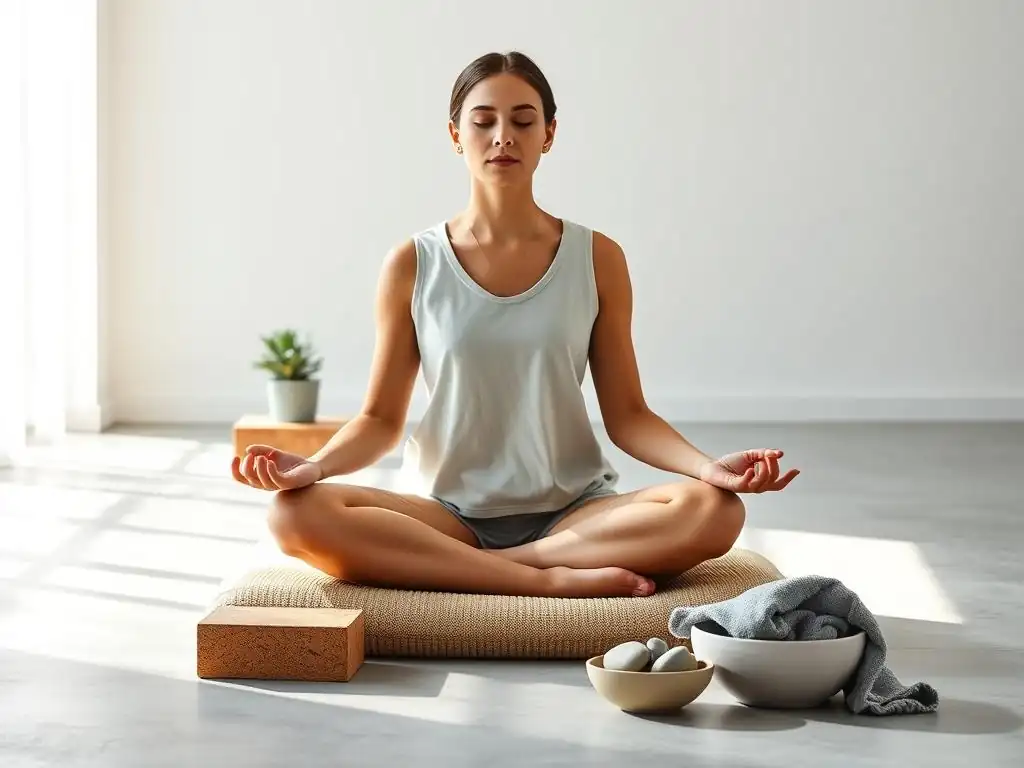
Meditation comfort products range significantly in price, from relatively inexpensive foam cushions and simple floor chairs to premium, ergonomically designed chairs and high-quality, sustainably sourced cushion sets. While it's tempting to opt for the cheapest option, remember that investing in quality can significantly impact your comfort and the longevity of the product. A poorly made cushion might quickly lose its shape, or a flimsy chair might not provide adequate support.
However, achieving effective meditation comfort for anxiety doesn't necessarily require breaking the bank. There are many mid-range options that offer excellent support and durability. Consider your budget but weigh it against the potential benefits for your practice and mental well-being. Sometimes, paying a bit more for a product that truly supports your body can be a worthwhile investment in making your meditation practice sustainable and genuinely helpful for managing anxiety.
Task List for Choosing Your Meditation Comfort Solution:
- [ ] Assess your body's flexibility and any physical limitations (knees, hips, back).
- [ ] Identify where you feel discomfort when sitting on the floor without support.
- [ ] Determine your primary meditation posture (cross-legged, kneeling, chair).
- [ ] Consider the typical length of your meditation sessions.
- [ ] Evaluate the space available for meditation and storage.
- [ ] Set a realistic budget for your comfort solution.
- [ ] Research different types of cushions and chairs based on your needs.
- [ ] Read reviews focusing on comfort and support for similar body types/issues.
- [ ] If possible, try sitting on different types of products before purchasing.
The Importance of Proper Posture for Anxiety Reduction During Meditation
Achieving proper posture during meditation is not just about physical comfort; it has a profound impact on both physiological and psychological states, directly influencing the effectiveness of meditation for anxiety reduction. A well-aligned spine allows for optimal functioning of the respiratory system and nervous system, creating a foundation of physical ease that supports mental calm. When the body is held in a posture of relaxed alertness, it signals to the brain that you are safe and stable, counteracting the body's anxious vigilance response.
Proper posture helps to minimize physical distractions – the aches, pains, and restlessness that can arise from poor alignment. By reducing these physical disturbances, the mind is better able to settle and focus on the breath or the meditation object, making it easier to practice mindfulness and observe anxious thoughts without getting caught in their grip. This improved ability to focus and remain present is a key mechanism through which meditation helps alleviate anxiety symptoms.
How Posture Affects Breathing and Relaxation
Posture has a direct and significant impact on breathing, which is a cornerstone of many meditation techniques used for anxiety relief. An upright, relaxed posture with the chest open and shoulders relaxed allows the diaphragm to move freely, facilitating deep, abdominal breathing. Diaphragmatic breathing activates the vagus nerve, which is a major component of the parasympathetic nervous system. This activation helps to slow the heart rate, lower blood pressure, and reduce the levels of stress hormones like cortisol – all physiological responses that counteract the physical symptoms of anxiety.
Conversely, slouching or hunching compresses the chest and abdomen, restricting the movement of the diaphragm and forcing shallow, chest breathing. Shallow breathing is often associated with the body's stress response and can exacerbate feelings of anxiety and panic. By ensuring proper posture through meditation comfort solutions, individuals can cultivate a breathing pattern that promotes relaxation and calm, making their meditation practice a more powerful tool for managing anxiety.
Ergonomic Considerations for Optimal Meditation Comfort
Ergonomics in meditation refers to designing the seating setup to fit the user's body and support optimal posture with minimal strain. Key ergonomic considerations include ensuring the hips are slightly elevated above the knees, which helps maintain the natural curve of the lower back and prevents slouching. For floor sitting, this is typically achieved with a meditation cushion like a Zafu. The angle of the knees and ankles should be comfortable, without excessive pressure points, which is where a Zabuton or meditation bench can be beneficial.
For meditation chairs, ergonomic design focuses on providing adequate lumbar support and ensuring the seat height and angle allow for a stable, upright posture. The goal is to create a setup where the body feels balanced and supported, requiring minimal muscular effort to hold the position. This ergonomic approach to meditation comfort for anxiety minimizes physical strain, allowing the practitioner to remain still and focused for longer periods, deepening the meditative state and enhancing its therapeutic effects on anxiety.
Incorporating Posture-Correcting Accessories
Beyond the main cushion or chair, several posture-correcting accessories can further enhance meditation comfort for anxiety and improve alignment. A meditation bolster, which is a long, firm cushion, can be placed under the knees in a cross-legged position for added support or used to elevate the hips even higher. A meditation strap can be used to gently support the posture, particularly for those with tight hips or back issues, by creating a loop around the back and knees to prevent slumping.
An eye pillow, filled with flax seeds or herbs, can be placed over the eyes to block out light and encourage deeper relaxation by engaging the reflex that slows heart rate when pressure is applied to the eyes. While not directly posture-correcting, it reduces sensory input and promotes a state of calm conducive to both comfort and anxiety reduction during meditation. These accessories, used strategically, can address specific areas of discomfort or tension, allowing for a more stable, relaxed, and effective meditation practice.
Beyond Cushions and Chairs: Other Comfort-Enhancing Tools
While cushions and chairs are primary meditation comfort solutions, other tools can contribute significantly to creating a comfortable and supportive environment for anxiety-reducing meditation.
Meditation Benches: A Supportive Alternative
Meditation benches offer another alternative to floor cushions, particularly favored for kneeling postures (Seiza). A meditation bench is typically a low bench with angled legs or a rounded base that allows the sitter to kneel with their legs tucked underneath, while the bench supports the weight of the torso. This takes pressure off the knees and ankles, which can be a major source of discomfort for many when kneeling directly on the floor.
Benches help maintain a straight spine by naturally tilting the pelvis forward. They are available in various heights and materials, often made of wood or bamboo. For individuals who find cross-legged positions difficult but want to avoid a chair with a backrest, a meditation bench provides excellent meditation comfort for anxiety by allowing for a stable, upright kneeling posture without the strain on the lower body joints.
Yoga Mats: Creating a Comfortable Meditation Space
While primarily used for yoga practice, a yoga mat can serve as a basic layer of padding and insulation for meditation, especially when sitting directly on the floor. It provides a softer surface than a bare floor or thin rug and offers some grip to prevent slipping. While not offering the posture support of cushions or chairs, a yoga mat defines a dedicated space for practice and adds a simple layer of physical comfort.
For those who prefer lying down meditation or body scan practices, a thicker yoga mat or even multiple mats can provide essential cushioning for the back and joints. Using a yoga mat contributes to creating a comfortable and consistent meditation environment, which is beneficial for settling the mind and focusing on anxiety relief techniques.
Meditation Blankets: Adding Warmth and Security
A meditation blanket serves multiple purposes in enhancing comfort. It can be used for warmth, especially important if meditating in a cool room, as feeling cold can be a distraction. It can also be folded and used as a simple, low cushion to slightly elevate the hips or provide extra padding under the knees or ankles.
Beyond physical warmth, a blanket can provide a psychological sense of security and coziness. Wrapping oneself in a soft blanket can be a soothing experience, contributing to a feeling of safety and relaxation that is particularly helpful when practicing meditation for anxiety. This simple tool adds a layer of physical and emotional comfort to the meditation experience.
Supportive Accessories: Bolsters, Straps, and Eye Pillows
As mentioned earlier, bolsters, straps, and eye pillows are valuable supportive accessories. Bolsters provide versatile support for elevating hips, cushioning knees, or supporting the back during relaxation postures. Straps can aid in maintaining proper posture by gently supporting the structure for those with limited flexibility. Eye pillows block light and promote relaxation.
These accessories allow for fine-tuning your meditation setup to address specific comfort needs. By strategically using these tools, practitioners can alleviate common discomforts, improve posture, and create a more conducive environment for deep relaxation and focused meditation, ultimately enhancing the effectiveness of meditation comfort for anxiety reduction.
Real-Life Examples: Finding Meditation Comfort That Works
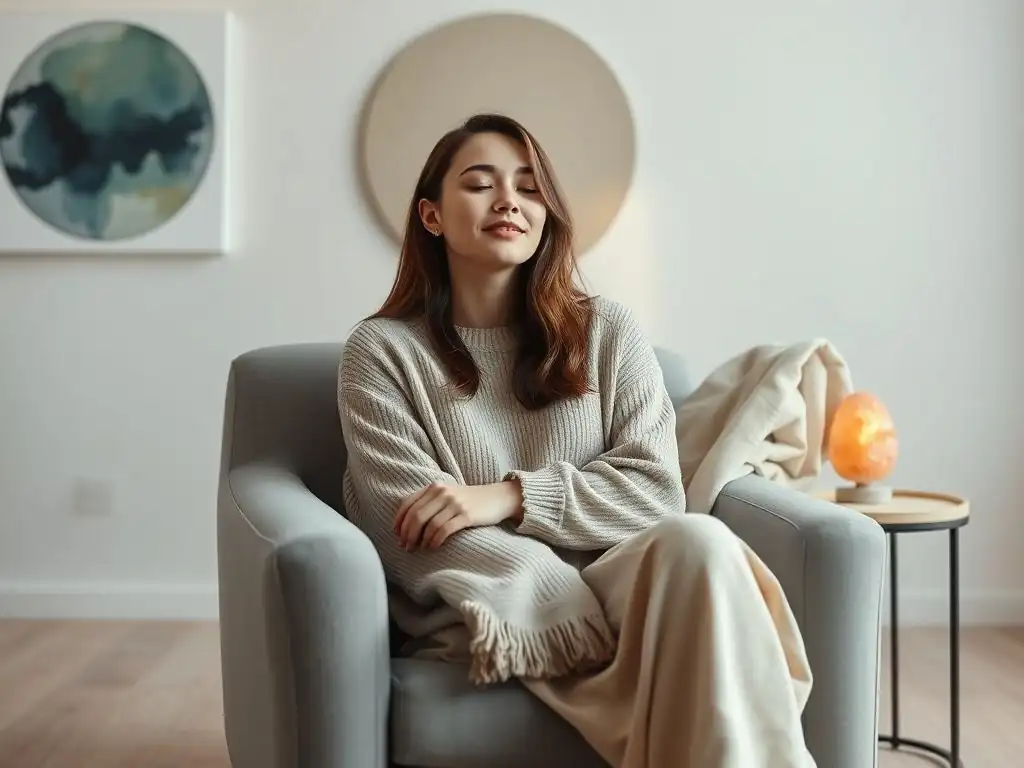
Hearing about how others have found their ideal meditation comfort solution can provide valuable insights and inspiration.
Case Study 1: Sarah's Journey to Comfortable Meditation
Sarah, a 35-year-old marketing manager, struggled with chronic anxiety and decided to try meditation. She initially sat on her rug, but after just 10 minutes, her knees ached, and her back felt strained, leading to restless sessions where her mind fixated on the discomfort rather than calming down. She almost gave up, feeling meditation wasn't for her. Research led her to try a Zafu cushion. While better, her ankles still felt pressure. She then added a Zabuton mat. The combination provided enough elevation for her hips and ample cushioning for her lower legs.
Using the Zafu and Zabuton set allowed Sarah to sit comfortably for 20-30 minutes without significant physical pain. This newfound physical ease made it possible for her to focus on her breath and practice observing her anxious thoughts without reacting to them. Within a few weeks of consistent practice using her comfortable setup, Sarah reported a noticeable reduction in her baseline anxiety levels and felt better equipped to handle stressful situations at work. Her experience highlights how the right meditation comfort solution can be a game-changer for maintaining a consistent and effective practice for anxiety relief.
Case Study 2: David and How Meditation Comfort Helped Reduce Anxiety Symptoms
David, a 50-year-old accountant with a history of lower back pain and limited hip flexibility, found floor sitting impossible. Attempts to meditate on a chair without support led to slumping and increased back pain, which triggered stress and made his anxiety worse. He felt frustrated, believing meditation was inaccessible to him. He then discovered meditation chairs designed for back support. He tried a BackJack floor chair, which offered some support but still required sitting directly on the hard floor.
Eventually, David invested in a more ergonomic meditation chair with a padded seat and a supportive, slightly angled backrest. This chair allowed him to sit upright comfortably with his feet flat on the floor or tucked loosely underneath. The chair provided the necessary back support to prevent slumping, and the padded seat relieved pressure points.
With this comfortable setup, David was able to meditate for 25 minutes daily. He found that the reduced physical discomfort allowed him to relax more deeply during his practice, leading to a significant decrease in his daily anxiety symptoms over several months. His story demonstrates how chairs can make meditation accessible and effective for those with physical limitations, proving that meditation comfort for anxiety is achievable regardless of physical condition.
Expert Advice: Dr. Emily Carter on Achieving Optimal Comfort
Dr. Emily Carter, a clinical psychologist specializing in mindfulness and anxiety, often advises her patients on the importance of physical comfort during meditation. "Many people give up on meditation because of physical discomfort," she notes. "They believe they aren't 'good' at it, when often the real barrier is simply their posture or setup."
She emphasizes that finding the right meditation comfort solution is an act of self-care. "It's not about being 'perfect' or adhering rigidly to tradition; it's about creating the conditions where your mind can settle and you can experience the benefits of the practice, especially for managing anxiety."
Dr. Carter recommends trying different options, even if it means experimenting with household pillows or folded blankets before investing in specialized equipment. She also stresses the connection between physical tension and mental anxiety. "When you release physical tension through a comfortable posture, you send a powerful signal of safety to your nervous system. This physiological shift makes it much easier to work with anxious thoughts and feelings from a place of greater ease and acceptance." Her expert perspective reinforces that prioritizing meditation comfort is a strategic step towards effective anxiety management through mindfulness.
Maximizing the Benefits of Meditation Comfort for Anxiety
Finding your ideal meditation comfort solution is a crucial first step, but maximizing its benefits for anxiety requires integrating it into a holistic practice.
Combining Comfort with Guided Meditation Techniques
Once you've established a comfortable posture using your chosen support, combining this physical ease with guided meditation techniques can significantly enhance the anxiety-reducing effects. Guided meditations specifically designed for anxiety often lead you through body scans, breath awareness exercises, or visualizations aimed at fostering calm and acceptance. When you are free from physical distractions, you can more fully immerse yourself in these techniques.
For example, during a guided body scan, being able to comfortably rest your weight and feel grounded allows you to more easily bring awareness to different parts of your body without being interrupted by pain or numbness. This heightened ability to focus on the guided instructions, supported by physical comfort, deepens the meditative state and strengthens your capacity to observe and release anxious tension held within the body and mind. Effective meditation comfort for anxiety creates the foundation upon which powerful guided practices can build.
Creating a Relaxing Meditation Environment
Your meditation comfort solution is part of a larger environment that influences your practice. Creating a dedicated, relaxing space can further enhance the benefits of comfortable seating. Choose a quiet spot where you are unlikely to be interrupted. Consider factors like lighting (soft or natural light is often preferred) and temperature (comfortably warm). Minimizing clutter can also help create a sense of calm and order.
Some individuals find incorporating calming elements like soft throws, a small plant, or a gentle, non-distracting scent (like lavender essential oil) helpful. While these are external factors, they contribute to the overall sense of peace and safety in your meditation space. A comfortable seat combined with a soothing environment creates a powerful synergy, making it easier to transition into a relaxed state and engage effectively with meditation for anxiety relief.
Maintaining Consistency for Long-Term Anxiety Relief
Perhaps the most significant benefit of finding your ideal meditation comfort solution is its impact on consistency. When meditation is comfortable, you are far more likely to practice regularly. Daily or near-daily practice, even for short periods (e.g., 10-15 minutes), is key to achieving the long-term benefits of meditation for anxiety. These benefits include changes in brain structure related to emotional regulation, a reduced physiological stress response, and an increased capacity for resilience.
Discomfort is a major barrier to maintaining a meditation habit. By removing or significantly reducing this barrier through comfortable seating, you make the practice something you look forward to, rather than dread. This consistency allows the cumulative effects of meditation to take hold, gradually rewiring your brain's response to stress and anxiety. Investing in meditation comfort for anxiety is truly an investment in the sustainability of your practice and your long-term mental well-being.
Final Thoughts: Investing in Your Meditation Comfort and Mental Well-being.
Frequently Asked Questions
What is Meditation Comfort and how does it relate to anxiety?
Meditation Comfort refers to the physical and mental ease experienced during meditation. Finding a comfortable meditation practice can significantly reduce anxiety by promoting relaxation and mindfulness.
Why is physical comfort important for effective meditation, especially for anxiety relief?
Physical discomfort can be a major distraction, hindering your ability to focus on your breath and thoughts. Prioritizing physical comfort allows you to achieve a deeper state of relaxation, crucial for anxiety management.
What are some common barriers to Meditation Comfort for those with anxiety?
Common barriers include racing thoughts, physical restlessness, and difficulty staying still. These can be addressed with mindfulness techniques and adjusting your meditation environment.
What are some practical tips for improving Meditation Comfort when dealing with anxiety?
Experiment with different meditation positions, use comfortable cushions or chairs, and practice guided meditations to ease into the practice. Creating a calming environment also helps.
How often should I practice meditation to experience Meditation Comfort and reduce anxiety?
Consistency is key. Aim for at least 10-15 minutes of daily meditation to begin experiencing the benefits of mindfulness and improved Meditation Comfort, leading to anxiety reduction.
Final Reflection: Finding Stillness in a Restless World
The pursuit of inner peace through meditation is no longer a niche practice; it's a vital coping mechanism in our increasingly anxious world. The overwhelming pace of modern life, coupled with constant digital stimulation, leaves many feeling overwhelmed and disconnected. Finding a comfortable and effective meditation practice, therefore, isn't just a luxury—it's a necessity for navigating the challenges of the 21st century.
The journey to finding my ideal meditation comfort solution has been deeply personal, highlighting the importance of self-discovery in this practice. It's not just about the right cushion or posture; it's about understanding your own body and mind, and creating a space where you can truly let go. This resonates with the wisdom of Thich Nhat Hanh, who said: Breathing in, I calm body and mind. Breathing out, I smile.
This simple act, when coupled with the right physical support, can unlock profound levels of relaxation and clarity.
Now, consider your own journey. What physical adjustments can you make to enhance your meditation practice? What small changes could transform your experience from frustrating to fulfilling? I invite you to experiment, to explore, and to discover the comfort solution that allows you to truly sit still and find the happiness that awaits within. Embrace the process, be patient with yourself, and remember that the path to inner peace is a journey, not a destination.
Unveil Your Perfect Meditation Posture
Thanks for taking the time to explore the world of comfortable meditation with us! We hope you've gained valuable insights into finding your ideal posture for a peaceful practice. Now it's time to put that knowledge into action.
- Experiment with different meditation postures: Try out the variations we discussed – from traditional seated positions to lying down or even walking meditation – to discover what truly resonates with your body and mind. This is key to making meditation a sustainable practice.
- Share your discoveries: What posture surprised you the most? Let us know in the comments below – sharing your experiences can inspire others on their meditation journey!
- Create your personal meditation sanctuary: Dedicate a small space in your home specifically for meditation – this could simply be a comfortable chair in a quiet corner, but the ritual of creating this space can enhance your practice.
What small change will you make today to improve your meditation comfort and deepen your practice?