
Choosing the Right Weight: A Crucial Step in Buying Your Weighted Blanket

Welcome to Mind Care Guide, your compassionate companion on the path to mental well-being.
Feeling overwhelmed by anxiety? You're not alone. Discover the surprising benefits of weighted blankets and how they can offer a gentle, comforting embrace. But choosing the right weight is key. Are you ready to unlock the potential of this self-care tool? Let's dive in and explore the crucial steps to finding your perfect fit, starting with understanding the science behind weighted blanket anxiety benefits and how they can transform your well-being.
Choosing the Right Weight: A Crucial Step in Buying Your Weighted Blanket
- Understanding Weighted Blanket Anxiety Benefits and Weight Selection
- Determining the Ideal Weight for Your Weighted Blanket: A Personalized Guide
- Factors Influencing Your Weighted Blanket Weight Choice
- Materials and Construction Impact on Perceived Weight
- Testing and Adjusting: Finding Your Perfect Weighted Blanket Weight
- Top Weighted Blanket Recommendations Based on Weight and Material
- Maintaining Your Weighted Blanket: Care and Cleaning for Long-Term Use
- Conclusion: Prioritizing Comfort and Finding the Right Weighted Blanket for You
-
Frequently Asked Questions
- What are the main weighted blanket anxiety benefits that I should be aware of?
- How does a weighted blanket provide anxiety relief, and what is the science behind it?
- Besides anxiety benefits, are there other mental well-being advantages associated with using a weighted blanket?
- How do I choose the right weight for my weighted blanket to maximize the weighted blanket anxiety benefits?
- Where can I find more information and resources about managing anxiety and maximizing the weighted blanket anxiety benefits, beyond choosing the right weight?
- Final Reflection: The Weight of Well-being
- Unleash the Calm: Find Your Perfect Weighted Blanket Weight
Understanding Weighted Blanket Anxiety Benefits and Weight Selection
Finding the perfect weighted blanket involves more than just picking a color you like. The weight of the blanket is arguably the most critical factor in determining its effectiveness, especially if you are seeking the calming effects often associated with these therapeutic tools. The sensation of gentle, evenly distributed pressure, known as deep pressure stimulation (DPS), is what provides the core weighted blanket anxiety benefits.
This pressure is thought to mimic a hug or swaddle, promoting a sense of safety and security. Choosing the wrong weight, however, can either be ineffective (too light) or uncomfortable and potentially unsafe (too heavy).
The connection between the blanket's weight and its therapeutic outcome for anxiety is direct. A blanket that is too light may not provide enough pressure to activate the parasympathetic nervous system, which is responsible for calming the body down. Conversely, a blanket that is too heavy can restrict movement, cause discomfort, and might even exacerbate feelings of being trapped, which is counterproductive when dealing with anxiety. Therefore, selecting the weight requires careful consideration, balancing the desire for significant pressure with the need for comfort and safety to truly unlock the potential weighted blanket anxiety benefits.
Why Weight Matters: Maximizing Therapeutic Effects of Weighted Blankets
The therapeutic principle behind weighted blankets is deep pressure stimulation (DPS), which is believed to increase the production of serotonin and melatonin, neurotransmitters that promote relaxation and sleep, while decreasing cortisol, the stress hormone. Research suggests that for DPS to be effective, a certain level of pressure is required relative to the individual's body weight.
For example, a study involving adults with anxiety reported that using a weighted blanket led to significant reductions in anxiety scores, with many participants citing the comforting pressure as the primary factor contributing to their improved state. Without adequate weight, this pressure effect is diminished, much like a light touch doesn't provide the same grounding sensation as a firm hug.
Furthermore, the correct weight ensures the pressure is substantial enough to be noticeable and calming but not so heavy that it causes discomfort or overheating during sleep. Many users report feeling a sense of being "grounded" or "held" when using a properly weighted blanket.
This feeling is essential for mitigating symptoms of anxiety, such as restlessness, racing thoughts, and physical tension. Anecdotal evidence from user reviews frequently highlights that switching to a heavier or lighter blanket improved their experience, suggesting the weight is not just a preference but a functional requirement for maximizing the therapeutic outcome and experiencing the desired weighted blanket anxiety benefits.
Weighted Blankets: A Natural Solution for Anxiety and Improved Sleep Quality
Weighted blankets offer a non-pharmacological approach to managing symptoms of anxiety and improving sleep, making them an appealing option for many. The consistent, gentle pressure applied by the blanket can help interrupt the cycle of anxious thoughts and physical tension that often prevents restful sleep. For individuals who experience nighttime anxiety or insomnia, the blanket acts as a physical anchor, providing a sense of stability and promoting a calmer state conducive to falling asleep. Studies have shown that participants using weighted blankets reported feeling more relaxed and experienced less disturbed sleep compared to using a regular blanket.
The impact on sleep quality is a significant component of the overall weighted blanket anxiety benefits. Improved sleep can lead to reduced anxiety during waking hours, creating a positive feedback loop. Many users report feeling more refreshed and less overwhelmed after using a weighted blanket consistently. While individual results vary, the mechanism of deep pressure stimulation provides a plausible explanation for these effects, offering a natural alternative or complement to other anxiety management strategies. The right weight ensures this pressure is effective without causing discomfort that could ironically disrupt sleep.
Determining the Ideal Weight for Your Weighted Blanket: A Personalized Guide
Choosing the ideal weight for a weighted blanket is highly personal and depends on several factors. While general guidelines exist, they serve as a starting point, and fine-tuning based on individual comfort and needs is crucial. The goal is to find a weight that provides noticeable, comforting pressure without feeling restrictive or overly heavy. This personalized approach is key to unlocking the full range of weighted blanket anxiety benefits and ensuring a positive user experience.
Getting the weight right is more important than many first-time buyers realize. A blanket that is slightly too heavy can be uncomfortable and difficult to move under, potentially leading to frustration rather than relaxation. Conversely, a blanket that is too light might not provide the necessary sensory input to trigger the calming response. Taking the time to assess personal factors and perhaps even trying different weights if possible can make a significant difference in the blanket's effectiveness.
The 10% Rule: A Starting Point for Choosing Your Blanket's Weight
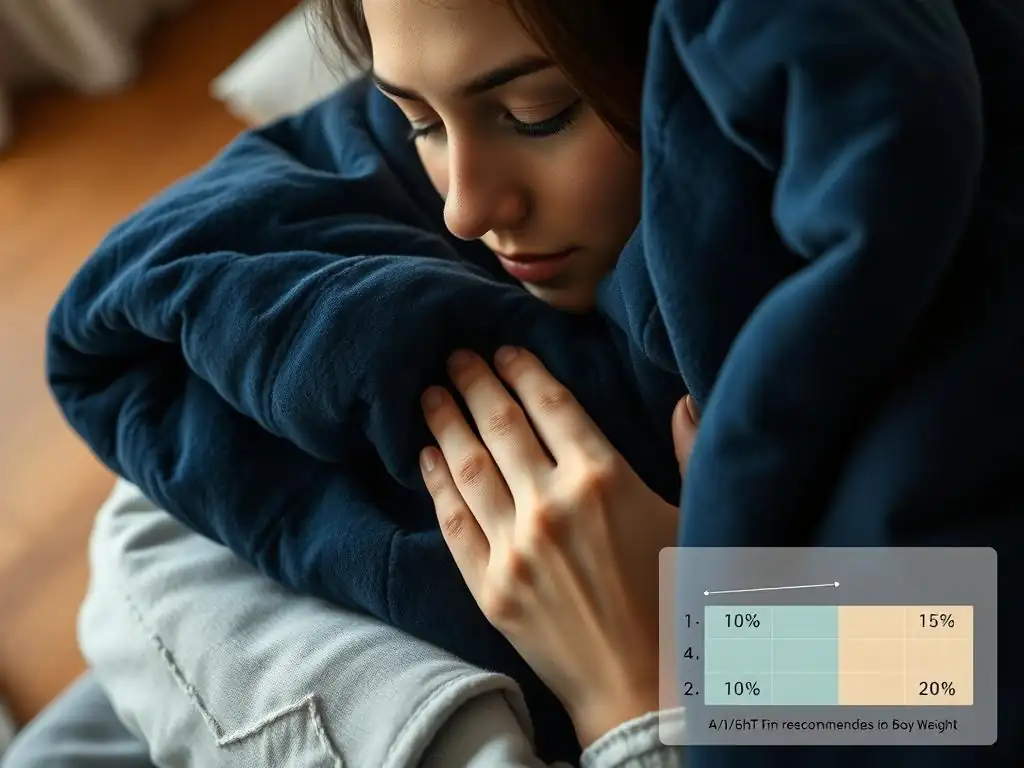
The most widely cited guideline for selecting a weighted blanket is the "10% rule," which suggests choosing a blanket that is approximately 10% of your body weight. For instance, if an adult weighs 150 pounds, a blanket weighing around 15 pounds is often recommended as a starting point. For a child weighing 50 pounds, a 5-pound blanket would be the initial suggestion. This rule provides a simple and accessible method for estimating a suitable weight, widely adopted by manufacturers and retailers.
While the 10% rule is a helpful initial guide, it is not a strict medical prescription and should be adjusted based on personal preference and comfort. Some individuals may find a blanket slightly heavier or lighter than 10% of their body weight more effective or comfortable. For example, someone seeking very deep pressure for significant anxiety relief might prefer a blanket closer to 12% of their body weight, while someone with heightened sensory sensitivities might prefer closer to 8%. This rule is best used as a baseline before considering other individual factors.
Considering Body Weight: A Detailed Weight Chart for Adults and Children
Applying the 10% rule results in a range of recommended weights depending on body mass. For adults, common blanket weights range from 10 pounds for individuals around 100 pounds, up to 25-30 pounds for individuals weighing 250-300 pounds. A person weighing 180 pounds might look for a 18-pound blanket (though weights are often sold in increments like 15, 20, or 25 lbs, so 15 or 20 would be common choices).
Children require much lighter blankets; a child weighing 40 pounds might use a 4-pound blanket, while a child weighing 80 pounds might use an 8-pound blanket. It is crucial to select weights specifically designed for children, which are typically much lighter than adult versions.
It is generally advised that children under a certain age or weight (often cited around 3 years old or 50 pounds, but this varies and professional advice should be sought) should not use weighted blankets, or if they do, only under strict supervision and with a very light weight. For adults, while the 10% rule is a guide, heavier individuals might find that slightly less than 10% is sufficient, while lighter individuals might sometimes benefit from slightly more, provided it remains comfortable and safe.
Consulting available weight charts provided by reputable manufacturers can help visualize these recommendations based on body weight.
Beyond the Numbers: Individual Preferences and Sensitivities
While body weight provides a numerical starting point, individual comfort and sensory sensitivities play a significant role in the final weight selection. Some people are naturally more sensitive to pressure and may find the standard 10% recommendation too heavy, even if their body weight suggests it. Others, particularly those with certain sensory processing differences, might crave even deeper pressure and find a blanket slightly heavier than 10% of their weight more calming.
It's important to listen to your body and consider what feels right. If a 15-pound blanket is recommended based on your weight, but it feels overwhelmingly heavy or restrictive when you try it (even briefly), a 12-pound or even 10-pound blanket might be a better choice. Conversely, if a 20-pound blanket feels barely noticeable, you might prefer a 25-pound option. Prioritizing personal comfort ensures the blanket provides the desired weighted blanket anxiety benefits rather than causing distress.
Factors Influencing Your Weighted Blanket Weight Choice

Beyond your raw body weight, several other factors should influence your decision on blanket weight. These include your height and body type, any existing medical conditions, and even your preferred sleeping position. Considering these elements helps refine the initial weight estimate derived from the 10% rule and leads to a more informed choice that maximizes comfort and therapeutic efficacy.
Ignoring these factors can lead to a less than ideal experience. For instance, someone tall and slender might distribute the blanket's weight differently than someone shorter with the same overall body weight, potentially affecting the perceived pressure. Similarly, certain health conditions necessitate specific considerations. A holistic view of these factors ensures the blanket is not only effective for anxiety but also safe and comfortable for your unique circumstances.
Height and Body Type: Adjusting Weight Based on Your Physique
Height and overall body distribution can subtly impact how a weighted blanket feels. A taller person might find that the weight is distributed more thinly over a larger surface area compared to a shorter person of the same weight.
This could mean a taller individual potentially benefits from a slightly heavier blanket to achieve the same level of perceived pressure as a shorter person using a blanket aligned strictly with the 10% rule. For example, a 6'2" person weighing 180 pounds might find a 20-pound blanket more effective than an 18-pound blanket, which might feel just right for a 5'6" person also weighing 180 pounds.
Conversely, someone with a smaller frame or lighter build relative to their height might feel more pressure from a standard 10% weight blanket. It's about how the weight is distributed across the area of your body the blanket covers. While not a primary adjustment factor like body weight, considering your physique can help when you're deciding between two close weight options (e.g., 15 lbs vs. 20 lbs) and seeking optimal weighted blanket anxiety benefits.
Medical Conditions: Consulting with a Doctor Regarding Weighted Blanket Use
It is highly recommended to consult with a healthcare professional before using a weighted blanket, especially if you have any underlying medical conditions. Certain conditions can be contraindications or require specific weight adjustments. For instance, individuals with respiratory conditions like asthma or COPD, circulatory issues, or certain skin conditions might need to avoid weighted blankets or use them with extreme caution and under medical guidance.
A doctor can provide personalized advice based on your specific health profile, ensuring that using a weighted blanket is safe and appropriate for you. They can also help determine if a weighted blanket is a suitable tool for managing your anxiety in conjunction with other treatments. This medical consultation is a crucial step that should not be skipped to ensure safety and maximize the potential weighted blanket anxiety benefits without introducing risks.
Anxiety Disorders and Weighted Blankets: Finding the Right Balance
For individuals specifically seeking weighted blanket anxiety benefits, finding the right weight is paramount. Too little weight may not provide sufficient deep pressure to elicit a calming response. Too much weight, however, can be overwhelming or even trigger feelings of confinement, which is counterproductive for anxiety relief. Many users with diagnosed anxiety disorders report finding a weight slightly heavier than 10% of their body weight to be most effective, often closer to 12% to 15%, though this varies greatly depending on the individual's sensory profile.
It's often a process of finding a balance. Starting with the 10% rule and being open to adjusting based on your experience is a good approach. Some individuals with severe anxiety might initially feel overwhelmed by the pressure and need to gradually acclimate to using the blanket, perhaps starting with shorter periods or a lighter weight. The goal is to find a weight that feels comforting and grounding, not restrictive or anxiety-inducing.
Sensory Processing Issues: Tailoring Weight for Optimal Comfort
Individuals with sensory processing differences, such as those with Autism Spectrum Disorder or Sensory Processing Disorder, often have unique responses to tactile input and pressure. Some may seek out intense pressure and benefit from a heavier weighted blanket (potentially more than 10-12%), finding it incredibly grounding and calming. For example, a child who constantly seeks pressure by pushing or leaning might find a heavier blanket provides that needed sensory input.
Others with sensory sensitivities may be overwhelmed by even moderate pressure and require a much lighter blanket, perhaps closer to 5-8% of their body weight, or even just a weighted lap pad. For this population, careful testing and potentially working with an occupational therapist familiar with sensory integration techniques can be invaluable in determining the optimal weight and type of weighted product. Tailoring the weight precisely is key to ensuring the blanket provides comfort and therapeutic benefit rather than sensory overload.
Sleeping Position: Side, Back, or Stomach Sleepers and Weight Considerations
Your preferred sleeping position can also subtly influence how a weighted blanket feels and which weight is most comfortable. Back sleepers typically have the weight distributed evenly across their back, which many find ideal for deep pressure stimulation. For back sleepers, the standard 10% rule often works well.
Side sleepers will have the majority of the blanket's weight concentrated on one side of their body. Some side sleepers find this comfortable, while others might prefer a slightly lighter blanket to avoid feeling too much pressure on their limbs or hip. Stomach sleepers are generally advised to avoid weighted blankets altogether, as the pressure on the chest and abdomen can restrict breathing and cause discomfort. If a stomach sleeper wishes to try a weighted blanket, they should use an extremely light version and preferably only while awake and sitting, never during sleep, due to potential respiratory concerns.
Materials and Construction Impact on Perceived Weight
The actual weight of a weighted blanket is determined by its fill material, but the surrounding fabric and the blanket's construction significantly influence how that weight is perceived and distributed. Understanding these factors can help you choose a blanket that not only has the correct weight but also feels comfortable and functions effectively to provide the desired weighted blanket anxiety benefits.
The way the blanket is made affects its drape, breathability, and how the internal weight shifts. A blanket with poorly distributed weight, for example, might feel heavier in some spots and lighter in others, reducing the consistency of the deep pressure stimulation. The texture of the fabric can also contribute to the overall sensory experience, complementing or detracting from the calming effect of the weight.
Fabric Type: Cotton, Minky, and Microfiber and How They Affect the Feel
The outer fabric of a weighted blanket contributes to its overall feel and can impact temperature regulation, which in turn affects comfort. Cotton covers are popular for their breathability and natural feel, making them a good choice for individuals who tend to sleep warm. A cotton cover doesn't significantly alter the perceived weight but ensures comfort.
Minky fabric, known for its plush, soft texture, provides a very different sensory experience. While not changing the actual weight, the luxurious feel of minky can enhance the calming effect for some users, adding a layer of comfort that complements the pressure. Microfiber is another common option, often offering a smooth feel and durability. The choice of fabric is primarily about comfort and temperature, but the sensory input from the fabric texture can subtly interact with the deep pressure, contributing to the overall therapeutic experience and potential weighted blanket anxiety benefits.
Fill Material: Glass Beads vs. Plastic Pellets and Their Weight Distribution
The weight in a weighted blanket comes from small, dense fill materials enclosed within pockets sewn into the blanket. The two most common types are glass beads and plastic pellets. Glass beads are tiny, smooth, and sand-like. They are denser than plastic pellets, meaning a smaller volume of glass beads is needed to achieve a specific weight. This results in a thinner, less bulky blanket compared to one filled with plastic pellets of the same weight.
Plastic pellets, typically made from polypropylene, are larger and less dense than glass beads. Blankets filled with plastic pellets tend to be bulkier and may feel slightly less flexible or drape as smoothly as glass bead blankets. The choice of fill material impacts not just the blanket's profile but also how the weight is distributed and how flexible the blanket feels, influencing the overall comfort and effectiveness of the deep pressure.
The Benefits of Glass Beads: Even Weight Distribution and Comfort
Glass beads are favored in many premium weighted blankets due to their small size and high density. When sewn into relatively small pockets, these tiny beads can distribute the weight very evenly across the blanket. This uniform distribution ensures consistent deep pressure stimulation over your body, which is crucial for maximizing the weighted blanket anxiety benefits. The smooth, fine texture of the beads also contributes to a quiet blanket; they make very little noise when the blanket shifts, unlike some plastic pellets which can rustle.
Furthermore, because less volume of glass beads is needed for a given weight, blankets filled with glass beads are often thinner and more pliable. This flexibility allows the blanket to drape more closely to the body, enhancing the feeling of being hugged or swaddled. While potentially slightly more expensive, the even weight distribution and less bulky profile offered by glass beads are often considered superior for comfort and therapeutic effect.
The Benefits of Plastic Pellets: A More Affordable Option
Plastic pellets (poly-pellets) are a common fill material, particularly in more budget-friendly weighted blankets. They are larger and lighter than glass beads, meaning more volume is needed to achieve the desired weight. This can make blankets filled with plastic pellets bulkier and potentially less flexible than those filled with glass beads.
While they may not offer the same level of smooth, uniform weight distribution as glass beads, plastic pellets can still provide effective deep pressure stimulation. Blankets filled with plastic pellets are often more affordable to manufacture, making weighted blanket therapy accessible to a wider range of people. For those prioritizing cost or not overly sensitive to slight variations in texture or bulk, a plastic pellet filled blanket can still provide significant weighted blanket anxiety benefits.
Construction Quality: Preventing Bunching and Ensuring Even Weight
The quality of construction is paramount in a weighted blanket, regardless of the fill material. The internal pockets that contain the weight should be relatively small and securely stitched. This prevents the fill material from shifting excessively and pooling in corners or edges, which leads to uneven weight distribution and reduces the effectiveness of the deep pressure. A well-constructed blanket will have consistent stitching and evenly sized pockets across the entire surface.
Poor construction can result in the fill material migrating within the blanket, causing some areas to feel too heavy and others too light. This not only diminishes the desired weighted blanket anxiety benefits but can also be uncomfortable and frustrating. Look for blankets with robust stitching and a design that clearly aims to keep the fill material contained within its designated pockets. Square or diamond stitching patterns are common and effective methods for maintaining even weight distribution.
Testing and Adjusting: Finding Your Perfect Weighted Blanket Weight
Even after considering all the guidelines and factors, the best way to find your ideal weighted blanket weight is through testing and adjustment. What works perfectly for one person might not work for another, even with similar body weights and needs. Many retailers understand this and offer options that facilitate trying out a blanket or making adjustments.
Finding the right fit is an iterative process for many. It might involve trying a blanket from a friend, taking advantage of a trial period, or even experimenting with adding or removing weight if the blanket is designed for it. The goal is to feel comforted and grounded, not restricted or overwhelmed, to truly experience the weighted blanket anxiety benefits.
Trying Before You Buy: Checking Return Policies and Trial Periods
Given the personalized nature of weighted blanket weight selection, checking the retailer's return policy or whether they offer a trial period is highly advisable. Some companies offer trial periods (e.g., 30 or 60 nights) that allow you to use the blanket at home and return it for a refund or exchange if the weight isn't right. This is an excellent way to test the blanket in your own environment and see how it affects your sleep and anxiety levels.
If a trial period isn't available, understand the return policy. Can you return the blanket if the weight feels wrong, and are there restocking fees? Being able to exchange a 15-pound blanket for a 20-pound one (or vice versa) if the initial choice isn't optimal can save you money and ensure you end up with a blanket that truly provides the intended weighted blanket anxiety benefits.
Layering Blankets: Experimenting with Different Weights for Optimal Comfort
For some individuals, especially those who are unsure about the exact weight they need or whose needs fluctuate, layering weighted blankets can be a practical approach. For example, you could start with a 10-pound blanket and, if you find it not providing enough pressure, add a 5-pound weighted throw or lap pad on top for extra weight in specific areas.
This method allows for flexibility and experimentation. It can also be useful if you share a bed and your partner prefers a different weight or no weighted blanket at all; you can use a smaller weighted blanket just on your side of the bed or even a weighted lap pad. Layering helps you incrementally increase the pressure to find the sweet spot that feels most comfortable and effective for managing your anxiety symptoms and promoting relaxation.
Using Weighted Lap Pads: A Stepping Stone to a Full-Sized Blanket
Weighted lap pads or shoulder wraps are smaller, lighter versions of weighted blankets designed for use while sitting or relaxing. They typically weigh between 3 and 10 pounds and can be a great way to introduce yourself to the sensation of deep pressure stimulation without committing to a full-sized weighted blanket. Using a weighted lap pad can give you a feel for how pressure affects your anxiety and relaxation levels.
For individuals new to weighted therapy or those with significant sensory sensitivities, starting with a lap pad can be less overwhelming and help gauge their tolerance and preference for pressure. If a lap pad at a certain weight feels comforting, it can provide clues about the appropriate weight range for a full blanket relative to your body size. They can also be used in conjunction with a full blanket for targeted pressure or as a portable option for anxiety relief during the day.
Top Weighted Blanket Recommendations Based on Weight and Material

While specific product names cannot be listed, categories of weighted blankets can be recommended based on typical features and user needs. Many brands offer a range of weights and materials, allowing users to select based on their calculated ideal weight and preferred feel. Researching brands known for quality construction and good customer reviews is advisable.
When looking at recommendations, consider not just the advertised weight but also the fill material, cover fabric options, and stitching pattern. A blanket with glass beads and small, well-sewn pockets is generally indicative of better quality and more even weight distribution, which is essential for consistent weighted blanket anxiety benefits.
Best Weighted Blankets for Anxiety Relief
Weighted blankets specifically marketed for anxiety relief often emphasize the calming benefits of deep pressure stimulation. These blankets are typically available in a wide range of weights to accommodate different body sizes, with options often available in 5-pound increments from 10 lbs up to 30 lbs or more. Look for blankets with soft, comforting covers (like minky or soft cotton) and fill materials that provide even pressure, such as glass beads.
Customer reviews for these blankets often highlight the effectiveness in reducing restlessness, easing racing thoughts, and promoting a sense of calm. Brands that offer multiple weight options and clear guidance on selecting the right weight are usually a good starting point for those prioritizing weighted blanket anxiety benefits. Some brands also incorporate cooling features into their covers, which can be beneficial for individuals whose anxiety is accompanied by overheating.
Premium weighted blankets often focus on enhancing the sleep experience through high-quality materials and construction. These blankets might feature organic cotton covers, advanced stitching techniques for superior weight distribution, and high-density glass beads for a sleek profile. While also providing anxiety benefits, their primary emphasis is on creating an optimal sleep environment.
Expect these blankets to offer a range of weights, usually following the standard 10% rule but with potentially finer increments or slightly heavier options for those seeking very deep pressure. The investment in a premium blanket is often reflected in durability, comfort, and consistent performance, contributing to both deep sleep and significant weighted blanket anxiety benefits over time.
Budget-Friendly Weighted Blankets
For those seeking weighted blanket anxiety benefits without a large investment, budget-friendly options are widely available. These blankets typically use plastic pellets as the fill material and may feature simpler cover fabrics like standard cotton or microfiber. While they might be bulkier or slightly less refined than premium options, they can still provide effective deep pressure stimulation.
When choosing a budget blanket, pay close attention to reviews regarding the quality of stitching and potential for fill material leakage or bunching. While the materials may be less luxurious, a well-constructed budget blanket can still offer significant calming effects. These are often available in standard weight increments (e.g., 10, 15, 20 lbs) and provide an accessible entry point into weighted therapy.
Maintaining Your Weighted Blanket: Care and Cleaning for Long-Term Use
Once you've found the perfect weighted blanket weight and material, proper care and cleaning are essential to maintain its condition and ensure it continues to provide effective weighted blanket anxiety benefits for years to come. Weighted blankets require different care than regular blankets due to their heavy fill material.
Neglecting care instructions can lead to damage, uneven weight distribution, or even mold and mildew if not dried properly. Following the manufacturer's specific washing and storage recommendations is crucial to protect your investment and ensure the blanket remains a clean, comfortable, and effective tool for relaxation and anxiety management.
Washing Instructions: Protecting Your Investment
Washing a weighted blanket can be challenging due to its weight. Always check the care label for specific instructions, as these can vary significantly between manufacturers and fill materials. Many weighted blankets with removable covers allow you to wash the cover separately, which is much easier. The inner weighted insert itself may require spot cleaning, hand washing, or may be machine washable only in large commercial-grade machines.
If machine washing is permitted, use a gentle cycle with cold water and mild detergent. Avoid using bleach or fabric softeners, which can damage the fill material or fabric. Drying is often the most critical step; weighted blankets should typically be air-dried flat to prevent damage to the stitching and ensure the fill material dries completely, preventing mold. Machine drying, especially in a home dryer, can damage the blanket and is often not recommended due to the weight. Proper washing ensures hygiene and maintains the blanket's integrity for continued weighted blanket anxiety benefits.
Storage Tips: Keeping Your Blanket in Top Condition
When not in use, proper storage helps maintain the shape and even weight distribution of your weighted blanket. Avoid folding the blanket tightly for extended periods, as this can cause the fill material to shift or put stress on the stitching. Instead, it's often best to store it rolled up or laid flat.
Keeping the blanket in a clean, dry place away from direct sunlight will help preserve the fabric and fill material. If storing for a longer period, consider using a breathable storage bag (like a cotton duvet bag) rather than plastic, which can trap moisture. Proper storage prevents unnecessary wear and tear, ensuring the blanket is ready to provide its comforting weighted blanket anxiety benefits whenever you need it.
Conclusion: Prioritizing Comfort and Finding the Right Weighted Blanket for You
Choosing the right weight for your weighted blanket is a fundamental step in harnessing its potential to provide significant weighted blanket anxiety benefits and improve sleep quality. While guidelines like the 10% rule offer a helpful starting point based on body weight, remember that individual comfort, sensory sensitivities, and even physical build play crucial roles in finding the perfect fit.
By considering factors like fill material, construction quality, and your own preferences, and by taking advantage of trial periods or return policies, you can navigate the options effectively. The ultimate goal is to find a blanket that feels like a comforting hug – providing gentle, consistent pressure that promotes relaxation without feeling restrictive. Prioritizing your personal comfort and safety ensures your weighted blanket becomes a cherished tool in your self-care routine, effectively contributing to a calmer, more rested state.
Frequently Asked Questions
What are the main weighted blanket anxiety benefits that I should be aware of?
Weighted blankets can offer several anxiety relief benefits, including a sense of calm and security. They achieve this by mimicking the feeling of being hugged, which can reduce feelings of stress.
How does a weighted blanket provide anxiety relief, and what is the science behind it?
Weighted blankets utilize deep pressure stimulation (DPS). This increases the release of serotonin and melatonin, hormones associated with relaxation and improved sleep, thus reducing anxiety.
Besides anxiety benefits, are there other mental well-being advantages associated with using a weighted blanket?
Yes, weighted blankets can also help with insomnia, restlessness, and even symptoms related to sensory processing disorders, contributing to overall mental well-being.
How do I choose the right weight for my weighted blanket to maximize the weighted blanket anxiety benefits?
Generally, a weighted blanket should be around 10% of your body weight. However, personal preference and any existing health conditions should also be considered when selecting the appropriate weight.
Where can I find more information and resources about managing anxiety and maximizing the weighted blanket anxiety benefits, beyond choosing the right weight?
Websites like Mind Care Guide offer comprehensive information on mental well-being. You can also find support and resources from mental health professionals and organizations specializing in anxiety management.
Final Reflection: The Weight of Well-being
Choosing the right weighted blanket isn't just about finding the perfect snuggle; it's about harnessing the power of deep pressure stimulation to alleviate anxiety and improve sleep. The journey to better mental well-being often involves small, deliberate choices, and selecting a weighted blanket that truly fits your needs is a significant step in that journey. This seemingly simple act can have a profound impact on your overall health and happiness.
The impact of weighted blankets on the landscape of anxiety management is undeniable. They offer a non-pharmaceutical, accessible, and surprisingly effective tool for managing symptoms. More and more people are discovering the calming benefits of this simple yet powerful tool, leading to a wider conversation around alternative approaches to mental health. The gentle, constant pressure of a weighted blanket can mimic the feeling of being held or hugged, triggering the release of calming hormones and reducing feelings of stress and anxiety.
This simple explanation belies the significant shift in how we approach self-care and mental wellness.
Now, consider your own journey towards better well-being. What small changes can you make today to prioritize your mental health? Perhaps it's researching weighted blankets further, experimenting with different weights and materials, or simply taking a moment to reflect on the importance of self-care. Remember, the weight of well-being is a personal journey, and finding the right balance starts with making conscious choices, one weighted blanket – or one mindful moment – at a time.
Unleash the Calm: Find Your Perfect Weighted Blanket Weight
Thanks for taking the time to learn about the importance of choosing the right weighted blanket! You're now one step closer to experiencing the blissful sleep and relaxation it can bring. Ready to take the next steps?
- Calculate your ideal weight: Use our handy weight calculator (link to hypothetical calculator on MindCareGuide.org would go here) to determine the perfect blanket weight for you. This is the most crucial step!
- Share your experience: Tell us about your journey finding the right weight on our social media – we love hearing your stories!
- Explore our curated blanket guide: (link to hypothetical guide on MindCareGuide.org would go here) Discover a range of high-quality weighted blankets to match your preferences and needs.
Now, tell us: What's the biggest factor you'll consider when choosing your weighted blanket – comfort, price, or something else? Let's discuss in the comments!