
Indian Head Massage: An Ancient Stress Relief Technique

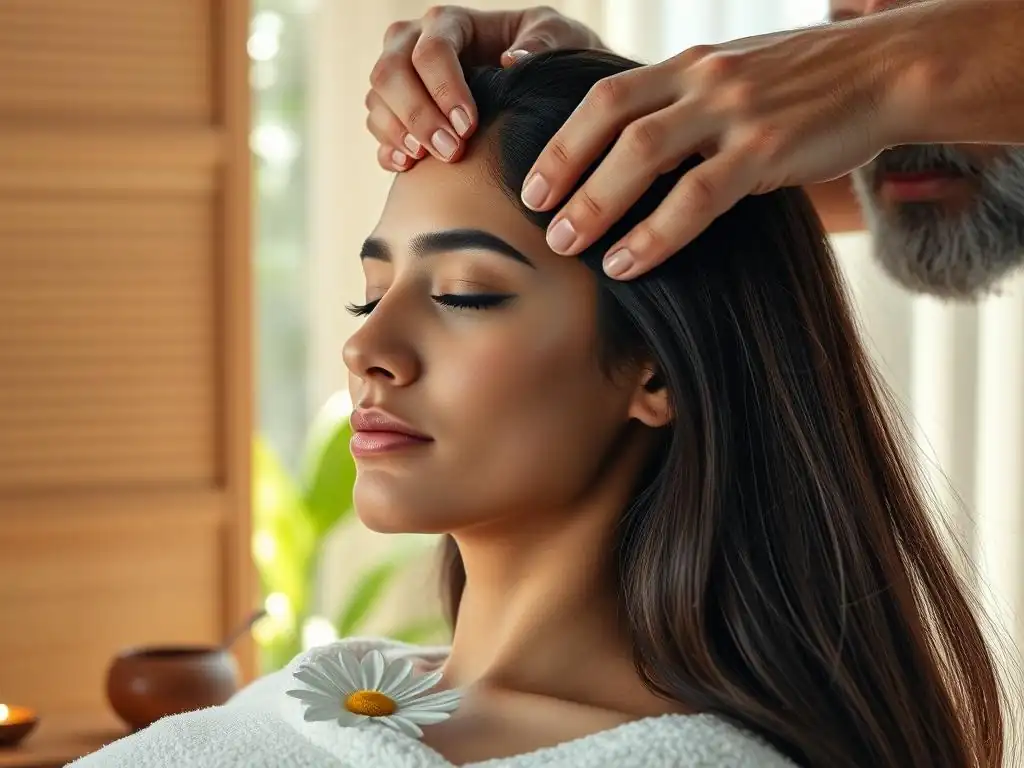
Welcome to Mind Care Guide, your sanctuary for mental well-being.
Feeling overwhelmed and seeking natural stress relief? Discover the ancient power of Indian head massage in our in-depth guide. Explore how this traditional technique, rooted in cultural wisdom, can unlock profound relaxation and alleviate tension. Intrigued? Let's unravel the secrets to a calmer, more balanced you.
Indian Head Massage: An Ancient Stress Relief Technique for Mental Well-being
- Introduction to Indian Head Massage and Stress Reduction
- Benefits of Indian Head Massage for Mental and Physical Health
- Indian Head Massage Techniques: A Step-by-Step Guide
- Indian Head Massage vs. Other Stress Relief Methods: A Comparison
- Finding a Qualified Indian Head Massage Practitioner
- Safety Considerations and Contraindications for Indian Head Massage
- Incorporating Indian Head Massage into Your Mental Wellness Routine
- The Future of Indian Head Massage: Integrating Ancient Wisdom with Modern Wellness
-
Frequently Asked Questions
- What is Indian Head Massage and how does it relate to stress relief?
- How does Indian Head Massage provide stress relief?
- What are the potential benefits of Indian Head Massage beyond stress relief?
- How often should I receive an Indian Head Massage for optimal stress relief?
- Is Indian Head Massage suitable for everyone seeking stress relief?
- Final Reflection: The Enduring Power of Touch in a Stressful World
- Unleash Your Inner Calm: Experience the Power of Touch
Introduction to Indian Head Massage and Stress Reduction
Stress is a pervasive challenge in modern life, impacting both our physical and mental health. While numerous techniques and therapies exist to combat stress, ancient practices often offer profound and lasting relief. One such practice is Indian Head Massage, known traditionally as Champissage. This therapeutic approach focuses on massaging the head, neck, and shoulders, areas where tension commonly accumulates. It is gaining recognition globally as an effective method for Indian head massage stress relief, promoting a sense of calm and enhancing overall well-being.
This article delves into the origins, benefits, techniques, and practical applications of Indian Head Massage. We will explore how this ancient art, rooted in centuries of tradition, can serve as a powerful tool for stress reduction and mental wellness in today's fast-paced world. Understanding the principles behind Champissage can empower individuals to seek out or even practice this technique, unlocking its potential for a more balanced and serene state of mind.
Understanding the Roots of Champissage: Indian Head Massage Origins
The practice of Indian Head Massage, or Champissage, has deep roots in the traditional Indian system of medicine known as Ayurveda, which dates back thousands of years. Originally, it was primarily a grooming practice, performed within families using various oils to keep hair healthy and lustrous. Mothers would massage their children's heads, and this became a regular part of family life, passed down through generations. The focus was not just on physical appearance but also on promoting general health and a sense of connection and care.
Over time, the practice evolved to include therapeutic benefits beyond hair care. It incorporated massage of the scalp, face, neck, and shoulders, recognizing the interconnectedness of these areas and their role in storing tension. The term Champissage itself is derived from the Hindi word "champi," meaning "to shampoo or massage."
This ancient method was introduced to the West in the 1970s by Narendra Mehta, who developed a seated massage routine incorporating the upper back, shoulders, neck, scalp, and face. This formalized approach brought the benefits of Indian head massage stress relief to a wider audience, highlighting its potential beyond traditional family settings.
The Growing Popularity of Indian Head Massage for Modern Stress
In contemporary society, where chronic stress has become a significant public health concern, the demand for effective and accessible stress management techniques is soaring. Indian Head Massage has emerged as a popular choice for individuals seeking natural and holistic ways to cope with the pressures of modern life. Its focus on the head, neck, and shoulders directly addresses common areas of tension often exacerbated by prolonged screen time, sedentary lifestyles, and mental overload.
The appeal of Indian Head Massage lies in its simplicity and profound impact. A typical session, often performed while seated and fully clothed, can be easily integrated into busy schedules. People are increasingly turning to this ancient practice for its ability to induce deep relaxation quickly. The gentle yet firm manipulation of specific pressure points and muscle tissues helps to release accumulated stress, promoting a sense of calm and mental clarity. This growing recognition of Indian head massage stress relief is driving its adoption in spas, wellness centers, and even workplaces around the globe.
Benefits of Indian Head Massage for Mental and Physical Health
Indian Head Massage offers a wide array of benefits that extend beyond simple relaxation, positively impacting both mental and physical well-being. By targeting areas prone to tension, it helps to alleviate discomfort and promote a sense of balance throughout the body. The therapeutic touch and focused attention during a session can significantly reduce the physiological and psychological effects of stress.
Regular Indian Head Massage sessions can contribute to improved mood, increased energy levels, and a greater sense of overall vitality. The benefits are often cumulative, with consistent practice or treatments leading to more sustained relief from chronic issues. Exploring the specific advantages reveals why Indian head massage stress relief is becoming a favored approach for holistic health enthusiasts.
Stress Relief and Anxiety Reduction Through Champissage
One of the most significant benefits of Indian Head Massage is its remarkable ability to reduce stress and anxiety. The massage techniques stimulate nerve endings in the scalp, face, neck, and shoulders, which in turn can help to calm the nervous system. This stimulation encourages the release of endorphins, the body's natural mood elevators and painkillers, leading to feelings of happiness and well-being. Simultaneously, the massage can help to lower levels of stress hormones like cortisol.
Furthermore, the focused attention on the present moment during a session can act as a form of mindfulness, pulling the individual away from stressful thoughts and worries. The deep relaxation induced by the massage helps to shift the body from a 'fight or flight' state to a 'rest and digest' state, promoting physical and mental recovery. Many individuals report feeling a significant reduction in their anxiety levels immediately after a session, experiencing a profound sense of peace and tranquility that contributes to effective Indian head massage stress relief.
Alleviating Headaches and Migraines with Indian Head Massage Techniques
Tension headaches and migraines are often linked to stress and muscle tightness in the neck and shoulders. Indian Head Massage directly addresses these areas, working to release knots and improve circulation. Specific techniques applied to the scalp and temples can help to ease the constriction of blood vessels and muscles that contribute to headache pain. The pressure applied to key points around the head and face can also help to alleviate sinus pressure, which can sometimes trigger headaches.
Regular application of Indian Head Massage can potentially reduce the frequency and intensity of chronic headaches and migraines. By addressing the underlying tension and improving blood flow, the massage helps to prevent the buildup of stress that often precedes an attack. While it may not be a cure, many individuals find significant relief from their symptoms through consistent Indian head massage stress relief treatments, making it a valuable complementary therapy for headache management.
Improving Sleep Quality with Traditional Indian Head Massage
Stress and anxiety are major contributors to sleep disturbances, including insomnia. The deep relaxation induced by Indian Head Massage can significantly improve sleep quality. By calming the nervous system and reducing mental chatter, the massage prepares the body and mind for restful sleep. Releasing tension in the neck and shoulders can also alleviate physical discomfort that might interfere with falling or staying asleep.
Many people find that a session of Indian Head Massage before bedtime helps them to fall asleep faster and experience deeper, more restorative sleep. The reduction in cortisol levels and increase in endorphins create an optimal state for sleep induction. Incorporating Indian head massage stress relief into an evening routine can be a powerful strategy for combating sleep problems and improving overall sleep hygiene.
Enhancing Circulation and Lymphatic Drainage in the Head and Neck
Indian Head Massage techniques stimulate blood flow to the scalp, neck, and shoulders. Improved circulation can deliver more oxygen and nutrients to the brain and surrounding tissues, promoting alertness and cognitive function. The massage also encourages lymphatic drainage, helping the body to eliminate toxins and waste products from these areas. The lymphatic system plays a crucial role in immune function, and promoting its flow can contribute to overall health.
The gentle manipulation of tissues helps to move stagnant fluid, reducing puffiness and promoting a healthier complexion. Enhanced circulation to the scalp can also benefit hair health, potentially stimulating growth and improving texture. This dual action of improved blood flow and lymphatic drainage contributes significantly to the feeling of lightness and clarity experienced after an Indian head massage stress relief session.
Indian Head Massage Techniques: A Step-by-Step Guide

Performing an Indian Head Massage involves a sequence of strokes and manipulations targeting the upper back, shoulders, neck, scalp, and face. While professional training is recommended for therapeutic application, understanding the basic techniques can be helpful for self-massage or partner massage. The focus is on rhythmic movements and applying pressure to release tension and promote relaxation.
The process typically begins with the shoulders and neck to release accumulated tension, moving upwards to the scalp and finishing with the face. The sequence is designed to progressively relax the individual, preparing the body and mind for deeper stress relief. Following a structured approach ensures that all key areas are addressed for maximum benefit from Indian head massage stress relief.
Preparing for an Indian Head Massage Session: Setting the Scene
Preparation is key to maximizing the benefits of an Indian Head Massage session, whether performed by a professional or at home. The environment should be calm and comfortable, free from distractions. Soft lighting and quiet surroundings can help to create a relaxing atmosphere. The person receiving the massage is typically seated upright, often in a chair with back support, allowing the therapist easy access to the head, neck, and shoulders.
Comfortable clothing is advisable, as the massage is usually performed over clothes, especially when focusing on the shoulders and neck. If oils are used, it's important to protect clothing or opt for a session without oil. Taking a few moments to simply breathe deeply and relax before the massage begins can help the individual transition into a receptive state. This initial preparation is crucial for allowing the full benefits of Indian head massage stress relief to unfold.
Essential Oils for Enhanced Relaxation During Indian Head Massage
While Indian Head Massage can be performed without oils, incorporating essential oils can significantly enhance the relaxation and therapeutic benefits. Traditionally, oils like coconut, sesame, or almond oil were used for their nourishing properties for the hair and scalp. In modern practice, essential oils are often blended with carrier oils for specific effects.
Lavender oil is a popular choice due to its well-known calming and stress-reducing properties. Chamomile or Bergamot can also promote relaxation and alleviate anxiety. For headaches or sinus congestion, peppermint or eucalyptus oil (used cautiously) might be beneficial due to their invigorating and clearing effects. Using a few drops of a suitable essential oil, diluted in a carrier oil, can deepen the sense of tranquility and contribute to a more profound Indian head massage stress relief experience.
Performing the Massage: Key Movements and Pressure Points
The massage itself involves a variety of techniques, including kneading, rubbing, tapping, and applying pressure to specific points. The therapist uses their fingertips, palms, and forearms to work on the upper back, shoulders, neck, scalp, and face. The movements are typically rhythmic and flowing, designed to release tension and stimulate circulation.
Pressure points, known as Marmas in Ayurveda, are key areas targeted during the massage. These points are believed to be vital energy centers. Stimulating them can help to unblock energy pathways and promote overall balance. Understanding and applying pressure to these points is central to the therapeutic effectiveness of Indian head massage stress relief.
Scalp Massage Techniques for Stress Release
Scalp massage is a cornerstone of Indian Head Massage and is particularly effective for stress release. Techniques include gentle rubbing of the entire scalp with fingertips, using circular motions. Kneading the scalp helps to loosen tightness and improve blood flow. Tapping or percussive movements can be invigorating and help to release stagnant energy.
Specific techniques like applying pressure to the crown of the head or gently pulling sections of hair can also be deeply relaxing. The scalp is rich in nerve endings, and stimulating these nerves sends calming signals to the brain, directly contributing to Indian head massage stress relief. The feeling of tension melting away from the head is a common and immediate benefit.
Neck and Shoulder Massage for Tension Relief
The neck and shoulders are prime areas for storing tension, especially due to poor posture or stress. Indian Head Massage dedicates significant attention to these areas. Techniques involve kneading and squeezing the shoulder muscles to release knots and tightness. The neck is massaged with gentle strokes, working upwards towards the base of the skull.
Applying pressure to the upper trapezius muscles and along the sides of the neck helps to alleviate stiffness and improve range of motion. Releasing tension in the neck and shoulders is crucial for reducing headaches and promoting overall relaxation, making it an essential component of effective Indian head massage stress relief.
Facial Massage for Sinus Congestion and Relaxation
Facial massage in Indian Head Massage is often gentle and focuses on relaxation and promoting drainage. Techniques include stroking the forehead, temples, and cheeks. Applying gentle pressure around the eye sockets and along the cheekbones can help to relieve sinus pressure and congestion.
Massaging the jaw muscles can alleviate tension caused by teeth grinding or stress. The facial massage element not only aids in physical relief but also contributes to a sense of calm and tranquility, completing the full-body relaxation effect of Indian head massage stress relief.
Post-Massage Care: Maximizing the Benefits of Champissage
After an Indian Head Massage session, it's important to allow the body and mind to fully integrate the benefits. Drinking plenty of water is recommended to help flush out toxins released during the massage. Avoiding strenuous activity immediately after the session can help prolong the feeling of relaxation.
Taking a few moments to simply sit quietly and observe the feeling of calm can deepen the experience. Some individuals may feel a bit lightheaded or tired after a session, which is a normal response as the body relaxes and releases tension. Allowing for rest ensures that the positive effects of Indian head massage stress relief are maximized.
Indian Head Massage vs. Other Stress Relief Methods: A Comparison
Comparing Indian Head Massage to other stress relief methods highlights its unique approach and potential advantages. While many techniques offer stress reduction, Indian Head Massage provides a distinct combination of physical manipulation and energetic balance, focusing specifically on the upper body. Understanding these differences can help individuals choose the most suitable method for their needs.
Each stress relief method has its own strengths, and what works best often depends on individual preferences and the nature of their stress. Examining how Indian Head Massage stacks up against other popular techniques provides context for its specific benefits as a tool for Indian head massage stress relief.
Indian Head Massage vs. Traditional Massage Therapy
Traditional full-body massage therapy typically involves working on the entire body to release muscle tension and promote relaxation. While it includes areas like the back, legs, and arms, the focus on the head, neck, and shoulders in traditional massage might be less intensive than in Indian Head Massage. Indian Head Massage specifically concentrates on these upper body areas, where stress and tension are often concentrated.
A key difference is also the typical setting and duration. Indian Head Massage is often performed seated and can be completed in a shorter time frame (e.g., 20-45 minutes) compared to a traditional full-body massage (often 60-90 minutes), making it more accessible for quick stress relief. While both offer physical relaxation, the targeted approach of Indian Head Massage makes it particularly effective for head-centric issues like headaches, eye strain, and mental fatigue, providing focused Indian head massage stress relief.
Indian Head Massage vs. Meditation and Mindfulness Practices
Meditation and mindfulness practices focus on mental training, cultivating present-moment awareness to reduce stress and improve emotional regulation. These are powerful tools for stress management, working primarily on the mind and breath to calm the nervous system. Indian Head Massage, on the other hand, works directly on the physical body through touch and manipulation.
While meditation and mindfulness require active participation and practice from the individual, Indian Head Massage is a passive therapy where the individual receives the treatment. However, the deep relaxation induced by Indian Head Massage can create a state similar to that achieved through meditation, making it easier for some people to quiet their minds. Both methods are effective for Indian head massage stress relief, but they approach it from different angles – mental discipline versus physical release.
Combining Indian Head Massage with Other Complementary Therapies (Aromatherapy, Yoga)
Indian Head Massage can be wonderfully complemented by other holistic therapies to enhance its stress-relieving effects. As mentioned earlier, incorporating aromatherapy with specific essential oils during a session can deepen relaxation and address specific concerns like anxiety or headaches. The olfactory stimulation combined with therapeutic touch creates a powerful synergistic effect.
Combining Indian Head Massage with practices like yoga or Tai Chi can also be highly beneficial. Yoga and Tai Chi focus on movement, breathwork, and flexibility, helping to release physical tension and calm the mind over time. Receiving an Indian Head Massage after a yoga session, for example, can further relax muscles loosened by movement and provide deep Indian head massage stress relief, creating a comprehensive approach to well-being.
Finding a Qualified Indian Head Massage Practitioner
To experience the full therapeutic benefits of Indian Head Massage, especially for targeted stress relief, it's important to find a qualified and experienced practitioner. Proper training ensures that the therapist understands the anatomy of the head, neck, and shoulders, as well as the correct techniques and pressure points to apply for maximum effectiveness and safety. A skilled practitioner can tailor the massage to your specific needs and areas of tension.
Seeking out a certified therapist provides assurance that they have met certain standards of training and professionalism. Don't hesitate to do a little research and ask questions to ensure you feel comfortable and confident in your chosen practitioner's abilities. Finding the right therapist is a crucial step in unlocking the potential of Indian head massage stress relief.
What to Look for in a Certified Champissage Therapist
When searching for a qualified Indian Head Massage therapist, look for certifications from reputable training bodies. Many therapists will have completed specific courses in Indian Head Massage or Champissage. Ask about their training background, how long they have been practicing, and if they specialize in any particular areas, such as stress relief or headache management.
Experience is also valuable. A therapist who has performed many sessions will likely have a better understanding of how to work with different body types and tension patterns. Professionalism, clear communication, and a comfortable, clean treatment space are also indicators of a good practitioner. A therapist who takes the time to understand your reasons for seeking Indian head massage stress relief will be better equipped to provide a beneficial session.
Questions to Ask Before Your First Indian Head Massage Session
Before booking your first Indian Head Massage session, consider asking a few questions to ensure it's the right fit for you. Inquire about the duration of a typical session and what areas are included in the massage. Ask if they use oils, and if so, what types, especially if you have allergies or preferences.
It's also helpful to discuss your specific reasons for seeking the massage, such as chronic stress, headaches, or difficulty sleeping. Ask how they customize the session to address your concerns and what you can expect during and after the massage. Understanding the process and feeling comfortable with the therapist is key to a positive Indian head massage stress relief experience.
Locating Reputable Indian Head Massage Clinics and Spas
Reputable Indian Head Massage practitioners can be found in various settings. Many massage therapy clinics, spas, and wellness centers offer Indian Head Massage as part of their services. Holistic health centers or Ayurvedic clinics are also likely places to find practitioners with a deeper understanding of the tradition.
Searching online directories for certified massage therapists or complementary health practitioners in your area is a good starting point. Reading reviews or asking for recommendations from friends or healthcare providers can also help you find a trusted professional. Ensuring the establishment is clean and follows hygiene protocols is also important when seeking Indian head massage stress relief.
Safety Considerations and Contraindications for Indian Head Massage
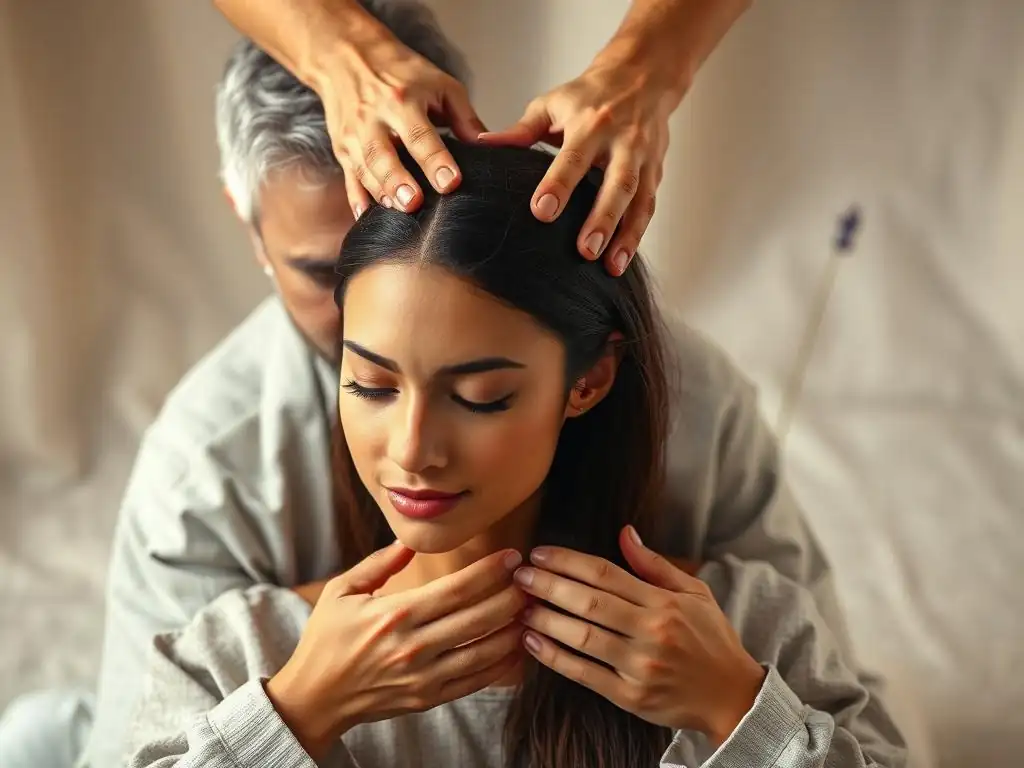
While generally safe and beneficial for most people, Indian Head Massage is not suitable for everyone. There are certain conditions or circumstances where it should be avoided or performed with caution. Being aware of these contraindications is essential for ensuring the safety and effectiveness of the treatment.
It's always wise to communicate openly with your practitioner about any health conditions you have or medications you are taking. This allows them to determine if Indian Head Massage is appropriate for you and modify techniques if necessary. Prioritizing safety ensures that you can enjoy the benefits of Indian head massage stress relief without risk.
When to Avoid Indian Head Massage: Precautions and Warnings
Indian Head Massage should be avoided in certain situations. These include recent head or neck injuries, such as whiplash or fractures. Individuals with severe high blood pressure, heart conditions, or epilepsy should consult their doctor before receiving the massage. Skin infections, open wounds, or contagious conditions on the scalp, face, or neck are also contraindications.
If you have a fever or are feeling unwell, it's best to postpone the session. Similarly, if you have any acute pain in the head, neck, or shoulders that is not yet diagnosed, seek medical advice first. Being mindful of these precautions helps ensure a safe and positive Indian head massage stress relief experience.
Potential Side Effects of Indian Head Massage (Dizziness, Mild Headache)
While side effects are generally mild and temporary, some individuals may experience them after an Indian Head Massage. The most common include feeling lightheaded or dizzy, especially when getting up quickly after the session. This is often due to the deep relaxation and improved circulation.
Some people might experience a mild headache, particularly if they were already prone to tension headaches or if significant tension was released. This usually subsides quickly with rest and hydration. Rarely, some individuals might feel a temporary intensification of symptoms as the body adjusts. These potential, though uncommon, side effects are usually minor compared to the significant Indian head massage stress relief offered.
Consulting Your Doctor Before Trying Indian Head Massage, Especially with Pre-existing Conditions
If you have any pre-existing medical conditions, particularly those related to the circulatory system, nervous system, or any chronic pain conditions, it is highly advisable to consult your doctor before trying Indian Head Massage. Conditions like diabetes, glaucoma, or certain neurological disorders may require caution or modification of techniques.
Your doctor can provide personalized advice based on your health history and current condition. They can help determine if Indian Head Massage is a safe and appropriate complementary therapy for you. Taking this step ensures that you can explore the benefits of Indian head massage stress relief responsibly and safely.
Incorporating Indian Head Massage into Your Mental Wellness Routine
Integrating Indian Head Massage into a regular mental wellness routine can provide sustained benefits for stress management and overall well-being. Consistency is key, whether through professional treatments, self-massage, or partner massage. Making it a regular practice helps to prevent the buildup of tension and stress, rather than just addressing it when it becomes overwhelming.
Finding ways to incorporate Champissage into your life, even in small ways, can make a significant difference. This could involve scheduling regular professional sessions, dedicating a few minutes each day to self-massage, or sharing the practice with a loved one. Regular Indian head massage stress relief can become a powerful anchor in your mental wellness journey.
Self-Massage Techniques for Daily Stress Management
Even a few minutes of self-Indian Head Massage can be effective for daily stress management. You can easily perform basic techniques while seated at your desk or relaxing at home. Start by gently rubbing your temples in circular motions. Use your fingertips to massage your scalp, applying gentle pressure and moving across the head.
Spend some time kneading your shoulders and the back of your neck, areas where tension often accumulates. Even simple actions like running your fingers through your hair with gentle pressure can be calming. Incorporating these short self-massage bursts throughout the day can help release tension as it builds, providing ongoing Indian head massage stress relief.
Partner Massage: Sharing the Benefits of Champissage
Performing Indian Head Massage on a partner can be a wonderful way to share its benefits and deepen connection. Learning basic techniques allows you to provide stress relief to a loved one, and they can reciprocate. This shared experience can be deeply relaxing and nurturing for both individuals.
Teaching each other simple scalp, neck, and shoulder massage techniques creates a mutual support system for stress management. It's an intimate way to offer care and contribute to each other's well-being. Sharing Indian head massage stress relief can strengthen bonds and create moments of calm together.
Long-Term Mental Health Benefits of Regular Indian Head Massage
Regular Indian Head Massage sessions can contribute significantly to long-term mental health benefits. Consistent practice helps to lower baseline stress levels, making individuals less reactive to stressors. Improved sleep quality, reduced headaches, and decreased physical tension all contribute to a more balanced and resilient mental state.
Over time, the practice can foster a greater sense of body awareness and relaxation response. Individuals may become better at recognizing early signs of tension and stress and use self-massage or seek professional help proactively. Incorporating Indian head massage stress relief into a long-term wellness plan supports sustained mental clarity, emotional stability, and overall peace of mind.
The Future of Indian Head Massage: Integrating Ancient Wisdom with Modern Wellness
As the understanding of the mind-body connection grows in modern healthcare, ancient practices like Indian Head Massage are gaining increasing recognition for their therapeutic value. There is a growing movement to integrate these traditional techniques into contemporary wellness models, recognizing their potential to address prevalent issues like chronic stress and anxiety.
The future of Indian Head Massage likely involves further research to validate its benefits, greater acceptance within mainstream healthcare as a complementary therapy, and continued adaptation to suit modern lifestyles. This integration represents a harmonious blend of ancient wisdom and modern scientific understanding, enhancing the accessibility and application of Indian head massage stress relief.
The Role of Indian Head Massage in Holistic Mental Health Care
Indian Head Massage fits naturally within a holistic approach to mental health care, which recognizes that mental well-being is influenced by physical, emotional, social, and environmental factors. By directly addressing the physical manifestations of stress – muscle tension, headaches, poor circulation – it positively impacts mental state.
It can serve as a valuable tool alongside psychotherapy, medication, or other lifestyle interventions. For individuals who find it difficult to quiet their minds through meditation alone, the physical relaxation provided by Indian Head Massage can be a gateway to mental calm. Its non-invasive and soothing nature makes it an accessible option for many seeking comprehensive Indian head massage stress relief as part of a broader wellness plan.
Research and Studies Supporting the Effectiveness of Indian Head Massage for Stress Relief
While large-scale clinical trials specifically on Indian Head Massage for stress relief are still developing, existing research and anecdotal evidence strongly support its effectiveness. Studies on massage therapy in general have shown significant reductions in cortisol levels and increases in endorphins, validating the physiological mechanisms behind stress reduction through touch.
Specific studies and reports focusing on Indian Head Massage have indicated its positive effects on reducing tension headaches, improving sleep, and decreasing perceived stress and anxiety levels in participants. For example, a small study might show a percentage decrease in reported stress scores after a series of sessions, or an improvement in sleep latency. While more extensive research is welcomed, current findings align with the centuries of traditional use and the growing positive experiences reported by individuals benefiting from Indian head massage stress relief.
Indian Head Massage as a Complementary Therapy for Mental Health Challenges
Indian Head Massage is increasingly being utilized as a complementary therapy for individuals facing various mental health challenges, including generalized anxiety disorder, depression, and stress-related conditions. It offers a gentle, supportive touch that can be incredibly grounding for those experiencing emotional distress.
It provides a non-verbal way to process tension and promotes a sense of safety and connection. While not a standalone treatment for serious mental illness, it can significantly enhance the effectiveness of primary therapies by reducing physical discomfort and promoting a state of relaxation conducive to healing. Offering Indian head massage stress relief alongside conventional treatments provides a more integrated and person-centered approach to mental wellness.
Frequently Asked Questions
What is Indian Head Massage and how does it relate to stress relief?
Indian Head Massage is an ancient therapeutic practice focused on the head, neck, and shoulders. It promotes stress relief by easing tension and improving circulation in these areas, leading to a sense of calm.
How does Indian Head Massage provide stress relief?
The massage techniques used in Indian Head Massage, such as kneading and acupressure, help to release muscle tension and stimulate the nervous system. This can lead to a reduction in stress hormones and an increase in relaxation.
What are the potential benefits of Indian Head Massage beyond stress relief?
Besides stress relief, Indian Head Massage may also improve sleep quality, alleviate headaches, boost energy levels, and enhance mental clarity by promoting relaxation and reducing anxiety.
How often should I receive an Indian Head Massage for optimal stress relief?
The frequency depends on individual needs and stress levels, but generally, a session once a week or every two weeks can be beneficial for maintaining stress relief and overall well-being.
Is Indian Head Massage suitable for everyone seeking stress relief?
While generally safe, it's advisable to consult a healthcare professional before receiving an Indian Head Massage if you have certain medical conditions such as severe neck injuries, epilepsy, or acute infections.
Final Reflection: The Enduring Power of Touch in a Stressful World
The ancient wisdom of Indian Head Massage offers a potent antidote to the pervasive stress of modern life. Its ability to alleviate tension, both physically and mentally, remains remarkably relevant in our fast-paced, high-pressure world, where burnout and anxiety are increasingly common. This simple yet profound technique offers a pathway to a calmer, more centered self, a necessity in today's demanding environment.
The enduring appeal of Indian Head Massage lies not just in its effectiveness, but in its inherent human connection. It's a reminder of the power of touch, a fundamental human need often overlooked in our increasingly digital interactions. The gentle manipulation of the scalp, neck, and shoulders fosters a sense of deep relaxation and well-being, reconnecting us to our bodies and reminding us of the importance of self-care. The touch of another person is the most potent force for healing.
While the source of this quote is debated, its sentiment perfectly encapsulates the essence of Indian Head Massage's therapeutic power.
Consider incorporating this ancient practice into your own self-care routine. Take a moment to prioritize your well-being. Whether you seek professional treatment or explore self-massage techniques, remember the profound impact that even a few minutes of mindful touch can have on your physical and mental health. Embrace the opportunity to reconnect with your body, alleviate stress, and discover the enduring power of this ancient healing art. Let the gentle pressure and rhythmic movements guide you towards a more peaceful and balanced existence.
Unleash Your Inner Calm: Experience the Power of Touch
Thanks for taking the time to explore the world of Indian Head Massage! We hope you gained valuable insights into this ancient stress-relief technique and its potential to transform your well-being. Now, it's time to put that knowledge into practice.
- Schedule a massage today: Find a qualified practitioner near you and experience the rejuvenating power of Indian Head Massage firsthand. This is your chance to truly unwind and reconnect with yourself.
- Share your experience: Tell your friends and family about the benefits of this amazing therapy. Let's spread the word about holistic well-being!
- Explore self-massage techniques: Research simple self-massage techniques online – even a few minutes a day can make a difference in your stress levels.
Ready to take the first step towards a more relaxed and balanced you? What's one small change you'll make today to prioritize your mental and physical well-being?