
Neurobiological Underpinnings: Why Mindfulness Works for Anxiety & Depression

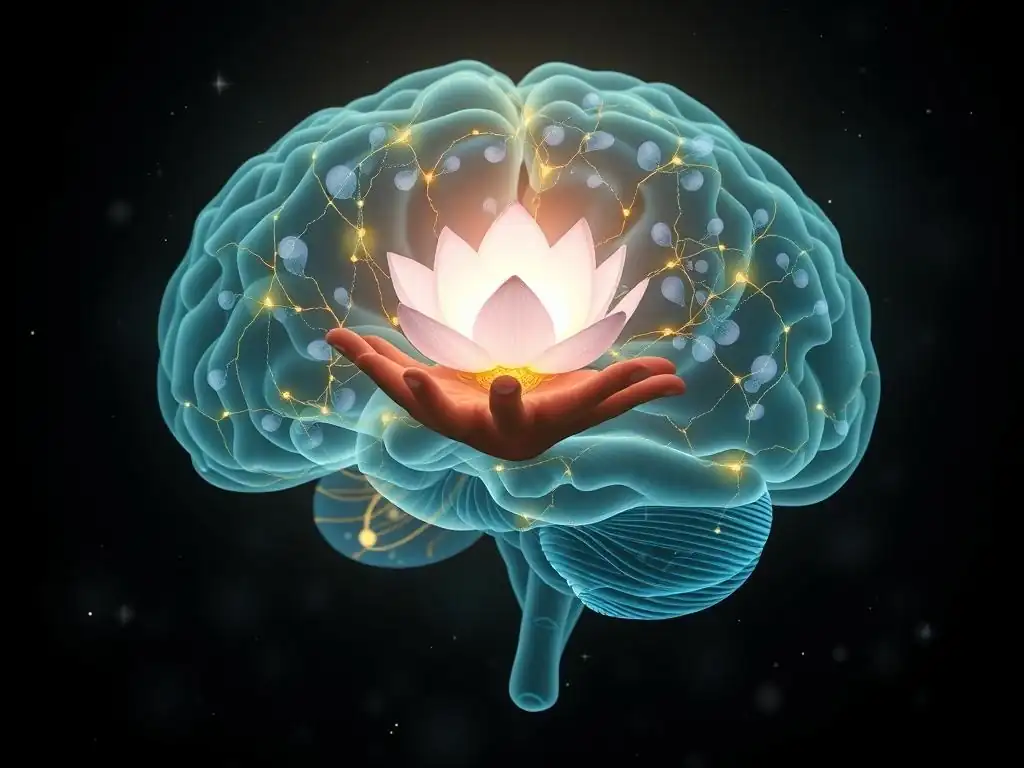
Welcome to Mind Care Guide, your compassionate companion on the path to mental well-being. Feeling overwhelmed by anxiety or the shadows of depression? You're not alone. Discover the profound impact of mindfulness – our featured article, " Neurobiological Underpinnings: Why Mindfulness Works for Anxiety & Depression," delves into the science behind this powerful practice, revealing how it can reshape your brain and ease your suffering. Curious to unlock the secrets to a calmer, more centered you? Let's explore together.
Neurobiological Underpinnings: Why Mindfulness Works for Anxiety & Depression
- Introduction: The Neuroscience of Mindfulness for Mental Wellness
- The Anxious Brain: A Neurobiological Perspective
- The Depressed Brain: A Neurobiological Perspective
- Mindfulness and the Brain: A Transformative Connection
- Mindfulness and the Amygdala: Calming the Fear Response
- Mindfulness and the Prefrontal Cortex: Enhancing Cognitive Control
- Mindfulness and Neurotransmitter Regulation: Rebalancing Brain Chemistry
- Mindfulness and Neuroplasticity: Rewiring the Brain for Mental Health
- Specific Mindfulness Practices and Their Neural Effects
- The Importance of Consistent Mindfulness Practice for Lasting Change
- Conclusion: Harnessing the Power of Mindfulness for Mental Well-being
-
Frequently Asked Questions
- What are the primary neurobiological mechanisms through which mindfulness reduces anxiety and depression?
- How does mindfulness affect the brain's structure and function, leading to reduced anxiety and depression?
- Can mindfulness training be considered a complementary treatment for anxiety and depression, and if so, how does it interact with traditional therapies?
- What specific mindfulness techniques are most effective in reducing symptoms of anxiety and depression, and why?
- How long and how frequently should one practice mindfulness to experience significant reductions in anxiety and depression symptoms?
- Final Reflection: The Mindful Path to Healing
- Unleash Your Inner Calm: Start Your Mindfulness Journey Today!
Introduction: The Neuroscience of Mindfulness for Mental Wellness
Mindfulness, the practice of bringing one's attention to the present moment without judgment, has gained significant recognition for its potential to alleviate symptoms of mental health conditions. While its benefits are widely reported, understanding why it works requires delving into the complex landscape of the human brain. The intersection of ancient contemplative practices and modern neuroscience reveals profound insights into how mindfulness can reshape our neural pathways and chemistry.
This exploration into the neurobiological underpinnings of mindfulness aims to shed light on the scientific basis behind its effectiveness. By examining how mindfulness interacts with specific brain regions and neurotransmitter systems, we can better appreciate its therapeutic potential. This understanding is crucial not only for those seeking mental well-being but also for clinicians and researchers exploring complementary approaches to treatment.
Understanding the Link Between Mindfulness, Anxiety, and Depression
Anxiety and depression are distinct yet often co-occurring mental health challenges, each characterized by specific patterns of thought, emotion, and behavior. Neuroscientifically, they involve dysregulation in various brain circuits and chemical messengers. Anxiety often manifests as excessive worry and fear, tied to heightened activity in brain regions associated with threat detection. Depression, conversely, can involve persistent sadness, loss of interest, and difficulties with motivation and cognition, linked to alterations in mood regulation and reward pathways.
Research into the impact of mindfulness on these conditions indicates a compelling connection. Studies consistently demonstrate that regular mindfulness practice can lead to significant reductions in self-reported symptoms of both anxiety and depression. For instance, meta-analyses pooling data from numerous studies suggest that mindfulness-based interventions can yield moderate effect sizes in reducing symptoms, comparable in some cases to pharmacological treatments or other psychotherapies. This suggests that mindfulness reduces anxiety depression not just subjectively, but through measurable impacts on the brain's functioning.
The Brain's Response to Mindfulness Practices
When someone engages in mindfulness practices, such as focused breathing or body scans, their brain undergoes a series of dynamic changes. Initially, attention is directed inward, requiring effort from regions involved in focus and self-regulation, like the prefrontal cortex. As practice deepens, there's often a shift in how the brain processes emotional stimuli and internal sensations. Regions associated with rumination and mind-wandering, such as the default mode network, may show decreased activity.
Furthermore, the brain's response involves altered connectivity between different areas. For example, there can be increased functional connectivity between the prefrontal cortex, which is involved in executive control and emotional regulation, and areas like the amygdala, the brain's "fear center." This enhanced communication allows for a more regulated response to stress and emotional triggers. Over time, these transient changes during practice can lead to more enduring structural and functional changes in the brain, contributing to how mindfulness reduces anxiety depression.
The Anxious Brain: A Neurobiological Perspective
Understanding the anxious brain is key to appreciating how mindfulness interventions can be effective. Anxiety is not merely a feeling; it's a state deeply rooted in the brain's threat detection and response systems. Chronic anxiety involves persistent activation of these systems, leading to a state of heightened alert that can be exhausting and debilitating. Examining the specific neural pathways involved provides a target for therapeutic interventions like mindfulness.
The neurobiological signature of anxiety often includes hyperactivity in certain brain areas and altered connectivity. This can manifest as an overestimation of threat, difficulty shifting attention away from perceived dangers, and challenges in regulating intense emotional responses. Addressing these underlying neural patterns is a primary goal for therapies aiming to alleviate anxiety symptoms.
Anxiety and the Amygdala: The Fear Center
The amygdala, a small, almond-shaped structure deep within the temporal lobe, plays a central role in processing emotions, particularly fear and threat. In individuals with anxiety disorders, the amygdala often shows heightened reactivity to stimuli, even those that are ambiguous or non-threatening. This hyper-vigilance can trigger the body's stress response (fight-or-flight), leading to physical symptoms like rapid heart rate, sweating, and muscle tension, alongside feelings of dread and panic.
Studies using fMRI (functional magnetic resonance imaging) have demonstrated this increased amygdala activity in anxious individuals when presented with emotional faces or stressful situations. For instance, research has shown that individuals with social anxiety disorder exhibit significantly greater amygdala responses to critical facial expressions compared to non-anxious controls. This overactive "alarm system" contributes significantly to the persistent state of worry and fear characteristic of anxiety.
How Chronic Anxiety Impacts Brain Structure and Function
Prolonged exposure to the stress response associated with chronic anxiety can lead to observable changes in brain structure and function over time. One significant impact is on the hippocampus, a region vital for memory formation and contextualizing threats. Chronic stress can lead to a reduction in hippocampal volume and impaired neurogenesis (the birth of new neurons) in this area, which may contribute to difficulties with learning and memory often reported by anxious individuals.
Furthermore, chronic anxiety can alter the balance within the prefrontal cortex (PFC), particularly impacting its ability to regulate the amygdala. While the medial PFC is typically involved in dampening amygdala responses, chronic stress can weaken this connection. This imbalance leaves the amygdala with less top-down control, perpetuating the cycle of hyper-vigilance and fear. These structural and functional alterations highlight the pervasive impact of chronic anxiety on the brain and underscore the need for interventions that can promote adaptive neuroplastic changes.
The Depressed Brain: A Neurobiological Perspective
Depression is a complex mood disorder characterized by persistent sadness, loss of interest or pleasure, and a range of emotional, cognitive, and physical symptoms. From a neurobiological standpoint, depression involves widespread changes in brain activity, structure, and neurochemistry. It is not simply a matter of feeling sad; it reflects significant alterations in the brain's capacity to regulate mood, motivation, and cognitive functions.
Understanding the neurobiological underpinnings of depression helps to explain the diverse array of symptoms experienced by individuals, from emotional flatness and anhedonia (inability to feel pleasure) to difficulties with concentration and decision-making. This perspective also informs the development and evaluation of therapeutic interventions, including how practices like mindfulness reduces anxiety depression symptoms by targeting these neural mechanisms.
Depression and Neurotransmitter Imbalance: Serotonin, Dopamine, and Norepinephrine
One of the earliest and most well-studied neurobiological hypotheses for depression involves imbalances in key neurotransmitters, particularly serotonin, dopamine, and norepinephrine. Serotonin is crucial for regulating mood, sleep, appetite, and social behavior. Low levels or impaired signaling of serotonin are strongly linked to symptoms of depression. Many antidepressant medications, such as SSRIs (Selective Serotonin Reuptake Inhibitors), work by increasing the availability of serotonin in the brain synapses.
Dopamine is central to the brain's reward and motivation system. Reduced dopamine activity or signaling is associated with anhedonia, lack of motivation, and fatigue, common symptoms in depression. Norepinephrine affects alertness, energy, and attention. Dysregulation of norepinephrine can contribute to feelings of fatigue, difficulty concentrating, and changes in sleep patterns seen in depression. While the "chemical imbalance" theory is now understood to be more complex than simply low levels, the dysregulation of these neurotransmitter systems plays a significant role in the pathophysiology of depression.
Brain Regions Affected by Depression: Hippocampus and Prefrontal Cortex
Depression is associated with structural and functional changes in several key brain regions. As mentioned in the context of anxiety, the hippocampus is also significantly impacted by depression. Chronic stress and elevated cortisol levels often seen in depression can lead to reduced hippocampal volume and impaired neurogenesis, potentially contributing to memory problems and difficulty regulating stress responses. Studies have consistently reported smaller hippocampal volumes in individuals with recurrent or chronic depression.
The prefrontal cortex (PFC), particularly the dorsolateral PFC (involved in executive functions like planning and decision-making) and the ventromedial PFC (involved in processing risk and fear), also shows altered activity in depression. The dorsolateral PFC often exhibits reduced activity, correlating with impaired cognitive function. The ventromedial PFC and related circuits involved in processing negative emotions may show dysregulation. These changes in the PFC contribute to the impaired emotional regulation, negative bias in thinking, and cognitive difficulties characteristic of depression.
Mindfulness and the Brain: A Transformative Connection
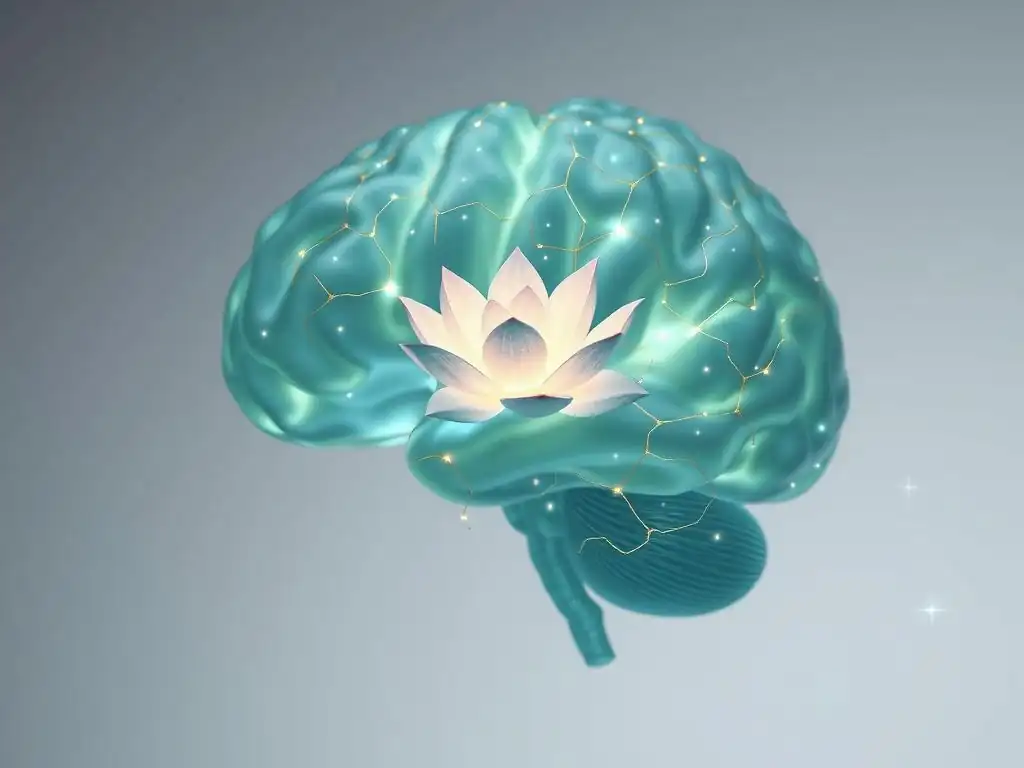
Mindfulness is not just a mental exercise; it is a practice that actively engages and reshapes the brain. By training attention and awareness, mindfulness initiates a cascade of neurobiological events that can counteract the patterns associated with anxiety and depression. This transformative connection between mindfulness and the brain is the foundation for its therapeutic effects.
The neurobiological impact of mindfulness unfolds through changes in brain activity patterns during meditation, alterations in the functional connectivity between different brain regions, and ultimately, enduring structural changes through neuroplasticity. Understanding these mechanisms provides a scientific basis for why consistent mindfulness practice reduces anxiety depression.
How Mindfulness Changes Brain Activity: An Overview
During mindfulness practice, brain activity shifts from the usual patterns of mind-wandering and reactivity to a state of focused attention and non-judgmental awareness. Initially, this might involve increased activity in areas related to attention control, such as the dorsal anterior cingulate cortex (dACC) and the dorsolateral prefrontal cortex (dlPFC). As practitioners become more skilled, activity may decrease in the default mode network (DMN), a set of brain regions active during self-referential thought and mind-wandering, which is often overactive in anxiety and depression.
Furthermore, mindfulness appears to alter the brain's response to emotional stimuli. Instead of automatically reacting with fear or sadness, the brain learns to observe these emotions with less intensity. This is reflected in reduced reactivity in the amygdala and increased activity in areas of the prefrontal cortex involved in regulating emotional responses. This shift in how the brain processes emotions is a key way mindfulness reduces anxiety depression.
Mindfulness Reduces Anxiety and Depression: The Neurobiological Mechanisms
The effectiveness of mindfulness in reducing anxiety and depression is attributed to several interconnected neurobiological mechanisms. One primary mechanism is the reduction of activity in the amygdala, the brain's fear center. By training attention and non-reactivity, mindfulness helps dampen the automatic stress response. Another mechanism involves strengthening the prefrontal cortex, enhancing top-down control over emotional responses and improving cognitive regulation.
Mindfulness also influences brain connectivity, fostering stronger links between the prefrontal cortex and the amygdala, allowing for more effective emotional modulation. Furthermore, research suggests that mindfulness practice may positively impact neurotransmitter systems and promote beneficial neuroplastic changes, such as increasing gray matter density in areas associated with self-awareness and emotional regulation. These combined effects on brain structure, function, and chemistry explain the profound impact of mindfulness on mental well-being and why mindfulness reduces anxiety depression symptoms.
Mindfulness and the Amygdala: Calming the Fear Response
The amygdala's role as the brain's alarm system makes it a prime target for interventions aimed at reducing anxiety. Mindfulness directly addresses the hyper-reactivity often seen in the anxious amygdala, training the brain to respond to potential threats with greater equanimity rather than immediate panic. This calming effect on the fear response is a crucial component of how mindfulness reduces anxiety depression.
By cultivating present moment awareness and non-reactivity, individuals learn to observe anxious thoughts and physical sensations without getting swept away by them. This creates a space between the stimulus and the reaction, allowing the prefrontal cortex to engage and modulate the amygdala's response.
Mindfulness Training Downregulates Amygdala Activity
Neuroimaging studies have provided compelling evidence that mindfulness training can reduce the reactivity of the amygdala. For example, participants in mindfulness-based stress reduction (MBSR) programs have shown decreased amygdala activation when exposed to emotionally provocative stimuli after training, compared to before the training or compared to control groups. Some studies have reported reductions in amygdala response by as much as 10-15% following an 8-week mindfulness course.
This downregulation of the amygdala is thought to be a key mechanism by which mindfulness reduces anxiety. By reducing the intensity of the initial fear signal, the brain is less likely to trigger a full-blown stress response. This allows individuals to approach potentially stressful situations with greater calm and clarity, rather than being overwhelmed by fear.
Reduced Anxiety Symptoms Through Amygdala Modulation
The neurobiological changes in the amygdala directly correlate with observed reductions in anxiety symptoms. When the amygdala is less reactive, individuals experience less intense feelings of fear, worry, and dread. They are better able to distinguish between real threats and perceived threats, and their physiological stress response is less easily triggered.
This modulation of the amygdala, facilitated by mindfulness practice, leads to a decreased frequency and severity of anxiety symptoms, including panic attacks, social anxiety, and generalized worry. The ability to observe anxious thoughts and feelings without automatic reactivity allows individuals to disengage from rumination, further alleviating the distress associated with anxiety. This demonstrates a clear pathway by which mindfulness reduces anxiety depression by directly impacting a core brain region involved in fear processing.
Mindfulness and the Prefrontal Cortex: Enhancing Cognitive Control
While the amygdala is involved in initial emotional reactions, the prefrontal cortex (PFC) is crucial for regulating these responses, making conscious decisions, and maintaining focus. In both anxiety and depression, the PFC's ability to perform these functions can be impaired. Mindfulness practice strengthens the PFC, enhancing its capacity for cognitive control and emotional regulation, which is vital for improving mental well-being.
By engaging in practices that require sustained attention and the ability to observe internal states without judgment, individuals are effectively exercising their prefrontal cortex. This mental training leads to functional and potentially structural changes that improve the brain's executive functions and its ability to manage emotional challenges.
Strengthening the Prefrontal Cortex Through Mindfulness Meditation
Consistent mindfulness meditation has been shown to increase activity and even gray matter density in regions of the prefrontal cortex associated with attention, decision-making, and emotional regulation. For instance, studies comparing experienced meditators to non-meditators have found thicker cortical regions in areas like the medial prefrontal cortex and the right anterior insula, areas involved in self-awareness and interoception (awareness of internal bodily states).
Longitudinal studies, following individuals before and after mindfulness training, have also observed increased activity and connectivity within prefrontal circuits. This strengthening of the PFC enhances its ability to exert top-down control over subcortical regions like the amygdala, allowing for a more measured and less reactive response to stressful or emotionally challenging situations.
Improved Emotional Regulation and Decision-Making
A stronger and better-regulated prefrontal cortex is directly linked to improved emotional regulation and decision-making abilities. With enhanced PFC function, individuals are better equipped to:
- Observe emotions without being overwhelmed: Instead of reacting impulsively to feelings of anxiety or sadness, they can pause, recognize the emotion, and choose a skillful response.
- Shift attention away from negative rumination: The PFC's improved executive control helps redirect focus away from repetitive negative thoughts characteristic of depression and anxiety.
- Make more deliberate choices: Enhanced PFC function supports better evaluation of options and consequences, leading to more effective problem-solving and decision-making, which can be impaired in both conditions.
This improved cognitive control and emotional regulation, facilitated by a strengthened prefrontal cortex through mindfulness, are fundamental ways that mindfulness reduces anxiety depression symptoms.
Mindfulness and Neurotransmitter Regulation: Rebalancing Brain Chemistry
Beyond its impact on brain structure and activity patterns, mindfulness practice is also thought to influence the delicate balance of neurotransmitters, the chemical messengers that transmit signals throughout the brain. While research in this area is ongoing and complex, there is evidence suggesting that mindfulness can positively affect the levels and activity of neurotransmitters implicated in mood disorders, including serotonin, dopamine, and norepinephrine.
This potential for neurochemical modulation adds another layer to the understanding of how mindfulness reduces anxiety depression. By supporting a healthier neurochemical environment, mindfulness may help alleviate the symptoms associated with neurotransmitter dysregulation.
Mindfulness and Increased Serotonin Production
While direct measurement of neurotransmitter levels in the living human brain is challenging, indirect evidence suggests that mindfulness practice may be associated with increased serotonin activity. Serotonin is a key neurotransmitter involved in mood regulation, and low levels are linked to depression. Some studies have explored the impact of mindfulness on neurochemicals, and while definitive proof of direct serotonin production increase is still developing, the observed improvements in mood associated with mindfulness align with the known function of serotonin.
Mechanisms could include stress reduction, which can impact serotonin synthesis and release, or changes in brain activity patterns that influence serotonergic pathways. For example, the calming effect of mindfulness may reduce the negative impact of chronic stress on serotonin systems, potentially contributing to the observed mood improvements.
The Role of Mindfulness in Dopamine and Norepinephrine Regulation
Mindfulness may also influence dopamine and norepinephrine systems, which are crucial for motivation, reward, energy, and alertness. Dopamine is linked to the brain's reward system, and dysfunction in this pathway contributes to anhedonia (loss of pleasure) in depression. Norepinephrine is involved in the stress response and alertness, and its dysregulation is seen in both anxiety and depression.
Some research suggests that mindfulness practice can increase dopamine release, potentially contributing to improved motivation and a greater sense of pleasure or well-being. Similarly, by helping to regulate the stress response, mindfulness may positively influence norepinephrine levels and signaling, leading to reduced feelings of hyper-arousal in anxiety and increased energy levels in depression. While more research is needed to fully elucidate these relationships, the potential for mindfulness to positively impact multiple neurotransmitter systems highlights its comprehensive effect on brain chemistry and its role in how mindfulness reduces anxiety depression.
Mindfulness and Neuroplasticity: Rewiring the Brain for Mental Health
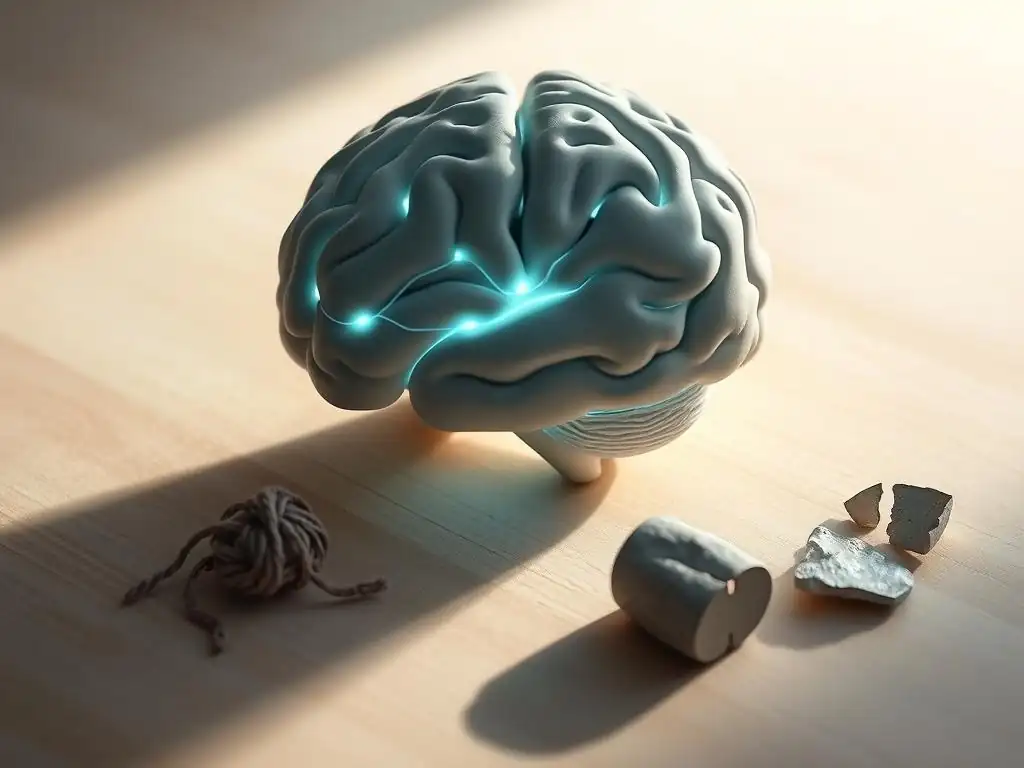
One of the most exciting neurobiological findings related to mindfulness is its capacity to promote neuroplasticity. Neuroplasticity is the brain's remarkable ability to reorganize itself by forming new neural connections throughout life. This means that the brain is not a fixed structure but is constantly being shaped by our experiences, thoughts, and practices. Mindfulness harnesses this capability to create lasting, beneficial changes in brain structure and function.
Understanding neuroplasticity provides a powerful framework for why consistent mindfulness practice can lead to enduring improvements in mental health. It explains how training the mind can literally rewire the brain in ways that counteract the patterns associated with anxiety and depression.
Neuroplasticity: The Brain's Ability to Change
Neuroplasticity occurs at multiple levels, from changes in the strength of connections between individual neurons (synaptic plasticity) to alterations in the volume and structure of entire brain regions. This process is driven by experience and learning. When we repeatedly engage in a particular activity or thought pattern, the neural circuits involved become stronger and more efficient. Conversely, circuits that are used less frequently may weaken.
This principle is fundamental to learning any new skill, from playing a musical instrument to learning a language. Applied to mental health, it means that negative patterns of thinking and feeling associated with anxiety and depression are also encoded in the brain's circuitry. However, neuroplasticity offers hope: the brain can be retrained and rewired towards healthier patterns.
Mindfulness Promotes Neuroplastic Changes Beneficial for Anxiety and Depression
Mindfulness practice specifically promotes neuroplastic changes in brain regions and circuits relevant to anxiety and depression. As previously mentioned, studies have shown that regular meditation can lead to increased gray matter density in areas like the prefrontal cortex (associated with attention and self-awareness) and the hippocampus (involved in memory and emotional regulation). Conversely, some studies suggest decreases in gray matter in the amygdala, correlating with reduced fear reactivity.
These structural changes are accompanied by changes in functional connectivity. Mindfulness training can strengthen the connections between the prefrontal cortex and the amygdala, improving emotional regulation. It can also alter connectivity within the default mode network, reducing mind-wandering and rumination. These enduring neuroplastic changes, fostered through consistent practice, provide a robust neurobiological basis for how mindfulness reduces anxiety depression over time.
Specific Mindfulness Practices and Their Neural Effects
Mindfulness is not a single technique but encompasses a variety of practices, each with potentially distinct, though often overlapping, impacts on the brain. While the core principle of present moment awareness is shared, different practices may emphasize different aspects, leading to nuances in their neurobiological effects. Examining the impact of specific mindfulness-based interventions provides a more detailed picture of how mindfulness reduces anxiety depression.
Understanding the neural effects of practices like MBSR, MBCT, and Loving-Kindness Meditation helps to tailor approaches and appreciate the broad spectrum of benefits offered by mindfulness training.
Mindfulness-Based Stress Reduction (MBSR) and Brain Changes
Mindfulness-Based Stress Reduction (MBSR) is one of the most widely researched mindfulness programs. Typically an 8-week course, MBSR incorporates various practices including body scan meditation, sitting meditation, and gentle yoga. Studies on MBSR participants have provided significant evidence for mindfulness-induced neuroplasticity.
Research on MBSR has shown:
- Decreased gray matter density in the amygdala.
- Increased gray matter density in the hippocampus, associated with improved memory and emotional regulation.
- Increases in gray matter in areas of the prefrontal cortex related to attention and self-awareness.
- Changes in functional connectivity, including increased coupling between the prefrontal cortex and the insula, supporting greater self-awareness and emotional insight.
These changes collectively contribute to reduced stress reactivity, improved emotional regulation, and enhanced cognitive control, explaining much of the observed effectiveness of MBSR in reducing symptoms of anxiety and depression.
Mindfulness-Based Cognitive Therapy (MBCT) for Depression: A Neurobiological View
Mindfulness-Based Cognitive Therapy (MBCT) was developed specifically for individuals with recurrent depression. It integrates mindfulness practices with principles from cognitive behavioral therapy (CBT), focusing on helping individuals become aware of negative thought patterns and learn to relate to them differently. Neurobiological research on MBCT supports its efficacy in preventing depressive relapse.
Studies on MBCT have shown:
- Reduced activity in the default mode network (DMN), which is often hyperactive in depression and linked to rumination.
- Increased activity in brain regions involved in cognitive control and attention, such as the prefrontal cortex and anterior cingulate cortex, enabling individuals to disengage from negative thought loops.
- Improved connectivity between areas that process emotions and those that regulate them.
By enhancing awareness of depressive thought patterns and strengthening the brain's capacity to shift attention away from rumination, MBCT helps individuals break the cycle of negative thinking that can lead to depressive episodes, providing a clear neurobiological pathway for how mindfulness reduces anxiety depression relapse.
Loving-Kindness Meditation and its Impact on Brain Function
Loving-Kindness Meditation (LKM), or Metta, is a practice focused on cultivating feelings of warmth, compassion, and kindness towards oneself and others. While distinct from core mindfulness practices focused on neutral observation, LKM is often included in mindfulness programs and has its own unique neurobiological profile.
Research on LKM has indicated:
- Increased activity in brain regions associated with empathy and emotional regulation, including the insula and anterior cingulate cortex.
- Changes in connectivity within neural networks involved in social cognition and empathy.
- Potential increases in positive emotions and reductions in negative emotions, which could indirectly support neurotransmitter balance.
While less directly focused on the core mechanisms of reducing fear reactivity or rumination compared to practices like MBSR or MBCT, LKM's impact on promoting positive emotions and empathy contributes to overall emotional well-being and can serve as a complementary approach to how mindfulness reduces anxiety depression by fostering resilience and positive affect.
The Importance of Consistent Mindfulness Practice for Lasting Change
The neurobiological benefits of mindfulness, particularly the promotion of neuroplasticity, underscore the critical importance of consistency in practice. Just as building muscle requires regular exercise, rewiring the brain for improved mental health requires sustained effort. Occasional meditation sessions may offer temporary relief, but it is the cumulative effect of consistent practice that leads to the enduring structural and functional changes needed to significantly impact conditions like anxiety and depression.
Understanding that mindfulness is a skill that develops over time, requiring dedication and patience, is crucial for setting realistic expectations and maintaining motivation. The brain's capacity for change is immense, but it responds best to regular, repeated engagement.
Building a Mindfulness Practice: Consistency is Key
Establishing a consistent mindfulness practice can be challenging, especially when dealing with symptoms of anxiety or depression that can impact motivation and focus. However, even short, regular periods of practice are more effective than infrequent long sessions. Starting with just 5-10 minutes per day can be a realistic goal.
Consistency allows the neural pathways associated with attention regulation, emotional processing, and self-awareness to be repeatedly activated and strengthened. This repeated activation is the engine of neuroplasticity. Over weeks and months, these small, consistent efforts build upon each other, gradually reshaping the brain's architecture and function, solidifying how mindfulness reduces anxiety depression through sustained neural adaptation.
Maintaining Long-Term Neurobiological Benefits of Mindfulness
The neuroplastic changes induced by mindfulness practice are not necessarily permanent if the practice is discontinued. Like any skill, the neural circuits supporting mindfulness need to be maintained through continued engagement. Long-term meditators exhibit more pronounced and enduring brain changes compared to novices, highlighting the cumulative nature of the benefits.
Maintaining a regular practice, even a less intensive one, helps to preserve the strengthened connections and altered brain structures that support improved emotional regulation and reduced reactivity. This ongoing engagement is key to sustaining the gains made in reducing anxiety and depression symptoms and leveraging the long-term neurobiological benefits of mindfulness. It reinforces the idea that mindfulness is not a cure, but a powerful tool for ongoing mental well-being that requires commitment.
Conclusion: Harnessing the Power of Mindfulness for Mental Well-being
The evidence from neuroscience provides a compelling explanation for the effectiveness of mindfulness in addressing anxiety and depression. By influencing key brain regions like the amygdala and prefrontal cortex, modulating neurotransmitter activity, and promoting beneficial neuroplasticity, mindfulness offers a powerful, non-pharmacological approach to improving mental health. The intricate interplay between consistent practice and neurobiological change highlights the profound potential of training the mind to reshape the brain.
Understanding the "why" behind mindfulness reinforces its value not just as a coping mechanism, but as a therapeutic intervention with measurable impacts on brain function. As research continues to deepen our understanding, the integration of mindfulness into mental health care is likely to expand, offering hope and effective strategies for those struggling with anxiety and depression.
Mindfulness as a Complementary Therapy for Anxiety and Depression
Given its neurobiological effects, mindfulness is increasingly recognized as a valuable complementary therapy for anxiety and depression. It can be used alongside traditional treatments like psychotherapy and medication, or as a standalone intervention for mild to moderate symptoms, or for relapse prevention. Its ability to target core neurobiological mechanisms underlying these conditions makes it a powerful tool in a holistic approach to mental wellness.
Mindfulness provides individuals with practical skills to manage difficult thoughts and emotions, reduce stress reactivity, and cultivate greater self-awareness. These skills, rooted in neurobiological changes, empower individuals to take an active role in their own healing process. By understanding how mindfulness reduces anxiety depression at the level of the brain, individuals may feel more empowered and motivated to engage with the practice consistently.
The Future of Mindfulness and Neuroscience in Mental Health Treatment
The ongoing collaboration between mindfulness researchers and neuroscientists is paving the way for exciting future developments in mental health treatment. As we gain a more precise understanding of the specific neural circuits and mechanisms targeted by different mindfulness practices, it may become possible to tailor interventions more effectively to individual needs and specific conditions.
Further research utilizing advanced neuroimaging techniques and molecular biology methods will continue to uncover the intricate ways mindfulness interacts with the brain. This growing body of evidence solidifies the scientific credibility of mindfulness and supports its integration into mainstream healthcare, offering promising avenues for enhancing mental well-being and providing new hope for those affected by anxiety and depression. The future holds great potential for harnessing the power of mindfulness, grounded in neuroscience, to improve countless lives.
Frequently Asked Questions
What are the primary neurobiological mechanisms through which mindfulness reduces anxiety and depression?
Mindfulness practices impact the brain by altering the neural pathways associated with stress and emotion regulation. Specifically, it strengthens the prefrontal cortex's control over the amygdala, responsible for fear responses. This ultimately leads to a calming effect.
How does mindfulness affect the brain's structure and function, leading to reduced anxiety and depression?
Mindfulness is shown to increase grey matter in regions related to attention and emotional regulation. It also improves functional connectivity between different brain areas, promoting a more balanced and adaptive response to stress. This helps to alleviate symptoms.
Can mindfulness training be considered a complementary treatment for anxiety and depression, and if so, how does it interact with traditional therapies?
Yes, mindfulness is often used as a complementary therapy alongside traditional treatments. It can enhance the effectiveness of cognitive behavioral therapy (CBT) and medication by promoting self-awareness and emotional regulation. This can lead to better overall outcomes.
What specific mindfulness techniques are most effective in reducing symptoms of anxiety and depression, and why?
Techniques like mindful breathing, body scan meditations, and loving-kindness meditation are effective. They work by focusing attention on the present moment, interrupting negative thought patterns, and fostering a sense of self-compassion, thus reducing distress.
How long and how frequently should one practice mindfulness to experience significant reductions in anxiety and depression symptoms?
While individual results vary, consistent practice is key. Studies suggest that 8-week programs with daily 20-30 minute sessions can lead to significant improvements. Regular and sustained practice yields the best long-term benefits.
Final Reflection: The Mindful Path to Healing
The growing understanding of the neurobiological mechanisms behind mindfulness offers a powerful, evidence-based approach to managing anxiety and depression. This isn't just a trendy wellness practice; it's a scientifically validated pathway to rewiring the brain for greater resilience and well-being. The research presented clearly demonstrates the tangible impact mindfulness can have on reducing symptoms and improving overall mental health.
The exploration of how mindfulness impacts brain regions associated with emotional regulation and stress response has profoundly shifted my understanding of mental health treatment. It's no longer just about managing symptoms; it's about fostering genuine, lasting change at a fundamental level. This resonates deeply with the growing movement towards holistic approaches to mental wellness. The mind is everything. What you think you become.
– Buddha. This ancient wisdom is now supported by cutting-edge neuroscience, highlighting the power of our thoughts and the potential for mindful practice to reshape our experience of the world.
Consider the implications of this research for your own life. Are you struggling with anxiety or depression? Perhaps you've tried other methods without success. This article offers a new perspective, a path towards healing that is both scientifically grounded and deeply personal. I encourage you to explore mindfulness practices, even in small ways, and observe the impact on your own mental and emotional state. The journey towards a calmer, more resilient self begins with a single mindful breath.
Unleash Your Inner Calm: Start Your Mindfulness Journey Today!
Thanks for taking the time to explore the neurobiological magic behind mindfulness and its power in managing anxiety and depression. You’ve gained valuable insights into how this practice can reshape your brain for the better! Now, it's time to put that knowledge into action.
- Begin your personalized mindfulness practice: Start with just 5 minutes a day, focusing on your breath or a guided meditation. Even small steps create big changes.
- Share your experience: Tell a friend or family member about the benefits you're discovering – it might inspire them to start their own journey!
- Explore deeper: Dive into the resources we've mentioned (or others you may find) to further explore specific mindfulness techniques that resonate with you. Perhaps try a body scan meditation or a mindful walking exercise.
Ready to feel calmer and more in control? What's the first mindful moment you'll create today?