
Mindfulness for Teachers: Managing Challenging Classroom Moments with Grace

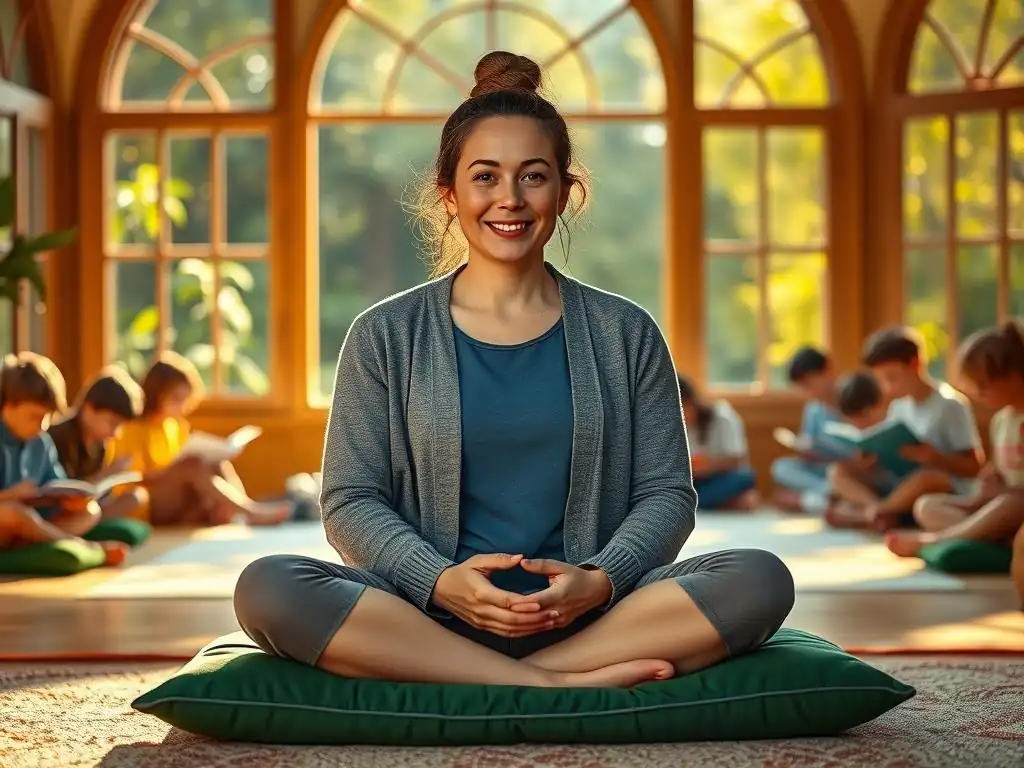
Welcome to Mind Care Guide, a sanctuary for your mental well-being.
We understand the unique pressures of modern life, and especially the demands faced by educators. Feeling overwhelmed? You're not alone. This week, we delve into Mindfulness for Stressed Teachers, offering practical techniques to navigate challenging classroom moments with grace and resilience. Discover how cultivating mindfulness can transform your teaching experience and bring a sense of calm amidst the chaos. Intrigued? Let's explore how you can reclaim your inner peace, one mindful moment at a time...
Mindfulness for Educators: Cultivating Resilience and Well-being
- Introduction: The Need for Mindfulness in Education
- Defining Mindfulness: A Practical Guide for Educators
- Practical Mindfulness Practices for Educators
- Responding Mindfully to Challenging Classroom Situations
- Integrating Mindfulness Activities into the Classroom
- Addressing Challenges to Mindfulness Practice
- Resources for Further Exploration
- Conclusion: A More Mindful and Sustainable Career
-
Frequently Asked Questions
- How can mindfulness help stressed teachers in the classroom?
- What are some simple mindfulness exercises teachers can practice during the school day?
- How does mindfulness improve a teacher's overall well-being and prevent burnout?
- What resources are available for teachers who want to learn more about mindfulness?
- Is mindfulness a quick fix for classroom stress, or does it require consistent practice?
- Final Reflection: Cultivating Inner Peace in the Classroom
- Unleash Your Inner Calm: Practical Mindfulness for Teachers
Introduction: The Need for Mindfulness in Education
Understanding Educator Stress and Burnout
Teaching is a profoundly rewarding profession, but it is also one of the most demanding. Educators face daily pressures ranging from large class sizes and diverse student needs to administrative tasks and parental communication. Studies consistently show high levels of stress among teachers. For instance, a 2023 survey by the American Federation of Teachers found that over 70% of teachers reported feeling stressed, with significant numbers reporting symptoms of burnout. This persistent stress can manifest physically and emotionally, leading to exhaustion, reduced job satisfaction, and even health issues.
The cumulative effect of this chronic stress is often burnout, characterized by emotional exhaustion, depersonalization (a detached attitude towards students), and a reduced sense of personal accomplishment. Data from various educational reports indicate that teacher attrition rates are influenced by these factors. For example, some estimates suggest that up to 8% of teachers leave the profession annually, with stress and burnout cited as primary reasons. Addressing this widespread issue is crucial not only for the well-being of individual teachers but also for the stability and effectiveness of the entire education system.
The Potential of Mindfulness for Reducing Stress and Enhancing Well-being
Mindfulness offers a powerful, evidence-based approach to managing the inherent challenges of the teaching profession. By cultivating present moment awareness, educators can learn to navigate the school day with greater calm and clarity, directly benefiting Mindfulness for stressed teachers. This practice isn't about eliminating stress, but about changing one's relationship with it, allowing for more skillful responses rather than automatic reactions.
Research into mindfulness in education shows promising results. A meta-analysis of studies on mindfulness interventions for teachers published in the Journal of Educational Psychology indicated significant reductions in stress and burnout symptoms, alongside improvements in well-being and self-compassion. Furthermore, teachers who practice mindfulness often report enhanced focus, better emotional regulation, and improved classroom management skills, creating a more positive learning environment for their students.
Defining Mindfulness: A Practical Guide for Educators
Mindfulness Explained: Present Moment Awareness
At its core, mindfulness is the practice of intentionally bringing one's attention to the present moment without judgment. It's about noticing what is happening right now – the sensations in your body, the thoughts in your mind, the sounds around you – with an attitude of open curiosity. For educators, this means being fully present during a lesson, a staff meeting, or even a challenging interaction, rather than being lost in worries about the past or future.
This present moment awareness isn't about achieving a state of blank mind; it's about observing the constant flow of experience. Think of it like watching clouds pass in the sky – you notice them, acknowledge their presence, but don't get swept away by any single cloud. This skill is particularly valuable for Mindfulness for stressed teachers who often juggle multiple tasks and face unpredictable situations, helping them anchor themselves in the here and now.
Core Attitudes of Mindfulness: Acceptance, Non-Judgment, and Curiosity
Mindfulness practice is underpinned by several key attitudes that are crucial for its effectiveness. Acceptance involves acknowledging reality as it is, even if it's uncomfortable. For an educator, this might mean accepting that a lesson isn't going as planned or that a student is having a difficult day, without immediately trying to fix it or wishing it were different.
Non-judgment is another vital attitude, encouraging us to observe our experiences without labeling them as "good" or "bad." This applies to our own thoughts and feelings ("I shouldn't be feeling this stressed") as well as external events ("This student is just being difficult"). Cultivating non-judgment allows for a clearer perception of reality. Finally, curiosity involves approaching each moment with a sense of wonder and interest, like a beginner. This open-hearted curiosity can transform routine tasks or challenging interactions into opportunities for learning and deeper connection.
Benefits of Mindfulness for Educators: Focus, Emotional Regulation, and Compassion
Practicing mindfulness yields numerous benefits directly applicable to the demands of teaching. Improved focus and attention are common outcomes, helping educators stay present during complex tasks, maintain concentration during lessons, and notice subtle cues from students. This enhanced focus can lead to more effective teaching and reduced errors.
Emotional regulation is perhaps one of the most significant benefits for Mindfulness for stressed teachers. Mindfulness helps individuals recognize emotions as they arise without being overwhelmed by them. This allows for a pause between stimulus and response, enabling a more considered reaction to challenging student behavior or stressful situations, rather than an impulsive one. Furthermore, mindfulness naturally cultivates empathy and compassion, both towards oneself and towards others, fostering stronger connections with students and colleagues and contributing to a more supportive school environment.
Practical Mindfulness Practices for Educators

Mindfulness Meditation for Stress Reduction
Breath Awareness Meditation
Breath awareness meditation is one of the most accessible mindfulness practices, perfect for Mindfulness for stressed teachers looking for a simple entry point. It involves gently focusing attention on the physical sensation of breathing – the rise and fall of the abdomen, the feeling of air entering and leaving the nostrils. When the mind inevitably wanders (which it will! ), the practice is simply to notice where it went and gently guide the attention back to the breath, without self-criticism.
This can be practiced for just a few minutes at the start of the school day, during a break, or even between classes. Regularly dedicating five to ten minutes to breath awareness can significantly reduce the body's stress response. For example, studies have shown that just a few weeks of consistent practice can lower cortisol levels, the body's primary stress hormone.
Body Scan Meditation for Presence
The body scan meditation involves systematically bringing mindful attention to different parts of the body, noticing sensations without trying to change them. Starting from the toes and slowly moving up to the head, one pays attention to feelings like tingling, warmth, pressure, or absence of sensation. This practice helps cultivate a deeper connection with the physical self and can release tension held in the body.
For busy educators, a shortened version of the body scan can be incredibly grounding. Even five minutes focused on scanning key areas like the shoulders, neck, and jaw (common areas for holding tension) can increase present moment awareness and alleviate physical discomfort associated with stress. It's a powerful way for Mindfulness for stressed teachers to check in with their physical state throughout the day.
Mindful Breathing Techniques for Immediate Relief
Diaphragmatic Breathing
Diaphragmatic breathing, also known as belly breathing, is a technique that encourages full oxygen exchange and can slow the heart rate, having an immediate calming effect. It involves breathing deeply into the abdomen, allowing the belly to rise with each inhale, and fall with each exhale. This is distinct from shallow chest breathing, which is often associated with stress.
Educators can use this technique discreetly before a difficult conversation, during a moment of classroom chaos, or whenever feeling overwhelmed. Taking just three to five slow, deep breaths into the diaphragm can interrupt the stress response and create a sense of calm, providing immediate support for Mindfulness for stressed teachers.
Box Breathing
Box breathing is a simple, rhythmic breathing technique used by many professionals in high-stress environments, including military personnel and first responders. It involves inhaling for a count of four, holding the breath for a count of four, exhaling for a count of four, and holding the breath out for a count of four, repeating the cycle.
This structured breathing pattern helps regulate the nervous system. For an educator facing a particularly challenging moment, such as de-escalating a conflict between students, taking even just one or two cycles of box breathing can provide the necessary mental space to respond more skillfully and calmly, demonstrating effective Mindfulness for stressed teachers in action.
Mindful Movement for Educators
Gentle Stretching at Your Desk
Incorporating mindful movement doesn't require a yoga mat or a gym. Simple, gentle stretches performed mindfully at one's desk can release physical tension and bring attention back to the body. This might include rolling the shoulders, gently stretching the neck, or reaching the arms overhead, paying attention to the sensations in the muscles.
Taking just a minute or two between tasks to mindfully stretch can break up long periods of sitting and reduce physical stiffness associated with stress. It's a practical way for Mindfulness for stressed teachers to integrate movement and presence into their busy day without leaving the classroom or office.
Mindful Walking During Transitions
Transitions between classes, during lunch breaks, or even walking to and from the parking lot offer opportunities for mindful movement. Instead of rushing or being lost in thought, one can focus on the physical sensations of walking – the feeling of the feet on the ground, the movement of the legs, the rhythm of the breath.
This simple practice can transform mundane moments into opportunities for grounding and stress reduction. Even a short, mindful walk across the schoolyard can clear the head and bring a sense of refreshed presence before the next task, making it a valuable tool for Mindfulness for stressed teachers.
Responding Mindfully to Challenging Classroom Situations
Identifying Stress Triggers in the Classroom
Becoming aware of what triggers stress is a crucial first step for Mindfulness for stressed teachers. Triggers can be external events, such as disruptive student behavior, unexpected administrative demands, or parental complaints. They can also be internal, such as perfectionistic tendencies, fear of failure, or negative self-talk. Keeping a simple journal for a week, noting moments of stress and what preceded them, can reveal patterns.
For example, an educator might discover that their stress levels consistently spike during transitions between activities, or when a specific student acts out, or when observed by an administrator. Recognizing these patterns allows teachers to anticipate potential challenges and apply mindful strategies before the stress response escalates, rather than reacting in the heat of the moment.
Responding with Awareness Instead of Reacting
Mindfulness teaches us to create space between a stimulus and our response. Instead of an automatic, often stress-driven reaction, we learn to pause, observe, and choose a more intentional action. This is perhaps the most powerful application of Mindfulness for stressed teachers in the classroom.
The Pause: Creating Space for Response
When a challenging situation arises – a student shouts out, technology fails, or a colleague makes a critical comment – the immediate impulse is often to react quickly, perhaps with frustration or anger. The mindful pause is a deliberate moment, even just a few seconds, taken before speaking or acting. This pause allows the initial surge of emotion to subside slightly and creates space for conscious choice.
Even a micro-pause, like taking a single deep breath before responding to a student's challenging question, can shift the interaction from a reaction fueled by stress to a more considered, calm response. This simple act can de-escalate tension and allow for a more productive outcome.
Observing Thoughts and Emotions
During the pause, mindful awareness involves noticing the thoughts and emotions that arise without getting entangled in them. For example, an educator might notice thoughts like "This student is doing this deliberately to annoy me" or "I can't handle this," accompanied by feelings of anger or helplessness. Mindfulness encourages observing these thoughts and feelings as temporary mental events, not absolute truths.
By observing thoughts and emotions non-judgmentally, Mindfulness for stressed teachers can gain perspective. Instead of being controlled by the feeling ("I'm angry, so I'll yell"), they can acknowledge it ("I notice anger is present") and then choose a response aligned with their values, such as patience or understanding.
Cultivating Empathy and Compassion Through Mindfulness
Mindfulness practice naturally fosters empathy – the ability to understand and share the feelings of another – and compassion – the desire to alleviate suffering. These qualities are invaluable in the complex relationships within a school environment.
Understanding Student Perspectives
Mindfulness encourages us to step outside our own immediate experience and consider the perspectives of others. For an educator, this means pausing to consider why a student might be behaving in a certain way. Is the student seeking attention? Are they struggling with something at home? Are they feeling overwhelmed or misunderstood?
While not excusing inappropriate behavior, taking a mindful moment to consider a student's potential underlying needs or challenges can shift the educator's response from punitive to supportive. This empathetic lens, cultivated through Mindfulness for stressed teachers, can transform disciplinary interactions into opportunities for connection and guidance.
Responding with Kindness and Patience
With empathy comes the capacity for compassion, leading to responses rooted in kindness and patience. When an educator can regulate their own stress response through mindfulness, they are better equipped to respond to challenging student behavior with calm patience rather than frustration. This doesn't mean being permissive, but rather setting boundaries and addressing behavior from a place of understanding and a desire to help the student learn and grow.
For instance, instead of reacting angrily to a student who hasn't completed their assignment, a mindful educator might pause, acknowledge their own frustration, and then approach the student with curiosity ("What's making it hard to get this done?") and offer support. This compassionate approach builds trust and can be more effective in the long run than responses driven by stress or impatience.
Integrating Mindfulness Activities into the Classroom
Simple Mindfulness Exercises for Students
Bringing simple mindfulness practices into the classroom can benefit students as well, helping them develop focus, emotional regulation, and self-awareness – skills that support their learning and well-being. These exercises can be brief and easily integrated into the school day.
Mindful Observation Activities
Mindful observation activities involve guiding students to pay close attention to sensory details in their environment. This could be listening mindfully to sounds inside and outside the classroom for one minute, observing the details of an object like a leaf or a stone, or mindfully eating a piece of fruit, paying attention to its texture, smell, and taste.
These short exercises, perhaps done at the start of the day or after a busy transition, help students settle their attention and become more present. They are simple yet effective ways to introduce the concept of mindfulness to young minds, benefiting both students and the Mindfulness for stressed teachers facilitating the activity.
Gratitude Journaling
Gratitude journaling is a simple yet powerful practice that can shift focus towards the positive. Students can be prompted to write down or share one or two things they are grateful for each day. This could be as simple as a sunny day, a supportive friend, or something they learned.
Regularly reflecting on gratitude, even for just a few minutes, can foster a more positive outlook and resilience in students. It also creates a positive atmosphere in the classroom, which in turn can reduce some of the daily stressors for the Mindfulness for stressed teachers managing the environment.
Creating a Mindful Classroom Environment
Beyond specific exercises, the overall classroom environment can be cultivated to support mindfulness and well-being for everyone.
Establishing a Calm and Supportive Atmosphere
Creating a calm and supportive atmosphere involves thoughtful classroom design, clear routines, and consistent expectations. This might include designating a quiet corner for students who need a moment to regulate, using calming colors, or incorporating soft lighting. Clear visual schedules and predictable routines also reduce anxiety for students.
A classroom where students feel safe, understood, and supported is less likely to have frequent disruptive behaviors, thereby reducing significant stress triggers for the Mindfulness for stressed teachers in charge. It's a proactive approach to managing classroom challenges.
Modeling Mindful Behavior
One of the most effective ways to teach mindfulness is to model it. When educators demonstrate mindfulness through their own actions – pausing before responding, speaking calmly, acknowledging their own feelings (appropriately), and approaching challenges with patience – they provide a powerful example for students.
Seeing their teacher handle stress or difficult situations with grace and awareness teaches students valuable coping skills and reinforces the value of mindfulness. A teacher who practices Mindfulness for stressed teachers is not only helping themselves but also building essential social-emotional skills in their students.
Addressing Challenges to Mindfulness Practice

Common Obstacles and Solutions
Starting and maintaining a mindfulness practice isn't always easy. Educators, already pressed for time and energy, face specific challenges.
Time Constraints: Micro-Mindfulness Practices
The most common obstacle cited by Mindfulness for stressed teachers is lack of time. The idea of finding 20-30 minutes for formal meditation can feel impossible. The solution lies in integrating "micro-mindfulness" practices throughout the day. These are brief moments of mindful awareness woven into daily activities.
Examples include taking three mindful breaths before opening email, paying attention to the sensations while washing hands, mindfully walking down the hallway, or simply pausing for 10 seconds to notice the sounds around you before starting the next task. These short bursts of mindfulness, practiced consistently, accumulate and can be surprisingly effective. A study published in Mindfulness journal found that even very brief mindfulness interventions (as short as 3 minutes) could reduce stress.
Initial Resistance: Starting Small and Celebrating Progress
Some educators may feel resistant to mindfulness, perhaps viewing it as too "woo-woo" or feeling like they are "failing" if their mind wanders. It's important to approach the practice with the core attitude of non-judgment, even towards one's own resistance. Starting small is key – perhaps just one minute of focused breathing.
Celebrating small successes helps build momentum. Instead of focusing on how often the mind wandered, acknowledge that you took the time to practice at all. Remind yourself that mindfulness is a skill that improves with practice, not a state to be instantly achieved. Focusing on the felt sense of calm after a brief practice can be a powerful motivator for Mindfulness for stressed teachers.
Maintaining a Sustainable Mindfulness Practice
Consistency is more important than duration when it comes to mindfulness. Building a sustainable practice involves setting realistic intentions and finding ways to stay motivated.
Setting Intentions and Tracking Progress
Clearly setting an intention for practice helps make it a priority. This could be "I will take three mindful breaths before each class" or "I will practice mindful walking during my lunch break." Tracking these small practices, perhaps with a simple checklist or app, can provide a sense of accomplishment and reveal how often you are actually integrating mindfulness.
Acknowledging that some days will be easier than others is also part of sustainability. Missing a practice isn't a failure, just a moment to notice and gently return to the intention the next day. This flexible approach is essential for Mindfulness for stressed teachers managing unpredictable schedules.
Seeking Community and Support
Practicing mindfulness doesn't have to be a solitary endeavor. Connecting with other educators who are also exploring mindfulness can provide valuable support, shared experiences, and motivation. This could involve forming a small group to practice together, sharing resources, or simply checking in with each other about challenges and successes.
Many schools or districts now offer professional development in mindfulness. Participating in these programs or finding online communities dedicated to Mindfulness for stressed teachers can provide structure, guidance, and a sense of belonging, making the practice feel less isolating and more sustainable in the long run.
Resources for Further Exploration
Recommended Books and Articles on Mindfulness in Education
For educators interested in delving deeper, numerous resources offer valuable insights and practical guidance. Books like "Mindful Teaching and Teaching Mindfulness" by Deborah Schoeberlein David or "The Mindful Teacher" by David Miller provide frameworks and exercises specifically tailored for the educational context.
Academic articles published in journals focusing on psychology, education, or mental health often present research findings on the impact of mindfulness on teachers and students. Searching databases for terms like "teacher mindfulness," "mindfulness in schools," or "mindfulness for stressed teachers" can yield informative studies and reviews.
Online Mindfulness Programs and Workshops
Many organizations offer online mindfulness programs designed specifically for educators. These can range from short introductory workshops to multi-week courses. Programs like the Mindfulness-Based Stress Reduction (MBSR) course, or adaptations like the Mindfulness-Based Stress Reduction for Teens (MBSR-T) for working with adolescents, are widely available online.
Platforms dedicated to professional development for teachers often feature webinars or online courses on integrating mindfulness into personal practice and classroom instruction. These online resources offer flexibility for Mindfulness for stressed teachers with busy schedules.
Mindfulness Apps for Educators
Mindfulness apps provide convenient tools for guided meditations, breathing exercises, and tracking progress. Popular options include Headspace, Calm, Insight Timer (which offers many free resources), and Ten Percent Happier. Many apps offer specific content categories like "stress," "focus," or "compassion" that are relevant to the challenges faced by educators.
While an app is not a substitute for consistent practice, it can serve as a helpful guide, reminder, and source of short, accessible practices throughout the day. Finding an app with a user interface and guided meditations that resonate with you can make maintaining a regular practice easier for Mindfulness for stressed teachers.
Conclusion: A More Mindful and Sustainable Career
The Long-Term Impact of Mindfulness on Educators and Students
Embracing mindfulness offers a path towards a more sustainable and fulfilling career in education. By reducing personal stress and burnout, educators can reclaim their passion for teaching and be more present and effective in the classroom. This not only benefits the individual teacher but has a ripple effect on the students they serve.
Research indicates that teacher well-being is linked to positive student outcomes, including academic achievement, social-emotional development, and reduced behavioral issues. When Mindfulness for stressed teachers cultivate their own resilience and emotional regulation, they create a more stable, supportive, and positive learning environment, fostering well-being in their students as well.
Mindfulness as a Continuous Practice
Mindfulness is not a quick fix but a lifelong journey. It requires ongoing commitment and practice, with moments of ease and moments of challenge. The goal isn't to become perfectly calm or stress-free, but to develop the capacity to meet whatever arises with greater awareness, acceptance, and skill.
By committing to mindfulness as a continuous practice, Mindfulness for stressed teachers can build resilience, enhance their well-being, and navigate the inherent complexities of the profession with greater grace. This investment in self-care is an investment in a more effective, compassionate, and joyful teaching career, ultimately benefiting the entire school community.
Frequently Asked Questions
How can mindfulness help stressed teachers in the classroom?
Mindfulness techniques provide teachers with tools to manage stress and regulate emotions in challenging classroom situations. This allows for a more calm and responsive approach to student needs.
What are some simple mindfulness exercises teachers can practice during the school day?
Teachers can practice deep breathing, body scans, or mindful listening during short breaks or even while interacting with students. These exercises help to ground them in the present moment.
How does mindfulness improve a teacher's overall well-being and prevent burnout?
By reducing stress and increasing self-awareness, mindfulness can significantly improve a teacher's mental and emotional well-being. This helps prevent burnout and promotes greater job satisfaction.
What resources are available for teachers who want to learn more about mindfulness?
Mind Care Guide offers a comprehensive guide to mindfulness for teachers, including information, support, and resources. Many online platforms and workshops also provide mindfulness training specifically designed for educators.
Is mindfulness a quick fix for classroom stress, or does it require consistent practice?
Mindfulness is not a quick fix, but a skill that requires consistent practice to develop its full benefits. Regular practice leads to improved emotional regulation and better stress management over time.
Final Reflection: Cultivating Inner Peace in the Classroom
The relentless demands of teaching often leave educators feeling overwhelmed and depleted, but embracing mindfulness offers a powerful antidote to stress. The ability to remain present and centered, even amidst chaotic classroom moments, is not a luxury but a necessity for effective teaching and sustained well-being. This is particularly crucial in today's complex educational landscape, where teachers face increasing pressures and diverse student needs.
The practice of mindfulness, as explored throughout this article, is more than just a trendy self-care technique; it's a fundamental shift in perspective that can profoundly impact both the teacher and the learning environment. It's about cultivating a deeper awareness of one's own emotional state and responding with intention rather than reacting impulsively. As the Dalai Lama wisely said, The time to repair the roof is when the sun is shining.
This perfectly encapsulates the proactive nature of mindfulness – building resilience before the storms of challenging classroom situations arise. By prioritizing self-care and cultivating inner peace, teachers not only improve their own well-being but also create a more supportive and positive learning environment for their students.
Now, consider your own classroom. What small steps can you take today to integrate mindfulness into your daily routine? Perhaps it's a few minutes of deep breathing before a challenging lesson, or a conscious effort to pause and observe your emotions before reacting to a difficult student interaction. Remember, the journey towards mindful teaching is a personal one, and every small act of self-compassion and presence makes a difference. Embrace the opportunity to cultivate inner peace, not just for yourself, but for the benefit of your students and the vibrant learning community you nurture.
Unleash Your Inner Calm: Practical Mindfulness for Teachers
Thanks for taking the time to explore the power of mindfulness in navigating the everyday challenges of teaching. We hope you gained valuable insights into managing those tough moments with grace and composure. Ready to put these techniques into practice?
- Prioritize a 5-minute mindfulness exercise: Start your day with a brief meditation to set a positive and calm tone. This simple act can dramatically shift your perspective and classroom energy.
- Share your experience: Connect with fellow educators in the comments below. Share a challenging moment you successfully navigated using mindfulness techniques. Let's build a supportive community!
- Try a mindful breathing technique during a stressful situation: Next time you feel overwhelmed, try a quick 3-breath reset: inhale slowly, hold, exhale slowly, repeat.
What small step will you take today to cultivate more mindfulness in your classroom?