
Signs of Burnout? Discover How Mindfulness Can Be Your Workplace Antidote


Welcome to Mind Care Guide, a sanctuary dedicated to your mental well-being.
Feeling overwhelmed and depleted? You're not alone. Many are experiencing the invisible weight of workplace burnout. But there's hope. Explore how mindfulness can be a powerful antidote, offering you practical tools to navigate stress and reclaim your balance. Curious to learn how you can cultivate inner peace amidst the daily grind? Let's dive in and discover your path to a more resilient and fulfilling work life.
- Recognizing and Addressing Teacher Burnout: A Mindfulness Approach
- Understanding Teacher Burnout: Identifying the Early Warning Signs
- Mindfulness: A Powerful Tool for Combating Teacher Burnout & Stress
- Practical Mindfulness Techniques to Reduce Teacher Burnout
-
Integrating Mindfulness into Your Daily Teaching Routine
- Start Your Day Mindfully: Setting Intentions for a Calm and Productive Day in the Classroom
- Mindful Interactions with Students: Staying Present and Empathetic
- Mindful Communication: Fostering Positive Relationships with Colleagues and Parents
- Taking Mindful Breaks: Recharging Your Energy Throughout the Day
- Overcoming Challenges to Practicing Mindfulness at School
- Long-Term Benefits of Mindfulness for Burnout Prevention in Teachers
- Resources for Further Exploration of Mindfulness and Burnout for Educators
- Conclusion: Embracing Mindfulness for a Sustainable and Fulfilling Teaching Career
-
Frequently Asked Questions
- What are some key signs of workplace burnout, and how does it manifest differently in individuals?
- How can mindfulness specifically help to reduce workplace burnout, according to Mind Care Guide?
- What specific mindfulness exercises or practices does Mind Care Guide recommend for combating workplace burnout?
- Is mindfulness a long-term solution for workplace burnout, or does it require additional strategies for sustained well-being?
- Where can I find more resources and support related to mindfulness and workplace burnout on the Mind Care Guide website?
- Final Reflection: Finding Stillness in the Storm of Work
- Unlock Your Workplace Zen: Start Your Mindfulness Journey Today
Recognizing and Addressing Teacher Burnout: A Mindfulness Approach
Teacher burnout is a significant challenge facing the education sector today, impacting not only the well-being of educators but also the quality of instruction and student outcomes. The demanding nature of the profession, coupled with increasing pressures and limited resources, creates a fertile ground for stress and exhaustion. Understanding the nuances of teacher burnout is the first step towards finding effective solutions.
Mindfulness, the practice of bringing one's attention to the present moment without judgment, has emerged as a promising strategy for mitigating stress and improving resilience. Exploring how mindfulness reduce teacher burnout is crucial for supporting educators and fostering a more sustainable and fulfilling teaching environment. This article delves into the signs of burnout, the science of mindfulness, and practical techniques teachers can use to cultivate presence and reduce the impact of workplace stress.
Understanding Teacher Burnout: Identifying the Early Warning Signs
Burnout is more than just feeling tired; it's a state of emotional, physical, and mental exhaustion caused by prolonged stress. In the context of education, teacher burnout can manifest in various ways, affecting an educator's ability to perform their duties effectively and maintain a healthy work-life balance. Recognizing the early warning signs is vital for intervention.
Identifying these signs allows teachers to seek help and implement coping strategies before burnout becomes severe. Ignoring the initial indicators can lead to chronic stress, decreased job satisfaction, and potentially leaving the profession altogether. Understanding the specific symptoms common among educators is key to addressing this widespread issue.
What is Burnout? Defining the Exhaustion Epidemic in Education
Burnout is formally recognized as an occupational phenomenon resulting from chronic workplace stress that has not been successfully managed. It is characterized by three key dimensions: feelings of energy depletion or exhaustion; increased mental distance from one's job, or feelings of negativism or cynicism related to one's job; and a reduced sense of professional efficacy. For teachers, this can mean feeling constantly drained, becoming detached from students and colleagues, and doubting their ability to make a difference.
The "exhaustion epidemic" in education is well-documented. Surveys consistently show high percentages of teachers reporting significant stress levels. For example, studies have indicated that around half of teachers consider leaving the profession within their first five years, with stress and burnout being primary drivers. This is not merely individual fatigue but a systemic issue fueled by large class sizes, heavy workloads, lack of autonomy, inadequate support, and challenging student behaviors. Addressing how mindfulness reduce teacher burnout requires acknowledging these systemic pressures while providing individual coping tools.
Recognizing the Symptoms of Burnout: Physical, Emotional, and Behavioral Indicators in Teachers
The symptoms of teacher burnout can be wide-ranging and impact multiple aspects of an individual's life. Physically, teachers might experience chronic fatigue, frequent headaches, muscle tension, or increased susceptibility to illness. Sleep disturbances, changes in appetite, and digestive issues are also common manifestations of prolonged stress impacting the body.
Emotionally and behaviorally, the signs are equally telling. Teachers may feel overwhelmed, irritable, anxious, or depressed. Cynicism towards students, colleagues, or the profession itself can develop. Behavioral indicators include withdrawing from social interactions, increased use of coping mechanisms like alcohol or overeating, procrastination, missing deadlines, and a general decrease in job performance and enthusiasm. Recognizing these diverse symptoms is crucial for teachers to identify burnout in themselves and seek support, potentially exploring how mindfulness reduce teacher burnout as a coping mechanism.
The Impact of Chronic Stress: How it Fuels Teacher Burnout
Chronic stress is the primary engine driving teacher burnout. Unlike acute stress, which is a short-term response to a specific threat, chronic stress persists over long periods, gradually eroding physical and mental resources. The constant demands of managing a classroom, dealing with administrative tasks, communicating with parents, and navigating school politics create a persistent state of alert in the nervous system.
This prolonged activation of the stress response system leads to physiological changes, including elevated cortisol levels, which can impair cognitive function, suppress the immune system, and contribute to the physical symptoms of burnout. Mentally, chronic stress diminishes resilience, making it harder for teachers to cope with challenges and maintain a positive outlook. This cycle of stress and depletion is what ultimately culminates in burnout, highlighting the urgent need for effective stress reduction strategies like those offered by mindfulness reduce teacher burnout initiatives.
Mindfulness: A Powerful Tool for Combating Teacher Burnout & Stress
Mindfulness is a practice that has gained significant traction in recent years as a method for improving mental well-being and reducing stress. Its principles are particularly applicable to high-stress professions like teaching, offering educators practical ways to navigate daily challenges with greater calm and clarity. Exploring mindfulness reduce workplace burnout in the educational setting provides teachers with valuable coping skills.
By cultivating present moment awareness, teachers can learn to observe their thoughts, emotions, and physical sensations without getting overwhelmed by them. This capacity for non-judgmental observation can create space between a stressful trigger and the automatic reaction, allowing for a more considered and less reactive response. This shift in perspective is fundamental to combating the cumulative effects of stress that lead to burnout.
What is Mindfulness? Cultivating Present Moment Awareness in the Classroom
Mindfulness is essentially paying attention, on purpose, to the present moment, without judgment. It involves intentionally bringing awareness to one's thoughts, feelings, bodily sensations, and the surrounding environment as they arise, moment by moment. In the busy and often unpredictable environment of a classroom, this means being fully present with students, during a lesson, or even during a challenging interaction.
Cultivating present moment awareness in the classroom isn't about emptying the mind or achieving a state of perpetual calm. It's about noticing what is happening right now, whether it's frustration with a disruptive student, anxiety about an upcoming observation, or simply the feeling of the chair beneath you. By practicing this awareness, teachers can step out of autopilot mode, reduce rumination on past problems or worries about the future, and engage more fully with the task at hand, which is a key aspect of how mindfulness reduce teacher burnout.
The Science Behind Mindfulness: How it Supports Teacher Well-being
Research into the effects of mindfulness has provided compelling evidence for its benefits on mental and physical health, particularly in stress reduction. Neuroscientific studies using fMRI have shown that regular mindfulness practice can lead to structural and functional changes in the brain, including increased gray matter density in areas associated with learning, memory, emotional regulation, and empathy, such as the hippocampus and prefrontal cortex.
Furthermore, mindfulness practice has been shown to decrease activity in the amygdala, the brain's fear center, making individuals less reactive to stressors. Physiological studies indicate that mindfulness can lower stress hormones like cortisol, reduce blood pressure, and improve immune function. For teachers, these changes translate to improved emotional regulation, enhanced ability to manage stress, greater resilience to challenges, and ultimately, a significant contribution to how mindfulness reduce teacher burnout by addressing its root causes at a biological level.
Formal vs. Informal Mindfulness Practices: Understanding the Options
Mindfulness can be practiced in two main ways: formally and informally. Formal practices involve setting aside specific time for meditation, such as sitting meditation, walking meditation, or body scan meditation. These are structured exercises where you intentionally focus your attention on a particular object, like the breath or bodily sensations, for a set duration, typically ranging from a few minutes to an hour.
Informal practices, on the other hand, involve bringing mindful awareness to everyday activities. This could include mindful eating (paying attention to the taste, texture, and smell of food), mindful walking (noticing the sensations in your feet and the environment around you), or simply taking a few mindful breaths between tasks. Both formal and informal practices are valuable, and integrating both into a teacher's routine can provide a comprehensive approach to cultivating presence and effectively using mindfulness reduce teacher burnout.
Practical Mindfulness Techniques to Reduce Teacher Burnout
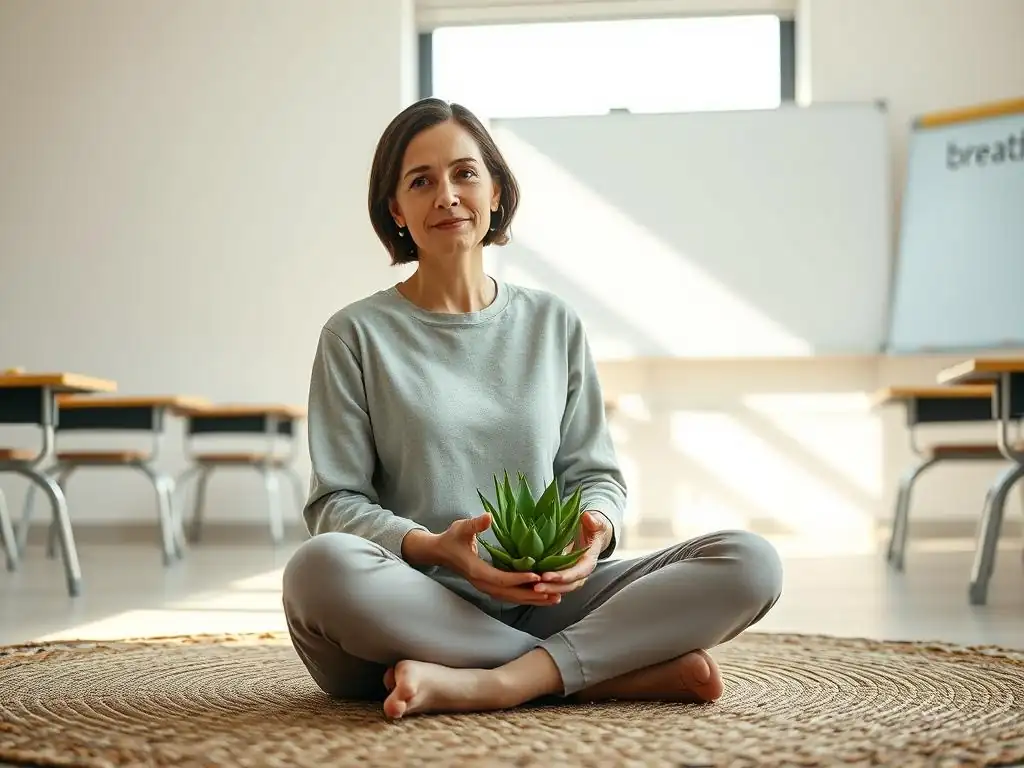
Integrating mindfulness into a teacher's busy day requires practical, accessible techniques. These aren't time-consuming rituals but rather simple practices that can be woven into the fabric of the school day and life outside the classroom. Learning these techniques is a direct path to understanding how mindfulness reduce teacher burnout on a daily basis.
From brief breathing exercises during a class transition to longer meditations after the school day ends, there are numerous ways for teachers to cultivate mindfulness. The key is finding what works best for individual needs and schedules, and consistently applying these practices to build resilience against the pressures of the profession.
Mindful Breathing Exercises: Your Quick Stress Relief Tool During the School Day
Mindful breathing is one of the most accessible and immediate ways to tap into mindfulness, especially when feeling overwhelmed. When stress arises, the breath often becomes shallow and rapid. By consciously shifting attention to the breath, teachers can activate the body's relaxation response. A simple technique is the 3-breath space: Pause for a moment, take one deep breath noticing the inhale and exhale, take a second breath noticing the sensations in the body, and take a third breath noticing the surrounding environment.
This can be done standing by your desk, before answering a difficult email, or even while students are working independently. Another technique is Box Breathing (inhale for 4 counts, hold for 4, exhale for 4, hold for 4), which helps regulate the nervous system quickly. Practicing mindful breathing for just 1-3 minutes several times throughout the school day can significantly lower stress levels in the moment, demonstrating the direct impact of mindfulness reduce teacher burnout by providing immediate relief.
Body Scan Meditation: Reconnecting with Your Physical Sensations After School
The body scan is a formal mindfulness practice often done while lying down or sitting comfortably, typically lasting 10-45 minutes. It involves systematically bringing attention to different parts of the body, noticing any sensations (or lack thereof) without judgment. This practice helps teachers become more aware of physical tension held in the body, which is a common symptom of prolonged stress and a contributor to burnout.
By regularly practicing body scan meditation after school, teachers can release accumulated physical tension from the day. It helps ground them in the present moment and connect with their physical experience, rather than getting lost in thoughts about the school day or worries about the next. This practice not only promotes physical relaxation but also enhances interoceptive awareness, the ability to sense the internal state of the body, which is linked to emotional regulation and contributes to how mindfulness reduce teacher burnout by addressing its physical toll.
Mindful Walking: Finding Calm on the Way to and From School
Mindful walking is an informal practice that can transform a daily commute or a short walk during lunch into an opportunity for mindfulness. Instead of rushing or letting the mind wander to stressors, the focus is brought to the physical sensations of walking – the feeling of the feet touching the ground, the movement of the legs, the swing of the arms, the rhythm of the breath.
This practice can be done on the walk from the parking lot to the school entrance, during a short break outside, or on the walk home. Paying attention to sensory details like the temperature of the air, the sounds around you, or the sights along the path further anchors you in the present moment. Mindful walking provides a transition space between home and school, or school and home, allowing teachers to shed some of the day's stress or prepare for the day ahead, illustrating a simple way how mindfulness reduce teacher burnout through incorporating movement and presence.
Cultivating Gratitude: Shifting Your Perspective on Teaching
While not strictly a traditional mindfulness meditation technique, cultivating gratitude is a practice often integrated with mindfulness as it involves intentionally focusing attention on positive aspects of life. For teachers, this can be particularly powerful in shifting focus away from challenges and towards the rewarding moments of the profession.
Setting aside time each day, perhaps in the morning or evening, to reflect on or write down three things they are grateful for related to teaching or their students can significantly impact perspective. This could be a student's "aha" moment, a supportive interaction with a colleague, or simply the feeling of a quiet classroom. This intentional focus on the positive helps counteract the negativity and cynicism that can accompany burnout, actively contributing to how mindfulness reduce teacher burnout by fostering a more appreciative and resilient mindset.
Integrating Mindfulness into Your Daily Teaching Routine
Making mindfulness a consistent part of a teacher's life requires intentional integration into the daily routine. It's about finding small, consistent ways to practice presence amidst the demands of the school day, rather than seeing it as an add-on that requires extra time. Successful integration is key to leveraging how mindfulness reduce teacher burnout long-term.
From the moment the day begins until the moment it ends, there are opportunities to pause, breathe, and become more present. These small moments of mindfulness can accumulate, building a greater capacity for calm and resilience throughout the day.
Start Your Day Mindfully: Setting Intentions for a Calm and Productive Day in the Classroom
How a teacher starts their day can significantly influence how they navigate the challenges ahead. Instead of rushing into school already stressed, taking a few minutes before leaving home or upon arriving in the classroom to practice mindfulness can set a positive tone. This might involve a short guided meditation, a few minutes of mindful breathing, or simply sitting quietly and observing thoughts and sensations without judgment.
Setting an intention for the day is also a powerful practice. This isn't about setting goals for what to achieve, but rather how you want to be throughout the day – perhaps "to be patient," "to be present," or "to respond with kindness." This mindful intention setting primes the mind to approach the day with greater awareness and purpose, serving as a proactive strategy for how mindfulness reduce teacher burnout from the outset by fostering a calmer approach.
Mindful Interactions with Students: Staying Present and Empathetic
Mindfulness can transform interactions with students from reactive exchanges into opportunities for connection. When a student is disruptive, challenging, or in distress, the automatic reaction might be frustration or anger. Mindfulness encourages pausing, taking a breath, and observing the situation and internal reaction before responding.
This pause allows teachers to choose a more intentional and empathetic response. It involves truly listening to students, paying attention to their non-verbal cues, and responding from a place of presence rather than stress. For example, when faced with a student misbehavior, a mindful teacher might pause, notice their rising frustration, take a breath, and then choose to address the student calmly and empathetically, rather than reacting impulsively. This shift in interaction style not only benefits the student but also reduces the teacher's own stress, illustrating a dynamic way how mindfulness reduce teacher burnout in action.
Mindful Communication: Fostering Positive Relationships with Colleagues and Parents
Communication is a significant source of stress for teachers, whether it's challenging conversations with parents, navigating staffroom dynamics, or collaborating with colleagues. Mindful communication involves listening attentively, speaking with intention, and being aware of both one's own emotions and the emotions of others during interactions.
Before responding to an email or entering a difficult conversation, taking a moment to breathe and center oneself can prevent reactive or regretted responses. During a conversation, practicing mindful listening means fully focusing on what the other person is saying without formulating a response in your head. This fosters clearer communication, reduces misunderstandings, and builds stronger, more supportive relationships with colleagues and parents, thereby reducing interpersonal stress that contributes to burnout, a key aspect of how mindfulness reduce teacher burnout through improved relationships.
Taking Mindful Breaks: Recharging Your Energy Throughout the Day
Finding moments to pause and recharge is essential for sustaining energy throughout the school day. Instead of mindlessly scrolling on a phone during a break, teachers can use these short periods for intentional rest and rejuvenation. Even five minutes can make a difference.
A mindful break could involve:
- Sitting quietly and focusing on the breath.
- Stepping outside for a few minutes to notice the sensory details of the environment.
- Mindfully eating lunch, paying full attention to the experience.
- Doing a quick 1-minute stretch while paying attention to bodily sensations.
These small, intentional breaks prevent energy depletion and help maintain focus. By consciously stepping away from tasks and bringing awareness to the present moment, teachers can effectively recharge their batteries, preventing the chronic fatigue that is a hallmark of burnout and demonstrating a practical strategy for how mindfulness reduce teacher burnout daily.
Overcoming Challenges to Practicing Mindfulness at School
While the benefits of mindfulness for reducing teacher burnout are clear, integrating it into the reality of a demanding school environment comes with challenges. Time constraints, skepticism from others, and the sheer inertia of existing routines can make consistent practice difficult.
Addressing these barriers requires creativity, persistence, and sometimes, systemic support. Recognizing these obstacles is the first step towards finding strategies to overcome them and successfully implement how mindfulness reduce teacher burnout within the school setting.
Time Constraints: Finding Small Pockets of Mindfulness Amidst a Busy Schedule
The most frequently cited barrier to mindfulness practice for teachers is lack of time. With packed schedules, limited planning periods, and after-school commitments, finding extended time for meditation can feel impossible. However, mindfulness doesn't require long, dedicated sessions; it can be practiced in micro-moments throughout the day.
Instead of aiming for a 30-minute meditation, teachers can start with 1-3 minute practices. This could be mindful breathing during transitions between classes, a mindful walk to the staffroom, or a moment of mindful eating during lunch. Scheduling these micro-moments into the day, perhaps setting reminders, can help make them a habit. The focus shifts from finding time for mindfulness to bringing mindfulness to the time that is already available, proving that even small efforts in mindfulness reduce teacher burnout over time.
Skepticism and Resistance: Addressing Common Misconceptions Among Staff
Mindfulness can sometimes be met with skepticism or resistance, viewed as a "fluffy" or New Age concept rather than a practical tool for stress management. Some colleagues or administrators might not understand its benefits, or may even dismiss it as just another fad. This lack of understanding can make it harder for teachers to feel supported in their practice.
Addressing this requires clear communication about what mindfulness is (and isn't – it's not religious, doesn't require hours of sitting, etc.) and sharing the scientific evidence behind its effectiveness in reducing stress and improving well-being. Leading by example and sharing personal positive experiences, without being preachy, can also gradually shift perspectives. Educational resources and workshops can help demystify mindfulness and highlight its practical applications for how mindfulness reduce teacher burnout in a professional context.
Creating a Supportive School Culture for Mindfulness
While individual practice is crucial, a supportive school culture can significantly facilitate the integration of mindfulness. When school leadership and colleagues understand and encourage mindfulness, it becomes easier for teachers to prioritize their well-being. This might involve providing resources, offering professional development on stress management and mindfulness, or simply creating space for informal conversations about well-being.
Some schools have successfully implemented initiatives like:
- Offering optional morning mindfulness sessions.
- Designating a quiet space for teachers to de-stress.
- Integrating mindful moments into staff meetings.
- Promoting a culture where taking short breaks is encouraged.
These systemic supports signal that teacher well-being is valued, making it easier for individual teachers to adopt practices that how mindfulness reduce teacher burnout and contribute to a healthier overall school environment.
Long-Term Benefits of Mindfulness for Burnout Prevention in Teachers

While mindfulness offers immediate stress relief, its most profound impact lies in its long-term benefits for preventing burnout and fostering sustainable well-being. Regular practice builds internal resources that help teachers navigate the inherent challenges of the profession with greater ease and resilience.
Adopting mindfulness as a long-term strategy goes beyond simply coping with stress; it's about cultivating a way of being that promotes ongoing mental and emotional health. These lasting benefits underscore the power of how mindfulness reduce teacher burnout over the course of a career.
Increased Resilience: Bouncing Back from Challenging Situations
Mindfulness cultivates resilience, the ability to adapt well in the face of adversity, trauma, tragedy, threats, or significant sources of stress. By regularly observing thoughts and emotions without judgment, teachers develop the capacity to tolerate discomfort and difficult feelings without being overwhelmed by them.
This means that when faced with a challenging student interaction, a frustrating administrative task, or a disappointing outcome, a mindful teacher is better equipped to process the experience, learn from it, and recover more quickly. They are less likely to get stuck in negative rumination and more able to bounce back, demonstrating the fundamental way how mindfulness reduce teacher burnout by building internal strength.
Improved Focus and Productivity: Enhancing Classroom Management Through Mindfulness
Chronic stress and burnout significantly impair cognitive function, leading to decreased focus, poor concentration, and reduced productivity. Mindfulness, by training attention and reducing mental clutter, can reverse these effects. Regular practice strengthens the prefrontal cortex, the area of the brain responsible for executive functions like attention, planning, and decision-making.
For teachers, this translates to improved focus during lessons, better organization of tasks, and enhanced ability to manage complex classroom dynamics. Being more present allows teachers to notice subtle shifts in student behavior and respond proactively, improving classroom management and reducing a significant source of daily stress. This enhanced cognitive function is a direct benefit of how mindfulness reduce teacher burnout by making the job feel more manageable and effective.
Reduced Stress and Anxiety: Promoting Emotional Wellbeing for Teachers
The most direct long-term benefit of consistent mindfulness practice is a sustained reduction in overall stress and anxiety levels. By regularly engaging the parasympathetic nervous system and reducing the physiological stress response, mindfulness helps to lower the baseline level of stress hormones in the body.
Over time, this leads to a greater sense of calm, reduced feelings of overwhelm, and decreased symptoms of anxiety. Teachers who practice mindfulness often report feeling more in control of their emotional reactions and less reactive to stressful triggers. This sustained emotional well-being is perhaps the most critical aspect of how mindfulness reduce teacher burnout, preventing the emotional exhaustion that characterizes the condition.
Enhanced Self-Awareness: Understanding Your Triggers and Needs in the Classroom
Mindfulness cultivates a deep understanding of one's own internal landscape – thoughts, feelings, and physical sensations. This enhanced self-awareness allows teachers to recognize the early signs of stress and burnout as they are happening, rather than only noticing them when they become overwhelming.
Understanding what specific situations, interactions, or internal thought patterns trigger stress or frustration empowers teachers to proactively implement coping strategies or set necessary boundaries. This insight into personal triggers and needs is invaluable for sustainable well-being, enabling teachers to take better care of themselves and actively use their self-awareness to continuously apply strategies for how mindfulness reduce teacher burnout throughout their careers.
Resources for Further Exploration of Mindfulness and Burnout for Educators
For teachers looking to delve deeper into mindfulness and its application to preventing burnout, a wealth of resources is available. From introductory guides to structured training programs, these resources offer pathways for continued learning and practice.
Engaging with these resources can provide teachers with the knowledge, tools, and support needed to establish a consistent mindfulness practice and effectively utilize how mindfulness reduce teacher burnout in their professional and personal lives.
Books, Apps, and Websites: Your Guide to Mindfulness Resources for Teachers
Numerous books offer accessible introductions to mindfulness and specific guidance for educators. Titles like "Mindful Teaching and Teaching Mindfulness" or "The Mindful Teacher" provide practical strategies and perspectives tailored to the classroom context.
Mindfulness apps such as Headspace, Calm, or Ten Percent Happier offer guided meditations of various lengths, perfect for integrating quick practices into a busy day. Many of these apps have specific sections or programs focused on stress reduction or workplace mindfulness. Additionally, websites from organizations like Mindful Schools or the Greater Good Science Center at UC Berkeley provide articles, research summaries, and free resources on mindfulness, social-emotional learning, and well-being for educators, all contributing to the understanding and implementation of how mindfulness reduce teacher burnout.
Mindfulness Workshops and Training Programs: Investing in Your Well-being as an Educator
Participating in mindfulness workshops or structured training programs can provide a more in-depth understanding and practical experience. Programs like Mindfulness-Based Stress Reduction (MBSR) or Mindfulness-Based Cognitive Therapy (MBCT), typically offered over 8 weeks, provide comprehensive training in formal and informal mindfulness practices and their application to managing stress and difficult emotions.
Many organizations and educational institutions now offer shorter workshops specifically designed for educators, focusing on applying mindfulness techniques to the unique challenges of the teaching profession. Investing time and resources in such training can significantly enhance a teacher's ability to practice mindfulness consistently and effectively, leading to greater long-term success in how mindfulness reduce teacher burnout.
Seeking Professional Guidance: When to Consult a Therapist or Counselor
While mindfulness is a powerful tool, it is not a substitute for professional mental health support, especially when dealing with severe burnout, depression, or anxiety. If symptoms of burnout are persistent, significantly impacting daily functioning, or accompanied by feelings of hopelessness, seeking help from a therapist or counselor is crucial.
Mental health professionals can provide tailored strategies, support, and therapy to address the underlying issues contributing to burnout and other mental health challenges. Mindfulness can be a valuable complementary practice alongside professional treatment, but recognizing when professional help is needed is a sign of strength and an essential step in prioritizing one's well-being, ensuring a comprehensive approach to addressing and how mindfulness reduce teacher burnout.
Conclusion: Embracing Mindfulness for a Sustainable and Fulfilling Teaching Career
Teacher burnout is a serious issue threatening the well-being of educators and the health of the education system. However, by understanding its signs and embracing proactive strategies, teachers can build resilience and find greater fulfillment in their careers. Mindfulness offers a scientifically supported and accessible path towards this goal.
By integrating mindful breathing, body scans, mindful movement, and gratitude into their daily routines, teachers can effectively reduce stress, improve focus, enhance emotional regulation, and increase overall well-being. Overcoming challenges like time constraints and skepticism is possible with intentional effort and supportive environments. Embracing how mindfulness reduce teacher burnout is not just a coping mechanism; it's a pathway to a more present, resilient, and sustainable teaching practice, allowing educators to rediscover the joy and purpose that led them to the profession in the first place.
Frequently Asked Questions
What are some key signs of workplace burnout, and how does it manifest differently in individuals?
Burnout manifests as exhaustion, cynicism, and reduced professional efficacy. Individuals may experience this differently, showing increased irritability or withdrawal. It's important to recognize your personal burnout triggers.
How can mindfulness specifically help to reduce workplace burnout, according to Mind Care Guide?
Mindfulness techniques, like focused breathing and meditation, help to reduce stress and improve focus. This can lead to a greater sense of control and less reactivity to workplace pressures.
What specific mindfulness exercises or practices does Mind Care Guide recommend for combating workplace burnout?
Mind Care Guide suggests short mindfulness breaks throughout the day, focusing on the present moment. Practices such as body scans and mindful walking can also be beneficial for stress reduction.
Is mindfulness a long-term solution for workplace burnout, or does it require additional strategies for sustained well-being?
While mindfulness is effective, it's often part of a broader strategy. Addressing underlying workplace issues and setting boundaries are crucial for long-term well-being.
The Mind Care Guide offers articles, guides, and links to mental health professionals. Look for sections on stress management and self-care for further information.
Final Reflection: Finding Stillness in the Storm of Work
The relentless pace of modern work life leaves many feeling overwhelmed and depleted, a stark reality reflected in the rising rates of workplace burnout. This isn't simply a matter of being "busy"; it's a pervasive crisis impacting productivity, well-being, and overall societal health. Ignoring the signs can lead to serious consequences, both personally and professionally. But the antidote, as this article has explored, is within reach.
Mindfulness, often perceived as a fleeting trend, is proving to be a powerful and enduring tool in combating burnout. It's not about escaping the demands of work, but rather about cultivating a deeper awareness of our experience, allowing us to navigate challenges with greater clarity and resilience. As Jon Kabat-Zinn so eloquently stated, Mindfulness means paying attention in a particular way: on purpose, in the present moment, and non-judgmentally.
This simple yet profound practice allows us to detach from the overwhelming cycle of stress, fostering a sense of calm and control amidst the chaos. It's a shift in perspective, a conscious choice to prioritize our well-being amidst the pressures of our professional lives.
Now, consider your own work life. What small steps can you take today to incorporate mindfulness into your routine? Perhaps it's a few minutes of deep breathing before tackling a challenging project, or a mindful walk during your lunch break. Maybe it's simply taking a moment to appreciate the small victories and acknowledge the feelings arising within you. The journey towards a more balanced and fulfilling work life begins with a single, mindful breath. Embrace the opportunity to cultivate inner peace and resilience, and discover the transformative power of mindfulness in your own workplace.
Unlock Your Workplace Zen: Start Your Mindfulness Journey Today
Thanks for taking the time to explore the powerful connection between burnout and mindfulness! We hope you gained valuable insights into how to navigate workplace stress and cultivate a healthier, more balanced professional life. Now it's time to put that knowledge into action.
- Begin a daily mindfulness practice: Even 5 minutes of focused breathing can make a world of difference. Try a guided meditation or simply observe your breath. This is your key to reclaiming your energy and focus.
- Share this article with a colleague who might be struggling. Supporting each other is a crucial part of creating a healthier work environment.
- Explore our free mindfulness resources: Dive deeper into the practices and techniques discussed, and find what resonates best with you.
Ready to experience the transformative power of mindfulness in your daily work life? What small step will you take today to prioritize your well-being?