
Learn Transcendental Meditation: A StepbyStep Guide Overview

Welcome to Mind Care Guide, a sanctuary for your mental well-being. Feeling overwhelmed by anxiety? You're not alone. This journey towards inner peace begins here, as we explore a powerful tool for finding calm amidst the chaos. Could the answer to your anxiety lie within the practice of Transcendental Meditation? Let's unlock its potential together and discover the profound benefits for anxiety relief that await. Ready to learn more?
Transcendental Meditation for Anxiety: A Comprehensive Guide
- Introduction to Transcendental Meditation and its Impact on Anxiety
- Preparing for Transcendental Meditation Practice
- The Transcendental Meditation Technique
- Benefits of Transcendental Meditation for Anxiety and Mental Well-being
- Integrating Transcendental Meditation into Daily Life
- Troubleshooting Common Challenges in Transcendental Meditation
- Scientific Research on Transcendental Meditation for Anxiety
- Resources for Learning More About Transcendental Meditation
- Conclusion: Transcendental Meditation for Anxiety Relief and Well-being
-
Frequently Asked Questions
- How can Transcendental Meditation (TM) help with anxiety?
- What are the main benefits of using Transcendental Meditation for anxiety relief?
- Is Transcendental Meditation difficult to learn, and how long does it take to see anxiety relief benefits?
- Does Transcendental Meditation require special equipment or a specific environment to practice?
- How does Transcendental Meditation differ from other meditation techniques in addressing anxiety?
- Final Reflection: Finding Inner Peace Through Transcendental Meditation
- Unlock Your Inner Peace: Start Your Meditation Journey Today!
Introduction to Transcendental Meditation and its Impact on Anxiety
Understanding Transcendental Meditation (TM)
Transcendental Meditation, often referred to simply as TM, is a specific form of mantra meditation that involves the silent repetition of a mantra. Unlike some other meditation techniques that focus on concentration or contemplation, TM emphasizes an effortless process that allows the mind to settle inward spontaneously. The technique is taught through a structured course by certified teachers and is characterized by its simplicity and reproducibility, typically practiced for 15-20 minutes twice a day. It is presented not as a religion or philosophy, but as a mental technique designed to promote a state of restful alertness.
The core principle behind TM is accessing a state of deep rest that is said to be more profound than sleep, while simultaneously maintaining mental clarity. This unique state is believed to allow the nervous system to release accumulated stress and tension naturally. Proponents suggest that regular practice leads to significant improvements in various aspects of mental and physical health. The technique's origins trace back to the Vedic tradition of India, and it was introduced to the West by Maharishi Mahesh Yogi in the late 1950s.
TM's Potential for Anxiety Reduction: A Scientific Perspective
Numerous studies have explored the impact of Transcendental Meditation on stress and anxiety levels. Research published in peer-reviewed journals, including the Journal of Consulting and Clinical Psychology and The Permanente Journal, suggests that TM practice can lead to statistically significant reductions in anxiety symptoms. For instance, some meta-analyses combining data from multiple studies indicate that TM can reduce trait anxiety scores (a measure of a person's general tendency to be anxious) more effectively than other relaxation techniques or standard care in certain populations.
The proposed mechanism for TM's benefits for anxiety relief involves its effect on the body's stress response system. Regular TM practice is associated with physiological changes such as decreased levels of cortisol (a stress hormone), lower blood pressure, and reduced heart rate.
These physiological shifts are thought to contribute to a calmer state of being and increased resilience to stressors, thereby helping to alleviate symptoms of anxiety and improve overall mental well-being. The effortless nature of the technique is often cited as a key factor in its ability to induce deep relaxation without requiring focused effort, which can sometimes be counterproductive for individuals experiencing anxiety.
Preparing for Transcendental Meditation Practice
Finding a Certified Transcendental Meditation Teacher
Learning Transcendental Meditation requires instruction from a certified teacher. This is because the technique involves receiving a personalized mantra and understanding the specific, effortless process of using it correctly. TM organizations maintain strict standards for teacher certification to ensure the integrity and effectiveness of the instruction. Teachers undergo extensive training over several months, learning the technique in depth and how to teach it effectively to others.
To find a certified teacher, the recommended approach is to contact the official Transcendental Meditation organization in your region or country. They maintain lists of accredited teachers and teaching centers. Typically, the learning process begins with an introductory talk explaining the technique, followed by a short preparatory session and then four consecutive days of one-on-one instruction with the teacher. This personalized approach ensures that each individual understands the technique correctly and can practice it effectively from the start.
Understanding TM Course Fees and Time Commitment
The cost of learning Transcendental Meditation varies depending on the region and income level of the student. TM organizations often employ a sliding scale fee structure, allowing individuals with lower incomes, students, and families to access the course at a reduced rate. While specific figures fluctuate, course fees generally range from a few hundred to over a thousand dollars for adults, reflecting the lifetime nature of the instruction and follow-up support. This fee covers the initial intensive instruction and ongoing support and checking sessions with certified teachers.
The time commitment for learning TM is relatively structured. The initial course typically involves:
- An introductory talk (about 1-1.5 hours).
- A preparatory session (about 1 hour).
- Four consecutive days of personal instruction with a teacher (about 1.5-2 hours per day).
Following the initial instruction, there are often follow-up group sessions over the subsequent weeks to ensure correct practice and answer questions. After the initial learning phase, the time commitment for practice is 20 minutes, twice daily.
Creating a Suitable Environment for TM Practice: Minimizing Sensory Input
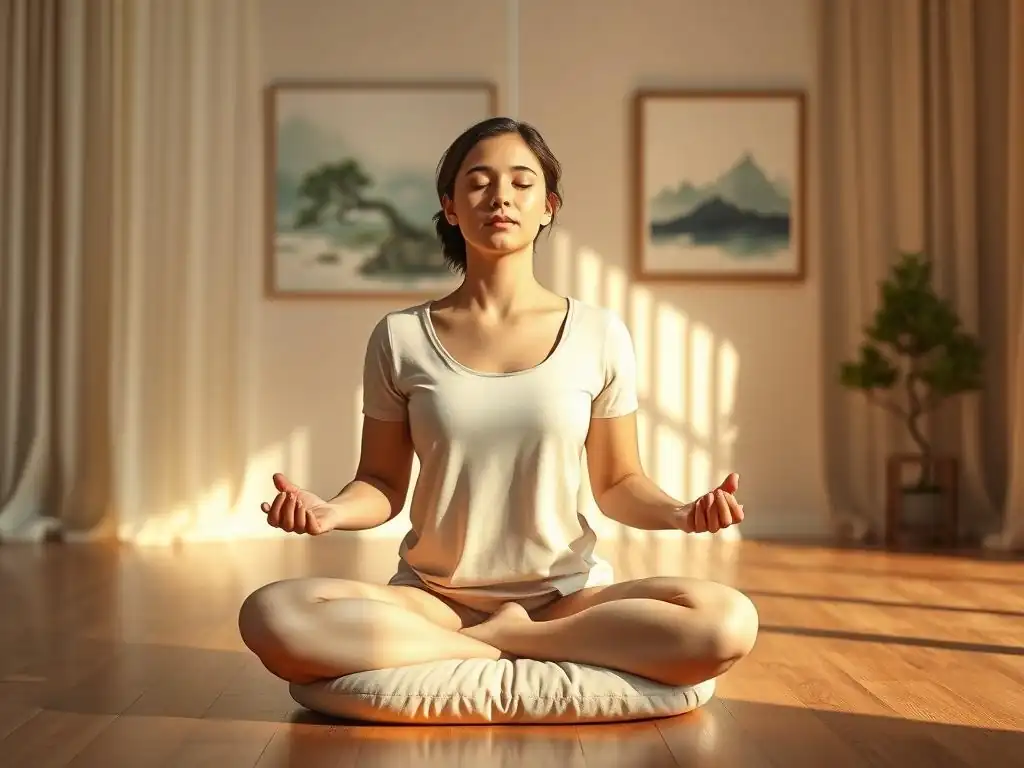
While Transcendental Meditation can be practiced in various settings, creating a suitable environment can enhance the experience, especially when you are learning or seeking the deepest possible rest. The ideal environment is quiet and comfortable, minimizing sensory distractions. This means finding a place where you are unlikely to be interrupted by noise, phones, or other people for the duration of your practice.
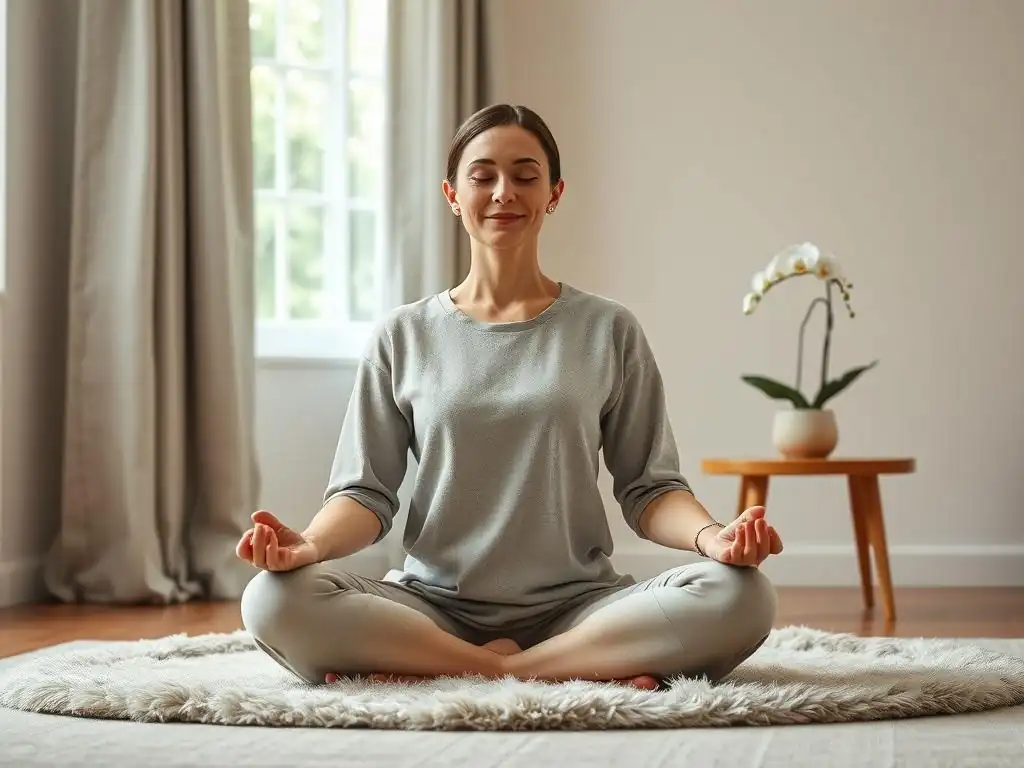
Comfort is also key. You should sit in a way that allows you to remain relaxed and still for 20 minutes. This typically involves sitting on a chair with your feet flat on the floor or sitting cross-legged on a cushion. There is no need for specific postures associated with other meditation forms; the focus is on being at ease. Dimming lights or closing curtains can also help reduce visual stimulation, further supporting the inward settling of the mind during your Transcendental Meditation practice aimed at reducing anxiety.
The Transcendental Meditation Technique
Step 1: Sitting Comfortably
The first step in practicing Transcendental Meditation is to find a comfortable sitting position. As mentioned earlier, this usually means sitting on a chair or cushion in a way that allows your body to be relaxed and still for the entire 20-minute session. The goal is to be so comfortable that your body is not a distraction. There are no strict posture requirements like keeping the back rigidly straight; a natural, relaxed posture is preferred.
Once you are seated comfortably, gently close your eyes. There is no need to force the eyes closed or to keep tension in the face. Simply let the eyelids rest naturally. This action helps to reduce external visual input, signaling to the nervous system that it's time to transition from outward activity to inward rest. The entire process is designed to be effortless and natural, starting with this simple act of settling the body.
Step 2: Receiving Your Personalized Mantra
A central and unique aspect of Transcendental Meditation is the use of a specific, personalized mantra. This mantra is not a word with meaning, nor is it intended for concentration or contemplation. Instead, it is a sound or vibration chosen by your certified TM teacher based on specific criteria, traditionally linked to the individual's age and gender at the time of instruction. The mantra is given privately during the initial teaching session and is meant to be kept confidential.
The Role of the Mantra in TM
The mantra in TM serves as a vehicle for the mind to settle inward effortlessly. It is used in a specific way – not by focusing on it intently, but by repeating it silently and easily.
The purpose of the mantra is to give the mind a simple, pleasant point of attention that allows it to naturally transcend the level of thinking and experience deeper, quieter levels of the mind. It is not a tool for concentration or achieving a blank mind, but rather a sound that facilitates the natural process of the mind settling to its least excited state.
Step 3: Silently Repeating Your Mantra
After closing your eyes and settling your body, you begin the process of silently repeating your personalized mantra. The key instruction here is "silently and easily." There should be no effort involved in the repetition. It's not about concentrating on the sound or trying to keep other thoughts out. You simply introduce the mantra into your awareness in a gentle, effortless way.
Proper Mantra Repetition for Optimal Effects
Proper mantra repetition in TM is characterized by its lack of effort. If the mantra becomes clear, you notice it. If it becomes faint, you notice that. If thoughts appear, you simply notice them and then, without judgment or effort, easily return your attention to the mantra. The mantra may appear clear, faint, or even disappear altogether for periods.
Thoughts may come and go. All of this is part of the natural process. The instruction is simply to repeat the mantra silently and easily, allowing the mind to do whatever it does naturally. This effortless approach is crucial for accessing the deep state of rest that provides Transcendental Meditation benefits anxiety relief.
Step 4: Allowing Thoughts to Pass Without Judgment

During Transcendental Meditation practice, thoughts will inevitably arise. This is a natural function of the mind and is not a sign of poor meditation or failure. The instruction in TM is to allow these thoughts to pass without engaging with them, analyzing them, or judging yourself for having them. Think of thoughts like waves in the ocean; you simply let them come and go without trying to stop them or ride them.
Managing Distractions During Meditation
The presence of thoughts, sounds, or physical sensations are simply distractions. The TM technique teaches you how to handle these effortlessly. When you notice you've been distracted by a thought, you simply and easily return your attention to the mantra. There's no need to feel frustrated or try harder. This gentle, non-judgmental approach is vital. Trying to force the mind to be blank or to concentrate intensely can actually prevent the deeper settling process that is characteristic of TM and contributes to its effectiveness for reducing anxiety.
Step 5: Practicing Transcendental Meditation Regularly
Consistency is fundamental to experiencing the full benefits of Transcendental Meditation, particularly for managing anxiety. The standard recommendation is to practice for 20 minutes, twice a day – typically once in the morning and once in the late afternoon or early evening. This regular, twice-daily schedule allows the nervous system to repeatedly settle into the deep state of rest, facilitating the release of stress and promoting cumulative benefits over time.
Recommended TM Schedule for Anxiety Management
For optimal Transcendental Meditation benefits anxiety relief, adhering to the recommended schedule is important. A typical schedule might look like this:
- Morning practice: Before breakfast or starting your daily activities.
- Evening practice: Before dinner or before settling down for the evening, but not immediately before sleep.
Practicing at roughly the same times each day helps establish a routine. Even on busy days, finding 20 minutes twice can make a significant difference in maintaining inner calm and resilience. Missing a session occasionally is not a problem, but the cumulative effect comes from consistent practice over weeks, months, and years.
Benefits of Transcendental Meditation for Anxiety and Mental Well-being
Reduced Anxiety and Stress
One of the most widely reported and researched benefits of Transcendental Meditation is its effectiveness in reducing anxiety and stress. Studies have shown that regular TM practice can lead to significant decreases in both state anxiety (anxiety related to a specific situation) and trait anxiety (general anxiety levels). For example, a meta-analysis published in the Journal of the American Medical Association found that TM was associated with a significant reduction in psychological distress, including anxiety, compared to control groups.
The mechanism behind this benefit is believed to be the deep state of rest achieved during TM, which allows the nervous system to normalize and release accumulated stress. This physiological reset helps to lower the baseline level of stress hormones like cortisol, making individuals less reactive to daily stressors. Many practitioners report feeling calmer, less overwhelmed, and better equipped to handle challenging situations after incorporating TM into their routine, experiencing firsthand the Transcendental Meditation benefits anxiety relief.
Improved Focus and Concentration
Beyond anxiety reduction, Transcendental Meditation practice is also associated with enhancements in cognitive function, including improved focus and concentration. While the technique is not about concentrating, the deep rest experienced during TM allows the mind to become more settled and alert outside of meditation. This settling process is thought to reduce mental clutter and rumination, freeing up cognitive resources.
Research, including studies utilizing EEG scans, has indicated changes in brainwave patterns during and after TM practice consistent with states of relaxed alertness. Practitioners often report an increased ability to stay focused on tasks, reduced distractibility, and improved cognitive clarity in their daily lives. This enhanced mental acuity complements the anxiety-reducing effects, contributing to overall improved mental performance and well-being.
Enhanced Emotional Regulation and Resilience
Regular Transcendental Meditation practice appears to foster greater emotional regulation and resilience. By reducing the physiological reactivity to stress, TM helps individuals maintain emotional balance even in challenging circumstances. Instead of being easily overwhelmed by negative emotions, practitioners may find they can observe their feelings without being swept away by them.
This improved ability to regulate emotions contributes to increased psychological resilience – the capacity to bounce back from adversity. As stress is released from the nervous system, individuals may find they have more energy and emotional reserves to cope with difficulties. Anecdotal reports and some studies suggest that TM practitioners experience fewer negative emotions and a greater capacity for positive emotional states, further highlighting the Transcendental Meditation benefits anxiety relief and broader emotional health.
Promoting Inner Peace and Calmness
Perhaps the most subjective, yet deeply valued, benefit reported by TM practitioners is the cultivation of a profound sense of inner peace and calmness. The regular experience of the settled, quiet state of mind during meditation seems to permeate daily life, creating a more peaceful baseline. This isn't about avoiding life's challenges, but rather meeting them from a more grounded and centered place.
This inner calmness arises naturally from the release of stress and the experience of the mind's own silent nature. It's a state of being less tossed about by external circumstances or internal anxieties. Many individuals who learn TM specifically for anxiety relief find that this growing sense of inner peace is one of the most transformative aspects of their practice, making the Transcendental Meditation benefits anxiety relief a deeply personal experience.
Integrating Transcendental Meditation into Daily Life
Incorporating TM into a Busy Schedule
Integrating 20 minutes of Transcendental Meditation twice a day might seem challenging in a busy schedule, but many practitioners find that the benefits in terms of increased energy and reduced stress actually free up time and improve efficiency. The key is to prioritize the practice. Treating the two 20-minute sessions as essential appointments, like brushing your teeth, helps ensure they happen.
Finding consistent times, such as first thing in the morning before the day's demands begin and late afternoon before the evening rush, often works best. It's important to avoid practicing immediately after strenuous exercise, eating, or before falling asleep, as these can interfere with the technique. Flexibility is also important; if the usual time doesn't work, find another quiet 20-minute slot. The crucial factor for realizing Transcendental Meditation benefits anxiety relief is consistency, even if the exact timing varies slightly day to day.
Combining TM with Other Wellness Practices
Transcendental Meditation can effectively complement other wellness practices. It is not a substitute for medical treatment or therapy, but it can enhance their effectiveness. For example, individuals managing anxiety through therapy may find that TM helps them feel calmer and more present during sessions. Those who practice yoga or other forms of exercise often report that TM deepens their mind-body connection and enhances the stress-reducing effects of physical activity.
TM integrates well with healthy lifestyle choices such as balanced nutrition and sufficient sleep. By reducing stress, TM can positively impact sleep quality and may reduce stress-related eating habits. It works synergistically with activities that promote well-being, creating a holistic approach to mental and physical health. Combining TM with other practices amplifies the overall Transcendental Meditation benefits anxiety relief and general health.
Maintaining Consistency and Commitment
Maintaining a consistent TM practice over the long term is essential for sustained benefits. While the initial learning provides the technique, regular practice is what delivers the cumulative release of stress and the deepening experience of inner calm. Life can get busy, and it's easy to let meditation slide, but this is often when its benefits are needed most.
Strategies for maintaining commitment include:
- Setting reminders (e.g., phone alarms).
- Practicing with a partner or family member.
- Attending group meditations if available.
- Utilizing follow-up resources provided by TM organizations, such as checking sessions with a teacher to ensure correct practice.
Remembering why you started – likely seeking Transcendental Meditation benefits anxiety relief – can be a powerful motivator to sit for those 20 minutes, even when you don't feel like it. The long-term rewards far outweigh the brief time investment.
Troubleshooting Common Challenges in Transcendental Meditation
Difficulty Focusing: Techniques for Staying Present
A common experience, especially when starting TM, is finding the mind busy with thoughts, leading to a feeling of "difficulty focusing." It's crucial to understand that TM is not about forcing the mind to be blank or concentrated. Thoughts are natural. The technique is designed to work with the nature of the mind, not against it.
The "technique" for dealing with thoughts is simply to, without effort or judgment, easily return your attention to the mantra when you notice you've been thinking. There is no need to criticize yourself for having thoughts; it just means your mind is active. The effortless return to the mantra is the key. Over time, with regular practice, the mind naturally settles more easily and for longer periods, leading to deeper states of rest and more pronounced Transcendental Meditation benefits anxiety relief.
Dealing with Restlessness and Discomfort
Sometimes, during TM practice, individuals may experience physical restlessness or discomfort, or a feeling of mental agitation. This can happen as the body releases stress and tension. It's important to remember that these experiences are often temporary and are part of the process of stress release.
If you experience physical discomfort, make a small, gentle adjustment to your posture to restore comfort, then easily return to the mantra. If you feel mentally restless or agitated, simply continue repeating the mantra silently and easily, allowing the feelings to be there without trying to push them away. Trying to force yourself to be still or calm can be counterproductive. Patience and acceptance of whatever arises during the meditation are key. These moments, though uncomfortable, are often signs that the technique is working to release deeper layers of stress.
Overcoming Skepticism
Some individuals approach Transcendental Meditation with a degree of skepticism, wondering if such a simple technique can truly deliver significant benefits, especially for complex issues like anxiety. It's perfectly normal to have questions and even doubts. TM is presented as a technique, not a belief system, and its effectiveness is supported by a body of scientific research.
The best way to overcome skepticism is through direct experience. The initial instruction period allows you to experience the technique and its immediate effects firsthand. Many people are surprised by how quickly they can access a state of deep rest. Learning about the scientific studies (as discussed in a later section) can also help build confidence in the technique's potential. Trusting the process and committing to regular practice, even when doubts arise, is essential for realizing the full Transcendental Meditation benefits anxiety relief offers.
Scientific Research on Transcendental Meditation for Anxiety
Evidence-Based Benefits of TM for Anxiety
Scientific research has provided compelling evidence for the Transcendental Meditation benefits anxiety relief. Numerous studies have demonstrated significant reductions in anxiety symptoms among various populations, including students, veterans with PTSD, and individuals with generalized anxiety disorder. For example, a study published in Military Medicine in 2011 found that veterans with PTSD who practiced TM showed a clinically significant reduction in PTSD symptoms, including anxiety, compared to those receiving standard care.
A meta-analysis published in the Journal of Alternative and Complementary Medicine in 2013 reviewed 16 studies and concluded that TM practice was associated with a significant reduction in trait anxiety. The effect sizes observed in these studies are often comparable to or larger than those reported for other meditation techniques or relaxation programs. This body of evidence supports the claim that TM is an effective tool for managing and reducing anxiety.
Physiological Effects of TM on the Brain
Research using techniques like electroencephalography (EEG) and functional magnetic resonance imaging (fMRI) has explored the physiological effects of Transcendental Meditation on the brain, providing insights into how it contributes to anxiety reduction. EEG studies frequently show increased alpha wave activity and coherence during TM practice, indicative of a state of relaxed alertness.
fMRI studies have shown that during TM, there is decreased activity in areas of the brain associated with stress and anxiety, such as the amygdala. Conversely, there may be increased activity in areas related to executive function and self-awareness. These changes suggest that TM helps to quiet the stress response system and enhance brain regions associated with emotional regulation and cognitive control, offering a neurological basis for the observed Transcendental Meditation benefits anxiety relief.
TM Compared to Other Anxiety Reduction Techniques
While many meditation and relaxation techniques offer benefits for anxiety, research has sometimes compared the effectiveness of Transcendental Meditation to other methods. Some studies suggest that TM may be more effective than certain other techniques, such as progressive muscle relaxation or mindfulness meditation, in reducing specific markers of stress and anxiety.
For instance, research has indicated that TM may induce a deeper state of physiological rest, as measured by metabolic rate and plasma lactate levels, compared to some other forms of meditation or rest. However, it's also true that different techniques resonate differently with individuals, and many paths can lead to reduced anxiety. The unique aspect of TM lies in its effortless nature and the specific use of a personalized mantra, which some individuals find easier to practice consistently than techniques requiring concentration or introspection, thereby reliably accessing the Transcendental Meditation benefits anxiety relief provides.
Resources for Learning More About Transcendental Meditation
Transcendental Meditation Organizations and Websites
The primary source for accurate information and instruction in Transcendental Meditation is the official global TM organization and its national affiliates. These organizations maintain websites that provide detailed information about the technique, its history, research findings, and how to find a certified teacher. Examples include TM.org (the global site) and various country-specific sites.
These websites typically offer:
- Information on upcoming introductory talks.
- Details about the course structure and fees.
- Contact information for local TM centers and teachers.
- Access to summaries and links to scientific research on TM.
Engaging with these official resources ensures you receive authentic information about the technique and how to learn it correctly.
Recommended Books and Articles
Many books and articles have been written about Transcendental Meditation, ranging from personal accounts to scientific reviews. For those interested in the scientific basis for Transcendental Meditation benefits anxiety relief, publications summarizing research findings are valuable. Books by or about Maharishi Mahesh Yogi explain the technique's background and principles.
Examples of resources might include books detailing the science behind TM's effects on stress and health or articles in reputable health and wellness publications that interview researchers or practitioners. When seeking information, it's advisable to look for sources that are either directly from the official TM organization or that cite peer-reviewed scientific research to ensure accuracy.
Support Groups and Communities
After learning Transcendental Meditation, many individuals find value in connecting with a community of fellow practitioners. Official TM centers often host group meditations and follow-up sessions, providing opportunities to ask questions, refine practice, and share experiences. These gatherings can be a source of support and motivation for maintaining consistency.
Some practitioners also form informal groups or connect through online forums, though it's important to rely on certified teachers for guidance on the technique itself. Engaging with a community can reinforce the habit of regular practice and provide a sense of connection, which can be particularly helpful for individuals managing anxiety. The shared experience of realizing Transcendental Meditation benefits anxiety relief can be very encouraging.
Conclusion: Transcendental Meditation for Anxiety Relief and Well-being
Transcendental Meditation stands out as a well-researched and accessible technique for promoting mental well-being, with a significant body of evidence supporting its effectiveness in reducing anxiety. Its effortless nature and unique mantra-based approach distinguish it from other forms of meditation and relaxation. By allowing the mind to settle to its deepest state of rest, TM facilitates the release of accumulated stress, leading to measurable reductions in anxiety symptoms and physiological markers of stress.
Beyond anxiety relief, regular TM practice contributes to a broader sense of inner peace, improved emotional regulation, and enhanced cognitive function. While learning TM requires instruction from a certified teacher and a commitment to twice-daily practice, the investment of time and resources is often seen as worthwhile by practitioners who experience profound and lasting positive changes in their lives. For those seeking effective, evidence-based strategies for managing anxiety and cultivating lasting well-being, exploring the Transcendental Meditation benefits anxiety relief offers through learning the technique may be a transformative step.
Frequently Asked Questions
How can Transcendental Meditation (TM) help with anxiety?
TM promotes a state of deep relaxation which can reduce stress hormones and foster a sense of calm, leading to anxiety relief. It helps regulate the nervous system.
What are the main benefits of using Transcendental Meditation for anxiety relief?
Besides anxiety reduction, TM can improve sleep quality, enhance focus and concentration, and increase overall well-being. These factors contribute indirectly to less anxiety.
Is Transcendental Meditation difficult to learn, and how long does it take to see anxiety relief benefits?
Learning TM involves a personalized mantra and specific instructions. While individual results vary, many experience noticeable anxiety reduction within a few weeks of consistent practice.
Does Transcendental Meditation require special equipment or a specific environment to practice?
No, TM is a simple technique that can be practiced virtually anywhere, anytime, in a quiet and comfortable setting. No special equipment is needed.
How does Transcendental Meditation differ from other meditation techniques in addressing anxiety?
TM focuses on effortless mantra repetition, allowing the mind to settle naturally. This differs from mindfulness or guided meditations, potentially offering a deeper state of relaxation for anxiety relief.
Final Reflection: Finding Inner Peace Through Transcendental Meditation
The relentless pace of modern life leaves many of us grappling with anxiety, a pervasive issue impacting our well-being and productivity. Learning to manage this anxiety is not a luxury, but a necessity for a fulfilling life. This guide has explored the practical steps involved in learning Transcendental Meditation (TM), a technique proven to offer significant relief from the debilitating effects of anxiety. We've covered everything from finding a qualified instructor to understanding the subtle nuances of the practice itself.
The impact of TM extends far beyond individual stress reduction; it touches upon the very fabric of our collective experience. The pursuit of inner peace and mental clarity is a universal human aspiration, and TM offers a powerful pathway towards achieving this. As the Dalai Lama wisely stated, The time to repair the roof is when the sun is shining.
Learning TM isn't just about addressing current anxiety; it's about building resilience and cultivating a deeper sense of well-being that can weather future storms. This proactive approach to mental health is increasingly vital in our fast-paced world.
Now, consider your own journey. What steps will you take to prioritize your mental health? Perhaps today is the day you begin your exploration of Transcendental Meditation. Don't underestimate the power of this ancient technique to transform your life. Take the first step, research qualified instructors in your area, and embark on a path towards a calmer, more centered, and ultimately more joyful existence. The benefits await you.
Unlock Your Inner Peace: Start Your Meditation Journey Today!
Thank you for taking the time to explore the world of Transcendental Meditation with Mind Care Guide. We hope this guide has equipped you with the knowledge and confidence to begin your transformative journey. Now, it's time to put your newfound understanding into practice!
- Begin your first Transcendental Meditation session today. Find a quiet space, sit comfortably, and let the calming techniques guide you to a state of deep relaxation. Even 10 minutes can make a difference!
- Share your experience! Tell us about your initial meditation session – what did you notice? What felt most impactful? Sharing your journey can inspire others.
- Explore additional resources on our website to further deepen your understanding and practice of TM. We have articles, videos, and more to support your growth.
Ready to experience the profound benefits of regular meditation? What small step will you take today to prioritize your inner peace?