
The Amygdala and Social Anxiety: Why Social Situations Feel Threatening

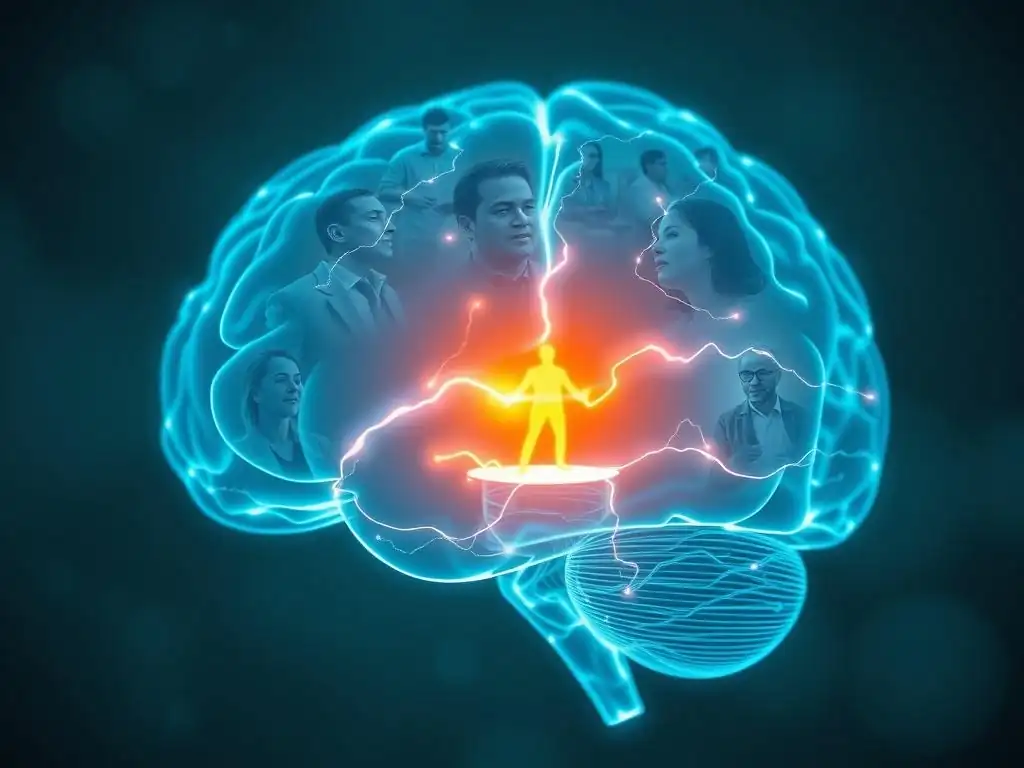
Welcome to Mind Care Guide, a safe space dedicated to nurturing your mental well-being. Ever wondered why seemingly harmless social situations can trigger such intense anxiety? This article dives deep into the neuroscience behind it, exploring how the social anxiety amygdala triggers response and what you can do to regain control. Read on to understand the root of your social anxieties and discover pathways to a more confident, peaceful you.
The Amygdala and Social Anxiety: Understanding the Threat Response
- Understanding the Amygdala's Role in Social Anxiety
- The Amygdala's Overactivity in Social Anxiety Disorder
- Amygdala Activity and Cognitive Distortions in Social Anxiety
- Neuroscience of Social Anxiety: Beyond the Amygdala
- Managing Amygdala-Related Social Anxiety: Strategies and Techniques
- Lifestyle Changes to Support Amygdala Regulation and Reduce Social Anxiety
- Future Research Directions: Targeting the Amygdala for Social Anxiety Treatment
- Conclusion: Empowering Individuals to Manage Social Anxiety
-
Frequently Asked Questions
- What is the role of the amygdala in social anxiety?
- How does the amygdala contribute to the feeling of threat in social situations?
- What are common triggers that can activate the amygdala's response in social anxiety?
- Can understanding the amygdala help manage social anxiety?
- What are some strategies to calm the amygdala's response in social anxiety situations?
- Final Reflection: Unraveling the Amygdala's Grip on Social Anxiety
- Unleash Your Social Confidence: Take Control of Anxiety
What is the Amygdala and How Does it Function?
The amygdala is a small, almond-shaped structure located deep within the temporal lobe of the brain. It is part of the limbic system, a complex network involved in emotions, motivation, learning, and memory. Often referred to as the brain's "fear center," the amygdala plays a critical role in processing emotions, particularly fear and pleasure, and in mediating our responses to potentially threatening stimuli. It acts as a rapid alarm system, quickly evaluating incoming sensory information – sights, sounds, smells – to determine if a threat is present and initiate a fight, flight, or freeze response.
This structure receives input from various parts of the brain, including sensory areas, the hippocampus (involved in memory), and the prefrontal cortex (involved in decision-making and regulation). Based on this input, the amygdala processes the emotional significance of a situation and signals other brain regions and the body to prepare for action.
For instance, if you encounter a sudden loud noise, the amygdala is one of the first areas to react, triggering a startle response even before the prefrontal cortex can fully process what the sound is. This rapid processing is essential for survival, allowing us to react quickly to danger.
The Amygdala's Connection to Fear and Threat Perception
The amygdala is intricately linked to the experience and expression of fear. When a potential threat is detected, the amygdala initiates a cascade of physiological responses via the sympathetic nervous system, preparing the body to confront or escape the perceived danger. This includes increasing heart rate, breathing speed, muscle tension, and diverting blood flow to essential areas. Simultaneously, it signals the release of stress hormones like cortisol and adrenaline from the adrenal glands.
This fear response is adaptive in genuinely dangerous situations, allowing us to react quickly and effectively. However, in conditions like anxiety disorders, the amygdala can become hyperactive or overly sensitive, triggering this robust fear response even in the absence of real danger. For someone with heightened social anxiety, the amygdala might misinterpret benign social cues – like making eye contact or speaking in front of others – as significant threats, initiating the same physiological alarm bells as if facing a physical threat.
Social Anxiety Disorder (SAD), also known as social phobia, is a common mental health condition characterized by an intense fear of social situations. Individuals with SAD experience significant anxiety and self-consciousness about being watched, judged, embarrassed, or humiliated by others. This fear is often disproportionate to the actual threat posed by the situation and can significantly impair daily life, affecting work, school, relationships, and leisure activities.
The feared situations can vary widely but often include public speaking, meeting new people, eating or drinking in front of others, using public restrooms, or even simple interactions like talking on the phone or asking questions. The core fear revolves around negative evaluation from others. People with SAD often anticipate negative outcomes in social interactions and may avoid these situations altogether, or endure them with intense distress. It's estimated that roughly 7-13% of people will experience social anxiety disorder at some point in their lives, highlighting its prevalence.
Specific social anxiety amygdala triggers response patterns that are distinct from typical responses. For individuals with social anxiety, the amygdala appears to be overly sensitive to social cues that others might perceive as neutral or even positive. These triggers can include subtle non-verbal signals like facial expressions (even a neutral face), body language, or tone of voice. A simple glance from a stranger across the room, a perceived frown during a conversation, or even the anticipation of entering a social setting can activate the amygdala's threat detection system.
Research using fMRI (functional magnetic resonance imaging) has consistently shown increased amygdala activation in individuals with social anxiety when they are exposed to social stimuli, such as viewing faces, engaging in public speaking simulations, or participating in social interaction tasks. For example, studies have shown that presenting images of critical or even neutral faces to individuals with social anxiety results in significantly higher amygdala activity compared to control groups. This heightened and often inappropriate social anxiety amygdala triggers response is a core neurobiological feature of the disorder.
The amygdala's role in social anxiety involves a fundamental misinterpretation of social cues. In a typical brain, the prefrontal cortex helps regulate the amygdala, assessing the context and determining if a perceived threat is real. However, in social anxiety, this regulatory pathway seems impaired, leading to an overreliance on the amygdala's initial, rapid, and often inaccurate assessment. The amygdala jumps to the conclusion of danger based on minimal or ambiguous social information.
This misinterpretation is akin to a faulty smoke detector that goes off every time someone toasts bread. The amygdala, designed to detect real danger, flags social interactions as highly threatening, even when there is no objective risk of harm or judgment. This hyper-vigilance to potential social threats means the individual is constantly scanning their environment for signs of disapproval, and the amygdala is primed to react strongly to even the slightest perceived negative signal, reinforcing the cycle of fear.
The intense physical symptoms experienced during social anxiety attacks are largely a direct result of the amygdala triggering the body's stress response. When the amygdala perceives a social situation as a threat, it activates the sympathetic nervous system, preparing the body for "fight or flight." This leads to a surge of adrenaline and cortisol.
Common physical manifestations include rapid heart rate (palpitations), shortness of breath, sweating, trembling or shaking, blushing, dizziness, nausea, and muscle tension. These symptoms can be highly distressing and, in turn, become new triggers for anxiety. For example, the fear of blushing in public can become a significant source of anxiety itself, creating a feedback loop where the anticipation of symptoms activates the amygdala, leading to the symptoms, which further reinforces the belief that social situations are dangerous. Understanding how social anxiety amygdala triggers response physically helps validate the intense physical experience of the disorder.
Cognitive Biases and the Amygdala: Maintaining the Anxiety Cycle
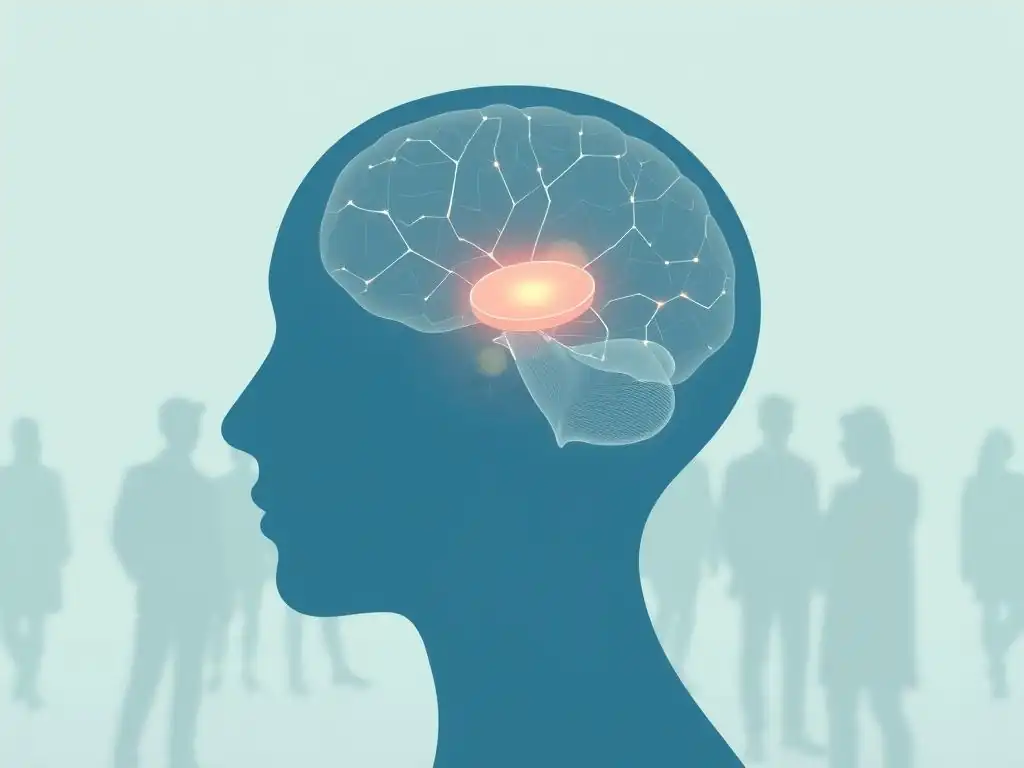
Cognitive biases, or distorted thinking patterns, are deeply intertwined with amygdala activity in maintaining social anxiety. Individuals with social anxiety often exhibit biases such as catastrophic thinking (assuming the worst possible outcome), mind-reading (believing they know what others are thinking, usually negatively), and fortune-telling (predicting negative future events). These biases are not just thoughts; they influence how the brain processes information, effectively 'priming' the amygdala to react.
For instance, if someone with social anxiety believes "Everyone will think I'm stupid if I speak up," this thought pattern enhances the perceived threat level of speaking in a group. This heightened perception of threat, driven by the cognitive bias, feeds directly into the amygdala, increasing its activation. The amygdala's subsequent fear response then reinforces the belief that speaking up is dangerous, creating a vicious cycle where distorted thoughts amplify amygdala activity, and increased amygdala activity perpetuates distorted thoughts.
How Negative Thoughts Amplify Amygdala Activation
Negative self-talk and worry are powerful amplifiers of amygdala activation in social anxiety. The brain doesn't always distinguish between a real threat and a vividly imagined one. When someone repeatedly rehearses negative social scenarios in their mind ("What if I trip? ", "What if I say something stupid? "), this internal focus on potential threats keeps the amygdala on high alert. The anticipation of negative events, fueled by these thoughts, is a significant social anxiety amygdala triggers response mechanism.
Studies have shown that simply imagining a feared social situation can lead to measurable increases in amygdala activity in individuals with social anxiety. This means that the anxiety is not limited to actual social encounters; the constant internal narrative of potential failure and judgment keeps the amygdala chronically activated, contributing to a persistent state of anxiety even when alone. This highlights the critical link between cognitive processes and the brain's fear circuitry.
The Amygdala's Role in Avoidance Behavior
Avoidance is a hallmark behavior of social anxiety, and the amygdala plays a central role in driving this pattern. The intense fear and discomfort triggered by the amygdala's response to social situations make avoidance feel like a logical and effective coping mechanism. By avoiding feared situations – whether it's declining invitations, avoiding public speaking, or staying quiet in meetings – the individual temporarily escapes the unpleasant feelings of anxiety.
However, this avoidance, while providing short-term relief, prevents the brain from learning that the feared social situations are not actually dangerous. Each time a situation is avoided, the amygdala's initial assessment of "threat" is reinforced because the individual never stays long enough to gather evidence to the contrary. This strengthens the connection between the social situation and the fear response, making the amygdala even more likely to trigger anxiety the next time a similar situation is encountered. This perpetuates the cycle of fear and avoidance, limiting life opportunities and reinforcing the social anxiety amygdala triggers response.
The Prefrontal Cortex and its Interaction with the Amygdala
While the amygdala is central, social anxiety involves a complex interplay between multiple brain regions. The prefrontal cortex (PFC), particularly the medial and orbital prefrontal areas, plays a crucial role in regulating emotion, executive functions, and social cognition. In healthy individuals, the PFC acts as a "brake" on the amygdala, evaluating the context of a situation and inhibiting the fear response when a threat is not real.
Research suggests that in social anxiety, there may be reduced connectivity or impaired function in the pathways connecting the PFC to the amygdala. This weaker connection means the PFC is less effective at dampening the amygdala's overactive fear signals. Consequently, the amygdala's initial, rapid assessment of threat goes unchecked, leading to an exaggerated and prolonged anxiety response in social settings. Strengthening this PFC-amygdala connection is a key target for many therapeutic interventions.
Several other brain areas also contribute to the experience of social anxiety. The hippocampus, located near the amygdala, is involved in forming and retrieving memories, including contextual memories. In social anxiety, the hippocampus might contribute by linking past negative social experiences to current social cues, further reinforcing the amygdala's fear response. For example, remembering a past embarrassing moment in a social setting can immediately activate the amygdala when entering a similar situation.
The insula is another region implicated, involved in processing bodily sensations and subjective feelings, including emotions like anxiety. Heightened activity in the insula might contribute to the intense awareness of physical symptoms (like blushing or trembling) experienced by individuals with social anxiety, amplifying their distress and feeding into the cycle of fear. Understanding how these regions interact with the social anxiety amygdala triggers response provides a more complete picture of the disorder's neurobiology.
Neurotransmitters, the chemical messengers of the brain, also play a significant role in social anxiety. Serotonin, a neurotransmitter involved in mood, sleep, and anxiety, is often implicated. Imbalances in serotonin system functioning are thought to contribute to the heightened sensitivity of the amygdala and impaired regulation by the PFC. Many antidepressant medications commonly used to treat social anxiety target the serotonin system to help modulate these pathways.
Dopamine, associated with reward, motivation, and social behavior, may also be involved. Some studies suggest altered dopamine signaling in areas related to social processing in individuals with SAD. GABA (gamma-aminobutyric acid) is the brain's primary inhibitory neurotransmitter, helping to calm neural activity. Reduced GABAergic activity or receptor function could contribute to the amygdala's hyper-excitability, making it more prone to triggering fear responses. Medications like benzodiazepines, which enhance GABA effects, can reduce acute anxiety but are typically used cautiously due to dependence potential.
Cognitive Behavioral Therapy (CBT) and Amygdala Regulation
Cognitive Behavioral Therapy (CBT) is one of the most effective non-pharmacological treatments for social anxiety, and its mechanisms of action are thought to involve modulating amygdala activity. CBT targets the distorted thought patterns and avoidance behaviors that maintain the anxiety cycle. Techniques like cognitive restructuring help individuals identify and challenge their negative biases ("Everyone will think I'm stupid") and replace them with more balanced and realistic thoughts.
By altering these cognitive appraisals, CBT helps to reduce the perceived threat level of social situations. This, in turn, is believed to decrease the intensity of the social anxiety amygdala triggers response. Furthermore, exposure therapy, a core component of CBT, directly helps to retrain the amygdala. Studies using fMRI scans have shown that successful CBT treatment is associated with decreased amygdala reactivity to social stimuli and increased activity in prefrontal regions involved in emotion regulation.
Mindfulness and Meditation for Reducing Amygdala Hyperactivity
Mindfulness and meditation practices offer another avenue for managing amygdala hyperactivity in social anxiety. These techniques encourage individuals to pay attention to the present moment without judgment, observing their thoughts, feelings, and bodily sensations with acceptance. Regular mindfulness practice can help individuals become more aware of their anxiety triggers and the physical sensations associated with the amygdala's response without getting caught up in the associated negative thoughts.
By fostering a non-reactive stance towards internal experiences, mindfulness can weaken the automatic link between a social trigger and the amygdala's full-blown fear response. Neuroimaging studies suggest that long-term mindfulness practitioners often show reduced amygdala volume and decreased reactivity to emotional stimuli, alongside increased activity in areas of the prefrontal cortex associated with attention and emotional control. This suggests that mindfulness can help strengthen the PFC's ability to regulate the amygdala, thereby reducing the intensity of the social anxiety amygdala triggers response.
Exposure Therapy: Retraining the Amygdala's Fear Response
Exposure therapy is a direct and powerful method for retraining the amygdala's fear response in social anxiety. It involves gradually and systematically exposing individuals to feared social situations in a controlled and safe environment, starting with less anxiety-provoking situations and progressing to more challenging ones. The core principle is based on habituation and extinction learning.
By facing the feared situation and remaining in it, the individual learns that their feared outcomes (e.g., being severely judged, having a panic attack that they can't handle) either do not occur or are manageable. Crucially, the amygdala learns that the social situation is not actually dangerous. With repeated exposure without the feared negative consequence, the association between the social stimulus and the fear response weakens. This process helps to extinguish the inappropriate social anxiety amygdala triggers response, allowing the brain to form new, non-fearful associations with social situations.
Pharmacological Interventions and the Amygdala
Pharmacological treatments can also play a role in managing social anxiety, often by influencing neurotransmitter systems that modulate amygdala activity. Selective Serotonin Reuptake Inhibitors (SSRIs) are commonly prescribed antidepressants that increase serotonin levels in the brain. This increase is thought to enhance the regulatory control of the prefrontal cortex over the amygdala and potentially reduce the amygdala's overall reactivity to social stimuli.
Other medications, such as Serotonin-Norepinephrine Reuptake Inhibitors (SNRIs) or benzodiazepines (used for short-term relief), also affect neurotransmitter systems involved in anxiety circuits, including those connected to the amygdala. Beta-blockers might be used to manage some physical symptoms like trembling or palpitations by blocking the effects of adrenaline, which is released when the amygdala triggers the stress response, although they don't address the core fear response itself.
Medication can be particularly helpful for individuals whose anxiety is severe enough to make engaging in therapy difficult, potentially lowering the intensity of the social anxiety amygdala triggers response enough to allow therapeutic work to be effective.

The Importance of Sleep, Diet, and Exercise for Brain Health
Foundationally, general brain health significantly impacts the amygdala's function and overall anxiety levels. Consistent, quality sleep is crucial; sleep deprivation is known to increase amygdala reactivity and impair prefrontal cortex function, making individuals more susceptible to anxiety triggers. Aiming for 7-9 hours of sleep per night can support better emotional regulation.
Similarly, a balanced diet rich in omega-3 fatty acids, antioxidants, and complex carbohydrates supports neurotransmitter production and overall brain structure, potentially influencing the amygdala's sensitivity. Avoiding excessive caffeine and sugar can help prevent spikes and crashes that exacerbate anxiety symptoms. Regular physical exercise is also a powerful tool; it reduces stress hormones, promotes the release of endorphins, and has been shown in some studies to potentially influence brain regions involved in mood and anxiety regulation, including pathways connected to the amygdala. These lifestyle factors provide a vital base for managing the social anxiety amygdala triggers response.
While the amygdala focuses on threat detection, building actual social competence can reduce the perceived threat of social situations and thus influence the amygdala's response over time. Social skills training helps individuals learn and practice effective communication techniques, assertive behavior, and navigating social interactions more smoothly. This practical experience builds confidence and reduces the feeling of being ill-equipped to handle social challenges.
As social confidence grows through successful interactions, the brain begins to update its assessment of social situations. Positive experiences create new learning pathways that can counter the amygdala's ingrained fear responses. The more positive or neutral experiences an individual has in social settings, the less likely the amygdala is to automatically flag them as dangerous, gradually altering the social anxiety amygdala triggers response pattern.
Paradoxically, given the nature of the disorder, building a strong support system and nurturing positive social connections are vital for managing social anxiety. Positive social interactions release oxytocin, a hormone that can promote feelings of trust and bonding and has been shown to have an inhibitory effect on the amygdala. Connecting with understanding friends, family, or support groups provides a sense of safety and belonging, counteracting the isolation often associated with social anxiety.
Sharing experiences and challenges with others who understand can reduce feelings of shame and self-judgment, which are significant drivers of the amygdala's threat response. Practicing social skills in a low-pressure environment with trusted individuals can be a stepping stone to facing more challenging situations. These positive social experiences help retrain the brain, gradually reducing the intensity of the social anxiety amygdala triggers response by demonstrating that social connection can be a source of comfort and support, not just threat.
Emerging Therapies for Modulating Amygdala Activity
Research into the neuroscience of social anxiety is paving the way for novel, more targeted therapies aimed at modulating amygdala activity directly. Techniques like Transcranial Magnetic Stimulation (TMS) or Transcranial Direct Current Stimulation (tDCS) are being explored to non-invasively stimulate or inhibit specific brain regions, including areas of the prefrontal cortex that regulate the amygdala. Early studies show promise in reducing anxiety symptoms, though more research is needed.
Furthermore, neurofeedback, a type of biofeedback, allows individuals to see their own brain activity in real-time and learn to regulate it. Some research is exploring whether individuals with social anxiety can learn to voluntarily reduce amygdala activity through neurofeedback, potentially offering a direct way to gain control over the social anxiety amygdala triggers response. These cutting-edge approaches represent exciting possibilities for the future of treatment.
Understanding the specific neurobiological profiles of individuals with social anxiety could lead to more personalized treatment approaches. Not everyone with social anxiety may have the exact same pattern of amygdala overactivity or PFC dysfunction. Future research aims to use neuroimaging and genetic data to identify biomarkers that predict which treatments (e.g., specific types of therapy, particular medications) are most likely to be effective for a given individual.
For example, if a brain scan clearly shows a specific pattern of impaired PFC-amygdala connectivity, treatments specifically designed to strengthen that pathway might be prioritized. This move towards personalized medicine, informed by a deeper understanding of the social anxiety amygdala triggers response in each individual, holds the potential for significantly improving treatment outcomes and reducing the trial-and-error often involved in finding effective interventions.
Understanding the role of the amygdala provides valuable insight into why social situations feel so threatening for individuals with social anxiety. The brain's ancient alarm system, designed for survival, becomes overactive and misinterprets social cues as dangers, leading to intense fear, physical symptoms, distorted thoughts, and avoidance. Recognizing this neurobiological basis can be empowering, shifting the perspective from seeing anxiety as a personal failing to understanding it as a challenge rooted in brain function.
Fortunately, the brain is capable of change. Therapies like CBT and exposure therapy directly target the social anxiety amygdala triggers response, helping to retrain the brain's fear circuitry and build new, non-fearful associations. Mindfulness and lifestyle changes support overall brain health and emotional regulation, while future research promises even more targeted interventions. By combining neuroscientific understanding with effective strategies, individuals can learn to regulate their amygdala's response, challenge negative thought patterns, gradually face feared situations, and ultimately reduce the grip of social anxiety on their lives.
Frequently Asked Questions
The amygdala is the brain region responsible for processing fear and threat. In individuals with social anxiety, it tends to be overactive in social situations, triggering a fear response.
When the amygdala perceives a social situation as threatening, it initiates the fight-or-flight response. This leads to physical symptoms like increased heart rate and sweating, intensifying anxiety.
Triggers vary, but often include public speaking, meeting new people, and being the center of attention. These situations are perceived as potentially negative or judgmental by the anxious individual.
Yes, understanding the amygdala helps by recognizing the physiological basis of the anxiety. This awareness can enable individuals to develop coping strategies to regulate their emotional response.
Techniques like mindfulness meditation and cognitive behavioral therapy (CBT) can help regulate the amygdala. These strategies promote emotional regulation and reframe negative thoughts.
The intricate relationship between the amygdala and social anxiety remains a critical area of understanding, impacting millions worldwide and shaping how we navigate social interactions. The heightened amygdala response, as detailed in this article, isn't simply a neurological quirk; it's a powerful force influencing our daily lives, dictating our comfort levels, and even determining our opportunities. Understanding this connection is the first step towards reclaiming control.
The pervasive influence of the amygdala's threat response on social anxiety extends far beyond individual experience; it shapes our cultural understanding of shyness, introversion, and social awkwardness. We often stigmatize these traits, failing to recognize the underlying neurological processes at play. This lack of understanding perpetuates a cycle of isolation and misunderstanding.
As the renowned psychiatrist Viktor Frankl wisely observed: >“Between stimulus and response there is a space. In that space is our power to choose our response. In our response lies our growth and our freedom.” This space, the conscious awareness of our amygdala's response, is where true liberation from social anxiety begins.
Consider the information presented in this article. Reflect on your own experiences with social situations. Do you recognize the patterns of heightened anxiety, the physical sensations, the racing thoughts? Armed with this knowledge, you now possess the power to approach social interactions with greater self-awareness and compassion. Seek support, explore coping mechanisms, and remember that understanding the biological underpinnings of your anxiety is a significant step towards managing it and ultimately, thriving in social settings. You are not alone, and your journey towards greater social comfort begins with this crucial understanding.
Thanks for taking the time to explore the fascinating world of the amygdala and its role in social anxiety! We hope you gained valuable insights into understanding your own reactions. Now it's time to put that knowledge into action.
- Identify your personal anxiety triggers: Take a few minutes today to reflect on specific situations that consistently trigger your social anxiety. This is the crucial first step to building a personalized coping strategy.
- Share your insights: Discuss your reflections with a trusted friend or family member. Talking it out can be surprisingly helpful and create a supportive network.
- Explore relaxation techniques: Experiment with deep breathing exercises or mindfulness practices – even just 5 minutes a day can make a difference.
Ready to start building a more confident and socially fulfilling life? What small step will you take today to manage your social anxiety?