
Optimize Your Bedroom: Creating a Sleep Haven to Beat Anxiety

Welcome to Mind Care Guide, a sanctuary for your mental well-being.
Are you tossing and turning, your bedroom feeling more like a battleground than a haven? You're not alone. Dive into our comprehensive guide, "Optimize Your Bedroom: Creating a Sleep Haven to Beat Anxiety," and discover practical strategies to reclaim your nights. We'll explore sleep anxiety bedroom optimization, uncovering how a few simple changes can drastically improve your sleep quality and reduce anxiety. Ready to transform your sleep space and find peace of mind? Let's begin.
Optimize Your Bedroom: Creating a Sleep Haven to Beat Anxiety
- Understanding Sleep Anxiety and Its Impact
-
Sleep Anxiety Bedroom Optimization: A Step-by-Step Guide
- Step 1: Decluttering Your Bedroom for a Calm Environment
- Step 2: Optimizing Lighting for Better Sleep
- Step 3: Soundproofing and Noise Reduction Strategies
- Step 4: Temperature Control for Optimal Sleep
- Step 5: Mattress and Pillow Selection for Comfort and Support
- Step 6: Color Psychology and Bedroom Design
- Step 7: Aromatherapy and Essential Oils for Relaxation
- Step 8: Creating a Tech-Free Zone
- Beyond Bedroom Optimization: Additional Sleep Anxiety Strategies
- Maintaining Your Sleep Haven: Long-Term Tips for Anxiety-Free Sleep
-
Frequently Asked Questions
- How does bedroom optimization specifically help with sleep anxiety?
- What are the most important elements to consider when optimizing my bedroom for sleep anxiety?
- What are some specific examples of how to reduce light and noise in my bedroom to combat sleep anxiety?
- How can I ensure my bedroom temperature is conducive to sleep and reduces anxiety?
- Besides environmental changes, are there any other bedroom-related habits I should adopt to improve sleep anxiety?
- Final Reflection: Weaving Calm into the Fabric of Sleep
- Unleash Your Inner Calm: Design Your Dream Sleep Sanctuary
Understanding Sleep Anxiety and Its Impact
What is Sleep Anxiety and How Does It Manifest?
Sleep anxiety, often referred to as somniphobia or sleep-related anxiety, is a condition characterized by excessive worry and fear surrounding sleep. This isn't just mild bedtime jitters; it involves intense apprehension about the inability to fall asleep, stay asleep, or the negative consequences of poor sleep, such as fatigue, impaired performance, or even health issues.
The anxiety itself becomes a barrier to sleep, creating a vicious cycle where the fear of not sleeping makes sleep even harder to achieve. This manifests differently in individuals, but common signs include racing thoughts at bedtime, physical tension, restlessness, and a dread associated with the approach of night.
The manifestation of sleep anxiety can range from mild discomfort to severe panic attacks when trying to sleep. For some, it's a constant loop of 'what if I can't sleep tonight?' that starts hours before bedtime. Others might experience physical symptoms like a pounding heart, shortness of breath, or sweating as they lie in bed. This persistent state of hyperarousal, fueled by worry, directly counteracts the physiological relaxation needed to initiate sleep. It's a mental battle where the harder you try to sleep, the more awake and anxious you become, making strategies for sleep anxiety bedroom optimization particularly relevant.
The Connection Between Anxiety Disorders and Sleep Quality
There is a deeply intertwined relationship between anxiety disorders and sleep quality. Research consistently shows that individuals diagnosed with generalized anxiety disorder (GAD), panic disorder, obsessive-compulsive disorder (OCD), or post-traumatic stress disorder (PTSD) frequently report significant sleep disturbances. These disturbances can include difficulty falling asleep (insomnia), frequent awakenings during the night, restless sleep, or nightmares. The heightened state of alert and worry characteristic of anxiety disorders makes it difficult for the brain and body to switch off and enter the restful state required for sleep.
Conversely, poor sleep quality can exacerbate anxiety symptoms, creating a bidirectional relationship. Lack of sufficient restful sleep impairs the brain's ability to regulate emotions and cope with stress, potentially increasing reactivity to anxious thoughts and situations during the day. Studies, such as those published in the Journal of Anxiety Disorders, highlight that sleep deprivation can amplify the fear response in the amygdala, the brain's fear center. This cycle makes addressing sleep issues, including through focused sleep anxiety bedroom optimization, a crucial component of managing overall anxiety.
Recognizing the Symptoms of Sleep Anxiety: A Self-Assessment
Identifying sleep anxiety involves recognizing a pattern of distress and worry specifically tied to sleep. Common symptoms include experiencing significant difficulty falling asleep or staying asleep multiple nights a week, feeling excessive worry or dread about going to bed, having intrusive racing thoughts that prevent relaxation at night, and feeling physically tense or restless when trying to sleep. You might also find yourself constantly checking the clock, calculating how little sleep you might get, or avoiding situations that could disrupt your sleep schedule, such as social events or travel, specifically due to sleep fears.
A simple self-assessment can help gauge if sleep anxiety is impacting you. Consider these questions: Do you feel a sense of dread as bedtime approaches? Do you spend significant time worrying about sleep while not in bed? Does your mind race with anxious thoughts when you try to fall asleep?
Do you become visibly distressed or panicked if you can't fall asleep quickly? If you answer yes to several of these, particularly when these issues occur regularly and cause distress or impairment in your daily life, it may indicate sleep anxiety. While this isn't a formal diagnosis, recognizing these patterns is the first step toward seeking help and implementing strategies like sleep anxiety bedroom optimization.
Sleep Anxiety Bedroom Optimization: A Step-by-Step Guide
Step 1: Decluttering Your Bedroom for a Calm Environment
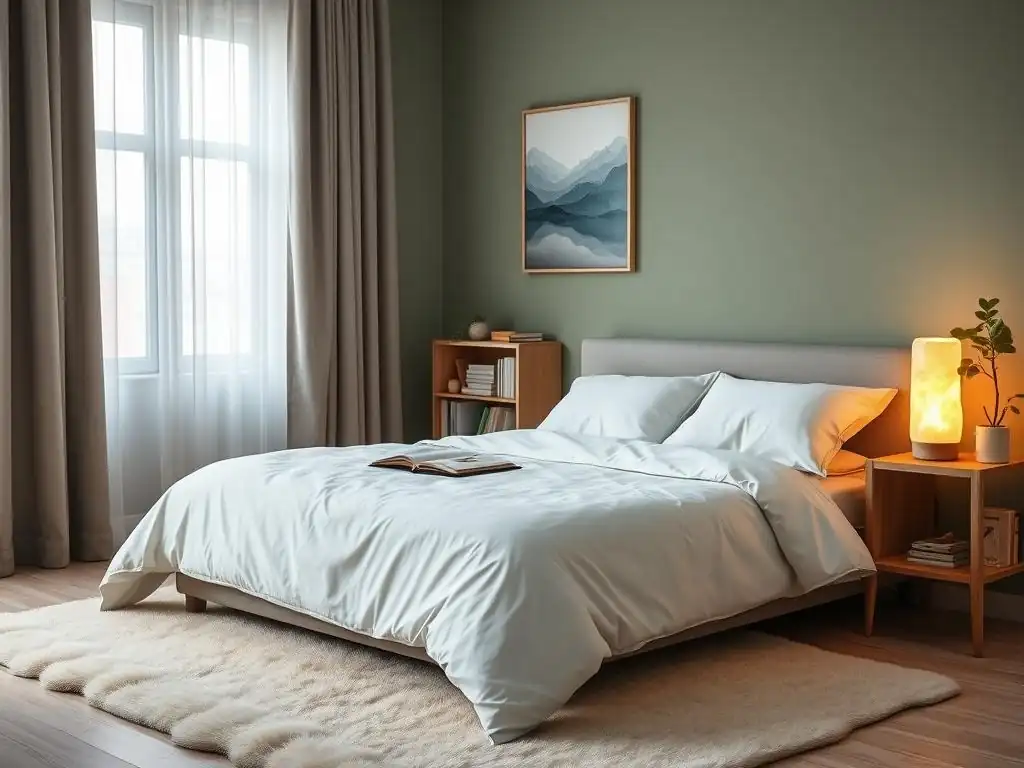
A cluttered bedroom can mirror a cluttered mind, increasing feelings of stress and anxiety that interfere with sleep. Visual chaos from piles of clothes, stacks of books, or scattered items can create a sense of unfinished tasks and disorder, preventing your brain from fully relaxing. Your bedroom should be a sanctuary dedicated primarily to rest and intimacy, not a storage unit, office, or gym. Clearing out unnecessary items physically removes visual stressors and signals to your brain that this space is for winding down, making decluttering a foundational step in sleep anxiety bedroom optimization.
The physical act of decluttering can also be therapeutic, providing a sense of control and accomplishment. By removing items that don't belong or serve a purpose in a sleep space – like work materials, exercise equipment, or excessive electronics – you reinforce the room's function as a place of peace. A tidy environment reduces the likelihood of tripping hazards in the dark and minimizes dust, which can improve air quality and reduce physical irritants that disrupt sleep. Dedicating even 15-30 minutes a week to tidying can maintain the calm atmosphere achieved through initial decluttering efforts.
Why Decluttering Reduces Anxiety and Promotes Relaxation
Research from institutions like the Princeton University Neuroscience Institute has suggested that physical clutter can compete for your attention, increasing stress levels and making it harder to focus or relax. In the context of sleep anxiety, this means that visual distractions in your bedroom can keep your mind engaged and alert when it should be transitioning into a restful state. A clean, organized space promotes a feeling of serenity and control, which are essential for reducing the hyperarousal associated with anxiety.
Moreover, decluttering allows you to intentionally curate your environment. By removing items that evoke stress (like work papers) or are associated with wakefulness (like a TV), you create a clearer boundary between your daytime anxieties and your nighttime rest. This intentional design supports the psychological shift needed to prepare for sleep. A peaceful visual environment is a key component of effective sleep anxiety bedroom optimization.
Practical Decluttering Tips for a Sleep-Conducive Space
Start small to avoid feeling overwhelmed. Tackle one area at a time, like your nightstand or one corner of the room. The goal is to remove anything that isn't essential for sleep, relaxation, or bedroom aesthetics.
- [ ] Remove all work-related items (laptops, papers, files).
- [ ] Clear surfaces of excessive knick-knacks or items that collect dust.
- [ ] Put away clothes instead of leaving them in piles.
- [ ] Store books neatly on a shelf or in a designated spot away from the bed.
- [ ] Designate storage solutions (baskets, drawers) for items that need to be in the room but out of sight.
Focus on creating clear, open spaces. Remember, the less visual noise, the easier it is for your mind to quiet down.
Step 2: Optimizing Lighting for Better Sleep
Light is one of the most powerful external cues influencing our circadian rhythm, the body's internal clock that regulates sleep-wake cycles. Exposure to bright light, particularly blue light, suppresses the production of melatonin, the hormone that signals the body it's time to sleep. Conversely, darkness promotes melatonin release. Therefore, controlling the light in your bedroom is paramount for signaling to your brain that it's time to wind down and prepare for rest, a critical element of sleep anxiety bedroom optimization.
Optimizing lighting isn't just about making the room dark for sleep; it's also about managing light exposure in the hours leading up to bedtime. Dimming the lights in the evening and avoiding bright overhead lights can help facilitate the natural rise in melatonin. Using warm, low-wattage bulbs in bedside lamps can provide just enough light for reading or getting ready for bed without being overly stimulating. This mindful approach to lighting helps create a calm transition from wakefulness to sleep, easing the path for those struggling with sleep anxiety.
The Importance of Darkness for Melatonin Production
Melatonin production is highly sensitive to light. Even low levels of light exposure during the evening can significantly delay or suppress melatonin release, shifting your body's internal clock later. This makes it harder to fall asleep at your desired time and can disrupt the quality of your sleep throughout the night. For someone with sleep anxiety, this biological delay in sleep onset can exacerbate worries about not being able to sleep, fueling the anxiety cycle.
Complete darkness during the sleep period is ideal for maintaining melatonin levels and ensuring deep, restorative sleep. Even small amounts of light, such as that from a digital clock, streetlights outside, or light bleeding under a door, can interfere with sleep architecture. Creating a truly dark sleep environment is a cornerstone of effective sleep anxiety bedroom optimization.
Choosing the Right Light Bulbs for Evening Relaxation
When you need light in the evening before bed, the type of light bulb matters. Standard LED or fluorescent bulbs often emit significant amounts of blue light, which is the most disruptive to melatonin production. Opt instead for bulbs with a warmer color temperature, typically labeled as "warm white" or having a Kelvin (K) rating of 2700K or lower. These bulbs emit light that is more yellow or orange, mimicking the warm tones of sunset or firelight, which are less suppressive to melatonin.
Using low-wattage bulbs in bedside lamps or using dimmers allows you to control the intensity of light as well. The goal is to provide just enough light to see by without stimulating your brain into wakefulness. Consider smart bulbs that allow you to adjust both brightness and color temperature throughout the evening, gradually shifting to warmer, dimmer light as bedtime approaches.
Implementing Blackout Curtains and Sleep Masks
To achieve the necessary darkness for optimal melatonin production and uninterrupted sleep, blackout curtains are highly effective. These curtains are designed with a dense fabric or lining that blocks out nearly 100% of external light sources, including streetlights, car headlights, and early morning sunlight. Installing them ensures that your bedroom remains dark regardless of the time of day or external conditions.
For those who cannot fully block out light from their environment, or who travel frequently, a comfortable sleep mask can provide a portable solution for creating darkness directly over the eyes. Look for masks that are soft, comfortable, and effectively block light without putting uncomfortable pressure on your eyes. Combining blackout curtains and a sleep mask offers robust protection against light intrusion, significantly aiding sleep anxiety bedroom optimization efforts.
Step 3: Soundproofing and Noise Reduction Strategies
Noise is a significant disruptor of sleep, even if you don't consciously wake up. Sudden or loud noises can trigger the body's stress response, increasing heart rate and cortisol levels, which keeps you in a lighter sleep stage or causes micro-arousals you might not remember. Persistent background noise, such as traffic or noisy neighbors, can also make it harder to fall asleep and reduce the quality of sleep. For individuals with sleep anxiety, being hyper-aware of noises can increase vigilance and prevent relaxation, solidifying the need for effective noise reduction as part of sleep anxiety bedroom optimization.
Creating a quiet sleep environment helps your brain and body feel safe and secure, allowing them to fully relax and transition through the necessary sleep stages. Reducing auditory distractions minimizes the chances of being startled awake or kept awake by external sounds. While complete soundproofing can be expensive and complex, there are many practical and affordable noise reduction strategies that can make a significant difference in improving sleep quality for those struggling with anxiety.
How Noise Affects Sleep Anxiety and Rest
Noise acts as a stressor, activating the sympathetic nervous system ("fight or flight" response) even during sleep. This can lead to increased heart rate, elevated blood pressure, and fragmented sleep. For someone prone to anxiety, these physiological responses can easily trigger anxious thoughts or feelings, especially if they are already worried about sleep. A sudden noise might confirm their fear of being easily woken up, reinforcing sleep anxiety.
Furthermore, anticipation of noise can also cause anxiety. If you live in a noisy environment, you might start worrying about potential disturbances before you even get into bed. This anticipatory anxiety further fuels the sleep anxiety cycle. By actively reducing noise, you remove a significant external stressor and create a more predictable, peaceful environment conducive to rest.
Effective Soundproofing Techniques for Bedrooms
Achieving perfect soundproofing is difficult and often requires structural changes, but significant noise reduction is attainable. Focus on blocking gaps where sound enters and absorbing sound within the room.
- Seal Gaps: Check around windows and doors for gaps. Use weatherstripping tape or door sweeps to seal these openings. Acoustic sealant can be used for smaller cracks around frames.
- Thick Fabrics: Hang heavy curtains (like the blackout curtains mentioned earlier) over windows, as thick fabric can absorb some sound. Use upholstered furniture and thick rugs or carpeting to absorb sound within the room and reduce echoes.
- Wall Decor: Acoustic panels can be installed on walls to absorb sound waves, though even hanging tapestries or large pieces of art can help slightly.
- Rearrange Furniture: Placing large furniture items like bookcases or wardrobes against shared walls can help block some noise transmission.
While these techniques won't eliminate all noise, they can substantially reduce the level of disruptive sounds, making your bedroom a quieter retreat suitable for sleep anxiety bedroom optimization.
Using White Noise Machines and Sleep Sounds
While reducing external noise is key, introducing consistent, soothing sound can also be beneficial. White noise machines produce a steady sound frequency that masks sudden noises by creating a consistent auditory environment. This can make it harder for your brain to register disruptive sounds like footsteps upstairs or distant traffic. Pink noise (which sounds lower-pitched than white noise) and brown noise are also popular as they mimic natural sounds like rain or wind.
Alternatively, some individuals find comfort in using sleep sound apps or machines that play nature sounds (like waves or rain), calming music, or ambient noise. The key is to find a sound that is non-distracting and helps create a predictable auditory backdrop that promotes relaxation rather than stimulating the mind. Experimenting with different types of sounds can help you find what works best for your personal sleep anxiety bedroom optimization strategy.
Step 4: Temperature Control for Optimal Sleep
The temperature of your bedroom plays a crucial role in your body's ability to fall and stay asleep. As you prepare for sleep, your core body temperature naturally drops slightly. A cool bedroom environment supports this natural process, signaling to your body that it's time to rest. Conversely, a room that is too warm can prevent this temperature drop, leading to restlessness, sweating, and difficulty staying asleep. Maintaining an optimal temperature is a simple yet highly effective aspect of sleep anxiety bedroom optimization.
Feeling too hot or too cold can also be a source of physical discomfort that triggers anxiety or prevents relaxation. When you're uncomfortable, your mind is more likely to focus on the discomfort, making it harder to drift off. Ensuring your bedroom is kept at a consistently comfortable and cool temperature removes this potential physical stressor, allowing your body and mind to focus on preparing for sleep.
The Ideal Bedroom Temperature for Sleep
Sleep experts generally recommend keeping the bedroom temperature cooler than the rest of the house. The ideal range is typically cited as being between 60 and 67 degrees Fahrenheit (approximately 15.5 to 19.5 degrees Celsius). This range is considered optimal because it aligns with the body's natural thermoregulation process during sleep.
However, the "ideal" temperature can vary slightly from person to person based on individual preferences and the type of bedding and sleepwear used. The key is to find a temperature within this cooler range that feels most comfortable for you, allowing you to sleep without feeling too hot or too cold throughout the night.
Adjusting Your Thermostat for a Relaxing Sleep Environment
Programmable thermostats are excellent tools for maintaining a consistent, optimal sleep temperature. You can set the thermostat to automatically lower the temperature in your bedroom (or the entire house, if necessary) an hour or two before your scheduled bedtime. This allows the room to cool down gradually and supports your body's natural cooling process as you prepare for sleep.
Ensure your thermostat is set to maintain this cooler temperature throughout the night. Avoid significant temperature fluctuations, as these can disrupt sleep. In colder months, resist the urge to significantly crank up the heat in the bedroom. Using extra blankets or warmer sleepwear is often a better approach than overheating the room.
Using Fans and Air Purifiers for Temperature Regulation
Fans can be useful for temperature regulation in two ways: they create airflow, which can make a room feel cooler, and they can serve as a source of white noise (as mentioned in Step 3). A ceiling fan or a standing fan can help circulate air and prevent the room from feeling stuffy, especially in warmer months.
Air purifiers can also contribute to a comfortable sleep environment by filtering out dust, allergens, and other airborne irritants that might affect breathing and comfort. While their primary function isn't temperature control, some models include features like oscillation or a fan function that can aid in air circulation, indirectly contributing to a feeling of coolness and freshness. Ensuring clean, circulating air adds another layer to comprehensive sleep anxiety bedroom optimization.
Step 5: Mattress and Pillow Selection for Comfort and Support
Your mattress and pillow are fundamental to physical comfort during sleep. A mattress that is too old, too soft, too hard, or simply not suited to your body type and sleep position can cause discomfort, pain, and restlessness. Similarly, an unsupportive or uncomfortable pillow can lead to neck pain and poor spinal alignment. Physical discomfort is a direct pathway to wakefulness and can easily trigger or worsen sleep anxiety, as your body struggles to find a comfortable position to relax in.
Investing in a supportive and comfortable mattress and pillow is an investment in sleep quality. When your body is properly supported and free from pressure points or misalignment, it's easier to relax and remain asleep. This reduces the physical barriers to sleep, allowing your mind to quiet down and reducing the likelihood of waking up due to discomfort. Selecting the right sleep surface is a critical component of effective sleep anxiety bedroom optimization.
Choosing a Mattress for Anxiety and Sleep Problems
While no mattress is specifically designed for anxiety, choosing one that promotes physical comfort and reduces tossing and turning is key. Consider your preferred sleep position (side, back, stomach) and body weight, as these influence the level of firmness and support you need. Side sleepers often benefit from slightly softer mattresses that cushion the shoulders and hips, while back and stomach sleepers may prefer firmer surfaces for spinal alignment.
Materials like memory foam, latex, or hybrid constructions offer different levels of contouring and support. Memory foam, for example, conforms closely to the body, which some find comforting and pressure-relieving, while others may find it too warm. Many mattress companies offer generous trial periods (often 100 nights or more), allowing you to test the mattress in your own bedroom to see if it truly improves your sleep comfort and reduces physical restlessness associated with sleep anxiety.
The Importance of Proper Pillow Support for Neck and Back Health
The right pillow supports the natural curve of your neck and spine, keeping them in a neutral alignment while you sleep. An improper pillow can cause your neck to be bent at an awkward angle, leading to stiffness, pain, and discomfort that disrupts sleep. The ideal pillow height and firmness depend on your sleep position and the firmness of your mattress.
Side sleepers generally need a thicker, firmer pillow to fill the gap between their shoulder and head, keeping the neck aligned with the spine. Back sleepers often benefit from a medium-thickness pillow that supports the neck without pushing the head too far forward. Stomach sleepers, though this position is generally not recommended for spinal health, need a very thin or flat pillow, or sometimes no pillow at all. Ensuring proper head and neck support minimizes physical discomfort and promotes relaxation, contributing significantly to sleep anxiety bedroom optimization.
Considering Memory Foam and Other Sleep-Enhancing Materials
Beyond mattresses and pillows, other bedding materials can enhance comfort. Sheets and blankets made from breathable materials like cotton, linen, or bamboo can help regulate body temperature throughout the night, preventing overheating or getting too cold. Moisture-wicking fabrics can be particularly helpful if you tend to sweat at night.
Weighted blankets, filled with glass beads or plastic pellets, are another material consideration for anxiety. The gentle pressure they provide, often referred to as deep pressure stimulation, is believed to have a calming effect on the nervous system, similar to a hug. While not a direct part of the sleep surface itself, a weighted blanket used on top of your bedding can be a valuable addition to your sleep anxiety bedroom optimization toolkit, helping to reduce restlessness and promote a feeling of security.
Step 6: Color Psychology and Bedroom Design
The colors in your bedroom can have a subtle but significant impact on your mood and stress levels. Certain colors are known to evoke feelings of calm and relaxation, while others can be stimulating or even irritating. Given that anxiety is a state of heightened arousal, choosing colors that promote tranquility can help create a more soothing environment conducive to sleep. Paying attention to the visual design elements, including color, is an often overlooked aspect of sleep anxiety bedroom optimization.
Beyond wall color, the colors of your bedding, curtains, and decor also contribute to the overall atmosphere of the room. A cohesive color scheme that uses calming tones can help create a visually peaceful retreat. The goal is to design a space that feels serene and inviting, a place where you can comfortably unwind and leave the day's anxieties behind.
The Impact of Color on Mood and Sleep
Color psychology suggests that different hues can influence our emotional and physiological states. Warm colors like reds, oranges, and bright yellows are often associated with energy, excitement, and stimulation. While great for other rooms, these can be counterproductive in a bedroom setting where relaxation is the goal.
Cool colors, such as blues, greens, and some shades of purple, tend to have a calming effect. Blue, in particular, is often associated with feelings of peace, tranquility, and stability, potentially due to its connection with the sky and ocean. Green is linked to nature and feelings of balance and harmony. These colors can help lower heart rate and blood pressure, creating a more relaxed state favorable for sleep.
Choosing Calming Colors for Your Bedroom Walls and Decor
When selecting colors for your bedroom, lean towards soft, muted shades of cool colors. Light blues, soft greens, and gentle grays are excellent choices for walls. These colors provide a soothing backdrop that doesn't overwhelm the senses.
- Blues: Opt for dusty blues, sky blues, or muted teals rather than vibrant or electric blues.
- Greens: Sage green, mint green, or moss green can bring a sense of nature indoors and promote tranquility.
- Grays: Warm grays or greige (a mix of gray and beige) can create a neutral, calming base.
- Neutrals: Soft whites, creams, and beiges also create a peaceful atmosphere and can be paired with calming accent colors.
Use these calming colors for larger surfaces like walls and bedding, and perhaps introduce slightly richer, but still muted, versions in decor items like throws, pillows, or artwork.
Incorporating Natural Elements for a Soothing Atmosphere
Bringing elements of nature into your bedroom can also enhance its calming effect. Plants, for example, not only add a touch of natural beauty but some species are also believed to improve air quality. The color green of plants is inherently soothing.
Using natural materials like wood, bamboo, cotton, linen, or wool in your furniture and decor can also contribute to a grounded, peaceful feeling. Consider adding elements like smooth stones, seashells, or artwork depicting natural landscapes. These natural touches help create a connection to the outside world while maintaining a serene indoor environment, supporting your sleep anxiety bedroom optimization efforts by making the space feel more organic and tranquil.
Step 7: Aromatherapy and Essential Oils for Relaxation
Certain scents have been shown to have a direct impact on the nervous system, promoting relaxation and reducing anxiety. Aromatherapy, the practice of using essential oils for therapeutic benefit, can be a simple yet powerful addition to your bedtime routine and bedroom environment. Introducing calming aromas signals to your brain and body that it's time to unwind and prepare for sleep, making it a gentle technique for sleep anxiety bedroom optimization.
Using essential oils like lavender, chamomile, or bergamot in a diffuser or applied topically (diluted with a carrier oil) can help lower stress levels and promote a sense of calm. The consistent use of a particular scent specifically for bedtime can also create a positive association with sleep and relaxation, further aiding in the process of winding down and combating sleep-related worries.
Using Scents to Reduce Anxiety and Promote Sleep
The olfactory system (our sense of smell) is directly linked to the limbic system in the brain, which is involved in processing emotions and memories. This means that scents can trigger immediate emotional responses and physiological changes. Inhaling the aroma of certain essential oils can activate the parasympathetic nervous system, promoting a state of rest and relaxation that counteracts the "fight or flight" response associated with anxiety.
For example, studies have indicated that inhaling lavender essential oil can reduce anxiety levels and improve sleep quality in various populations, from students to patients in hospital settings. The act of incorporating a calming scent into your nightly routine also serves as a mindful ritual, helping to ground you in the present moment and shift your focus away from anxious thoughts about sleep.
The Best Essential Oils for Sleep Anxiety Relief
Several essential oils are commonly recommended for their calming and sleep-promoting properties.
- Lavender: Perhaps the most well-known for relaxation, lavender is widely used to reduce anxiety, stress, and promote sleepiness.
- Chamomile (Roman): Known for its gentle, calming properties, often used in teas for relaxation and also effective in essential oil form.
- Bergamot: A citrus scent that has been shown to reduce anxiety and stress, promoting a positive mood which can help ease bedtime worries.
- Valerian: While the scent can be strong, valerian root extract is a traditional remedy for insomnia and anxiety, and the essential oil can also be used (often blended with other oils).
- Sandalwood: Offers a grounding, woody scent that can promote calmness and mental clarity, helping to quiet a busy mind.
- Frankincense: Known for its ability to slow breathing and produce feelings of peace and relaxation.
It's important to use high-quality, pure essential oils and research their properties and safe usage.
Safe and Effective Aromatherapy Techniques for the Bedroom
There are several ways to incorporate aromatherapy into your sleep anxiety bedroom optimization:
- Diffuser: Use an ultrasonic diffuser with water to disperse essential oils into the air in your bedroom for 30-60 minutes before bedtime. Ensure good ventilation.
- Roller Bottle/Topical Application: Dilute essential oils with a carrier oil (like jojoba or fractionated coconut oil) to a safe concentration (typically 1-3% for adults) and apply to pulse points, temples, or the soles of your feet.
- Pillow Spray: Mix essential oils with water and a dispersing agent (like witch hazel or a small amount of alcohol) in a spray bottle and lightly mist your pillow or bedding.
- Bath: Add a few drops of essential oil (mixed with a carrier oil or Epsom salts to disperse) to a warm bath before bed for a relaxing soak.
Self-care note: Always check for potential sensitivities and ensure essential oils are used safely, especially around pets or children.
Step 8: Creating a Tech-Free Zone
One of the most significant modern disruptions to sleep is the pervasive presence of electronic devices. Laptops, tablets, smartphones, and even TVs emit blue light, the type of light most effective at suppressing melatonin production and keeping your brain alert. Using these devices in the bedroom, especially in the hour or two before bed, directly interferes with your body's natural sleep signals and can exacerbate sleep anxiety by keeping your mind stimulated and exposed to potentially stressful content (news, social media, emails).
Designating your bedroom as a tech-free zone is a powerful step in sleep anxiety bedroom optimization. This means removing screens altogether or, at the very least, committing to not using them after a certain time in the evening. This physical separation helps create a clear boundary between your waking, connected life and your sleep space, allowing your mind to disconnect and unwind without the constant stimulation of screens.
The Negative Impact of Blue Light on Sleep
Blue light, prevalent in sunlight and emitted by electronic screens, plays a vital role in regulating our circadian rhythm during the day, boosting alertness and mood. However, exposure to blue light in the evening confuses the brain, making it think it's still daytime. This significantly delays the release of melatonin, making it harder to fall asleep. Even short periods of exposure can have an effect.
Beyond the biological impact, the content consumed on devices can also be stimulating or anxiety-provoking. Checking work emails, scrolling through social media, or watching engaging shows can keep your mind active and stressed when it needs to be calming down. This mental stimulation, combined with the biological effect of blue light, creates a perfect storm for sleep anxiety.
Designating a Charging Station Outside the Bedroom
A practical way to enforce a tech-free bedroom is to create a dedicated charging station in another room, such as the kitchen or living room. Make it a rule that all phones, tablets, and laptops are plugged in there for the night. This removes the temptation to check notifications, browse the web, or watch videos from the comfort of your bed.
This physical separation reinforces the boundary between your sleep space and the digital world. It encourages you to find alternative, relaxing activities to do before bed, such as reading a physical book, listening to calming music, or practicing relaxation techniques, rather than falling into the habit of endless scrolling.
Replacing Screens with Relaxation Techniques Before Bed
Once screens are out of the bedroom, you need relaxing alternatives to fill the time before sleep. This is where integrating calming activities into your bedtime routine becomes essential.
Consider replacing screen time with:
- Reading a physical book or magazine under dim, warm light.
- Listening to a podcast or audiobook (using a non-backlit e-reader or a device with a setting that filters blue light and keeping it away from your face).
- Practicing meditation or mindfulness exercises.
- Journaling to process thoughts and worries.
- Taking a warm bath.
- Listening to calming music or nature sounds.
These activities promote relaxation and help transition your mind from the day's activities to a state ready for sleep, complementing your sleep anxiety bedroom optimization efforts with mindful wind-down practices.
Beyond Bedroom Optimization: Additional Sleep Anxiety Strategies
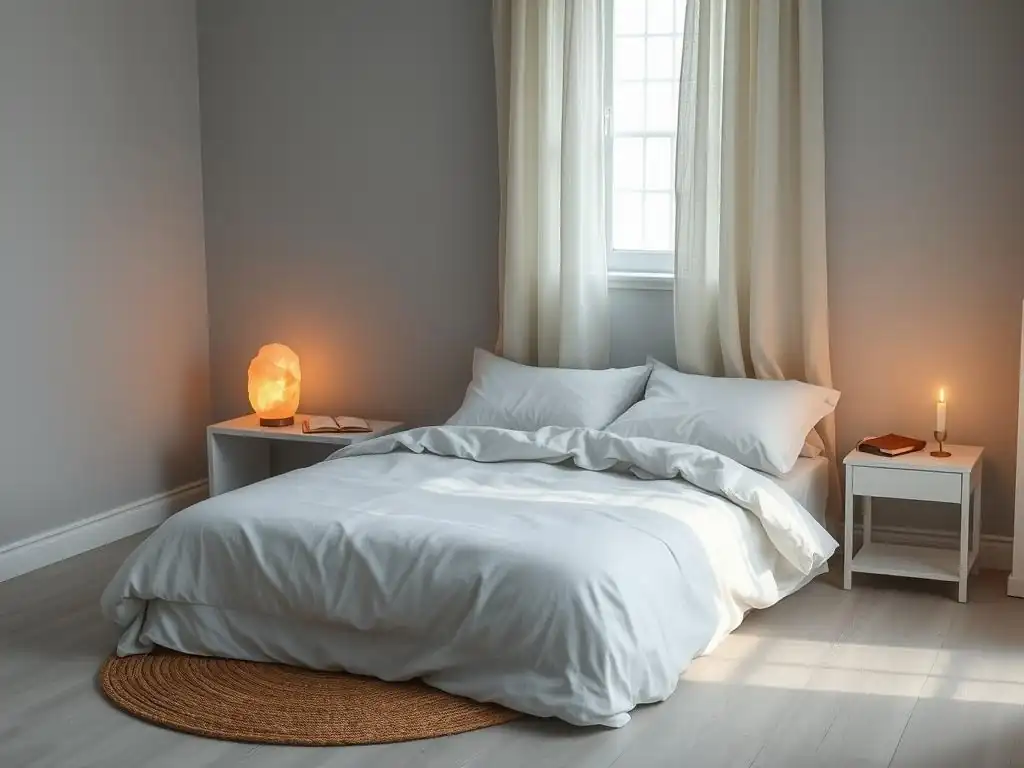
While optimizing your bedroom environment is a powerful step, managing sleep anxiety often requires a multi-faceted approach. Addressing the underlying anxiety itself and establishing healthy sleep habits outside of the bedroom are equally important. These strategies work in tandem with sleep anxiety bedroom optimization to create a holistic plan for improving sleep quality and reducing nighttime worries.
Incorporating relaxation techniques, maintaining a consistent schedule, and knowing when to seek professional support are crucial components of overcoming persistent sleep anxiety. These practices help regulate your body's internal clock, calm your nervous system, and provide effective tools for managing anxious thoughts that arise around sleep.
Practicing Relaxation Techniques Before Bed
Engaging in relaxation techniques before bedtime helps lower your heart rate, calm your breathing, and quiet a restless mind. This prepares your body and brain for sleep, making it easier to transition from a state of wakefulness and anxiety to rest. Regular practice of these techniques can reduce overall stress levels and improve your ability to manage anxious thoughts when they arise at night.
Making relaxation a non-negotiable part of your nightly routine signals to your body that it's time to wind down. This consistency helps build a strong association between these practices and sleep, reinforcing the effectiveness of your sleep anxiety bedroom optimization efforts by creating a peaceful internal state to match your calming external environment.
Deep Breathing Exercises for Anxiety Reduction
Simple deep breathing exercises can quickly activate the body's relaxation response. When you feel anxious, your breathing tends to become shallow and rapid. Consciously slowing down your breath and breathing deeply signals to your nervous system that you are safe and can relax.
A common technique is the 4-7-8 method: inhale deeply through your nose for a count of 4, hold your breath for a count of 7, and exhale slowly through your mouth for a count of 8. Repeat this several times. This simple practice, done while lying in your optimized bedroom, can significantly reduce physical tension and quiet racing thoughts.
Progressive Muscle Relaxation for Sleep
Progressive muscle relaxation (PMR) involves tensing and then slowly releasing different muscle groups in the body. This technique helps you become more aware of physical tension and teaches you how to release it. Anxiety often manifests as muscle tightness, and releasing this tension can be profoundly calming.
To practice PMR, start with your toes, tensing them tightly for a few seconds, then completely releasing the tension and noticing the difference. Move up through your body, tensing and releasing your feet, calves, thighs, abdomen, arms, hands, shoulders, neck, and face. This systematic approach helps release physical stress that might be contributing to restlessness and sleep anxiety.
Guided Meditation for Insomnia and Anxiety
Guided meditations specifically designed for sleep or anxiety can be incredibly helpful. These meditations typically involve a narrator guiding you through relaxation exercises, body scans, or visualizations aimed at promoting calmness and easing you into sleep. Many free and paid apps and online resources offer guided meditations.
Listening to a soothing voice and focusing on the instructions can help distract your mind from anxious thoughts and bring your attention to your body and breath. This practice, combined with your optimized bedroom environment, creates a powerful synergy for promoting relaxation and reducing sleep anxiety.
Establishing a Consistent Sleep Schedule
Our bodies thrive on routine, and maintaining a consistent sleep schedule is one of the most important factors for regulating the circadian rhythm. Going to bed and waking up at roughly the same time every day, even on weekends, helps train your body when to feel sleepy and when to be awake. This predictable rhythm strengthens your natural sleep-wake cycle, making it easier to fall asleep when you get into your optimized bedroom.
Inconsistency in sleep times, such as sleeping in significantly on weekends, can disrupt your internal clock, similar to experiencing jet lag. This makes it harder to fall asleep on Sunday night (often called "social jet lag") and perpetuates sleep difficulties throughout the week. A consistent schedule reduces uncertainty around sleep, which can be particularly helpful for managing sleep anxiety.
The Importance of Circadian Rhythm Regulation
The circadian rhythm is a roughly 24-hour cycle that regulates many physiological processes, including sleep and wakefulness. It is primarily influenced by light exposure. A regular sleep schedule helps reinforce a strong circadian signal, ensuring that your body is naturally prepared for sleep at your usual bedtime.
When the circadian rhythm is disrupted, it can lead to insomnia, fatigue, and other health issues. For those with anxiety, a dysregulated sleep-wake cycle can exacerbate symptoms and make sleep anxiety even worse. By prioritizing a consistent schedule, you are working with your body's natural biology, making your sleep anxiety bedroom optimization efforts more effective.
Creating a Bedtime Routine to Signal Sleep
Beyond the sleep schedule itself, establishing a consistent bedtime routine helps prepare your mind and body for sleep. This sequence of calming activities performed in the hour or so before bed acts as a signal that it's time to wind down. Consistency is key here; doing the same things in the same order each night helps create a powerful association with sleep.
Your routine might include some of the relaxation techniques mentioned earlier, such as reading, gentle stretching, listening to calm music, or taking a warm bath. Avoid stimulating activities like intense exercise, heavy meals, work, or difficult conversations during this time. Perform your routine in your optimized bedroom environment to reinforce the calming association with the space.
Avoiding Naps and Weekend Sleep-Ins
While tempting, long or late-afternoon naps can make it harder to fall asleep at night, disrupting your sleep schedule. If you must nap, keep it short (20-30 minutes) and take it earlier in the day. Similarly, significant "sleep-ins" on weekends, where you wake up hours later than usual, can throw off your circadian rhythm for the entire following week.
Try to keep your weekend wake-up time within an hour or two of your weekday time. While it might feel like you're catching up on sleep, this inconsistency often worsens sleep problems in the long run. Maintaining schedule consistency, even when you're tired, is vital for regulating your body clock and managing sleep anxiety effectively.
When to Seek Professional Help for Sleep Anxiety
While sleep anxiety bedroom optimization and lifestyle changes can be very effective, there are times when professional help is necessary. If your sleep anxiety is severe, persistent (lasting for several months), significantly impacts your daily functioning, or is accompanied by other severe anxiety symptoms or mental health concerns, consulting a healthcare professional is important. They can assess your situation, rule out underlying medical conditions, and recommend appropriate treatment options.
Sleep disorders, including chronic insomnia often linked to anxiety, are treatable. Don't hesitate to reach out if you feel overwhelmed or if your efforts to improve sleep through environmental changes and routine haven't yielded sufficient results. A professional can provide tailored strategies and support that are essential for overcoming deeply entrenched sleep anxiety.
Recognizing the Signs of a More Serious Sleep Disorder
While occasional sleep anxiety is common, persistent difficulty sleeping that causes significant distress or impairment could be a sign of chronic insomnia or another sleep disorder. Signs that warrant professional evaluation include:
- Difficulty falling or staying asleep three or more nights a week for at least three months.
- Significant distress about your inability to sleep.
- Feeling constantly fatigued, irritable, or having difficulty concentrating during the day due to poor sleep.
- Experiencing symptoms like restless legs, loud snoring (potentially indicating sleep apnea), or excessive daytime sleepiness despite spending enough time in bed.
If you recognize these patterns, particularly alongside your sleep anxiety, discussing them with your doctor is crucial.
Cognitive Behavioral Therapy for Insomnia (CBT-I)
Cognitive Behavioral Therapy for Insomnia (CBT-I) is considered the gold standard treatment for chronic insomnia and is highly effective for sleep anxiety. CBT-I is a structured program that helps you identify and replace thoughts and behaviors that cause or worsen sleep problems with habits that promote sound sleep.
A CBT-I therapist will work with you on aspects like:
- Cognitive Restructuring: Challenging and changing unhelpful beliefs about sleep and anxiety (e.g., "I must get 8 hours of sleep or my day will be ruined").
- Stimulus Control: Re-associating the bed and bedroom with sleep by setting rules like only using the bed for sleep and intimacy, and getting out of bed if unable to sleep after about 20 minutes.
- Sleep Restriction: Temporarily limiting time in bed to increase sleep drive and improve sleep efficiency (this is done under professional guidance).
- Sleep Hygiene Education: Reinforcing healthy sleep habits, including elements of sleep anxiety bedroom optimization.
Studies show CBT-I is very effective and often has more durable results than medication.
Medication Options for Managing Sleep Anxiety
In some cases, healthcare providers may prescribe medication to help manage severe sleep anxiety or associated insomnia, usually as a short-term solution. These medications might include anti-anxiety medications or sleep aids.
It's important to discuss the potential benefits, risks, and side effects of any medication with your doctor. Medications are typically used as a temporary bridge while you implement long-term strategies like CBT-I and sleep anxiety bedroom optimization techniques. They address the symptom but not the underlying causes of sleep anxiety.
Maintaining Your Sleep Haven: Long-Term Tips for Anxiety-Free Sleep
Creating an optimized bedroom environment is not a one-time fix but an ongoing practice. Maintaining your sleep haven requires regular attention to ensure it continues to support restful, anxiety-free sleep. This involves periodically reviewing your setup, staying attuned to your sleep patterns, and prioritizing overall well-being.
Consistency and mindful adjustments are key to long-term success in managing sleep anxiety through environmental optimization. By regularly checking in with yourself and your space, you can proactively address potential issues before they significantly disrupt your sleep.
Regularly Reviewing and Adjusting Your Bedroom Setup
Your needs and circumstances may change over time, and so might your bedroom's effectiveness as a sleep sanctuary. Periodically take stock of your environment. Is the room still dark enough? Are external noises becoming more disruptive? Is your mattress or pillow still providing adequate comfort?
Set a reminder every few months to assess your sleep space. This might involve checking seals around windows, replacing old light bulbs, cleaning or replacing air filters, or simply tidcluttering areas that tend to accumulate items. Making small, regular adjustments prevents the need for major overhauls and ensures your sleep anxiety bedroom optimization remains effective.
Monitoring Your Sleep Quality and Identifying Triggers
Becoming aware of your sleep patterns and potential anxiety triggers can help you maintain good sleep hygiene. Consider keeping a sleep diary for a week or two if you notice sleep difficulties returning. Note down your bedtime, wake-up time, how long it took to fall asleep, nighttime awakenings, what you ate or drank in the evening, your activity levels, and your anxiety levels before bed.
This information can help you identify patterns or specific triggers that might be interfering with your sleep, even within your optimized environment. Perhaps certain foods disrupt your sleep, or stress from a particular activity increases your anxiety before bed. Identifying these triggers allows you to address them directly, complementing your bedroom optimization efforts.
Prioritizing Self-Care and Stress Management
Ultimately, sleep anxiety is a manifestation of anxiety. While bedroom optimization helps create an ideal environment for sleep, managing your overall anxiety levels is crucial for long-term relief. Incorporate regular self-care and stress management practices into your daily life.
This could include regular exercise, mindfulness or meditation practice, spending time in nature, engaging in hobbies, spending time with loved ones, or seeking therapy or counseling. Reducing your overall stress and anxiety burden during the day will make it significantly easier to relax and fall asleep at night, maximizing the benefits of your sleep anxiety bedroom optimization efforts and paving the way for more consistent, restful sleep.
Frequently Asked Questions
How does bedroom optimization specifically help with sleep anxiety?
Bedroom optimization targets environmental factors that can exacerbate anxiety. By creating a calm and relaxing space, it helps reduce stress hormones and promotes a sense of safety, leading to better sleep.
What are the most important elements to consider when optimizing my bedroom for sleep anxiety?
Focus on three core elements: minimizing noise and light pollution, ensuring a comfortable temperature, and creating a clutter-free environment. These directly impact relaxation and sleep quality.
What are some specific examples of how to reduce light and noise in my bedroom to combat sleep anxiety?
Use blackout curtains to block external light and white noise machines to mask distracting sounds. Earplugs and eye masks are also helpful tools for creating a sensory-deprived environment.
How can I ensure my bedroom temperature is conducive to sleep and reduces anxiety?
The ideal sleep temperature is typically between 60 and 67 degrees Fahrenheit. Using a programmable thermostat or layering bedding allows you to adjust the temperature for optimal comfort and reduced anxiety.
Establish a consistent sleep schedule, avoid using electronics in bed, and practice relaxation techniques like deep breathing or meditation before sleep. These habits reinforce a positive association with your bedroom.
Final Reflection: Weaving Calm into the Fabric of Sleep
The quest for restful sleep is no longer a luxury; it's a fundamental need in our increasingly frenetic world. The impact of anxiety on sleep is undeniable, leaving millions struggling with restless nights and the cascading effects on their daily lives. This article explored practical, actionable steps to transform your bedroom from a source of potential stress into a sanctuary of calm, directly addressing the pervasive issue of sleep anxiety.
Optimizing your sleep environment isn't just about rearranging furniture; it's about reclaiming control over a crucial aspect of your well-being. The subtle shifts – from adjusting lighting and temperature to decluttering and incorporating calming scents – collectively create a powerful effect. This process of mindful bedroom design reflects a broader cultural shift towards prioritizing mental health and recognizing the profound connection between our physical surroundings and our inner peace. The details are not the details. They make the design.
– Charles Eames. This quote perfectly encapsulates the importance of seemingly small changes in creating a truly restorative sleep haven.
Now, consider your own bedroom. What elements contribute to a sense of calm and relaxation, and which ones might be hindering your ability to unwind? Take the time to actively cultivate your sleep sanctuary. Experiment with the techniques discussed, and remember that creating a space conducive to restful sleep is an ongoing process of refinement and self-discovery. Embrace the journey towards a more peaceful night's rest, and witness the transformative impact it has on your overall well-being. You deserve the gift of truly restorative sleep.
Unleash Your Inner Calm: Design Your Dream Sleep Sanctuary
Thanks for taking the time to explore ways to create a more restful sleep environment! We hope you discovered valuable insights to combat anxiety and improve your sleep quality. Now it's time to put that knowledge into action.
- Prioritize your sleep setup: Begin with one small change based on what resonated most from the article – a new pillow, dimming your lights, or reorganizing your space. Even a tiny adjustment can make a big difference!
- Share your sleep sanctuary journey: Tell us (or a friend!) about your experience! What small change are you most excited to try? What are your biggest challenges related to anxiety and sleep?
- Explore calming rituals: Consider adding a relaxing bedtime routine, like reading a book or listening to calming music, to further enhance your sleep haven.
Ready to transform your bedroom into a haven of tranquility? What's the first step you'll take towards a more peaceful night's sleep?