
Building a Safe Haven: Creating a Nurturing Home Environment

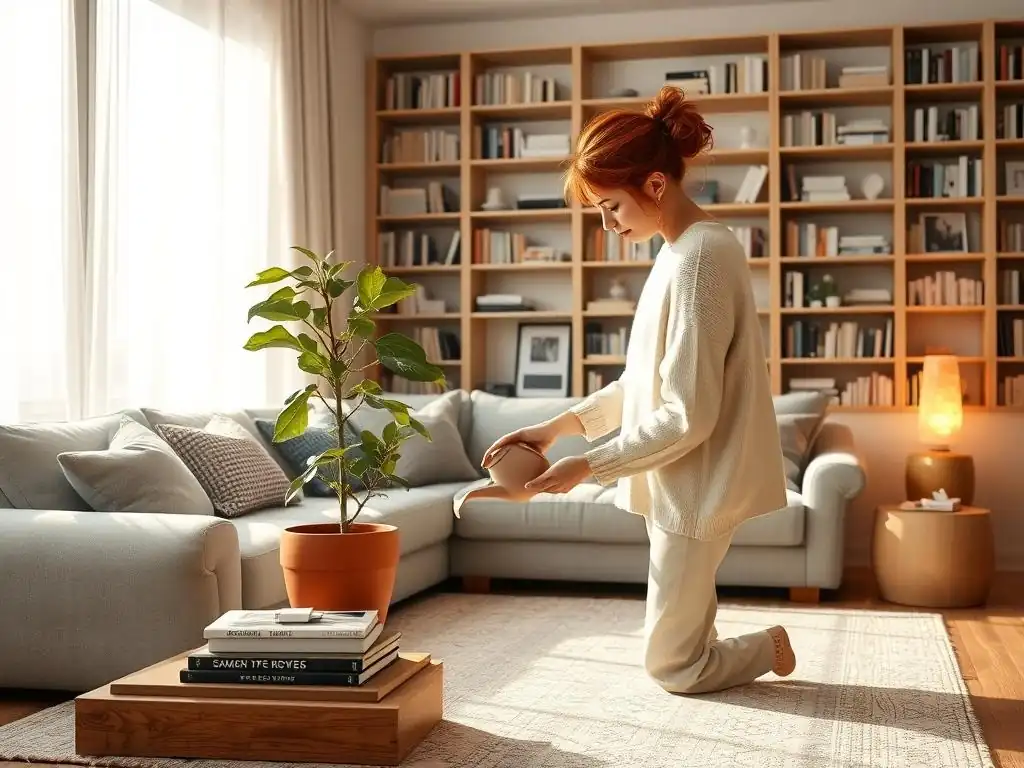
Welcome to Mind Care Guide, your companion on the journey to mental well-being. Are you yearning for a sanctuary, a place where you can truly unwind and recharge? This week, we delve into the transformative power of your surroundings. Discover the secrets to creating a peaceful home space that nurtures your mind and spirit. What if your home could be more than just walls and a roof, but a vital resource for your mental health? Let's explore how.
- Building a Safe Haven: Creating a Nurturing Home Environment for Children
- Understanding the Impact of Home Environment on Children's Mental Health
- Key Elements of a Nurturing Home Environment
-
Practical Strategies for Creating a Peaceful Home Space
- Minimizing Conflict and Arguments: Conflict Resolution Techniques
- Managing Stress and Anxiety as Parents: Modeling Healthy Coping Mechanisms
- Establishing Boundaries and Expectations: Promoting Respect and Responsibility
- Creating a Physically Safe and Comfortable Environment
- Decluttering and Organizing for a Calm Atmosphere
- Incorporating Calming Elements: Nature, Soft Lighting, Soothing Colors
- Fostering Emotional Safety and Security
- Addressing Specific Challenges in Creating a Nurturing Home
- Resources for Creating a More Peaceful Home Environment
- Conclusion: Sustaining a Nurturing Home for Long-Term Well-being
-
Frequently Asked Questions
- How does creating a peaceful home space impact my overall mental well-being?
- What are some simple and cost-effective ways to create a more relaxing atmosphere at home?
- What role does lighting play in creating a peaceful home environment?
- How can I create designated spaces for different activities (work, relaxation, etc.) within my home?
- What are some strategies for minimizing noise and distractions in my home to promote a sense of calm?
- Final Reflection: Cultivating Peace Within Our Walls
- Unveil Your Haven: Cultivate a Thriving Home Environment
Building a Safe Haven: Creating a Nurturing Home Environment for Children
Introduction: Why a Peaceful Home Space Matters for Children's Mental Well-being
The home is the cornerstone of a child's world. It's where they spend the majority of their time, learn about relationships, and develop their understanding of safety and security. A home environment that is nurturing, predictable, and emotionally safe is absolutely critical for a child's healthy mental and emotional development. Conversely, a chaotic, stressful, or unsupportive home can significantly undermine their well-being, potentially leading to long-term challenges.
Creating a peaceful home space isn't just about quiet surroundings; it's about fostering an atmosphere where children feel seen, heard, and valued. It’s about building a foundation of trust and security that allows them to explore their emotions, learn healthy coping mechanisms, and develop resilience. This kind of environment doesn't happen by accident; it requires intentional effort and ongoing commitment from caregivers, recognizing that their actions and the overall family dynamic profoundly shape a child's inner landscape. The process of creating a peaceful home space is an investment in a child's future mental health.
Understanding the Impact of Home Environment on Children's Mental Health
How a Positive Home Environment Supports Emotional Development
A positive home environment acts as a crucial training ground for a child's developing emotional intelligence. When children feel safe and supported, they are more likely to express their emotions openly and learn how to manage them effectively. This includes learning to identify feelings like frustration, sadness, or joy, and understanding that all emotions are acceptable, even if certain behaviors are not. In homes where caregivers model healthy emotional regulation and provide consistent, warm responses, children are better equipped to handle their own feelings and develop empathy towards others.
Research consistently shows that children raised in nurturing homes with responsive caregivers tend to have stronger emotional regulation skills and higher levels of resilience. For instance, studies tracking children over time have found that those with secure attachments, often fostered in supportive home environments, exhibit fewer behavioral problems and display better social skills in school settings. This early emotional security provides a buffer against future stress and challenges, making them more adaptable and emotionally robust as they grow.
The Effects of Stressful Environments on Children's Mental Health
Conversely, a stressful or chaotic home environment can have detrimental effects on a child's developing brain and mental health. Constant conflict, unpredictability, lack of emotional support, or exposure to parental mental health issues or substance abuse can create a state of chronic stress for a child. This persistent activation of the stress response system can disrupt normal brain development, particularly in areas related to emotional regulation, learning, and memory.
Adverse Childhood Experiences (ACEs), such as growing up in a home with violence, neglect, or significant instability, are strongly linked to an increased risk of various health and mental health problems later in life. While precise figures vary depending on the specific ACE and study, research often shows that experiencing multiple ACEs can significantly increase the likelihood of developing conditions like depression, anxiety disorders, PTSD, and even physical health issues in adulthood. A home that lacks peace and security can essentially prime a child's system for anxiety and hypervigilance rather than calm and healthy exploration.
Recognizing Signs of Distress in Children Due to Unhealthy Home Dynamics
Children often express distress related to their home environment through behavioral changes rather than verbal complaints. Recognizing these signs is crucial for intervention. Common indicators include increased irritability, defiance, or aggression; withdrawal from family activities or friends; changes in sleep patterns (difficulty falling asleep, nightmares) or appetite; and a decline in academic performance or interest in school. Younger children might regress to earlier behaviors like thumb-sucking or bedwetting.
These signs are the child's way of signaling that something is wrong and that they are struggling to cope with their environment. For example, a child who becomes unusually quiet and withdrawn after witnessing frequent parental arguments might be internalizing stress and fear, feeling unsafe to express themselves. Understanding that these behaviors are often symptoms of underlying distress, rather than intentional misbehavior, is the first step in addressing the impact of an unhealthy home dynamic and working towards creating a peaceful home space where they feel secure enough to thrive.
Key Elements of a Nurturing Home Environment
Establishing Clear and Consistent Routines
Establishing clear and consistent routines is fundamental to creating a peaceful home space and fostering a sense of security for children. Routines provide predictability, which is incredibly comforting to developing minds. Knowing what to expect throughout the day – whether it's a set time for meals, homework, playtime, or bedtime – reduces anxiety and helps children feel safe and in control. This structure also helps teach children time management and responsibility in age-appropriate ways.
The benefits of consistent routines are supported by developmental psychology. Studies suggest that children with predictable daily schedules exhibit better self-regulation and fewer behavioral problems. For example, consistent bedtime routines have been linked to improved sleep quality and duration in young children, which in turn positively impacts their mood, concentration, and overall functioning. Implementing routines around transitions, like getting ready for school or winding down in the evening, can significantly reduce stress and conflict within the family.
Promoting Open Communication and Active Listening
Open communication is the lifeline of a nurturing home environment. It means creating an atmosphere where every family member feels comfortable sharing their thoughts, feelings, and concerns without fear of judgment or ridicule. This involves not only speaking honestly but also practicing active listening – truly hearing and understanding what another person is saying, both verbally and non-verbally, and validating their perspective even if you don't agree with it.
When parents model open communication and actively listen to their children, it teaches children invaluable skills for building healthy relationships and resolving conflicts. It shows children that their voices matter and that their experiences are valid. For instance, dedicating even just 15-20 minutes each day to uninterrupted conversation with a child, where the parent is fully present and listening, can significantly strengthen the parent-child bond and increase the child's willingness to confide in them when facing difficulties. This practice is essential for creating a peaceful home space built on mutual respect and understanding.
Creating Opportunities for Family Bonding and Connection
Shared experiences and dedicated time together are vital for strengthening family bonds and creating a peaceful home space. These moments of connection build a sense of belonging and mutual support that acts as a protective factor for children's mental health. Bonding activities don't need to be elaborate or expensive; they can be as simple as eating dinner together without screens, playing a board game, going for a walk, or reading a book aloud.
Research indicates that strong family connections are correlated with improved mental health outcomes in children and adolescents, including lower rates of anxiety, depression, and substance abuse. For example, studies have shown that adolescents who report frequently eating meals with their families tend to have healthier diets, better academic performance, and reduced risk-taking behaviors. These shared moments create positive memories, reinforce family values, and provide ongoing opportunities for support and communication, all contributing to a more nurturing and peaceful environment at home.
Encouraging Emotional Expression and Validation
A critical component of a nurturing home is creating a space where children feel safe to express the full range of their emotions, both positive and negative. This means teaching children to identify their feelings ("Are you feeling frustrated right now?") and validating those feelings ("It's okay to feel angry when plans change"). Validation doesn't mean agreeing with the behavior that might result from the emotion, but acknowledging that the feeling itself is real and understandable.
When children's emotions are validated, they learn that their internal experiences are important and that they don't need to suppress or hide how they feel. This fosters emotional literacy and helps them develop healthy coping strategies instead of bottling up difficult emotions, which can lead to increased stress and anxiety. For instance, helping a child articulate their sadness about a disappointment, rather than dismissing it with "It's not a big deal," teaches them that their sadness is valid and manageable, reinforcing the emotional safety needed for creating a peaceful home space.
Practical Strategies for Creating a Peaceful Home Space
Minimizing Conflict and Arguments: Conflict Resolution Techniques
Frequent or intense conflict between parents or among family members can severely disrupt the peace of a home and negatively impact children. While disagreements are normal, learning healthy conflict resolution techniques is key to minimizing their detrimental effects. This involves addressing issues calmly, focusing on the problem rather than attacking the person, and being willing to compromise or seek solutions together.
Teaching and modeling constructive conflict resolution provides children with essential skills they will use throughout their lives. Techniques like taking a break when emotions run high, using "I" statements to express feelings ("I feel frustrated when..."), and actively listening to the other person's perspective can transform potentially explosive arguments into opportunities for understanding and growth. Even young children can learn simple steps like "use kind words" or "take a deep breath." Reducing the frequency and intensity of arguments is a direct way of creating a peaceful home space that protects children from unnecessary stress.
Managing Stress and Anxiety as Parents: Modeling Healthy Coping Mechanisms
Parental stress and anxiety can easily permeate the home environment, impacting the entire family dynamic. Children are highly attuned to their parents' emotional states. Therefore, parents managing their own stress is not only crucial for their well-being but also a vital part of creating a peaceful home space for their children. This involves recognizing personal stress triggers, practicing self-care, and employing healthy coping mechanisms.
Modeling healthy coping strategies teaches children how to handle stress in their own lives. This could involve demonstrating mindfulness exercises, engaging in regular physical activity, setting aside time for hobbies, or seeking support from a partner, friend, or therapist when needed. For example, a parent who openly says, "I'm feeling a bit stressed right now, I'm going to take a few minutes to breathe," is teaching their child a valuable coping skill. Prioritizing parental mental health contributes significantly to the overall calmness and stability of the home.
Establishing Boundaries and Expectations: Promoting Respect and Responsibility
Clear boundaries and consistent expectations are essential for creating a peaceful home space, providing children with a sense of structure and security. Boundaries define acceptable behavior and limits, helping children understand what is expected of them and what the consequences are when limits are crossed. This predictability reduces anxiety and conflict, as children know the rules of the household.
Setting age-appropriate expectations for chores, homework, screen time, and interactions teaches children responsibility, respect for others, and self-discipline. For instance, having a clear expectation that toys are put away after play or that everyone helps with setting the table instills a sense of contribution and order. While enforcing boundaries requires consistency and can sometimes lead to temporary friction, the long-term result is a more harmonious and respectful living environment, crucial for building a peaceful home.
Creating a Physically Safe and Comfortable Environment
Beyond emotional safety, a physically safe and comfortable environment is foundational to a nurturing home. Children need spaces where they can relax, play, and feel secure from physical harm. This includes childproofing for younger children, ensuring safe play areas, and providing comfortable spaces for rest and activities.
A physically comfortable environment also contributes to a child's sense of well-being. Having a cozy spot to read, a designated area for creative projects, or simply a bedroom that feels like their own personal sanctuary can significantly impact their mood and sense of security. Ensuring the home is not only safe but also a place of physical comfort allows children to relax and recharge, which is vital for their overall mental state and contributes directly to creating a peaceful home space.
Decluttering and Organizing for a Calm Atmosphere
The physical environment of a home can have a surprising impact on its emotional atmosphere. Clutter and disorganization can contribute to feelings of stress, overwhelm, and chaos, both for parents and children. A tidy, organized space, on the other hand, can promote a sense of calm and order, making it easier to relax and focus.
Regular decluttering and establishing simple organizing systems can make a significant difference in creating a peaceful home space. This doesn't mean the home needs to be spotless at all times, but rather that there are designated places for belongings and that tidying up is a regular, perhaps even shared, activity. For instance, having a bin for toys in the living room or a system for managing papers can reduce visual noise and the mental load associated with mess, fostering a more serene environment.
Incorporating Calming Elements: Nature, Soft Lighting, Soothing Colors
Sensory elements within the home can play a significant role in creating a peaceful atmosphere. Incorporating elements that are naturally calming can help reduce stress and promote relaxation for everyone in the family. This includes bringing nature indoors, utilizing appropriate lighting, and choosing soothing color palettes.
For example, adding houseplants can improve air quality and bring a sense of tranquility. Maximizing natural light during the day and using softer, warmer lighting in the evenings can create a more relaxed ambiance compared to harsh overhead lights. Choosing paint colors in cool tones like blues, greens, or soft grays has been shown to have a calming psychological effect. Even small changes like using soft blankets or comfortable cushions can enhance the feeling of comfort and peace within the home, supporting the goal of creating a peaceful home space.
Fostering Emotional Safety and Security
Creating a Non-Judgmental and Supportive Atmosphere
Emotional safety is paramount in a nurturing home. It means creating an environment where children feel unconditionally accepted and loved, regardless of their mistakes or perceived shortcomings. In a non-judgmental atmosphere, children feel safe to be themselves, express their thoughts and feelings, and take risks without fearing harsh criticism or rejection.
This supportive environment is built through consistent positive regard, active listening without interruption or immediate correction, and responding to children's attempts to share with empathy. For instance, if a child confesses they broke something accidentally, responding with understanding about the accident first, rather than immediate blame, reinforces that they are safe to be honest. This foundation of acceptance is crucial for building a child's self-esteem and resilience, making the home a true sanctuary and creating a peaceful home space for emotional growth.
Teaching Children About Emotions and How to Manage Them
Emotional literacy is a key skill for navigating life, and it begins at home. Teaching children to identify, understand, and healthily manage their emotions is fundamental to their well-being. This involves labeling emotions for them ("You seem frustrated"), explaining why they might feel a certain way ("It's understandable to be angry when your block tower falls"), and teaching coping strategies.
Strategies can include deep breathing exercises, taking a break, talking about feelings, or engaging in a calming activity like drawing or listening to music. For older children, this might involve problem-solving steps for dealing with difficult situations that trigger strong emotions. Helping children develop an emotional vocabulary and a toolkit for managing feelings prevents emotions from becoming overwhelming or leading to disruptive behaviors, contributing significantly to a more peaceful environment at home.
Encouraging Empathy and Compassion
A nurturing home environment fosters empathy and compassion, teaching children to understand and share the feelings of others. This is vital for developing healthy relationships and contributes to a more harmonious family dynamic. Empathy is not just about feeling sorry for someone; it's about understanding their perspective and responding with kindness.
Parents can encourage empathy by talking about how others might feel in different situations, whether it's a character in a book or a sibling who is upset. Modeling empathetic behavior towards family members and others in the community is also powerful. For example, acknowledging a sibling's disappointment and encouraging another child to offer comfort teaches valuable lessons in compassion. This focus on understanding and caring for others strengthens family bonds and makes the home a more supportive and peaceful place.
Responding to Children's Needs with Sensitivity and Understanding
Sensitive and responsive parenting is about being attuned to a child's cues and responding to their needs in a timely and appropriate manner. This applies to both their physical and emotional needs. It means noticing when a child is distressed, trying to understand the reason behind their behavior, and responding with comfort, reassurance, or problem-solving support.
Responding with sensitivity builds a child's sense of security and trust. They learn that their caregivers are reliable and will be there for them when they are struggling. This doesn't mean instantly fixing every problem, but rather being present, validating their feelings, and helping them navigate challenges.
For example, if a child is melting down over a seemingly small issue, a sensitive response might involve acknowledging their big feelings ("You are feeling really overwhelmed right now") and offering calm support ("Let's figure this out together") rather than dismissing their distress. This consistent, understanding response is foundational to creating a peaceful home space where children feel truly safe.
Addressing Specific Challenges in Creating a Nurturing Home
Dealing with Parental Stress and Burnout
Parenting is demanding, and stress and burnout are common challenges that can significantly impact the home environment. When parents are overwhelmed, they may have less patience, be more reactive, and find it harder to create the calm, nurturing atmosphere they desire. Recognizing and addressing parental stress is therefore not selfish; it's essential for the well-being of the entire family and for creating a peaceful home space.
Strategies for managing parental stress include prioritizing self-care (even small moments count), setting realistic expectations for oneself and the family, seeking support from a partner, friends, or family members, and learning effective stress-reduction techniques like mindfulness or exercise. In some cases, seeking professional help from a therapist or counselor can provide valuable coping strategies and support. Data suggests a significant percentage of parents report experiencing burnout symptoms, highlighting the importance of normalizing this challenge and actively seeking ways to mitigate it for the benefit of both parents and children.
Sibling relationships are complex and often involve conflict, which can disrupt the peace of the home. While some degree of sibling rivalry is normal and can even be a learning opportunity, chronic or intense conflict needs to be addressed constructively. Parents play a key role in teaching siblings how to resolve disagreements respectfully.
Strategies include avoiding taking sides (unless there is harm or significant unfairness), teaching specific conflict resolution skills like taking turns or compromising, encouraging empathy between siblings, and ensuring each child receives individual attention to minimize feelings of competition for parental affection. For example, mediating a dispute by helping siblings articulate their feelings and needs, and then guiding them towards a mutually agreeable solution, teaches them valuable negotiation skills. Managing sibling dynamics effectively is crucial for maintaining a peaceful environment at home.
Supporting Children Through Difficult Life Events: Grief, Loss, Divorce
Major life events such as grief, loss, or parental divorce can profoundly impact a child's sense of security and the peace of the home. During these challenging times, children need extra support, understanding, and reassurance. The way parents navigate these events significantly influences how well children cope.
It's important to communicate with children in an age-appropriate manner about what is happening, validating their feelings and providing consistent emotional support. Maintaining routines as much as possible can provide a sense of stability amidst change. Seeking professional support, such as child therapy or family counseling, can also be invaluable in helping children process their emotions and adjust to new circumstances. While difficult events inherently cause disruption, intentional efforts can help maintain a sense of safety and support within the home, aiding in creating a peaceful home space even through transition.
Addressing Behavioral Issues with Positive Discipline
Addressing children's behavioral issues is a normal part of parenting, but the approach taken can either contribute to or detract from a peaceful home environment. Positive discipline focuses on teaching children appropriate behavior and self-control rather than simply punishing misbehavior. It emphasizes understanding the reasons behind a child's actions and guiding them towards better choices.
This approach involves setting clear expectations, establishing consistent and logical consequences for breaking rules, using positive reinforcement to encourage desired behaviors, and focusing on teaching skills rather than imposing punitive measures. For example, instead of just yelling at a child for making a mess, positive discipline might involve explaining the importance of tidying up, having them help clean it, and practicing putting items back in their place together. Research consistently shows that positive discipline approaches lead to better long-term behavioral outcomes and foster a more positive and peaceful parent-child relationship compared to harsh or inconsistent discipline methods.
Resources for Creating a More Peaceful Home Environment
Books and Articles on Positive Parenting and Child Development
Educating yourself on positive parenting strategies and child development is a powerful step towards creating a peaceful home space. Numerous resources offer insights into understanding children's behavior, fostering emotional intelligence, and building strong family relationships. These materials can provide practical tools and perspectives that resonate with your family's specific needs.
Look for books and articles by authors who focus on attachment theory, conscious parenting, positive discipline, and age-appropriate development. For example, resources discussing the importance of connection over correction, or those offering scripts for handling common challenges like tantrums or sibling squabbles, can be incredibly helpful. Many reputable websites and parenting organizations also offer free articles and guides on these topics, providing accessible information to support your journey in creating a peaceful environment at home.
Online Support Groups and Forums for Parents
Connecting with other parents facing similar challenges can provide invaluable support, understanding, and practical advice. Online support groups and forums offer a space to share experiences, ask questions, and learn from the collective wisdom of a community. Knowing you are not alone in your struggles can be incredibly validating and empowering.
You can find groups focused on specific age ranges of children (e.g., toddlers, teenagers), particular parenting philosophies (e.g., gentle parenting, positive discipline), or challenges (e.g., managing stress, dealing with specific behavioral issues). Participating in these forums can offer new perspectives, coping strategies, and a sense of camaraderie, all contributing to a parent feeling more equipped and less isolated in the process of creating a peaceful home space.
Mental Health Professionals and Therapists for Family Counseling
Sometimes, the challenges in creating a nurturing home environment are complex and require professional support. Mental health professionals, such as child psychologists, family therapists, or counselors, can provide expert guidance and therapeutic interventions. They can help address underlying issues contributing to family stress, improve communication patterns, and teach effective coping strategies.
Seeking family counseling can be particularly beneficial during times of significant transition, persistent conflict, or when a child is exhibiting concerning behavioral or emotional difficulties. A therapist can offer a neutral space for family members to communicate, help identify unhealthy dynamics, and work collaboratively towards healthier interactions. This professional support can be a critical resource in navigating difficult terrain and establishing a truly peaceful environment at home.
Local Community Resources: Family Resource Centers, Parenting Classes
Many communities offer local resources designed to support families and enhance parenting skills. Family resource centers often provide a range of services, including parenting classes, support groups, workshops on child development, and access to other community programs. These resources can be more accessible and tailored to local needs.
Parenting classes, for instance, can offer structured learning environments to acquire new skills in areas like positive discipline, communication, or stress management. These classes often provide opportunities to connect with other parents in your area and build a local support network. Exploring local community centers or public health departments can reveal valuable, often low-cost or free, resources available to assist families in their efforts towards creating a peaceful home space.
Conclusion: Sustaining a Nurturing Home for Long-Term Well-being
The Ongoing Commitment to Creating a Peaceful and Supportive Family Life
Creating a peaceful home space is not a one-time project but an ongoing commitment. It requires continuous effort, patience, and a willingness to adapt. Building a nurturing environment is a dynamic process that evolves as children grow and family circumstances change. It means consistently prioritizing connection, communication, and emotional safety amidst the inevitable ups and downs of family life.
This commitment involves regularly checking in with oneself as a parent, with one's partner (if applicable), and with the children to assess the emotional climate of the home. It means being proactive in addressing challenges, whether they are related to stress, conflict, or external pressures. Sustaining a supportive family life is an investment in the long-term well-being of every member, recognizing that the home environment plays a foundational role in shaping individual resilience and happiness.
Re-evaluating and Adjusting Strategies as Children Grow and Change
What constitutes a peaceful home space and the strategies needed to maintain it will naturally change as children move through different developmental stages. The needs of a toddler are different from those of a teenager, and parenting approaches must adapt accordingly. Routines will shift, communication styles may need to evolve, and the types of challenges faced will change.
Regularly re-evaluating the effectiveness of current strategies and being willing to adjust them is crucial. For example, while clear rules about bedtime might be paramount for young children, fostering open communication about independence and responsibility becomes more important with adolescents. Staying informed about child development and being responsive to your children's changing needs ensures that the home environment remains nurturing and supportive throughout their childhood and adolescence, continuing the work of creating a peaceful home space tailored to their current stage.
The Lasting Benefits of a Safe and Nurturing Home Environment on Children's Mental Health
The effort put into creating a peaceful home space yields profound and lasting benefits for children's mental health. Growing up in a nurturing environment provides children with a strong foundation of security, resilience, and emotional intelligence that serves them well throughout their lives. It equips them with the skills to form healthy relationships, cope with challenges, and navigate the world with confidence.
Children who experience a safe and supportive home are more likely to develop into well-adjusted adults with better mental health outcomes. They often exhibit higher self-esteem, greater empathy, and a stronger capacity for emotional regulation. The memories and lessons learned within a peaceful and nurturing home environment become internalized resources that support their well-being long after they've left the nest. The investment in creating a peaceful environment at home is truly an investment in a healthier, happier future for children.
Frequently Asked Questions
How does creating a peaceful home space impact my overall mental well-being?
A nurturing home environment can significantly reduce stress and anxiety, promoting a sense of calm and security. This, in turn, fosters better emotional regulation and overall mental well-being.
What are some simple and cost-effective ways to create a more relaxing atmosphere at home?
Focus on decluttering your space to minimize visual distractions. Incorporate natural elements like plants and sunlight, and introduce calming scents like lavender.
What role does lighting play in creating a peaceful home environment?
Lighting significantly impacts mood; soft, warm lighting promotes relaxation, while harsh, bright lights can increase stress. Consider using dimmer switches and lamps to control the intensity and warmth.
How can I create designated spaces for different activities (work, relaxation, etc.) within my home?
Designated spaces help establish clear boundaries between different activities. This prevents work-related stress from bleeding into relaxation time, enhancing focus and minimizing mental fatigue.
What are some strategies for minimizing noise and distractions in my home to promote a sense of calm?
Utilize noise-canceling headphones or earplugs when necessary. Incorporate sound-absorbing materials like rugs and curtains, and establish quiet zones where distractions are minimized.
Final Reflection: Cultivating Peace Within Our Walls
The pursuit of a peaceful home environment is not merely a trend; it's a fundamental human need. In a world increasingly characterized by chaos and uncertainty, the sanctuary of our homes has never been more crucial to our well-being. This article explored practical strategies for creating such a haven, from decluttering and mindful design to fostering healthy communication and establishing consistent routines. The impact of these seemingly small changes on our mental and emotional health is profound and far-reaching.
The journey towards a peaceful home is a deeply personal one, a continuous process of self-discovery and intentional living. It's about more than just aesthetics; it's about cultivating a space that reflects our inner selves and supports our growth. As we create a haven of calm, we simultaneously create space for introspection, connection, and the nurturing of our souls. Home is not a place, it's a feeling.
This sentiment perfectly encapsulates the essence of what we've explored – the transformation of a physical space into a source of emotional and spiritual sustenance.
Consider the impact of your home environment on your life. What small changes can you implement today to cultivate more peace and tranquility? Begin by identifying one area – be it a cluttered corner, a stressful routine, or a strained relationship – and commit to making a positive shift. Embrace the power of intentionality, and watch as your home transforms into a true sanctuary, a place of refuge, and a source of strength for you and your loved ones. The journey towards a peaceful home is a journey towards a peaceful self.
Unveil Your Haven: Cultivate a Thriving Home Environment
Thanks for taking the time to explore how to build a safe and nurturing home! We hope you gained valuable insights into creating a space that truly supports your well-being. Now, let's put those ideas into action:
- Prioritize one small change today: Identify one area in your home that needs a touch of nurturing—a cluttered corner, a dimly lit space, or a neglected plant—and dedicate 15 minutes to improving it. This could be as simple as decluttering, adding a plant, or rearranging furniture.
- Share your haven-building journey: Connect with others on social media and share a photo of your progress or a small step you've taken to create a more nurturing home. Use the hashtag #MindCareHaven.
- Explore further resources: Dive deeper into specific areas of home organization, mindful decorating, or creating a calming atmosphere by searching for related articles on MindCareGuide.org.
What small change will you make today to cultivate a more peaceful and nurturing environment in your home?