
Exploring SelfGuided Art for Trauma (with Important Considerations)

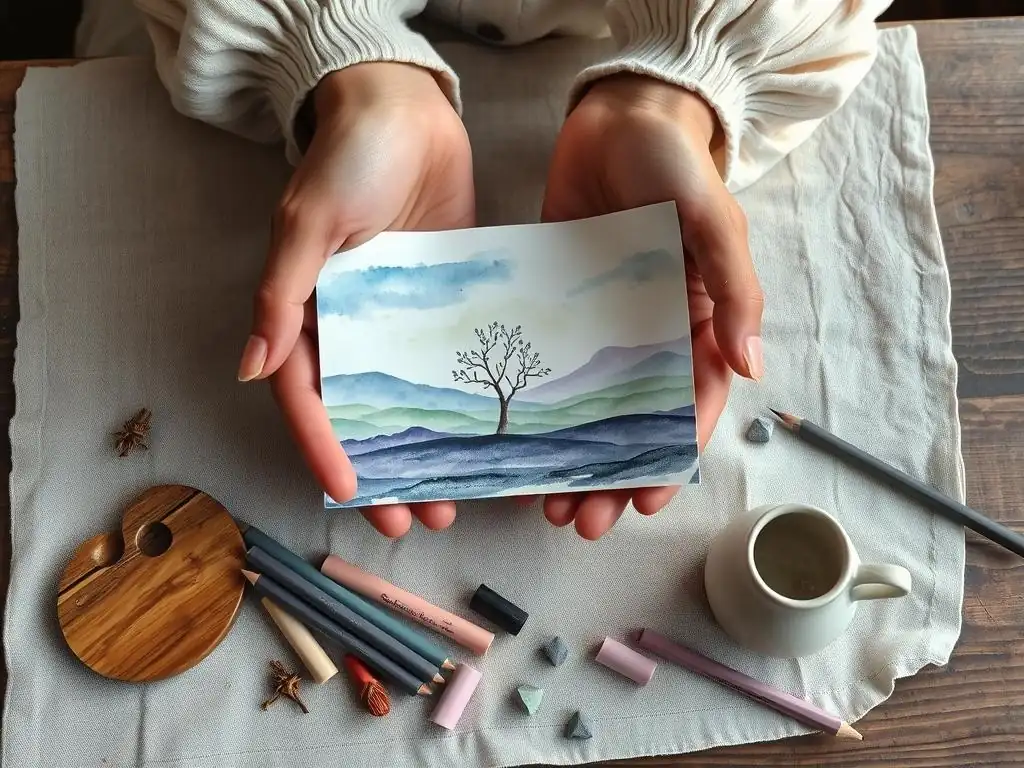
Welcome to Mind Care Guide, a safe space dedicated to your mental well-being. Feeling overwhelmed by the journey of healing? You're not alone. Many find solace and empowerment through creative expression. This guide explores selfguided art trauma healing, offering a potential path towards processing and understanding your experiences. But before you dive in, let's explore some crucial considerations to ensure a supportive and effective approach. Intrigued? Discover how art can become a powerful tool on your healing journey... and what you need to know first.
Art Therapy for Trauma Recovery: A Self-Guided Approach
Trauma can leave deep imprints on the mind, body, and spirit, often making it difficult to articulate the pain and complex emotions experienced. While professional therapy is invaluable, many individuals seek complementary methods to support their healing journey. One such approach is self-guided art, a powerful tool that allows survivors to explore and process their experiences in a non-verbal, creative way. This article delves into the potential of self-guided art for trauma recovery, offering insights and practical considerations for those embarking on this path towards selfguided art trauma healing.
- Understanding Trauma and Art's Healing Potential
- Exploring Self-Guided Art Activities for Trauma
- Key Considerations for Self-Guided Art Therapy
- Initiating Your Self-Guided Art Journey
- Integrating Self-Guided Art with Other Healing Practices
- Resources for Art Therapy and Trauma Support
- Conclusion: Empowering Healing Through Creative Expression
-
Frequently Asked Questions
- What is self-guided art trauma healing?
- Can self-guided art trauma healing replace professional therapy?
- What are the potential benefits of using self-guided art for trauma healing?
- Are there any risks associated with self-guided art trauma healing?
- What kind of art activities are best suited for self-guided trauma healing?
- Final Reflection: The Transformative Power of Self-Guided Art in Trauma Healing
- Unleash Your Inner Artist: Heal and Grow Through Self-Guided Art
Understanding Trauma and Art's Healing Potential
Trauma, whether from a single event or prolonged exposure, can significantly disrupt a person's sense of safety and well-being. The impact extends beyond emotional distress, often affecting cognitive functions and physical health. Engaging with creative practices like art can provide a unique avenue for expression and healing.
The Impact of Trauma on Mental and Emotional Well-being
Trauma can manifest in numerous ways, including anxiety, depression, flashbacks, difficulty concentrating, and strained relationships. The experience is often stored in the non-verbal parts of the brain, making it challenging to process through traditional talk therapy alone. For example, someone who experienced childhood trauma might struggle years later with intense panic responses triggered by specific sounds or smells, even if they intellectually understand the original event is over. This demonstrates how trauma bypasses rational thought and is deeply embedded in emotional and sensory memory.
Research consistently shows that trauma survivors often experience hyperarousal or hypoarousal states, disrupting the nervous system's ability to regulate. A study involving individuals with PTSD indicated that a significant percentage reported persistent feelings of numbness or detachment, while others experienced chronic vigilance and difficulty relaxing. These physiological responses highlight the need for interventions that address the body and emotions directly, which is where creative modalities like selfguided art for trauma healing can be particularly effective.
Art Therapy as a Therapeutic Modality for Trauma
Art therapy, led by a trained professional, uses creative expression within a therapeutic relationship to help individuals explore feelings, reduce anxiety, increase self-awareness, and work through traumatic experiences. It provides a safe space to externalize internal states that may be too overwhelming or complex to verbalize. The process of creating art can help bridge the gap between the non-verbal nature of traumatic memory and the desire to understand and integrate the experience.
In clinical settings, art therapy has been shown to help trauma survivors regulate their emotions. For instance, a meta-analysis of studies on art therapy for trauma found consistent evidence that it can significantly reduce symptoms of PTSD and depression. The act of making art can activate different parts of the brain, including those involved in emotional processing and self-soothing, offering a unique pathway for healing that complements verbal therapies.
Benefits of Self-Guided Art for Trauma Recovery
Engaging in self-guided art for trauma recovery offers several distinct advantages. It provides autonomy and control over the healing process, allowing individuals to create and explore at their own pace, without the pressure of a therapist's presence. This can be particularly empowering for survivors who may have felt a loss of control during their traumatic experience. It also makes creative expression accessible outside of formal therapy sessions.
Furthermore, self-guided art allows for spontaneous expression of difficult emotions that may arise unexpectedly. A survivor might feel a surge of sadness or anger and can immediately turn to their art materials to process it in the moment. This immediate access to a coping tool can be incredibly valuable for managing intense feelings. Many individuals report that the physical act of creating – mixing paints, tearing paper, shaping clay – can be grounding and help release stored tension in the body, contributing to a sense of relief and promoting selfguided art trauma healing.
Exploring Self-Guided Art Activities for Trauma
Self-guided art for trauma involves using creative materials and processes independently to explore, express, and process the impact of trauma. It is not about creating aesthetically pleasing works, but rather about the therapeutic journey of making art itself.
Defining Self-Guided Art in the Context of Trauma Recovery
Self-guided art therapy for trauma recovery refers to the intentional practice of using art materials and creative processes independently to explore internal experiences related to trauma. Unlike formal art therapy with a professional, this approach is driven by the individual's own needs, pace, and intuition. It's about using art as a personal tool for introspection and emotional release, rather than following a structured therapeutic plan designed by someone else.
The key element is the focus on the process of creation and the feelings that arise, rather than the final product. For someone engaging in selfguided art trauma healing, scribbling furiously on paper might be incredibly cathartic, even if the resulting image is just abstract lines. The value lies in the act of expressing that intensity, not in producing a recognizable picture. This freedom from external judgment or expectation allows for a more authentic and often raw exploration of difficult emotions and memories.
Advantages of Creative Expression for Trauma Survivors
Creative expression offers a non-verbal language that can bypass the limitations of words, which can be particularly helpful when trauma has left individuals speechless or unable to articulate their experiences. It allows survivors to externalize overwhelming feelings, making them feel less consuming and more manageable. By putting emotions onto paper or into a sculpture, they become something separate from the self, something that can be observed and processed from a distance.
Moreover, engaging in creative activities can foster a sense of agency and control. Trauma often strips survivors of their power; the act of choosing colors, textures, and forms, and deciding what to create, can be a powerful counterpoint to that experience. This sense of mastery, even over small creative decisions, contributes to rebuilding self-esteem and resilience, vital components of selfguided art trauma healing.
Diverse Art Activities for Processing Trauma
There is no single "right" way to engage in self-guided art for trauma. The most effective activities are often those that resonate personally and feel accessible and safe. Experimenting with different materials and techniques can help individuals discover what works best for them.
Drawing and Painting for Emotional Regulation
Drawing and painting are accessible forms of creative expression that can be used to depict feelings, memories, or internal states. Using colors and shapes abstractly can help express emotions that are difficult to name. For example, someone might use dark, swirling colors to represent feelings of confusion or despair, or bright, vibrant hues to depict moments of hope or resilience. The act of applying paint or drawing lines can also be very rhythmic and grounding.
Focusing on the physical sensations of drawing or painting, such as the feel of the brush on paper or the movement of the hand, can help anchor an individual in the present moment, which is crucial for managing flashbacks or dissociation. Simple exercises like creating repetitive patterns or coloring can also be surprisingly effective for calming the nervous system and promoting emotional regulation during selfguided art trauma healing.
Collage and Mixed Media for Reconstructing Narratives
Collage involves assembling different materials, such as paper scraps, fabric, photographs, or found objects, onto a surface. This process can be particularly useful for exploring fragmented memories or reconstructing a sense of self and narrative that trauma may have shattered. By selecting and arranging various elements, individuals can visually represent different aspects of their experience or identity.
Mixed media art allows for even greater freedom, combining materials like paint, ink, pencil, and collage elements. This approach can be helpful for processing complex or contradictory feelings. For instance, a survivor might combine harsh, torn elements with soft, flowing textures to depict the duality of pain and healing. The tactile nature of working with different materials can also be grounding and expressive, contributing to the selfguided art trauma healing process.
Sculpture and Clay Work for Body Awareness
Working with three-dimensional materials like clay or sculpting dough can be deeply therapeutic, especially for trauma that has impacted body awareness or led to dissociation. The physical act of kneading, shaping, and molding clay can help individuals reconnect with their bodies and express feelings held within physical tension. Clay is forgiving and can be reshaped, offering a sense of control and the ability to rework difficult forms or feelings.
Creating a sculpture can be a way to give form to internal states, such as creating a heavy, dense shape to represent feelings of burden, or a fragile, delicate form to represent vulnerability. The tactile feedback from the material can be very grounding and help individuals feel more present in their bodies, which is often a challenge for trauma survivors seeking selfguided art trauma healing.
Expressive Writing and Art Journaling for Reflection
Combining art with writing in a journal can provide a powerful space for reflection and integration. An art journal is a personal space where individuals can create art, write thoughts, feelings, or memories, and reflect on their process. It allows for a dialogue between the visual and the verbal, helping to make sense of experiences that may be difficult to articulate solely through one medium.
For example, a journal entry might involve creating an abstract image representing a difficult emotion, followed by writing about what the colors or shapes evoke. Alternatively, one might write about a traumatic memory and then create art in response to the feelings that arise. This combination allows for both emotional release through art and cognitive processing through writing, supporting a comprehensive approach to selfguided art trauma healing.
Key Considerations for Self-Guided Art Therapy

While self-guided art can be incredibly beneficial, it's important to approach it with awareness and care, especially when dealing with trauma. Certain considerations can help ensure the process is safe and supportive.
Creating a Safe and Supportive Environment for Creative Expression
Establishing a safe physical and emotional space is paramount before engaging in self-guided art for trauma. This means finding a quiet, private area where you feel comfortable and won't be interrupted. It also involves setting aside dedicated time when you feel relatively calm and prepared to potentially encounter difficult emotions. Ensuring you have basic supplies readily available reduces potential frustration and makes the process more accessible.
Equally important is cultivating a safe internal environment. This involves approaching the art-making process without judgment or expectation. Remind yourself that this is about expression and healing, not about creating a masterpiece. Allowing yourself permission to create whatever emerges, without censoring or criticizing, is fundamental to making the experience truly therapeutic and supportive of selfguided art trauma healing.
Identifying and Managing Potential Triggers During Art Making
Engaging with trauma-related themes through art can sometimes bring up difficult memories or intense emotions, acting as potential triggers. It's crucial to be aware that this is a possibility and to have strategies in place to manage it. For instance, certain colors, images, or even the physical sensations of working with materials might inadvertently evoke traumatic associations. Being mindful of these potential triggers is the first step.
If you notice yourself becoming overwhelmed, agitated, or experiencing flashbacks while creating, it's important to pause. Do not feel pressured to continue if it feels unsafe. Have grounding techniques ready to help bring you back to the present moment. This might involve stepping away from the art, focusing on your breath, or engaging your senses. Prioritizing your emotional safety is always more important than completing a piece of art in your selfguided art trauma healing journey.
Grounding Techniques for Emotional Stability
Grounding techniques are essential tools for managing intense emotions or dissociation that may arise during self-guided art for trauma. These techniques help connect you to the present moment and your physical body. Simple methods include focusing on your five senses: What five things can you see? What four things can you feel? What three things can you hear? What two things can you smell? What one thing can you taste?
Another effective technique is deep breathing. Inhaling slowly through your nose, holding for a few seconds, and exhaling slowly through your mouth can help regulate the nervous system. Physical grounding can involve feeling your feet on the floor, gently pressing your hands together, or holding a comforting object. Having a list of these techniques written down or easily accessible can be helpful when you are feeling overwhelmed during your selfguided art trauma healing practice.
Recognizing When Professional Support is Necessary
While self-guided art can be a powerful tool, it is not a substitute for professional mental health support, especially when dealing with complex trauma. If you find that engaging with art consistently leads to overwhelming distress, flashbacks that you cannot manage, increased suicidal ideation, or if you feel stuck and unable to process difficult emotions, it is a strong indicator that professional help is needed.
A qualified therapist or art therapist can provide guidance, support, and a safe container to process difficult experiences that may arise during creative exploration. They can help you develop coping skills, process traumatic memories in a structured way, and integrate your art-making into a broader healing plan. Self-guided art is a complementary practice, and knowing when to seek professional assistance is a sign of strength and an important part of the selfguided art trauma healing process.
Initiating Your Self-Guided Art Journey
Starting your self-guided art practice for trauma recovery doesn't require extensive training or expensive materials. The most important step is simply beginning and approaching the process with curiosity and compassion for yourself.
Selecting Art Supplies for Comfort and Expression
Choose art supplies that feel comfortable and inviting to you. You don't need a professional art studio; basic materials like crayons, markers, colored pencils, paper, or inexpensive paints are perfectly adequate. Some people find comfort in the simplicity of pencil and paper, while others prefer the fluidity of watercolors or the tactile nature of clay.
Consider what textures, colors, and mediums you are drawn to. Having a variety of materials available can allow you to experiment and find what best suits your emotional state on any given day. For instance, if you're feeling agitated, scribbling with a sharp pencil might be releasing, while if you're feeling heavy, working with soft clay might feel more appropriate. The key is to select materials that feel safe and accessible for your selfguided art trauma healing exploration.
Setting Achievable Goals for Your Art Practice
Approach self-guided art with realistic expectations. Your goal is not to create gallery-worthy art, but to use the process for healing and self-discovery. Start with small, manageable goals, such as dedicating 15-20 minutes a few times a week to simply sit down with your materials and see what emerges. Avoid pressuring yourself to create something specific or to feel a certain way after each session.
Your goals might evolve over time. Initially, it might simply be to allow yourself to make a mess on paper. Later, you might aim to explore a specific feeling or use a particular prompt. Celebrating small achievements, like showing up for your art time or allowing yourself to express a difficult emotion, is crucial for maintaining motivation and fostering a positive relationship with your selfguided art trauma healing practice.
Finding Inspiration for Art Exercises
Inspiration for self-guided art can come from many sources. You can draw inspiration from your internal landscape – your feelings, sensations, memories, or dreams. You can also find inspiration in the external world – nature, music, poetry, or everyday objects. Sometimes, simply starting with a color or a line can be enough to get the creative flow going.
Structured prompts can also be helpful when you feel unsure where to start. These can range from simple instructions like "Draw how your body feels right now" to more thematic prompts related to trauma processing. There are many resources available online and in workbooks that offer art therapy prompts specifically designed for trauma survivors. Having a few prompts handy can provide a starting point for your selfguided art trauma healing sessions.
Art Therapy Prompts for Trauma Processing
Here are a few examples of art prompts that can be used in self-guided art for trauma processing. Remember to approach these with gentleness and allow whatever needs to emerge to do so.
Art Prompt: Depicting Feelings Associated with Trauma
Using colors, shapes, and textures, create an image that represents the feelings you associate with your trauma. You don't need to depict the event itself, but rather the emotional landscape it created. Focus on the sensations and feelings in your body as you create.
Prompt Idea:
Use only abstract shapes and colors to represent the emotions you carry related to your trauma.
Consider:
- What colors come to mind?
- Are the shapes sharp or soft?
- Is there movement or stillness?
- What textures would these feelings have?
This prompt encourages non-verbal expression of complex internal states, allowing for a safe distance from the narrative of the event itself.
Art Prompt: Creating an Image of Strength and Resilience
Create an image that symbolizes your inner strength and resilience. This could be an abstract representation, a symbol, or an image of something in nature that embodies these qualities for you.
Prompt Idea:
Visualize something that represents your ability to endure and heal.
Consider:
- Is it a tree with deep roots?
- A flowing river?
- A strong animal?
- An abstract symbol of light or growth?
- What colors represent strength to you?
This prompt shifts the focus towards positive aspects of the self and the capacity for healing, fostering hope and empowerment in the selfguided art trauma healing process.
Art Prompt: Visualizing a Future Free from Trauma's Grip
Create an image that depicts what a future where you are less impacted by trauma looks and feels like. This is an exercise in hopeful visualization and can help clarify your healing goals.
Prompt Idea:
Imagine a time when the weight of trauma feels lighter or is no longer present.
Consider:
- What activities are you doing?
- What emotions are you feeling?
- Where are you geographically?
- What colors and light are present in this future?
- Who is with you, or are you alone?
This prompt encourages forward-looking thinking and can be a powerful tool for motivating the healing process and envisioning a positive outcome in your selfguided art trauma healing journey.
Integrating Self-Guided Art with Other Healing Practices

Self-guided art for trauma recovery is most effective when viewed as one component of a broader healing strategy. Combining creative expression with other therapeutic modalities and self-care practices can enhance overall well-being and facilitate deeper processing.
Combining Art with Mindfulness Techniques
Mindfulness involves paying attention to the present moment without judgment. Integrating mindfulness with self-guided art can deepen the therapeutic experience. Before starting an art session, take a few moments to practice mindfulness – focusing on your breath, body sensations, or the sounds around you. This can help ground you and prepare your mind for creative exploration.
During the art-making process, practice mindful awareness of the sensations in your body, the feel of the materials, and the thoughts and emotions that arise. For instance, as you paint, notice the movement of your hand, the smell of the paint, the colors mixing. If difficult thoughts or feelings emerge, acknowledge them without getting swept away, and gently bring your focus back to the art-making process. This mindful approach enhances the selfguided art trauma healing experience.
Complementing Art with Somatic Experiencing
Somatic Experiencing (SE) is a therapeutic approach that focuses on releasing trauma stored in the body. Since trauma often manifests physically, combining self-guided art with somatic practices can be very powerful. As you create art, pay attention to any physical sensations that arise – tension, warmth, trembling, etc. You can then use simple somatic techniques, like gentle movement, stretching, or simply noticing and allowing the sensations to be present, alongside your art creation.
For example, if drawing brings up tension in your shoulders, you might pause, gently shake out your arms, and mindfully notice the sensation shifting before returning to your art. Some individuals find that depicting their physical sensations through art can help externalize and process them. This integration of body awareness and creative expression is a key aspect of effective selfguided art trauma healing.
Self-Care Strategies for Trauma Recovery
Engaging in regular self-care is fundamental to trauma recovery and complements any therapeutic modality, including self-guided art. This includes ensuring adequate sleep, nourishing your body with healthy food, engaging in physical activity, and spending time in nature. These practices help regulate the nervous system and build resilience.
Additionally, cultivating supportive relationships, setting healthy boundaries, and engaging in enjoyable hobbies contribute significantly to overall well-being. View your self-guided art practice as an act of self-care – a dedicated time to nurture your emotional and creative needs. Integrating art into a routine that includes other self-care activities creates a holistic approach to selfguided art trauma healing.
Resources for Art Therapy and Trauma Support
While self-guided art can be a powerful personal practice, knowing where to find additional support and resources can be invaluable on your healing journey.
Online Art Therapy Resources and Support Groups
The internet offers a wealth of information on art therapy techniques and trauma recovery. Many websites provide free prompts, exercises, and guidance for self-guided art. Online support groups specifically for trauma survivors or those using creative arts for healing can also offer a sense of community and shared experience. These forums allow individuals to connect with others who understand the challenges of trauma and the potential of selfguided art trauma healing.
- Look for reputable websites from established mental health organizations or art therapy associations.
- Explore online forums or social media groups dedicated to art for healing or trauma recovery.
- Be mindful of privacy and safety when participating in online communities.
Books and Workbooks on Art and Trauma
Numerous books and workbooks are available that provide structured guidance and exercises for using art in trauma recovery. These resources often offer specific prompts, explanations of the therapeutic process, and insights into how trauma impacts the brain and body.
- Search for titles that specifically mention "art therapy," "trauma," "healing," or "creative expression for trauma."
- Read reviews to find workbooks that resonate with your approach and needs.
- Consider books that explain the theory behind art therapy for trauma, as understanding the 'why' can enhance your practice.
Locating a Qualified Art Therapist
If you decide that professional support is needed or desired, finding a qualified art therapist is an important step. Art therapists are clinicians trained in both art and therapy, specifically using the creative process within a therapeutic framework.
- Look for credentials such as ATR (Registered Art Therapist) or ATR-BC (Board Certified Art Therapist).
- Check with professional art therapy associations in your country or region for directories of certified therapists.
- Consider therapists who specialize in trauma or PTSD.
- Don't hesitate to schedule introductory calls with a few therapists to find someone you feel comfortable with.
A qualified art therapist can provide personalized guidance, help you process difficult material that emerges during your self-guided practice, and integrate art into a comprehensive treatment plan for effective selfguided art trauma healing.
Conclusion: Empowering Healing Through Creative Expression
Embarking on a journey of selfguided art trauma healing is a brave and potentially transformative step. By engaging with art materials and creative processes, survivors can access non-verbal pathways to express, explore, and process the complex layers of trauma. It is a practice rooted in self-compassion, patience, and the belief in the inherent capacity for healing that resides within each individual.
The Ongoing Process of Healing
Trauma recovery is rarely a linear path; it involves ups and downs, periods of intense processing, and moments of quiet integration. Self-guided art can be a consistent companion throughout this journey, offering a reliable outlet for expression and a way to track subtle shifts and growth over time. It's important to approach the process without expecting a quick fix, but rather as an ongoing dialogue with your inner world.
Allowing yourself the space and time to engage in creative expression, even when it feels challenging, is an act of profound self-care. Each line drawn, color mixed, or shape formed is a step forward in reclaiming your narrative and fostering resilience. The practice of selfguided art trauma healing is less about reaching a final destination and more about finding moments of peace, insight, and connection along the way.
Art as a Tool for Empowerment and Transformation
Ultimately, self-guided art empowers trauma survivors by giving them a voice when words fail and a sense of agency when they may have felt powerless. It transforms the experience of trauma from something that happened to you into something that you can actively work through. The process of creating art becomes a testament to your strength, creativity, and capacity for healing.
By using art to navigate the landscape of trauma, individuals can uncover hidden strengths, integrate fragmented parts of the self, and build a more coherent and resilient identity. The tangible nature of art allows for externalization and processing, paving the way for deeper emotional integration and a renewed sense of hope. Engaging in selfguided art trauma healing is not just making art; it is actively participating in the powerful process of reclaiming your life.
Frequently Asked Questions
What is self-guided art trauma healing?
It's a process of using artistic expression to explore and process traumatic experiences independently. It involves using various art forms like painting, drawing, or sculpting to express emotions and thoughts related to trauma.
Can self-guided art trauma healing replace professional therapy?
No, it shouldn't. While it can be a helpful tool, it's not a substitute for professional guidance from a qualified therapist. Self-guided approaches should be used as a supplement, not a replacement.
What are the potential benefits of using self-guided art for trauma healing?
Potential benefits include increased self-awareness, improved emotional regulation, and a greater sense of empowerment. It can also offer a safe and creative outlet for processing difficult emotions.
Are there any risks associated with self-guided art trauma healing?
Yes, there are risks. It could potentially re-traumatize individuals if not approached carefully or without proper support. It's crucial to be mindful of your limitations and seek professional help if needed.
What kind of art activities are best suited for self-guided trauma healing?
There's no single "best" activity. It depends on the individual's preferences and comfort level. Experiment with different mediums like painting, drawing, collage, or journaling and choose what feels most supportive and safe.
Final Reflection: The Transformative Power of Self-Guided Art in Trauma Healing
The exploration of self-guided art therapy for trauma is not merely a niche interest; it's a vital tool for empowerment in a world grappling with widespread trauma. The accessibility and personalized nature of this approach offer a lifeline to individuals who may not have access to traditional therapy or who prefer a more independent path to healing. This makes it a crucial resource in our increasingly complex and often overwhelming world.
The journey of self-discovery through art, as explored in this article, is deeply personal and profoundly impactful. It's a testament to the resilience of the human spirit and the innate capacity for healing that resides within each of us. The process of creating, reflecting, and processing emotions through artistic expression can be transformative, offering a tangible way to navigate the often intangible landscapes of trauma. Art washes away from the soul the dust of everyday life.
– Pablo Picasso. This quote beautifully encapsulates the cleansing and restorative power of artistic self-expression in the face of adversity.
Consider the potential within you. This article has provided a framework, but the true power lies in your willingness to explore. Don't hesitate to experiment with different mediums, embrace the imperfections, and allow yourself the space to feel and heal. Remember, the journey is not linear, and there is no right or wrong way to engage in self-guided art therapy. Embrace the process, trust your intuition, and discover the healing power that awaits you within the vibrant landscape of your own creative expression.
Unleash Your Inner Artist: Heal and Grow Through Self-Guided Art
Thanks for taking the time to explore the powerful connection between self-guided art and trauma recovery. We hope you gained valuable insights into this creative healing path! Now it's time to put that knowledge into action.
- Begin your own self-guided art journey today! Even 15 minutes of sketching, painting, or sculpting can make a difference. Start small, explore what feels right, and don’t worry about perfection—it’s about the process, not the product.
- Share your creative expression with others (if you feel comfortable). Connecting with others who understand can deepen your healing experience. Consider joining an online community or sharing your artwork with a trusted friend or therapist.
- Reflect on how art has impacted your well-being. Consider journaling about your artistic experiences and the emotions they evoke. This can provide valuable insights into your healing journey.
What unique expression will you create next to nurture your healing?