
The Art of Presence: Elevating Your Mindfulness Practice to New Heights


Welcome to Mind Care Guide, a sanctuary for your mental well-being.
Feeling overwhelmed by anxiety? You're not alone. In today's fast-paced world, finding moments of peace can seem impossible. But what if I told you there's a powerful tool readily available, waiting to be unlocked within you? Our latest article delves into Mindfulness for anxiety relief, exploring how cultivating a deeper sense of presence can transform your relationship with anxiety. Prepare to discover actionable strategies and profound insights that will empower you to navigate challenges with greater calm and clarity. Are you ready to begin your journey towards a more mindful and resilient you?
- The Art of Presence: Elevating Your Mindfulness Practice to New Heights
- Techniques to Enhance Your Mindfulness Practice
- Overcoming Challenges in Your Mindfulness Journey
- Measuring Your Progress and Staying Motivated
- Advanced Mindfulness Concepts
- Resources for Deepening Your Mindfulness Practice
- Conclusion: Embracing the Present Moment for Lasting Well-being and Anxiety Reduction
-
Frequently Asked Questions
- How does mindfulness specifically help with anxiety relief?
- What are some practical ways to incorporate mindfulness into my daily routine for anxiety management?
- Is mindfulness a replacement for traditional anxiety treatments, such as therapy or medication?
- How long does it typically take to experience the benefits of mindfulness for anxiety relief?
- What if I find it difficult to focus during mindfulness exercises, especially when I'm feeling anxious?
- Final Reflection: Cultivating Presence, Quieting Anxiety
- Unleash Your Inner Calm: Take the Next Step
The Art of Presence: Elevating Your Mindfulness Practice to New Heights
The Science Behind Mindfulness and Anxiety Reduction
Research into the effects of mindfulness on mental health has grown exponentially over the past two decades, providing compelling evidence for its efficacy in reducing anxiety. Studies utilizing neuroimaging techniques have shown that regular mindfulness practice can lead to structural and functional changes in the brain regions associated with emotional regulation, stress response, and self-awareness.
For instance, the amygdala, often dubbed the brain's "fear center," tends to show decreased activity in experienced meditators when exposed to emotional stimuli. Simultaneously, connectivity between the prefrontal cortex (involved in higher-level cognitive functions like decision-making and planning) and the amygdala can increase, suggesting improved top-down control over emotional reactions.
Furthermore, mindfulness has been shown to impact physiological markers of stress. Chronic anxiety often correlates with elevated levels of cortisol, a stress hormone. Several studies indicate that engaging in mindfulness meditation can lead to a reduction in cortisol levels over time.
A meta-analysis published in JAMA Internal Medicine in 2014, reviewing 47 trials, found that mindfulness meditation programs had moderate evidence of improving symptoms of anxiety and depression. This scientific backing provides a strong foundation for understanding why mindfulness for anxiety relief is a widely recommended approach by mental health professionals. It's not just about feeling calm in the moment, but about fostering resilient neural pathways that help manage stress long-term.
Defining Presence: What Does it Mean to Be Truly Present?
Presence, in the context of mindfulness, is the state of being fully engaged with the current moment, without judgment. It means observing your thoughts, feelings, bodily sensations, and the environment around you as they arise, without getting carried away by them or wishing they were different.
It's a conscious choice to anchor your awareness in the 'now', rather than dwelling on the past or worrying about the future, which are common sources of anxiety. Being truly present is not about clearing your mind entirely, but about developing a non-reactive awareness of whatever is happening in your internal and external world.
This state of presence is the core mechanism through which mindfulness for anxiety relief operates. When experiencing anxiety, the mind often spins with 'what if' scenarios or ruminates on past events. Presence gently redirects this scattered attention back to the immediate reality.
This doesn't mean ignoring problems, but approaching them from a calmer, more grounded perspective. For someone struggling with social anxiety, for example, presence might involve noticing the physical sensations of nervousness (like a racing heart) without labeling them as 'bad' or catastrophic, allowing them to pass naturally while remaining engaged in the conversation. It's a fundamental shift from being lost in your thoughts and feelings to observing them from a place of mindful awareness.
Beyond the Basics: Moving Towards Deeper Mindfulness
While introductory mindfulness often focuses on basic techniques like following the breath, deepening your practice involves cultivating a more pervasive and nuanced awareness that extends beyond formal meditation sessions. It's about integrating mindful presence into the fabric of your daily life, developing a more profound understanding of your inner landscape, and approaching challenging experiences with greater equanimity. This transition moves from simply learning how to meditate to embodying the principles of mindfulness in how you interact with the world and yourself.
Elevating your mindfulness practice means exploring different techniques, understanding the underlying philosophical concepts, and committing to consistent, dedicated effort. It might involve longer meditation sittings, attending retreats, studying mindfulness literature, or engaging in practices like mindful movement or contemplative inquiry. The goal is to cultivate a stable, unwavering presence that can serve as a reliable anchor, particularly when faced with the intensity of anxiety. This deeper engagement transforms mindfulness from a coping mechanism into a fundamental way of being, significantly enhancing its power for anxiety relief and overall well-being.
Techniques to Enhance Your Mindfulness Practice
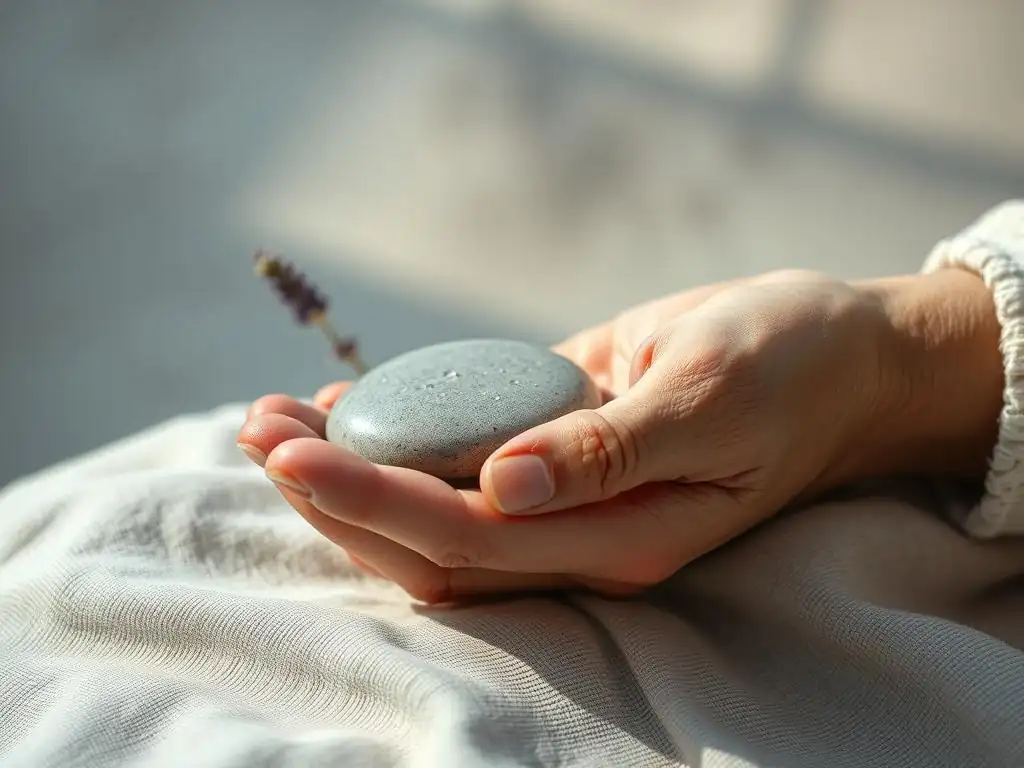
Cultivating Focused Attention: Detailed Techniques for Presence
Breath Awareness: Anchoring Yourself in the Present Moment
Breath awareness is perhaps the most fundamental technique in mindfulness, serving as a primary anchor to the present moment. The practice involves simply observing the natural rhythm of your breath – the sensation of air entering and leaving your nostrils, the rise and fall of your chest or abdomen, the pauses between inhales and exhales. There's no need to control or change the breath, merely to notice it exactly as it is.
When the mind inevitably wanders (which it will, constantly), the practice is to gently acknowledge where it went, without judgment, and guide your attention back to the breath, again and again. This repetitive act of returning trains your mind to focus and builds your capacity for sustained attention, a crucial skill for disengaging from anxious thought loops.
To deepen breath awareness, you can experiment with different points of focus (nostrils, abdomen) or lengths of practice. Start with just a few minutes and gradually increase the duration. You might notice subtle sensations you previously overlooked, or the way your breath changes with your emotional state. For someone using mindfulness for anxiety relief, the breath becomes a portable refuge – a consistent, always-available anchor you can return to whenever anxiety begins to overwhelm you. Even a few conscious breaths can interrupt the spiraling thoughts and bring you back to the stability of the present moment.
Body Scan Meditation: Increasing Body Awareness for Anxiety
The body scan meditation involves systematically bringing awareness to different parts of the body, noticing any sensations present without judgment. Starting typically from the toes and moving up through the legs, torso, arms, neck, and head, you mentally 'scan' each area, observing feelings like warmth, coolness, tingling, pressure, or absence of sensation. This practice helps to ground you in the physical reality of your body, which can be a powerful antidote to anxiety, which often resides in the realm of abstract worries and mental narratives. By tuning into the body, you shift attention away from the anxious mind.
This technique is particularly effective for anxiety relief because anxiety often manifests physically – tension in the shoulders, tightness in the chest, a knot in the stomach. The body scan allows you to become intimately familiar with these physical manifestations in a non-reactive way. Instead of tensing up against the discomfort, you learn to acknowledge it with curiosity and acceptance.
This can reduce the secondary anxiety that arises from fearing the physical symptoms themselves. Regular body scans cultivate a greater connection with your physical self, fostering a sense of embodiment and stability that counteracts the disembodiment often associated with intense worry.
Mindful Movement: Integrating Presence into Physical Activity
Mindful movement integrates the principles of mindfulness with physical activity, transforming exercises like walking, yoga, or stretching into opportunities for presence. Instead of performing movements automatically or using exercise as a distraction, you bring full awareness to the sensations in your body as you move.
This might involve noticing the feeling of your feet on the ground while walking, the stretch in your muscles during yoga, or the rhythm of your breathing as you exert yourself. The focus is on the experience of movement in the present moment, rather than on achieving a specific outcome or getting lost in thoughts.
Practicing mindful movement can be a dynamic way to engage mindfulness for anxiety relief. Physical activity itself is known to reduce stress, and adding mindfulness amplifies this effect. By paying attention to bodily sensations during movement, you become more attuned to physical tension held due to anxiety and can consciously work to release it.
It also provides a moving anchor for your attention, making it harder for the mind to drift into worry. Consider a simple mindful walk: instead of replaying anxious conversations, you focus on the swing of your arms, the feel of the breeze, the sounds around you, grounding you firmly in the here and now.
Expanding Awareness: Techniques for Broadening Your Mindfulness
Open Monitoring Meditation: Observing Thoughts and Feelings Without Judgment
Open monitoring meditation (also known as choiceless awareness) is a practice where you broaden your attention to encompass whatever arises in your field of awareness, without focusing on one specific object like the breath. This includes thoughts, emotions, bodily sensations, sounds, and external stimuli. The key is to observe these phenomena as they appear and disappear, without latching onto them, analyzing them, or judging them as good or bad. You become a detached observer of your own experience, allowing everything to simply be.
This technique is powerful for addressing anxiety as it directly challenges the tendency to get entangled in anxious thoughts and feelings. By practicing open monitoring, you learn that thoughts and emotions are transient events, like clouds passing in the sky, rather than solid realities that define you. This creates psychological space between you and your anxiety. Instead of identifying as an anxious person, you observe anxiety arising within you. This non-identification is crucial for gaining freedom from the grip of worry and is a significant step in deepening your mindfulness for anxiety relief.
Loving-Kindness Meditation: Cultivating Compassion and Acceptance
Loving-kindness meditation (Metta meditation) is a practice focused on cultivating feelings of warmth, compassion, and acceptance towards oneself and others. It typically involves silently repeating phrases that express benevolent wishes, such as "May I be happy," "May I be healthy," "May I be safe," "May I be free from suffering." These phrases are first directed towards oneself, then towards loved ones, neutral persons, difficult persons, and finally towards all beings. The aim is to intentionally generate feelings of goodwill.
This practice is incredibly beneficial for anxiety relief, especially for those whose anxiety is linked to self-criticism, fear of judgment, or social unease. Anxiety often involves harsh self-talk and a feeling of isolation. Loving-kindness meditation directly counters this by fostering self-compassion and connection. By wishing yourself well, you begin to soften the internal critic. Extending this kindness outwards helps to dissolve feelings of separation and fear towards others. Cultivating a reservoir of loving-kindness creates an internal environment of acceptance and warmth, making it less fertile ground for anxiety to take root.
Mindfulness in Everyday Life: Practical Applications for Anxiety Relief
Mindful Eating: Savoring Each Bite and Reducing Stress
Mindful eating involves bringing full awareness to the experience of eating. This means paying attention to the process of selecting and preparing food, noticing the colors, textures, and smells. During the meal, you slow down, chew thoroughly, and pay attention to the taste, texture, and temperature of each bite. You also tune into your body's hunger and fullness cues, eating when you're hungry and stopping when you're satisfied, rather than eating out of stress or habit.
This simple practice can significantly contribute to mindfulness for anxiety relief. Eating mindlessly, often while distracted by screens or worries, can exacerbate stress and lead to poor digestion or overeating, adding to feelings of discomfort. Mindful eating grounds you in a sensory experience, pulling your attention away from anxious thoughts and into the present moment. It transforms a routine activity into an opportunity for presence and self-care, fostering a calmer relationship with food and your body.
Mindful Communication: Listening with Intention and Empathy
Mindful communication involves bringing full awareness to your interactions with others, both when speaking and listening. When listening, it means paying genuine attention to what the other person is saying, observing their non-verbal cues, and resisting the urge to interrupt or formulate your response while they are still speaking. When speaking, it involves choosing your words carefully, speaking truthfully and kindly, and being aware of the impact of your words on others.
For individuals dealing with social anxiety or interpersonal stress, mindful communication can be transformative. Anxiety often makes us self-conscious and less present in conversations. By focusing on truly listening, you shift attention away from your internal worries and onto the other person, fostering connection and reducing self-preoccupation. Speaking mindfully helps you communicate more clearly and compassionately, reducing misunderstandings that can trigger anxiety. It's about being fully present in the exchange, which builds stronger relationships and a greater sense of ease in social situations.
Mindful Walking: Turning a Daily Activity into a Meditation
Mindful walking is a practice that integrates presence into the simple act of walking. Instead of rushing from point A to point B or using the time to ruminate, you bring awareness to the physical sensations of walking. Notice the feeling of your feet touching the ground, the shifting of weight from one leg to the other, the movement of your arms, and the rhythm of your breath. You also pay attention to the environment around you – the sights, sounds, and smells – without getting lost in thought about them.
Incorporating mindful walking into your routine is an accessible way to enhance mindfulness for anxiety relief. It provides a moving meditation that can be done anywhere, anytime. When anxiety causes restlessness or feeling 'stuck' in your head, mindful walking offers a way to ground yourself in your body and the physical world. It helps break the cycle of anxious rumination by directing attention to sensory experience, promoting a sense of calm and stability as you move through space.
Overcoming Challenges in Your Mindfulness Journey
Dealing with Distractions: Strategies for Staying Present
Distractions are an inherent part of mindfulness practice; the mind is naturally prone to wandering. A common challenge, particularly when using mindfulness for anxiety relief, is getting caught up in anxious thoughts or external stimuli. The key is not to eliminate distractions, but to change your relationship with them.
When you notice your mind has wandered, perhaps into a worry about the future or a replay of a past event, the practice is to simply recognize the distraction without judgment. Acknowledge the thought ("Ah, there's a thought about work") and gently guide your attention back to your chosen anchor, whether it's the breath, bodily sensations, or the current activity.
Developing strategies for dealing with distractions is vital for sustained mindfulness. One technique is to label the distraction mentally (e.g., "thinking," "planning," "worrying"). This act of labeling can create a slight distance from the thought.
Another strategy is to shorten the periods you expect yourself to stay focused initially and gradually increase them. Using a physical anchor, like holding a smooth stone during meditation or focusing on the sensation of your feet on the ground while walking, can also help. Remember, the act of noticing you've been distracted and returning to the present is the practice itself; it's not a failure, but an opportunity to strengthen your 'mindfulness muscle'.
Mindfulness does not aim to suppress or eliminate difficult emotions like anxiety and fear, but rather to help you relate to them differently. When anxiety arises, the natural inclination is often to resist it, push it away, or get lost in it. Mindfulness offers an alternative: approaching the emotion with curiosity and acceptance. This involves acknowledging the presence of the emotion ("I am feeling anxious right now"), noticing where you feel it in your body, and observing its intensity and quality without trying to change it.
This practice of mindful acceptance is counter-intuitive but incredibly powerful for anxiety relief. By allowing the emotion to be there, you reduce the secondary suffering that comes from fighting it. You learn that emotions are temporary and don't have to control your actions. Techniques like RAIN (Recognize, Allow, Investigate, Nurture) can be particularly helpful. Recognize the emotion, Allow it to be there, Investigate the sensations and thoughts associated with it with curiosity, and Nurture yourself with self-compassion. This process helps you move through difficult emotions with greater ease and resilience.
The Role of Self-Compassion: Treating Yourself with Kindness
Self-compassion is a critical, often overlooked, component of a robust mindfulness practice, especially when using mindfulness for anxiety relief. It involves treating yourself with the same kindness, understanding, and acceptance you would offer a dear friend who is suffering. This means acknowledging your struggles, imperfections, and feelings of anxiety without harsh self-criticism or judgment. It recognizes that suffering and difficulty are part of the human experience, not signs of personal failure.
Anxiety often comes hand-in-hand with self-blame or the feeling that you 'shouldn't' be feeling this way. Self-compassion directly counters these harmful narratives. When you notice yourself feeling anxious, instead of thinking, "I'm so weak for feeling this," a self-compassionate response might be, "This is a difficult moment, and it's okay to feel anxious. Many people struggle with this." Cultivating self-compassion reduces the inner conflict and pressure that often fuel anxiety. It creates a foundation of inner warmth and acceptance that makes navigating challenges, including anxiety, much more manageable and sustainable.
Measuring Your Progress and Staying Motivated
Tracking Your Mindfulness Journey: Tools and Techniques
Tracking your mindfulness journey can provide valuable insights into your practice and help maintain motivation, particularly when focusing on mindfulness for anxiety relief. This doesn't necessarily mean formal measurement in a scientific sense, but rather a personal record of your experiences. A simple mindfulness journal is an effective tool. After a meditation session or a mindful activity, you can jot down notes about how long you practiced, what sensations or thoughts arose, how you handled distractions, and how you felt afterward.
Beyond journaling, some people find using meditation apps with tracking features helpful, as they record session length and frequency. Others prefer a simple calendar where they mark off each day they practice. The key is consistency in tracking, even if it's just a few notes. Reviewing your entries periodically can reveal patterns – perhaps you notice that consistent practice leads to a greater sense of calm throughout the day, or that certain techniques are more effective for reducing your specific anxiety symptoms. This tangible evidence of progress, no matter how small, can be a powerful motivator to continue.
Setting Realistic Goals: Creating a Sustainable Mindfulness Practice
Setting realistic goals is essential for building a sustainable mindfulness practice that effectively supports anxiety relief. Beginning with overly ambitious goals, such as meditating for an hour every day from the start, can lead to frustration and burnout. Instead, start small and build gradually. A realistic goal might be to practice mindful breathing for 5 minutes each morning, or to engage in mindful walking for 10 minutes during your lunch break.
As you consistently meet these smaller goals, you can gradually increase the duration or frequency of your practice, or introduce new techniques. The focus should be on consistency over intensity. Practicing mindfulness for 5-10 minutes daily is far more beneficial than practicing for an hour once a week.
Be flexible and compassionate with yourself; some days will be easier than others. If you miss a day or a session, simply acknowledge it without judgment and return to your practice as soon as possible. Realistic, achievable goals foster a sense of accomplishment and make mindfulness feel like a supportive habit rather than a daunting obligation.
The Importance of Consistency: Making Mindfulness a Habit for Anxiety Relief
Consistency is arguably the most crucial factor in developing a powerful mindfulness practice and reaping its full benefits for anxiety relief. Just like building physical strength requires regular exercise, building mental resilience and cultivating presence requires consistent training. Sporadic practice offers temporary moments of calm, but it's the sustained, regular engagement that leads to lasting changes in your brain and your relationship with anxiety.
Aim to integrate mindfulness into your daily routine, making it a non-negotiable part of your day, like brushing your teeth. This could mean dedicating a specific time for formal meditation or consciously incorporating mindfulness into everyday activities like your commute, washing dishes, or interacting with family. Even brief moments of mindful awareness scattered throughout the day can accumulate into significant benefits.
Over time, consistent practice helps to rewire your brain, making it easier to shift out of anxious thought patterns and respond to challenging situations with greater calm and presence. This consistent effort transforms mindfulness from an occasional exercise into a fundamental habit that supports long-term well-being.
Advanced Mindfulness Concepts

The Concept of Impermanence: Embracing Change and Letting Go of Anxiety
The concept of impermanence (Anicca in Pali, a key teaching in Buddhist mindfulness traditions) is the understanding that all things are constantly changing. Thoughts, feelings, sensations, circumstances, relationships – everything is in a state of flux. Nothing is permanent. While this might initially seem unsettling, recognizing impermanence is a profound insight that can significantly reduce anxiety. Anxiety often stems from clinging to things we want to last or resisting things we fear will happen, essentially fighting against the natural flow of change.
By deeply understanding and accepting impermanence through mindfulness, we learn to hold our experiences more lightly. When a wave of anxiety arises, the mindful understanding of impermanence reminds us that this feeling will not last forever; it too will pass. Similarly, when things are going well, awareness of impermanence encourages us to appreciate the present moment fully without the fear of losing it. This acceptance of change reduces the struggle against reality, allowing for greater peace and flexibility in navigating life's uncertainties, which is a core challenge for individuals seeking mindfulness for anxiety relief.
Non-Attachment: Finding Freedom from Clinging and Suffering
Non-attachment (often linked to the concept of non-clinging, or Upadana) is a core principle in advanced mindfulness. It doesn't mean detachment or not caring; rather, it's about not clinging to experiences, outcomes, or identities in a way that causes suffering. We often become attached to pleasant feelings, desired outcomes, or even our own thoughts and beliefs, including our anxious narratives. When these things change or don't unfold as we wish, this clinging leads to disappointment, frustration, and continued anxiety.
Mindfulness practice helps us observe the arising and passing of thoughts, feelings, and sensations without needing to hold onto them or push them away. We see that clinging to a pleasant feeling when it starts to fade causes sadness, and clinging to an anxious thought pattern reinforces it. Non-attachment, cultivated through mindful awareness, allows us to experience life fully while recognizing that everything is transient. This reduces the suffering caused by fighting reality and frees up mental energy that was previously tied up in clinging, offering a path towards greater inner peace and resilience against the waves of anxiety.
The concept of interconnectedness (often explored in practices like Metta and advanced insight meditation) recognizes that all beings and phenomena are fundamentally connected. We are not isolated islands, but part of a vast web of relationships – with other people, the environment, and even the universe itself. Understanding this interconnectedness can have a profound impact on anxiety, particularly social anxiety, feelings of isolation, or existential worries.
Anxiety often creates a sense of separation – feeling alone in your struggle, different from others, or disconnected from the world. Recognizing our shared humanity through mindfulness practices like loving-kindness meditation helps to dissolve these feelings of isolation. We see that suffering, including anxiety, is a universal human experience. This understanding fosters empathy for ourselves and others and strengthens our sense of belonging. Cultivating a felt sense of interconnectedness through mindfulness provides a powerful antidote to the isolating nature of anxiety, fostering a deeper sense of peace and connection.
Resources for Deepening Your Mindfulness Practice
Recommended Books and Articles on Advanced Mindfulness
To deepen your understanding and practice of mindfulness for anxiety relief, exploring foundational and advanced texts can be invaluable. Books by pioneers and respected teachers offer profound insights and practical guidance. For instance, "Mindfulness: An Eight-Week Plan for Finding Peace in a Frantic World" by Mark Williams and Danny Penman provides a structured program rooted in MBCT (Mindfulness-Based Cognitive Therapy). For exploring the deeper principles and history, works by Jon Kabat-Zinn, such as "Wherever You Go, There You Are," offer accessible wisdom on integrating mindfulness into life.
Moving into more advanced concepts, "The Mind Illuminated" by Culadasa (John Yates) provides a detailed, stage-by-stage meditation manual. Books exploring specific aspects like "Radical Acceptance" by Tara Brach delve into using mindfulness and compassion to heal difficult emotions, highly relevant for anxiety. Academic articles published in journals like Mindfulness or Psychological Science can also provide insights into the latest research and theoretical underpinnings of mindfulness for anxiety relief, offering a more scientific perspective on its mechanisms.
Online Courses and Workshops for Mindfulness for Anxiety
The accessibility of online learning has made deepening a mindfulness practice more convenient than ever. Numerous reputable platforms offer structured courses specifically designed to enhance mindfulness for anxiety relief. Programs like the online versions of Mindfulness-Based Stress Reduction (MBSR) or Mindfulness-Based Cognitive Therapy (MBCT) provide comprehensive training over several weeks, including guided meditations, theoretical teachings, and group discussions (though interaction varies by platform).
Many meditation apps (like Calm, Headspace, or Insight Timer) also offer multi-session courses on specific topics like managing anxiety, self-compassion, or deepening focus. Websites of established mindfulness centers or universities may also host online workshops or retreats. When choosing an online resource, look for programs developed by qualified instructors with backgrounds in psychology, meditation teaching, or relevant therapeutic modalities to ensure the content is evidence-based and safely guided.
Finding a Qualified Mindfulness Teacher or Therapist
For many, working with a qualified mindfulness teacher or therapist is the most effective way to deepen their practice and apply mindfulness for anxiety relief in a personalized way. A skilled teacher can provide tailored guidance, help you navigate challenges in your practice, and offer insights that are difficult to gain solely from books or apps. They can introduce you to various techniques and help you find what resonates best with your individual needs.
If your anxiety is significant or complex, integrating mindfulness with therapy from a mental health professional trained in mindfulness-based approaches (like MBCT, Acceptance and Commitment Therapy - ACT, or Dialectical Behavior Therapy - DBT) can be particularly beneficial. A therapist can help you understand the root causes of your anxiety and use mindfulness techniques within a broader therapeutic framework to address specific challenges. Look for practitioners certified by recognized mindfulness organizations or those with relevant clinical qualifications and experience. Professional guidance ensures you are practicing safely and effectively, maximizing the potential of mindfulness to support your mental well-being.
Conclusion: Embracing the Present Moment for Lasting Well-being and Anxiety Reduction
Elevating your mindfulness practice is a journey of continuous discovery and refinement. It moves beyond simply sitting on a cushion to cultivating a state of presence that permeates every aspect of your life. By understanding the science, exploring advanced techniques, navigating challenges with self-compassion, and utilizing available resources, you can unlock the profound potential of mindfulness for anxiety relief and overall well-being. This journey is not about achieving a perfect state of calm, but about developing the capacity to meet life's inevitable challenges, including anxiety, with greater awareness, acceptance, and resilience.
Embracing the art of presence means committing to showing up for yourself, moment by moment. It's in these moments of mindful awareness – whether observing your breath, feeling your feet on the ground, or simply noticing a difficult emotion without judgment – that you build the inner strength to navigate the complexities of life. As you deepen your practice, you may find that the grip of anxiety begins to loosen, replaced by a greater sense of peace, clarity, and connection. The art of presence is a lifelong practice, offering a sustainable path towards lasting well-being and effective anxiety reduction.
Frequently Asked Questions
How does mindfulness specifically help with anxiety relief?
Mindfulness helps by training you to observe your thoughts and feelings without judgment. This allows you to detach from anxious thoughts, reducing their impact and promoting a sense of calm.
What are some practical ways to incorporate mindfulness into my daily routine for anxiety management?
You can start with short mindfulness exercises, like focusing on your breath for a few minutes each day. Other options include mindful walking and paying attention to sensory experiences like eating.
Is mindfulness a replacement for traditional anxiety treatments, such as therapy or medication?
No, mindfulness is not a replacement but rather a complementary tool. It can enhance the effectiveness of traditional treatments and provide additional support for managing anxiety symptoms.
How long does it typically take to experience the benefits of mindfulness for anxiety relief?
The timeline varies, but many people experience noticeable benefits within a few weeks of regular practice. Consistency is key, and gradual improvement is more common than immediate results.
What if I find it difficult to focus during mindfulness exercises, especially when I'm feeling anxious?
It's normal to experience difficulty focusing. Acknowledge the distraction without judgment, and gently redirect your attention back to your chosen focus, such as your breath. Patience and persistence are important.
Final Reflection: Cultivating Presence, Quieting Anxiety
The art of presence isn't just a trendy wellness practice; it's a vital tool for navigating the anxieties of modern life. In a world saturated with information and demands, the ability to anchor oneself in the present moment offers a powerful antidote to the relentless churn of worry and fear. This article explored various techniques to enhance mindfulness, from mindful breathing to body scans, demonstrating how these practices can directly impact our experience of anxiety.
The profound impact of presence on our mental well-being is undeniable. It's a journey of self-discovery, a continuous process of learning to appreciate the subtle nuances of each moment. The present moment is filled with joy and happiness. If you are attentive, you will see it.
– Thich Nhat Hanh. This quote perfectly encapsulates the transformative power of mindfulness; by shifting our focus to the here and now, we unlock a wellspring of inner peace that transcends the anxieties that often grip us. This shift isn't about ignoring our challenges, but about meeting them with a grounded awareness that allows us to respond rather than react.
Now, consider how you can integrate these practices into your daily life. Start small. Begin with just five minutes of mindful breathing each day, noticing the sensation of your breath entering and leaving your body. Gradually increase the duration as you feel comfortable. Observe the subtle shifts in your anxiety levels. Remember, the journey towards presence is a personal one, and there's no right or wrong way to practice. Embrace the process, be kind to yourself, and allow the art of presence to gently unravel the knots of anxiety, revealing the peace and clarity that lie within.
Unleash Your Inner Calm: Take the Next Step
Thank you for taking the time to explore the power of presence with us! We hope this article provided valuable insights into cultivating a deeper mindfulness practice. Now it's time to put your newfound knowledge into action.
- Prioritize a daily mindfulness ritual: Even 5 minutes of focused attention can make a world of difference. Try a guided meditation, mindful breathing, or simply observing your senses. This is your primary action – make it a habit!
- Share your mindful moment: Tell a friend or family member about your experience. Sharing your journey can inspire others and deepen your own practice.
- Explore a new mindfulness technique: Perhaps try a mindful walk in nature, a body scan meditation, or explore a different type of mindfulness exercise to see which one resonates best with you.
What small step will you take today to enhance your presence and cultivate more inner peace?