
Building Your Relaxation Toolkit: A Variety of Techniques to Explore

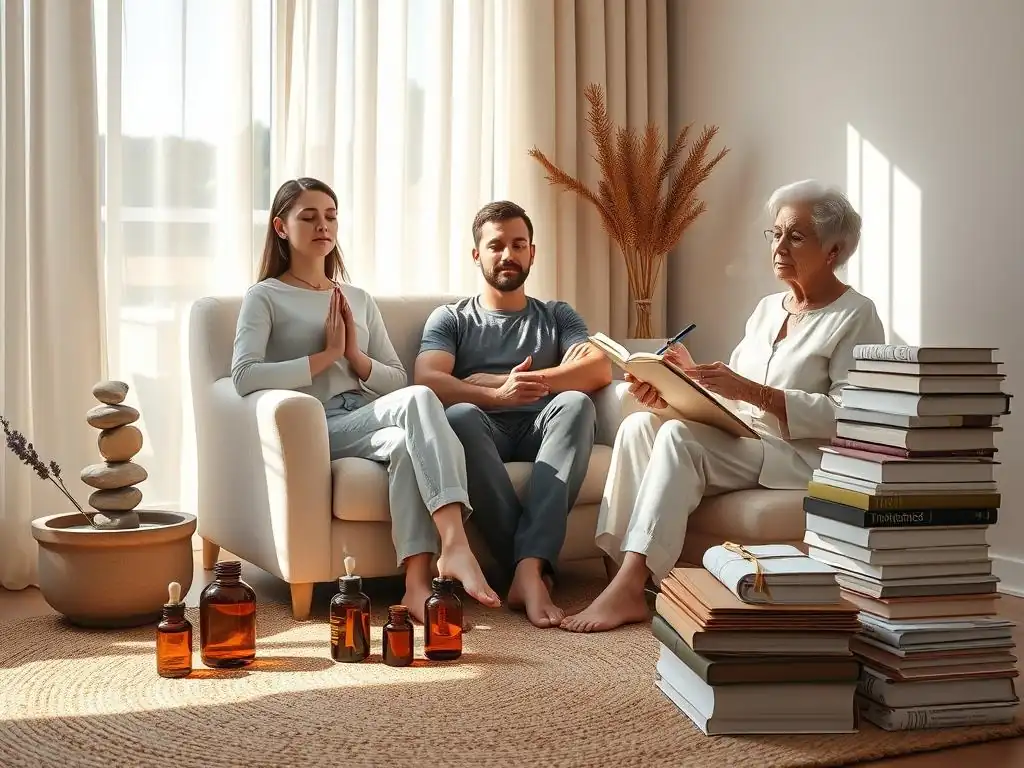
Welcome to Mind Care Guide, where your journey to mental well-being begins.
Feeling overwhelmed by anxiety? You're not alone. We understand the weight it carries, and we're here to help you discover practical strategies for relief. Dive into our comprehensive guide to relaxation techniques for anxiety relief, and start building your personal toolkit for a calmer, more balanced you. What if just one of these techniques could unlock a new level of peace in your life? Let's explore together.
Building Your Relaxation Toolkit: A Variety of Techniques to Explore
- Introduction: Finding Your Path to Anxiety Relief Through Relaxation
- Understanding Anxiety and the Role of Relaxation
- Breathing Exercises for Immediate Anxiety Relief
- Progressive Muscle Relaxation (PMR): Releasing Physical Tension
- Mindfulness Meditation for Anxiety Reduction
- Visualization and Guided Imagery: Creating a Calm Mental Space
- Gentle Movement and Stretching: Releasing Tension Through Physical Activity
- Sensory Grounding Techniques: Anchoring Yourself in the Present Moment
- Creating a Relaxation Routine That Works for You
- Seeking Professional Guidance for Anxiety Management
- Conclusion: Embracing Relaxation for a Calmer, Healthier Life
-
Frequently Asked Questions
- What are some relaxation techniques specifically useful for anxiety relief?
- How often should I practice relaxation techniques to see a noticeable difference in my anxiety levels?
- Are there any relaxation techniques that can be done quickly and discreetly in public settings?
- Can relaxation techniques completely replace medication for anxiety disorders?
- Where can I find more resources and support for learning and practicing relaxation techniques for mental well-being?
- Final Reflection: Cultivating Calm in a Chaotic World
- Unlock Your Inner Calm: Take Charge of Your Relaxation
Introduction: Finding Your Path to Anxiety Relief Through Relaxation
The Importance of Relaxation Techniques for Managing Anxiety
Anxiety is a common challenge, affecting millions worldwide. It can manifest as persistent worry, physical tension, difficulty concentrating, and even panic attacks. While professional support is crucial for severe or chronic anxiety, integrating effective relaxation techniques for anxiety relief into your daily life can significantly improve your ability to manage symptoms and enhance overall well-being. These techniques offer practical tools to calm the nervous system, reduce the intensity of anxious feelings, and foster a greater sense of control.
Learning various relaxation methods empowers you to respond to anxiety proactively rather than reactively. Regular practice can lower your baseline stress levels, making you less susceptible to triggers. For instance, studies often show that consistent application of calming practices can lead to reductions in stress hormones like cortisol. While the exact percentage varies widely among individuals and techniques, even a modest reduction can translate into feeling less overwhelmed and more capable of handling life's challenges. These simple yet powerful tools are accessible anytime, anywhere, providing immediate support when anxiety strikes.
Why Building a Personalized Relaxation Toolkit is Key
Just as no two people experience anxiety identically, no single relaxation technique for anxiety relief works best for everyone. What one person finds deeply calming, another might find ineffective or even frustrating. Building a personalized toolkit means exploring a variety of methods and discovering which ones resonate most with you and are most effective in different situations. Your toolkit might include a mix of breathing exercises for immediate relief, progressive muscle relaxation for physical tension, mindfulness for mental clarity, and visualization for emotional calm.
Having a diverse set of anxiety relief techniques available ensures you have options regardless of your circumstances. Feeling anxious before a meeting? A quick breathing exercise might be best. Feeling physically tense after a stressful day? Progressive muscle relaxation could be the answer.
Waking up with racing thoughts? A short guided meditation might help. Experimentation is key; try each technique several times in different states of mind – when you're calm, slightly anxious, and even during moments of higher stress – to see how your body and mind respond. This exploration allows you to curate a collection of practices that are truly effective for your unique needs.
Understanding Anxiety and the Role of Relaxation
How Anxiety Affects the Body and Mind
Anxiety triggers a cascade of physical and mental responses, often described as the "fight or flight" reaction. Physically, this can manifest as a rapid heart rate, shallow breathing, muscle tension, sweating, digestive issues, and even dizziness. Your body is preparing for perceived danger, whether real or imagined. Mentally, anxiety can lead to racing thoughts, difficulty concentrating, excessive worry, irritability, and a sense of impending doom. This constant state of alert is exhausting and can significantly impair daily functioning and quality of life.
The chronic activation of the stress response system due to persistent anxiety can have long-term health implications. Elevated levels of stress hormones can potentially impact cardiovascular health, immune function, and sleep patterns. For example, persistent muscle tension, a common symptom, can lead to chronic pain in areas like the neck, shoulders, and back. Understanding these connections highlights why effective relaxation techniques for anxiety relief are not just about feeling better in the moment, but also about mitigating the potential long-term effects of chronic stress and anxiety on both physical and mental health.
The Science Behind Relaxation and Anxiety Reduction
Relaxation techniques work by activating the body's natural "rest and digest" or parasympathetic nervous system, which is the opposite of the "fight or flight" response. When you practice relaxation, you send signals to your brain that it is safe to calm down. This process helps to slow the heart rate, lower blood pressure, regulate breathing, and reduce muscle tension. For instance, controlled breathing techniques directly influence the vagus nerve, a major component of the parasympathetic system, promoting a state of calm.
Research consistently supports the efficacy of various relaxation methods in reducing anxiety symptoms. Studies using biofeedback often show measurable changes like decreased heart rate variability, lower skin conductance (indicating reduced sweating), and reduced muscle activity during and after relaxation practice. While individual results vary, consistent practice over time can lead to neurobiological changes, potentially increasing resilience to stress and anxiety. Engaging in these calming practices helps to interrupt the negative feedback loop between anxious thoughts, physical symptoms, and behavioral responses.
Breathing Exercises for Immediate Anxiety Relief
Diaphragmatic Breathing (Belly Breathing): A Step-by-Step Guide
Diaphragmatic breathing, or belly breathing, is a fundamental relaxation technique for anxiety relief that helps slow your heart rate and regulate your nervous system. It involves engaging your diaphragm, a large muscle located below the lungs, rather than relying on shallow chest breaths. This allows for deeper, more efficient oxygen exchange and sends a calming signal to the brain. It's often cited as one of the quickest ways to interrupt the body's stress response.
Here is a simple guide to practicing diaphragmatic breathing:
- Find a comfortable position, either sitting or lying down.
- Place one hand on your upper chest and the other just below your rib cage, allowing you to feel the movement of your diaphragm.
- Inhale slowly and deeply through your nose, feeling your abdomen rise against your hand. Your chest should remain relatively still.
- Exhale slowly through pursed lips (as if whistling), gently tightening your abdominal muscles to push the air out. Feel your abdomen lower. The exhale should be longer than the inhale.
- Repeat this process for several minutes, focusing on the rhythm of your breath and the rise and fall of your abdomen. Aim for a comfortable pace, perhaps inhaling for a count of four and exhaling for a count of six or eight. Practice this technique daily, even when not feeling anxious, to make it more effective during moments of stress.
Box Breathing: A Simple Technique for Calming the Nervous System
Box breathing, also known as square breathing, is another effective anxiety relief technique that is easy to learn and practice anywhere. It involves breathing in a square pattern, holding the breath for equal counts. This method helps to regulate breath and calm the nervous system by creating a deliberate, measured rhythm. It's often used in high-stress professions, such as by first responders and athletes, due to its rapid calming effect.
The steps for box breathing are straightforward:
- Find a comfortable position and close your eyes if possible.
- Exhale completely, emptying your lungs of air.
- Inhale slowly through your nose for a count of four. Focus on filling your lungs.
- Hold your breath for a count of four.
- Exhale slowly through your mouth for a count of four, emptying your lungs.
- Hold your breath again for a count of four before inhaling again.
- Repeat this cycle for several minutes. The equal counts create a rhythmic pattern that can override feelings of panic or racing thoughts. Many people find focusing on the count distracting from anxious internal chatter, making it a powerful tool for immediate use.
Pursed-Lip Breathing: Managing Shortness of Breath and Panic
Pursed-lip breathing is particularly helpful for managing shortness of breath, a common and distressing symptom of anxiety and panic attacks. By slowing down your exhalation, this technique helps keep airways open longer, improving the exchange of oxygen and carbon dioxide. It can provide a sense of control when feeling breathless and is a valuable calming practice for moments of intense anxiety.
To practice pursed-lip breathing:
- Relax your neck and shoulder muscles.
- Inhale slowly through your nose for a count of two, keeping your mouth closed.
- Purse your lips as if you are about to whistle or gently blow out a candle.
- Exhale slowly and gently through your pursed lips for a count of four (or longer, aiming for an exhale that is at least twice as long as your inhale). Do not force the air out; exhale slowly and steadily.
- Repeat this pattern. This controlled exhalation helps to prevent airway collapse and ensures more complete emptying of the lungs, which can reduce the feeling of breathlessness that often accompanies intense anxiety. Practicing this technique can provide immediate relief and help prevent hyperventilation during anxious episodes.
Progressive Muscle Relaxation (PMR): Releasing Physical Tension
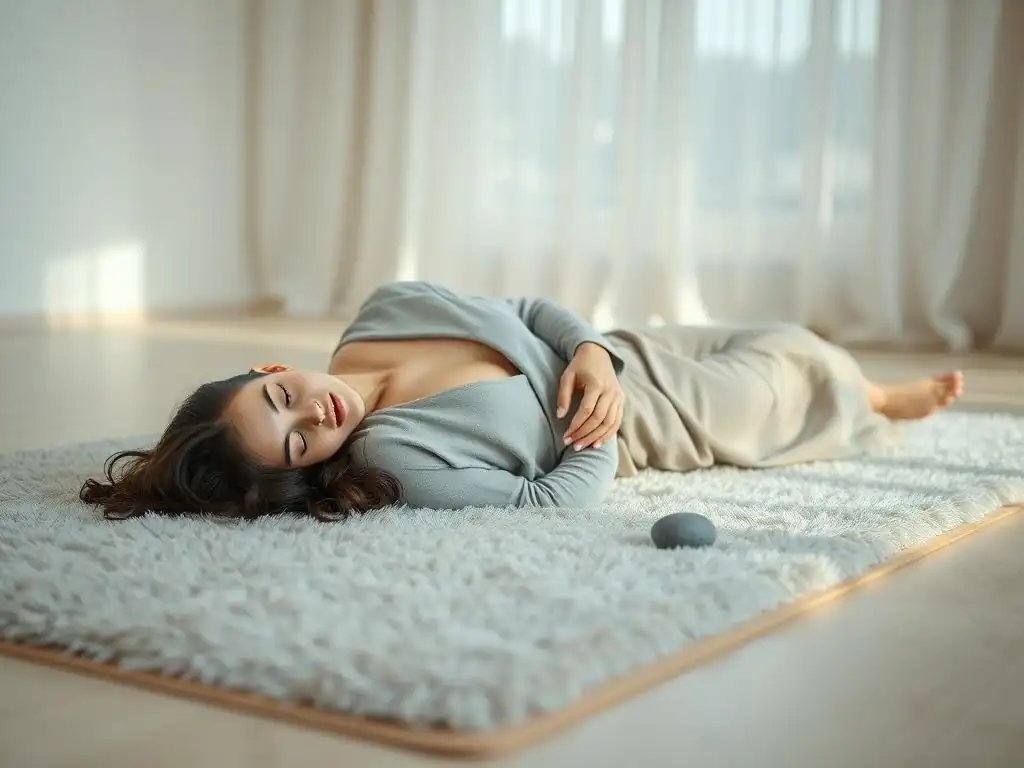
How Progressive Muscle Relaxation Works: A Detailed Explanation
Progressive Muscle Relaxation (PMR) is a technique that involves systematically tensing and then releasing different muscle groups in the body. The core idea is that by deliberately creating tension and then letting it go, you become more aware of the sensation of relaxation and learn to differentiate it from tension. This heightened awareness allows you to consciously release physical tension when you notice it building up due to stress or anxiety. It's a widely used relaxation technique for anxiety relief because anxiety often manifests strongly in the body through muscle tightness.
The process typically involves moving through the body, starting from the feet and working upwards to the head (or vice versa). For each muscle group, you would tense the muscles firmly but without straining for about 5-10 seconds, then quickly release the tension completely, noticing the feeling of looseness and warmth that follows. You then rest for 15-20 seconds before moving to the next muscle group. This systematic approach not only releases immediate tension but also trains your body and mind to recognize and achieve a state of deep relaxation, counteracting the physical symptoms of anxiety.
Simplified PMR: Focusing on Key Muscle Groups
While a full-body PMR session can be beneficial, a simplified version focusing on key muscle groups can be an effective anxiety relief technique when you have less time. This approach targets areas where tension commonly accumulates, such as the shoulders, neck, jaw, and hands. By focusing on these high-tension zones, you can achieve significant relaxation benefits in a shorter period.
A simplified PMR sequence might involve:
- Clenching your fists, then releasing.
- Tensing your biceps and triceps, then releasing.
- Shrugging your shoulders towards your ears, then letting them drop.
- Pressing your shoulder blades together, then releasing.
- Tightening your jaw and clenching your teeth (gently), then releasing.
- Squinting your eyes and wrinkling your forehead, then releasing.
Spending 1-2 minutes on each of these areas, following the tense-and-release pattern, can provide noticeable relief from physical stress. This makes it a practical calming practice to use during a work break, before a challenging situation, or anytime you feel physical tension mounting.
Adapting PMR for Different Needs and Time Constraints
PMR is highly adaptable, making it a versatile relaxation method for various situations and time limits. If you are short on time, you can perform a rapid version where you quickly cycle through major muscle groups (hands, arms, shoulders, back, stomach, legs, feet), tensing and releasing each for just a few seconds. This can still provide some benefit in a minute or two. For longer sessions, you can spend more time on each muscle group or repeat the cycle.
PMR can also be adapted for physical limitations; if tensing a specific muscle group is painful or difficult, you can simply focus on releasing tension in that area, imagining the muscles becoming loose and heavy. Some people find that combining PMR with deep breathing enhances its effects. Experiment with different approaches – seated, lying down, or even standing (focusing on less visible movements) – to find what fits best into your life and provides the most effective relaxation techniques for anxiety relief for your personal needs.
Mindfulness Meditation for Anxiety Reduction
What is Mindfulness Meditation and How Can It Help Anxiety?
Mindfulness meditation is a practice that involves paying deliberate, non-judgmental attention to the present moment. Instead of trying to empty your mind, it's about observing your thoughts, feelings, bodily sensations, and the environment around you without getting caught up in them or judging them as good or bad. This practice helps in reducing anxiety by creating a greater awareness of anxious thoughts and feelings without automatically reacting to them. It teaches you to notice your anxiety, acknowledge its presence, and gently let it pass, rather than being consumed by it.
Regular mindfulness practice has been shown in numerous studies to reduce symptoms of generalized anxiety disorder and panic disorder. For example, a meta-analysis might indicate an average reduction in anxiety scores among participants who engage in regular mindfulness training compared to control groups. While specific figures vary, the consistent finding is an improvement in emotional regulation and a decreased tendency to ruminate on worries. By cultivating a non-reactive stance towards internal experiences, mindfulness acts as a powerful anxiety relief technique, helping you to detach from distressing thoughts and find moments of calm amidst mental turbulence.
Body Scan Meditation: Cultivating Awareness and Reducing Tension
Body scan meditation is a specific type of mindfulness practice that focuses attention sequentially on different parts of the body. It's designed to increase awareness of physical sensations, including tension, discomfort, or relaxation, and to help you release tension as you move through the scan. This technique can be particularly effective as a relaxation method for anxiety because anxiety often manifests as physical symptoms like muscle tightness or restlessness.
To practice a body scan:
- Lie down comfortably or sit upright with your feet flat on the floor.
- Close your eyes or soften your gaze.
- Bring your attention to your breath for a few moments to settle in.
- Begin by focusing your attention on your toes. Notice any sensations there – warmth, coolness, tingling, pressure. Just observe without trying to change anything.
- Gently move your awareness up through your feet, ankles, lower legs, knees, thighs, and so on, until you reach the top of your head. Spend a few moments with each body part, simply noticing.
- If your mind wanders, gently guide it back to the body part you were focusing on. As you encounter areas of tension, you can try breathing into that area on the inhale and imagining the tension releasing on the exhale. This systematic exploration helps ground you in the present and releases accumulated physical stress, making it an excellent calming practice.
Integrating Mindfulness into Daily Activities: Mindful Walking, Eating, and More
Mindfulness doesn't have to be limited to formal meditation sessions. You can integrate mindful awareness into many everyday activities, turning routine tasks into opportunities for anxiety relief and presence. This informal practice helps cultivate mindfulness throughout your day, not just during dedicated relaxation time. Examples include mindful walking, mindful eating, mindful showering, or even mindful dishwashing.
For mindful walking, pay attention to the sensations in your feet as they touch the ground, the movement of your legs, the swing of your arms, the air on your skin, and the sights and sounds around you. For mindful eating, notice the colors, textures, and smells of your food; chew slowly and savor each bite, paying attention to the flavors and sensations in your mouth.
These simple practices help shift your focus away from anxious thoughts and onto the immediate sensory experience. By intentionally bringing your attention to the present moment during these activities, you create pockets of calm and build your capacity for non-reactive awareness, making these everyday moments effective relaxation techniques for anxiety relief.
Visualization and Guided Imagery: Creating a Calm Mental Space
The Power of Visualization in Reducing Anxiety
Visualization, or guided imagery, is a powerful relaxation technique for anxiety relief that involves creating mental images of peaceful scenes, positive outcomes, or calming experiences. By engaging your imagination, you can evoke feelings of relaxation and well-being in your body and mind. When you visualize a calm place, your brain responds as if you were actually there, triggering a relaxation response that can counteract the body's stress signals. This technique taps into the mind-body connection, using mental imagery to influence physiological states.
The effectiveness of visualization lies in its ability to distract the mind from anxious loops and replace them with soothing, positive imagery. For instance, imagining yourself in a serene nature setting – perhaps a quiet beach with gentle waves or a peaceful forest clearing – can lower your heart rate, deepen your breathing, and reduce muscle tension. While individual experiences vary, many people report feeling significantly calmer and more centered after just a few minutes of focused visualization. It provides a mental escape hatch from overwhelming thoughts and feelings, offering a temporary but effective respite.
Creating Your Own Guided Imagery Script: Nature Scene, Safe Place, or Positive Future
While pre-recorded guided imagery sessions are widely available, creating your own script allows you to tailor the experience precisely to your preferences and what you find most calming. Think about places, experiences, or images that evoke feelings of peace, safety, or joy for you. Your personal script can be a powerful relaxation method because it is deeply meaningful to you.
Consider these ideas for your script:
- Nature Scene: Describe a favorite natural setting in detail – the colors, sounds (birds, water, wind), smells (pine, sea salt, rain), textures (warm sand, cool grass, smooth stones). For example, "Imagine yourself walking on a soft, sandy beach. Feel the warmth of the sun on your skin... Hear the gentle rhythm of the waves... See the clear blue sky meeting the horizon..."
- Safe Place: Visualize a place where you feel completely safe, comfortable, and secure. This could be a childhood bedroom, a cozy cabin, or a completely imaginary sanctuary. Focus on the feeling of safety and protection there.
- Positive Future: Imagine a future event you are looking forward to or a goal you have achieved. Focus on the positive emotions associated with this future state – joy, accomplishment, peace.
Write down the descriptive details and feelings associated with your chosen scene. You can record yourself reading the script in a soft, calm voice to use for guided practice. This personalized approach makes visualization a potent anxiety relief technique that you can access anytime.
Using Visualization to Enhance Sleep and Reduce Nighttime Anxiety
Anxiety often interferes with sleep, leading to racing thoughts and physical restlessness at bedtime. Visualization can be a highly effective calming practice to help quiet the mind and prepare the body for rest. Instead of dwelling on worries, you can redirect your mental energy towards soothing imagery.
Before going to sleep, spend 5-10 minutes practicing visualization. Choose a peaceful scene, like floating on a calm body of water or resting in a warm, comfortable space. Focus on the sensory details of this scene and the feeling of deep relaxation it brings.
For instance, imagine your body feeling heavy and sinking comfortably into a soft surface, or visualize your worries as clouds drifting away in the sky. This practice can help interrupt the cycle of nighttime rumination and promote a state conducive to sleep. By consistently using visualization as part of your bedtime routine, you can train your brain to associate this practice with winding down and letting go of the day's anxieties, making it a valuable relaxation technique for anxiety relief specifically for sleep challenges.
Gentle Movement and Stretching: Releasing Tension Through Physical Activity
The Benefits of Gentle Movement for Anxiety Relief: Physical and Mental
Engaging in gentle physical activity is a powerful relaxation method that addresses both the physical and mental aspects of anxiety. Movement helps to release pent-up energy and tension stored in the muscles, which is a common symptom of anxiety. It also stimulates the production of endorphins, often referred to as "feel-good" chemicals, which have mood-lifting and stress-reducing effects. While vigorous exercise is beneficial, gentle forms like walking, stretching, or yoga can be particularly effective for anxiety, as they are less likely to feel overwhelming or competitive.
Studies have shown that regular physical activity, even at moderate intensity, can reduce overall anxiety levels. For example, engaging in activities like walking for just 20-30 minutes several times a week can lead to a noticeable decrease in reported anxiety symptoms over time. Gentle movement provides a healthy outlet for nervous energy, improves circulation, and can help regulate breathing patterns. It also serves as a form of active meditation, allowing you to focus on bodily sensations and movements rather than anxious thoughts, making it a dynamic relaxation technique for anxiety relief.
Simple Stretches for Calming Anxiety: Neck Rolls, Shoulder Stretches, and More
Anxiety often causes tension to accumulate in specific areas of the body, such as the neck, shoulders, and upper back. Simple, gentle stretches can help release this physical tightness, promoting relaxation. These stretches can be performed almost anywhere, offering immediate relief when you feel tension building.
Consider incorporating these simple stretches into your routine:
- Neck Rolls: Slowly and gently roll your head in a circular motion, first in one direction and then the other. Or, simply tilt your head side to side, bringing your ear towards your shoulder (without straining).
- Shoulder Rolls: Roll your shoulders forward in a circular motion several times, then reverse the direction, rolling them backward.
- Shoulder Stretches: Gently pull one arm across your chest, holding it with the opposite hand, feeling a stretch in the shoulder. Hold for 15-30 seconds, then switch sides.
- Upper Back Stretch: Interlace your fingers and push your palms away from your body, rounding your upper back. Hold for 15-30 seconds.
- Chest Stretch: Stand in a doorway, placing your hands on the doorframe at shoulder height. Lean forward gently, feeling a stretch across your chest and shoulders.
Performing a sequence of these stretches for just 5-10 minutes can significantly reduce physical tension and contribute to overall anxiety relief. Focus on your breath as you stretch, inhaling into the stretch and exhaling as you deepen it or release.
Incorporating Movement Breaks into Your Daily Routine
Finding time for dedicated exercise can be challenging, especially when dealing with anxiety. However, incorporating short movement breaks throughout your day can be a practical and effective calming practice. These brief periods of gentle activity can help interrupt cycles of sitting or inactivity that can contribute to stiffness and stagnant energy.
Aim for 2-5 minute movement breaks every hour or two, especially if you have a sedentary job. This could involve:
- Standing up and doing a few simple stretches (like the ones mentioned above).
- Taking a short walk around your home or office.
- Doing some gentle yoga poses or chair yoga stretches.
- Simply shaking out your limbs and wiggling your fingers and toes.
- [ ] Schedule a 5-minute movement break for mid-morning.
- [ ] Plan a short walk during your lunch break.
- [ ] Set a reminder to stand and stretch in the afternoon.
These frequent, short bursts of activity not only help release physical tension but also provide mental breaks, improve focus, and serve as miniature relaxation techniques for anxiety relief integrated seamlessly into your day.
Sensory Grounding Techniques: Anchoring Yourself in the Present Moment
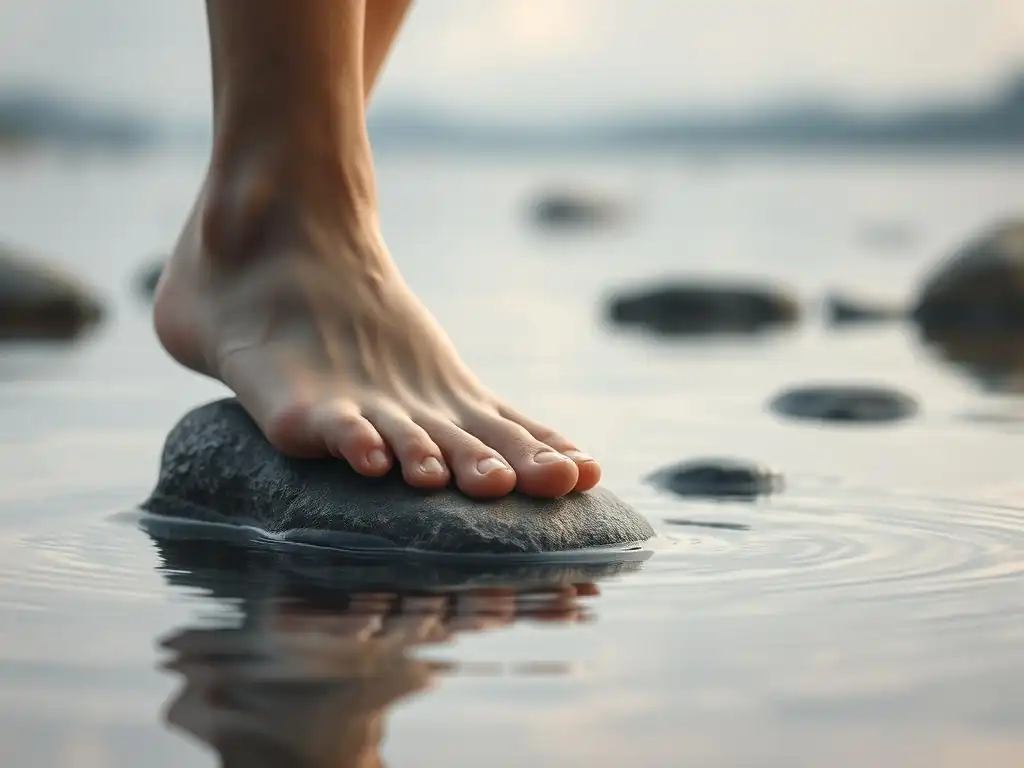
Understanding Sensory Grounding Principles
Sensory grounding techniques are powerful tools for anxiety relief, particularly during moments of intense distress, panic, or dissociation. The core principle is to redirect your attention away from overwhelming thoughts or feelings and anchor yourself firmly in the present moment by engaging your senses. By focusing on what you can see, hear, feel, smell, or taste right now, you pull yourself out of the mental loop of anxiety and connect with your immediate environment. This provides a sense of stability and reality when your mind feels out of control.
These techniques are effective because they interrupt the abstract nature of anxious rumination or fearful anticipation by forcing your attention onto concrete, tangible sensory input. For example, focusing on the texture of the chair you're sitting on or the specific sounds around you requires your brain to shift its focus from internal worries to external reality. While the duration of relief varies, many people find that grounding techniques can significantly reduce the intensity of anxiety within minutes, providing a crucial bridge back to feeling centered.
5-4-3-2-1 Grounding Technique: Engaging the Senses
The 5-4-3-2-1 technique is one of the most popular and easy-to-remember sensory grounding methods for anxiety relief. It systematically guides you through engaging each of your five senses to bring you back to the present. It's a practical tool you can use discreetly in almost any situation.
To practice the 5-4-3-2-1 technique:
- Take a deep breath and exhale slowly.
- Look around and identify 5 things you can see. Notice details like colors, shapes, or textures.
- Identify 4 things you can touch or feel. This could be the texture of your clothes, the chair beneath you, the ground under your feet, or the temperature of the air.
- Identify 3 things you can hear. Listen for sounds both near and far, like traffic, birds, HVAC noise, or your own breathing.
- Identify 2 things you can smell. This might be a nearby scent, your own perfume/cologne, or simply the ambient smell of the room.
- Identify 1 thing you can taste. This could be the lingering taste from something you recently ate or drank, or simply the taste in your mouth.
Move slowly through the list, taking a breath between each sense. This deliberate focus on sensory input interrupts anxious thought patterns and firmly anchors you in the here and now, providing immediate anxiety relief.
Using Sensory Objects for Immediate Anxiety Relief: Stress Balls, Fidget Toys, and More
Beyond the 5-4-3-2-1 method, physically interacting with sensory objects can be another effective form of grounding and a practical calming practice. These objects provide tangible sensory input that can be soothing and distracting from anxious thoughts. They are particularly useful for people who benefit from tactile stimulation to feel grounded.
Examples of helpful sensory objects include:
- Stress balls: Squeezing and releasing a stress ball provides a physical outlet for tension and focuses attention on the hand muscles.
- Fidget spinners or cubes: These provide repetitive, engaging movements that can occupy restless hands and minds.
- Smooth stones or worry stones: Holding and rubbing a smooth object can be surprisingly calming due to the pleasant tactile sensation.
- Textured objects: Carrying a small piece of fabric with an interesting texture (velvet, silk, etc.) or using a textured phone case can provide a discreet grounding anchor.
- Scented items: Keeping a small bottle of essential oil (like lavender or chamomile) or a strongly scented lotion to inhale can engage the sense of smell for immediate grounding.
Having one or two of these simple objects readily available in your pocket, bag, or workspace means you have immediate access to relaxation techniques for anxiety relief whenever you need them, offering a tangible way to reconnect with the present moment.
Creating a Relaxation Routine That Works for You
Identifying Your Anxiety Triggers and Tailoring Your Relaxation Toolkit
Building an effective relaxation toolkit for anxiety relief starts with understanding what triggers your anxiety. Triggers can be external events (like public speaking or social situations) or internal states (like certain thoughts or physical sensations). Becoming aware of your triggers allows you to anticipate challenging situations and proactively deploy the relaxation techniques that are most likely to help. For example, if public speaking triggers intense physical symptoms, you might prioritize breathing exercises and progressive muscle relaxation beforehand. If social situations trigger racing thoughts, mindfulness or grounding techniques might be more useful.
Keep a simple journal for a week or two, noting when you feel anxious, what was happening just before, and how you reacted. This can reveal patterns and common triggers. Once you have a better understanding of your triggers, you can tailor your toolkit.
For instance, if early morning rumination is a trigger, incorporating guided imagery for sleep or a short mindful breathing practice upon waking might be key. If commuting anxiety is an issue, having a quick box breathing technique or a sensory grounding object ready can make a difference. This personalized approach ensures your relaxation methods are relevant and effective for your specific challenges.
Incorporating Relaxation Techniques into Your Daily Schedule
Consistency is key to making relaxation techniques for anxiety relief truly effective. While they are invaluable for managing acute anxiety, regular practice, even when you're not feeling anxious, helps to lower your baseline stress levels and build resilience. Think of it like exercising a muscle; the more you practice relaxation, the easier it becomes to access that state when you need it most.
Schedule dedicated time for relaxation, just as you would for any other important appointment. This doesn't have to be a long block; even 5-10 minutes of focused practice daily can yield significant benefits. Consider incorporating short practices into existing routines:
- Practice diaphragmatic breathing for a few minutes before getting out of bed.
- Do a quick body scan during your lunch break.
- Listen to a guided visualization before sleep.
- Take a mindful walk during your commute (if possible) or around your neighborhood.
- [ ] Schedule 10 minutes for meditation or breathing practice each morning.
- [ ] Plan a 5-minute stretching break in the afternoon.
- [ ] Commit to 10 minutes of PMR or visualization before bed.
By making these calming practices a regular part of your day, you strengthen your ability to manage anxiety and cultivate a greater sense of peace over time.
Tracking Your Progress and Adjusting Your Routine as Needed
As you incorporate various relaxation techniques for anxiety relief into your life, it's helpful to track your progress and observe which techniques are most beneficial for you. What works one week might be less effective the next, or different techniques might be better suited for different types of anxiety or situations. Regularly reviewing your experience allows you to refine your toolkit and routine.
Consider keeping a simple log or using a mental note each time you practice a technique. Note:
- Which technique you used.
- When you used it (e.g., during a moment of high anxiety, as a preventative measure).
- How you felt before and after the practice (on a scale of 1-10, or just descriptive words).
- How long you practiced.
Reviewing these observations periodically can help you identify patterns. Perhaps you discover that box breathing is great for immediate panic but PMR is better for chronic tension. Maybe mindful walking is surprisingly effective for clearing your head. Based on your observations, don't hesitate to adjust your routine – swap out techniques, change the time of day you practice, or try new methods. This iterative process ensures your relaxation toolkit for anxiety relief remains dynamic and optimally effective for your evolving needs.
Seeking Professional Guidance for Anxiety Management
When to Consider Therapy or Counseling for Anxiety
While relaxation techniques for anxiety relief are powerful self-help tools, they are not always sufficient on their own, especially for moderate to severe anxiety. If your anxiety is persistent, significantly interferes with your daily life (work, school, relationships), causes intense physical symptoms, or involves panic attacks, it's important to consider seeking professional help. A mental health professional can provide a diagnosis, help you understand the root causes of your anxiety, and develop a comprehensive treatment plan.
Signs that professional help might be beneficial include:
- Anxiety that feels uncontrollable.
- Avoiding situations or activities due to anxiety.
- Experiencing frequent panic attacks.
- Using substances (alcohol, drugs) to cope with anxiety.
- Having persistent physical symptoms like headaches or digestive issues linked to anxiety.
- Feeling depressed or hopeless alongside anxiety.
Seeking therapy or counseling is a sign of strength and a proactive step towards better mental health. Professionals can offer evidence-based strategies that complement your use of relaxation methods, providing a more holistic approach to managing your anxiety.
Different Types of Therapy for Anxiety: CBT, ACT, and More
Several types of therapy have proven effective in treating anxiety disorders. Understanding the options can help you discuss potential approaches with a therapist. These therapies often incorporate and build upon the principles learned through practicing relaxation techniques for anxiety relief.
Common therapeutic approaches include:
- Cognitive Behavioral Therapy (CBT): Focuses on identifying and changing negative thought patterns and behaviors that contribute to anxiety. It often includes exposure techniques and cognitive restructuring.
- Acceptance and Commitment Therapy (ACT): Helps individuals learn to accept difficult thoughts and feelings (including anxiety) rather than fighting them, and commit to actions aligned with their values. Mindfulness is a core component of ACT.
- Psychodynamic Therapy: Explores how past experiences and unconscious patterns might contribute to current anxiety.
- Exposure Therapy: A specific type of CBT that involves gradually exposing oneself to feared situations or objects in a safe environment to reduce avoidance and fear responses.
A therapist can help you understand the underlying causes of your anxiety and teach you more advanced coping strategies, often integrating your personal relaxation techniques for anxiety relief into the broader therapeutic framework.
Complementing Professional Treatment with Relaxation Techniques
Professional treatment and personal relaxation techniques for anxiety relief are not mutually exclusive; they are highly complementary. Therapy provides the framework for understanding and addressing the root causes and patterns of anxiety, while relaxation techniques offer practical, in-the-moment tools for managing symptoms and building resilience in daily life.
Using relaxation methods alongside therapy can enhance the effectiveness of treatment. For example, if you are practicing exposure therapy, using breathing exercises or grounding techniques can help you manage the anxiety that arises during exposure exercises. If you are working on challenging negative thoughts in CBT, practicing mindfulness meditation can help you become more aware of these thoughts without getting caught up in them.
Your therapist may even incorporate specific calming practices into your sessions or recommend particular techniques based on your treatment goals. By combining professional guidance with your own dedicated practice of relaxation, you create a powerful and comprehensive strategy for navigating anxiety and improving your overall mental well-being.
Conclusion: Embracing Relaxation for a Calmer, Healthier Life
The Ongoing Journey of Anxiety Management and Self-Care
Managing anxiety is often an ongoing journey rather than a destination. There will be good days and challenging days. Embracing relaxation techniques for anxiety relief as a consistent part of your self-care routine is a powerful commitment to your well-being. These techniques provide you with agency and control, offering practical ways to navigate difficult moments and build resilience over time. They are not a cure-all, but they are indispensable tools in your mental health toolkit, offering moments of peace and helping to regulate your nervous system amidst life's stresses.
Remember that self-care is not selfish; it is essential. Prioritizing time for relaxation is an investment in your physical health, emotional stability, and cognitive function. Even small, consistent efforts – a few minutes of deep breathing, a short mindful walk, or a quick grounding exercise – can accumulate into significant benefits. Be patient and compassionate with yourself; learning and implementing new relaxation methods takes time and practice. Celebrate small victories and acknowledge your efforts in showing up for yourself.
Building Resilience Through Consistent Relaxation Practices
Consistent practice of relaxation techniques for anxiety relief doesn't just help you cope with anxiety when it arises; it actively helps you build resilience. Resilience is the ability to bounce back from adversity and adapt to stress. By regularly engaging your body's relaxation response, you strengthen its ability to return to a state of calm after experiencing stress. This makes you less reactive to triggers and better equipped to handle future challenges without becoming overwhelmed.
Think of consistent relaxation as training for your nervous system. Just as physical training builds stronger muscles, regular relaxation practice builds a stronger capacity for calm. Over time, you may find that anxious feelings are less intense, don't last as long, or are easier to manage when they do arise. Your personal toolkit of anxiety relief techniques becomes a source of strength and confidence, empowering you to face life with greater ease and peace. Embrace the journey, keep exploring, and trust in the power of consistent self-care through relaxation.
Frequently Asked Questions
What are some relaxation techniques specifically useful for anxiety relief?
Several techniques can help, including deep breathing exercises, progressive muscle relaxation, and mindfulness meditation. These practices help to calm the nervous system and reduce feelings of anxiety.
How often should I practice relaxation techniques to see a noticeable difference in my anxiety levels?
Consistency is key. Aim for at least 15-20 minutes of practice most days of the week. Regular practice helps build resilience to stress and anxiety.
Are there any relaxation techniques that can be done quickly and discreetly in public settings?
Yes, diaphragmatic breathing (belly breathing) and grounding techniques are effective and subtle. These can be practiced almost anywhere to quickly lower anxiety in the moment.
Can relaxation techniques completely replace medication for anxiety disorders?
Relaxation techniques can be a valuable part of a treatment plan, but they may not be a complete replacement for medication. It is important to consult with a mental health professional to determine the best course of action.
Where can I find more resources and support for learning and practicing relaxation techniques for mental well-being?
Websites like Mind Care Guide offer information, guidance, and resources. You can also find guided meditations and tutorials online, or consult with a therapist or relaxation specialist.
Final Reflection: Cultivating Calm in a Chaotic World
The relentless pace of modern life leaves many of us feeling overwhelmed and anxious, but the pursuit of calm is not a luxury—it's a necessity. Building a personalized relaxation toolkit, as explored throughout this article, is no longer a niche practice; it's a vital skill for navigating the pressures of the 21st century. The techniques discussed—from mindfulness meditation to progressive muscle relaxation—offer tangible pathways to reduce stress and improve overall well-being, empowering individuals to take control of their mental health.
The impact of consistent stress on our physical and mental health is undeniable, and the search for effective coping mechanisms is a universal human experience. The exploration of various relaxation techniques is not merely a trend; it's a reflection of a growing societal awareness of the importance of mental wellness. The time to repair the roof is when the sun is shining.
This proverb perfectly encapsulates the proactive nature of building a relaxation toolkit; preparing for challenging times before they arrive is key to navigating them with grace and resilience.
You now possess a range of tools to combat anxiety and cultivate inner peace. Don't just read about these techniques; experience them. Experiment with different methods, find what resonates with you, and integrate these practices into your daily routine. Make self-care a priority, not an afterthought. The journey to a calmer, more balanced life begins with a single, mindful breath—take it, and begin building your own sanctuary of serenity.
Unlock Your Inner Calm: Take Charge of Your Relaxation
Thanks for diving into the world of relaxation with us! We hope you've discovered some valuable techniques to help you unwind and recharge. Now it's time to put your new knowledge into practice.
- Prioritize one new relaxation technique: Choose the method that most resonates with you from the article and commit to practicing it daily for a week. Notice how it affects your mood and energy levels.
- Share your experience: Tell us (or a friend!) about your progress. What challenges did you face? What successes did you celebrate? Sharing your journey can inspire others.
- Explore complementary practices: Consider incorporating other techniques mentioned in the article to create a personalized relaxation routine that truly works for you.
Ready to embark on your journey to a calmer, more centered you? What simple step will you take today to prioritize your well-being?