
Family, Community, and Care: Cultural Influences on Mental Health HelpSeeking


Welcome to Mind Care Guide, a space dedicated to understanding and nurturing your mental well-being.
Ever wondered how your cultural background shapes your approach to mental health? In a world that often overlooks the nuances of cultural experience, we delve into the heart of cultural mental health helpseeking strategies. Explore with us how family, community, and tradition can be powerful allies on your journey to healing and well-being. Let's uncover the insights that can empower you to find the support that resonates with your unique story. Keep reading to discover more...
Family, Community, and Care: Cultural Influences on Mental Health Helpseeking
- Understanding Cultural Influences on Mental Health
- The Role of Family in Mental Health Helpseeking
- Community Perspectives on Mental Health
- Cultural Sensitivity in Mental Health Care
- Cultural Mental Health Helpseeking Strategies Across Different Communities
- Overcoming Barriers to Mental Health Care in Minority Communities
- The Future of Cultural Mental Health Helpseeking
- Resources for Culturally Competent Mental Health Care
-
Frequently Asked Questions
- How does culture influence whether someone seeks help for mental health issues?
- What are some common cultural barriers to mental health care?
- How can family and community support impact mental health help-seeking within different cultures?
- What are some culturally sensitive approaches to mental health care?
- What are "cultural mental health helpseeking strategies" and why are they important?
- Final Reflection: Weaving a Tapestry of Support for Mental Wellbeing
- Unlock Your Community's Support Network
Understanding Cultural Influences on Mental Health
The Intersection of Culture and Mental Well-being
Culture profoundly shapes how individuals perceive, experience, and express mental health challenges. It provides frameworks for understanding the causes of distress, defining what constitutes a "problem," and influencing coping mechanisms. For instance, some cultures may attribute mental distress to spiritual imbalances or social stressors rather than biological factors, leading to different initial responses and preferred interventions. This cultural lens impacts everything from symptom reporting – where somatic symptoms might be emphasized over psychological ones in certain contexts – to the very concept of self and its relationship to community, which is central to well-being.
Moreover, cultural norms dictate acceptable behaviors and emotional expressions, which can either facilitate or hinder the recognition of mental health issues. In cultures where stoicism is valued, individuals may suppress emotional pain, making it harder for them or others to identify a need for support. Conversely, some cultures have established rituals or community practices for processing grief or trauma, offering inherent support systems. The dynamic interplay between an individual's internal experience and their external cultural environment is a critical factor in their overall mental health trajectory and their propensity to seek external help.
Defining Cultural Mental Health Helpseeking Strategies
Cultural mental health helpseeking strategies encompass the diverse ways individuals and communities, shaped by their cultural backgrounds, navigate distress and pursue support for mental health concerns. These strategies are not limited to accessing formal clinical services but include a wide spectrum of behaviors. This can involve consulting with family elders, seeking guidance from religious or spiritual leaders, utilizing traditional healers, relying on community support networks, or eventually, if culturally acceptable and accessible, engaging with Western-style mental health professionals.
The choice of which strategy to employ is heavily influenced by cultural beliefs about mental illness, trust in various types of healers, experiences with discrimination or stigma, and the perceived effectiveness and appropriateness of different methods within their cultural context. Understanding these varied cultural mental health helpseeking strategies is essential for developing effective and equitable mental health support systems that respect and integrate diverse approaches to healing and well-being.
The Role of Family in Mental Health Helpseeking
Family Dynamics and Mental Health Support
Family dynamics play a pivotal role in an individual's mental health journey, acting as both a potential source of stress and a crucial pillar of support. Within many cultural contexts, the family is the primary unit through which individuals process life events and seek initial support for distress.
The family's understanding of mental health, their beliefs about its causes, and their attitudes towards seeking external help significantly influence whether an individual will acknowledge their struggles and take steps towards recovery. A supportive family environment, characterized by open communication and acceptance, can encourage help-seeking, while a family that dismisses or stigmatizes mental health issues can create significant barriers.
For example, research among certain immigrant populations has shown that family members are often the first, and sometimes only, point of contact when an individual experiences mental health symptoms. The family's reaction – whether it's to offer comfort, suggest traditional remedies, or discourage seeking professional help due to fear of shame or deportation – can be the deciding factor in the individual's next steps. Effective interventions often recognize the family unit as a key stakeholder and work to educate and engage families in the treatment process, acknowledging their central role in the individual's support system.
Cultural Values and Family's Influence on Seeking Help
Cultural values deeply embed themselves within family structures and directly impact decisions about seeking mental health help. Values such as collectivism, family honor, self-reliance, and attitudes towards authority figures all shape how families respond to mental distress.
In cultures prioritizing collectivism, the needs and reputation of the family unit may sometimes outweigh the individual's needs, potentially leading to the suppression of problems to maintain family harmony or avoid bringing shame upon the family name. This can manifest as a reluctance to seek help outside the family, fearing that disclosing mental health issues could negatively impact the family's social standing or marriage prospects for other family members.
Conversely, some cultural values emphasize mutual support and care within the family, providing a strong informal support network that can be beneficial. However, even in supportive families, cultural beliefs about the causes or treatability of mental illness might direct individuals towards non-clinical interventions like prayer, herbal remedies, or traditional healing practices before considering professional therapy or medication. Understanding these underlying cultural values is crucial for mental health providers aiming to connect with individuals and families in a way that respects their worldview and facilitates culturally appropriate care.
The Collectivist Family Structure in East Asian Cultures
In many East Asian cultures, a strong collectivist family structure is prevalent, emphasizing interdependence, respect for elders, and the importance of family harmony and reputation. This structure significantly impacts cultural mental health helpseeking strategies.
Individuals often prioritize family obligations and group well-being over personal needs, which can make disclosing personal struggles, particularly mental health issues, challenging due to concerns about burdening the family or causing embarrassment. The concept of "saving face" (maintaining social dignity and avoiding shame) is highly valued and can be a powerful deterrent to acknowledging mental illness, which may be perceived as a sign of weakness or a moral failing reflecting poorly on the entire family.
Studies have indicated that individuals from some East Asian backgrounds may exhibit lower rates of formal mental health service utilization compared to Western populations. For example, research might show that first-generation immigrants from certain East Asian countries utilize mental health services at rates significantly lower than the general population, perhaps 20-30% less, often presenting only when symptoms are severe.
Help is frequently sought within the family first, or from primary care physicians for somatic complaints, rather than directly from mental health specialists. Effective interventions must consider these family dynamics and cultural values, perhaps involving family members in the therapeutic process or framing mental health challenges in ways that resonate with cultural understandings of balance and harmony.
Community Perspectives on Mental Health

Community Stigma and Mental Health
Community stigma is a significant barrier to mental health helpseeking across many cultural groups. Within close-knit communities, particularly those where privacy is highly valued or where mental illness is misunderstood or feared, the potential for gossip, judgment, or social exclusion can deter individuals from seeking necessary support. This fear of being labeled or ostracized can lead to individuals suffering in silence, delaying or completely avoiding professional help, which can worsen their condition. The impact of community stigma is often amplified in minority communities that may already face discrimination or marginalization, adding another layer of vulnerability.
For instance, in some rural communities, everyone knows everyone, and news travels fast. If someone is seen going to a mental health clinic, it can quickly become public knowledge, leading to uncomfortable questions or avoidance by neighbors. This fear of social repercussions is a powerful force that shapes cultural mental health helpseeking strategies. Efforts to combat community stigma often involve public education campaigns tailored to specific cultural contexts, utilizing trusted community leaders or religious figures to promote understanding and acceptance of mental health challenges and encourage help-seeking as a sign of strength, not weakness.
The Impact of Community Beliefs on Mental Health Treatment
Community beliefs about the causes, prognosis, and treatment of mental health conditions profoundly influence help-seeking behaviors and adherence to treatment. If a community widely believes that mental illness is a result of a moral failing, a spiritual curse, or something that should simply be "toughed out," individuals within that community are less likely to view formal mental health treatment as legitimate or effective. They may instead turn to traditional healers, religious rituals, or simply rely on informal support networks, which may or may not provide adequate care for complex conditions.
Consider a community where mental illness is primarily understood through a spiritual lens. An individual experiencing symptoms might first seek help from a religious leader or traditional healer for spiritual cleansing or remedies. While these sources can offer comfort and support, they may not provide evidence-based treatment for conditions like severe depression or schizophrenia. Mental health providers working with such communities must be sensitive to these beliefs, potentially collaborating with traditional healers or religious leaders, or framing treatment in ways that align with community values and understanding to build trust and facilitate engagement with care.
Building Community Support Networks for Mental Health
Building robust community support networks is a vital cultural mental health helpseeking strategy, especially in communities where formal services are scarce or mistrusted. These networks can take many forms, from informal peer support groups and faith-based initiatives to culturally specific community centers and mutual aid societies. They provide a sense of belonging, shared understanding, and practical assistance, helping individuals navigate their mental health challenges within a familiar and supportive environment. Community networks can also serve as bridges to formal care, helping to destigmatize mental health issues and guide individuals towards appropriate professional resources when needed.
Examples of successful community support networks include peer-led initiatives within veteran communities, culturally specific support groups for immigrant populations addressing acculturation stress, or faith-based counseling services offered through local churches or mosques. These initiatives leverage existing community strengths and trust, providing accessible and culturally resonant support. Data suggests that participation in community-based support networks can lead to improved mental health outcomes, reduced isolation, and increased likelihood of engaging with formal services when necessary, highlighting their critical role in comprehensive mental health care.
Cultural Sensitivity in Mental Health Care
Addressing Cultural Barriers to Mental Health Services
Addressing cultural barriers is paramount to improving access and effectiveness of mental health services for diverse populations. These barriers are multifaceted and include language differences, lack of culturally appropriate treatment modalities, mistrust of healthcare systems due to historical trauma or discrimination, differing beliefs about illness and healing, and practical issues like transportation or cost. For example, a lack of bilingual therapists is a significant barrier; a Spanish-speaking individual needing therapy in their native language may face long waitlists or find no suitable provider in their area.
Another critical barrier is the mismatch between standard Western therapeutic approaches and the cultural values or communication styles of certain groups. Therapy models focused heavily on individual expression may not resonate with individuals from collectivist cultures who prioritize family or group harmony. Effective cultural mental health helpseeking strategies must actively work to dismantle these barriers by increasing the diversity of the mental health workforce, providing language services, developing culturally adapted interventions, and fostering trust through community engagement and culturally humble practice.
Culturally Competent Mental Health Professionals
Culturally competent mental health professionals are essential for providing effective care that respects and responds to the unique needs of diverse clients. Cultural competence involves understanding one's own cultural biases, gaining knowledge about the cultural backgrounds of clients, and developing skills to provide services that are relevant and appropriate to those backgrounds. This goes beyond simply being aware of cultural differences; it requires actively integrating cultural factors into assessment, diagnosis, and treatment planning.
A culturally competent therapist, for instance, working with a client from a culture where eye contact is considered disrespectful might adjust their communication style accordingly. They would also inquire about the client's beliefs regarding the cause of their symptoms, their family's involvement, and their preferred methods of coping or healing, rather than assuming a standard Western model.
Research indicates that clients who feel understood and respected by their therapist based on their cultural background are more likely to engage in treatment, build a strong therapeutic alliance, and achieve positive outcomes. Training mental health professionals in cultural competence is a critical investment in improving mental health equity.
The Importance of Language Concordance in Mental Health Treatment
Language concordance – where the patient and provider speak the same primary language – is a powerful facilitator of effective mental health treatment and a key element of culturally sensitive care. When patients can communicate their thoughts, feelings, and symptoms in their native language without relying on interpreters (who may inadvertently filter or misinterpret nuanced emotional content), the therapeutic process is significantly enhanced. Language barriers can lead to misdiagnosis, difficulty establishing rapport, poor treatment adherence, and patient frustration and disengagement.
Studies have consistently shown that language concordance improves patient satisfaction, treatment retention, and clinical outcomes. For example, research might demonstrate that Spanish-speaking patients receiving therapy from a Spanish-speaking therapist have significantly higher attendance rates and report greater satisfaction with their care compared to those using interpreters. While professional interpretation services are vital when language concordance is not possible, having providers who speak the client's language allows for a deeper level of connection, trust, and therapeutic depth, making it a crucial component of accessible and effective cultural mental health helpseeking strategies.
Cultural Mental Health Helpseeking Strategies Across Different Communities
African American Community: Mental Health Practices and Beliefs
Mental health helpseeking strategies within the African American community are shaped by a complex history involving systemic racism, historical trauma, and enduring health disparities. There is often a significant mistrust of the healthcare system, stemming from past abuses and ongoing experiences of discrimination. This can lead to reluctance to seek formal mental health services. Instead, individuals may rely heavily on informal support networks, including family, friends, and particularly the church, which often serves as a central pillar of community and source of spiritual and emotional guidance.
Beliefs about mental illness can also vary, with some viewing it through a spiritual lens or as a personal weakness to be overcome through faith and resilience. Stigma surrounding mental health is also prevalent, making disclosure difficult. While formal service utilization rates may be lower than the general population, this does not reflect a lack of need but rather the influence of these cultural and historical factors on cultural mental health helpseeking strategies. Culturally relevant approaches must acknowledge this history, build trust, and potentially integrate faith-based or community-led initiatives to connect individuals with care.
Latinx Community: Mental Health Practices and Beliefs
Helpseeking among individuals in the Latinx community is influenced by diverse national origins, immigration experiences, and cultural values such as familismo (strong family ties and obligations), personalismo (preference for warm, personal relationships), and respeto (respect for authority and elders). Family is often the primary source of support, and decisions about seeking outside help are frequently made collectively. Stigma surrounding mental illness is common, often linked to concepts of vergüenza (shame) or fear of being perceived as loco (crazy), which can prevent individuals from discussing their struggles openly.
Language barriers are a major practical obstacle, as is a lack of culturally competent providers who understand the nuances of Latinx cultures and experiences, including acculturation stress, migration trauma, and discrimination. While formal service utilization may be lower than average, many in the Latinx community may turn to traditional healing practices ( curanderismo), religious figures, or community health workers ( promotores de salud) as part of their cultural mental health helpseeking strategies. Effective interventions require addressing language access, building trust through personal connections, and incorporating family and community support into treatment plans.
Indigenous Communities: Mental Health Practices and Beliefs
Mental health helpseeking strategies in Indigenous communities are deeply rooted in traditional healing practices, spirituality, and a holistic view of well-being that encompasses the individual, family, community, and natural world. Historical trauma resulting from colonization, forced assimilation, and systemic injustices has had a devastating impact on mental health, leading to significant disparities in rates of depression, anxiety, and suicide. Mistrust of external systems, including healthcare, is prevalent due to this history.
Traditional healing practices, led by elders and healers, often involve ceremonies, storytelling, and connection to the land, playing a central role in addressing spiritual, emotional, and physical imbalances. Formal mental health services may be underutilized due to geographical isolation, lack of culturally appropriate services, and a fundamental difference in worldview compared to Western models. Effective support requires acknowledging and respecting traditional healing practices, empowering communities to develop their own culturally relevant services, and integrating Western approaches in a way that is collaborative and led by Indigenous perspectives. Building trust and ensuring services are trauma-informed and culturally safe are paramount.
Overcoming Barriers to Mental Health Care in Minority Communities
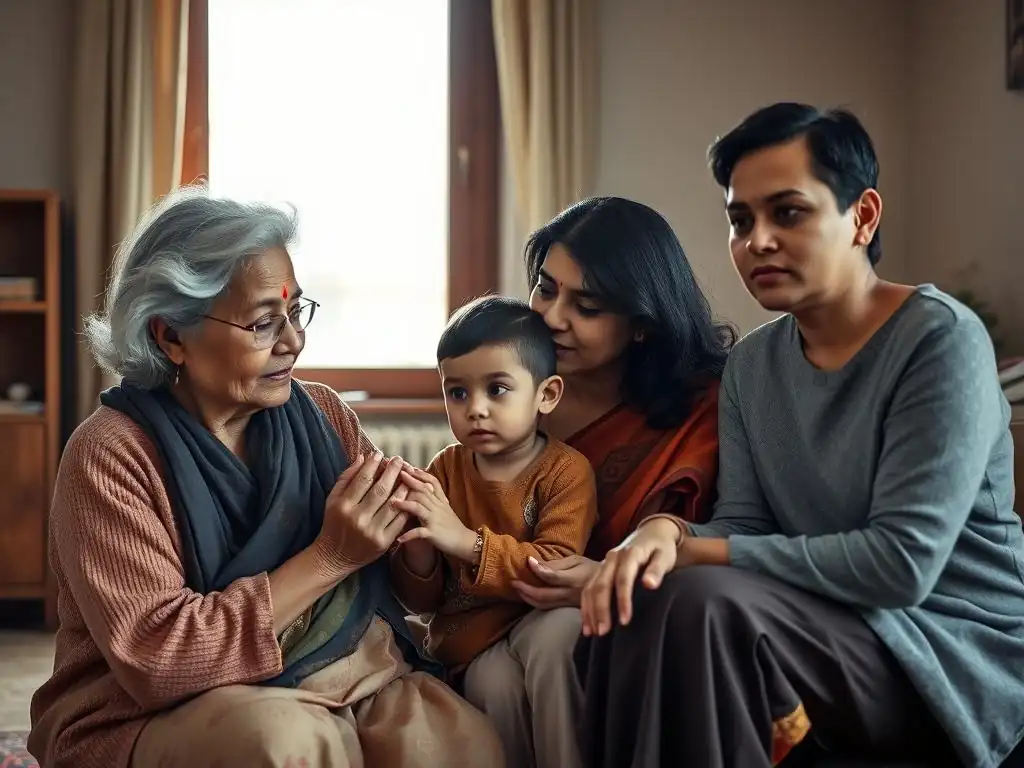
Addressing Stigma and Discrimination in Mental Health
Addressing stigma and discrimination is fundamental to improving mental health helpseeking in minority communities. Stigma, whether internal (self-stigma) or external (social stigma), creates a powerful disincentive to seek help, leading individuals to suffer in isolation. Discrimination, both within the healthcare system and in broader society, erodes trust and can result in negative experiences that discourage future help-seeking. For example, studies show that individuals from minority groups may experience microaggressions or lack of understanding from providers, leading them to drop out of treatment.
Effective strategies involve multi-pronged approaches: public education campaigns that challenge myths and promote understanding, using culturally relevant messengers and platforms; anti-stigma programs within healthcare settings to train providers and staff; and promoting stories of recovery from within the community to normalize help-seeking. Advocacy efforts to combat systemic discrimination in healthcare and society are also crucial. By creating environments where individuals feel safe, respected, and understood, communities can foster cultural mental health helpseeking strategies that prioritize well-being over fear of judgment.
Improving Access to Culturally Relevant Mental Health Resources
Improving access to culturally relevant mental health resources is critical for ensuring that services meet the specific needs and preferences of diverse populations. This involves more than just translating materials; it requires developing interventions that are grounded in the cultural values, beliefs, and practices of the target community. This could include incorporating traditional healing methods, involving family or community members in therapy, utilizing narrative approaches that resonate with cultural storytelling traditions, or offering services in community-based settings like churches or community centers.
Examples include group therapy models adapted for specific cultural contexts, incorporating spiritual practices into counseling for religious clients, or using community health workers to provide outreach and navigation services. Data shows that culturally adapted interventions can lead to better engagement and outcomes. For instance, a culturally adapted cognitive behavioral therapy program for Latinx youth might incorporate elements of familismo and address acculturation stress, resulting in higher completion rates and greater symptom reduction compared to a standard program. Investing in the development and dissemination of such resources is key to supporting diverse cultural mental health helpseeking strategies.
Building Trust Between Communities and Mental Health Providers
Building trust is perhaps the most essential element in facilitating effective cultural mental health helpseeking strategies, particularly in minority communities that have experienced historical marginalization and systemic barriers to care. Trust is not built quickly; it requires consistent, respectful engagement and a genuine commitment from providers and institutions to understand and address community concerns. This involves acknowledging past harms, listening to community perspectives, and demonstrating cultural humility in interactions.
Strategies for building trust include establishing long-term partnerships with community organizations and leaders, hiring staff from within the community, offering services in accessible and non-stigmatizing locations, and ensuring transparency in care delivery. For example, a mental health clinic might partner with a local mosque to offer workshops on stress management, or hire a community health worker respected within the Latinx community to conduct outreach. When communities trust that providers understand their experiences, respect their values, and are genuinely committed to their well-being, they are far more likely to overcome hesitation and engage with formal mental health services.
The Future of Cultural Mental Health Helpseeking
Promoting Culturally Sensitive Mental Health Awareness
Promoting culturally sensitive mental health awareness is a vital step towards a future where diverse cultural mental health helpseeking strategies are supported and utilized effectively. This involves moving beyond generic awareness campaigns to develop targeted initiatives that resonate with specific cultural groups, using language, imagery, and messengers that are familiar and trusted within those communities. Awareness efforts should not only focus on recognizing symptoms but also on normalizing help-seeking and highlighting the availability of culturally appropriate resources.
This could involve collaborating with cultural festivals to host mental health information booths, developing public service announcements featuring respected community members sharing their stories, or creating educational materials that explain mental health concepts using metaphors or analogies relevant to the culture. Such initiatives help to reduce stigma, increase mental health literacy, and empower individuals and families to seek support in ways that align with their values. Data suggests that culturally tailored awareness campaigns are more effective in reaching target audiences and prompting action compared to one-size-fits-all approaches.
Research and Innovation in Cultural Mental Health
Continued research and innovation are crucial for advancing understanding and improving cultural mental health helpseeking strategies. This includes research into the unique mental health needs and experiences of diverse cultural groups, the effectiveness of traditional healing practices, and the development and testing of culturally adapted interventions. There is a significant need for more research conducted with and by minority communities, using community-based participatory research methods that ensure relevance and build capacity within the community.
Innovation is needed in developing flexible service delivery models that can reach underserved populations, such as mobile clinics, telehealth services tailored for different cultural contexts, and integrated care models that embed mental health support within primary care or community settings. For example, research might explore how specific cultural values influence treatment preferences or test the efficacy of an intervention that combines Western therapy with traditional healing practices for a particular Indigenous community. Investing in this research and innovation is essential for creating a mental healthcare system that is truly equitable and effective for all.
Empowering Communities to Advocate for Mental Health Resources
Empowering communities to advocate for their own mental health needs and resources is a powerful strategy for driving systemic change and improving cultural mental health helpseeking strategies. When communities are equipped with knowledge, resources, and organizational capacity, they can effectively voice their needs, challenge discriminatory practices, and demand culturally competent services from policymakers and healthcare providers. This involves supporting community-led initiatives, providing training on advocacy and navigating systems, and facilitating opportunities for community members to participate in planning and decision-making processes.
Examples include community organizing efforts to lobby for increased funding for culturally specific mental health programs, establishing community advisory boards to guide the development of local services, or training peer advocates to support others in accessing care. When communities are empowered, they become active agents in shaping their own mental health landscape, ensuring that resources are not only available but also truly accessible, relevant, and responsive to their unique cultural contexts. This grassroots advocacy is a critical component of creating sustainable and equitable mental healthcare systems.
Resources for Culturally Competent Mental Health Care
National Alliance on Mental Illness (NAMI), Substance Abuse and Mental Health Services Administration (SAMHSA)
Several national organizations offer valuable resources for individuals seeking culturally competent mental health care and for providers looking to improve their cultural sensitivity. The National Alliance on Mental Illness (NAMI) provides education, support, and advocacy, including resources specifically tailored for various cultural and identity groups. They offer programs like "Compartiendo Esperanza: Resources for Your Mental Wellness," which is designed for the Latinx community, and information addressing mental health in the Black/African American community, Asian American and Pacific Islander communities, and other groups.
The Substance Abuse and Mental Health Services Administration (SAMHSA) is another key federal resource. SAMHSA provides publications, data, and initiatives focused on reducing disparities and improving behavioral health equity. Their resources often include reports on mental health in specific populations, guidelines for culturally responsive practices, and toolkits for providers. SAMHSA also funds programs aimed at addressing the mental health needs of diverse communities, making it a crucial source of information and support for those navigating cultural mental health helpseeking strategies.
Mental Health Resources for Specific Cultural Groups
Beyond national organizations, numerous resources exist that are specifically designed for and by particular cultural groups, offering culturally relevant information and support. These resources are often developed by community-based organizations, non-profits, or cultural associations that have a deep understanding of the community's unique needs, values, and helpseeking preferences.
Examples include:
- The Steve Fund: Focused on the mental health and emotional well-being of young people of color.
- The Asian Mental Health Collective: Aims to normalize and de-stigmatize mental health within Asian communities worldwide.
- Therapy for Black Girls / Therapy for Black Men: Online platforms connecting Black individuals with culturally competent therapists.
- Latinx Therapy: Connects individuals with Latinx therapists and provides culturally relevant mental health resources.
- WeRNative: A comprehensive health resource for Native youth, by Native youth, including mental health information.
- Spirit Lake Consulting, Inc.: Provides resources and training focused on historical trauma and culturally relevant approaches for Indigenous communities.
These specific resources are invaluable components of comprehensive cultural mental health helpseeking strategies, offering tailored support and connection within a culturally affirming context. They represent a vital step in ensuring that help is not only available but also accessible and relevant to the diverse experiences of individuals across different communities.
Frequently Asked Questions
How does culture influence whether someone seeks help for mental health issues?
Culture significantly shapes perceptions of mental illness, impacting whether individuals recognize symptoms as requiring professional help. Stigma associated with mental health within certain cultures can also deter help-seeking. Cultural norms around emotional expression and coping mechanisms further influence these decisions.
What are some common cultural barriers to mental health care?
Common barriers include language differences that hinder communication with providers. Mistrust of the healthcare system, particularly among marginalized communities, is another obstacle. Differing beliefs about the causes and treatments of mental illness also create barriers.
How can family and community support impact mental health help-seeking within different cultures?
Strong family and community networks can provide informal support systems and reduce reliance on formal mental health services. However, cultural expectations within these networks might also discourage seeking professional help, prioritizing traditional healing practices. The level of acceptance and understanding from family and community members is crucial.
What are some culturally sensitive approaches to mental health care?
Culturally sensitive approaches involve understanding a client's cultural background, beliefs, and values. Adapting treatment methods to align with these cultural factors is essential. Utilizing bilingual or bicultural therapists can improve communication and build trust.
What are "cultural mental health helpseeking strategies" and why are they important?
"Cultural mental health helpseeking strategies" refer to approaches that acknowledge and integrate cultural factors into the process of seeking mental health support. They are important because they can improve access to care, reduce stigma, and enhance the effectiveness of treatment for diverse populations.
Final Reflection: Weaving a Tapestry of Support for Mental Wellbeing
The interwoven threads of family, community, and cultural beliefs significantly shape an individual's journey toward seeking mental health support. This reality, often overlooked in mainstream discussions, underscores the critical need for culturally sensitive approaches to mental healthcare. Ignoring these nuances not only limits access to vital services but also perpetuates stigma and hinders effective treatment.
The exploration of diverse cultural perspectives on mental health has profoundly impacted my understanding of the complexities surrounding help-seeking behaviors. It's become clear that a one-size-fits-all approach is not only ineffective but also potentially harmful. We must move beyond simplistic models and embrace the richness of cultural practices that offer unique pathways to healing and support. Culture is not just a set of beliefs, but a living, breathing system that shapes our understanding of the world and our place within it.
This quote highlights the dynamic nature of cultural influence on mental health and the importance of understanding its multifaceted impact.
Now, consider your own community. What are the unspoken rules, the ingrained beliefs, and the traditional practices that shape how mental health is perceived and addressed? I urge you to reflect on these questions and consider how you can contribute to building a more inclusive and supportive environment for those seeking mental health care. Let's work together to weave a stronger tapestry of understanding and support, one thread of cultural sensitivity at a time.
Unlock Your Community's Support Network
Thanks for exploring the powerful connection between culture, family, and mental health support! You've gained valuable insights into how cultural context shapes help-seeking behaviors, and now it's time to put that knowledge into action.
- Reach out to a trusted family member or community leader: Share what you've learned and explore ways to create more open conversations about mental well-being within your own circle. This is the most impactful step you can take today.
- Consider joining a culturally relevant support group: Connecting with others who share similar experiences can offer invaluable understanding and support.
- Share this article with someone who might benefit: Let's work together to build stronger, more supportive communities around mental health.
What small step can you take this week to foster better understanding and support within your own community?