
Understanding the Brain: What Happens During Childhood Depression

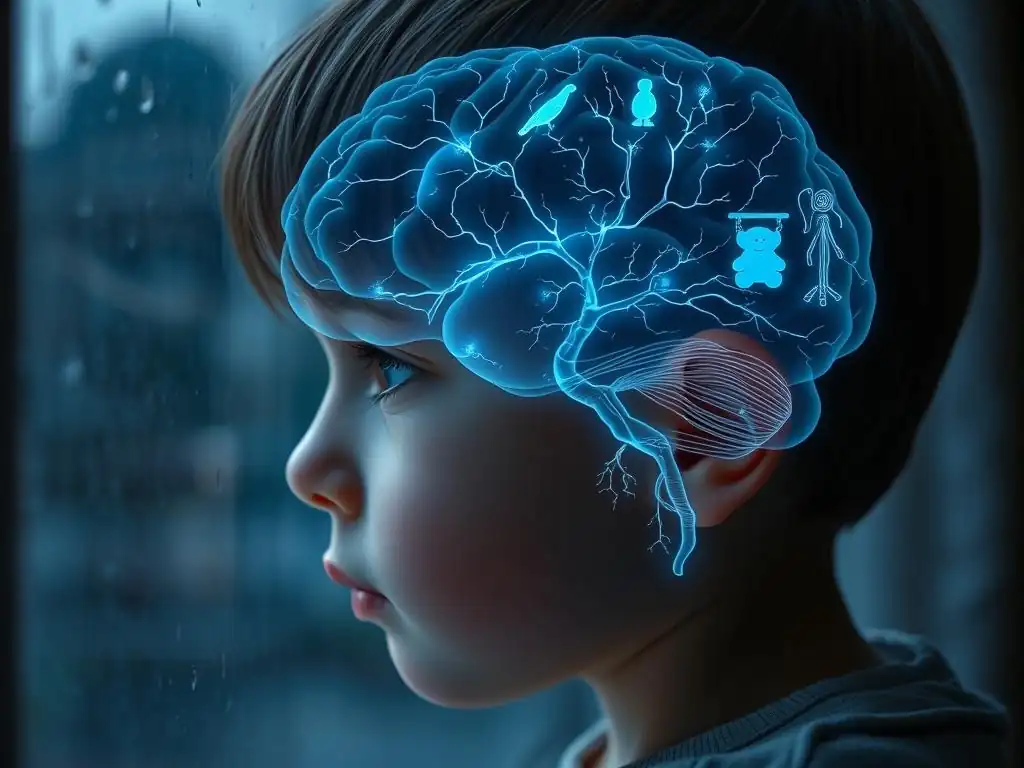
Welcome to Mind Care Guide.
Are you concerned about how early struggles might be shaping a young mind? It's a valid worry, and you're not alone. We understand the anxieties surrounding childhood mental health. This guide offers insights into the intricate connection between childhood depression and brain development, exploring how these formative years can impact long-term well-being. Join us as we unpack the science and offer a roadmap for understanding and supporting our children's mental health. What if understanding the process could empower you to make a real difference? Let's explore.
Understanding the Brain: What Happens During Childhood Depression
- Childhood Depression and Brain Development: An Introduction
- The Impact of Childhood Depression on the Developing Brain
- How Childhood Depression Affects Brain Functionality
- The Role of Neurotransmitters in Childhood Depression
- Environmental Factors and Their Influence on Brain Development in Childhood Depression
- Diagnosing and Treating Childhood Depression: A Brain-Focused Approach
- Long-Term Effects of Childhood Depression on Brain Development
- Supporting a Child with Depression: A Guide for Parents and Caregivers
- The Future of Research in Childhood Depression and Brain Development
-
Frequently Asked Questions
- How does childhood depression affect brain development?
- What specific brain regions are most affected by childhood depression?
- Can early intervention help mitigate the impact of childhood depression on the brain?
- Are the brain changes caused by childhood depression permanent?
- What resources are available to support children with depression and their brain health?
- Final Reflection: The Shaping Mind: Childhood Depression and the Path Forward
- Unlock Your Child's Potential: Next Steps for Support
Childhood Depression and Brain Development: An Introduction
The Growing Concern of Early Onset Depression
Childhood depression, once thought to be rare, is increasingly recognized as a significant public health concern. Unlike transient sadness, this is a persistent mood disorder that can profoundly disrupt a child's life and development. Estimates suggest that up to 2-3% of children aged 6-12 may experience major depressive disorder, with rates rising significantly during adolescence. Recognizing and addressing depression early is critical because its onset during formative years can have lasting effects on brain development and overall well-being.
This early onset depression often presents differently than in adults, sometimes manifesting as irritability, physical complaints, or behavioral problems rather than overt sadness. The challenges in identification mean many cases go undiagnosed, delaying crucial intervention. The potential long-term consequences, including increased risk of future depressive episodes, anxiety disorders, substance abuse, and even suicidal ideation, underscore the urgency of understanding this condition and its impact on the developing brain.
Why Understanding the Brain is Crucial for Treating Childhood Depression
Understanding the intricate relationship between childhood depression and brain development provides a vital foundation for effective diagnosis and treatment. The child's brain is a dynamic system, constantly growing and wiring new connections in response to experiences and environment. Depression during this critical period isn't just a psychological state; it involves tangible changes in brain structure, function, and chemistry.
Delving into the neurobiological underpinnings of childhood depression helps demystify the condition, reducing stigma and informing targeted interventions. By identifying which brain regions and circuits are affected, clinicians and researchers can develop more precise therapies, whether pharmacological, behavioral, or environmental, that aim to promote healthy neural development and resilience. A brain-focused approach acknowledges the biological reality of the disorder and highlights the potential for recovery and positive change through appropriate support.
The Impact of Childhood Depression on the Developing Brain
Neurobiological Changes Associated with Childhood Depression
Research has illuminated several neurobiological changes associated with childhood depression, distinguishing it from typical development. These changes can involve alterations in brain volume, connectivity, and activity patterns within key neural circuits. Studies using magnetic resonance imaging (MRI) have sometimes shown differences in the size or structure of certain brain areas in depressed children compared to their non-depressed peers, although findings can vary.
Beyond structural differences, functional neuroimaging techniques like fMRI reveal altered activity and communication between brain regions. For instance, circuits involved in processing emotions, regulating mood, and experiencing pleasure often show dysregulation. These neurobiological markers are not necessarily permanent but reflect the brain's current state under the influence of the depressive illness, highlighting the potential for interventions to promote healing and change.
Brain Regions Affected by Childhood Depression: A Detailed Look
Childhood depression can impact several key brain regions crucial for emotional processing, cognitive function, and social interaction. While research is ongoing and complex, certain areas consistently appear to be involved. These regions are interconnected, forming networks that regulate mood and behavior, and disruption in one area can have ripple effects throughout the network.
Understanding the specific roles of these regions helps explain the diverse symptoms observed in childhood depression, from persistent sadness and irritability to difficulty concentrating and loss of interest in activities. The vulnerability of these developing brain areas during childhood makes early intervention particularly important to mitigate potential long-term impacts on structure and function.
The Role of the Amygdala in Childhood Depression
The amygdala, a small, almond-shaped structure deep within the brain, plays a central role in processing emotions, particularly fear and threat. In children with depression, studies often show increased activity in the amygdala when processing negative emotional stimuli. This heightened reactivity might contribute to the increased sensitivity to negative experiences and difficulty regulating fear and anxiety commonly seen in depressed youth.
Furthermore, some research suggests that the amygdala might be larger in volume in children experiencing depression, although this finding is not universal across all studies. This potential structural or functional alteration in the amygdala highlights how early onset depression can affect the brain's fundamental threat detection and emotional response systems, potentially leading to a bias towards perceiving negative information.
The Prefrontal Cortex and its Connection to Childhood Depression
The prefrontal cortex (PFC), located at the front of the brain, is responsible for executive functions such as planning, decision-making, working memory, and regulating emotions and social behavior. In childhood depression, there is often evidence of reduced activity or altered connectivity in certain areas of the PFC, particularly the ventromedial and dorsolateral regions.
This decreased activity in the PFC can impair a child's ability to regulate their mood, control impulses, and solve problems effectively. The PFC normally works in concert with the amygdala to temper emotional responses; dysfunction in the PFC can leave the amygdala unchecked, contributing to overwhelming negative emotions. Changes in this region are strongly linked to difficulties with focus, attention, and emotional control observed in depressed children.
The Hippocampus and its Vulnerability in Depressed Children
The hippocampus is a brain structure critical for learning, memory, and regulating the stress response system (the HPA axis). Chronic stress and elevated levels of stress hormones like cortisol, often associated with depression, can be particularly toxic to the hippocampus. Studies in adults with depression frequently show reduced hippocampal volume, and similar findings are sometimes observed in children and adolescents with the disorder.
A smaller or less active hippocampus can contribute to memory problems and difficulties with learning, which are sometimes reported by children with depression. Its role in the stress response also means that hippocampal dysfunction can perpetuate the cycle of stress and depression. The vulnerability of the hippocampus to the effects of stress highlights the biological impact of the depressive state on a child's brain development and cognitive function.
How Childhood Depression Affects Brain Functionality
Cognitive Impairment and Childhood Depression: Focus and Memory
Childhood depression can significantly impair cognitive functions, impacting a child's ability to succeed in school and daily life. Difficulties with attention, concentration, and memory are common symptoms. These cognitive challenges are directly linked to the changes observed in brain regions like the prefrontal cortex and hippocampus.
For example, reduced activity in the PFC can make it hard for a child to sustain attention, filter distractions, and retain information in working memory. Similarly, potential changes in the hippocampus can impact the formation and retrieval of new memories. These cognitive impairments aren't just psychological manifestations of sadness; they represent real functional changes in how the depressed child's brain processes information, making tasks requiring focus and recall particularly challenging.
Emotional Regulation and the Depressed Child's Brain
Emotional dysregulation is a hallmark of childhood depression. Children may exhibit excessive irritability, have difficulty bouncing back from negative experiences, or show blunted emotional responses. This difficulty in managing emotions is closely tied to altered activity and connectivity within brain networks involving the amygdala, prefrontal cortex, and other limbic structures.
The impaired communication between the emotion-generating regions (like the amygdala) and the emotion-regulating regions (like the PFC) means the child struggles to modulate intense feelings. They might overreact to minor frustrations or feel overwhelmed by sadness or anger. Understanding this neural basis helps explain why simply telling a depressed child to "cheer up" is ineffective; their brain's ability to regulate mood is compromised.
The Impact on Reward Processing in Childhood Depression
A core symptom of depression is anhedonia, the loss of interest or pleasure in activities that were once enjoyable. This symptom is linked to dysfunction in the brain's reward system, primarily involving areas like the nucleus accumbens and pathways using the neurotransmitter dopamine. In children with depression, these reward circuits may show reduced activity or altered sensitivity.
This means the brain struggles to register pleasure or motivation from positive experiences, making it hard for the child to feel rewarded by playing with friends, engaging in hobbies, or even achieving goals. The impaired reward processing contributes significantly to the lack of motivation, withdrawal, and persistent low mood characteristic of childhood depression, reflecting a fundamental change in how the brain experiences pleasure and drives behavior.
The Role of Neurotransmitters in Childhood Depression
Serotonin and Childhood Depression: A Key Connection
Serotonin is a neurotransmitter widely recognized for its role in regulating mood, sleep, appetite, and social behavior. Research suggests that imbalances or dysregulation in the serotonin system are significantly involved in the development and maintenance of depression, including in children. While the exact mechanisms are complex, altered levels or reduced sensitivity of serotonin receptors in key brain areas are hypothesized.
Many antidepressant medications, specifically Selective Serotonin Reuptake Inhibitors (SSRIs), target the serotonin system to increase the availability of serotonin in the synaptic cleft, aiming to improve mood regulation. This pharmacological approach underscores the significant role serotonin is believed to play in the neurochemistry underlying childhood depression, influencing neural circuits involved in mood, emotional processing, and stress response.
Dopamine and its Influence on Motivation in Depressed Children
Dopamine is another crucial neurotransmitter, heavily involved in the brain's reward and motivation system, as well as in pleasure, attention, and movement. Dysfunction in dopaminergic pathways is thought to contribute significantly to symptoms of anhedonia (loss of pleasure) and lack of motivation commonly seen in childhood depression. Reduced dopamine activity or signaling in reward-related brain areas makes it difficult for children to experience joy or feel driven to engage in activities.
This altered dopamine signaling helps explain why a child might withdraw from hobbies, social interactions, and even basic self-care activities. The brain's ability to anticipate and respond to rewards is diminished, creating a cycle of inactivity and low mood. While serotonin often receives more attention in depression treatment, the role of dopamine is increasingly recognized, particularly in addressing motivational deficits.
Norepinephrine and its Role in Mood Regulation during Childhood
Norepinephrine is a neurotransmitter involved in the body's stress response ("fight or flight"), attention, arousal, and mood regulation. Dysregulation of the norepinephrine system is also implicated in depression. Imbalances can affect energy levels, focus, and the ability to cope with stress.
In the context of childhood depression, altered norepinephrine levels or signaling can contribute to symptoms like fatigue, difficulty concentrating, and irritability. Some antidepressant medications target both serotonin and norepinephrine systems (SNRIs) to address a broader range of depressive symptoms. The interplay between serotonin, dopamine, and norepinephrine, along with other neurochemicals, creates a complex neurochemical landscape that is disrupted in the brain affected by childhood depression.
Environmental Factors and Their Influence on Brain Development in Childhood Depression
The Impact of Adverse Childhood Experiences on the Child's Brain
Adverse Childhood Experiences (ACEs), such as abuse, neglect, household dysfunction, or parental mental illness, are strongly linked to an increased risk of developing depression later in life, including during childhood. These experiences don't just cause psychological distress; they can profoundly alter the trajectory of brain development. Chronic stress associated with ACEs can lead to persistent activation of the body's stress response system (HPA axis), flooding the brain with stress hormones like cortisol.
Prolonged exposure to high cortisol levels can damage developing brain structures, particularly the hippocampus and prefrontal cortex, regions vital for stress regulation, learning, and emotional control. This neurobiological impact makes children who have experienced ACEs more vulnerable to mood disorders, including childhood depression, by essentially wiring their brains to be hyper-responsive to stress and negative stimuli.
The Role of Trauma in Shaping Brain Development and Depression
Trauma, a specific type of ACE, can have particularly potent effects on the developing brain. Experiencing traumatic events, such as physical or sexual abuse, witnessing violence, or living through a natural disaster, can significantly impact the structure and function of brain areas involved in fear processing (amygdala), memory (hippocampus), and executive function (prefrontal cortex).
For example, trauma can lead to an overactive amygdala and a less active PFC, resulting in heightened fear responses and difficulty regulating emotions. It can also impair the hippocampus's ability to contextualize memories, leading to intrusive thoughts or flashbacks. These trauma-induced brain changes create a neurobiological vulnerability that can manifest as depression, anxiety, and post-traumatic stress disorder, highlighting how early experiences physically shape the brain's capacity for emotional well-being.
The Importance of a Supportive Environment for Brain Health
Conversely, a supportive and nurturing environment plays a critical role in promoting healthy brain development and buffering against the negative effects of stress and adversity, even in children with a predisposition to depression. Stable, responsive relationships with caregivers provide a sense of safety and security, which is essential for the healthy development of stress-regulating brain circuits.
Positive experiences, opportunities for learning and exploration, and consistent emotional support can help build resilience and promote the development of robust neural pathways in areas like the prefrontal cortex. These experiences can help mitigate some of the neurobiological impacts of childhood depression and adversity, underscoring that the environment is not just a backdrop but an active participant in shaping the child's brain and their capacity for mental health.
Diagnosing and Treating Childhood Depression: A Brain-Focused Approach
Neuroimaging Techniques in Diagnosing Childhood Depression
While not currently used for routine clinical diagnosis, neuroimaging techniques like MRI, fMRI, and PET scans are invaluable research tools that have significantly advanced our understanding of the neurobiological basis of childhood depression. These techniques allow researchers to visualize brain structure, measure activity patterns, and assess connectivity between different brain regions in living children.
Studies using neuroimaging have helped identify the specific brain regions (amygdala, PFC, hippocampus) and networks implicated in the disorder, providing objective evidence of brain changes associated with symptoms. While a definitive "brain scan for depression" doesn't exist for clinical use, ongoing research aims to identify potential neuroimaging biomarkers that could eventually aid in diagnosis, predict treatment response, or personalize interventions based on an individual child's unique pattern of brain differences.
Therapeutic Interventions and Their Effects on Brain Activity
Effective treatments for childhood depression, including psychotherapy and medication, work by influencing brain activity and promoting healthier neural function. These interventions don't just address symptoms; they can actually facilitate neuroplasticity, the brain's ability to reorganize itself by forming new neural connections throughout life.
Understanding how these treatments impact brain function reinforces their importance and provides insight into their mechanisms of action. Therapy and medication can help correct some of the dysregulations in brain circuits and neurotransmitter systems associated with the disorder, supporting the brain's capacity for recovery and more adaptive functioning.
Cognitive Behavioral Therapy (CBT) and its Neural Mechanisms
Cognitive Behavioral Therapy (CBT) is a widely used and effective psychotherapy for childhood depression. CBT helps children identify and challenge negative thought patterns and develop more adaptive coping strategies. Research suggests that CBT can lead to measurable changes in brain activity, particularly in the prefrontal cortex and amygdala.
Studies using fMRI have shown that after successful CBT treatment, children with depression may exhibit increased activity in regions of the PFC associated with emotional regulation and decreased activity in the amygdala when presented with negative stimuli. This suggests that CBT helps strengthen the brain's capacity to regulate emotional responses and shift cognitive biases, illustrating how talk therapy can induce tangible neurobiological changes.
Selective Serotonin Reuptake Inhibitors (SSRIs) and their Impact on the Depressed Child's Brain
Selective Serotonin Reuptake Inhibitors (SSRIs) are the most commonly prescribed type of antidepressant medication for children and adolescents with moderate to severe depression. SSRIs work by increasing the availability of serotonin in the brain by blocking its reabsorption (reuptake) by neurons. This increased serotonin signaling is thought to gradually modulate the activity of neural circuits involved in mood and emotion.
Research indicates that SSRI treatment can lead to changes in brain activity and connectivity over time, particularly in areas like the amygdala, hippocampus, and prefrontal cortex, which are rich in serotonin receptors. While the full extent of their long-term impact on the developing brain is still an area of active research, the goal of SSRIs is to help restore a more balanced neurochemical environment that supports healthier brain function and alleviates depressive symptoms. It's crucial that SSRI use in children is carefully monitored by a qualified medical professional due to potential side effects and ongoing developmental considerations.
Long-Term Effects of Childhood Depression on Brain Development
Potential for Long-Term Cognitive and Emotional Impairment
If left untreated or inadequately treated, childhood depression can have lasting consequences on brain development and function. The structural and functional changes observed during the depressive episode, particularly in regions like the hippocampus and prefrontal cortex, may persist into adolescence and adulthood. This can potentially lead to long-term cognitive deficits, such as difficulties with attention, memory, and executive functions, impacting academic and occupational success.
Furthermore, early onset depression increases the risk of recurrent depressive episodes and other mental health conditions throughout life. The altered emotional regulation pathways established during childhood may contribute to ongoing challenges in managing stress and emotions, potentially impacting relationships and overall quality of life. The brain's developmental trajectory can be significantly altered by the experience of depression during these critical years.
The Importance of Early Intervention for Preventing Lasting Effects
Given the potential for long-term impacts on brain development, early identification and intervention for childhood depression are paramount. Treating depression when it first emerges can help mitigate the severity of the neurobiological changes and potentially prevent them from becoming entrenched. Effective treatment, whether through therapy, medication, or a combination, can support the brain's natural plasticity and capacity for recovery.
Providing timely and appropriate support helps normalize brain function and promote healthier developmental pathways. Early intervention not only alleviates current suffering but also builds resilience, equipping the child with better coping mechanisms and a more stable neurobiological foundation for navigating future challenges, thereby reducing the likelihood of chronic or recurrent mental health issues.
Supporting a Child with Depression: A Guide for Parents and Caregivers
Creating a Brain-Healthy Environment at Home
Parents and caregivers play a crucial role in supporting a child with depression by creating an environment that fosters brain health and emotional well-being. This involves establishing consistent routines for sleep, healthy eating, and physical activity, all of which have a significant positive impact on brain function and mood regulation. Ensuring adequate sleep, for instance, is vital as sleep deprivation negatively affects the prefrontal cortex and emotional regulation.
Limiting exposure to chronic stress and conflict within the home is also critical, as a chaotic or unstable environment can exacerbate the neurobiological effects of depression. Providing predictable structure, offering consistent emotional support, encouraging positive social interactions, and creating opportunities for enjoyable activities can help buffer stress and promote the development of healthy neural pathways.
Seeking Professional Help: Finding the Right Treatment Team
Recognizing the signs of childhood depression and seeking professional help is the most important step for parents and caregivers. A qualified mental health professional, such as a child psychologist, psychiatrist, or licensed clinical social worker, can provide an accurate diagnosis and develop an appropriate treatment plan. This plan should be tailored to the child's specific needs and may involve individual therapy (like CBT or interpersonal therapy), family therapy, and potentially medication.
Finding a treatment team experienced in childhood and adolescent mental health is essential. They can conduct thorough assessments, including evaluating potential co-occurring conditions, and guide families through evidence-based interventions. Open communication with the treatment team ensures that the child receives comprehensive care that addresses both the psychological and neurobiological aspects of their depression.
Understanding and Addressing the Stigma of Childhood Depression
Stigma surrounding mental health, including childhood depression, can be a significant barrier to seeking help and receiving adequate support. Parents, caregivers, and children themselves may feel shame or embarrassment, leading to secrecy and delayed treatment. Understanding that depression is a real medical condition with neurobiological underpinnings, much like asthma or diabetes, is crucial in combating stigma.
Educating oneself and others about childhood depression and its impact on brain development can help normalize the conversation and encourage empathy. Advocating for the child's needs at school and within the community, while respecting their privacy, can also help create a more supportive environment. Addressing stigma openly and honestly is vital for ensuring children receive the timely and effective care they need to recover and thrive.
The Future of Research in Childhood Depression and Brain Development
Emerging Technologies and Their Potential for Treatment
The field of neuroscience is rapidly advancing, offering exciting possibilities for better understanding and treating childhood depression. Emerging technologies like advanced neuroimaging techniques (e.g., diffusion tensor imaging to study brain connectivity), genetic sequencing, and computational modeling are providing deeper insights into the complex interplay of genes, environment, and brain function in the development of the disorder.
These technologies hold the potential to identify more specific biomarkers for childhood depression, which could lead to earlier and more accurate diagnosis. Furthermore, they may pave the way for personalized treatment approaches, where interventions are selected based on an individual child's unique neurobiological profile. Techniques like transcranial magnetic stimulation (TMS) or neurofeedback, which directly modulate brain activity, are also being explored, although their application in young children is still largely experimental.
The Importance of Continued Research and Advocacy
Continued research into childhood depression and brain development is essential to unraveling the complexities of this disorder and developing more effective prevention and treatment strategies. Research not only deepens our understanding of the neurobiological mechanisms but also evaluates the effectiveness of interventions and identifies factors that promote resilience.
Advocacy is equally important. Raising awareness about the reality and impact of childhood depression, promoting mental health education, and advocating for increased funding for research and access to quality care are critical steps. By investing in research and supporting affected children and families, we can work towards a future where early onset depression is readily recognized, effectively treated, and its long-term impact on brain development is minimized, allowing children to reach their full potential.
Frequently Asked Questions
How does childhood depression affect brain development?
Childhood depression can significantly impact brain development, particularly in areas related to emotional regulation and cognitive function. This can lead to long-term challenges if left untreated.
What specific brain regions are most affected by childhood depression?
The amygdala, hippocampus, and prefrontal cortex are often affected in children with depression. These areas are crucial for processing emotions, memory formation, and executive functions respectively.
Can early intervention help mitigate the impact of childhood depression on the brain?
Yes, early intervention is crucial. Therapy and medication can help normalize brain activity and promote healthy brain development in children struggling with depression.
Are the brain changes caused by childhood depression permanent?
While some changes may persist, many are reversible with effective treatment. Neuroplasticity, the brain's ability to adapt, allows for recovery and positive development even after experiencing depression.
What resources are available to support children with depression and their brain health?
Mind Care Guide offers a wealth of information, support groups, and resources for mental well-being. Consulting with a mental health professional specializing in childhood depression is highly recommended.
Final Reflection: The Shaping Mind: Childhood Depression and the Path Forward
The impact of childhood depression on brain development is not merely a clinical observation; it's a profound societal challenge demanding immediate attention. Untreated depression in children can significantly alter neural pathways, impacting cognitive function, emotional regulation, and overall well-being throughout their lives. This has far-reaching consequences, affecting academic achievement, social relationships, and future mental health.
The pervasive nature of childhood depression underscores the urgent need for increased awareness and accessible mental health resources. It's a heartbreaking reality that many children suffer in silence, their struggles often overlooked or misunderstood. The stigma surrounding mental illness, particularly in children, prevents early intervention and perpetuates a cycle of suffering. The best time to plant a tree was 20 years ago. The second best time is today.
This holds true for addressing childhood depression; early intervention is crucial, but even now, we can make a difference.
You, the reader, now possess a deeper understanding of the intricate connection between childhood depression and brain development. This knowledge is power. Take the time to reflect on the children in your life – your own, your students, your neighbors. Learn the signs, initiate conversations, and don't hesitate to seek professional help if needed. By fostering empathy, promoting open communication, and advocating for better mental health resources, we can collectively create a brighter future for children struggling with depression, helping them to blossom into their full potential.
Unlock Your Child's Potential: Next Steps for Support
Thanks for taking the time to learn about childhood depression. Understanding this complex issue is a powerful first step towards helping your child thrive. Now, let's move forward with actionable support.
- Prioritize a conversation: Schedule a time to talk openly with your child about their feelings and experiences. Create a safe space for honest communication. This is your most important next step.
- Reach out to a professional: Connect with a pediatrician, therapist, or counselor specializing in child psychology. Early intervention is key.
- Share this knowledge: Forward this article to another parent or family member who might benefit from understanding childhood depression. Let’s build a supportive community together.
What specific strategies will you implement today to support your child's emotional well-being?