
Mindful Parenting: Raising Present & Calm Kids


Welcome to Mind Care Guide.
Are you yearning for more peaceful mornings and fewer bedtime battles? It's okay, you're not alone. Many parents struggle to navigate the emotional landscape of childhood. In this guide, we'll explore calm kids parenting strategies designed to help you cultivate a more mindful and harmonious environment for your family. Discover practical techniques to foster resilience, emotional regulation, and a deeper connection with your children. Ready to embark on this journey towards a calmer, more present family life? Let's begin.
Mindful Parenting: Raising Empathetic & Resilient Children
- Understanding Mindful Parenting for Raising Resilient Children
- Practical Techniques for Cultivating Calmness
- Addressing Common Parenting Challenges with Mindfulness
- Fostering Resilience and Emotional Intelligence
- Resources for Mindful Parenting and Raising Resilient Children
-
Frequently Asked Questions
- How can mindful parenting help create calmer kids?
- What are some practical Calm kids parenting strategies I can implement immediately?
- How does stress in parents affect their children's ability to stay calm?
- What are some common challenges parents face when trying to implement mindful parenting?
- Where can I find additional resources and support for practicing Calm kids parenting strategies?
- Final Reflection: Cultivating Calm in a Chaotic World
- Unleash Your Inner Calm Parent: Start Today!
Understanding Mindful Parenting for Raising Resilient Children
What is Mindful Parenting? Cultivating Presence and Non-Judgment
Mindful parenting is an approach centered on bringing full awareness and presence to the parent-child relationship. It involves paying attention to your own thoughts, feelings, and physical sensations as a parent, as well as those of your child, without judgment. This means actively observing interactions, listening deeply, and responding thoughtfully rather than reacting impulsively. It's about being fully with your child in the moment, whether it's playing, talking, or navigating a challenging situation. This practice helps parents become more attuned to their child's needs and their own internal state, fostering a connection built on understanding and acceptance.
Cultivating presence in mindful parenting also involves letting go of distractions and preconceived notions about how things "should" be. Instead of being lost in worries about the future or regrets about the past, the focus is on the here and now. Non-judgment is equally crucial; it means observing your child's behavior or your own parenting responses without immediately labeling them as "good" or "bad." This opens the door for greater empathy and compassion, both for your child and yourself. By practicing mindful parenting, you create a foundation for developing effective calm kids parenting strategies that are responsive and nurturing.
Mindful parenting significantly impacts a child's social-emotional growth. When parents model presence and emotional regulation, children learn these skills by observation and interaction. Research indicates that children raised in environments where parents practice mindfulness tend to exhibit better emotional regulation, showing fewer instances of intense outbursts and recovering more quickly from upsets. They also develop a stronger sense of self-awareness, understanding their own feelings and how to manage them constructively. This foundation in emotional intelligence is vital for navigating social situations and building healthy relationships throughout life.
Furthermore, the non-judgmental and empathetic nature of mindful parenting helps children feel safe and understood. This psychological safety encourages them to express their feelings openly and honestly, knowing they will be met with acceptance rather than criticism. Studies have shown that children with mindfully aware parents report higher levels of self-esteem and feel more securely attached. These positive outcomes contribute directly to raising resilient children who are better equipped to face life's challenges, making mindful parenting one of the most effective calm kids parenting strategies available.
Increased Empathy and Compassion in Children
When parents practice mindful listening and empathy, children internalize these behaviors. They learn to pay attention to the feelings of others, recognizing cues in tone of voice, body language, and facial expressions. This observational learning is a powerful way for children to develop their own capacity for empathy. For example, a parent mindfully acknowledging a sibling's sadness after a toy is broken ("I see that you're feeling really sad right now because your block tower fell down") teaches the child how to identify and respond to emotions in others.
This modeling extends beyond immediate family interactions. As children grow, their increased capacity for empathy, fostered by mindful parenting, translates into more compassionate interactions with peers and others in their community. They are more likely to understand different perspectives, offer comfort, and engage in prosocial behaviors. This is a direct benefit of calm kids parenting strategies that prioritize emotional attunement and understanding.
Improved Resilience and Coping Skills in Children
Mindful parenting equips children with essential tools for building resilience. By teaching children to notice their feelings without being overwhelmed by them, parents help them develop emotional regulation skills. When a child experiences disappointment or frustration, a mindful parent might guide them to notice the physical sensations in their body or take a few deep breaths. This practice, modeled and encouraged by the parent, provides the child with concrete coping mechanisms.
Moreover, children in mindful households learn that difficult emotions are temporary and manageable. They are not taught to suppress feelings but rather to acknowledge and process them. This acceptance of the full range of human emotion, coupled with practical coping strategies, builds a robust inner resilience. They learn to bounce back from setbacks, adapt to change, and face challenges with greater confidence, demonstrating the long-term impact of calm kids parenting strategies focused on emotional well-being.
Strengthening Family Relationships through Mindful Interactions
Mindful interactions are the bedrock of strong family relationships. When parents and children are truly present with each other, connection deepens. Simple acts like eating a meal together without distractions, listening attentively when a child is speaking, or engaging fully in playtime create moments of genuine connection. These interactions build trust and mutual respect, making family members feel valued and understood.
Furthermore, mindful communication reduces conflict and improves resolution. Instead of escalating arguments, mindful parents can pause, observe their own reaction, and choose a more constructive response. This models healthy conflict resolution for children and creates a family environment where disagreements can be worked through calmly and respectfully. This focus on present, non-judgmental interaction is a core component of effective calm kids parenting strategies that nurture family bonds.
Practical Techniques for Cultivating Calmness
Creating a Supportive Home Environment
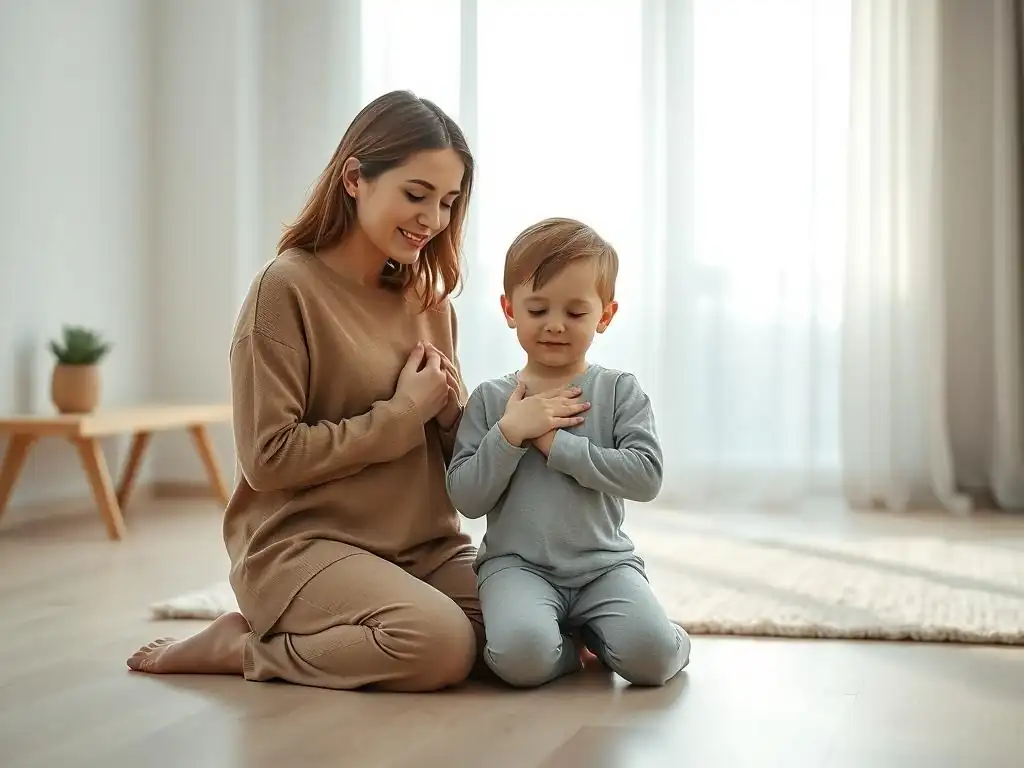
A supportive home environment is foundational for implementing calm kids parenting strategies. It's a space where children feel safe, loved, and understood, allowing them to explore, express themselves, and develop freely. This environment is not about perfection but about consistency, warmth, and clear boundaries. It's where emotional safety is prioritized, and everyone feels secure enough to be vulnerable and make mistakes without fear of harsh judgment. The physical space can be optimized for calm by reducing clutter, designating quiet areas, and ensuring comfortable spaces for family interaction.
Crucially, a supportive home environment is built on the quality of relationships within it. Parents who model respect, kindness, and empathy create an atmosphere where these qualities flourish. This involves being responsive to children's needs, offering comfort during distress, and celebrating their successes. When children feel a strong sense of belonging and connection at home, they are better equipped to handle challenges and regulate their emotions, making this environment a prerequisite for successful calm kids parenting strategies.
Establishing Clear Expectations and Consistent Consequences
Setting clear expectations is vital for children's sense of security and understanding of appropriate behavior. Children thrive on predictability; knowing what is expected of them reduces anxiety and confusion. Expectations should be age-appropriate, communicated simply, and often reinforced visually through charts or routines. For instance, a clear expectation might be "We put our toys away before dinner," with a visual checklist for younger children.
Consistency in consequences, both positive and negative, reinforces these expectations. When consequences are predictable and follow directly from the behavior, children learn cause and effect and understand the boundaries. This consistency, delivered calmly and firmly without anger, teaches responsibility and self-control. For example, if the expectation is that homework is done before screen time, consistently enforcing this consequence (no screen time until homework is complete) helps the child internalize the rule. This consistent structure is a key pillar of effective calm kids parenting strategies.
Fostering Open Communication and Emotional Safety
Open communication is the lifeline of a supportive family environment. It means creating a space where everyone feels comfortable sharing their thoughts and feelings without fear of ridicule or dismissal. Parents can foster this by actively listening to their children, asking open-ended questions, and validating their emotions, even if they don't agree with the behavior stemming from those feelings. For example, saying "I hear you're really angry that you can't play outside right now" validates the feeling before addressing the behavior.
Emotional safety goes hand-in-hand with open communication. It's the assurance that expressing vulnerability or making a mistake won't lead to shame or excessive punishment. Parents build emotional safety by managing their own reactions, apologizing when they make mistakes, and approaching challenges as opportunities for learning rather than failure. This creates a trusting bond where children feel safe to be their authentic selves, which is fundamental for implementing calm kids parenting strategies and fostering healthy emotional development.
Mindful Communication Techniques for Parents
Mindful communication is about being fully present and intentional in your interactions with your children. It moves beyond simply exchanging words to truly connecting and understanding. This involves paying attention not just to what is being said, but also to how it's being said – the tone, body language, and underlying emotions. It requires slowing down, pausing before responding, and checking in with your own emotional state before engaging. This deliberate approach helps prevent reactive outbursts and promotes more thoughtful, empathetic exchanges.
Practicing mindful communication allows parents to respond to their children's needs more effectively. Instead of getting caught up in the surface behavior, mindful parents can look for the unmet need or underlying emotion driving the behavior. This shift in perspective enables a more compassionate and problem-solving approach. Techniques like reflective listening, empathetic communication, and collaborative problem-solving are integral parts of this practice, providing concrete calm kids parenting strategies for daily interactions.
Reflective Listening: Demonstrating Understanding and Validation
Reflective listening is a powerful mindful communication technique where the parent paraphrases or summarizes what they heard the child say to confirm understanding and show they are listening. It's not just repeating words but capturing the essence of the message, including the feeling expressed. For example, if a child says, "My friend wouldn't play with me today," a reflective response might be, "It sounds like you're feeling left out because your friend didn't want to play."
This technique serves multiple purposes. It ensures the parent truly understands the child's perspective, preventing misunderstandings. It also makes the child feel heard and validated, which is incredibly important for building trust and emotional safety. By demonstrating that their feelings matter, parents encourage children to continue opening up and sharing, strengthening the parent-child bond and supporting calm kids parenting strategies focused on connection.
Empathetic Communication: Acknowledging and Responding to Feelings
Empathetic communication involves stepping into your child's shoes to understand their feelings and responding in a way that acknowledges and validates those emotions. It's about connecting with the feeling, even if you don't agree with the behavior. This often starts with a phrase like "I can see you're feeling..." or "It makes sense that you would feel..." followed by a statement that names the emotion. For example, when a child is frustrated with a difficult task, an empathetic response could be, "Wow, you're feeling really frustrated with this math problem. It looks tough."
Acknowledging feelings doesn't mean condoning negative behavior, but it shows the child that their emotional experience is important. This validation helps children feel understood and less alone in their struggles, which can often de-escalate intense emotions. It teaches them that all feelings are okay, even if all behaviors are not. This approach is a cornerstone of calm kids parenting strategies that prioritize emotional intelligence and connection over control.
Using Collaborative Problem-Solving: Finding Mutually Agreeable Solutions
Collaborative problem-solving is a mindful technique that involves working with your child to find solutions to conflicts or challenges, rather than simply imposing parental authority. This process typically involves identifying the problem together, brainstorming possible solutions (without judgment), evaluating the pros and cons of each solution, and choosing one that works for both parent and child. For instance, if the issue is screen time limits, a collaborative approach might involve discussing how much time feels fair, what activities need to be done first, and agreeing on a schedule together.
This method respects the child's autonomy and teaches valuable negotiation and problem-solving skills. It shifts the dynamic from an adversarial one to a partnership, strengthening the relationship and fostering a sense of mutual respect. Children are also more likely to adhere to solutions they helped create. Collaborative problem-solving is an effective calm kids parenting strategy that empowers children and reduces power struggles.
Teaching Mindfulness to Children: Age-Appropriate Practices
Introducing mindfulness to children can provide them with lifelong tools for managing stress, improving focus, and increasing self-awareness. The key is to make it fun, engaging, and appropriate for their developmental stage. Mindfulness for kids isn't about sitting in silent meditation for long periods, but rather incorporating simple practices into their daily routines in playful ways. These practices help children become more aware of their bodies, thoughts, and feelings in a non-judgmental way.
Starting with short, simple activities is best. Even a few minutes a day can make a difference. Consistency is more important than duration. These techniques can be integrated into transitions, bedtime routines, or moments of heightened emotion. By teaching children these skills, parents are providing them with internal calm kids parenting strategies they can use independently throughout their lives.
Mindful Breathing Exercises for Kids: Belly Breathing
Belly breathing, also known as diaphragmatic breathing, is a simple yet powerful mindful practice for children. It helps calm the nervous system and brings awareness to the present moment. A common way to teach this is by having the child lie down and place a small stuffed animal on their belly. They are then instructed to "make the animal go up and down" as they breathe in and out slowly through their nose. This visual aid helps them understand how to engage their diaphragm.
Another variation is "Balloon Breathing," where children imagine their belly is a balloon that inflates on the inhale and deflates on the exhale. Encourage them to notice the feeling of the air filling their belly and then slowly releasing. These exercises can be practiced for just a minute or two at a time, such as before bed or during a moment of frustration, providing an immediate calm kids parenting strategy for both parent and child.
Body Scan Meditations for Children: Focusing on Sensations
Body scan meditations for children involve gently guiding their attention to different parts of their body, noticing any sensations without trying to change them. This helps children develop body awareness and learn to tune into physical feelings related to emotions (like a tight stomach when nervous). The guide can start from the toes and slowly move up to the head, or vice versa. It can be framed as a "body adventure" or "superpower sensing."
For younger children, the body scan might be simplified, focusing on just a few body parts or using a fun story. The goal is simply to notice, not to fix or judge. For example, "Let's wiggle our toes... now notice how they feel... warm? tingly? Just notice." This practice helps children become more grounded and aware of their physical state, offering another tool in their calm kids parenting strategies toolkit.
Mindful Movement Activities: Nature Walks
Mindful movement integrates awareness with physical activity, making it accessible and enjoyable for children. A mindful nature walk is an excellent example. Instead of rushing through a walk, the focus is on engaging the senses and noticing the world around them. Encourage children to pay attention to the feeling of the ground beneath their feet, the sounds of birds or rustling leaves, the smells of flowers or damp earth, and the sights of colors and textures.
This type of activity grounds children in the present moment and connects them with their environment. It's a gentle way to practice mindfulness while also getting physical exercise. Other mindful movement activities could include mindful stretching, yoga poses adapted for kids, or even mindfully washing dishes by noticing the temperature of the water and the feel of the soap. These activities offer playful calm kids parenting strategies that promote physical and mental well-being.
Addressing Common Parenting Challenges with Mindfulness
Mindfulness provides a powerful lens through which to view and address common parenting challenges. Instead of reacting from a place of stress or frustration, mindful parents can pause, observe the situation and their own reactions, and choose a more intentional response. This approach helps parents stay centered even amidst chaos, transforming challenging moments into opportunities for connection and growth.
Applying mindfulness to parenting challenges isn't about eliminating difficulties but about changing how you relate to them. It helps parents manage their own stress more effectively, respond to challenging behaviors with greater patience and understanding, and navigate complex issues like technology use with more presence and wisdom. These mindful approaches are essential components of effective calm kids parenting strategies.
Managing Challenging Behaviors with Calmness and Understanding
Challenging behaviors are a normal part of child development, but they can be incredibly stressful for parents. Mindfulness helps parents respond to these behaviors with greater calmness and understanding, shifting from punitive reactions to more compassionate and effective strategies. Instead of immediately imposing punishment, a mindful parent pauses to consider what might be driving the behavior. Is the child hungry, tired, overwhelmed, or seeking attention?
This involves regulating your own emotional response first. When faced with a tantrum or defiance, taking a few deep breaths before responding can make a significant difference. It allows you to approach the situation from a place of calm rather than reactivity. By managing your own stress, you create space to respond with empathy and set limits effectively, embodying key calm kids parenting strategies.
Identifying Underlying Needs and Addressing Root Causes
Challenging behaviors are often a child's way of communicating an unmet need or expressing difficult emotions they don't have the words for. A mindful approach involves looking beyond the surface behavior to identify the underlying cause. Is the child acting out because they need attention, feel insecure, are overwhelmed by a situation, or lack a specific skill? For example, a child who repeatedly interrupts might be needing more dedicated one-on-one time.
Once the underlying need is identified, the focus shifts from punishing the behavior to addressing the root cause. This might involve spending more quality time with the child, teaching them alternative ways to express their feelings, or helping them develop missing skills. This problem-solving approach is far more effective in the long term than simply suppressing the behavior, forming a core element of calm kids parenting strategies.
Responding with Empathy and Setting Clear Limits
Responding to challenging behavior with empathy does not mean condoning the behavior, but it means acknowledging the child's feelings or needs that are driving it. For instance, "I know you're really angry right now because you want to play longer, and it's frustrating when you have to stop." This validates their emotion. However, validation must be paired with clear and firm limits. "It's okay to be angry, but it's not okay to hit."
Setting limits mindfully involves stating the boundary clearly and calmly, explaining the reason (briefly and age-appropriately), and following through with a consequence if necessary – delivered consistently and without anger. This balanced approach of empathy and firm limits teaches children how to manage their emotions while also understanding appropriate boundaries, a fundamental aspect of calm kids parenting strategies.
Overcoming Parental Stress and Burnout: Self-Care Essentials
Parenting is rewarding but also demanding, and stress and burnout are common. Mindfulness is a vital tool for parents to manage their own well-being, which is essential for effective parenting. When parents are stressed and depleted, they are more likely to be reactive and less patient. Prioritizing self-care is not selfish; it's a necessity for being a present and calm parent.
Mindful self-care involves paying attention to your own needs – physical, emotional, and mental – and taking intentional steps to meet them. This might include incorporating short mindfulness practices into your day, ensuring you get enough rest, eating nourishing food, and making time for activities you enjoy. Recognizing the signs of burnout early allows parents to take proactive steps to replenish themselves, sustaining their capacity for calm kids parenting strategies.
Prioritizing Self-Care: Regular Exercise and Mindful Breaks
Integrating regular self-care practices into your routine is non-negotiable for long-term parenting sustainability. Physical activity, even moderate exercise like a brisk 20-minute walk, has been shown to significantly reduce stress levels and improve mood. Scheduling this in, perhaps while your child is at school or during quiet time, is crucial. It's not about finding extra time, but about making it a priority within your existing day.
Mindful breaks throughout the day can also make a big difference. This doesn't require a long meditation session. It could be taking three conscious breaths before opening the door after work, spending five minutes savoring a cup of tea, or simply pausing for a moment to notice the sensations in your body before responding to a child's request. These small moments of presence can help regulate your nervous system and maintain a state conducive to calm kids parenting strategies.
Seeking Support: Connecting with Family, Friends, or Therapists
Parenting is not meant to be done in isolation. Seeking support from others is a sign of strength, not weakness. Connecting with understanding friends or family members can provide emotional support, practical help, and a sense of community. Sharing experiences and challenges with other parents can also be incredibly validating and provide new perspectives.
For more significant stress or burnout, seeking professional support from a therapist or counselor specializing in parenting or family dynamics can be invaluable. A therapist can provide tools and strategies for managing stress, processing difficult emotions, and improving communication within the family. Recognizing when you need help and actively seeking it is a critical component of self-care and supports your ability to employ effective calm kids parenting strategies.
Navigating technology use is a modern parenting challenge that requires mindful attention. It's not just about setting limits, but about understanding the impact of technology on children's development, attention spans, and social interactions. A mindful approach involves being aware of your own technology habits as a parent, as children often model what they see. It also means engaging in open and ongoing conversations with children about technology use, rather than simply imposing rules.
This involves setting clear, age-appropriate boundaries, monitoring usage without being overly intrusive, and ensuring a balance between screen time and other essential activities like physical play, social interaction, and sleep. Approaching technology mindfully helps families create a healthier relationship with screens and ensures that technology enhances, rather than detracts from, family connection and well-being, supporting overall calm kids parenting strategies.
Setting Age-Appropriate Limits and Monitoring Usage
Establishing clear, age-appropriate limits for technology use is essential. Guidelines from organizations like the American Academy of Pediatrics offer starting points (e.g., avoiding screens for children younger than 18-24 months, setting consistent limits for older children). These limits should be discussed with children as they get older, helping them understand the reasoning behind them. For example, explaining that too much screen time can interfere with sleep or playtime.
Monitoring usage is also important, especially with older children and teenagers, to ensure they are using technology safely and responsibly. This doesn't necessarily mean constant surveillance, but being aware of the platforms they are using, who they are interacting with, and the content they are consuming. Open conversations about online safety and digital citizenship are more effective than secretive monitoring. This mindful approach to setting boundaries is a key element of calm kids parenting strategies in the digital age.
Engaging in Family Activities That Promote Connection
Counterbalancing screen time with engaging family activities that promote real-world connection is crucial. This reinforces the importance of face-to-face interaction and shared experiences. Activities like family dinners without screens, playing board games, going for walks or bike rides, cooking together, or working on creative projects provide opportunities for bonding and communication.
Scheduling dedicated family time helps ensure that technology doesn't consume all leisure hours. These shared experiences create positive memories and strengthen family bonds, providing a healthy alternative to passive screen consumption. Prioritizing these connective activities is a vital part of a balanced approach to technology and supports the broader goals of calm kids parenting strategies.
Fostering Resilience and Emotional Intelligence

Fostering resilience and emotional intelligence in children is a primary goal of mindful parenting. These qualities equip children to navigate life's inevitable challenges, build strong relationships, and thrive in a complex world. Resilience isn't about avoiding difficulty, but about developing the capacity to bounce back from adversity. Emotional intelligence is the ability to understand and manage one's own emotions, and to recognize and influence the emotions of others.
Mindful parenting practices directly contribute to the development of these skills by providing a safe and supportive environment where children can explore their feelings, learn problem-solving skills, and cultivate a positive outlook. By focusing on these areas, parents are implementing long-term calm kids parenting strategies that prepare children for future success and well-being.
Building Emotional Literacy: Helping Children Understand and Label Feelings
Emotional literacy is the ability to recognize, understand, and express one's own emotions, as well as to recognize and understand the emotions of others. Parents can help children build this by providing a rich vocabulary for feelings from a young age. Using feeling words in everyday conversation ("I'm feeling a bit tired today," "You seem frustrated with that puzzle") helps children learn to identify emotions in themselves and others.
Using tools like feeling charts or books about emotions can also be helpful. When a child is experiencing a strong emotion, helping them name it ("It looks like you're feeling really angry right now") validates their experience and helps them develop the language to express themselves. This skill is fundamental for emotional regulation and forms a key part of calm kids parenting strategies focused on emotional intelligence.
Encouraging Problem-Solving Skills: Empowering Children to Find Solutions
Empowering children to solve their own age-appropriate problems fosters independence, confidence, and resilience. Instead of immediately jumping in to fix a child's problem, a mindful parent can guide them through the process of finding a solution themselves. This might involve asking questions like, "What ideas do you have for how to handle this?" or "What could you try next?"
This approach teaches children to think critically, evaluate options, and take ownership of their challenges. It shifts the focus from the parent as the rescuer to the child as the capable problem-solver. While support and guidance are necessary, giving children the opportunity to grapple with difficulties and find their own way builds their sense of agency and resilience, reinforcing the principles of calm kids parenting strategies that build competence.
Cultivating Gratitude and Appreciation: Practicing Gratitude Together
Cultivating gratitude is a simple yet powerful practice that can significantly impact a child's well-being and outlook. Regularly taking time to notice and appreciate the good things in life, no matter how small, shifts focus from what is lacking to what is present. This practice has been linked to increased happiness, optimism, and resilience.
Families can integrate gratitude into their routine by sharing things they are grateful for during dinner, before bed, or at a specific time each day. This could be as simple as being grateful for a sunny day, a tasty meal, or a kind act from a friend. Modeling and practicing gratitude together helps children develop an appreciation for the positive aspects of their lives, contributing to a more resilient and emotionally intelligent mindset, a lovely addition to calm kids parenting strategies.
Resources for Mindful Parenting and Raising Resilient Children
Accessing resources can significantly support parents on their journey of mindful parenting. Whether through books, online courses, or practical tools, these resources offer guidance, strategies, and community. They provide deeper insights into child development, emotional regulation, and practical techniques for implementing mindful and calm kids parenting strategies in daily life.
Exploring different types of resources allows parents to find what resonates best with their learning style and specific needs. From in-depth theoretical knowledge to practical, hands-on exercises, these tools empower parents to continue learning and growing alongside their children, fostering a family environment built on presence, understanding, and resilience.
Books and Articles on Positive Discipline
Numerous books and articles offer comprehensive guidance on positive discipline, a parenting approach that aligns closely with mindful parenting principles. Authors like Jane Nelsen (Positive Discipline series) and Daniel Siegel (The Whole-Brain Child) provide frameworks for understanding child behavior, communicating effectively, and setting limits with kindness and firmness.
These resources often include practical examples and scripts for navigating common challenges like tantrums, sibling rivalry, and power struggles using non-punitive methods. Reading about positive discipline can provide parents with a deeper understanding of child psychology and equip them with concrete calm kids parenting strategies that promote cooperation and mutual respect.
Online Courses and Workshops for Emotional Regulation
Online courses and workshops offer interactive learning experiences focused on emotional regulation for both parents and children. Many programs teach mindfulness techniques specifically adapted for family use, providing guided meditations, practical exercises, and strategies for managing difficult emotions.
These resources can offer structured learning paths, often including videos, readings, and community forums for support. Participating in a workshop can provide hands-on practice and the opportunity to ask questions and connect with other parents exploring similar calm kids parenting strategies.
Mindfulness Apps and Tools for Families
Mindfulness apps and digital tools can make incorporating practice into busy family life more accessible. Many apps offer guided meditations specifically designed for children and parents, often featuring playful themes or short durations. Examples include apps like Headspace for Kids, Calm Kids, or Moshi Twilight.
Other tools might include printable feeling charts, emotion cards, or visual timers for mindful activities. While not a replacement for personal interaction, these digital resources can serve as convenient aids to introduce and reinforce mindfulness practices, providing easy-to-use calm kids parenting strategies at your fingertips.
Frequently Asked Questions
How can mindful parenting help create calmer kids?
Mindful parenting focuses on present moment awareness and emotional regulation. This approach teaches parents to respond thoughtfully rather than react impulsively, which in turn helps children learn to manage their own emotions and become calmer. It promotes a stronger parent-child connection.
What are some practical Calm kids parenting strategies I can implement immediately?
Start with simple techniques like deep breathing exercises with your child, creating a consistent daily routine, and practicing active listening when they express their feelings. These strategies help create a more predictable and emotionally safe environment.
How does stress in parents affect their children's ability to stay calm?
Parental stress is highly contagious. Children often mirror their parents' emotions. When parents are stressed, children may become anxious and struggle to regulate their own emotions, hindering their ability to stay calm. Addressing your own stress is vital for calm kids parenting.
What are some common challenges parents face when trying to implement mindful parenting?
Common challenges include lack of time, difficulty managing their own emotions, and resistance from the child. It requires patience, consistency, and a willingness to adjust strategies as needed to suit the individual child's needs.
Where can I find additional resources and support for practicing Calm kids parenting strategies?
Websites like Mind Care Guide offer articles, guides, and resources on mindful parenting. Consider joining parenting support groups or consulting with a therapist specializing in child development for personalized guidance.
Final Reflection: Cultivating Calm in a Chaotic World
The pursuit of mindful parenting isn't just a trend; it's a crucial antidote to the overwhelming pressures of modern life. Raising calm children in a world saturated with stimulation and constant demands requires a conscious shift in perspective, a deliberate choice to prioritize presence and connection over perfection and control. This approach, as explored throughout this article, offers a powerful pathway to fostering resilience and emotional well-being in both parents and children.
The impact of mindful parenting extends far beyond the immediate family unit. By modeling calm and self-awareness, we create a ripple effect, influencing not only our children's lives but also the broader social landscape. We cultivate a generation better equipped to navigate stress, manage emotions, and build healthy relationships. As the Dalai Lama wisely stated, The purpose of life, after all, is to live it, to taste experience to the utmost, to reach out eagerly and without fear for newer and richer experience.
Mindful parenting allows us to model this very approach, encouraging our children to embrace life's complexities with courage and curiosity.
Now, consider your own parenting journey. What resonates most deeply with you from the strategies discussed? Where can you integrate more mindful practices into your daily interactions with your children? Perhaps it's setting aside dedicated time for connection, practicing deep breathing exercises together, or simply being more present during everyday moments. Embrace this opportunity to cultivate a calmer, more connected family life, one mindful moment at a time. The journey may not always be easy, but the rewards – a happier, healthier family – are immeasurable.
Unleash Your Inner Calm Parent: Start Today!
Thanks for taking the time to explore mindful parenting with us! We hope you've discovered valuable tools to foster a more peaceful and connected relationship with your children. Now it's time to put these insights into action.
- Prioritize one mindful moment: Dedicate just five minutes today to a mindful activity with your child – a shared breathing exercise, a nature walk focusing on senses, or even just a quiet cuddle. This small act can make a big difference.
- Share your journey: Tell us about your mindful parenting experiences! Share your wins, challenges, and any creative strategies you discover in the comments below. Let's build a supportive community together.
- Explore further: Dive deeper into the wealth of resources available online for mindful parenting – there's a whole world of techniques and exercises waiting to be discovered.
Ready to cultivate more calm and presence in your family life? What's one small step you can take this week to enhance your mindful parenting practices?