
The Brain's Incredible Ability to Heal: Neuroplasticity in Anxiety Recovery

Welcome to Mind Care Guide, a sanctuary for your mental well-being.
Feeling overwhelmed by anxiety? Perhaps you've heard whispers of hope, a promise that your brain has the remarkable capacity to change. It does. Explore the fascinating world of neuroplasticity anxiety recovery strategies and discover how you can harness your brain's natural ability to heal and reshape itself. Are you ready to unlock your potential for a calmer, more resilient you? The journey starts here...
The Brain's Incredible Ability to Heal: Neuroplasticity in Anxiety Recovery
- Understanding Neuroplasticity and Its Role in Mental Health
-
Neuroplasticity Anxiety Recovery Strategies: Rewiring Your Brain
- Cognitive Behavioral Therapy (CBT) and Neuroplasticity for Anxiety
- Mindfulness Meditation: Cultivating Calm and Promoting Neuroplasticity
- Exercise and the Brain: Boosting Neuroplasticity and Reducing Anxiety
- Nutrition and Neuroplasticity: Fueling Your Brain for Recovery
- Exposure Therapy and Neuroplasticity: Overcoming Fear Through Rewiring
- Practical Steps to Enhance Neuroplasticity for Anxiety Relief
- The Future of Neuroplasticity Research in Anxiety Treatment
- Neuroplasticity and Long-Term Anxiety Management: Maintaining a Healthy Brain
- Conclusion: Embracing the Power of Neuroplasticity for Anxiety Recovery
-
Frequently Asked Questions
- What exactly is neuroplasticity, and how does it relate to anxiety?
- Can neuroplasticity really help me overcome my anxiety, or is it just a theory?
- What are some practical neuroplasticity anxiety recovery strategies I can start using today?
- How long does it typically take to see results from using neuroplasticity-based techniques for anxiety?
- Are there any potential downsides or risks associated with using neuroplasticity for anxiety recovery?
- Final Reflection: Harnessing the Brain's Power: Neuroplasticity and Your Anxiety Journey
- Unlock Your Brain's Healing Power: Start Your Anxiety Recovery Journey Today!
Understanding Neuroplasticity and Its Role in Mental Health
What is Neuroplasticity? The Brain's Capacity for Change
Neuroplasticity, often called brain plasticity, is the remarkable ability of the brain to reorganize itself throughout life. This involves forming new neural connections and pathways in response to experiences, learning, and even injury. Far from being a static organ, the brain is constantly adapting its structure and function, strengthening or weakening connections between neurons based on usage. Think of it like a constantly evolving highway system, where frequently used routes become wider and faster, while less used ones may shrink. This dynamic process is fundamental to learning new skills, forming memories, and adapting to our environment.
This capacity for change is not limited to childhood; it persists well into adulthood and even old age. Scientific studies, using techniques like fMRI (functional Magnetic Resonance Imaging), have demonstrated tangible changes in brain structure following various interventions or experiences.
For instance, research has shown that learning a new language or musical instrument can lead to increased gray matter density in specific brain regions associated with those activities. This inherent flexibility of the brain is a cornerstone of mental health, offering hope for recovery from conditions like anxiety by suggesting that the brain circuits associated with fear and worry are not fixed and can be modified.
Neuroplasticity vs. Neurogenesis: Key Differences
While often discussed together, neuroplasticity and neurogenesis are distinct but related processes. Neuroplasticity is the broader term encompassing all changes in brain structure and function, including the formation of new synapses (connections between neurons), changes in synaptic strength, and the reorganization of neural networks. It's about the brain's overall ability to adapt and rewire itself.
Neurogenesis, on the other hand, refers specifically to the birth of new neurons. This process primarily occurs in certain areas of the adult brain, most notably the hippocampus, a region critical for learning, memory, and emotional regulation. While neurogenesis contributes to neuroplasticity by adding new building blocks to the brain's network, neuroplasticity also involves modifying existing neurons and connections. Both processes are vital for brain health and are implicated in conditions like anxiety, with strategies that promote plasticity often also encouraging neurogenesis.
The Link Between Brain Plasticity and Anxiety Disorders
Anxiety disorders are often characterized by dysregulation in specific brain circuits, particularly those involving the amygdala (the fear center), the prefrontal cortex (involved in decision-making and emotional regulation), and the hippocampus. In individuals with chronic anxiety, these circuits may become hypersensitive to perceived threats, leading to exaggerated fear responses and difficulty calming down. This persistent state of heightened alert can be seen as a form of maladaptive plasticity, where neural pathways associated with fear and worry become reinforced.
However, the same principle of neuroplasticity that allows these maladaptive pathways to form also offers the potential for change and recovery. By engaging in specific activities and therapeutic interventions, individuals can actively work to weaken the connections associated with anxiety and strengthen those related to calm, safety, and rational processing. Understanding this link provides a powerful framework for neuroplasticity anxiety recovery strategies, emphasizing that recovery is not just about managing symptoms but about actively rewiring the brain towards healthier patterns of thought and response.
Neuroplasticity Anxiety Recovery Strategies: Rewiring Your Brain
Cognitive Behavioral Therapy (CBT) and Neuroplasticity for Anxiety
Cognitive Behavioral Therapy (CBT) is one of the most widely used and effective treatments for anxiety disorders, and its success is deeply rooted in its ability to leverage neuroplasticity. CBT helps individuals identify and challenge negative thought patterns and behaviors that contribute to their anxiety. By learning to recognize distorted thinking (like catastrophizing) and replacing it with more realistic and helpful thoughts, individuals are essentially training their brains to respond differently to triggers. This repeated practice of challenging anxious thoughts and engaging in new behaviors creates new neural pathways and weakens the old ones associated with the anxiety response.
The neural changes observed during successful CBT treatment include increased activity in the prefrontal cortex, which helps regulate the amygdala's fear response, and decreased activity in the amygdala itself. For example, studies using neuroimaging have shown that after a course of CBT for social anxiety disorder, participants exhibit reduced amygdala activation when shown fearful faces compared to before therapy. This provides concrete evidence that CBT techniques promote structural and functional changes in the brain regions implicated in anxiety, making it a powerful component of neuroplasticity anxiety recovery strategies.
How CBT Techniques Promote Brain Rewiring
CBT techniques promote brain rewiring through several mechanisms. One key mechanism is cognitive restructuring, which involves actively identifying, evaluating, and modifying dysfunctional thoughts. Each time an individual successfully challenges an anxious thought and replaces it with a more balanced perspective, they are reinforcing a new neural pathway associated with rational processing and weakening the pathway linked to the automatic, anxious reaction. This is analogous to practicing a new skill; the more you practice, the stronger the neural connections become.
Another mechanism is behavioral activation, which encourages individuals to engage in activities they have been avoiding due to anxiety. Facing fears in a controlled way, such as gradually increasing social interactions for social anxiety or spending time in open spaces for agoraphobia, helps the brain learn that the feared situation is not as dangerous as perceived. This process, often involving exposure (discussed later), directly modifies the neural circuits associated with fear learning, promoting adaptive plasticity and reducing the power of the anxiety response.
Cognitive Restructuring for Anxiety Reduction
Cognitive restructuring is a cornerstone technique within CBT for anxiety reduction. It typically involves a structured process where an individual first identifies an anxiety-provoking situation and the automatic negative thoughts associated with it. For instance, someone with social anxiety might think, "If I speak up in the meeting, I'll sound stupid, and everyone will judge me." The next step is to critically evaluate these thoughts by looking for evidence for and against them. Is there actual evidence that everyone always judges them? Have they ever spoken up and had a positive or neutral outcome?
Finally, the individual works to develop a more balanced and realistic thought. Instead of "Everyone will judge me," a balanced thought might be, "Some people might disagree, but many won't even notice, and even if someone judges, it doesn't define my worth." By repeatedly practicing this process across various situations, the individual trains their brain to automatically generate less anxious, more rational responses over time. This conscious effort to change thinking patterns directly impacts neural circuits, strengthening the pathways associated with logical evaluation and weakening those linked to automatic fear, contributing significantly to neuroplasticity anxiety recovery strategies.
Mindfulness Meditation: Cultivating Calm and Promoting Neuroplasticity
Mindfulness meditation is an ancient practice increasingly recognized for its therapeutic benefits in managing anxiety, largely due to its profound impact on neuroplasticity. Mindfulness involves paying attention to the present moment without judgment. This practice helps individuals become more aware of their thoughts, feelings, and bodily sensations without getting caught up in them or reacting automatically with anxiety. By observing anxious thoughts and feelings without identifying with them or trying to push them away, individuals learn to create space between themselves and their anxiety.
Regular mindfulness practice has been shown to alter brain structure and function in ways that are highly beneficial for anxiety reduction. Studies have found that meditation can lead to increased gray matter density in areas associated with self-awareness, compassion, and emotional regulation, such as the prefrontal cortex and the insula. Simultaneously, it can lead to decreased activity or size in the amygdala, the brain's fear center. This physical evidence highlights how mindfulness directly contributes to rewiring the brain, making it a powerful tool among neuroplasticity anxiety recovery strategies.
The Neuroscience of Mindfulness and Anxiety Relief
The neuroscience behind mindfulness's effect on anxiety relief involves several key brain changes. One significant change is the strengthening of the connection between the prefrontal cortex (PFC) and the amygdala. The PFC is responsible for higher-level cognitive functions, including rational thought and emotional regulation. By strengthening this connection through mindfulness, the PFC becomes better equipped to modulate and dampen the activity of the amygdala when faced with perceived threats, reducing the intensity of the fear response.
Furthermore, mindfulness practice can increase activity in brain networks associated with focused attention and present moment awareness, while decreasing activity in the Default Mode Network (DMN), which is often overactive in individuals with anxiety and rumination. The DMN is linked to mind-wandering, self-referential thoughts, and worrying about the past or future. By quieting the DMN and enhancing attention networks, mindfulness helps individuals break free from cycles of anxious rumination, promoting a state of calm and presence that supports neuroplasticity anxiety recovery strategies.
Body Scan Meditation for Anxiety Management
Body scan meditation is a specific mindfulness technique particularly effective for managing anxiety. It involves systematically bringing awareness to different parts of the body, noticing sensations without judgment. Starting from the toes and slowly moving up to the head, the practice encourages a deep connection with the physical self and helps anchor attention in the present moment. This can be incredibly grounding for individuals whose minds are often racing with anxious thoughts.
By directing attention to physical sensations, the body scan helps to interrupt the cycle of anxious rumination and shifts focus away from hypothetical future worries. It also increases interoceptive awareness – the ability to perceive internal bodily states. For many with anxiety, physical symptoms like a racing heart or shallow breathing trigger further panic.
The body scan helps individuals observe these sensations with curiosity rather than fear, gradually decoupling the physical symptom from the anxiety response. Practicing this regularly helps rewire the brain's interpretation of bodily signals, fostering a sense of safety and calm essential for neuroplasticity anxiety recovery strategies.
Exercise and the Brain: Boosting Neuroplasticity and Reducing Anxiety
Regular physical exercise is not just good for the body; it's a potent catalyst for neuroplasticity and a significant aid in reducing anxiety. When you exercise, your brain receives increased blood flow, delivering vital oxygen and nutrients. More importantly, exercise stimulates the production of several neurochemicals and growth factors that support brain health and plasticity. These include Brain-Derived Neurotrophic Factor (BDNF), Vascular Endothelial Growth Factor (VEGF), and various neurotransmitters like serotonin, dopamine, and norepinephrine, all of which play roles in mood regulation and cognitive function.
BDNF, often called "Miracle-Gro" for the brain, is particularly important as it promotes the growth, survival, and differentiation of neurons, as well as the formation of new synapses. Higher levels of BDNF are associated with improved learning and memory, and crucially, with reduced vulnerability to stress and anxiety. Engaging in consistent physical activity, even moderate exercise like brisk walking for 30 minutes most days of the week, can significantly boost BDNF levels, directly contributing to the brain's capacity to adapt and recover from anxiety, making it a vital component of neuroplasticity anxiety recovery strategies.
The Impact of Physical Activity on Brain Structure and Function
Physical activity has a demonstrable impact on the structure and function of brain regions relevant to anxiety. Aerobic exercise, in particular, has been shown to increase the volume of the hippocampus, a brain area often reduced in size in individuals with chronic stress and anxiety. This growth supports improved emotional regulation and stress resilience. Exercise also influences the amygdala, potentially reducing its reactivity to stressors over time, and enhances connectivity between the amygdala and the prefrontal cortex, allowing for better top-down control over emotional responses.
Beyond structural changes, exercise also impacts brain function by modulating neurotransmitter systems. It increases the availability of serotonin and norepinephrine, which are targeted by many antidepressant and anti-anxiety medications. It also releases endorphins, natural mood elevators that can produce feelings of well-being and reduce the perception of pain and stress. This combination of structural and functional changes underscores how exercise directly facilitates the brain's rewiring process, offering a powerful and accessible approach within neuroplasticity anxiety recovery strategies.
Regular Aerobic Exercise for Anxiety
Regular aerobic exercise, such as running, swimming, cycling, or brisk walking, is particularly recommended for its anxiety-reducing effects. Aiming for at least 150 minutes of moderate-intensity aerobic activity or 75 minutes of vigorous-intensity activity per week, as recommended by health guidelines, can yield significant mental health benefits. Consistency is key; the neuroplastic changes that support anxiety recovery build up over time with regular practice.
Even short bursts of exercise, like a 10-minute brisk walk, can provide immediate relief from anxiety symptoms by reducing muscle tension and interrupting anxious thought patterns. Over the long term, consistent aerobic activity helps to build resilience to stress, improve mood, and enhance overall brain function. Integrating regular aerobic exercise into a routine is a proactive and effective way to leverage the brain's natural capacity for change as part of comprehensive neuroplasticity anxiety recovery strategies.
Nutrition and Neuroplasticity: Fueling Your Brain for Recovery
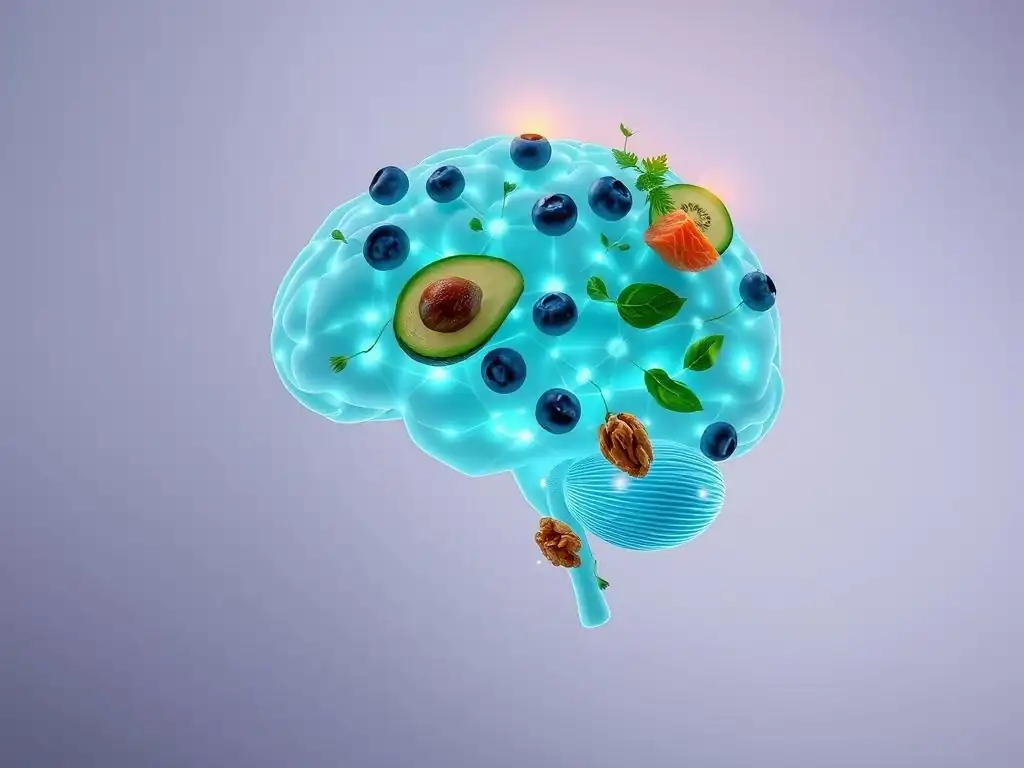
What we eat significantly impacts brain health and function, and therefore plays a role in neuroplasticity and anxiety recovery. The brain is a highly metabolic organ, consuming about 20% of the body's energy despite making up only about 2% of its weight. It requires a steady supply of specific nutrients to build and maintain neurons, create neurotransmitters, and support plastic changes. A diet rich in whole foods provides the necessary building blocks and energy for the brain's intricate processes, including neuroplasticity.
Conversely, a diet high in processed foods, refined sugars, and unhealthy fats can contribute to inflammation and oxidative stress, which can impair brain function and plasticity. For example, chronic inflammation in the brain has been linked to disruptions in neurotransmitter systems and reduced neurogenesis. Focusing on nutrient-dense foods provides the brain with the optimal environment to heal and rewire itself, making dietary choices an important, albeit often overlooked, element of neuroplasticity anxiety recovery strategies.
Essential Nutrients for Brain Health and Anxiety Reduction
Several essential nutrients are particularly important for supporting brain health and potentially reducing anxiety. Omega-3 fatty acids, found in fatty fish, flaxseeds, and walnuts, are critical components of brain cell membranes and play a vital role in synaptic function and reducing inflammation. B vitamins, including B6, B9 (folate), and B12, are essential for neurotransmitter synthesis and nerve function. Deficiencies in these vitamins have been linked to mood disorders.
Minerals like magnesium, zinc, and selenium are also crucial. Magnesium is involved in over 300 enzymatic reactions, including those related to nerve transmission and stress response regulation. Zinc is important for synaptic plasticity and neurotransmitter activity. Selenium has antioxidant properties that protect brain cells. Ensuring adequate intake of these nutrients through a balanced diet or targeted supplementation, under guidance from a healthcare professional, can provide the brain with the necessary resources to support neuroplasticity anxiety recovery strategies.
Increasing Omega-3 Fatty Acid Intake for Brain Health
Increasing dietary intake of Omega-3 fatty acids is a practical step for supporting brain health and potentially easing anxiety. The two most beneficial types of Omega-3s for brain health are EPA (eicosapentaenoic acid) and DHA (docosahexaenoic acid), primarily found in fatty fish like salmon, mackerel, sardines, and anchovies. Aiming to eat fatty fish at least two times per week can significantly boost Omega-3 levels.
For those who don't eat fish, algal oil supplements provide a direct source of EPA and DHA. Plant-based sources like flaxseeds, chia seeds, and walnuts contain ALA (alpha-linolenic acid), which the body can convert into EPA and DHA, though the conversion rate is relatively low. Incorporating these foods regularly into meals, such as adding flaxseeds to smoothies or walnuts to salads, helps ensure a consistent supply of these crucial fats, providing structural support for brain cell membranes and promoting the kind of healthy inflammation balance conducive to neuroplasticity anxiety recovery strategies.
Exposure Therapy and Neuroplasticity: Overcoming Fear Through Rewiring
Exposure therapy is a highly effective behavioral technique used to treat anxiety disorders, particularly phobias, panic disorder, and OCD. It involves gradually exposing an individual to the feared object, situation, or sensation in a safe and controlled environment, allowing them to learn that their feared outcome does not occur or that they can cope with their anxiety response. This process directly targets the neural pathways associated with fear learning and extinction, actively rewiring the brain's response to triggers.
At a neurobiological level, exposure therapy works by activating the fear circuit (involving the amygdala) while simultaneously engaging the prefrontal cortex, which helps to process the experience and inhibit the fear response. With repeated, successful exposures where no actual threat is present, the brain learns to associate the previously feared stimulus with safety rather than danger. This process strengthens inhibitory pathways that suppress the amygdala's alarm signal, demonstrating a powerful example of how specific behavioral interventions can induce beneficial neuroplastic changes as part of neuroplasticity anxiety recovery strategies.
How Exposure Therapy Changes Brain Connections
Exposure therapy changes brain connections through a process known as fear extinction. When an individual is repeatedly exposed to a feared stimulus without experiencing the anticipated negative consequence (e.g., being near a spider without being bitten, or experiencing panic symptoms without having a heart attack), the neural association between the stimulus and the fear response is gradually weakened. New pathways are formed that link the stimulus to safety signals, often involving the ventromedial prefrontal cortex (vmPFC), which plays a key role in inhibiting fear responses.
Neuroimaging studies have shown that successful exposure therapy leads to increased activity in the vmPFC and decreased activity in the amygdala when confronted with the feared stimulus. This indicates a shift in how the brain processes the information – from an automatic fear reaction driven by the amygdala to a more modulated response influenced by the prefrontal cortex. This rewiring is a direct result of the learning that occurs during exposure, illustrating the brain's incredible capacity for plasticity in overcoming learned fears, a core mechanism within neuroplasticity anxiety recovery strategies.
Imaginal Exposure for Phobias
Imaginal exposure is a specific type of exposure therapy where the individual vividly imagines the feared situation. This is often used when in vivo (real-life) exposure is impractical, too intense initially, or as a preparatory step. For example, someone with a phobia of flying might start by imagining boarding a plane, then imagining takeoff, and finally imagining the entire flight, focusing on the sensory details and their emotional and physical responses.
While not involving the physical presence of the feared stimulus, imaginal exposure still activates the relevant fear circuits in the brain. By repeatedly confronting the feared scenario in imagination and staying with the associated anxiety until it naturally begins to decrease (habituation), the individual's brain learns to tolerate the anxiety and decouple it from the catastrophic outcome. This mental rehearsal strengthens the inhibitory pathways and weakens the fear associations, demonstrating that even internal cognitive processes can drive significant neuroplastic changes, making imaginal exposure a valuable tool within neuroplasticity anxiety recovery strategies.
Practical Steps to Enhance Neuroplasticity for Anxiety Relief
Creating a Supportive Environment for Brain Rewiring
Creating a supportive environment is crucial for facilitating the brain's natural ability to rewire itself and aid in anxiety recovery. This involves both external and internal factors. Externally, it means minimizing chronic stressors where possible, ensuring adequate sleep (around 7-9 hours per night is generally recommended, as sleep is vital for memory consolidation and synaptic pruning, key aspects of plasticity), and maintaining social connections. Positive social interactions release oxytocin, a hormone that can buffer the effects of stress and promote feelings of safety, which is conducive to a calmer brain state necessary for adaptive plasticity.
Internally, a supportive environment involves cultivating a mindset of self-compassion and patience. Recovery is a process, and setbacks can occur. Approaching challenges with kindness rather than harsh self-criticism helps to keep the nervous system regulated and encourages continued effort in applying neuroplasticity anxiety recovery strategies. Avoiding excessive alcohol, nicotine, and recreational drugs is also essential, as these substances can negatively impact brain chemistry and impair plasticity.
Setting Realistic Goals for Anxiety Recovery
Setting realistic and achievable goals is a practical step that supports neuroplasticity in anxiety recovery. When goals are broken down into small, manageable steps, each successful step provides a sense of accomplishment and reinforces the new, desired behaviors and thought patterns. This positive reinforcement strengthens the neural pathways associated with progress and resilience. For instance, instead of aiming to "never feel anxious again," a realistic goal might be to "use a learned coping skill (like deep breathing) during one anxious moment each day this week" or "walk for 15 minutes three times this week."
Celebrating these small victories, even internally, further reinforces the positive changes. The brain's reward system, involving dopamine, is activated when goals are met, which can enhance motivation and consolidate learning – including the learning of new, less anxious responses. Setting unrealistic goals can lead to frustration and a feeling of failure, which can activate stress responses that hinder plasticity. Therefore, a mindful approach to goal-setting is a practical application of understanding how the brain learns and adapts, integral to effective neuroplasticity anxiety recovery strategies.
Tracking Progress and Celebrating Successes
Tracking progress is a tangible way to see the impact of neuroplasticity anxiety recovery strategies and stay motivated. This could involve journaling about moments where you successfully used a coping skill, noting improvements in sleep quality, recording exercise consistency, or even using a simple scale (e.g., 1-10) to rate anxiety levels before and after practicing a technique like mindfulness. Seeing evidence of improvement, no matter how small, reinforces the belief that change is possible and that your efforts are paying off.
Celebrating successes, whether it's a small internal acknowledgment or sharing a milestone with a supportive friend, further strengthens the positive neural associations with your recovery efforts. This positive feedback loop encourages the brain to continue engaging in the behaviors and thought patterns that promote neuroplasticity. For example, successfully using a cognitive restructuring technique to challenge a catastrophic thought and then acknowledging that success reinforces the neural circuits involved in that process. This conscious recognition of progress is a powerful tool in leveraging the brain's reward system to solidify beneficial changes.
The Future of Neuroplasticity Research in Anxiety Treatment
Emerging Therapies and Technologies for Brain Rewiring
Research into neuroplasticity is rapidly advancing, paving the way for exciting new therapies and technologies aimed at enhancing brain rewiring for anxiety treatment. One area of focus is neuromodulation techniques, such as Transcranial Magnetic Stimulation (TMS) and Transcranial Direct Current Stimulation (tDCS). These non-invasive techniques use magnetic fields or weak electrical currents, respectively, to stimulate or inhibit specific brain regions, potentially targeting the dysregulated circuits involved in anxiety. While still largely experimental for primary anxiety treatment, initial studies show promise in modulating activity in areas like the prefrontal cortex.
Another promising area is the development of digital therapeutics and virtual reality (VR) based interventions. VR exposure therapy, for instance, allows for highly controlled and customizable exposure to feared situations in an immersive environment, potentially enhancing the effectiveness and accessibility of this established neuroplasticity-based technique. As technology evolves, these tools could offer more precise and personalized ways to stimulate beneficial brain changes, complementing traditional neuroplasticity anxiety recovery strategies.
Personalized Approaches to Neuroplasticity-Based Anxiety Treatment
The future of anxiety treatment is likely to involve more personalized approaches leveraging the principles of neuroplasticity. Recognizing that each individual's brain is unique and their anxiety is shaped by personal history, genetics, and environment, treatments will become more tailored. This could involve using neuroimaging techniques to identify specific brain circuit abnormalities in an individual and then designing interventions (whether therapy, exercise, or neuromodulation) that specifically target those areas for rewiring.
Genetic testing might also play a role, identifying variations that influence neurotransmitter systems or growth factors like BDNF, allowing for more precise recommendations regarding medications, supplements, or types of exercise. The goal is to move away from a one-size-fits-all approach to anxiety treatment and towards precision medicine, where interventions are selected and optimized based on an individual's unique neurobiological profile, maximizing the potential for successful neuroplasticity anxiety recovery strategies.
Neuroplasticity and Long-Term Anxiety Management: Maintaining a Healthy Brain
Preventing Relapse Through Continued Neuroplasticity Practices
Neuroplasticity is a lifelong process, meaning the brain's ability to change doesn't stop after initial recovery from anxiety. This presents both a challenge and an opportunity for long-term management. Just as the brain can be rewired towards health, it can also revert to old patterns if not actively maintained. Preventing relapse involves continuing to engage in the practices that promoted neuroplasticity during recovery. This means consistently applying learned CBT skills, maintaining a regular mindfulness practice, continuing to exercise, and prioritizing a brain-healthy diet.
Think of it like maintaining physical fitness; you don't stop exercising and eating well once you've reached your goal. Similarly, maintaining mental wellness requires ongoing effort to reinforce the healthy neural pathways and keep the anxiety-related pathways weakened. This might involve occasional "booster" therapy sessions, continued daily mindfulness, or finding new challenging activities that promote learning and adaptation, all of which continue to stimulate beneficial neuroplasticity.
The Importance of Ongoing Mental Wellness Strategies
Beyond specific therapeutic techniques, maintaining overall mental wellness is crucial for supporting long-term neuroplasticity and preventing anxiety relapse. This includes prioritizing sleep, managing stress effectively through healthy coping mechanisms, nurturing supportive relationships, and engaging in enjoyable activities. These lifestyle factors create an environment where the brain can thrive and maintain its adaptive capacity.
Furthermore, developing resilience – the ability to bounce back from challenges – is a key outcome of successful anxiety recovery and is supported by ongoing neuroplasticity. By continuing to face new situations, learn from experiences, and adapt to change, individuals reinforce the brain's flexibility. Viewing mental wellness as an ongoing journey, rather than a destination, and consistently applying neuroplasticity-informed strategies empowers individuals to maintain a healthy, resilient brain capable of navigating life's inevitable stressors without falling back into debilitating anxiety patterns.
Conclusion: Embracing the Power of Neuroplasticity for Anxiety Recovery
Frequently Asked Questions
What exactly is neuroplasticity, and how does it relate to anxiety?
Neuroplasticity is the brain's ability to reorganize itself by forming new neural connections throughout life. This relates to anxiety recovery because it means we can retrain our brains to respond differently to anxious thoughts and situations. It allows us to break negative thought patterns.
Can neuroplasticity really help me overcome my anxiety, or is it just a theory?
Yes, neuroplasticity offers real potential for anxiety recovery. By consistently engaging in specific activities and therapies, you can strengthen new neural pathways associated with calmness and resilience. This rewiring process can significantly reduce anxiety symptoms.
What are some practical neuroplasticity anxiety recovery strategies I can start using today?
Some practical strategies include mindfulness meditation, cognitive behavioral therapy (CBT), and exposure therapy. These techniques help you identify and challenge anxious thoughts, gradually exposing you to feared situations in a safe and controlled environment.
How long does it typically take to see results from using neuroplasticity-based techniques for anxiety?
The timeframe varies depending on individual factors like the severity of anxiety and consistency of effort. However, many people report experiencing noticeable improvements within several weeks to a few months of consistently practicing neuroplasticity-based techniques. Patience and persistence are key.
Are there any potential downsides or risks associated with using neuroplasticity for anxiety recovery?
Generally, neuroplasticity-based techniques are considered safe. However, it's important to work with a qualified mental health professional, especially if you have severe anxiety or other mental health conditions. They can guide you and ensure the strategies are appropriate and effective for your specific needs.
Final Reflection: Harnessing the Brain's Power: Neuroplasticity and Your Anxiety Journey
The brain's capacity for change, for healing itself through neuroplasticity, offers a powerful antidote to the debilitating grip of anxiety. This isn't just a scientific concept; it's a beacon of hope, a tangible pathway to recovery that empowers individuals to actively reshape their neural pathways and reclaim their well-being. Understanding this potential is the first crucial step towards lasting relief.
The exploration of neuroplasticity in anxiety recovery has profoundly impacted my understanding of mental health, shifting the narrative from one of limitations to one of boundless potential. It's no longer a question of if recovery is possible, but how we can best leverage the brain's inherent ability to heal. This journey of learning has reinforced the importance of self-compassion and persistent effort.
As Viktor Frankl so eloquently stated: >“Between stimulus and response there is a space. In that space is our power to choose our response. In our response lies our growth and our freedom.” This quote encapsulates the essence of neuroplasticity – the space between anxious thoughts and our reactions is where we can cultivate new, healthier neural pathways.
You now hold the key to unlocking your brain's remarkable healing power. This isn't a passive process; it requires conscious effort, consistent practice, and a commitment to implementing the strategies discussed throughout this article. Embrace the journey, celebrate your progress, and remember that every small step towards healthier thought patterns and coping mechanisms is a victory. Your brain is capable of incredible transformation; believe in its power, and believe in yourself.
Unlock Your Brain's Healing Power: Start Your Anxiety Recovery Journey Today!
Thanks for taking the time to explore the incredible power of neuroplasticity in overcoming anxiety. You've now learned how your brain can actively rewire itself for a calmer, more resilient you! Let's put this knowledge into action.
- Begin your personalized neuroplasticity exercises today: Start with even just 5 minutes of mindful breathing or a gentle stretching routine. Consistency is key!
- Share your experience: Connect with others on social media using #MindCareHealing to inspire and support each other.
- Explore our free guided meditation on the Mind Care Guide website (link would be here, but excluded per the instructions). This could be a great next step in your journey.
What small step will you take today to nurture your brain's incredible healing abilities?