
Deep Reflection: Healing Your Mind from Within

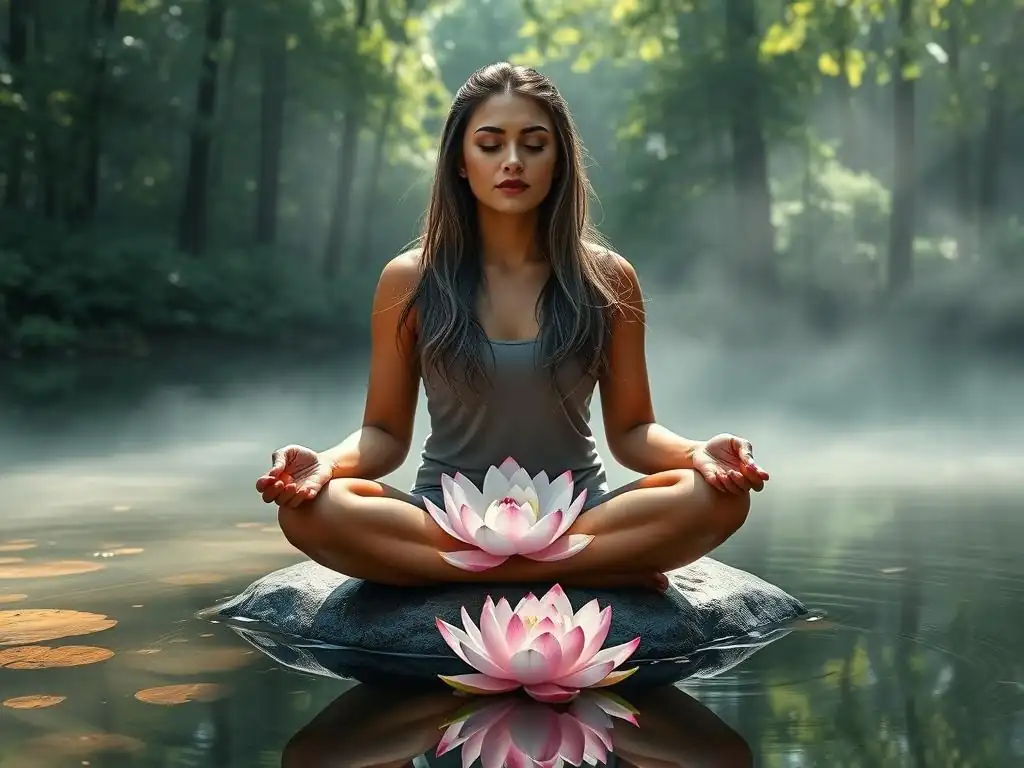
Welcome to Mind Care Guide, a sanctuary for your mental well-being.
Are you ready to embark on an inner peace mental health journey? We understand the complexities and challenges you might be facing. This space is dedicated to providing you with comprehensive information, unwavering support, and practical resources to navigate your path to healing. Discover the power within you and begin to cultivate lasting tranquility. Let's explore together...
Deep Reflection: Cultivating Inner Peace for Mental Well-being
- Understanding Deep Reflection
- Embarking on Your Reflection Journey
- Overcoming Challenges in Reflection
- Advanced Reflection Techniques
- Long-Term Impact on Mental Health
- Resources for Your Journey
-
Frequently Asked Questions
- What is the role of deep reflection in the "Inner peace mental health journey"?
- How can I start practicing deep reflection for enhanced mental well-being?
- What are some common obstacles to achieving "Inner peace mental health journey," and how can I overcome them?
- How does "Mind Care Guide" support individuals on their "Inner peace mental health journey"?
- Why is focusing on "Inner peace mental health journey" vital for overall well-being?
- Final Reflection: The Enduring Journey to Inner Peace
- Unlock Your Inner Peace: Start Your Healing Journey Today!
Understanding Deep Reflection
What is Deep Reflection and its Benefits?
Deep reflection is a practice of intentionally turning inward to examine one's thoughts, feelings, and experiences without judgment. It involves stepping back from the immediate flow of daily life to gain perspective, understand motivations, and process emotions. This conscious introspection is a fundamental tool on the inner peace mental health journey, offering a pathway to greater self-awareness and emotional regulation. It's not merely thinking, but a structured, often quiet process of listening to one's inner landscape.
Engaging in regular deep reflection offers numerous benefits for mental well-being. For instance, individuals who practice daily reflection, even for brief periods like 10-15 minutes, often report reduced stress and anxiety levels within a few weeks. This practice helps identify triggers for negative emotions and develop healthier coping mechanisms. Furthermore, reflection can enhance problem-solving skills by allowing one to view challenges from different angles, leading to clearer decisions and a stronger sense of control over one's life circumstances. It's a cornerstone for building resilience and fostering a lasting sense of inner peace.
The Connection Between Mental Health and Self-Awareness
A strong connection exists between mental health and self-awareness, with deep reflection serving as a bridge between the two. Self-awareness is the ability to recognize and understand your own emotions, thoughts, values, and how they influence your behavior. Without this understanding, it becomes difficult to manage mental health challenges effectively. For example, someone experiencing chronic stress might not initially recognize its source until they reflect on their daily routines and interactions, revealing patterns of overcommitment or boundary issues.
Cultivating self-awareness through reflection is vital for an authentic inner peace mental health journey. It allows individuals to identify negative thought loops, understand the roots of their anxieties or depressive feelings, and differentiate between temporary moods and persistent issues. Research indicates that increased emotional self-awareness correlates with higher levels of psychological well-being and improved interpersonal relationships. By regularly checking in with oneself, one can proactively address potential mental health concerns before they escalate, fostering a more stable and healthy emotional state.
Integrating Reflection into Daily Life
Integrating deep reflection into daily life doesn't require hours of solitude; it can be woven into the fabric of everyday activities. Starting small is key, perhaps dedicating just five minutes each morning or evening to quiet contemplation or journaling. This consistency is more impactful than sporadic long sessions. Consider linking reflection to an existing habit, like having a cup of tea or commuting, using that time to pause and observe your thoughts and feelings without judgment.
Making reflection a consistent part of your routine reinforces its benefits on your inner peace mental health journey. For busy individuals, incorporating 'micro-reflections' throughout the day – a minute or two between tasks to check in with how you feel – can be surprisingly effective. Setting a reminder on your phone or using a dedicated reflection app can also help maintain the habit. The goal is to create a sustainable practice that feels supportive, not burdensome, gradually building a stronger connection with your inner self and enhancing overall mental well-being.
Embarking on Your Reflection Journey
Preparing for Reflective Practice
Embarking on your reflective practice requires a bit of preparation to create a conducive environment and mindset. Find a quiet space where you won't be interrupted for your chosen duration, whether it's 5 minutes or 30. Ensure you are comfortable, perhaps sitting upright but relaxed, or even taking a gentle walk in nature. Minimizing external distractions, such as turning off notifications on your phone, is crucial to allow your mind to turn inward effectively.
Gathering any tools you might need can also be helpful. This could include a journal and pen, a comfortable cushion, or simply setting a timer. Mentally preparing involves setting an intention for the session – perhaps to understand a specific feeling, gain clarity on a decision, or simply observe your thoughts without agenda. Approaching the practice with an attitude of curiosity and self-compassion, rather than judgment, is fundamental for a fruitful inner peace mental health journey through reflection.
Techniques for Effective Self-Reflection
Several techniques can facilitate effective self-reflection, catering to different preferences and needs on the inner peace mental health journey. Experimenting with various methods can help you find what resonates most deeply. The key is to engage with the process actively, allowing insights to emerge organically rather than forcing them.
Journaling for Clarity
Journaling is a powerful and accessible technique for gaining clarity through self-reflection. Putting thoughts and feelings onto paper can help untangle complex emotions, identify recurring patterns, and process experiences. You can use prompts like "What am I feeling right now and why?" or "What was the most challenging part of my day and how did I handle it?"
Regular journaling, even just a few sentences daily, has been shown to improve emotional processing. For example, studies have found that expressive writing for 15-20 minutes over three to four days can lead to significant improvements in physical and psychological health outcomes over subsequent months. It provides a tangible record of your inner landscape, allowing you to track progress and identify shifts in your mental state over time, supporting your inner peace mental health journey.
Mindfulness Meditation for Self-Awareness
Mindfulness meditation is another effective reflection technique that cultivates self-awareness by focusing on the present moment. This involves paying attention to your breath, bodily sensations, thoughts, and feelings without judgment. It teaches you to observe your inner experience with detachment, recognizing thoughts as transient events rather than absolute truths.
Consistent mindfulness practice, even 10 minutes daily, has been linked to structural changes in the brain associated with increased self-awareness and emotional regulation. A well-known program, Mindfulness-Based Stress Reduction (MBSR), typically involves 8 weeks of training and has demonstrated significant reductions in anxiety and depression symptoms, alongside increased self-compassion. Through mindfulness, you develop the capacity to notice your mental patterns and emotional responses in real-time, which is invaluable for navigating your inner peace mental health journey.
Reflection Exercises for Specific Challenges [Example: Grief, Trauma]
Reflection exercises can also be tailored to address specific challenges, such as processing grief or trauma. For grief, reflection might involve writing letters to the departed, exploring memories, or journaling about the impact of the loss on your life. These exercises provide a structured way to navigate intense emotions.
For trauma, reflective practices must be approached with caution and ideally under the guidance of a therapist. Techniques might include guided imagery to process difficult memories in a safe space, or using journaling to explore triggers and develop coping strategies.
For example, a therapist might guide a patient to reflect on a specific traumatic event using techniques that help reprocess the memory in a less distressing way, as is common in therapies like Eye Movement Desensitization and Reprocessing (EMDR), which often incorporates reflective elements. The key is to process these experiences in a way that promotes healing and integration, rather than re-traumatization, moving gently forward on your inner peace mental health journey.
Overcoming Challenges in Reflection
Addressing Negative Thoughts
One common challenge in deep reflection is confronting negative thoughts or difficult emotions. When you turn inward, you might encounter self-criticism, fear, or sadness that can feel overwhelming. It's important to remember that the goal of reflection is not to eliminate negative thoughts, but to observe them without getting consumed by them. Recognize that thoughts are not facts; they are simply mental events passing through your awareness.
Developing a practice of non-judgmental observation is crucial. When a negative thought arises, try labeling it ("Ah, that's a thought about inadequacy") rather than engaging with its content. Techniques like thought diffusion, where you imagine thoughts floating away like clouds, can also be helpful. It takes practice, but gradually you can build the capacity to witness difficult thoughts with greater equanimity, preventing them from derailing your inner peace mental health journey.
Maintaining Consistency
Maintaining consistency in reflective practice can be difficult amidst busy schedules and fluctuating motivation. Life's demands often push self-care activities like reflection to the back burner. It's easy to skip a session when feeling stressed or tired, paradoxically when reflection might be most beneficial. Setting realistic expectations is key – don't aim for an hour if you only have 10 minutes free.
Creating a routine and finding accountability can significantly help. Schedule your reflection time like any other important appointment. Tell a friend or family member about your goal to practice reflection regularly. Tracking your sessions, perhaps with a simple checklist or app, can also provide a sense of accomplishment and encourage continuation. Remember that even short, consistent periods of reflection contribute significantly to your inner peace mental health journey over time.
Recognizing the Need for Professional Support
While deep reflection is a powerful self-help tool, it's essential to recognize when professional support is needed, particularly when dealing with significant trauma, persistent depression, or severe anxiety. Reflection can sometimes bring difficult emotions or unresolved issues to the surface that are challenging to navigate alone. A mental health professional, like a therapist or counselor, can provide guidance and support in processing these complex feelings safely.
If you find yourself consistently overwhelmed by what arises during reflection, experiencing intense distress, or if reflection seems to exacerbate negative feelings rather than providing clarity or peace, it's a strong indicator that professional help could be beneficial. A therapist can offer tailored strategies, provide a safe space to explore difficult topics, and integrate reflection into a broader therapeutic plan. They can help you process deep-seated issues that are hindering your inner peace mental health journey in a structured and supportive way.
Advanced Reflection Techniques
Exploring Different Styles of Reflection [Example: Visualization, Nature Walks]
Beyond basic journaling and mindfulness, exploring different styles of reflection can deepen your practice and keep it engaging. Visualization, for example, involves creating mental images to explore feelings, goals, or challenges. You might visualize yourself successfully navigating a difficult situation or imagine a peaceful internal landscape to cultivate calm.
Engaging with nature offers another powerful style of reflection. Taking a mindful walk in a park or forest allows the natural environment to ground you and facilitate introspection. Observing the details of nature – the texture of bark, the sound of leaves, the flow of water – can quiet the mental chatter and open space for deeper insights to emerge. These varied approaches enrich your inner peace mental health journey by tapping into different aspects of your sensory and imaginative experience.
Identifying and Changing Limiting Beliefs
Deep reflection is a powerful tool for identifying and changing limiting beliefs that may be holding you back. These are often deeply ingrained assumptions about yourself, others, or the world that aren't necessarily true but influence your thoughts and behaviors. Examples include beliefs like "I'm not good enough" or "I always fail." Through reflection, you can bring these subconscious beliefs to conscious awareness.
Once identified, reflection allows you to examine the evidence for and against these beliefs. Often, you'll find they are based on past experiences or fears, not current reality. The next step is to actively challenge and reframe them, perhaps by writing affirmations that contradict the limiting belief or reflecting on past successes that prove the belief wrong. This process of uncovering and transforming limiting beliefs is a significant step forward on your inner peace mental health journey.
Cultivating Gratitude and Self-Compassion
Two essential elements to cultivate through reflection for enhanced mental well-being are gratitude and self-compassion. Reflecting on things you are grateful for, no matter how small, shifts your focus towards the positive aspects of your life, counteracting negativity bias. Keeping a gratitude journal or simply spending a few minutes each day listing things you appreciate can significantly boost mood and overall life satisfaction.
Self-compassion involves treating yourself with the same kindness, understanding, and acceptance you would offer a friend facing difficulties. Reflecting on challenging experiences through a lens of self-compassion means acknowledging your pain without judgment and recognizing that suffering is part of the shared human experience. Practicing self-compassion during reflection can help you process mistakes or setbacks constructively, reducing self-criticism and fostering resilience, which are vital components of a sustainable inner peace mental health journey.
Long-Term Impact on Mental Health

Building Resilience
The long-term practice of deep reflection significantly contributes to building psychological resilience. Resilience is the ability to bounce back from adversity, adapt to stress, and cope effectively with challenges. By regularly reflecting on difficult experiences, you learn to process them, extract lessons, and understand your own coping strengths and weaknesses.
Reflection helps you develop a stronger internal locus of control – the belief that you have agency over your life and reactions. When faced with stress or setbacks, reflective individuals are better equipped to pause, assess the situation calmly, and choose a thoughtful response rather than reacting impulsively. This cultivated ability to navigate life's inevitable difficulties with greater strength and adaptability is a profound outcome of the inner peace mental health journey facilitated by reflection.
Maintaining Well-being
Consistent deep reflection is not just about recovering from challenges; it's a proactive strategy for maintaining overall mental well-being. By regularly checking in with your inner state, you can identify early warning signs of stress, burnout, or declining mood before they escalate into more serious issues. This allows for timely intervention and adjustment of behaviors or seeking support.
Moreover, reflection helps reinforce positive mental habits, such as gratitude, self-compassion, and mindful awareness. It provides a dedicated space to appreciate successes, learn from failures, and connect with your core values and purpose. This ongoing process of self-nurturing through reflection is fundamental to sustaining a positive mental state and continuing to deepen your inner peace mental health journey over the long term.
Integrating Reflection into a Holistic Plan
For maximum long-term impact, integrating reflection into a holistic mental health plan is key. Reflection works best when combined with other healthy practices, such as regular physical exercise, balanced nutrition, sufficient sleep, maintaining social connections, and engaging in enjoyable activities. It's one pillar supporting a larger structure of well-being.
Consider reflection as the internal compass that helps you navigate your holistic plan. It provides the self-awareness needed to understand which areas of your life require attention – perhaps reflection reveals you're neglecting social connections or not getting enough rest. By integrating reflection with other healthy habits, you create a synergistic effect, where each practice reinforces the others, leading to a more robust and sustainable inner peace mental health journey.
Resources for Your Journey
Books and Articles on Reflection
Numerous resources are available to support your deep reflection practice and inner peace mental health journey. Books offer in-depth guidance on various techniques, from journaling prompts to philosophical approaches to introspection. Many articles and blogs online also provide practical tips, personal stories, and scientific insights into the benefits of reflection for mental health.
Look for resources that resonate with your specific interests or challenges. Some focus on mindfulness-based reflection, while others explore narrative reflection or spiritual approaches. Exploring different perspectives can broaden your understanding and provide new tools to incorporate into your practice, continually enriching your path towards cultivating inner peace.
Support Groups
Joining a support group can be incredibly beneficial for those on their inner peace mental health journey, especially when reflection brings up challenging emotions or experiences. While not focused solely on reflection, groups centered around mental health, specific challenges (like grief or anxiety), or even mindfulness and meditation practices offer a space to share experiences and learn from others.
Hearing how others navigate their inner worlds and utilize reflective practices can provide encouragement, validation, and practical strategies. Support groups offer a sense of community and belonging, reducing feelings of isolation that can sometimes accompany deep introspection. Sharing your journey, including insights gained through reflection, in a safe and supportive environment can be a powerful part of the healing process.
Finding a Qualified Therapist
As mentioned earlier, recognizing the need for professional support is crucial, and finding a qualified therapist is a key resource for many on their inner peace mental health journey. A therapist can provide expert guidance in processing difficult emotions, identifying underlying issues that reflection might uncover, and developing coping mechanisms for complex challenges like trauma or chronic mental illness.
Look for a licensed mental health professional whose approach aligns with your needs and preferences. Many therapists integrate reflective techniques into their practice, helping clients use introspection safely and effectively as part of their treatment plan. A therapist can offer personalized strategies and support, ensuring that your deep reflection practice is a constructive and healing component of your overall mental health strategy.
Frequently Asked Questions
What is the role of deep reflection in the "Inner peace mental health journey"?
Deep reflection is a fundamental tool for understanding your emotions and thought patterns. It helps you identify the root causes of mental health challenges and begin the healing process.
How can I start practicing deep reflection for enhanced mental well-being?
Start by setting aside dedicated time for quiet contemplation. Journaling, meditation, and mindfulness exercises can facilitate meaningful self-discovery and pave the way for inner peace.
What are some common obstacles to achieving "Inner peace mental health journey," and how can I overcome them?
Common obstacles include negative self-talk, past traumas, and societal pressures. Overcoming them requires self-compassion, professional support if needed, and a commitment to personal growth.
How does "Mind Care Guide" support individuals on their "Inner peace mental health journey"?
"Mind Care Guide" provides comprehensive information, resources, and support networks for individuals facing various mental health challenges. It offers a safe space for learning and growth.
Why is focusing on "Inner peace mental health journey" vital for overall well-being?
Cultivating inner peace reduces stress, enhances emotional resilience, and improves overall quality of life. It promotes a sense of balance and harmony within oneself and with the world.
Final Reflection: The Enduring Journey to Inner Peace
The pursuit of inner peace is not a destination, but a continuous journey of self-discovery and healing, profoundly relevant in today's fast-paced and often overwhelming world. The anxieties and pressures of modern life demand that we actively cultivate inner resilience, and the tools and techniques explored in this article offer a roadmap for navigating this challenging terrain. Ignoring our mental well-being is no longer an option; it's a critical aspect of living a fulfilling and meaningful life.
The exploration of inner peace, as detailed in this article, has profoundly impacted my own understanding of mental well-being, shifting my perspective from a reactive to a proactive approach to managing stress and cultivating joy. Peace comes from within. Do not seek it without.
This ancient wisdom underscores the importance of internal work, a journey that requires consistent effort and self-compassion. The cultural landscape is slowly shifting, with a growing recognition of the importance of mental health, yet the stigma still lingers. We must continue to advocate for open conversations and accessible resources to support those on their own journeys towards inner peace.
Now, I invite you to reflect on your own path. What resonates most deeply with you from the practices and insights shared? What small step can you take today to nurture your inner peace? Perhaps it's a moment of mindful breathing, a gentle walk in nature, or a conversation with a trusted friend. Remember, the journey to inner peace is unique to each individual, but the destination – a life filled with serenity, resilience, and joy – is worth the effort. Embrace the process, be kind to yourself, and allow your inner light to shine.
Unlock Your Inner Peace: Start Your Healing Journey Today!
Thanks for taking the time to explore the power of inner healing! We hope this article equipped you with valuable tools and insights for your journey. Now, it's time to put those insights into action. Ready to cultivate more tranquility and mindfulness in your life?
- Prioritize one mindfulness practice: Choose one technique discussed—meditation, journaling, or mindful breathing—and commit to practicing it for just 5 minutes daily this week. This small step can make a big difference.
- Share your experience: Tell us (or a friend!) about your experience with a chosen practice. What surprised you? What challenges did you encounter?
- Explore our other resources: Dive deeper into specific healing techniques by browsing other articles on MindCareGuide.org.
What small step will you take today to nurture your inner peace?