
Neurobiological Pathways: Where Genes and Environment Converge in Mental Disorders

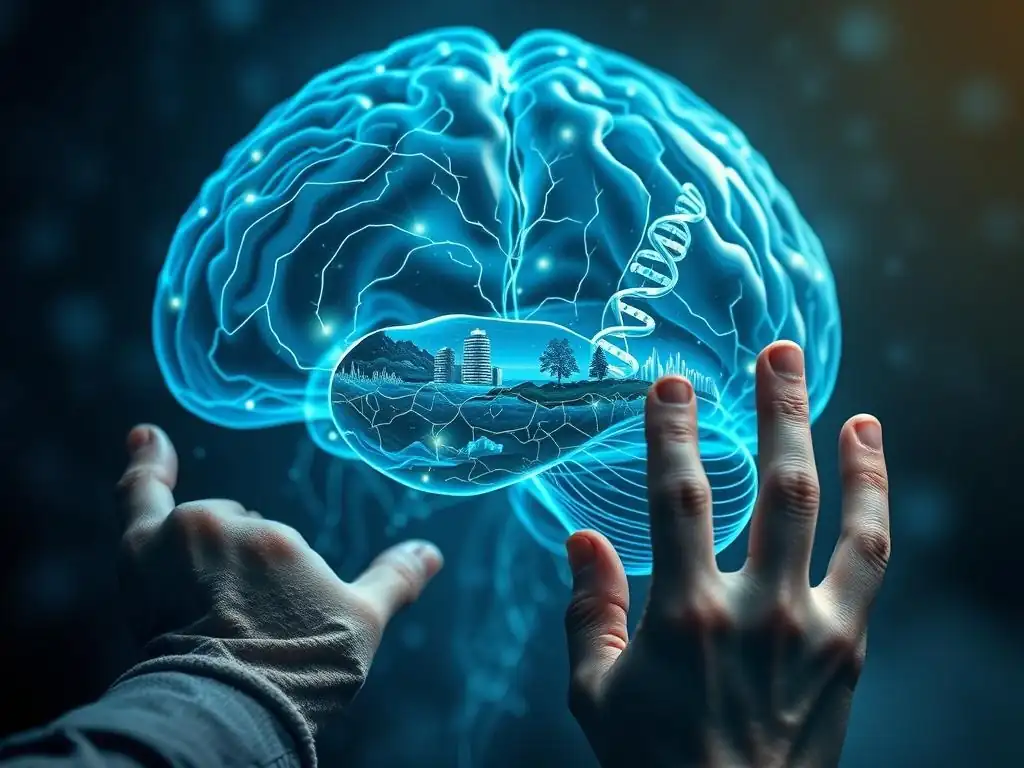
Welcome to Mind Care Guide, your sanctuary for understanding and navigating the complexities of mental well-being. Ever wondered how much your genes truly influence your mental health, and how much is shaped by the world around you? Dive into our exploration of geneenvironment interaction mental disorders, and discover the fascinating neurobiological pathways where nature and nurture converge. We'll unravel the science, offering insights and support to help you understand the intricate interplay shaping your mind. Let's embark on this journey together...
Neurobiological Pathways: Where Genes and Environment Converge in Mental Disorders
- Introduction: Unraveling the Complexity of Mental Disorders Through Gene-Environment Interaction
- Genetic Predisposition and Mental Disorder Vulnerability
- Environmental Factors Triggering Mental Disorders
- Neurobiological Pathways Affected by Gene-Environment Interaction
- Specific Mental Disorders and Gene-Environment Interactions
-
Research Methods for Studying Gene-Environment Interaction in Mental Disorders
- Twin Studies and Adoption Studies: Disentangling Genetic and Environmental Influences
- Genome-Wide Association Studies (GWAS) and Environmental Risk Factors
- Animal Models: Investigating Causal Mechanisms in Controlled Environments
- Longitudinal Studies: Tracking the Development of Mental Disorders Over Time
- Therapeutic Implications: Targeting Gene-Environment Interaction
- Future Directions in Gene-Environment Interaction Research
- Conclusion: Towards a More Comprehensive Understanding of Mental Disorder Etiology
-
Frequently Asked Questions
- What is the role of gene-environment interaction in the development of mental disorders?
- How do neurobiological pathways relate to the gene-environment interaction in mental health?
- Can early life experiences impact the gene-environment interaction and increase the risk of mental illness?
- What are some examples of environmental factors that can interact with genes to influence mental health?
- How can understanding the gene-environment interaction improve mental health treatments?
- Final Reflection: The Intertwined Dance of Genes and Environment in Mental Health
- Unveil Your Brain's Potential: Take Charge of Your Mental Wellbeing
Introduction: Unraveling the Complexity of Mental Disorders Through Gene-Environment Interaction
The Interplay of Nature and Nurture in Mental Health
Mental disorders are complex conditions that do not arise from a single cause. Instead, they are understood to result from the intricate interplay between an individual's genetic makeup (nature) and their life experiences and surroundings (nurture). This dynamic relationship, often referred to as the gene-environment interaction, is fundamental to understanding vulnerability, onset, and severity of various psychiatric conditions. It moves beyond a simple "either/or" debate, recognizing that genes provide a blueprint, but the environment profoundly influences how that blueprint is expressed and how neurobiological pathways develop and function throughout life.
Research consistently demonstrates that while some genetic predispositions might increase the likelihood of developing a mental disorder, environmental factors often act as triggers or protective elements. For example, a person might carry a gene variant associated with an increased risk of depression, but whether they actually develop the disorder can depend significantly on their exposure to stressful life events, their social support network, or access to resources.
Conversely, certain environmental exposures, like early childhood trauma, can increase risk even in individuals without a strong genetic predisposition, sometimes by altering gene expression itself. This highlights why studying gene-environment interaction mental disorders is crucial for a comprehensive understanding.
Understanding the Significance of Gene-Environment Correlation in Psychiatric Conditions
Beyond simple interaction, gene-environment correlation describes situations where an individual's genetic tendencies influence the environments they are exposed to or seek out. This can happen in several ways. Passive correlation occurs when children inherit genes from parents who also provide their environment (e.g., parents with a genetic predisposition for anxiety might create a more anxious home environment).
Evocative correlation happens when an individual's genetic traits evoke specific responses from the environment (e.g., a child with a genetically influenced difficult temperament might elicit more negative reactions from caregivers). Active correlation involves individuals actively selecting or creating environments compatible with their genetic predispositions (e.g., someone with a genetic inclination towards sensation-seeking might choose riskier activities).
Understanding these correlations is vital in psychiatric research because they can confound studies attempting to isolate the effects of genes or environment. For instance, is a child's anxiety due to inherited genes, the anxious environment created by their parents, or the child's own temperament evoking anxious responses? Often, it's a complex mix. Recognizing gene-environment correlation helps researchers design more sophisticated studies to disentangle these factors and better understand the true impact of gene-environment interaction mental disorders, paving the way for more targeted prevention and intervention strategies.
Genetic Predisposition and Mental Disorder Vulnerability
Identifying Specific Genes Linked to Mental Health Risks
Numerous genes have been implicated in increasing vulnerability to mental disorders, though it's rarely a single gene causing a specific condition. Instead, risk is often conferred by the combined effect of many genes, each having a small impact, interacting with environmental factors. For example, variations in the BDNF (Brain-Derived Neurotrophic Factor) gene have been studied extensively.
A common variant, the Met allele, is associated with reduced BDNF activity, which plays a crucial role in neuronal growth, survival, and plasticity. Studies suggest that individuals carrying the Met allele might be more susceptible to the negative effects of stress on mood and cognitive function, potentially increasing risk for depression or anxiety when exposed to significant adversity.
Another well-researched example involves genes related to neurotransmitter systems. The 5-HTTLPR polymorphism in the serotonin transporter gene ( SLC6A4) has been linked to vulnerability for depression and anxiety. Individuals with one or two copies of the short allele of this polymorphism show increased amygdala reactivity to threatening stimuli and may be more sensitive to the impact of stressful life events compared to those with the long allele. While initial findings were robust, subsequent meta-analyses have shown that the effect size is modest and highly dependent on specific environmental contexts, reinforcing the concept of gene-environment interaction mental disorders.
How Genetic Variations Influence Brain Development and Function
Genetic variations don't just predispose individuals; they actively influence the intricate processes of brain development and ongoing function, laying the groundwork for potential vulnerabilities. During prenatal development and throughout childhood and adolescence, genes orchestrate the formation of neurons, their migration, the establishment of synaptic connections, and the pruning of unnecessary pathways.
Variations in genes involved in these processes, such as those related to neural migration ( DISC1) or synaptic function, can subtly alter brain architecture and connectivity. For instance, certain genetic risk factors for schizophrenia are associated with differences in synaptic pruning during adolescence, a critical period of brain maturation.
Furthermore, genetic differences impact the function of neurotransmitter systems, which are the chemical messengers of the brain. Genes code for the production, transport, receptors, and breakdown enzymes of neurotransmitters like dopamine, serotonin, and glutamate. Variations in these genes can lead to altered levels of neurotransmitters, differences in receptor sensitivity, or changes in signaling efficiency. These alterations can affect mood regulation, reward processing, stress response, and cognitive function – all processes implicated in various mental disorders. Thus, genetic variations don't directly cause disorders but influence the biological substrate upon which environmental factors can exert their influence, shaping neurobiological pathways.
Epigenetics: The Bridge Between Genes and Environmental Influences on Mental Health
Epigenetics refers to heritable changes in gene expression that occur without alterations to the underlying DNA sequence. These changes are like molecular "tags" or "switches" on the DNA or associated proteins (histones) that determine whether a gene is turned "on" or "off," or how strongly it is expressed. Crucially, environmental factors can induce these epigenetic modifications. This provides a compelling biological mechanism for how experiences, particularly early in life, can have lasting impacts on brain function and mental health by literally changing how our genes are read and utilized.
Studies in both animal models and humans have shown that exposure to stress, trauma, nutrition, and even social interactions can lead to epigenetic changes in brain regions involved in stress response, learning, and memory, such as the hippocampus and prefrontal cortex. For example, research on maternal care in rodents demonstrated that pups receiving high levels of licking and grooming from their mothers developed different epigenetic marks on genes related to stress hormones compared to pups with low-nurturing mothers. These epigenetic differences led to altered stress responses and anxiety-like behaviors later in life.
Similarly, studies in humans suggest that childhood adversity is associated with epigenetic modifications in genes like the glucocorticoid receptor gene ( NR3C1), potentially contributing to dysregulated stress responses seen in conditions like PTSD and depression. Epigenetics thus serves as a critical bridge explaining the biological basis of gene-environment interaction mental disorders.
Environmental Factors Triggering Mental Disorders
Early Life Stress and Its Impact on Brain Architecture
Early life stress (ELS), including experiences like neglect, abuse, or exposure to household dysfunction during critical periods of brain development, is a significant environmental risk factor for a wide range of mental disorders later in life. The developing brain is particularly plastic and vulnerable to environmental input.
Chronic or severe stress during this time can disrupt the normal trajectory of neurodevelopment, leading to lasting changes in brain structure and function. Studies using neuroimaging techniques have shown that individuals exposed to ELS often exhibit differences in the size and connectivity of key brain regions, including a smaller hippocampus (important for memory and stress regulation), alterations in the amygdala (involved in processing fear and emotion), and changes in the prefrontal cortex (critical for executive functions and emotional regulation).
These structural changes are often accompanied by functional alterations. For instance, individuals with a history of ELS may show heightened reactivity of the stress response system (the HPA axis) and altered patterns of neural activity in response to emotional stimuli. Such neurobiological changes are thought to increase vulnerability to various psychiatric conditions, including depression, anxiety disorders, PTSD, and substance use disorders. The impact of ELS is a powerful example of how environmental factors can physically shape the brain, setting the stage for potential mental health challenges and demonstrating a critical aspect of gene-environment interaction mental disorders.
The Role of Trauma in Shaping Neurobiological Pathways
Traumatic experiences, whether single incidents or chronic exposure to adverse situations, can profoundly alter neurobiological pathways, especially in individuals with certain genetic predispositions. Trauma activates the body's stress response systems, leading to the release of hormones like cortisol and neurotransmitters like norepinephrine.
While adaptive in acute situations, chronic exposure to these stress chemicals can have detrimental effects on the brain, particularly in areas involved in fear processing, memory formation, and emotional regulation. The amygdala may become hyper-reactive, leading to heightened fear responses, while the hippocampus, crucial for contextualizing memories, may be impaired, leading to difficulty distinguishing safe from unsafe situations.
Furthermore, trauma can disrupt the balance of excitatory and inhibitory neurotransmitter systems, such as the glutamate and GABA systems, affecting synaptic plasticity and communication between brain regions. This can contribute to symptoms like hypervigilance, intrusive thoughts, and emotional dysregulation seen in conditions like Post-Traumatic Stress Disorder (PTSD). Research suggests that genetic variations influencing stress hormone receptors or neurotransmitter function can modulate an individual's sensitivity to the neurobiological impacts of trauma, illustrating another facet of gene-environment interaction mental disorders. Not everyone exposed to trauma develops a disorder, and genetic factors can influence this differential susceptibility.
Substance Abuse and its Neurotoxic Effects on Mental Well-being
Substance abuse is both a potential consequence of underlying mental health vulnerabilities (often linked to gene-environment interactions) and a significant environmental factor that can trigger or exacerbate mental disorders through its neurotoxic effects. Psychoactive substances directly interfere with neurotransmitter systems and neural circuits in the brain, particularly those involved in reward, motivation, mood, and cognitive function.
Chronic substance use can lead to long-lasting changes in brain chemistry and structure, disrupting the delicate balance required for mental well-being. For example, chronic alcohol abuse can damage neurons, particularly in the prefrontal cortex and hippocampus, contributing to cognitive deficits and increasing the risk of depression and anxiety.
Stimulants like methamphetamine can cause significant damage to dopamine neurons, potentially leading to symptoms resembling psychosis or severe depression. Cannabis use, especially high-potency strains used during adolescence, has been linked to an increased risk of psychosis in individuals with a genetic vulnerability, particularly those with a family history of schizophrenia. This represents a direct example of gene-environment interaction mental disorders, where the environmental factor (substance exposure) interacts with a genetic predisposition to significantly increase risk. The neurobiological changes induced by substance abuse can persist long after drug use stops, contributing to ongoing mental health challenges.
Beyond direct biological exposures like stress or substances, broader social and environmental factors play a crucial role in mental health outcomes, often interacting with genetic predispositions. Poverty, for instance, is associated with increased exposure to stressors (e.g., food insecurity, unstable housing, violence) and reduced access to resources (e.g., healthcare, education, safe environments). These chronic stressors can activate biological stress pathways and negatively impact brain development, particularly in children. Individuals with genetic vulnerabilities to stress-related disorders may be disproportionately affected by the adverse conditions associated with poverty.
Discrimination, whether based on race, ethnicity, gender, sexual orientation, or other factors, is another significant environmental stressor that can impact mental health. Experiencing discrimination can lead to chronic activation of stress systems, contribute to feelings of shame, anger, and isolation, and increase the risk of depression, anxiety, and trauma-related disorders. Social isolation and lack of social support are also well-documented risk factors, potentially by reducing opportunities for positive social interactions that buffer stress and promote well-being.
The complex interplay between these social determinants and genetic factors highlights the systemic nature of gene-environment interaction mental disorders. Addressing these broader environmental factors is crucial for promoting mental health equity.
Neurobiological Pathways Affected by Gene-Environment Interaction
The Hypothalamic-Pituitary-Adrenal (HPA) Axis: Stress Response Dysregulation
The Hypothalamic-Pituitary-Adrenal (HPA) axis is the body's central stress response system. When faced with a stressor, the hypothalamus releases corticotropin-releasing hormone (CRH), which signals the pituitary gland to release adrenocorticotropic hormone (ACTH). ACTH then prompts the adrenal glands to release cortisol, the primary stress hormone. Cortisol helps the body mobilize resources to cope with the stressor, and normally, once the threat passes, a negative feedback loop involving the hippocampus and prefrontal cortex shuts down the response. However, chronic stress or trauma, especially during critical developmental periods, can dysregulate this system.
Gene-environment interaction significantly influences HPA axis function. Genetic variations in components of the HPA axis, such as receptors for CRH or glucocorticoids (like NR3C1), can affect an individual's sensitivity to stress hormones or the efficiency of the negative feedback loop. For example, certain polymorphisms might lead to a blunted or exaggerated cortisol response.
When individuals with these genetic vulnerabilities are exposed to chronic environmental stress (e.g., childhood adversity), the HPA axis can become persistently overactive or, in some cases, hypoactive, leading to chronically elevated or abnormally low cortisol levels. This dysregulation is strongly implicated in the pathophysiology of depression, anxiety disorders, and PTSD, illustrating how gene-environment interaction mental disorders manifest through disrupted stress pathways.
Dopamine Pathways: Reward and Motivation Imbalances
Dopamine is a neurotransmitter crucial for reward, motivation, pleasure, and motor control. Dopamine pathways, particularly the mesolimbic pathway connecting the ventral tegmental area (VTA) to the nucleus accumbens and prefrontal cortex, are central to the brain's reward system. Dysfunction in these pathways is implicated in conditions like addiction, depression (particularly anhedonia, the inability to experience pleasure), and schizophrenia. Both genetic and environmental factors, as well as their interaction, can disrupt dopamine signaling.
Genetic variations in dopamine-related genes, such as those coding for dopamine receptors ( DRD2, DRD4), transporters ( DAT or SLC6A3), or enzymes involved in dopamine synthesis or breakdown ( COMT), can influence the efficiency and sensitivity of dopaminergic signaling. For instance, the COMT Val158Met polymorphism affects the breakdown of dopamine in the prefrontal cortex, with the Met allele leading to slower breakdown and potentially higher dopamine levels in this region, impacting cognitive function and stress resilience.
Environmental factors, such as chronic stress, drug exposure, or even certain types of social interactions, can also alter dopamine release and receptor sensitivity. Gene-environment interaction can lead to heightened vulnerability; for example, individuals with specific dopamine gene variants might be more susceptible to developing addiction or stress-induced anhedonia when exposed to substance abuse or chronic adversity.
Serotonin Pathways: Mood and Emotional Regulation Deficits
Serotonin is another key neurotransmitter involved in regulating mood, sleep, appetite, and emotional processing. Serotonin pathways project throughout the brain, influencing various functions. Imbalances in serotonin signaling are strongly associated with mood and anxiety disorders, leading to the development of selective serotonin reuptake inhibitors (SSRIs) as a primary treatment. Like dopamine, the function of serotonin pathways is influenced by both genetic factors and environmental experiences, highlighting the role of gene-environment interaction mental disorders.
Genetic variations in the serotonin transporter gene ( SLC6A4 or 5-HTTLPR) have been extensively studied, as mentioned earlier. The short allele is associated with reduced serotonin reuptake efficiency and potentially heightened emotional reactivity. However, numerous studies have shown that the effect of this genotype on depression or anxiety risk is often conditional on environmental exposure, particularly stressful life events.
Individuals with the short allele may be more sensitive to the mood-altering effects of stress compared to those with the long allele. Environmental factors, such as chronic stress, nutrition, and gut microbiome composition, can also directly impact serotonin synthesis and signaling. The convergence of genetic predisposition and environmental stressors on serotonin pathways provides a clear example of how gene-environment interactions contribute to vulnerability for conditions like depression and anxiety.
The Glutamate System: Excitation and Inhibition Imbalances in the Brain
Glutamate is the primary excitatory neurotransmitter in the brain, crucial for learning, memory, and synaptic plasticity. It works in balance with GABA, the main inhibitory neurotransmitter, to maintain appropriate levels of neural activity. Imbalances in the glutamate system, including altered levels of glutamate, dysfunction of glutamate receptors (like NMDA or AMPA receptors), or impaired glutamate reuptake, are increasingly implicated in a wide range of mental disorders, including schizophrenia, depression, and anxiety. Disruptions in glutamatergic signaling can lead to excitotoxicity (neuronal damage from excessive excitation) or impaired synaptic communication.
Genetic variations in genes encoding glutamate receptors, transporters, or enzymes involved in glutamate metabolism can influence the efficiency and regulation of glutamatergic neurotransmission. For example, variations in genes like GRIN2B (encoding a subunit of the NMDA receptor) have been linked to risk for schizophrenia and depression. Environmental factors, such as chronic stress, inflammation, or exposure to certain toxins or drugs (like ketamine, which affects NMDA receptors), can also significantly impact the glutamate system.
Gene-environment interaction occurs when individuals with genetic vulnerabilities in the glutamate system are exposed to environmental factors that further disrupt this system, potentially tipping the balance towards dysfunction. Understanding these interactions is crucial for developing novel treatments targeting glutamatergic pathways in mental disorders.
Specific Mental Disorders and Gene-Environment Interactions
Schizophrenia: A Complex Gene-Environment Model
Schizophrenia is a severe mental disorder characterized by disruptions in thought processes, perceptions, emotional responsiveness, and social interactions. It is widely understood as a neurodevelopmental disorder resulting from a complex interplay between genetic predisposition and environmental factors. While genetic factors contribute significantly (heritability estimates are around 80%), no single gene causes schizophrenia. Instead, risk is conferred by the cumulative effect of many common gene variants, as well as rare structural variants (Copy Number Variations or CNVs), interacting with environmental exposures.
Key environmental risk factors identified include prenatal exposures (e.g., maternal infection, malnutrition, obstetric complications), childhood adversity, urban upbringing, and cannabis use, particularly high-potency varieties used during adolescence. The gene-environment interaction is evident in studies showing that individuals with a genetic vulnerability (e.g., family history or carrying specific risk alleles like those in DISC1 or certain CNVs) are at significantly increased risk of developing schizophrenia if exposed to these environmental triggers.
For example, adolescent cannabis use is associated with a substantially increased risk of psychosis specifically in individuals with a genetic predisposition, but not necessarily in those without it. This complex gene-environment interaction mental disorders model is essential for understanding schizophrenia's etiology.
Depression: The Impact of Stressful Life Events on Vulnerable Individuals
Major Depressive Disorder (MDD) is a common and debilitating condition characterized by persistent sadness, loss of interest, and various physical and cognitive symptoms. Like schizophrenia, depression is not caused by a single factor but arises from the intricate gene-environment interaction. While genetic factors contribute to vulnerability (heritability estimates vary but are often cited around 30-40%), environmental factors, particularly stressful life events, play a critical role in triggering depressive episodes.
Research, including the well-known study on the 5-HTTLPR polymorphism and stressful life events, has demonstrated how individuals with certain genetic variants (like the short allele of 5-HTTLPR) may be more susceptible to developing depression following stressful experiences such as job loss, bereavement, or relationship breakdown, compared to individuals with less sensitive genetic profiles. Other genes involved in stress response (like FKBP5, related to the glucocorticoid receptor) or neurotrophic factors ( BDNF) also show interactions with environmental stress in predicting depression risk.
This gene-environment interaction model helps explain why not everyone exposed to stress develops depression and why some individuals are more resilient than others.
Anxiety Disorders: Learned Fear and Genetic Predisposition
Anxiety disorders, including generalized anxiety disorder, panic disorder, and phobias, are characterized by excessive fear and worry that significantly impair daily life. The development of anxiety disorders also involves a complex interplay between genetic predispositions and environmental factors, particularly experiences of threat, trauma, or chronic stress. Genetic studies have identified various genes associated with an increased risk of anxiety, many of which are involved in regulating neurotransmitters like serotonin, dopamine, and GABA, or components of the stress response system.
Environmentally, anxiety can be learned through classical conditioning (associating a neutral stimulus with a fearful event), observational learning (seeing others react fearfully), or experiencing traumatic events. The gene-environment interaction is evident in findings suggesting that individuals with certain genetic vulnerabilities (e.g., variants in serotonin or stress-related genes) may be more prone to developing persistent fear responses after a traumatic event or be more susceptible to developing phobias after a negative experience.
Their genetic makeup might influence the efficiency of fear extinction processes or the reactivity of brain regions like the amygdala. Understanding this gene-environment interaction mental disorders framework is key to developing effective prevention and treatment strategies for anxiety.
Autism Spectrum Disorder: Genetic and Environmental Contributions
Autism Spectrum Disorder (ASD) is a complex neurodevelopmental condition characterized by persistent deficits in social communication and interaction, and restricted, repetitive patterns of behavior, interests, or activities. ASD is known to have a strong genetic component, with high heritability estimates. A wide range of genetic factors, including common variants, rare de novo mutations, and Copy Number Variations (CNVs), have been implicated, often affecting genes involved in synaptic function, chromatin remodeling, and neural development.
However, environmental factors during prenatal development are also thought to contribute to ASD risk, often in interaction with genetic vulnerabilities. These include prenatal exposure to certain infections (like rubella or CMV), certain medications (like valproic acid), maternal conditions (like gestational diabetes or obesity), and potentially exposure to environmental toxins.
The gene-environment interaction model for ASD suggests that while certain genetic profiles increase susceptibility, exposure to specific prenatal environmental insults may further elevate the risk or influence the severity and presentation of symptoms. Research in this area is ongoing, seeking to identify specific environmental triggers and understand how they interact with diverse genetic backgrounds to influence neurodevelopmental trajectories leading to ASD.
Research Methods for Studying Gene-Environment Interaction in Mental Disorders
Twin Studies and Adoption Studies: Disentangling Genetic and Environmental Influences
Twin studies and adoption studies are classic methods in behavioral genetics used to estimate the relative contributions of genetic and environmental factors to complex traits, including mental disorders. Twin studies compare the concordance rates (the probability that both twins in a pair have a disorder if one does) for monozygotic (identical) twins, who share virtually 100% of their genes, and dizygotic (fraternal) twins, who share approximately 50% of their genes, similar to other siblings.
If monozygotic twins show a significantly higher concordance rate for a disorder than dizygotic twins, it suggests a substantial genetic influence. By examining differences in concordance between monozygotic twins raised together versus those raised apart (though rare), researchers can further disentangle shared environmental influences from unique environmental experiences.
Adoption studies compare the rates of disorders in adopted individuals with those in their biological and adoptive families. If an adopted individual is more similar to their biological relatives than their adoptive relatives in terms of disorder risk, it points to a genetic influence. Conversely, if they are more similar to their adoptive relatives, it suggests a stronger environmental influence.
When biological relatives have a history of a disorder but the adopted individual does not develop it in a different environment, it provides evidence for the protective role of environmental factors. These study designs, while not directly measuring specific gene-environment interactions at a molecular level, provide foundational evidence for the overall importance of both genetic and environmental contributions and set the stage for more detailed investigations into gene-environment interaction mental disorders.
Genome-Wide Association Studies (GWAS) and Environmental Risk Factors
Genome-Wide Association Studies (GWAS) are a powerful tool used to identify common genetic variants (Single Nucleotide Polymorphisms or SNPs) associated with a trait or disorder across the entire genome. GWAS compare the frequency of millions of SNPs in individuals with a specific disorder (cases) to those without the disorder (controls). While GWAS have successfully identified numerous genetic loci associated with various mental disorders (e.g., over 100 for schizophrenia, dozens for depression and bipolar disorder), the identified variants typically have small individual effects and collectively explain only a portion of the heritability.
To investigate gene-environment interaction, researchers can integrate environmental data into GWAS analyses. This involves collecting detailed information on environmental exposures (e.g., childhood trauma, substance use, urbanicity) from the study participants. Statistical models can then be used to test whether the effect of a specific genetic variant on disorder risk is modified by an environmental factor, or vice versa.
For example, a GWAS might identify an SNP associated with increased risk for depression, and subsequent analysis could reveal that this association is significantly stronger in individuals who experienced multiple stressful life events. This approach allows for the systematic search for gene-environment interactions across the genome and provides concrete data points supporting the gene-environment interaction mental disorders framework.
Animal Models: Investigating Causal Mechanisms in Controlled Environments
Animal models, particularly rodents, are invaluable for investigating the causal mechanisms underlying gene-environment interaction in mental disorders in controlled laboratory settings. Unlike human studies, where it is difficult to manipulate genes or environment ethically, researchers can use genetic engineering techniques to create animal models with specific gene variations (e.g., knock-out or knock-in models) and systematically control environmental exposures (e.g., chronic stress, social isolation, enriched environments) at different developmental stages.
By exposing genetically modified animals to specific environmental conditions and observing changes in behavior, neurobiology, and gene expression, researchers can gain insights into how gene-environment interactions influence the development and function of neural circuits implicated in mental disorders. For example, studies might examine how mice with a genetic risk factor for anxiety respond to early social isolation compared to genetically normal mice, measuring changes in HPA axis activity, amygdala structure, and anxiety-like behaviors. These studies provide crucial mechanistic evidence that complements findings from human observational studies, helping to clarify the biological pathways through which gene-environment interaction mental disorders develop.
Longitudinal Studies: Tracking the Development of Mental Disorders Over Time
Longitudinal studies track individuals over extended periods, collecting data on their genetic makeup, environmental exposures, and mental health outcomes at multiple time points. This approach is particularly powerful for studying gene-environment interaction because it allows researchers to observe how the interplay between genes and environment unfolds over the life course and influences developmental trajectories. By collecting prospective data, longitudinal studies can establish the temporal relationship between environmental exposures and the onset of disorders, reducing the risk of recall bias inherent in retrospective studies.
For instance, a longitudinal study might follow a cohort of children from birth, collecting DNA samples, assessing early environmental factors (e.g., parenting style, exposure to adversity), and repeatedly assessing mental health symptoms throughout childhood, adolescence, and adulthood. Researchers can then analyze whether specific genetic predispositions predict which individuals are most vulnerable to developing a disorder when exposed to particular environmental risks observed during the study period. These studies are resource-intensive but provide invaluable insights into the dynamic nature of gene-environment interaction mental disorders and help identify critical periods of vulnerability and potential windows for intervention.
Therapeutic Implications: Targeting Gene-Environment Interaction

Personalized Medicine: Tailoring Treatments Based on Genetic and Environmental Profiles
Understanding gene-environment interaction mental disorders holds significant promise for the future of personalized medicine in psychiatry. Instead of using a one-size-fits-all approach, treatments could potentially be tailored based on an individual's unique genetic and environmental profile. If specific gene-environment interactions are known to increase risk for a particular disorder or influence treatment response, this information could guide clinical decision-making.
For example, if an individual has a genetic profile that makes them particularly sensitive to the negative effects of stress on mood, therapeutic interventions could prioritize stress management techniques and building resilience. Similarly, pharmacogenomics, the study of how genes affect a person's response to drugs, can help predict how an individual might metabolize or respond to specific psychiatric medications based on their genetic variants in drug-metabolizing enzymes (like cytochrome P450 enzymes) or drug targets (like neurotransmitter receptors).
Integrating information about both genetic background and environmental history allows for a more nuanced assessment of vulnerability and a more precise selection of therapeutic strategies, moving towards truly personalized care for mental disorders.
Early Intervention Strategies: Mitigating the Impact of Adverse Environments
Knowledge about gene-environment interaction underscores the critical importance of early intervention, particularly in mitigating the negative effects of adverse environments on vulnerable individuals. If certain environmental exposures during critical developmental periods (e.g., early childhood) are known to interact with genetic predispositions to increase the risk of mental disorders, intervening early to modify these environments or buffer their impact could significantly improve outcomes.
Examples of early intervention strategies include programs aimed at supporting parents in providing nurturing and stable environments for their children, reducing exposure to violence or trauma, improving access to quality education and healthcare in disadvantaged communities, and implementing school-based programs that teach coping skills and build resilience. For individuals identified as having a genetic predisposition combined with exposure to environmental risk, targeted preventive interventions could be implemented, such as stress inoculation training or specific psychotherapies.
By focusing on modifying the environmental side of the gene-environment interaction mental disorders equation, we can potentially prevent the onset or reduce the severity of symptoms in vulnerable individuals.
Psychotherapy and the Modification of Neural Pathways
Psychotherapy, such as cognitive-behavioral therapy (CBT) or dialectical behavior therapy (DBT), involves structured interactions with a therapist aimed at changing thought patterns, emotional responses, and behaviors. While traditionally viewed as purely psychological interventions, research increasingly shows that psychotherapy can lead to measurable changes in brain structure and function, effectively modifying the very neurobiological pathways implicated in mental disorders. This provides a fascinating link between environmental input (the therapeutic relationship and learned skills) and biological change, operating through mechanisms that likely involve epigenetic modifications and alterations in synaptic plasticity.
For instance, studies using fMRI have shown that successful CBT for depression or anxiety is associated with changes in activity in regions like the prefrontal cortex, amygdala, and hippocampus, areas known to be affected by stress and genetic vulnerabilities. These changes reflect the brain's capacity for plasticity, meaning it can reorganize itself in response to new experiences.
The effectiveness of psychotherapy may, in part, be related to an individual's genetic predisposition for neural plasticity or their history of environmental exposures that have influenced these pathways. Psychotherapy serves as a powerful environmental intervention that can positively influence neurobiological pathways shaped by the complex interplay of gene-environment interaction mental disorders.
Pharmacogenomics: Optimizing Medication Response Based on Genetic Makeup
Pharmacogenomics is a field that studies how an individual's genes affect their response to drugs. In the context of mental disorders, pharmacogenomic testing analyzes variations in genes that influence how psychiatric medications are absorbed, distributed, metabolized, and excreted (pharmacokinetics) or how they interact with their targets in the brain (pharmacodynamics). For example, variations in genes encoding cytochrome P450 enzymes (like CYP2D6 or CYP2C19) can affect how quickly or slowly a person metabolizes many antidepressants and antipsychotics, influencing drug levels in the body and the risk of side effects.
Genetic variations in genes encoding drug targets, such as serotonin receptors ( HTR2A) or transporters ( SLC6A4), can influence how effectively a medication binds to its target and exerts its therapeutic effect. While not a standalone solution, pharmacogenomic information can help clinicians make more informed decisions about medication selection and dosage, potentially reducing trial-and-error and improving treatment outcomes. This approach directly incorporates genetic information into treatment planning, complementing the understanding of environmental factors and contributing to a more personalized approach to managing mental disorders shaped by gene-environment interaction.
Future Directions in Gene-Environment Interaction Research
Integrating Multi-Omics Data for a Holistic Understanding
Future research on gene-environment interaction mental disorders will increasingly move towards integrating data from multiple "omics" layers – genomics (DNA sequence), epigenomics (epigenetic modifications), transcriptomics (gene expression), proteomics (protein levels), metabolomics (metabolites), and even the microbiome. Each of these layers provides a different snapshot of the biological state of an individual, and changes in one layer can influence others. For example, an environmental exposure might induce epigenetic changes (epigenomics) that alter gene expression (transcriptomics), leading to changes in protein production (proteomics) and cellular function.
By analyzing these complex datasets together using sophisticated computational approaches, researchers can build more comprehensive models of how genes and environment converge at a biological level to influence neurobiological pathways and risk for mental disorders. This multi-omics approach promises to reveal novel gene-environment interactions and identify complex biological signatures that are more predictive of disorder risk or treatment response than analyzing any single layer alone. It represents a significant step towards unraveling the full complexity of gene-environment interaction mental disorders.
Developing Novel Biomarkers for Early Detection and Prevention
A key goal of research into gene-environment interaction is the development of novel biomarkers for the early detection of individuals at high risk for mental disorders and for monitoring the effectiveness of preventive interventions. Biomarkers could include genetic profiles (combinations of risk alleles), epigenetic signatures (specific patterns of DNA methylation or histone modification), neuroimaging markers (structural or functional brain differences), or even changes in blood metabolites or gut microbiome composition that are indicative of gene-environment interactions influencing vulnerability.
Identifying individuals at high risk early in life, perhaps even before symptoms appear, would allow for targeted preventive interventions. For example, if a specific epigenetic pattern in blood or saliva is found to be a reliable marker of severe early life stress interacting with a genetic predisposition, these individuals could be prioritized for resilience-building programs or monitoring. Developing such biomarkers is challenging but essential for translating our understanding of gene-environment interaction mental disorders into effective public health strategies focused on prevention and early intervention.
Addressing Ethical Considerations in Genetic Research and Mental Health
As research into the genetic and environmental contributions to mental disorders advances, it is crucial to address the significant ethical considerations that arise. Identifying genetic predispositions for mental health conditions raises questions about privacy, potential discrimination (e.g., in insurance or employment), and the psychological impact of knowing one's genetic risks. There is also a risk of genetic essentialism, where individuals or society might view mental disorders as solely determined by genes, overlooking the crucial role of the environment and the potential for change and recovery.
Furthermore, research involving vulnerable populations, particularly those exposed to adverse environments or experiencing mental health crises, requires careful attention to informed consent, data security, and ensuring that participation does not exacerbate distress. As we develop more sophisticated methods for studying gene-environment interaction mental disorders and potentially using this information clinically, it is imperative to engage in public dialogue, develop robust ethical guidelines, and ensure that research findings are communicated responsibly, emphasizing the complex, probabilistic nature of risk rather than deterministic outcomes.
Conclusion: Towards a More Comprehensive Understanding of Mental Disorder Etiology
The Importance of Integrated Research Approaches
Understanding the etiology of mental disorders requires integrated research approaches that move beyond studying genes and environment in isolation. The evidence overwhelmingly points to the crucial role of gene-environment interaction mental disorders, where genetic predispositions modify an individual's sensitivity to environmental influences, and environmental exposures can, in turn, alter gene expression and function. Future research must continue to employ sophisticated methodologies, including longitudinal studies, multi-omics integration, and animal models, to unravel the intricate biological pathways through which these interactions manifest.
Ignoring either genetic or environmental factors provides an incomplete picture and limits our ability to develop effective prevention and treatment strategies. Integrated research, fostering collaboration between geneticists, neuroscientists, psychologists, and environmental health scientists, is essential for building comprehensive models that capture the dynamic interplay of nature and nurture in shaping mental health trajectories. This holistic perspective acknowledges the complexity of the human experience and the multifactorial nature of psychiatric conditions.
Promoting Mental Well-being Through Gene-Environment Aware Strategies
Ultimately, the goal of understanding gene-environment interaction mental disorders is to improve mental well-being. This knowledge can inform strategies at multiple levels. At the individual level, it can empower people to understand their potential vulnerabilities and make informed choices about managing stress, seeking supportive environments, and engaging in health-promoting behaviors. While genetic risk factors cannot be changed, their impact is often conditional on environmental factors, highlighting the potential for positive environmental interventions.
At the clinical level, a gene-environment aware approach can lead to more personalized assessments and treatment plans. Understanding an individual's history of environmental exposures alongside potential genetic predispositions can help clinicians better predict risk, select appropriate therapies (pharmacological or psychotherapeutic), and develop targeted prevention strategies.
At the public health level, recognizing the impact of adverse environments and social determinants on mental health underscores the importance of creating supportive communities, reducing exposure to trauma and discrimination, and ensuring equitable access to resources and care. By acknowledging and actively addressing the complex interplay of gene and environment, we can move towards a more effective and compassionate approach to promoting mental well-being for all.
Frequently Asked Questions
What is the role of gene-environment interaction in the development of mental disorders?
Gene-environment interaction refers to how genetic predispositions can be influenced by environmental factors, increasing or decreasing the risk of developing a mental disorder. This means genes aren't destiny; our surroundings play a crucial role.
How do neurobiological pathways relate to the gene-environment interaction in mental health?
Neurobiological pathways are the biological mechanisms through which genes and environment interact to affect brain development and function. These interactions can lead to changes in brain structure, neurotransmitter function, and other biological processes linked to mental disorders.
Can early life experiences impact the gene-environment interaction and increase the risk of mental illness?
Yes, early life experiences, such as trauma or adversity, can significantly impact the gene-environment interaction. These experiences can alter gene expression and brain development, increasing vulnerability to mental health issues later in life.
What are some examples of environmental factors that can interact with genes to influence mental health?
Examples include childhood abuse, neglect, exposure to toxins, chronic stress, and social isolation. These environmental factors can trigger or exacerbate underlying genetic vulnerabilities, leading to the manifestation of mental disorders.
How can understanding the gene-environment interaction improve mental health treatments?
Understanding this interaction allows for more personalized and targeted treatments. By identifying specific environmental factors and genetic predispositions, interventions can be tailored to address the root causes of mental disorders and improve treatment outcomes.
Final Reflection: The Intertwined Dance of Genes and Environment in Mental Health
The intricate interplay between genetic predisposition and environmental factors in shaping mental health is not merely a scientific curiosity; it is the key to unlocking effective prevention and treatment strategies. Understanding this dynamic relationship is crucial in our ongoing fight against the pervasive impact of mental disorders on individuals and society. The implications are far-reaching, demanding a shift from simplistic causal explanations to a more nuanced and holistic approach.
The exploration of gene-environment interactions has profoundly shifted our understanding of mental illness, moving beyond the deterministic view of genetics alone. It's no longer a question of "nature versus nurture," but rather a complex dance where both partners contribute in unpredictable and often synergistic ways. This understanding has spurred the development of personalized medicine approaches, tailoring treatments to individual genetic profiles and environmental exposures. The future of mental health lies not in simplistic answers, but in the intricate understanding of the interplay between our genes and our experiences.
This quote encapsulates the transformative power of this research and its potential to revolutionize how we approach mental healthcare.
Consider the implications of this knowledge. How might your own life experiences have interacted with your genetic predispositions to shape your mental well-being? You are not solely defined by your genes, nor are you a passive victim of your environment. By understanding this intricate dance, you can actively engage in strategies to foster resilience, mitigate risk factors, and seek appropriate support when needed. Take the time to reflect on your own journey, and empower yourself with the knowledge to navigate the complexities of mental health with greater awareness and self-compassion.
Unveil Your Brain's Potential: Take Charge of Your Mental Wellbeing
Thanks for exploring the fascinating intersection of genes and environment in mental health with us! We hope you gained valuable insights into the complex neurobiological pathways impacting your wellbeing. Now, let's put that knowledge into action.
- Prioritize self-reflection: Identify one small step you can take today to improve your mental health, based on what you've learned. This could be anything from spending time in nature to practicing mindfulness for just 5 minutes.
- Share your insights: Discuss this article with a friend or family member. Sharing knowledge helps break down stigma and fosters support.
- Explore further resources: Dive deeper into specific areas that resonated with you by searching relevant terms online – you might be surprised by what you find!
Ready to make a positive change? What's the first small step you'll take toward better mental health?