
Can We Modify Genetic Risk Through Environmental Changes? The Promise of Prevention


Welcome to Mind Care Guide, a sanctuary dedicated to your mental well-being. Ever wondered if your genetic blueprint is truly your destiny when it comes to mental health? In this space, we delve into the fascinating intersection of nature and nurture, specifically exploring the groundbreaking concept of genetic risk environmental modification. Could changes in our environment actually alter the expression of our genes and reduce the likelihood of developing certain mental health challenges? Join us as we unravel the science behind this promising frontier and discover the potential for a more proactive and preventative approach to mental wellness.
Can We Modify Genetic Risk Through Environmental Changes? The Promise of Prevention
- Understanding the Interplay: Genes, Environment, and Mental Health
- Genetic Predisposition and Environmental Triggers: Unpacking the Mechanisms
- Modifying Genetic Risk Through Environmental Interventions: Exploring the Possibilities
- Specific Environmental Modifications and Their Impact on Mental Health Outcomes
- The Promise of Prevention: A Proactive Approach to Mental Health
- Future Directions in Genetic Risk Modification and Mental Health Prevention
- Conclusion: Empowering Individuals Through Environmental Control and Genetic Awareness
-
Frequently Asked Questions
- How does our genetic makeup influence our mental well-being?
- What does "environmental modification" mean in the context of mental health?
- What kind of evidence suggests that environmental factors can modify genetic risk for mental illness?
- Can specific environmental changes be targeted to offset particular genetic vulnerabilities?
- What are the limitations of focusing solely on environmental modification for preventing mental illness?
- Final Reflection: The Power of Choice in Shaping Our Genetic Destiny
- Unlock Your Genetic Potential: Take Control of Your Health Today!
Understanding the Interplay: Genes, Environment, and Mental Health
The Role of Genetics in Mental Disorder Vulnerability
Genetic factors play a significant role in an individual's susceptibility to developing mental disorders. Research, including large-scale genome-wide association studies (GWAS), has identified numerous genetic variants associated with increased risk for conditions such as schizophrenia, bipolar disorder, major depressive disorder, and anxiety disorders. For instance, studies estimate that the heritability of schizophrenia is approximately 60-80%, while bipolar disorder shows a heritability of around 70-85%.
These figures highlight that while genetics are a substantial contributor, they are not the sole determinant, indicating that inheriting a genetic predisposition does not guarantee the development of a disorder. Instead, it confers an increased vulnerability compared to the general population.
Specific genes and pathways have been implicated, although the genetic architecture is highly complex and polygenic, meaning many genes with small effects contribute to the overall risk. For example, variations in genes related to neurotransmitter systems (like dopamine and serotonin), neuronal development, and immune function have been linked to various mental health conditions. While no single gene causes a disorder, inheriting a certain combination of these variants can significantly elevate an individual's genetic risk environmental modification potential. Understanding this genetic landscape is the first step in exploring how environmental factors might interact with or even modify this inherent vulnerability.
How Environmental Factors Influence Mental Wellbeing
Environmental factors encompass a vast array of non-genetic influences that impact an individual throughout their life, from prenatal development through adulthood. These include experiences such as exposure to stress, trauma, nutritional deficiencies, toxins, social support networks, educational opportunities, and lifestyle choices like exercise and sleep patterns. These factors do not merely trigger pre-existing genetic vulnerabilities; they can actively shape brain development and function, directly impacting mental wellbeing and resilience.
The impact of environment is profound and well-documented. For instance, childhood adversity, such as abuse or neglect, is strongly associated with an increased risk of developing depression, anxiety disorders, and post-traumatic stress disorder (PTSD) later in life, independent of genetic background. Similarly, exposure to environmental pollutants or poor nutrition during critical developmental periods can impair cognitive function and increase susceptibility to mental health issues. These environmental influences demonstrate that mental health is a product of complex interactions, where external forces exert significant power over psychological states and long-term outcomes, underscoring the potential for genetic risk environmental modification.
Gene-Environment Interaction: A Complex Relationship
The concept of gene-environment interaction (GxE) is central to understanding the development of mental disorders. This framework suggests that the effect of a genetic predisposition on an outcome (like developing depression) is dependent on the presence or absence of a specific environmental exposure, or vice versa. It's not simply genes plus environment, but genes multiplied by environment.
A classic example involves variations in the serotonin transporter gene (5-HTTLPR). Studies have shown that individuals carrying certain variants of this gene are more likely to develop depression in response to stressful life events compared to those with different variants, illustrating how genetic makeup can influence sensitivity to environmental stressors.
Another facet of GxE is gene-environment correlation (rGE), where an individual's genetic makeup influences their exposure to certain environments. For example, a person genetically predisposed to sensation-seeking might be more likely to engage in risky behaviors or seek out specific peer groups, thereby increasing their exposure to certain environmental risks. Understanding these intricate interactions is crucial for developing effective prevention and intervention strategies, as it highlights the potential pathways through which genetic risk environmental modification might be achieved, not by changing the genes themselves, but by altering the environmental context in which they operate.
Genetic Predisposition and Environmental Triggers: Unpacking the Mechanisms
Epigenetics: How Environment Alters Gene Expression
Epigenetics refers to heritable changes in gene expression that occur without alterations to the underlying DNA sequence. These changes are often mediated by environmental factors and act like switches or dimmer controls on genes, determining whether and how much protein a gene produces. Key epigenetic mechanisms include DNA methylation (adding a chemical tag to DNA) and histone modification (altering proteins around which DNA is wrapped). These modifications can silence or activate genes, thereby influencing biological processes, including brain development and function.
Crucially, epigenetic marks can be influenced by environmental exposures throughout life, from maternal diet during pregnancy to stress levels, toxin exposure, and even social interactions. For example, studies on rodents have shown that maternal care levels can lead to lasting epigenetic changes in stress-response genes in offspring, affecting their anxiety levels into adulthood.
Human studies, such as those examining individuals exposed to the Dutch Hunger Winter famine during gestation, have found persistent epigenetic changes linked to increased risk of metabolic and potentially mental health issues decades later. These findings provide a biological basis for how environmental experiences can leave a lasting imprint on gene function, offering a pathway for genetic risk environmental modification.
The Impact of Early Life Experiences on Brain Development
The early years of life, from gestation through childhood and adolescence, represent a critical period for brain development. During this time, the brain is highly plastic and particularly sensitive to environmental inputs. Positive experiences, such as nurturing care, stable relationships, and stimulating environments, can promote healthy brain architecture and function, building resilience. Conversely, adverse early life experiences, including trauma, chronic stress, poor nutrition, and exposure to toxins, can disrupt this development, leading to structural and functional changes in brain regions vital for emotional regulation, stress response, and cognition, such as the prefrontal cortex, hippocampus, and amygdala.
These early environmental impacts can have long-lasting consequences, increasing vulnerability to mental health problems later in life. For instance, early childhood adversity is associated with altered stress hormone systems (like the HPA axis) and changes in neural connectivity that persist into adulthood.
This heightened physiological and neural reactivity can make individuals more susceptible to stress-related disorders, especially if they also carry certain genetic predispositions. Understanding the profound and enduring effects of early environments underscores the importance of early interventions as a powerful strategy for genetic risk environmental modification, aiming to provide supportive environments that foster healthy brain development and mitigate potential genetic vulnerabilities.
Stress and Genetic Susceptibility: A Vicious Cycle?
Chronic stress is a well-known risk factor for numerous mental health conditions, including depression, anxiety, and substance use disorders. When combined with genetic susceptibility, its impact can be particularly potent. Individuals with certain genetic variants related to stress reactivity or neurotransmitter function may be biologically more sensitive to the effects of stress. For example, variations in genes like FKBP5, which is involved in regulating the stress hormone cortisol, have been linked to increased risk of PTSD and depression following trauma, especially in those exposed to severe stress.
This interaction can sometimes create a vicious cycle: genetic predisposition might lead to altered stress responses or coping mechanisms, potentially increasing exposure to or perception of stress, which in turn exacerbates the biological impact of stress due to the genetic vulnerability. However, this intricate relationship also presents opportunities for intervention.
By implementing strategies to manage stress effectively – such as mindfulness, therapy, or lifestyle changes – individuals can potentially buffer the impact of stress on their physiology and gene expression patterns, thereby achieving a form of genetic risk environmental modification. This approach doesn't remove the genetic risk but modifies the environmental trigger (stress) and the individual's response to it.
Modifying Genetic Risk Through Environmental Interventions: Exploring the Possibilities

Nutritional Strategies for Optimizing Mental Health
Nutrition is a fundamental environmental factor that profoundly impacts brain health and function. A growing body of evidence suggests that dietary choices can influence mental wellbeing and potentially modify the expression of genes related to mental health. For example, diets rich in omega-3 fatty acids, found in fish, nuts, and seeds, are associated with lower rates of depression and anxiety. Omega-3s are crucial for brain structure and function, and they can influence gene expression related to inflammation and neurotransmitter synthesis.
Conversely, diets high in processed foods, sugar, and saturated fats are linked to increased inflammation and oxidative stress, which are implicated in the pathophysiology of various mental disorders. Micronutrients also play a role; deficiencies in vitamins like B vitamins (B6, B12, folate) and minerals such as zinc and magnesium are associated with depressive symptoms.
While nutrition doesn't change DNA sequence, optimizing nutrient intake can influence epigenetic marks and metabolic pathways that support brain health, offering a tangible strategy for genetic risk environmental modification by ensuring the brain has the necessary building blocks to function optimally and potentially counteract some genetic vulnerabilities.
The Power of Exercise: Mitigating Genetic Predisposition to Mental Illness
Regular physical exercise is a powerful environmental intervention with well-established benefits for mental health. It can alleviate symptoms of depression and anxiety, improve cognitive function, and enhance stress resilience. The mechanisms behind these benefits are numerous, including the release of endorphins, improvements in sleep, reduced inflammation, and neurogenesis (the growth of new neurons) in areas like the hippocampus, which is often affected in depression and stress-related disorders.
Exercise can also influence epigenetic modifications and gene expression relevant to brain health. Studies have shown that exercise can alter methylation patterns in genes related to brain-derived neurotrophic factor (BDNF), a protein crucial for neuronal survival, growth, and plasticity. BDNF levels are often lower in individuals with depression and anxiety.
By increasing BDNF expression through exercise, individuals can potentially counteract some of the biological processes associated with genetic predispositions to these conditions. This demonstrates how a lifestyle choice like exercise serves as a form of genetic risk environmental modification, altering the biological landscape in a way that supports mental resilience.
Strong social connections and supportive relationships are critical environmental factors that act as powerful buffers against stress and adversity. Loneliness and social isolation, conversely, are significant risk factors for poor mental health outcomes, including depression, anxiety, and even cognitive decline. Belonging to a supportive community or having close personal relationships provides emotional resources, practical assistance, and a sense of security that can help individuals navigate life's challenges.
Research indicates that social support can influence physiological stress responses, including levels of cortisol and inflammatory markers. Positive social interactions can also promote the release of oxytocin, a hormone associated with bonding and stress reduction. For individuals with a genetic predisposition to stress-related disorders, robust social support networks may help modulate their biological response to stressors, effectively reducing the likelihood that genetic vulnerability translates into illness. This highlights social environment as a key area for genetic risk environmental modification, emphasizing the therapeutic power of human connection in promoting mental wellbeing.
Specific Environmental Modifications and Their Impact on Mental Health Outcomes
Reducing Exposure to Toxins and Pollutants: Protecting Brain Health
Exposure to environmental toxins and pollutants is an often-overlooked environmental factor with significant implications for brain health and mental wellbeing. Heavy metals like lead and mercury, pesticides, air pollutants (such as particulate matter), and certain chemicals found in plastics (like BPA) have been linked to neurodevelopmental issues, cognitive deficits, and increased risk of mental disorders, including ADHD, autism spectrum disorder, anxiety, and depression.
These substances can interfere with neurotransmitter systems, disrupt hormone balance, induce oxidative stress and inflammation in the brain, and even cause epigenetic changes. For instance, studies have linked prenatal exposure to certain pesticides with altered DNA methylation patterns and increased risk of neurodevelopmental conditions. Reducing exposure through choosing cleaner environments, filtering air and water, selecting organic foods, and using non-toxic household products represents a direct form of genetic risk environmental modification. By minimizing the detrimental impact of these external agents, individuals can protect their brain from damage that could exacerbate genetic vulnerabilities.
Early Childhood Interventions: Shaping Brain Development and Reducing Risk
Given the critical plasticity of the brain in early life, interventions during this period hold immense promise for influencing long-term mental health trajectories. Programs focusing on improving maternal health and nutrition during pregnancy, providing stimulating and safe environments for infants and toddlers, supporting positive parent-child interactions, and offering high-quality early education can have lasting positive effects.
Studies on early intervention programs, such as intensive home visiting for at-risk families or high-quality preschool programs, have demonstrated improvements in cognitive outcomes, reduced behavioral problems, and lower rates of certain mental health issues later in life. For example, the Abecedarian Project, a comprehensive early childhood education program, showed participants had a significantly lower incidence of mental health problems in adulthood compared to a control group.
These interventions work by providing the necessary environmental inputs to foster healthy brain development, potentially overriding or mitigating the effects of certain genetic predispositions, serving as a powerful example of genetic risk environmental modification through nurturing environments.
Cognitive Behavioral Therapy (CBT) and Other Therapies: Rewiring the Brain
Psychological therapies, such as Cognitive Behavioral Therapy (CBT), Dialectical Behavior Therapy (DBT), and interpersonal therapy, are powerful environmental interventions that can lead to profound changes in how individuals think, feel, and behave. While they don't directly alter genes, they can influence brain function and structure by modifying neural pathways involved in emotion regulation, thought patterns, and behavioral responses. This process, known as neuroplasticity, allows the brain to reorganize itself in response to new experiences and learning.
Research using neuroimaging techniques has shown that successful therapy for conditions like depression and anxiety is associated with measurable changes in brain activity and connectivity in regions like the prefrontal cortex and amygdala. Furthermore, some studies suggest that therapeutic interventions might even influence epigenetic markers related to stress response and mood regulation.
By learning new coping skills, challenging negative thought patterns, and developing healthier behaviors, individuals can effectively modify their internal "environment" (thoughts, feelings, responses) and their interactions with the external environment, providing a sophisticated form of genetic risk environmental modification that empowers individuals to build resilience and manage symptoms, even in the presence of genetic vulnerabilities.
The Promise of Prevention: A Proactive Approach to Mental Health
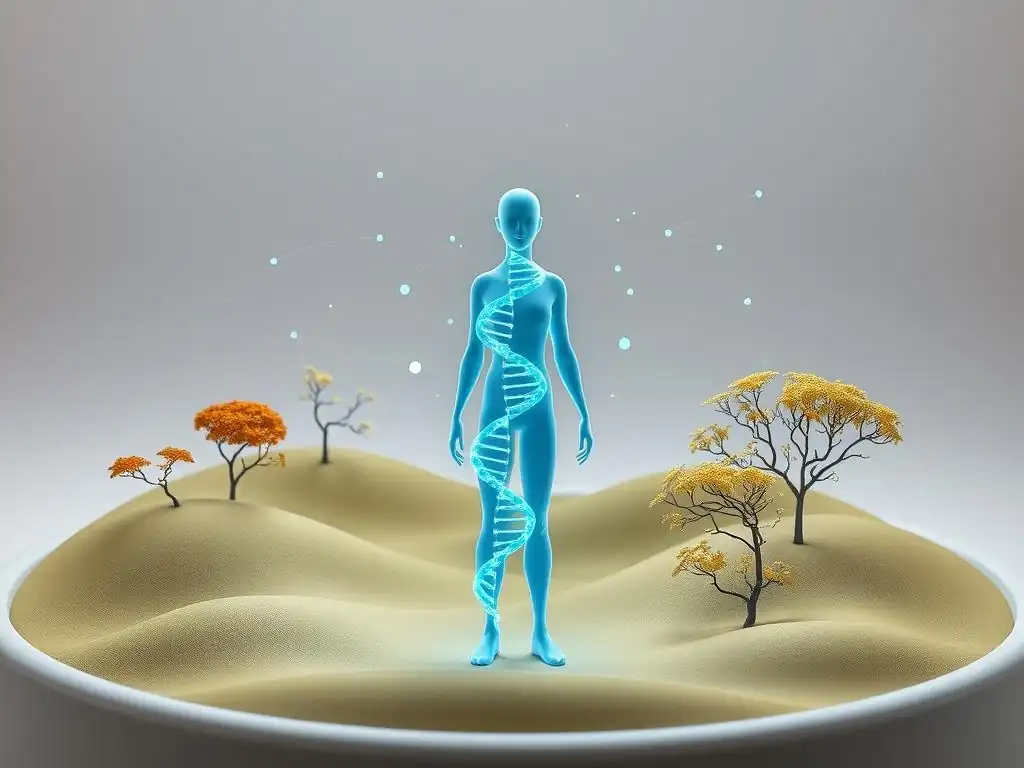
Identifying Individuals at High Genetic Risk: Screening and Assessment
Advancements in genetic research and technology are making it increasingly possible to identify individuals who may carry a higher genetic risk for certain mental disorders. Polygenic risk scores (PRS), which aggregate the effects of thousands or even millions of genetic variants across the genome, are becoming more sophisticated and can provide an estimate of an individual's genetic predisposition compared to the population average. While not diagnostic, these scores can indicate elevated vulnerability.
Identifying individuals with a higher genetic risk, perhaps through family history assessments combined with future genetic screening technologies, could enable targeted prevention efforts. This doesn't mean predicting who will get sick, but rather identifying those who might benefit most from proactive environmental interventions. Ethical considerations surrounding privacy, potential discrimination, and the psychological impact of knowing one's genetic risk are paramount and require careful navigation as these technologies advance. The goal is to use this information responsibly to empower individuals with knowledge that can guide their proactive approach to genetic risk environmental modification.
Personalized Prevention Strategies: Tailoring Interventions to Individual Needs
Recognizing that individuals have unique genetic profiles and environmental exposures, the future of mental health prevention lies in personalization. Instead of one-size-fits-all approaches, prevention strategies could be tailored to an individual's specific genetic vulnerabilities, life experiences, and current environmental context. For example, someone with a high polygenic risk for depression who has also experienced childhood trauma might benefit from a different combination of interventions (e.g., trauma-informed therapy, stress management techniques, specific nutritional guidance) than someone with a similar genetic risk but a supportive upbringing.
Personalized prevention could involve integrating genetic information (when ethically and responsibly applied) with data on lifestyle, diet, stress levels, social support, and environmental exposures to create a comprehensive risk profile. Based on this profile, clinicians and individuals could collaboratively develop a personalized plan for genetic risk environmental modification. This might include specific dietary recommendations, exercise regimens, stress reduction techniques, targeted therapy, and strategies for avoiding or mitigating exposure to known environmental risks, maximizing the potential for positive outcomes.
The Ethical Considerations of Genetic Risk Modification
Exploring the potential to modify genetic risk through environmental changes raises important ethical questions. Issues surrounding privacy and the security of genetic information are critical. Who has access to this data, and how can it be protected from misuse? There are concerns about potential genetic discrimination in areas like employment or insurance.
Furthermore, communicating genetic risk information requires careful consideration to avoid causing distress or stigma. It's essential to emphasize that genetic risk is not destiny and that environmental factors offer pathways for resilience and prevention. Ensuring equitable access to genetic screening and personalized environmental interventions is also a major ethical challenge. As we advance in understanding genetic risk environmental modification, it is crucial to develop ethical guidelines and policies that protect individuals and promote responsible use of this knowledge for the benefit of public mental health.
Future Directions in Genetic Risk Modification and Mental Health Prevention
Advancements in Epigenetic Research: Unlocking New Therapeutic Targets
Ongoing research into epigenetics continues to deepen our understanding of how environmental factors leave molecular footprints on our genome. Scientists are identifying specific epigenetic marks (like methylation patterns) associated with mental disorders and how these marks are influenced by different environmental exposures (e.g., stress, diet, toxins). This research is opening up exciting possibilities for new therapeutic targets.
For instance, future treatments might involve developing drugs or interventions that can reverse or prevent detrimental epigenetic changes induced by adverse environments, effectively 'resetting' gene expression patterns towards a healthier state. While still largely in the research phase, the prospect of targeting the epigenetic machinery offers a novel approach to genetic risk environmental modification at a molecular level. Understanding which specific epigenetic changes are most relevant to particular genetic vulnerabilities and environmental exposures is a key focus of current research.
Precision Medicine: Integrating Genetic and Environmental Data for Personalized Care
The future of mental healthcare is moving towards precision medicine, which aims to tailor medical treatment to the individual characteristics of each patient. For mental health, this means integrating a wide range of data, including genetic information, environmental exposures, lifestyle factors, clinical symptoms, and treatment responses, to provide more accurate diagnoses, prognoses, and personalized treatment plans.
By combining insights from genetic risk scores with detailed information about an individual's past and present environment, clinicians can gain a more holistic understanding of their vulnerability and resilience factors. This integrated approach will facilitate the development of highly personalized strategies for genetic risk environmental modification, recommending specific lifestyle changes, therapies, or preventative measures that are most likely to be effective for that individual. This requires sophisticated computational tools and databases to manage and interpret complex datasets.
Utilizing Wearable Sensors for Environmental Exposure Monitoring
Technological advancements, such as wearable sensors and smartphone apps, offer new ways to monitor an individual's environmental exposures in real-time. These devices can track various factors relevant to mental health, including physical activity levels, sleep patterns, social interactions (indirectly), exposure to light and noise, and even physiological stress indicators like heart rate variability.
In the future, integrating data from such sensors with genetic risk information could provide unprecedented insights into the dynamic interplay between an individual's genetic makeup and their daily environmental experiences. This could allow for highly personalized, just-in-time interventions.
For example, if a sensor detects prolonged stress or social isolation in someone with a high genetic risk for depression, an app could prompt them with personalized coping strategies or suggestions for social engagement. This continuous monitoring and feedback loop represents a cutting-edge approach to genetic risk environmental modification, enabling individuals to proactively manage their environmental influences based on real-time data and their specific vulnerabilities.
Conclusion: Empowering Individuals Through Environmental Control and Genetic Awareness
Taking Control of Your Mental Health: Practical Steps and Resources
Understanding the interplay between genes and environment empowers individuals to take a proactive stance regarding their mental health. While you cannot change your genetic code, you have significant agency over many environmental factors that influence how those genes are expressed and how your brain functions.
Practical steps for genetic risk environmental modification include prioritizing a balanced diet rich in whole foods, engaging in regular physical activity (aim for at least 150 minutes of moderate exercise per week), ensuring adequate sleep (7-9 hours for most adults), practicing stress management techniques (like mindfulness, meditation, or yoga), nurturing strong social connections, and minimizing exposure to environmental toxins where possible. Accessing mental health resources, such as therapy or counseling, provides professional support and teaches effective coping strategies. Many online resources, community centers, and healthcare providers offer support and information to help you implement these changes.
The Hope for a Future with Reduced Mental Health Burden Through Proactive Prevention
The growing understanding of genetic risk environmental modification offers significant hope for reducing the global burden of mental illness. By shifting the focus from solely treating disorders once they manifest to proactively preventing them, we can improve countless lives. Identifying individuals at higher risk, combined with the knowledge of how specific environmental interventions can influence outcomes, opens the door to highly effective, personalized prevention strategies.
This proactive approach requires continued investment in research, public health initiatives promoting healthy environments, and accessible mental healthcare resources. It also necessitates a societal shift towards destigmatizing mental health challenges and embracing the power of lifestyle and environmental factors in shaping our psychological wellbeing. The promise lies in empowering individuals and communities to leverage environmental control and genetic awareness to build resilience and foster a future where fewer people experience the debilitating effects of mental disorders.
Frequently Asked Questions
How does our genetic makeup influence our mental well-being?
Our genes can predispose us to certain mental health conditions, affecting factors like neurotransmitter function and stress response. However, genes are not destiny; their expression can be influenced.
What does "environmental modification" mean in the context of mental health?
Environmental modification refers to changing aspects of our surroundings and lifestyle, such as diet, exercise, social support, and exposure to stressors, to positively impact mental well-being.
What kind of evidence suggests that environmental factors can modify genetic risk for mental illness?
Studies show that individuals with a genetic predisposition to depression, for example, may be less likely to develop the condition if they maintain a healthy lifestyle and have strong social connections.
Can specific environmental changes be targeted to offset particular genetic vulnerabilities?
Potentially, yes. Research is exploring how specific interventions, like targeted nutrition or cognitive behavioral therapy, can be used to mitigate the effects of specific genetic risks.
What are the limitations of focusing solely on environmental modification for preventing mental illness?
While powerful, environmental modification isn't a cure-all. Genetic predisposition can be a significant factor in some cases, and some individuals may still require medical intervention despite lifestyle changes.
Final Reflection: The Power of Choice in Shaping Our Genetic Destiny
The convergence of genetics and environment is no longer a theoretical concept; it's the undeniable reality shaping our health and well-being today. Understanding this interplay offers not just a glimpse into the future of medicine, but a powerful tool for proactive health management, empowering individuals to take control of their genetic predispositions. We are not prisoners of our genes.
The exploration of how environmental factors can modify genetic risk has profoundly impacted my understanding of health and disease. It's shifted the focus from a purely deterministic view of genetics to one that emphasizes the dynamic interaction between our inherited blueprints and our lifestyle choices. This nuanced perspective is crucial, as it underscores the agency we possess. The environment is not just something we live in; it is something we are made of.
This quote encapsulates the profound interconnectedness between our internal biology and the external world we inhabit. It reminds us that our choices, from diet and exercise to stress management and social connections, are not trivial; they are powerful modifiers of our genetic expression.
Consider the implications of this knowledge. You are not simply a product of your genes, but an active participant in shaping your health trajectory. What steps will you take today to optimize your environment and mitigate potential genetic risks? Will you prioritize a healthier diet, engage in regular physical activity, cultivate strong social connections, or seek out resources to manage stress effectively? The power to influence your genetic destiny lies within your reach. Embrace it.
Unlock Your Genetic Potential: Take Control of Your Health Today!
Thanks for exploring the fascinating world of gene-environment interactions with us! You've gained valuable insights into how lifestyle choices can significantly influence your genetic predispositions. Now, it's time to put that knowledge into action.
Here's how you can start making a positive impact:
- Prioritize personalized preventative measures: Based on your unique genetic profile (if you have one), identify key areas for lifestyle improvement — whether it's diet, exercise, stress management, or sleep hygiene — to mitigate potential risks. This is your most impactful step.
- Share this knowledge: Discuss this article with your doctor or family members. Starting a conversation about proactive health choices is vital for collective wellbeing.
- Explore further resources: Dive deeper into the scientific literature on gene-environment interactions – you can find some fascinating research online!
What steps will you take today to proactively protect your genetic health?